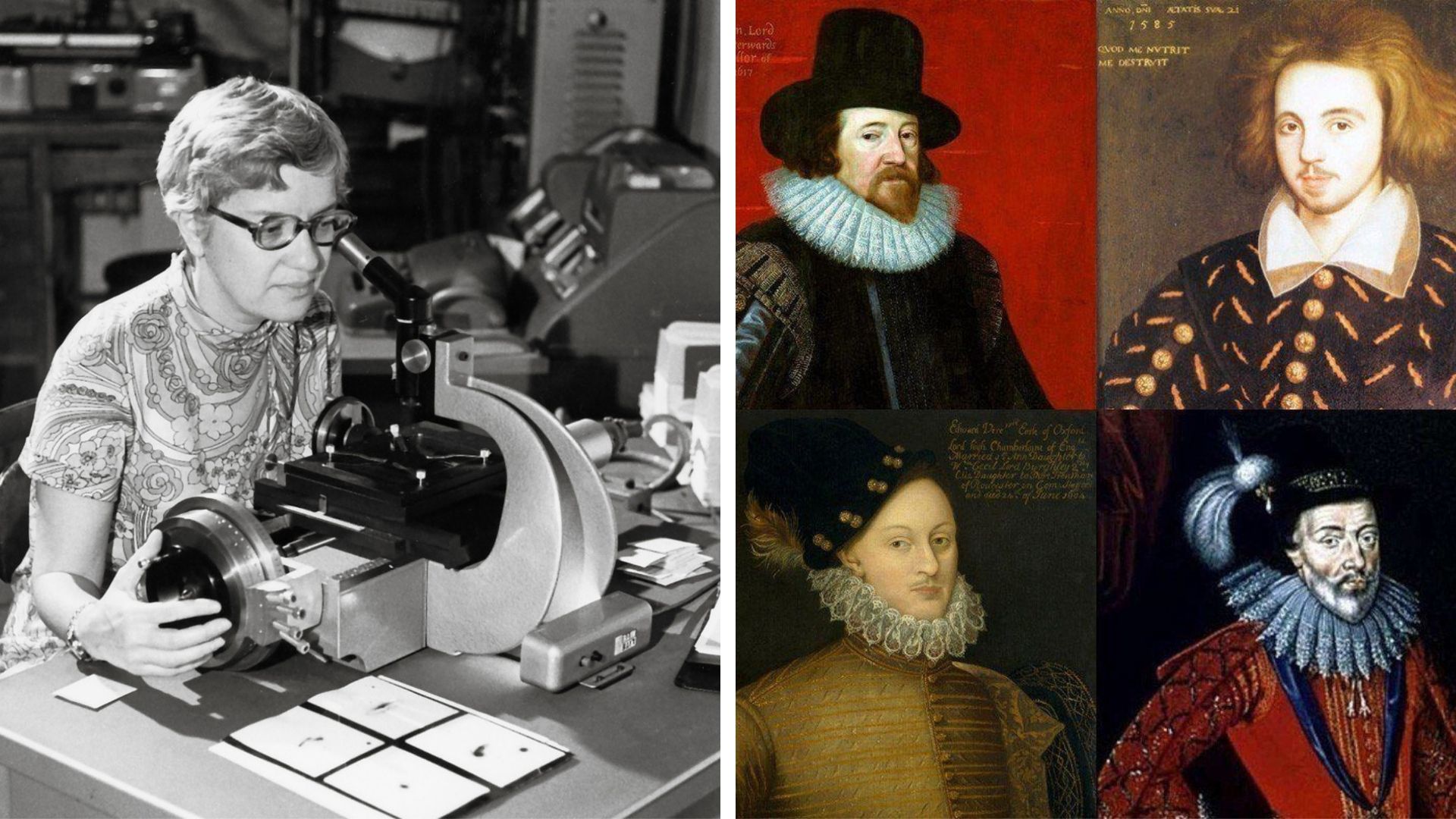
History is often written by those with the best marketing rather than the most brilliant minds. Behind many of the world’s greatest breakthroughs lies a narrative of overlooked genius and stolen thunder. Within this collection of 30 historical accounts, we explore instances where the name in the textbook fails to tell the whole story. Examining these legacies reveals a more complex reality of how human progress actually unfolds across the centuries.
Calculus
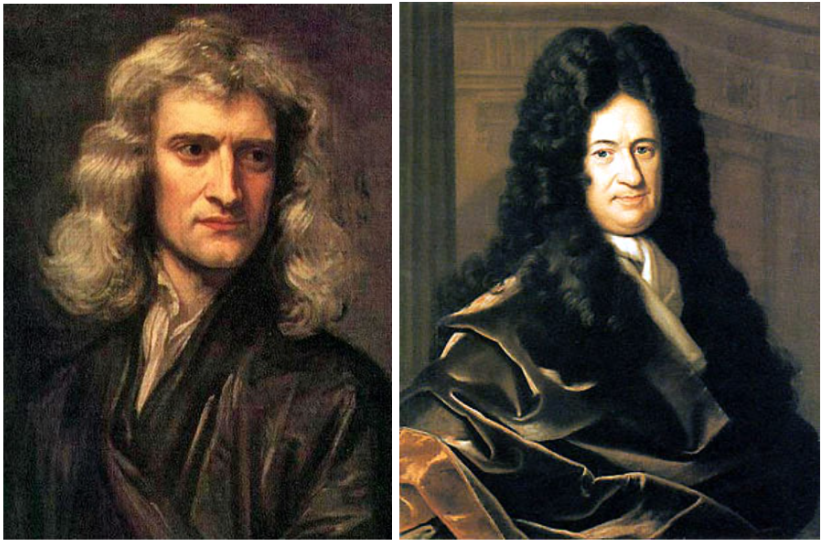
Isaac Newton is the primary figure in English-speaking history, but Gottfried Wilhelm Leibniz developed the system independently. Most modern notation actually stems from Leibniz’s work rather than Newton’s method. This intellectual rivalry defined mathematical circles for generations.
The Telephone
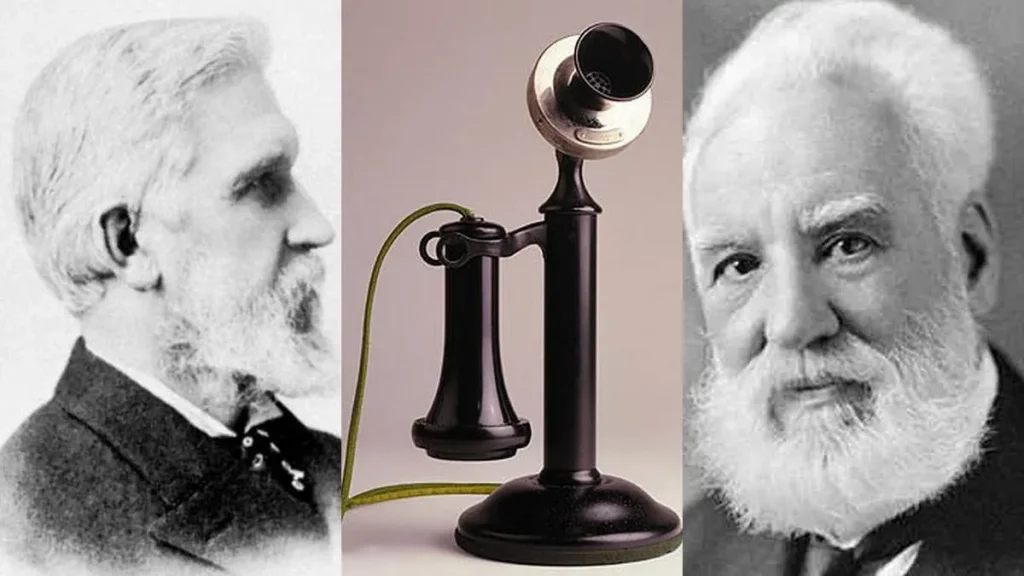
Alexander Graham Bell is credited with the invention, but Antonio Meucci had developed a talking telegraph years earlier. Financial hardship prevented Meucci from maintaining his patent caveat in the United States. His legacy was only officially recognized by Congress over a century later.
Pulsars
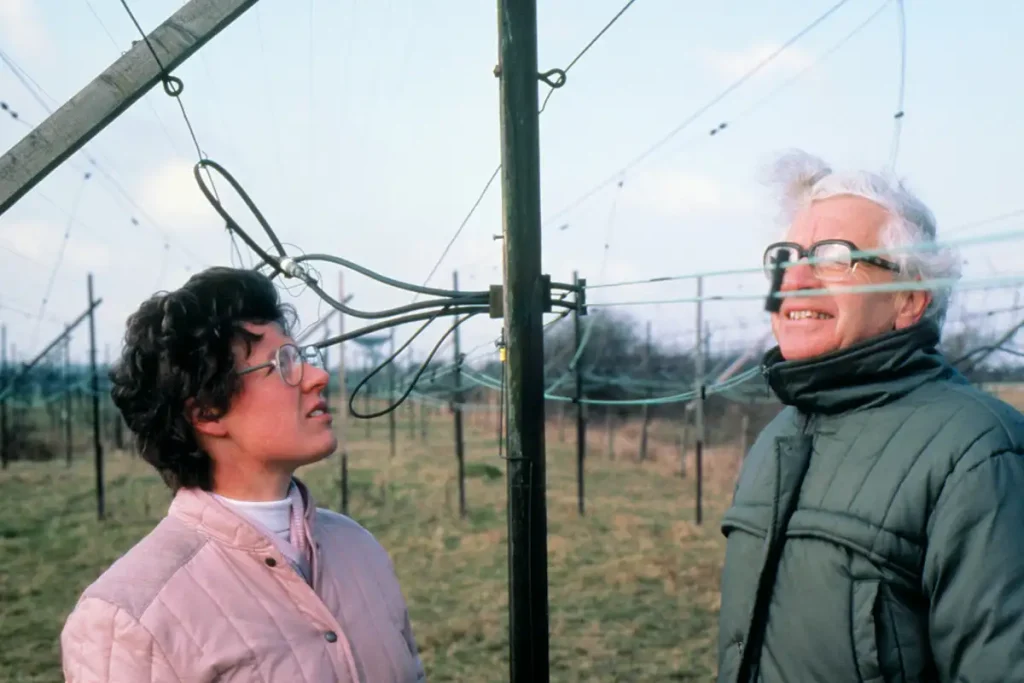
Antony Hewish won a Nobel Prize for discovering these celestial objects. The actual discovery was made by his student, Jocelyn Bell Burnell, who noticed the unusual scruff on her radio telescope charts. Despite her observation being the catalyst, she was excluded from the prize ceremony.
The Cotton Gin
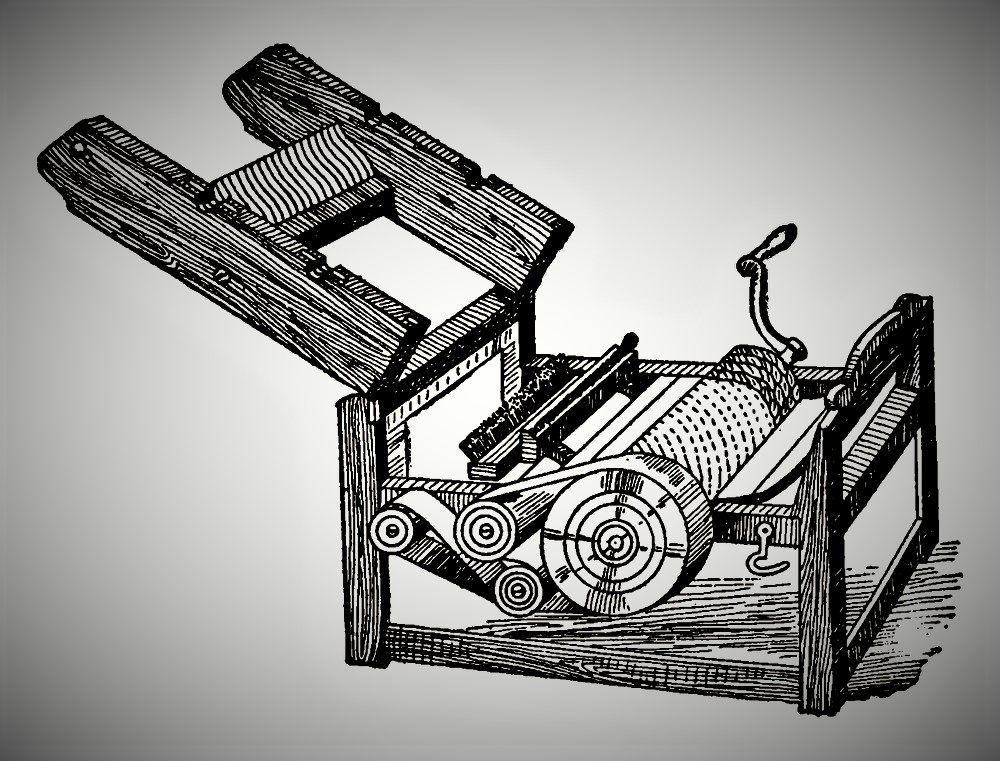
Eli Whitney is the name on the patent, but many historians believe Catherine Littlefield Greene provided the essential design concepts. Women at the time were largely discouraged from holding patents or participating in mechanical engineering. Greene’s contributions remain a subject of significant historical debate.
Monopoly
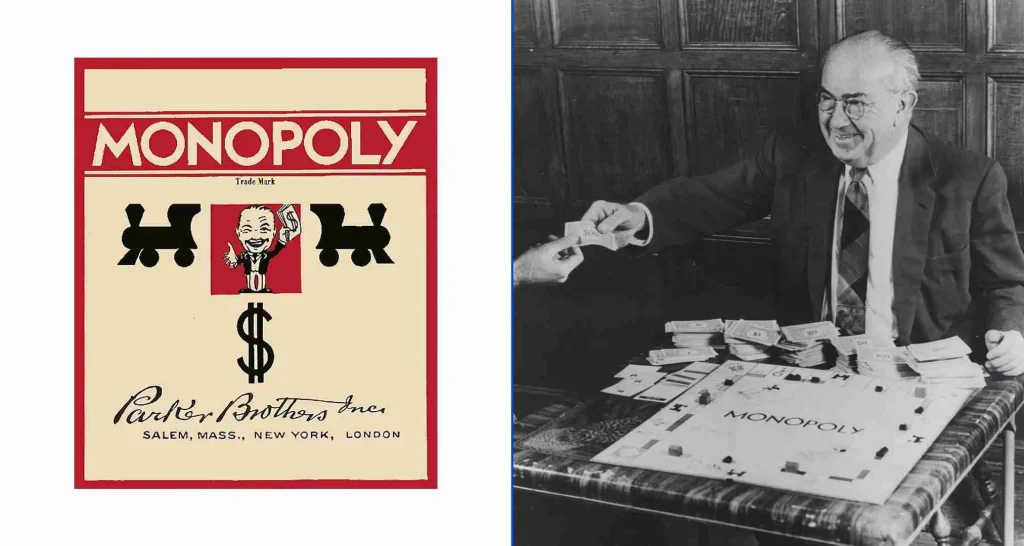
Charles Darrow sold the game to Parker Brothers as his own original creation during the Great Depression. It was actually designed by Elizabeth Magie as “The Landlord’s Game” decades earlier. Her goal was to teach about the dangers of wealth concentration rather than celebrate it.
DNA Structure
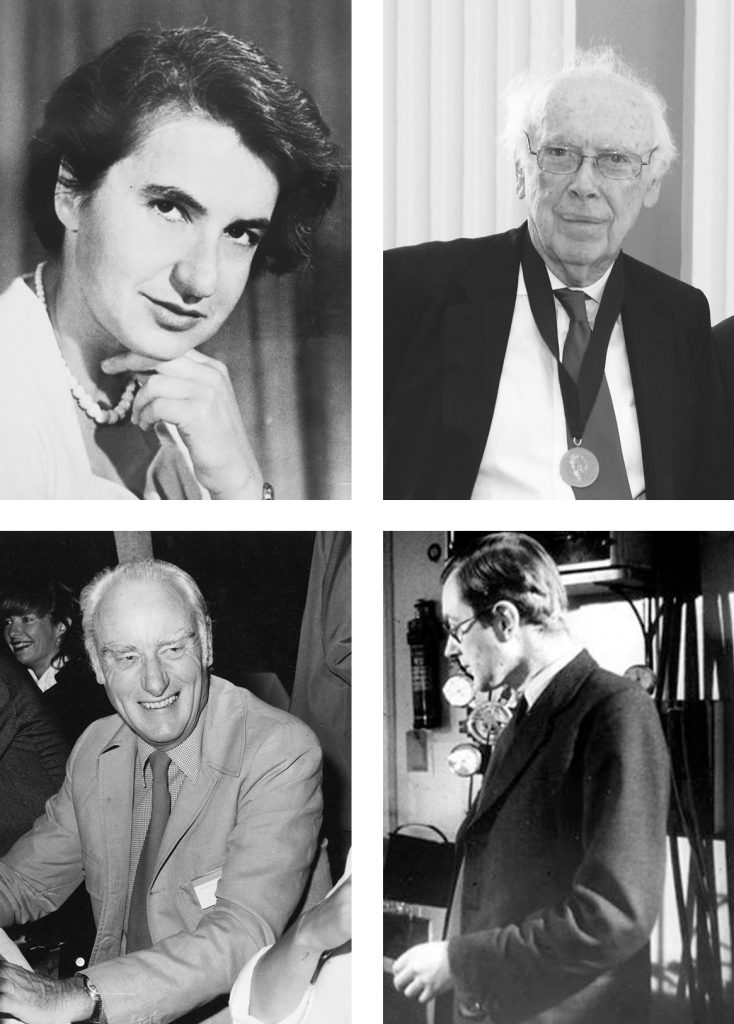
James Watson and Francis Crick are the names synonymous with the double helix. However, they relied heavily on X-ray diffraction images captured by Rosalind Franklin without her knowledge. Her Photo 51 was the critical evidence needed to confirm their theoretical model.
America
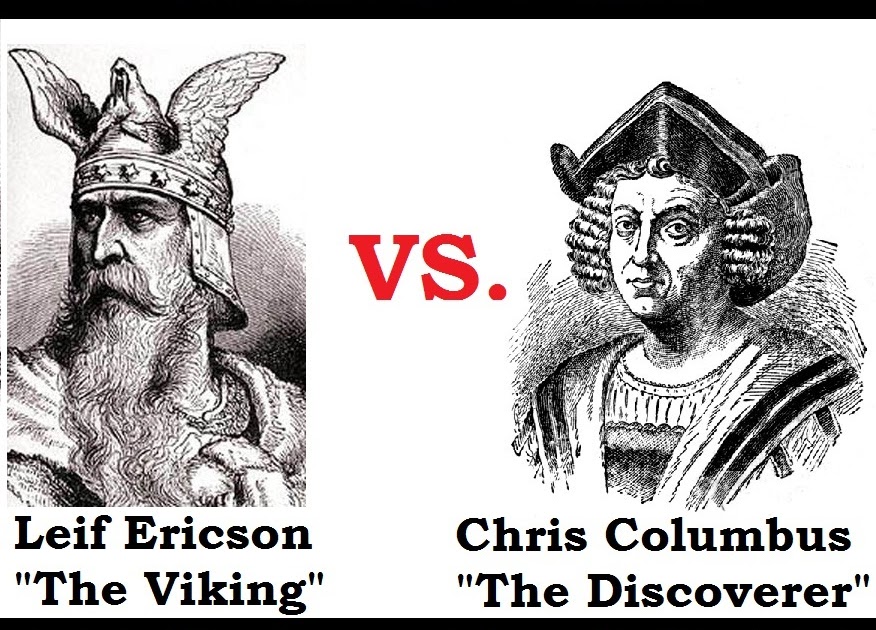
Christopher Columbus discovered a land already inhabited by millions and visited by Norse explorers like Leif Erikson centuries prior. His arrival marked a demographic shift rather than a true discovery of a new world. This historical framing is increasingly questioned in modern education.
The Lightbulb
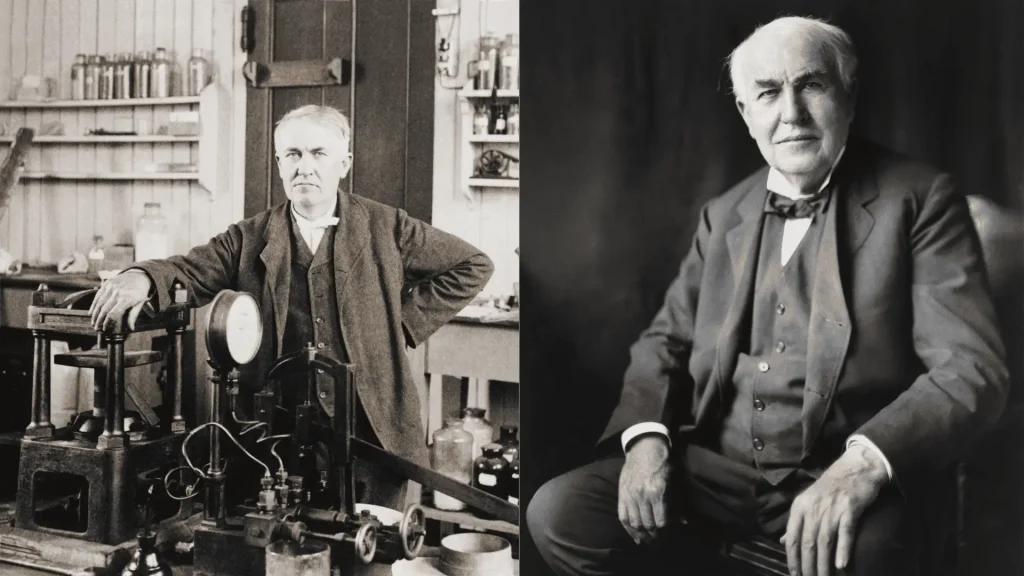
Thomas Edison’s patent is famous, yet Joseph Swan in England and Lewis Latimer played crucial roles. Latimer specifically invented the carbon filament that made the bulbs durable for commercial use. Without Latimer’s contribution, early bulbs would have remained impractical for daily life.
The Radio
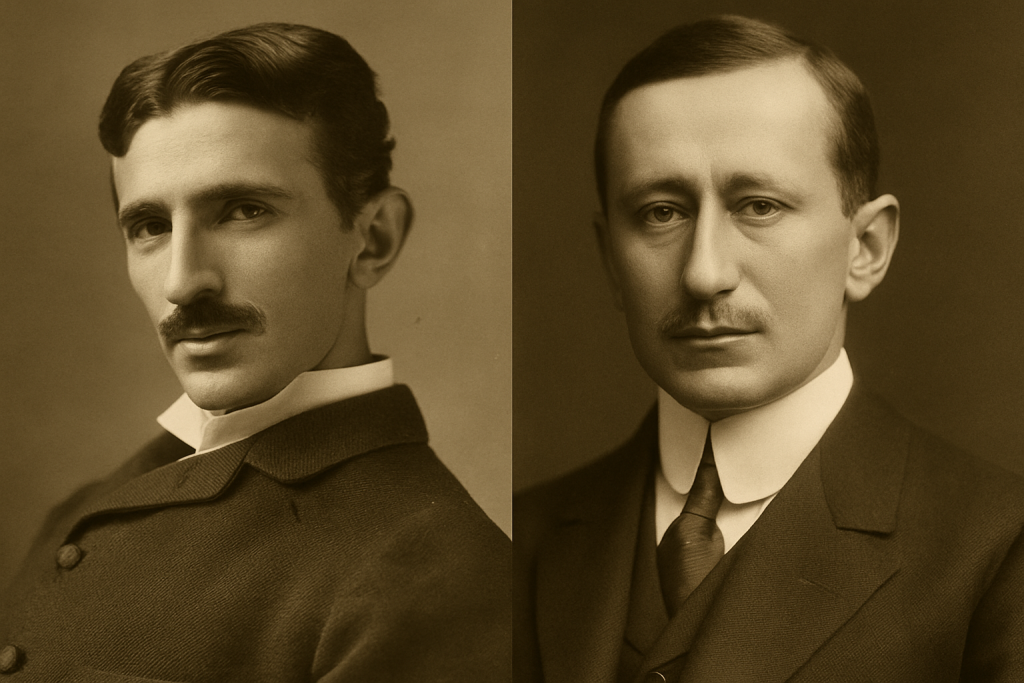
Guglielmo Marconi won the Nobel Prize, but Nikola Tesla’s patents for radio transmission predated his. The Supreme Court eventually recognized Tesla’s priority decades after the fact. This legal victory came too late for Tesla to benefit financially from his invention.
Penicillin
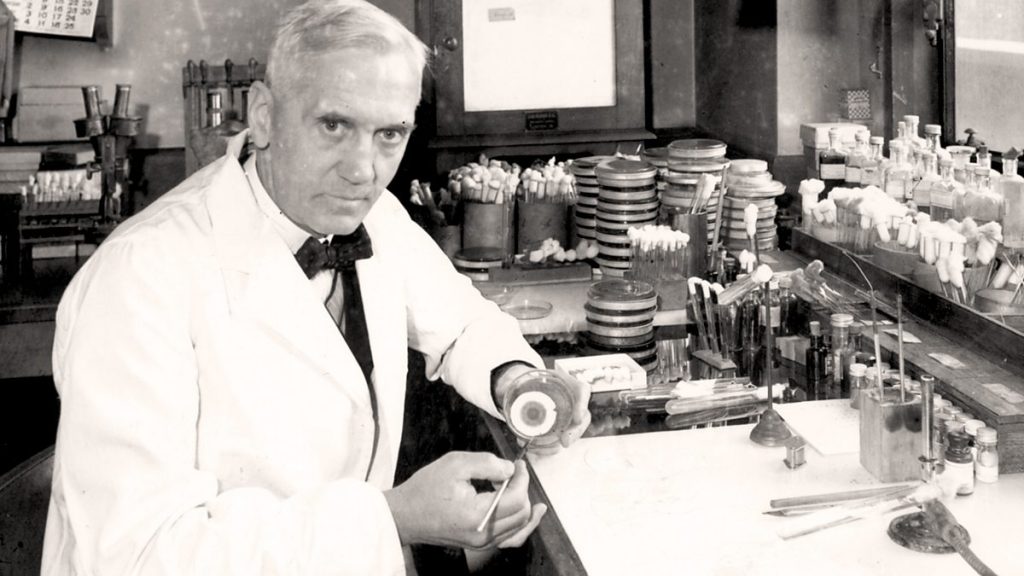
While Alexander Fleming observed the mold, Howard Florey and Ernst Chain did the heavy lifting to turn it into medicine. Ernest Duchesne had actually documented the antibiotic properties of mold decades before Fleming. His thesis on the subject was largely ignored by the medical establishment at the time.
The Telescope
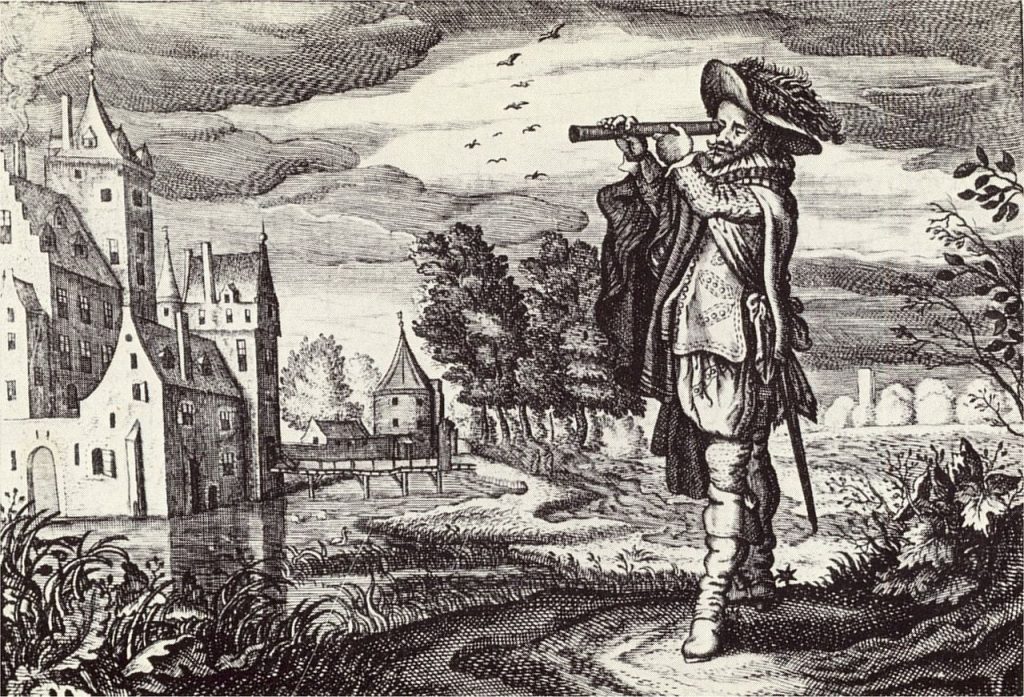
Galileo Galilei is often called the inventor, but he merely improved upon existing designs. Hans Lippershey filed the first patent for the device in the Netherlands before Galileo ever pointed one at the stars. Galileo’s fame comes from his astronomical observations rather than the mechanical invention itself.
Expanding Universe
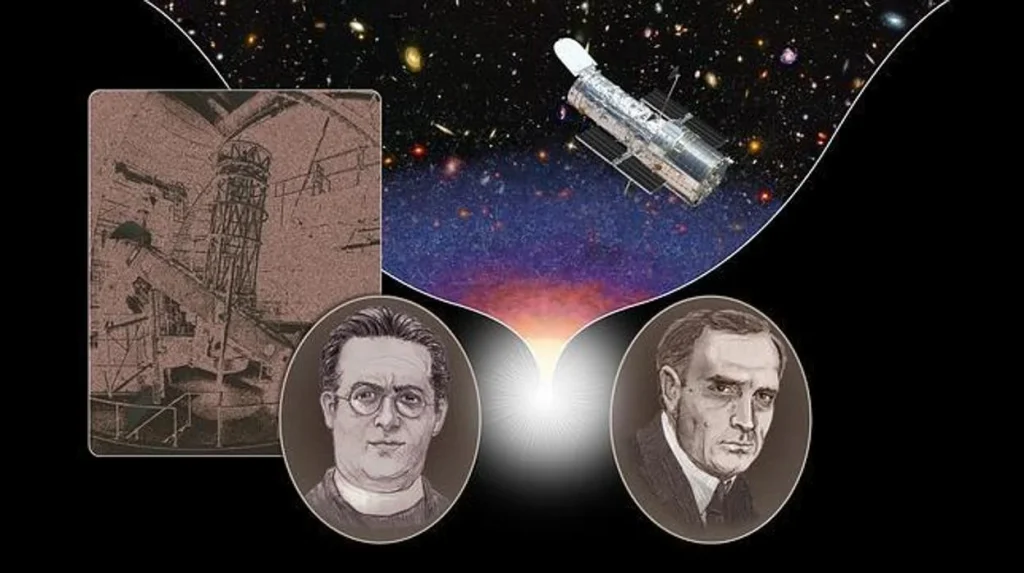
The Hubble Constant bears Edwin Hubble’s name, yet Georges Lemaître derived the expansion rate first. Hubble’s observations provided the raw data, but Lemaître’s theoretical framework came earlier. Lemaître was also the first to propose what we now call the Big Bang theory.
Paper Bags
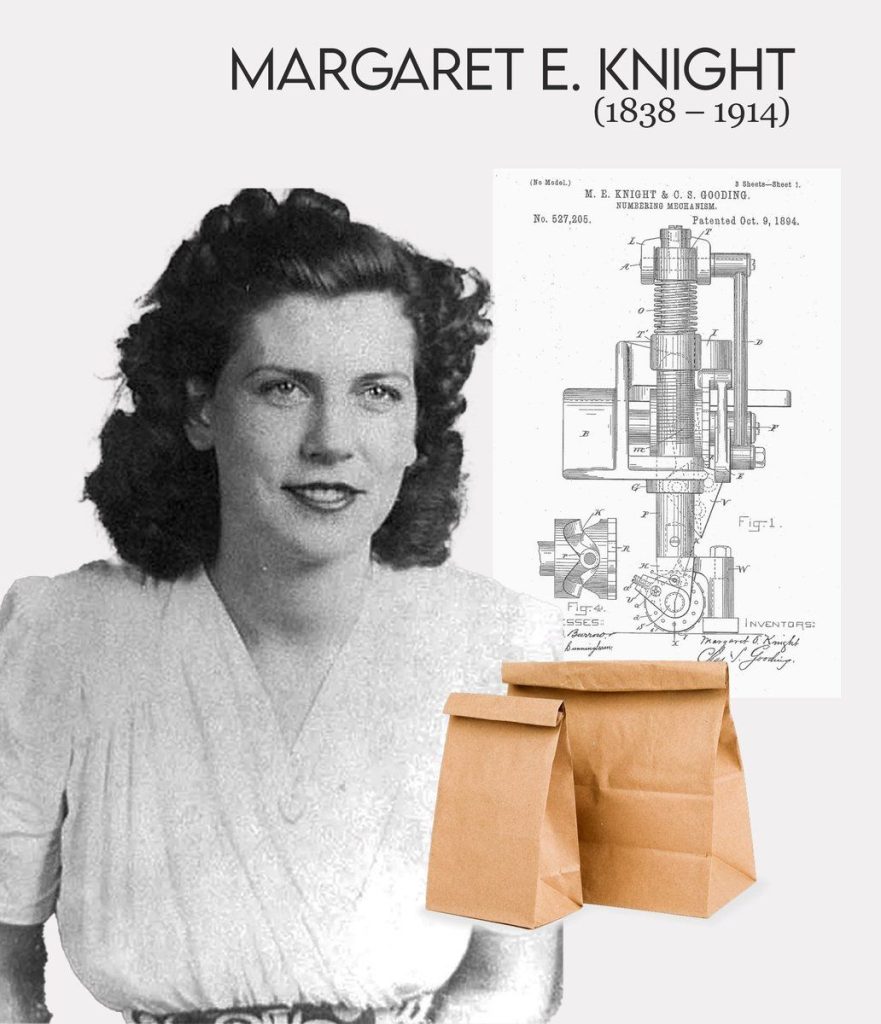
Charles Annan attempted to steal the patent for a machine that made flat-bottomed paper bags. Margaret Knight took him to court and won after proving she was the true mechanical mastermind. Annan had argued that a woman could not possibly understand such complex machinery.
Television
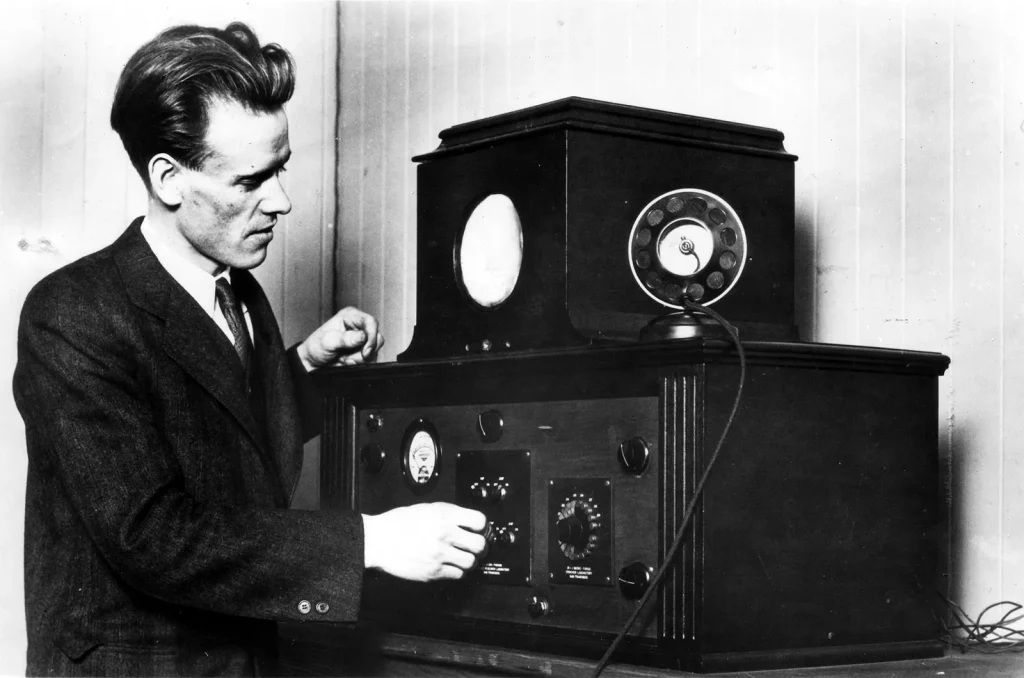
Philo Farnsworth invented the electronic television, but RCA and Vladimir Zworykin fought him for years. RCA eventually paid Farnsworth royalties after a long legal battle. Zworykin is still often the name associated with the technology’s corporate rise in history books.
Motion Pictures
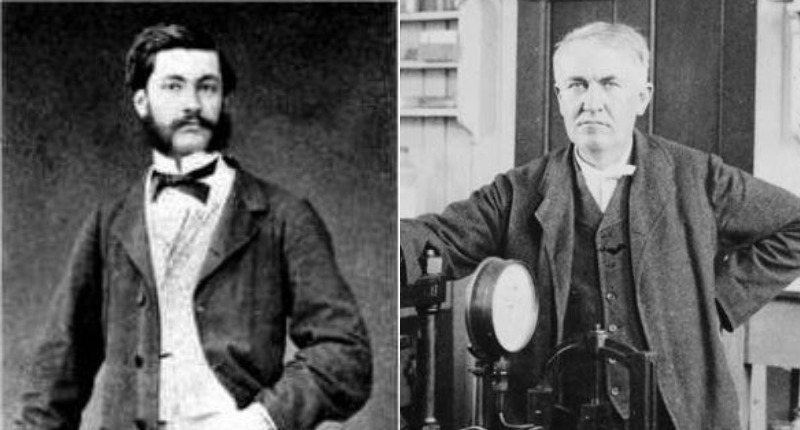
Thomas Edison is considered the American father of film, but Louis Le Prince filmed moving sequences in 1888. Le Prince mysteriously disappeared before he could publicly demonstrate his technology in the United States. His work remains a fascinating mystery for film historians.
The Steamboat
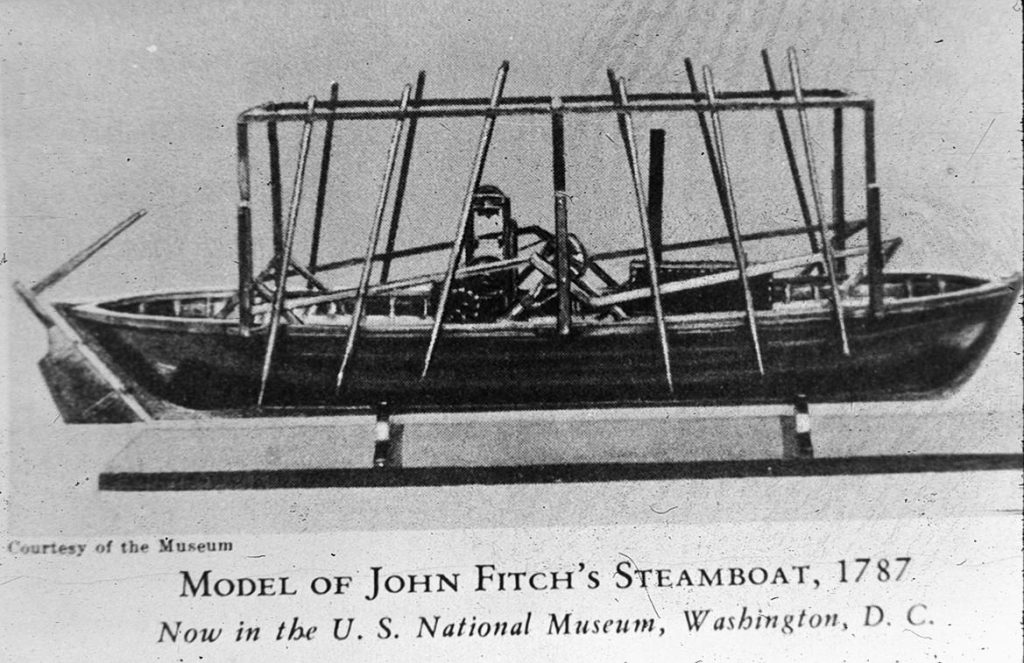
Robert Fulton is credited with the first successful commercial steamboat. John Fitch had operated a working steamboat service on the Delaware River nearly twenty years before Fulton’s “Clermont” appeared. Fitch struggled with financing, which ultimately led to his historical obscurity.
Evolution
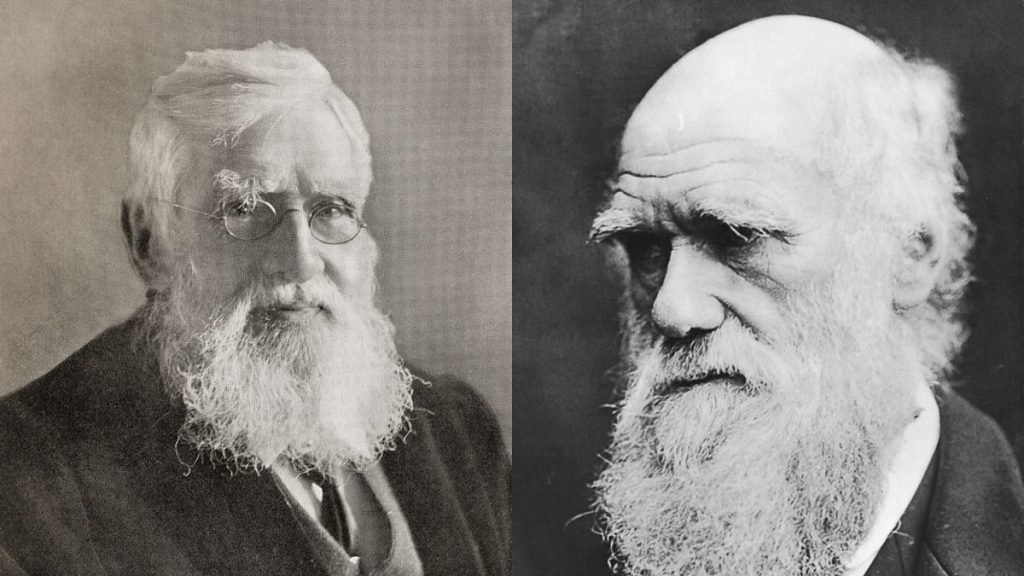
Charles Darwin is the face of natural selection, but Alfred Russel Wallace reached almost identical conclusions at the same time. The two scientists presented their findings together in 1858. History largely remembers only Darwin due to the massive success of “On the Origin of Species”.
Nuclear Fission
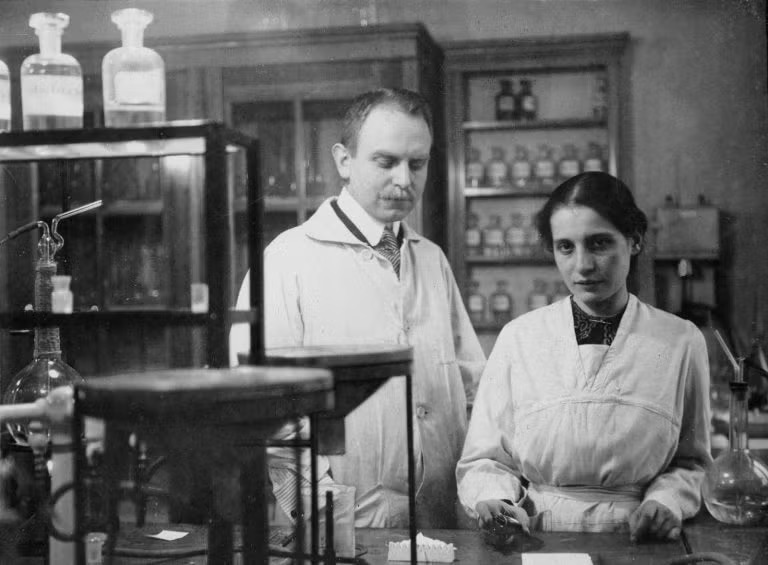
Otto Hahn received the Nobel Prize for the discovery, overlooking the massive contributions of Lise Meitner. Meitner provided the first theoretical explanation of how atoms could split. Her status as a Jewish woman in Germany forced her into exile, complicating her recognition.
The Airplane
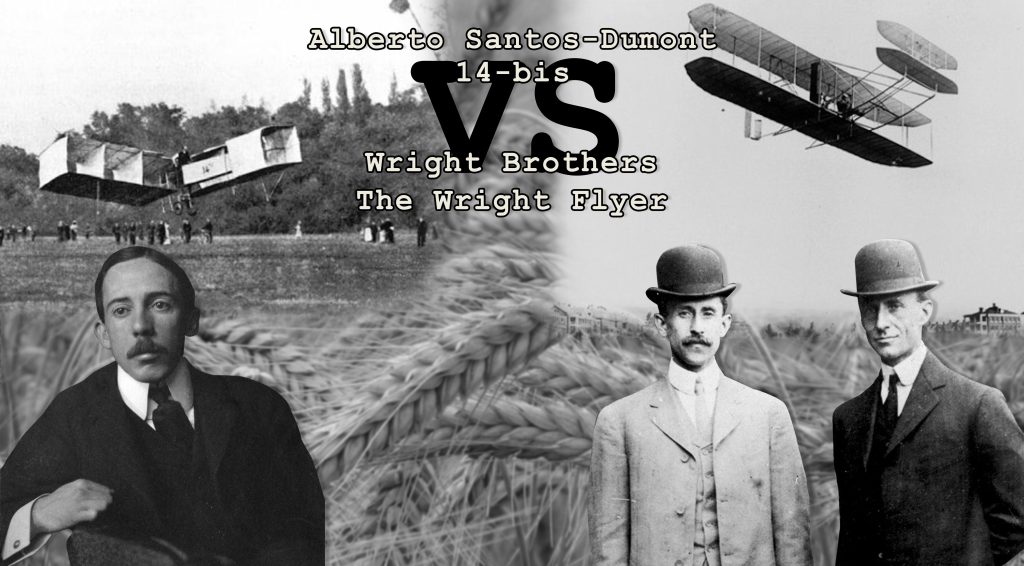
The Wright Brothers are global icons, yet Alberto Santos-Dumont is considered the father of aviation in Brazil. Santos-Dumont’s “14-bis” flew without the aid of a catapult or external launch systems. This distinction remains a point of national pride and technical debate.
Computer Programming
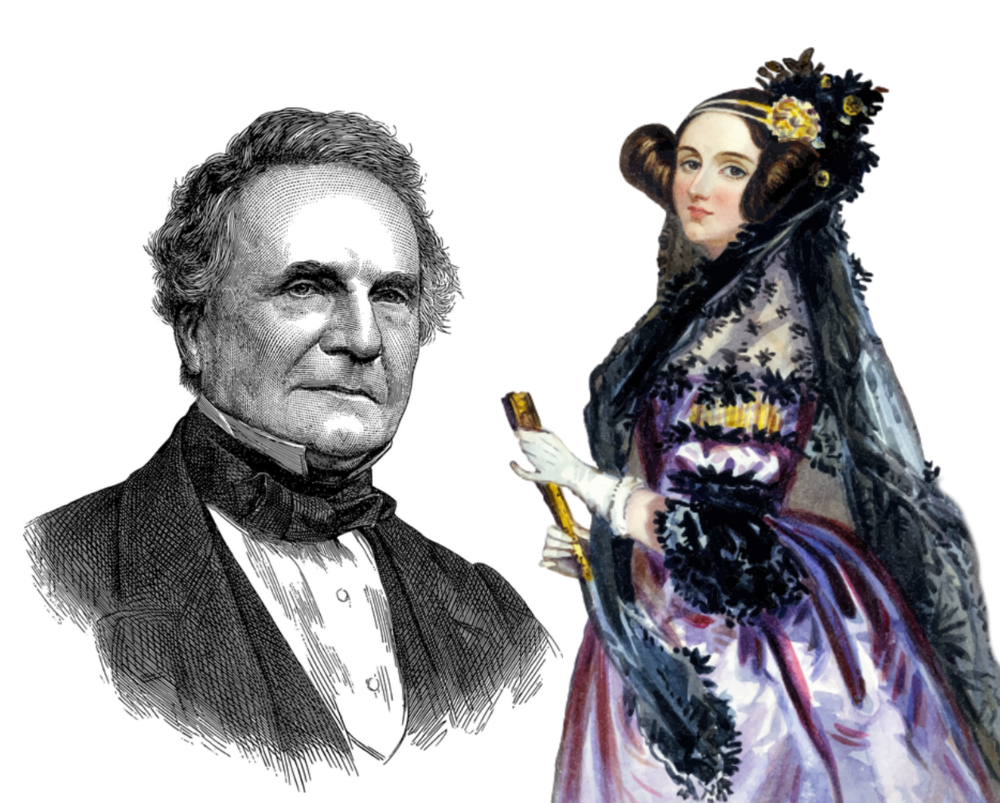
Ada Lovelace is now recognized, but for a century, Charles Babbage was the sole name linked to the Difference Engine. Lovelace wrote the first algorithm intended for his machine. She saw the potential for computers to go beyond simple mathematical calculations.
The Sewing Machine
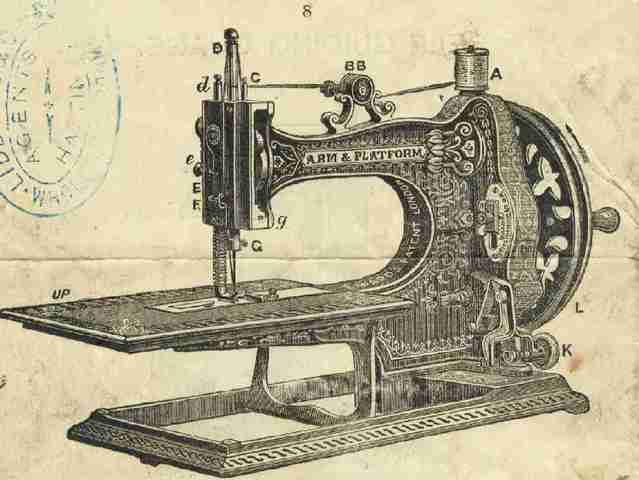
Elias Howe is the standard name, but Walter Hunt invented the lockstitch machine first. Hunt abandoned his design because he feared it would cause mass unemployment for tailors. His moral hesitation allowed others to claim the industrial glory years later.
Anesthesia
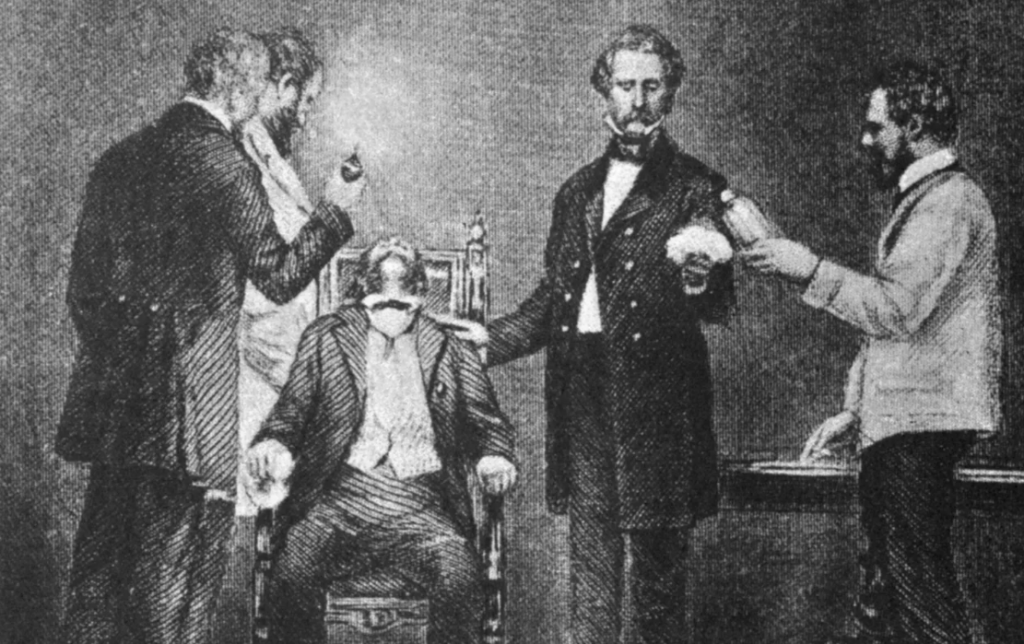
William Morton is often credited with the first use of ether in surgery. Crawford Long had been using it in operations for years but neglected to publish his results immediately. This delay led to a fierce controversy over the true discovery of pain-free surgery.
Periodic Table
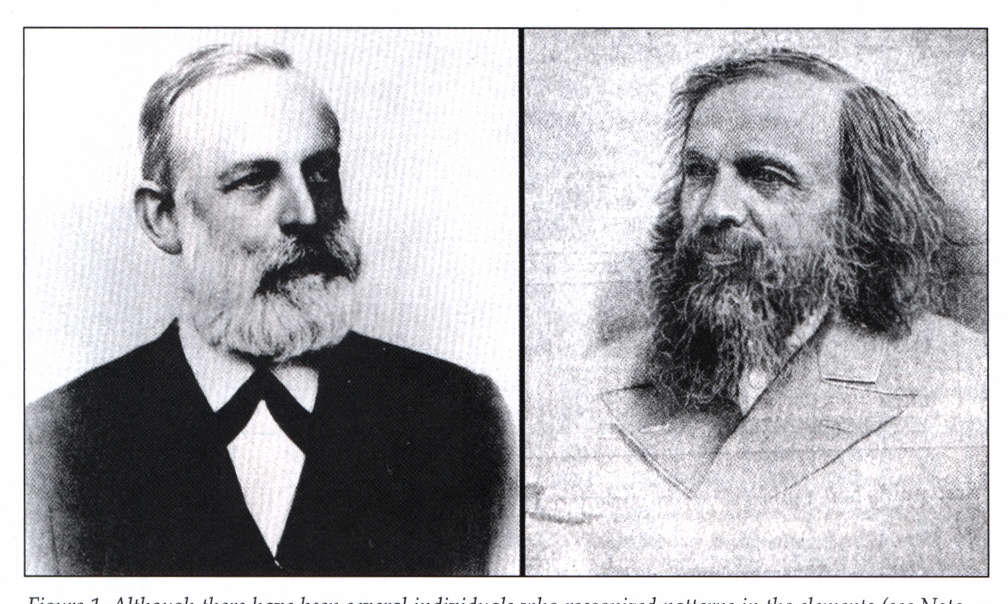
Dmitri Mendeleev is the undisputed father, but Lothar Meyer developed a very similar table concurrently. Meyer’s version organized elements by atomic weight and valency just like Mendeleev’s design. Mendeleev is remembered primarily for his successful predictions of undiscovered elements.
Search Engine Algorithms
Larry Page and Sergey Brin are the faces of modern search. Robin Li developed the RankDex site-scoring algorithm which served as the foundational logic for the system that became Google. Li’s work proved that linking structure was the key to internet organization.
The Flush Toilet
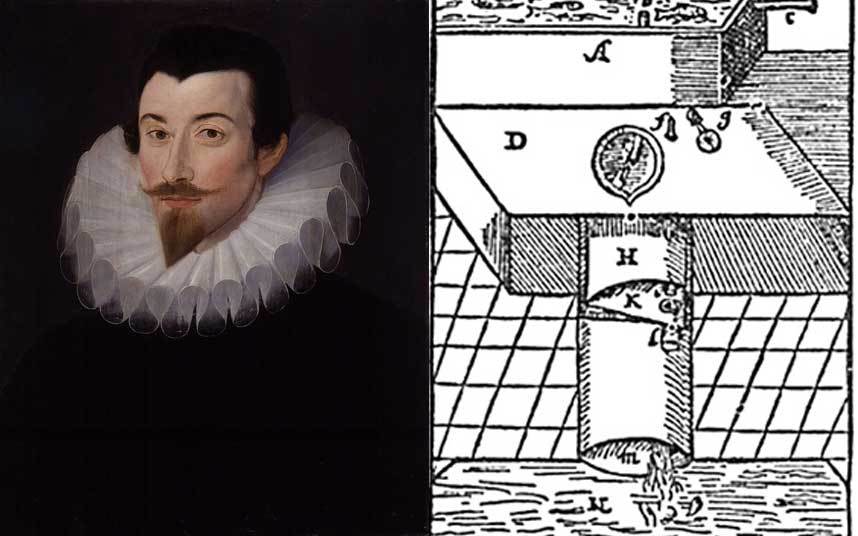
Thomas Crapper is often jokingly credited, but Sir John Harington designed the first flush toilet for Queen Elizabeth I. Alexander Cumming later patented the S-trap that prevented odors from escaping the pipes. The association with Crapper is largely due to his company’s prolific branding.
Leprosy Treatment
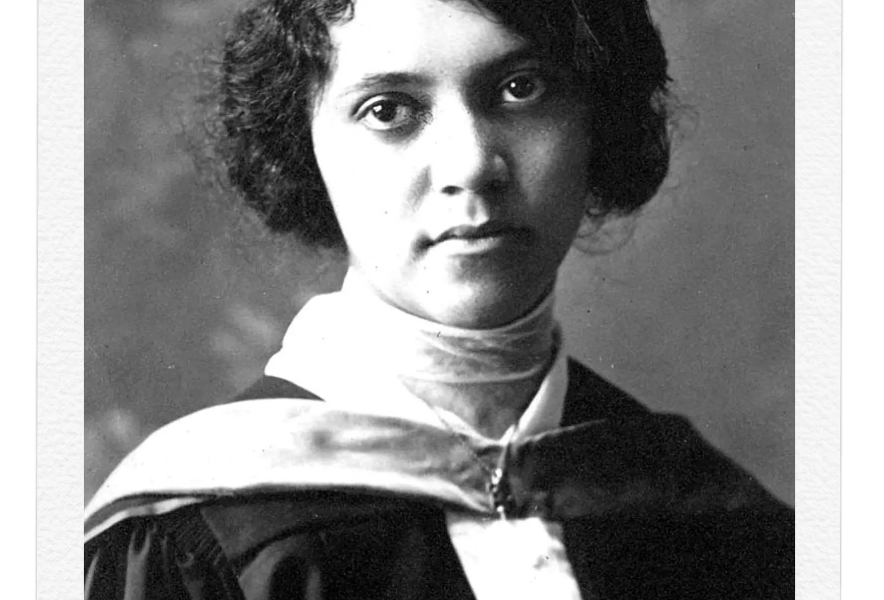
Arthur Dean took credit for the “Ball Method” of treating leprosy for years. Alice Ball developed the injectable oil treatment at age twenty-four, but Dean published her findings under his own name after she died. Her true contribution was only recovered by historians recently.
Dark Matter
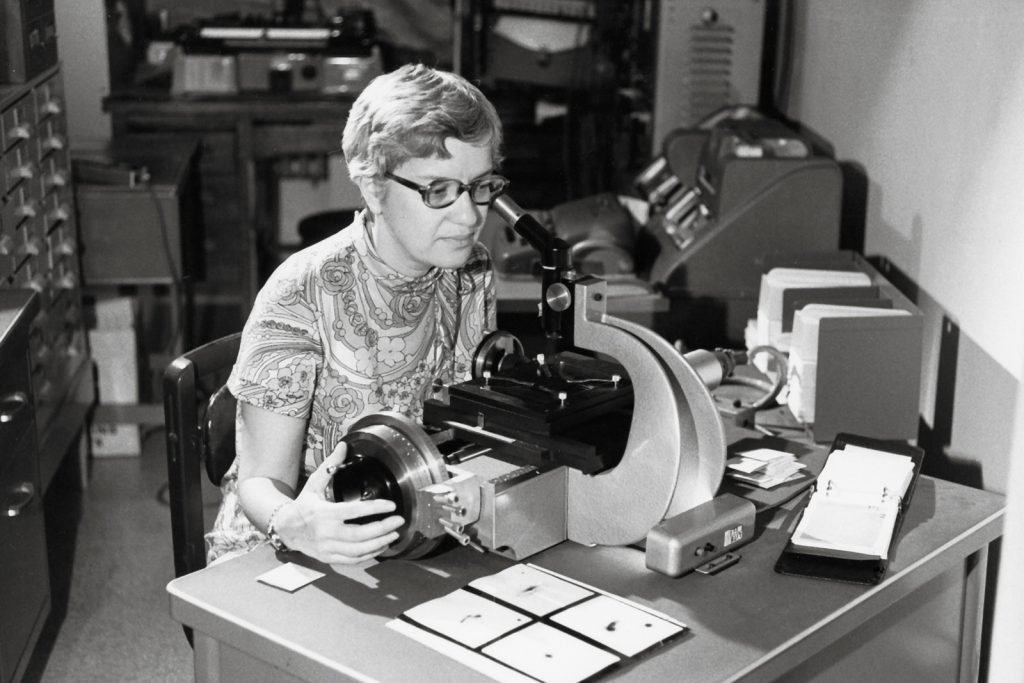
Fritz Zwicky coined the term, but Vera Rubin provided the robust evidence needed for the scientific community to take it seriously. Her work on galaxy rotation rates proved the existence of the unseen mass. She remained a tireless advocate for women in science throughout her career.
Vulcanized Rubber

Charles Goodyear is the name on the global brand, but Thomas Hancock was the first to patent the process in the UK. Hancock reportedly studied a sample of Goodyear’s treated rubber to reverse-engineer the technique. This competition sparked a massive industrial revolution in rubber manufacturing.
The Computer
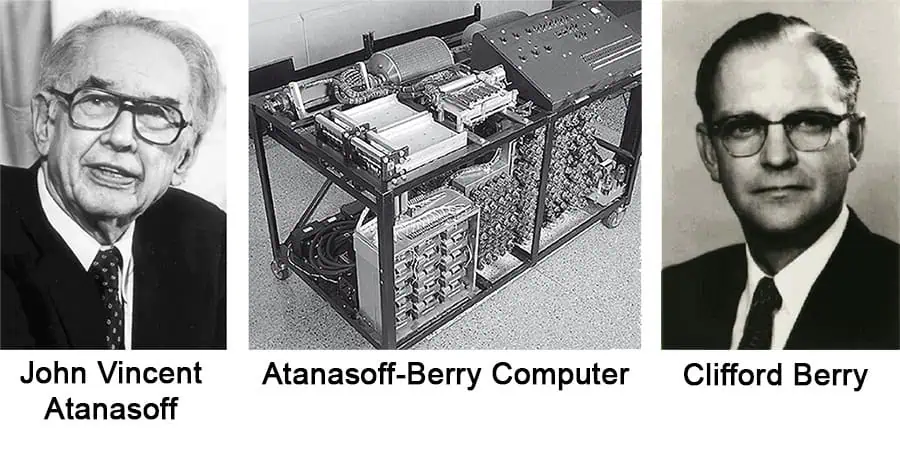
ENIAC is often called the first digital computer, but John Atanasoff and Clifford Berry built the ABC earlier. A 1973 court case eventually stripped the ENIAC inventors of their patent. This legal ruling established Atanasoff as the true pioneer of electronic computing.
Shakespeare’s Plays
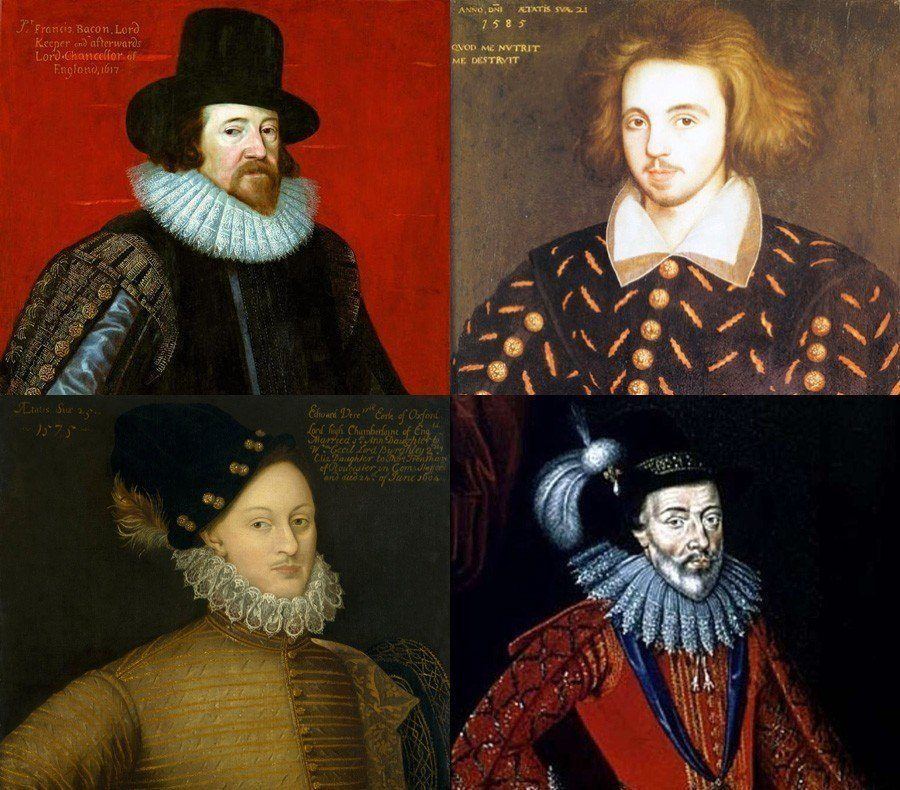
A persistent theory suggests William Shakespeare of Stratford-upon-Avon was a front for other writers. Candidates like Edward de Vere or Christopher Marlowe are often cited by those who believe the “Bard” was a collective or a ghostwriter. While controversial, the debate remains one of the most enduring mysteries in literature history.