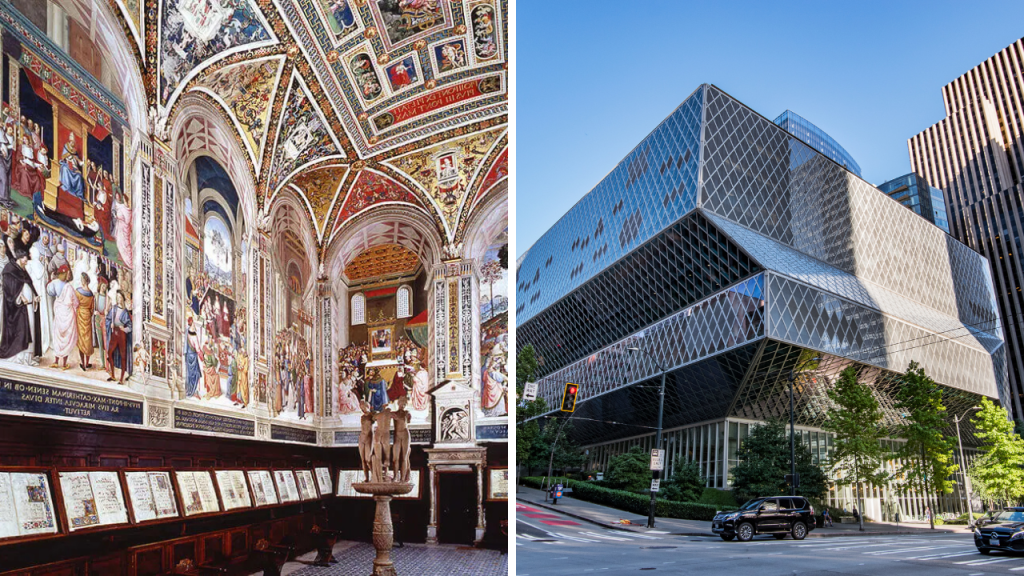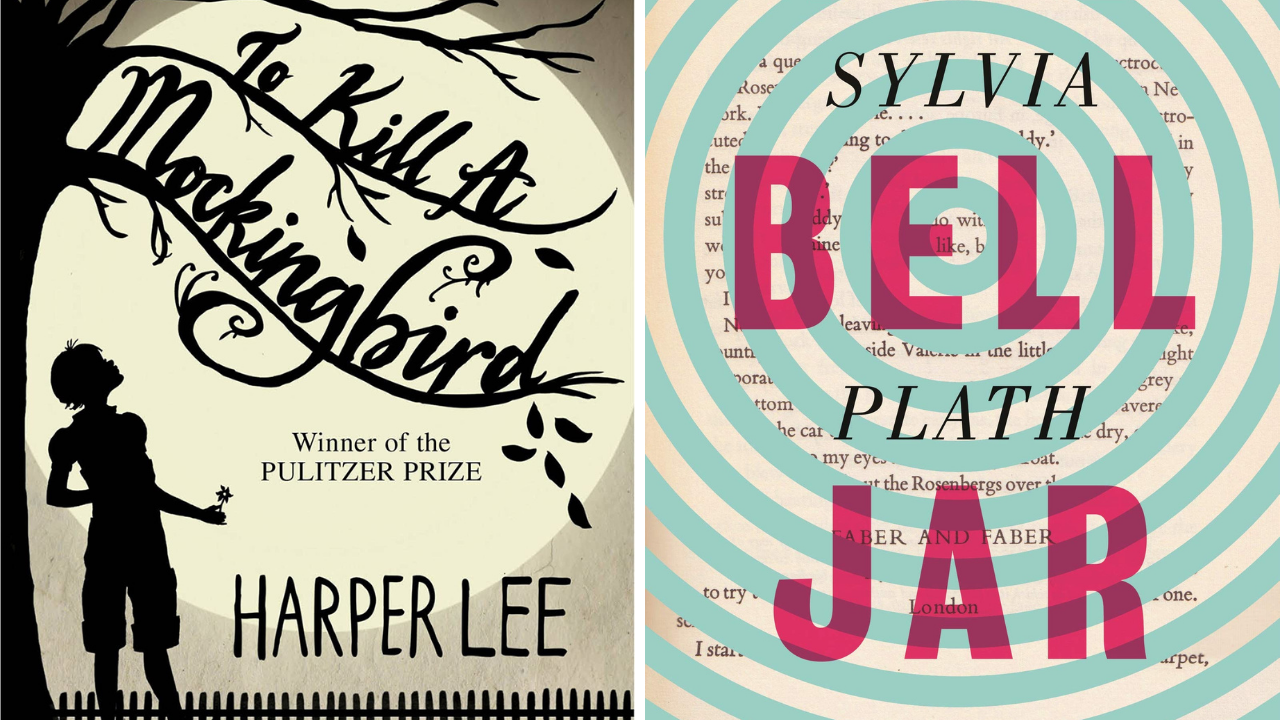
Calling all bookworms out there! We’ve compiled a list of 30 classic works that you should read, ranging from Camus to Anne Frank. Is there a book that must be on this list that we missed? Which book do you think everyone should read?
1. The Catcher in the Rye by J.D. Salinger
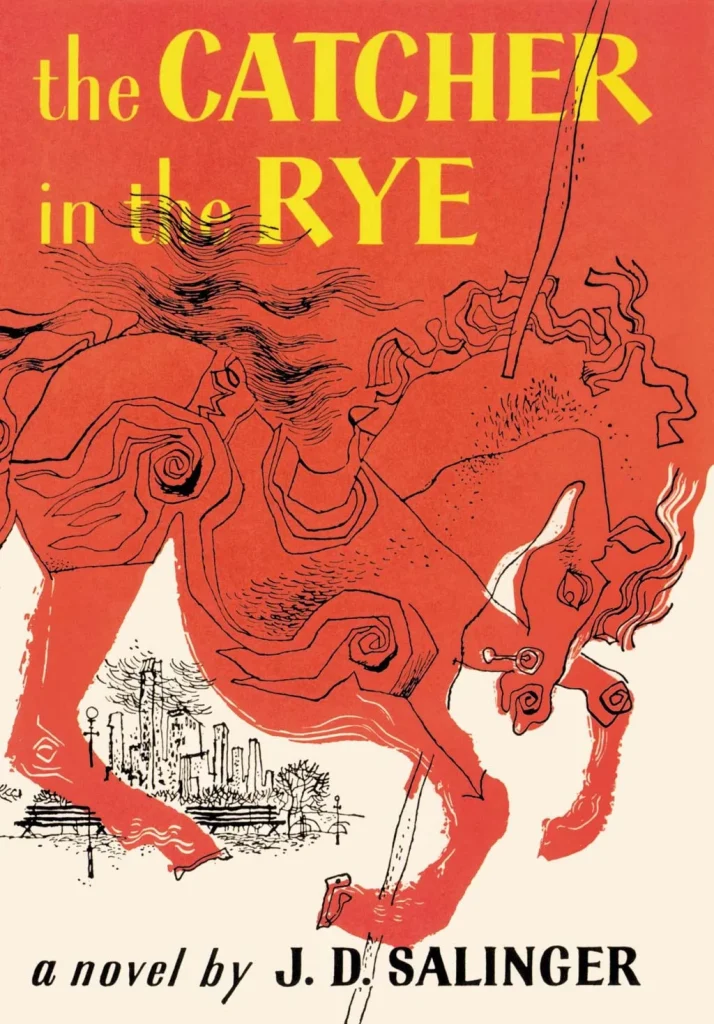
Since its 1951 publication, J.D. Salinger’s “The Catcher in the Rye”, possibly one of the most well-known books of our time, has received widespread praise. The main character, Holden Caulfield, shares his journey from Pencey Prep School in Pennsylvania to New York City from a California institution. Holden is free to explore the city’s nightlife without adults asking him questions.
2. The Diary of a Young Girl by Anne Frank
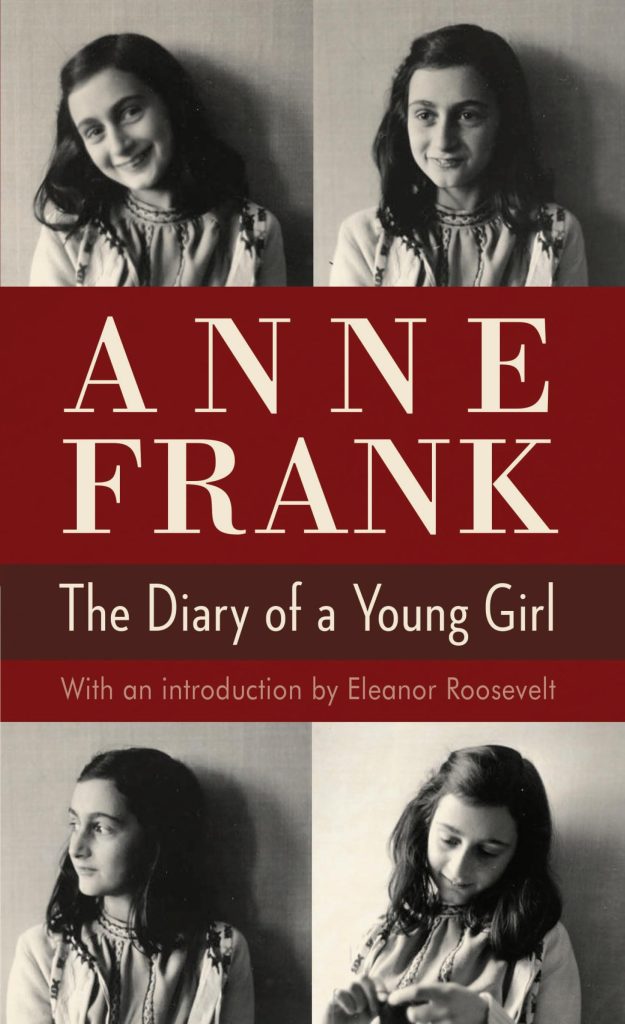
“The Diary of a Young Girl”, also known as “The Diary of Anne Frank”, was written as a witness to the life of a Dutch kid named Anne Frank, out of need amid unthinkable circumstances. During the two years that Anne Frank wrote a journal, her family hid in the annex of her father’s factory in the center of Amsterdam until the Nazis caught them in 1944.
3. Pride and Prejudice by Jane Austen
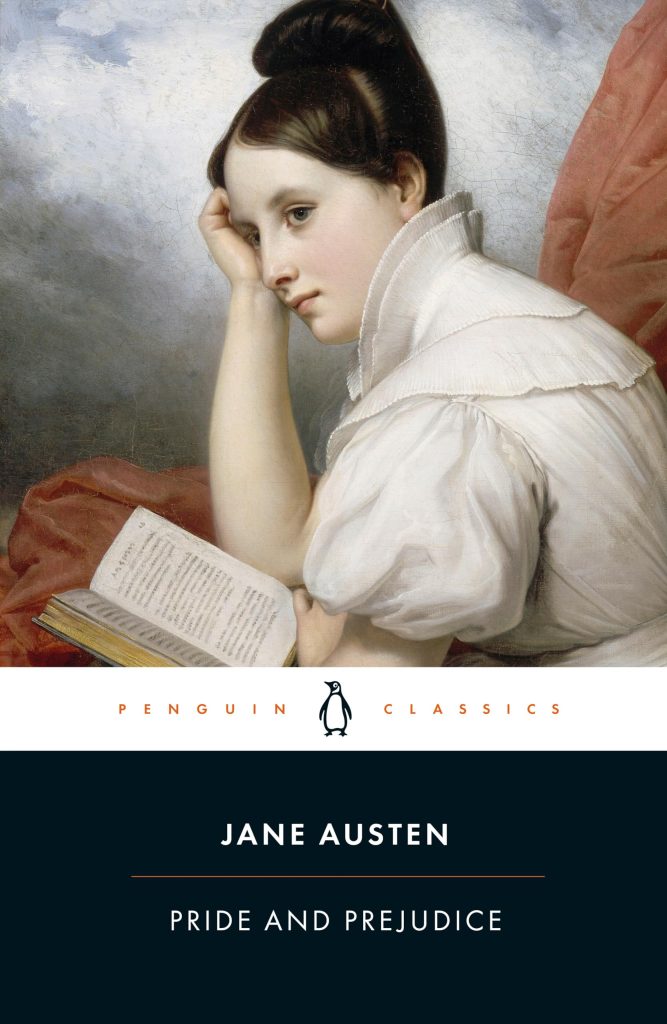
“Pride and Prejudice” is undoubtedly one of those works that everyone has heard of at some point in their lives. Originally published in 1813, this classic novel is Jane Austen’s second book. For several decades, this book has been at the top of lists of the most beloved books, and it is regularly taught in schools.
4. Fictions by Jorge Luis Borges
Despite being one of the less well-known books on our list, this one is nevertheless essential reading. A collection of short stories published between 1941 and 1956 is called Fictions, or Ficciones in Spanish. Here, the Argentine writer created thirteen pieces that explore human character, the elusive nature of time, and various philosophical topics.
5. The Little Prince by Antoine de Saint-Exupéry
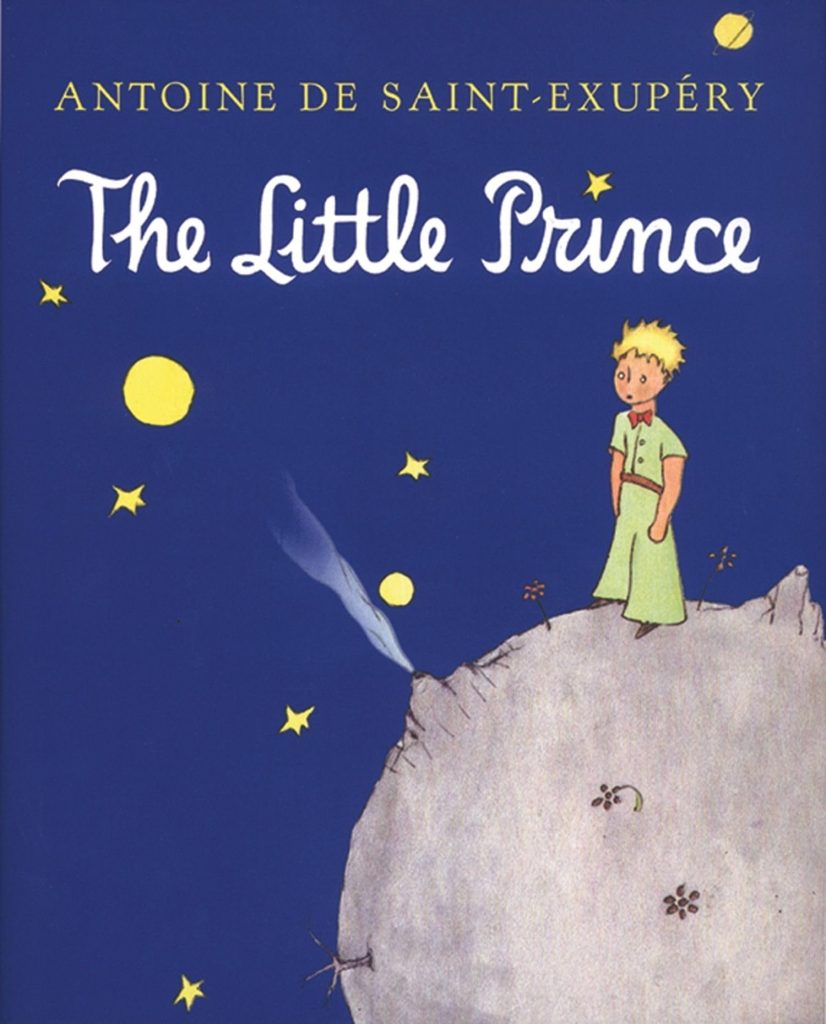
A stranded pilot encounters an odd little boy from another planet in this narrative. We are reminded of the value of love, connection, and wonder as well as the beauty of viewing the world through a child’s eyes through the Little Prince’s travelogues. Its unadulterated examination of universal ideals like love, friendship, and amazement has made this book a timeless masterpiece.
6. East of Eden by John Steinbeck
This novel has the sense of life itself: messy, lovely, and full of thought-provoking moments. Long after you’ve finished reading it, you’ll still be thinking about the characters’ hardships since they are so realistic. It is a contemporary retelling of the biblical tale of Cain and Abel, yet it is remarkable because of its depth and humanity.
7. One Hundred Years of Solitude by Gabriel García Márquez
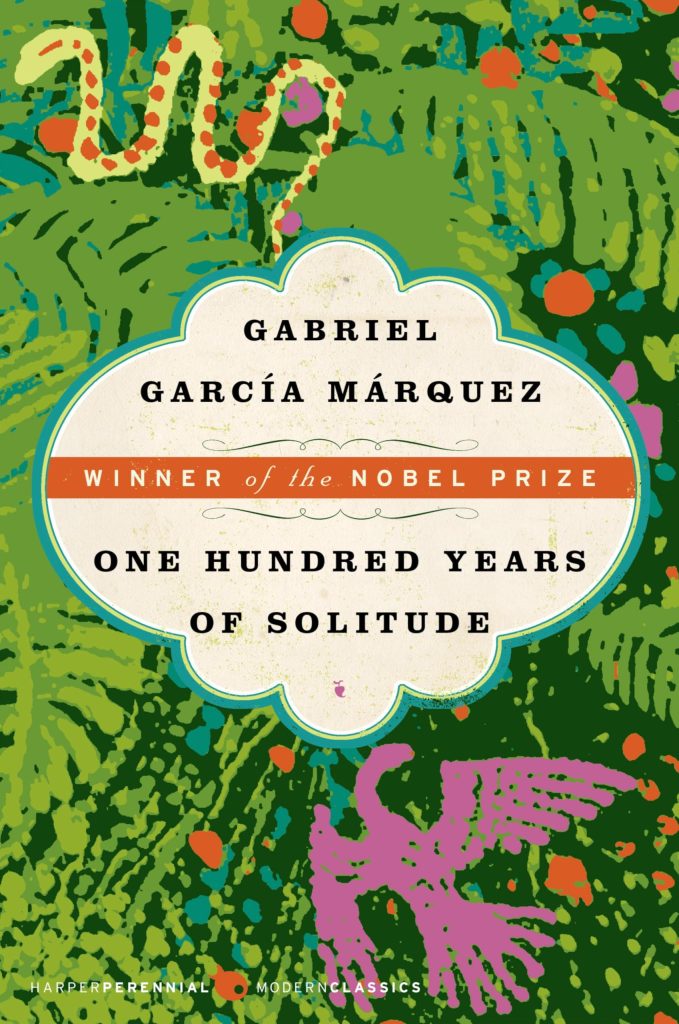
With its distinctive visual, “One Hundred Years of Solitude” creates a fusion of the surreal and the everyday. It explores themes of grief, love, and family while constructing a colorful, dreamlike world that is simultaneously bizarre and human.
8. 1984 by George Orwell
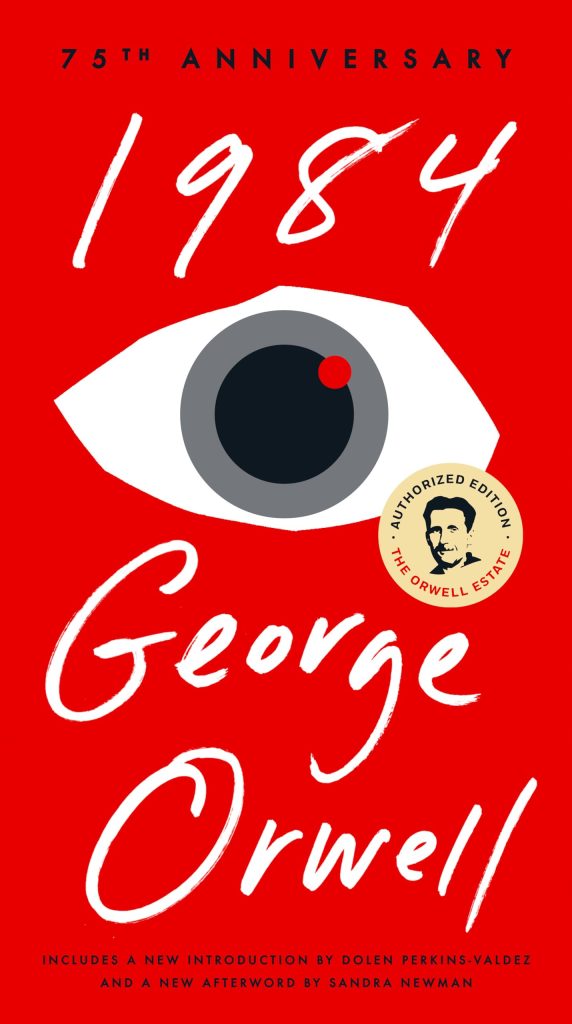
Winston Smith fights against Big Brother’s repressive surveillance state in a dystopian future where even ideas are regulated. It’s an extremely distressing picture of a world without freedom, with several scenes that make you wonder how much of it is already familiar. It may be fair to say it presents a bleak picture of authoritarianism and the emergence of social control.
9. The Picture of Dorian Gray by Oscar Wilde
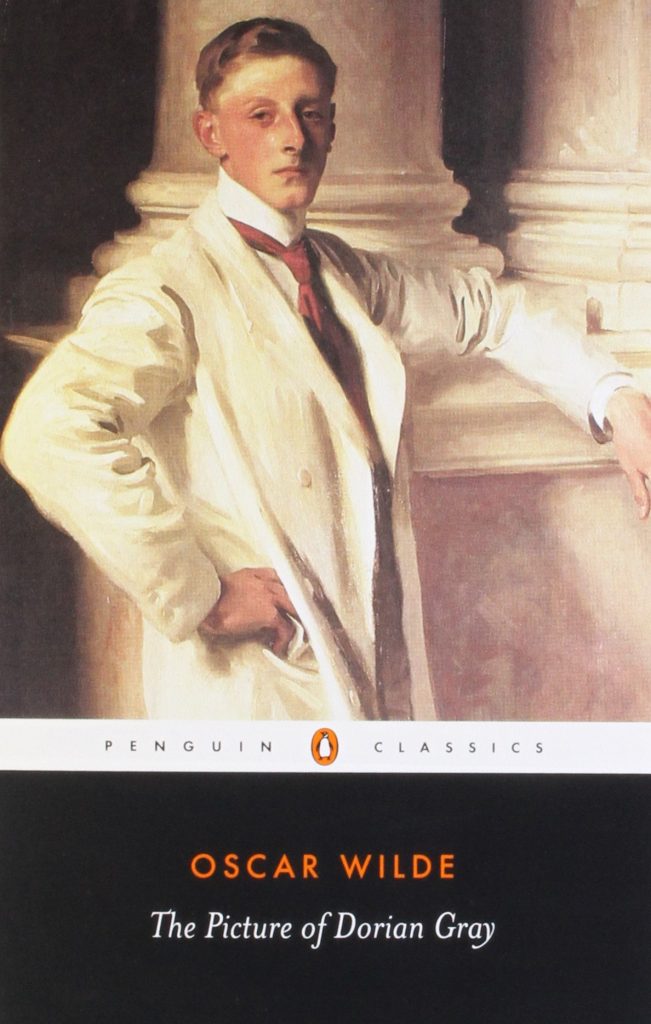
This book, written by the controversial Irish author, was published in 1890 and tells the tale of a handsome young man who unwittingly strikes a Faustian deal to stay young forever. It seems like a sensible plan. Well, not at all. Spoiler alert: His soul may be the price, and it turns out to be too high, as is the case with all agreements with the devil.
10. Watership Down by Richard Adams
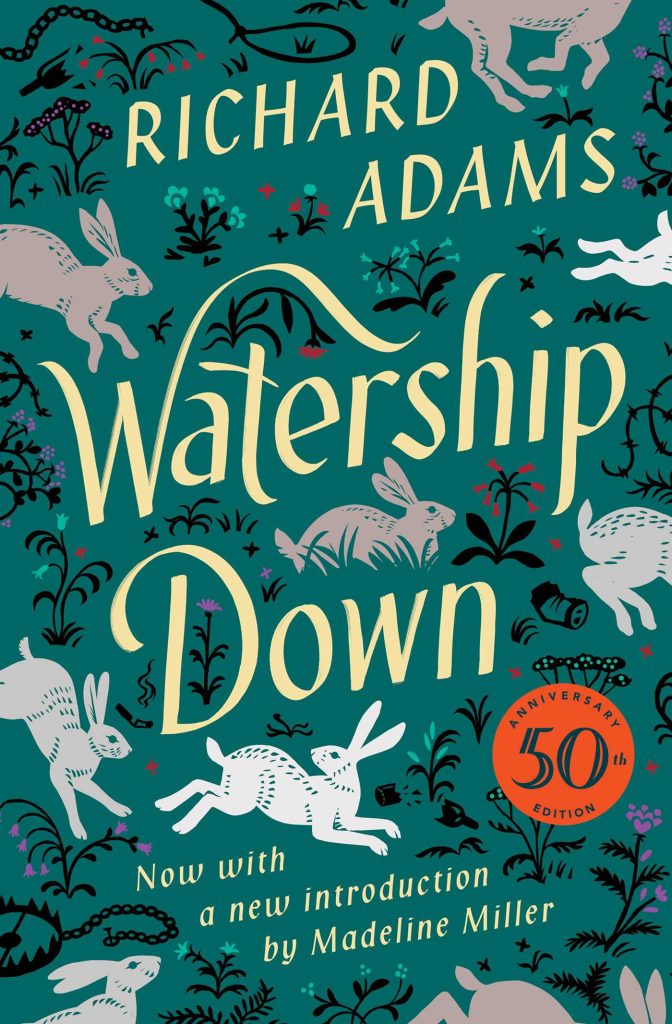
In their perilous search for a new home, a group of rabbits must contend with predators, betrayal, and the difficulties of establishing a society. But it’s more than just a rabbit story. With a hint of mythology, this is an epic story about friendship, bravery, and survival. The narrative of these bunnies is incredibly poignant and realistic, and their struggle is nearly human.
11. A Room of One’s Own by Virginia Woolf
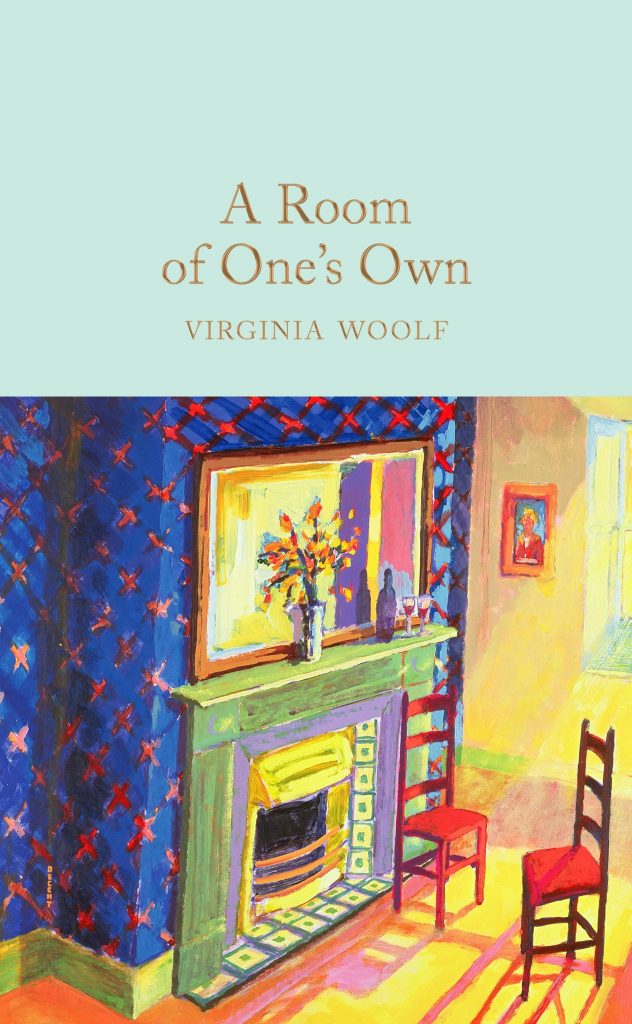
Woolf examines social inequities and remarks on women’s lack of freedom of speech in her essay by using metaphors. Her most important point that “a woman must have money and a room of her own if she is to write fiction” is explained by her use of a fish metaphor.
12. Crime and Punishment by Fyodor Dostoevsky
Dostoevsky’s “Crime and Punishment” is one of his best works. It follows Raskolnikov, the main character, as he brutally kills a pawnbroker and her sister, as well as the fallout from these heinous deeds. Since many of the works of this Russian writer are regarded as influential masterpieces, many literary experts believe him to be among the greatest novelists in all of world literature.
13. The Metamorphosis by Franz Kafka
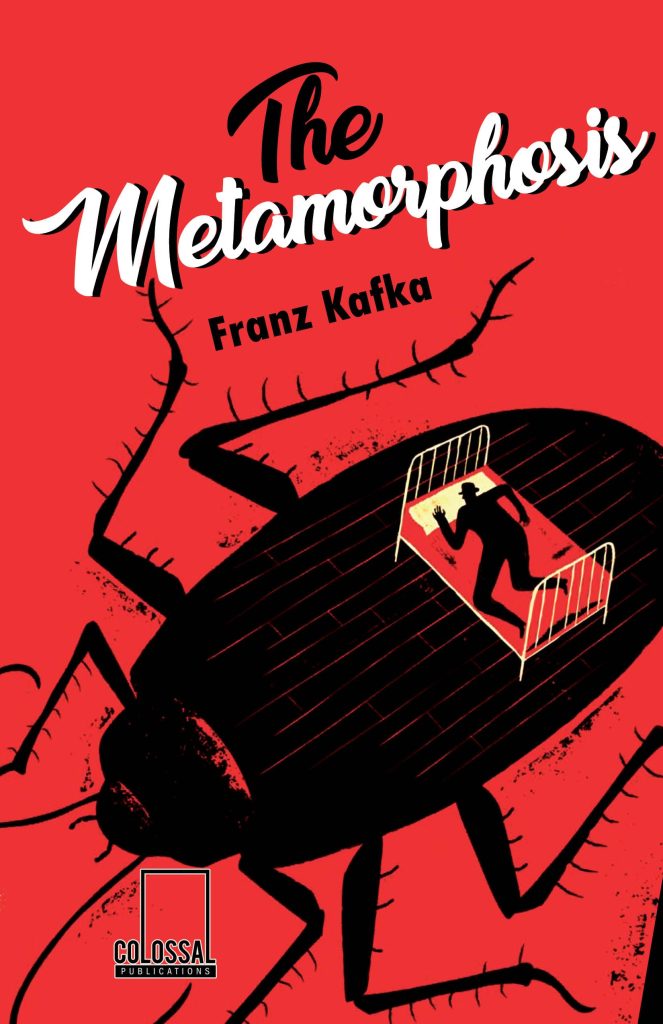
Kafka’s “The Metamorphosis” tells the story of Gregor Samsa, a man who transforms into an insect. Gregor has put a lot of effort into providing for his sister and parents up until this point. Gregor learns that his family is capable of working after he is unable to support them financially.
14. The Bell Jar by Sylvia Plath
Sylvia Plath’s autobiographical work details her experiences with mental illness. Plath chose to publish it as a novel in order to heighten the drama and hide identities, even though the story is a reflection of her own life.
15. The Stranger by Albert Camus
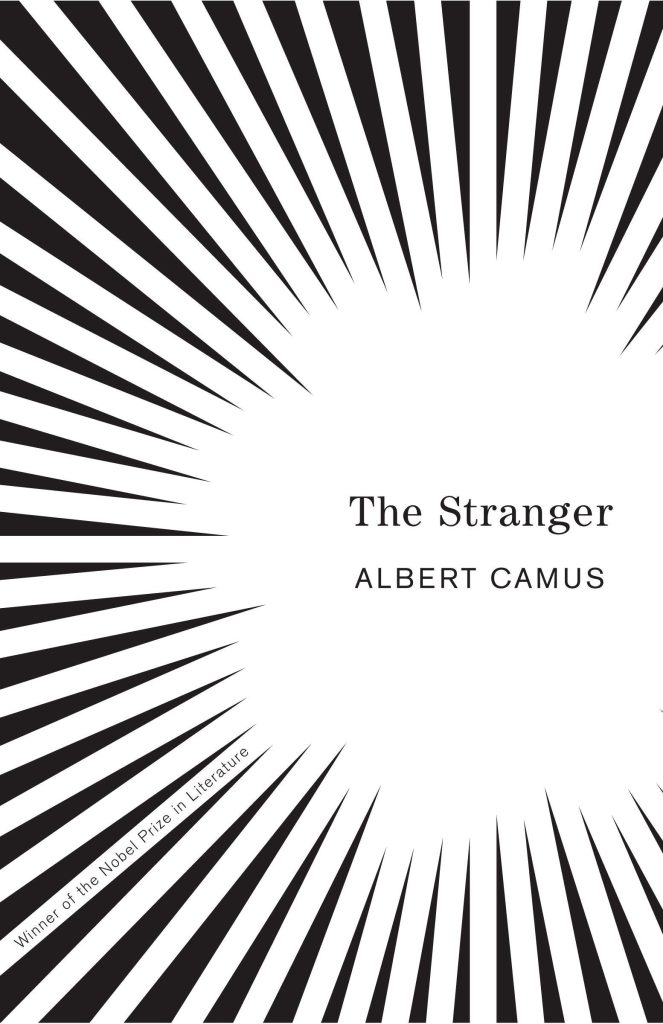
Albert Camus writes in a unique style that is straightforward and accurate. Its underlying meaning is undoubtedly still present, though. The book discusses an emotionally distant Algerian guy who is forced to face existentialist and meaning-finding issues after he becomes implicated in a murder trial.
16. Brave New World by Aldous Huxley
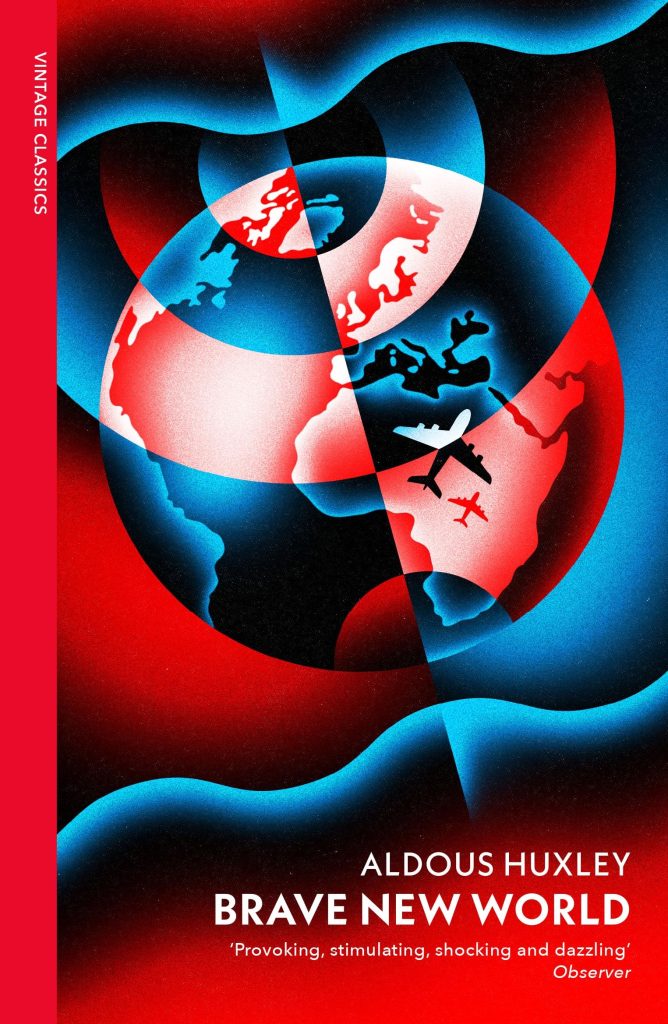
Bernard Marx, the main character, starts to doubt the ideal new world in this dystopian future. As it tackles topics like technology, conformity, and what it means to be truly free, it is frighteningly predictive. And since it emphasizes the world of quick pleasure and consumerism, reading it today takes on fresh significance.
17. To Kill a Mockingbird by Harper Lee
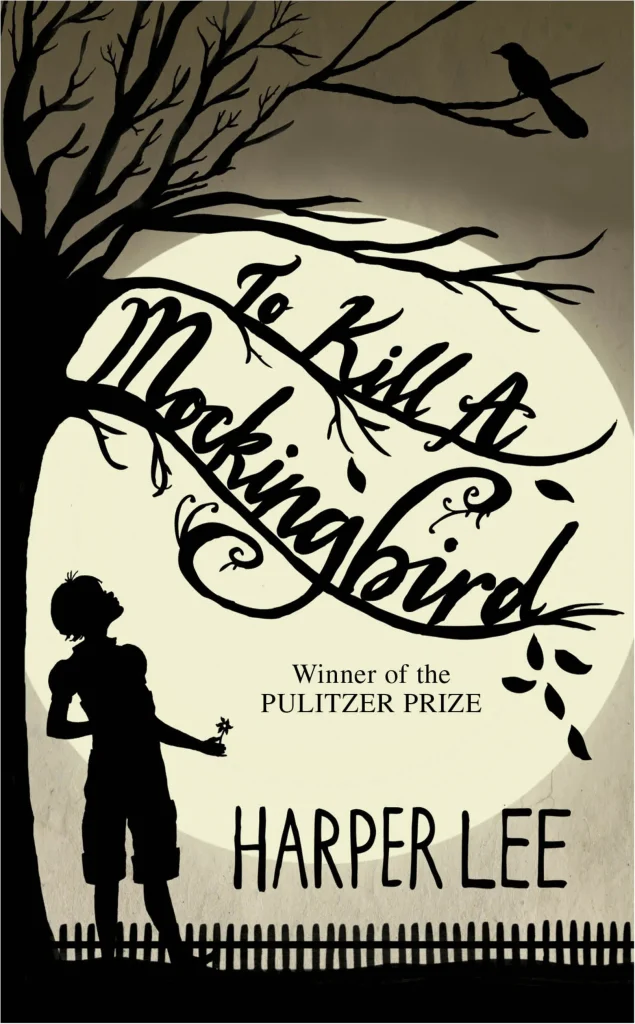
“To Kill a Mockingbird”, set in the segregated American South, is a potent critique of morality, justice, and empathy. Scout Finch, her brother Jem, and their father Atticus, a lawyer defending a black man falsely accused of a crime, are the subjects of the tale.
18. Frankenstein by Mary Shelley
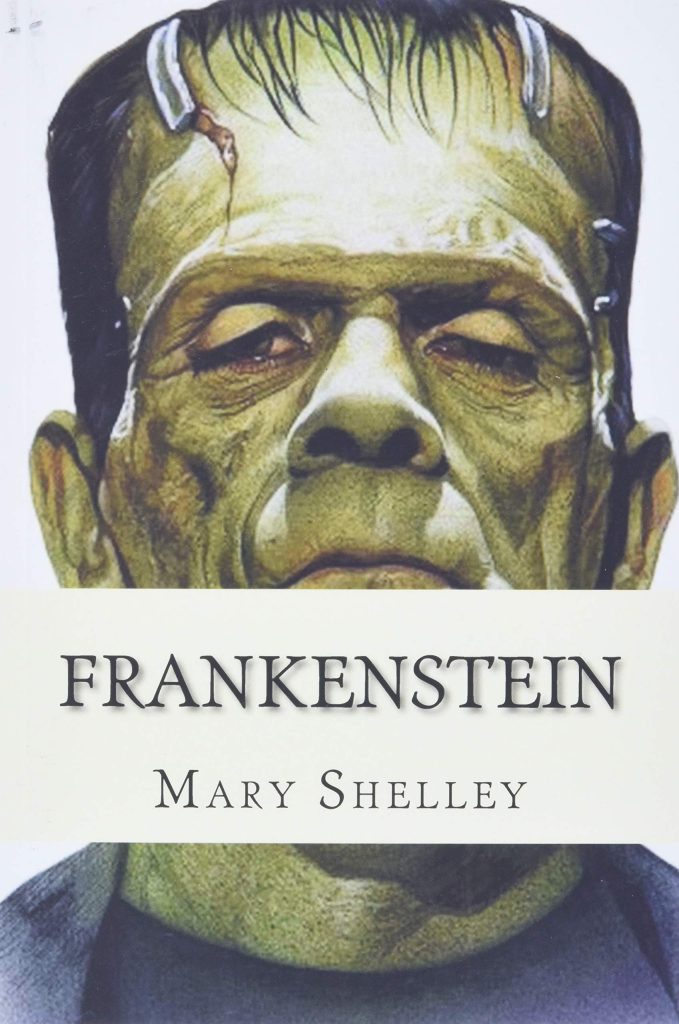
One of the most well-known books on our list is probably this one. This gothic horror novel examines the origins of Frankenstein, a notorious monster in literature and popular culture, as well as themes of ambition, loneliness, and responsibility. Did you know that Frankenstein, a timeless masterpiece, was written by Mary Shelley at the age of barely eighteen?
19. Flowers for Algernon by Daniel Keyes
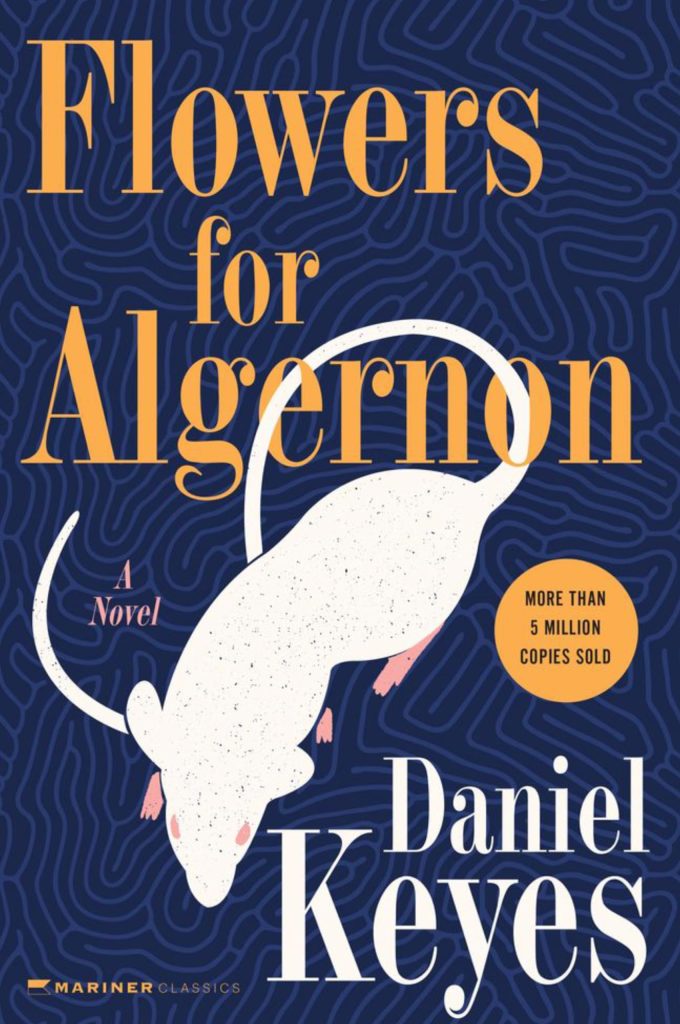
The emotional rollercoaster “Flowers for Algernon” makes you wonder about what it means to be human. Charlie is a man with a low IQ who receives experimental treatment; his story is both heartwarming and heartbreaking. Long after you’ve finished reading it, you’ll still be thinking about this exquisitely written examination of intelligence, empathy, and the quest for identity.
20. The Hitchhiker’s Guide to the Galaxy by Douglas Adams
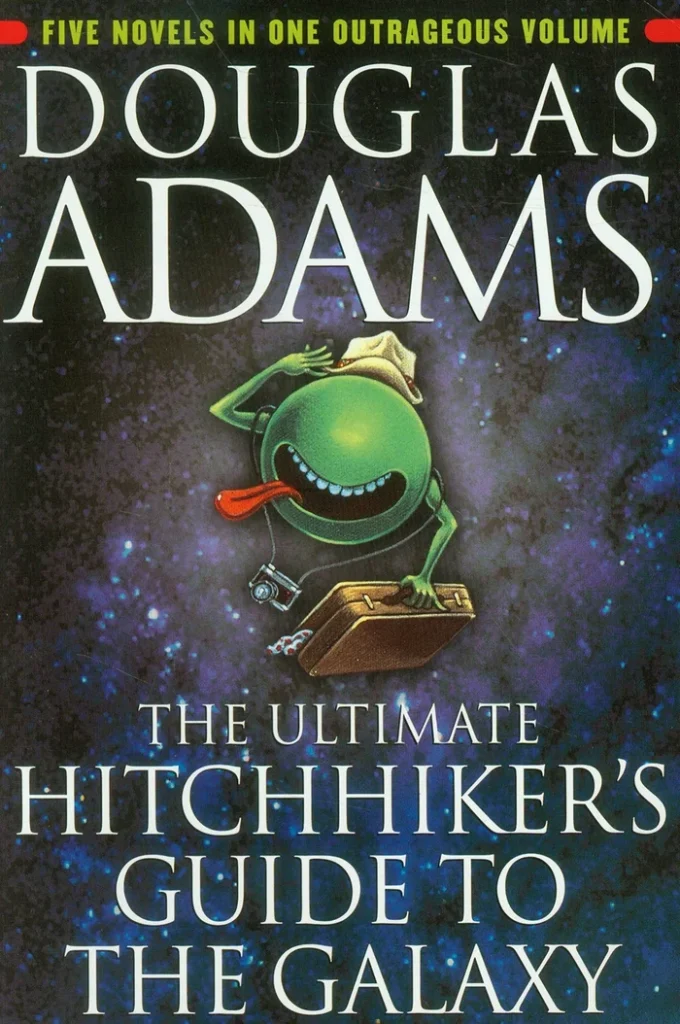
Arthur Dent and his adventure after his peaceful English existence ends suddenly are at the heart of this entertaining book. After Earth is destroyed, an extraterrestrial buddy saves him in space. With just a towel and a quirky guidebook, he embarks on a cosmic journey. The plot that develops is entertaining, thought-provoking, witty, and endearing.
21. The Grapes of Wrath by John Steinbeck
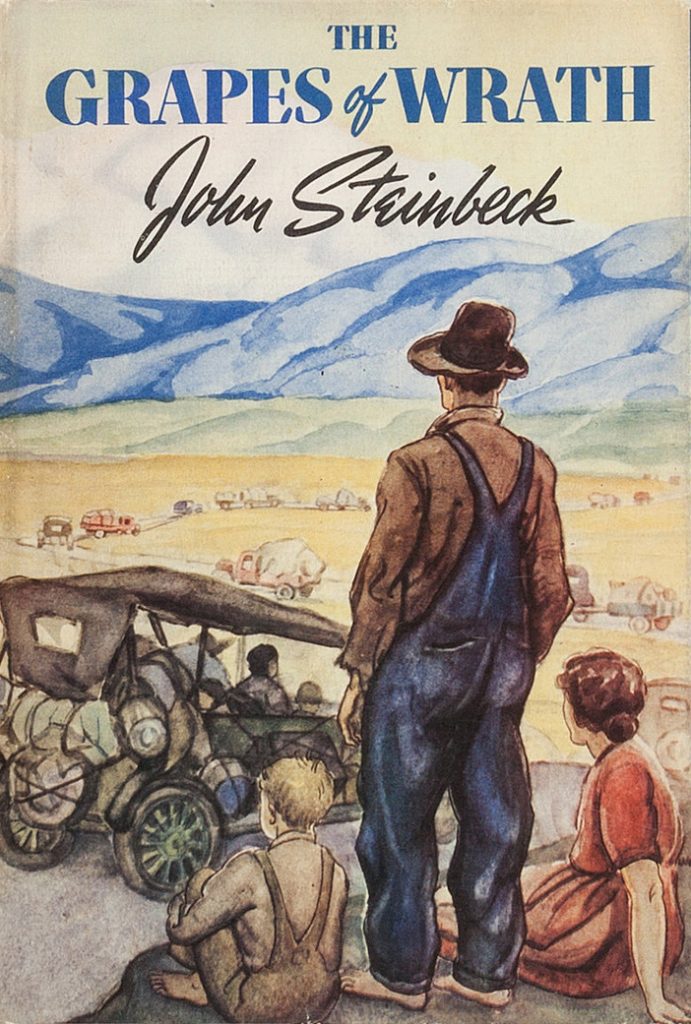
The Joad family’s quest for a better life is followed in this book, which is set during the Great Depression. You may feel as though you are drawn into their path as you read about their various struggles and you will probably be engrossed in this timeless tale of family, honor, and the pursuit of justice until the very end.
22. The Count of Monte Cristo by Alexandre Dumas
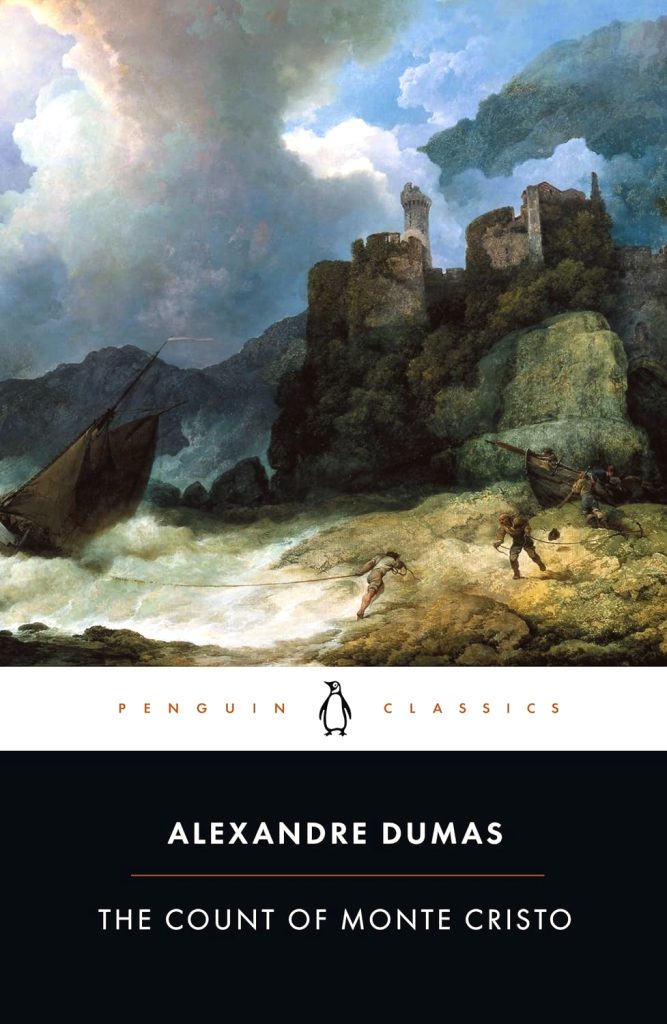
Drama, betrayal, love, redemption, and intriguing characters abound in the action-packed classic “The Count of Monte Cristo”. This book follows a sailor who was unfairly imprisoned, breaks free, and sets out on a quest for vengeance.
23. Little Women by Louisa May Alcott
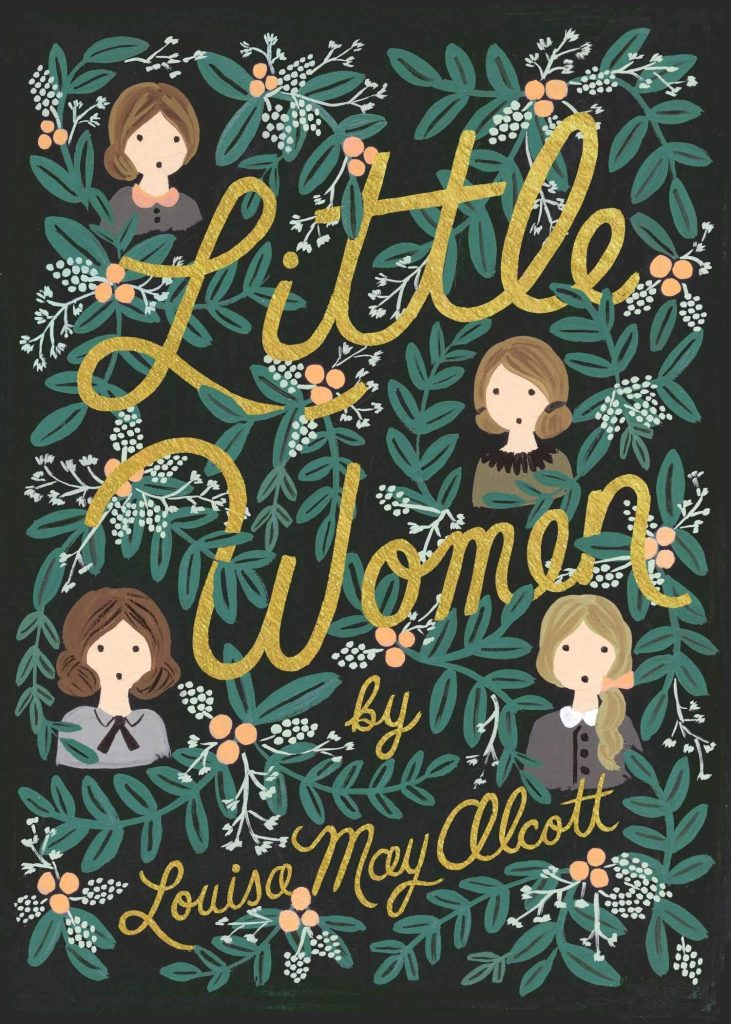
Readers of all ages and backgrounds can relate to its examination of social and personal issues. “Little Women” is praised for its deep emotional resonance, complex character development, and perceptive life commentary, making it a cherished classic that still captivates and motivates readers today.
24. The Great Gatsby by F. Scott Fitzgerald
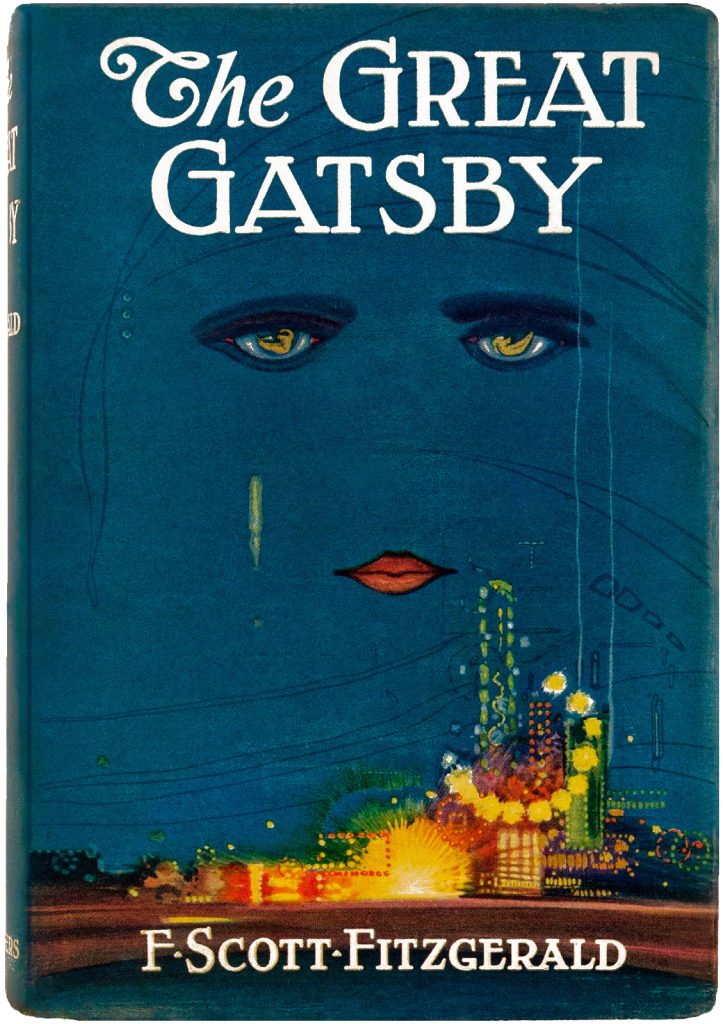
This book narrates the tale of self-made millionaire Jay Gatsby’s quest for Daisy Buchanan, a wealthy young woman he once loved. Nick Carraway narrates the story, which takes place in 1920s New York.
25. Wuthering Heights by Emily Brontë
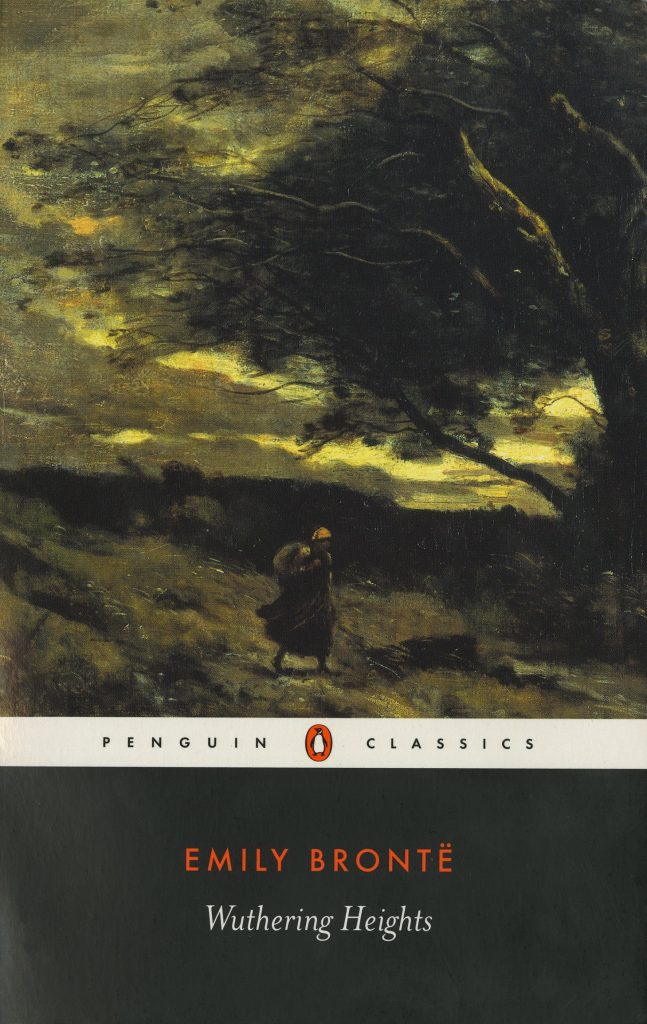
The main character of this book is Heathcliff, an enigmatic wanderer. After rising through the ranks of the family that had adopted him, Heathcliff was relegated to the position of servant. In addition, he chose to marry someone else after fleeing from the young woman he deeply loved.
26. Don Quixote by Miguel de Cervantes
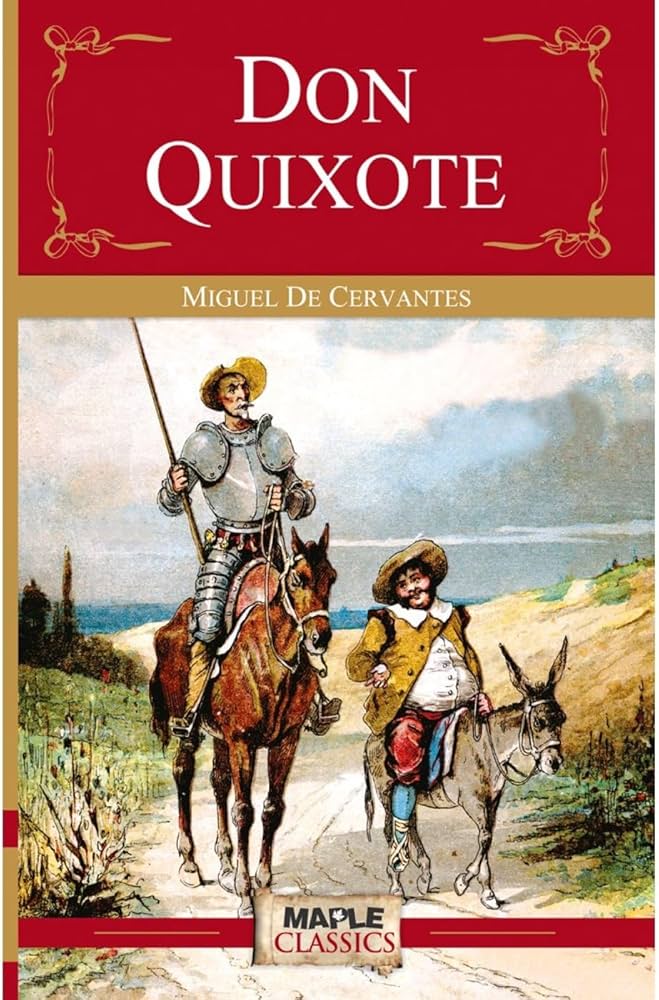
The story follows the exploits of Alonso Quijano, a hidalgo from La Mancha who belongs to the lowest aristocracy. He reads so many chivalric novels that he goes insane and chooses to become a knight-errant (caballero andante) in order to restore chivalry and serve his country.
27. Madame Bovary by Gustave Flaubert
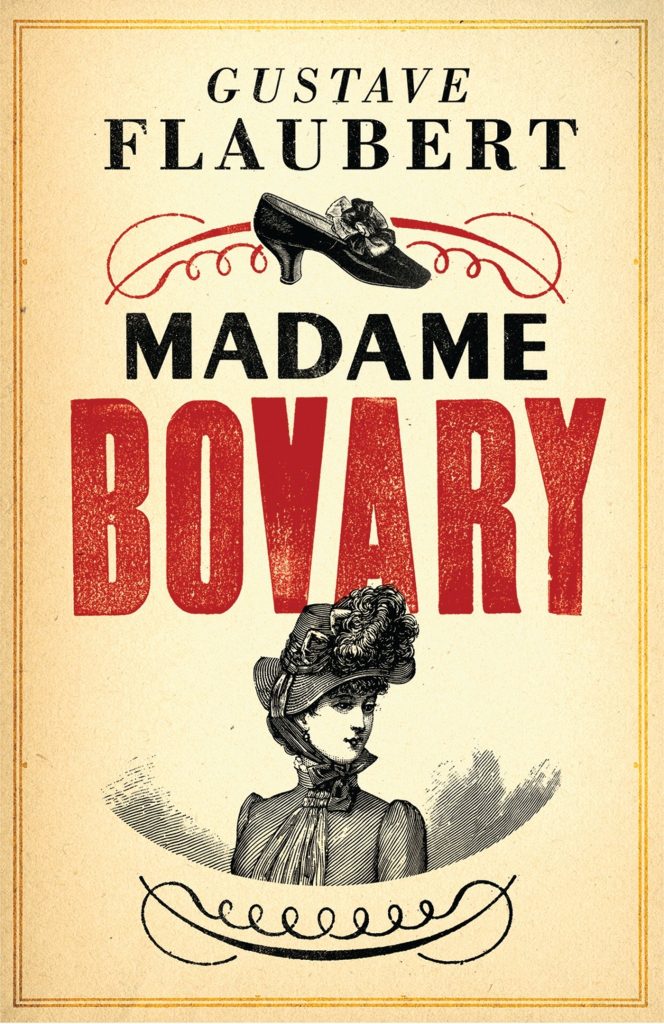
This is a depressing tale of a tragic marriage. Emma, a lovely farm girl who was nurtured in a convent, is married to Charles Bovary, a kind but uninspired doctor with a small practice.
28. Ulysses by James Joyce
The story, which was published in 1922, follows the lives of multiple persons in Dublin, Ireland, on a single day, June 16, 1904. Leopold Bloom, the “everyman,” Stephen Dedalus, Joyce’s literary alter ego, a young man who is dealing with the loss of his mother, and Leopold’s wife, Molly, are the key protagonists.
29. Dracula by Bram Stoker
This book begins with Jonathan Harker, a lawyer, traveling for work and staying at the castle of Count Dracula, a nobleman from Transylvania. After learning that Dracula is a vampire, Harker flees the castle, and the Count relocates to England and terrorizes Whitby, a seaside town.
30. A Tale of Two Cities Novel by Charles Dickens
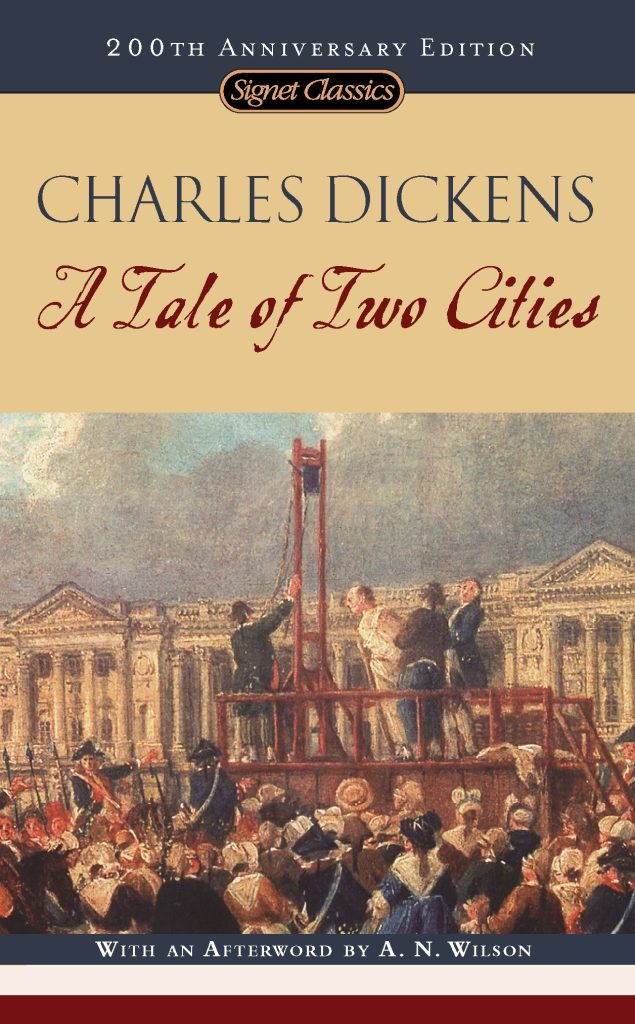
The French doctor Manette is the protagonist of this book. He was imprisoned in Paris’s Bastille for eighteen years before being released to live in London with his daughter Lucie, whom he had never met. The narrative takes place in the years preceding the Reign of Terror and the French Revolution.