
There’s a reason some books stand the test of time: classic literature captures universal truths, unforgettable characters, and powerful storytelling. Whether you’re a seasoned reader or just starting your literary journey, these 30 timeless works are essential for every bookshelf.
1. To Kill a Mockingbird by Harper Lee

A searing portrayal of justice and racial prejudice in the American South, this novel is told through the innocent eyes of young Scout Finch. Its moral clarity and compelling characters make it unforgettable.
2. 1984 by George Orwell

A dystopian masterpiece that explores the dangers of totalitarianism, surveillance, and thought control. Orwell’s bleak vision remains startlingly relevant today.
3. Pride and Prejudice by Jane Austen

A witty and romantic critique of societal expectations, marriage, and class in 19th-century England. Elizabeth Bennet’s sharp mind and independence still resonate with readers today.
4. The Great Gatsby by F. Scott Fitzgerald

This Jazz Age novel examines the illusions of the American Dream through the tragic figure of Jay Gatsby. Its lush prose and haunting themes leave a lasting impression.
5. Moby-Dick by Herman Melville

A philosophical and thrilling maritime epic centered on the obsessive quest for a white whale. It’s as much about revenge and identity as it is about the sea.
6. Jane Eyre by Charlotte Brontë

A gothic romance that follows an orphaned girl’s journey toward self-respect and love. Jane’s fierce independence broke new ground in Victorian literature.
7. Crime and Punishment by Fyodor Dostoevsky

A psychological exploration of guilt, morality, and redemption through the mind of a conflicted murderer. It’s a gripping portrait of the human conscience under pressure.
8. Wuthering Heights by Emily Brontë

This dark and passionate tale of love and revenge on the Yorkshire moors defies easy categorization. Its haunting tone and stormy relationships are unforgettable.
9. The Catcher in the Rye by J.D. Salinger

Holden Caulfield’s cynical voice captures the teenage angst and alienation of post-war America. Its raw honesty made it a touchstone for generations of readers.
10. Brave New World by Aldous Huxley

A chilling vision of a future ruled by pleasure, conformity, and genetic engineering. Huxley’s prophetic novel warns of the cost of sacrificing humanity for stability.
11. Anna Karenina by Leo Tolstoy

This sweeping Russian drama of love, betrayal, and society is both intimate and epic. Tolstoy’s insight into human nature is profound and enduring.
12. The Odyssey by Homer

An ancient epic that follows Odysseus’s adventurous journey home after the Trojan War. Its themes of loyalty, heroism, and fate have influenced storytelling for millennia.
13. Frankenstein by Mary Shelley

A gothic tale about ambition, creation, and the dangers of playing god. Shelley’s novel is both horror and deep philosophical inquiry.
14. Les Misérables by Victor Hugo

A monumental tale of justice, love, and redemption set against the backdrop of revolutionary France. Hugo’s compassion and storytelling power shine throughout.
15. The Brothers Karamazov by Fyodor Dostoevsky

A spiritual and philosophical novel that probes the deepest questions of faith, free will, and morality. It’s a complex and emotionally intense masterpiece.
16. Great Expectations by Charles Dickens

The rags-to-riches story of Pip explores themes of ambition, love, and the true meaning of wealth. Dickens’s colorful characters and vivid settings are classics in themselves.
17. The Grapes of Wrath by John Steinbeck

This powerful chronicle of a family’s journey during the Great Depression highlights the struggle for dignity in desperate times. Steinbeck’s empathy makes it an enduring American epic.
18. One Hundred Years of Solitude by Gabriel García Márquez

A magical realist saga of the Buendía family in the fictional town of Macondo. Its lush prose and cyclical history make it a cornerstone of Latin American literature.
19. Dracula by Bram Stoker

The original vampire novel blends gothic horror with spicy themes and fear of the unknown. It created a legend that continues to shape popular culture.
20. The Picture of Dorian Gray by Oscar Wilde

A decadent and eerie tale of vanity, youth, and moral corruption. Wilde’s wit and philosophical depth are on full display.
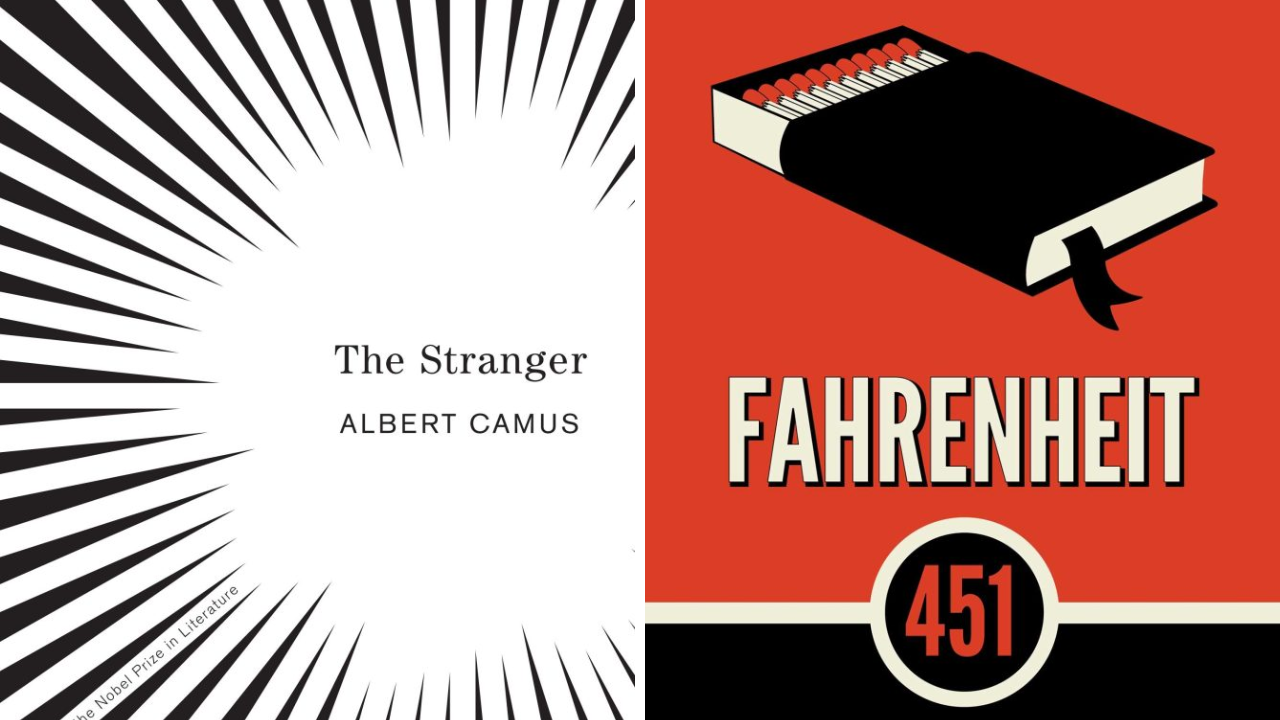
21. Fahrenheit 451 by Ray Bradbury

A dystopian story about a society where books are banned and critical thinking is suppressed. It’s a powerful defense of literature and freedom of thought.
22. Slaughterhouse-Five by Kurt Vonnegut

A darkly comedic anti-war novel that blends science fiction with brutal reality. Its fragmented structure reflects the trauma of war and time itself.
23. A Tale of Two Cities by Charles Dickens

A story of love and sacrifice set during the French Revolution. Its famous opening line and themes of resurrection make it one of Dickens’s most powerful works.
24. Don Quixote by Miguel de Cervantes

The first modern novel, this tale of a deluded knight and his loyal squire is both comic and tragic. Cervantes’s satire of chivalry is timeless and rich in humanity.
25. The Metamorphosis by Franz Kafka

In this book, Gregor Samsa awakens to find himself transformed into a giant insect, triggering a gradual alienation from his family and society. The novella explores themes of identity, isolation, and the dehumanizing effects of modern life.
26. The Count of Monte Cristo by Alexandre Dumas

A thrilling tale of betrayal, revenge, and ultimate justice. It’s an epic adventure with unforgettable twists and rich historical context.
27. Heart of Darkness by Joseph Conrad

A bleak journey into the Congo that explores colonialism, power, and the human psyche. Conrad’s haunting narrative questions the very nature of civilization.
28. Rebecca by Daphne du Maurier

A gothic mystery full of suspense, secrets, and psychological tension. The atmospheric Manderley estate looms large in this haunting love story.
29. Beloved by Toni Morrison

A harrowing and poetic exploration of slavery’s legacy through the ghostly presence of a lost child. Morrison’s language and depth are both beautiful and devastating.
30. The Stranger by Albert Camus

A short, existential novel about a man who lives indifferently and faces the absurdity of life. Camus’s detached prose challenges readers to confront the meaning of existence.












