Academic success and intelligence are often treated as the same thing, but history keeps proving otherwise. Some of the sharpest minds struggled with grades, discipline, or traditional teaching methods long before changing the world in their own way. These stories are reminders that school performance is not a final verdict on potential.
Albert Einstein
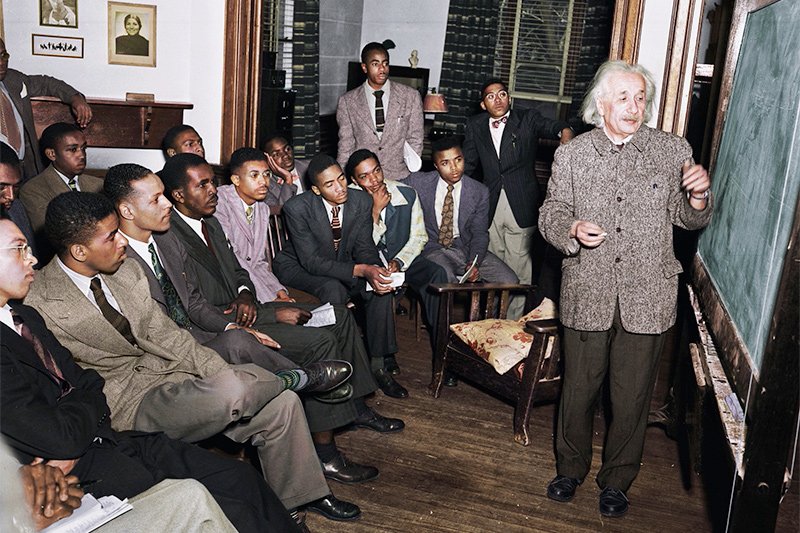
Rigid schooling never matched the way his mind worked, and early teachers reportedly saw him as slow or disruptive. Outside formal education, curiosity and independent thinking eventually reshaped modern physics.
Thomas Edison
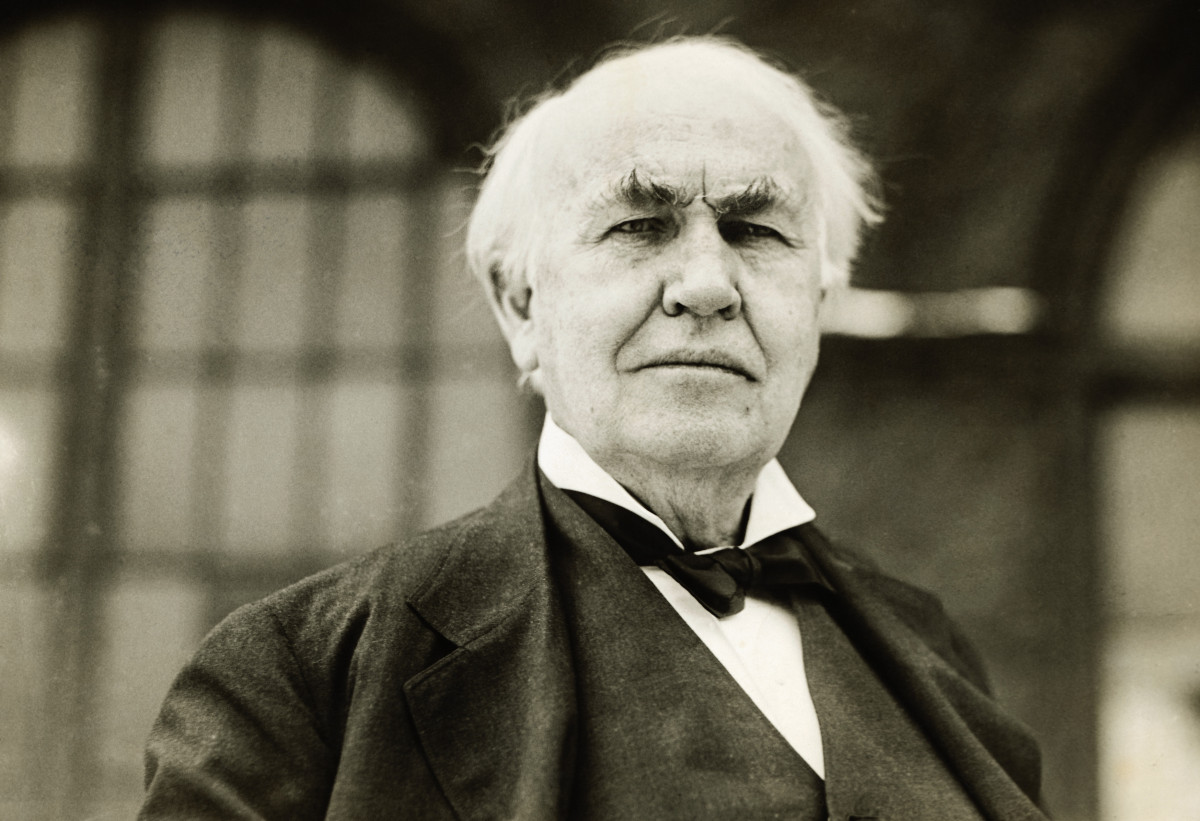
Traditional classrooms labeled him as difficult and unfocused, leading to an early exit from school. Learning at home allowed experimentation and obsession to turn into thousands of inventions.
Steve Jobs
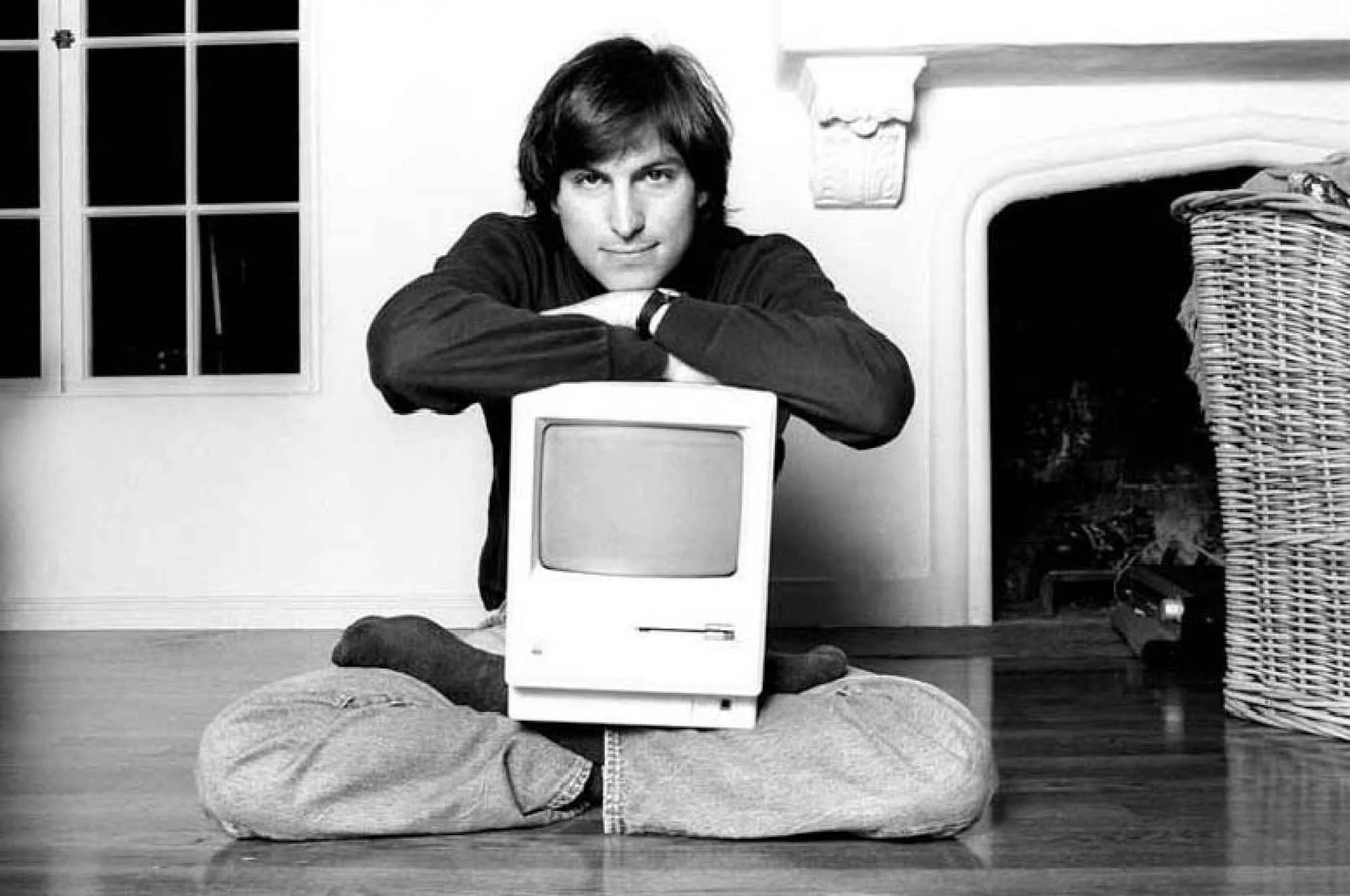
College felt uninspiring and financially pointless, prompting him to drop out quickly. Creativity, intuition, and unconventional thinking later defined an entire tech era.
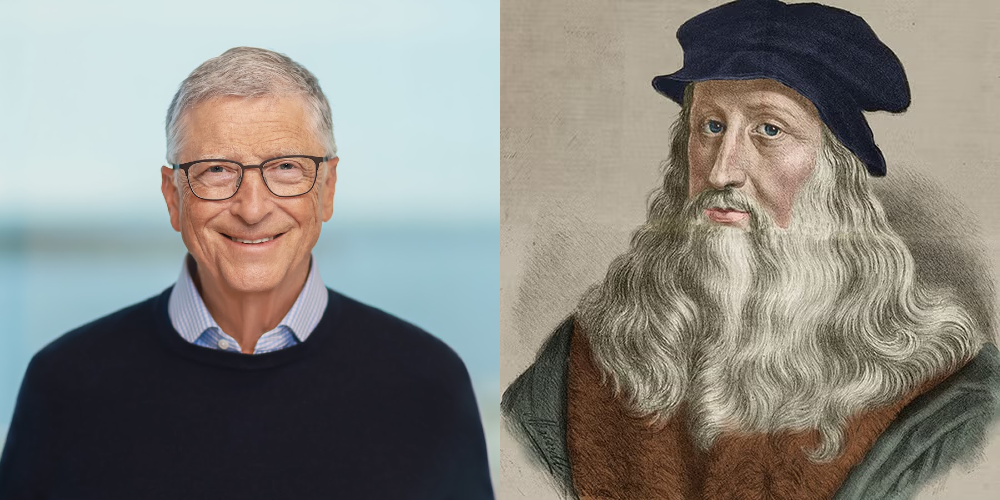
Bill Gates
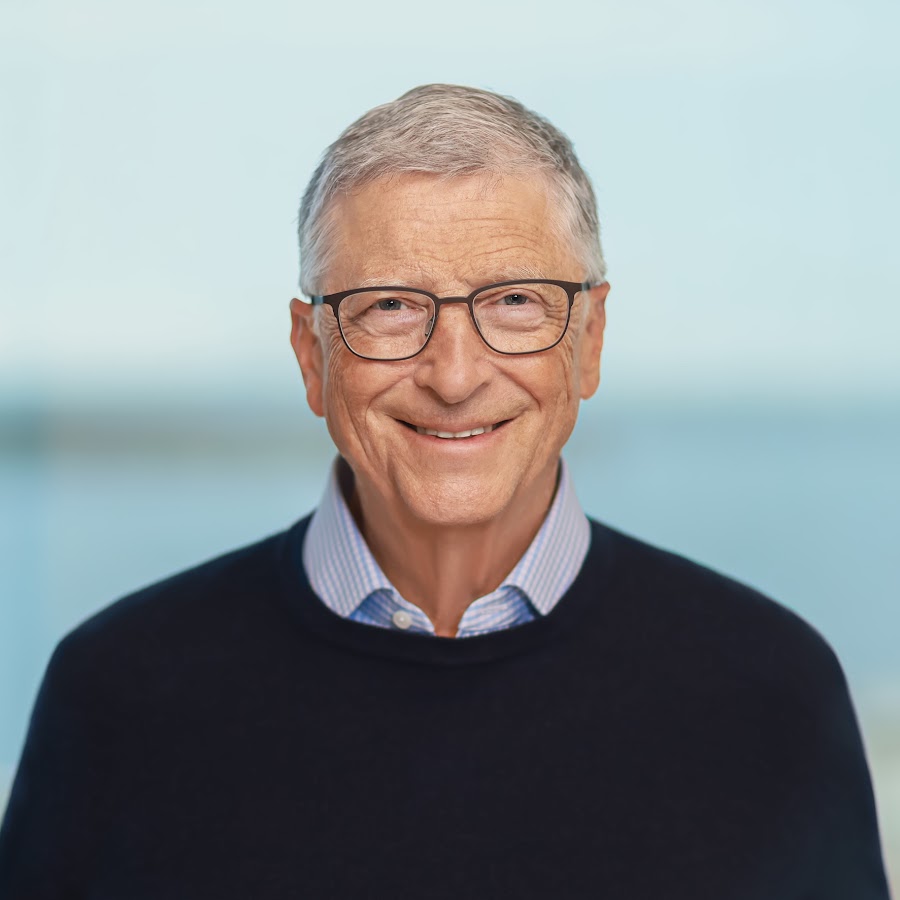
Formal education became secondary once programming captured full attention. Leaving Harvard opened the door to building one of the most influential software companies in history.
Winston Churchill
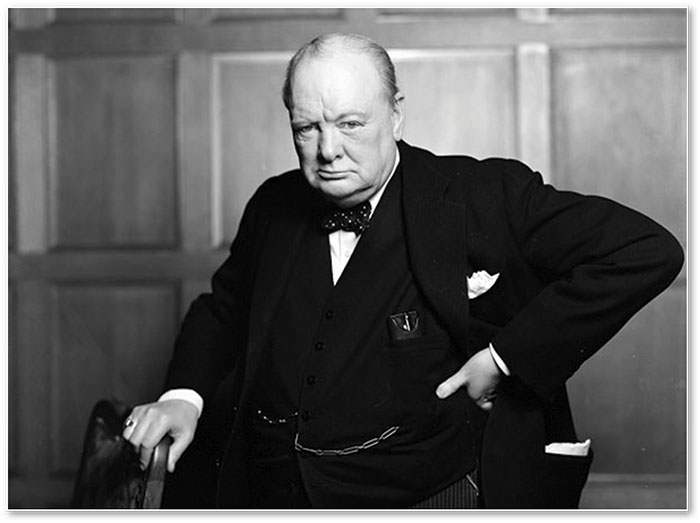
Academic struggles and poor grades followed him through youth. Later, language mastery and strategic thinking made him one of history’s most powerful leaders.
Pablo Picasso
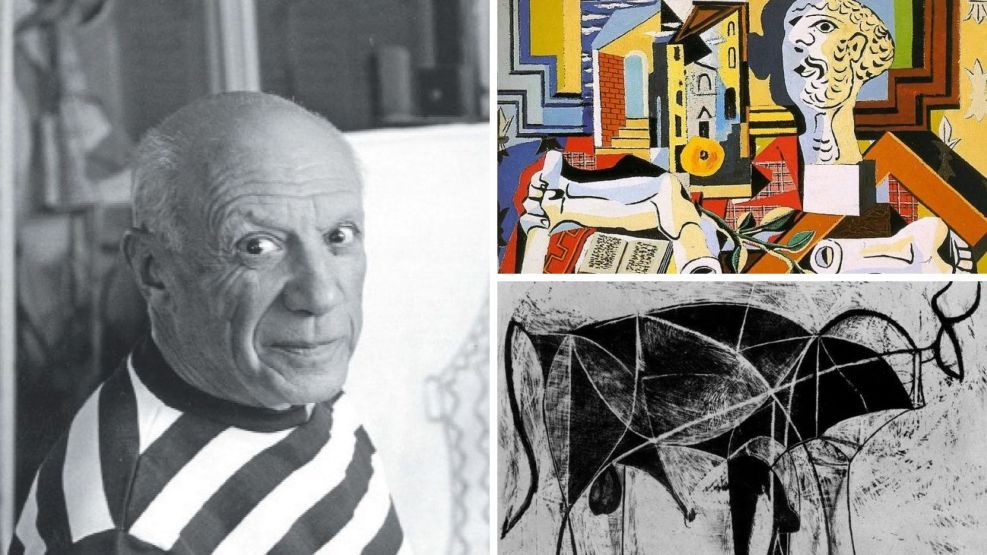
Conventional schooling bored him deeply and felt restrictive. Artistic instincts ignored rules and eventually redefined modern art.
Mark Twain
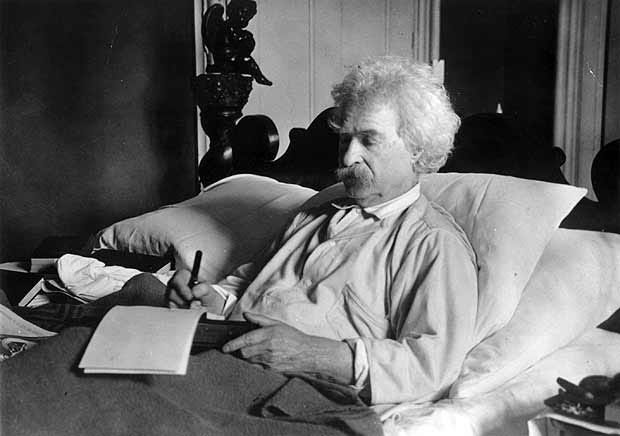
School held little appeal, and formal education ended early. Sharp observation and humor became tools for literary immortality.
Richard Branson
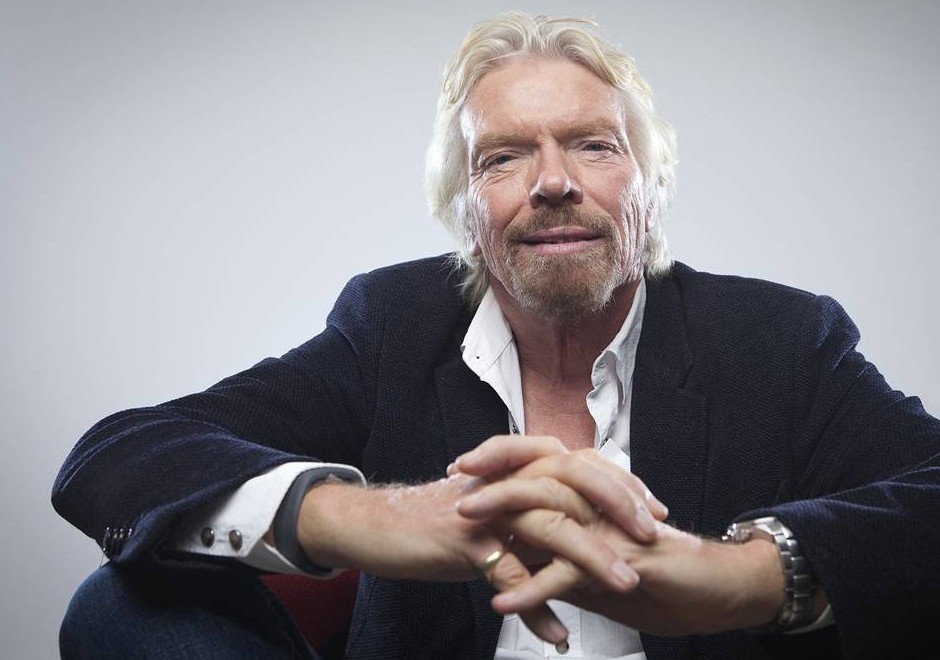
Dyslexia made traditional learning frustrating and discouraging. Risk-taking and people skills later built a global business empire.
Walt Disney
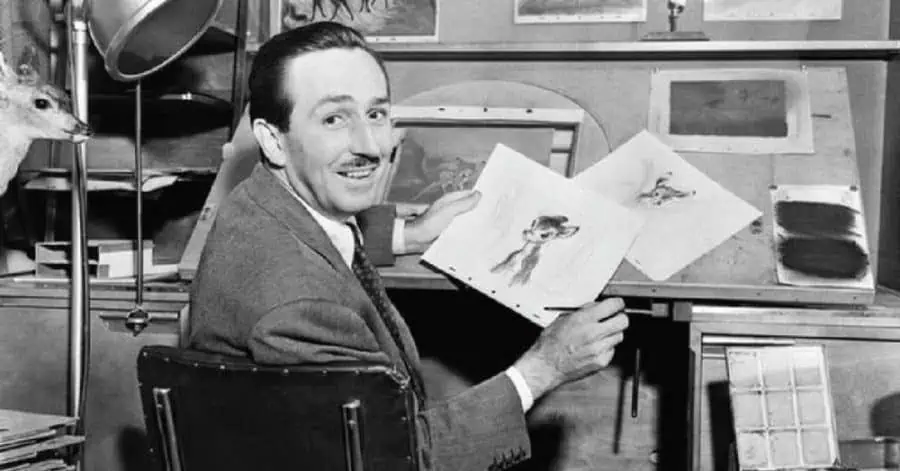
Academic life failed to capture imagination or motivation. Storytelling and visual creativity eventually shaped global entertainment.
Agatha Christie
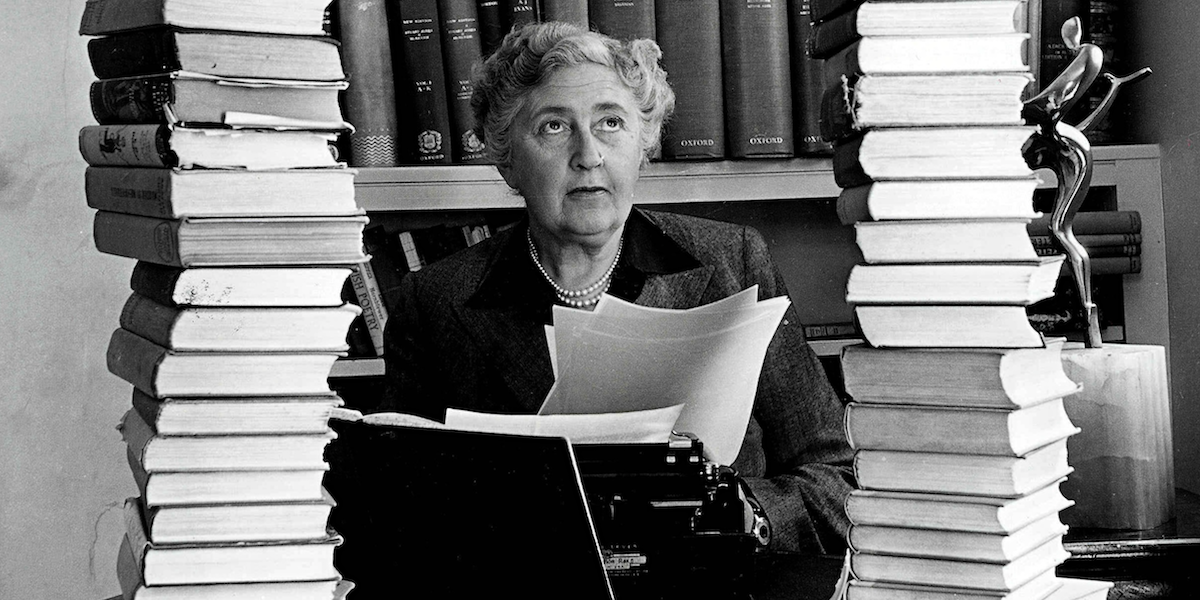
Struggles with formal education and confidence followed early years. Meticulous plotting and imagination later dominated crime fiction.
Quentin Tarantino
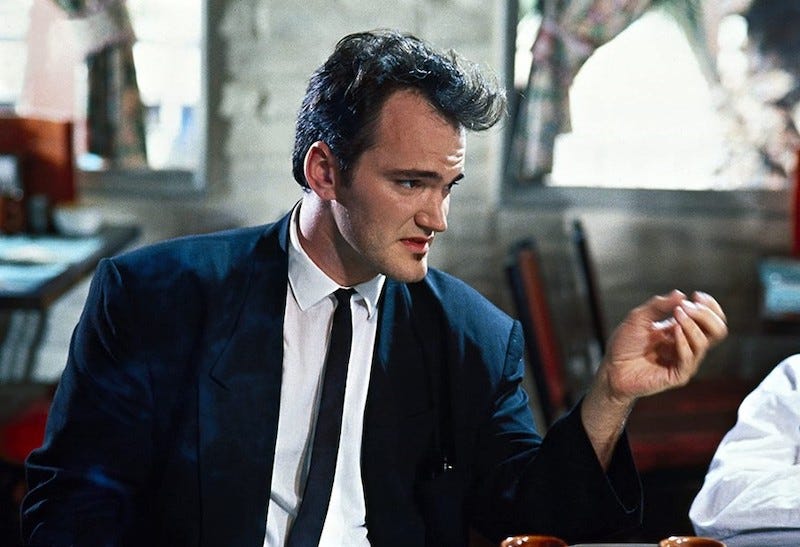
School felt pointless compared to films and storytelling. Self-education through cinema became a unique creative voice.
Oprah Winfrey
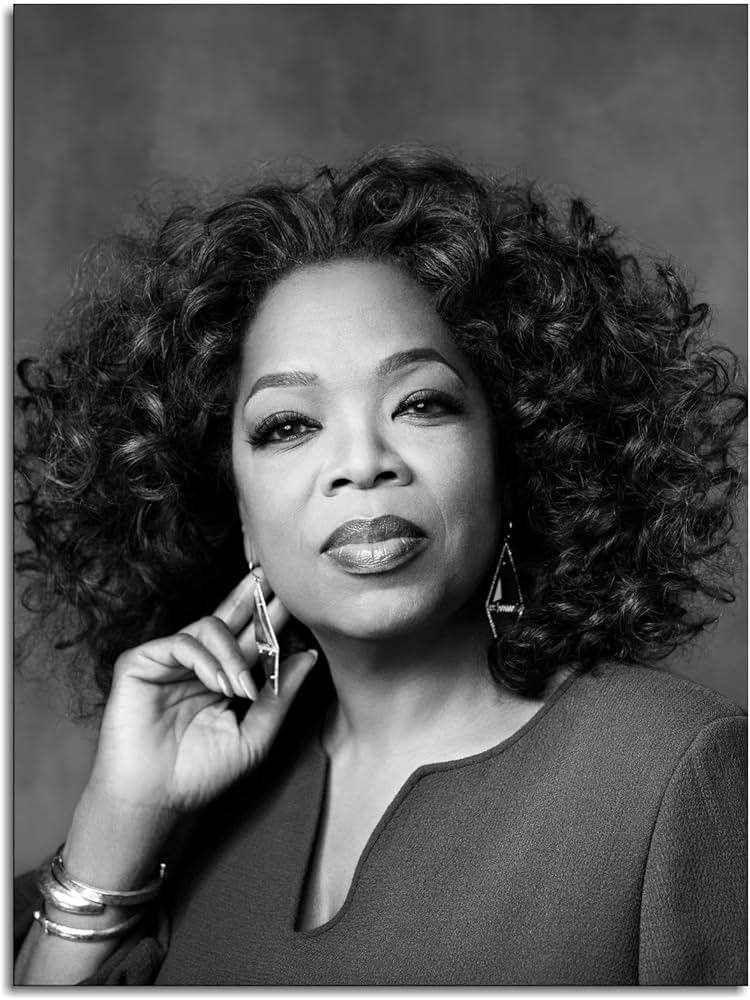
Early education was disrupted by hardship rather than lack of ability. Emotional intelligence and communication later defined success.
Henry Ford
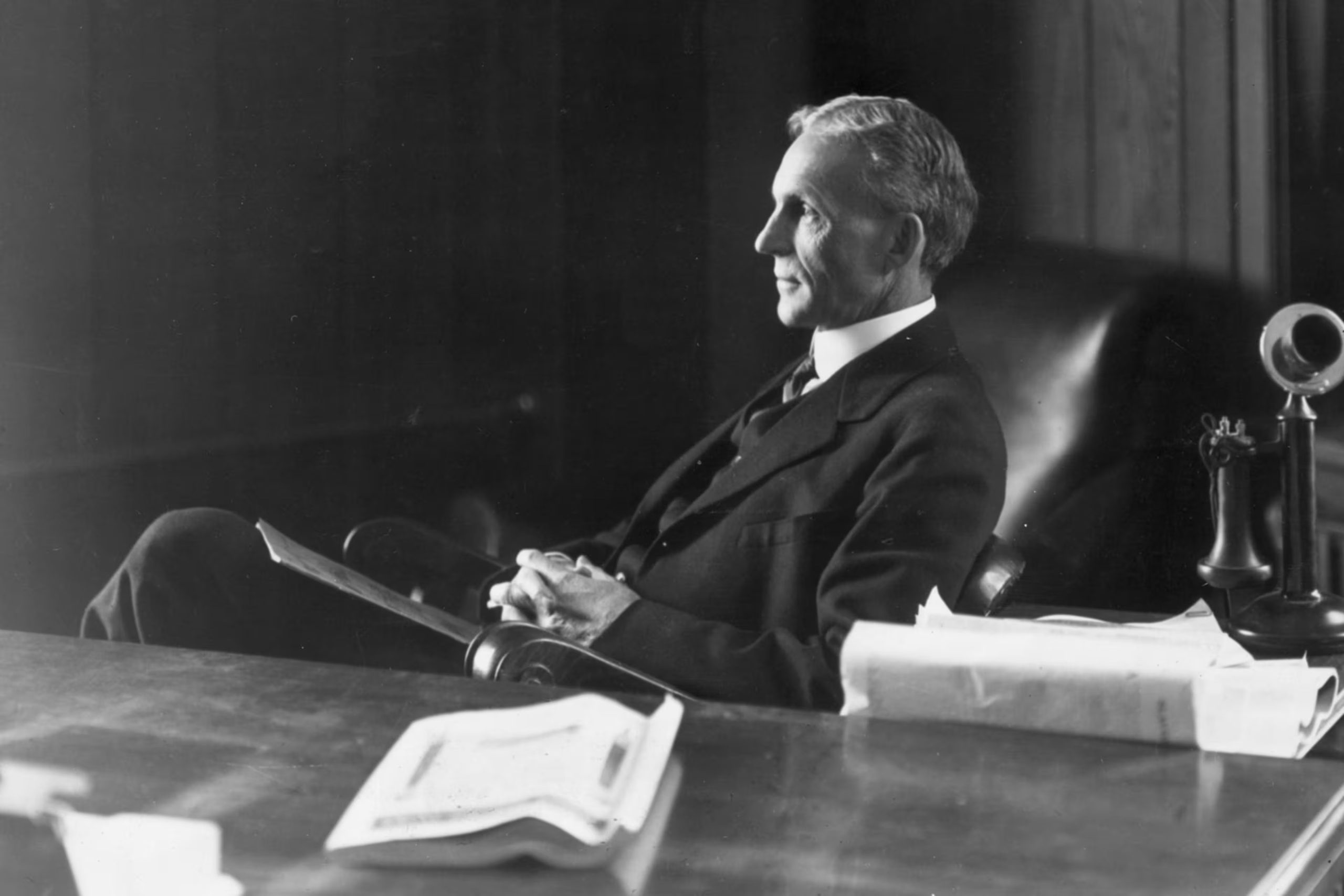
Academic environments never aligned with mechanical curiosity. Practical experimentation reshaped transportation forever.
Jane Austen
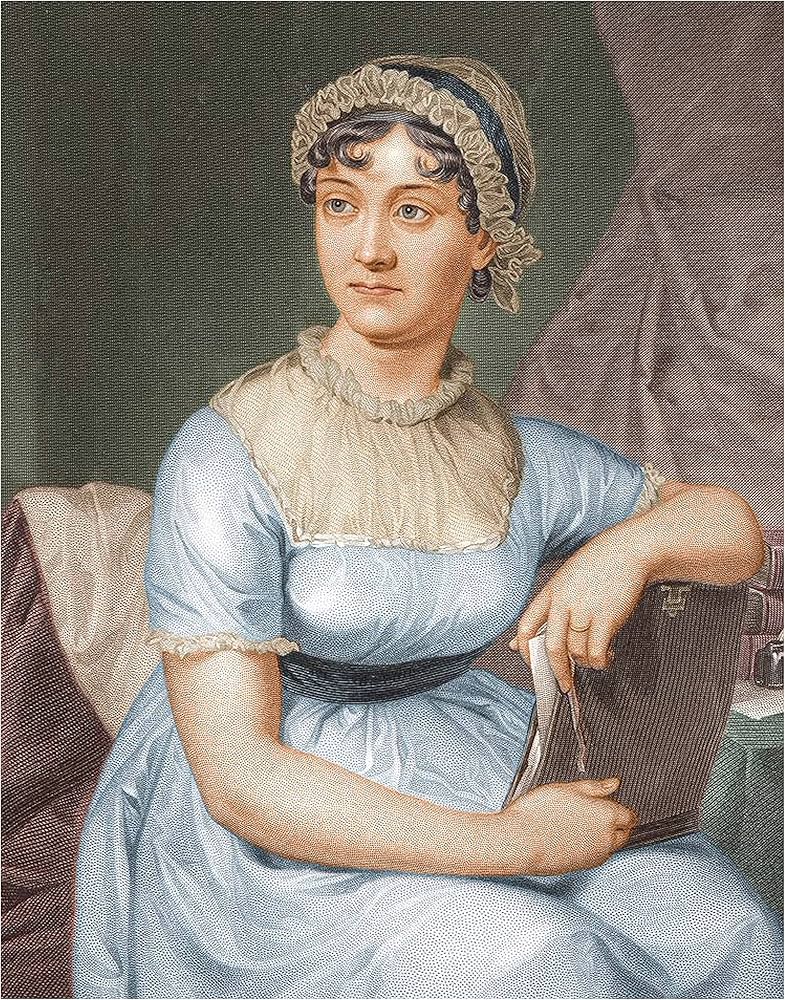
Limited formal education didn’t prevent sharp social insight. Observation and wit turned everyday life into enduring literature.
Jay-Z
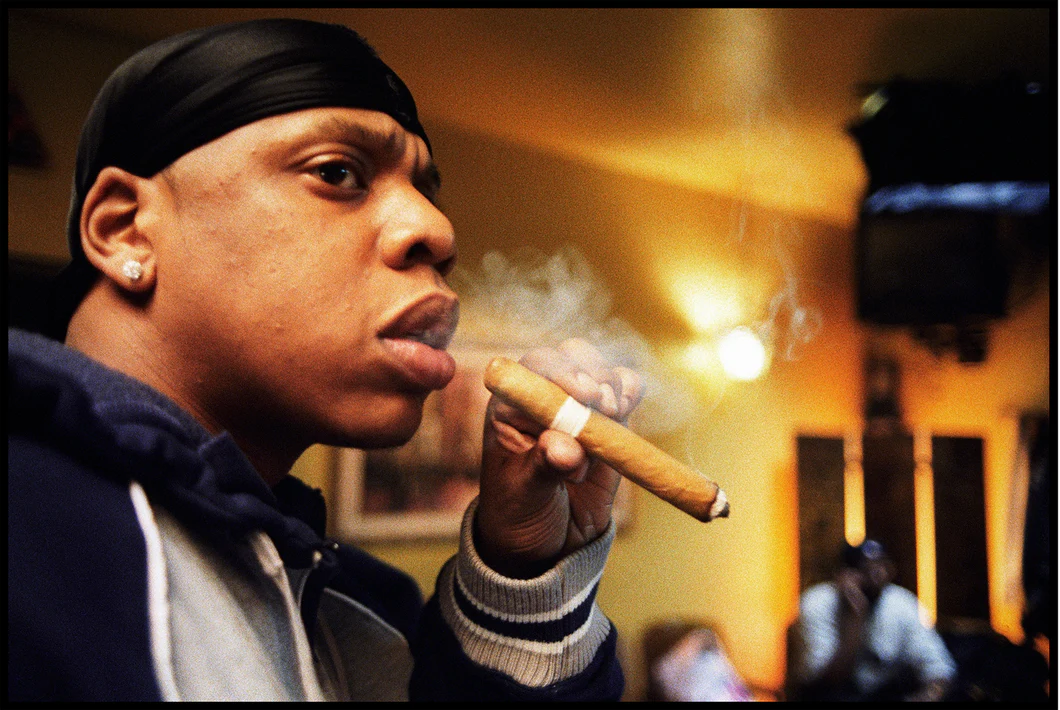
School disengagement came from environment and priorities. Business instinct and lyrical intelligence created a cultural powerhouse.
Leonardo da Vinci
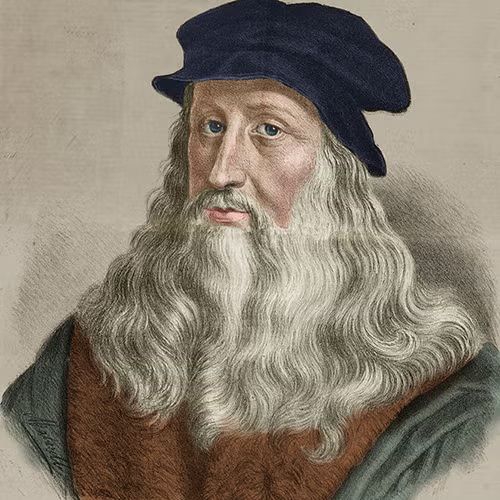
Formal education was minimal and inconsistent. Curiosity across disciplines fueled unmatched creativity and innovation.
Stephen King
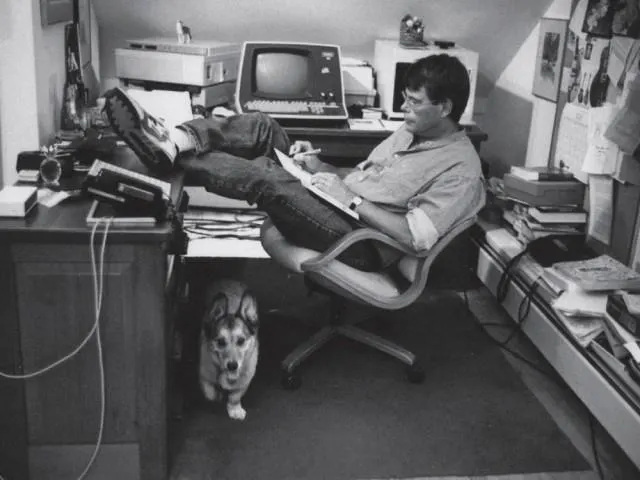
Academic performance was uneven and confidence shaky. Persistence and imagination later defined modern horror fiction.
Michael Jordan
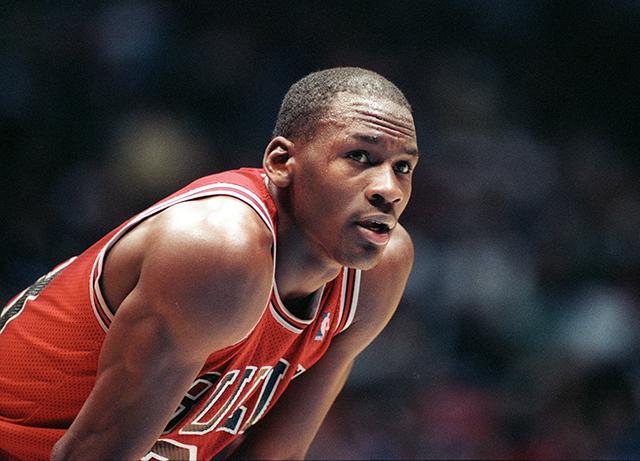
School success never matched athletic obsession. Discipline and focus on one skill created sporting greatness.
J.K. Rowling
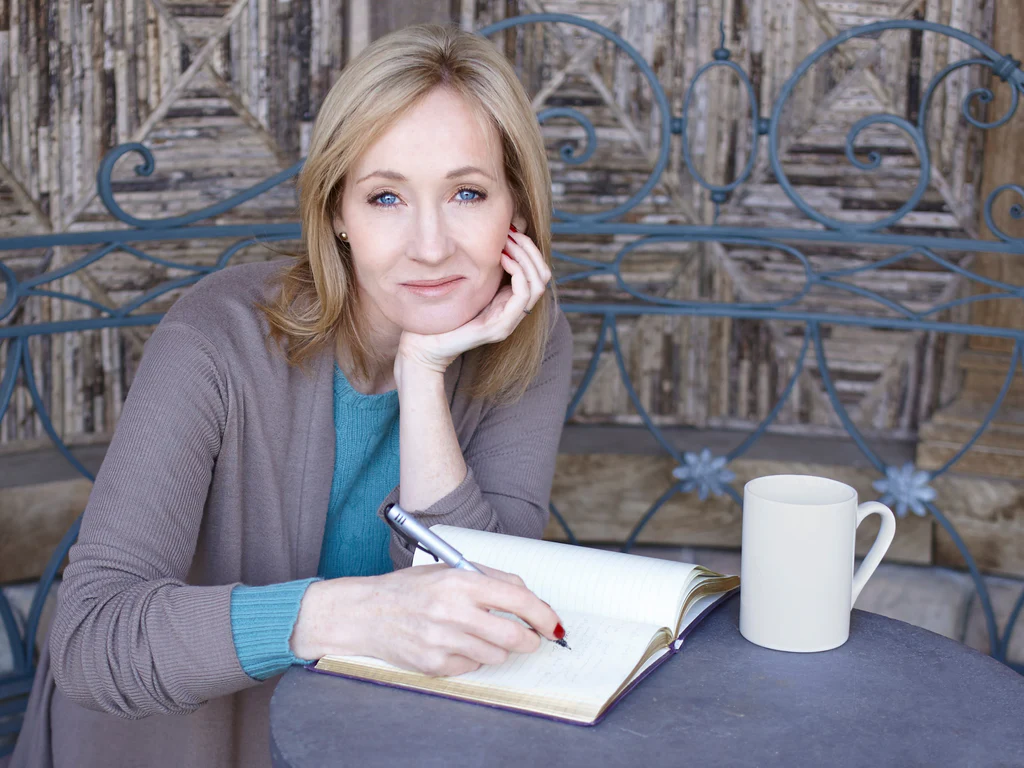
Traditional paths felt uncertain and discouraging. Storytelling perseverance changed global reading culture.
Elon Musk
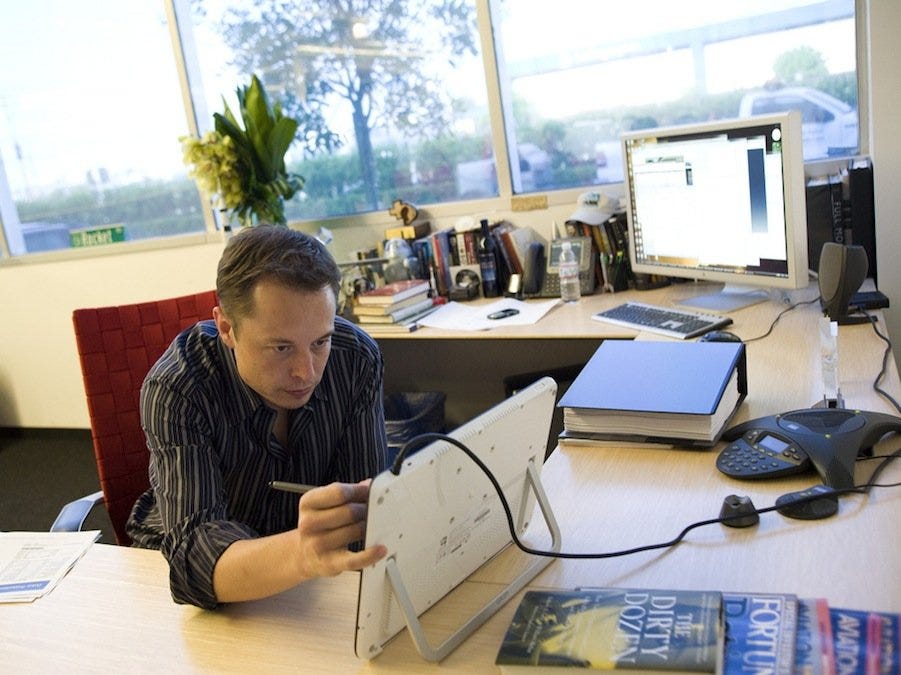
School offered little stimulation beyond science and physics. Obsession with complex problems later drove ambitious innovation.
Isaac Newton
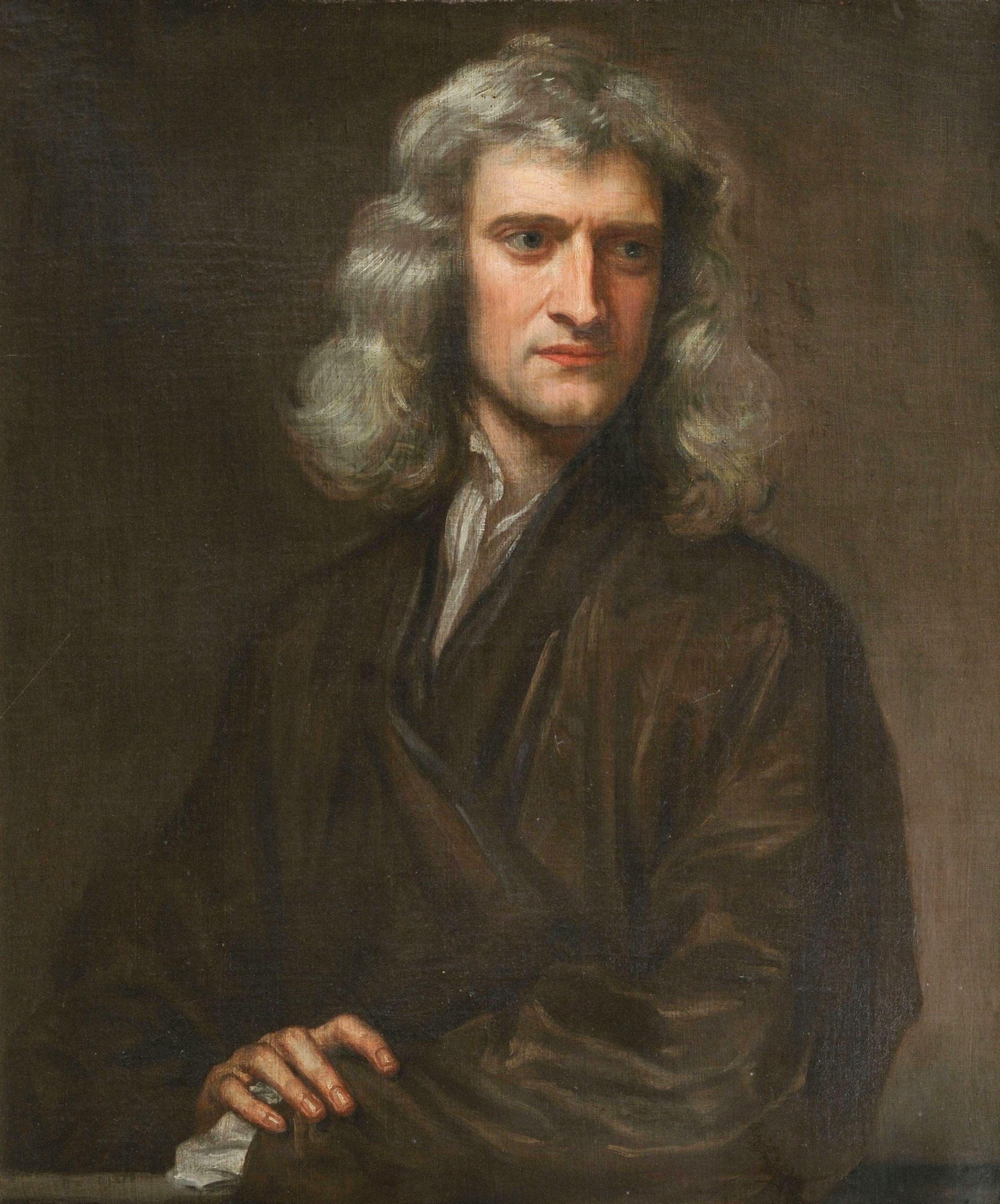
Early education was marked by isolation and disengagement rather than brilliance. Independent study later reshaped mathematics, physics, and astronomy forever.
Alexander Graham Bell
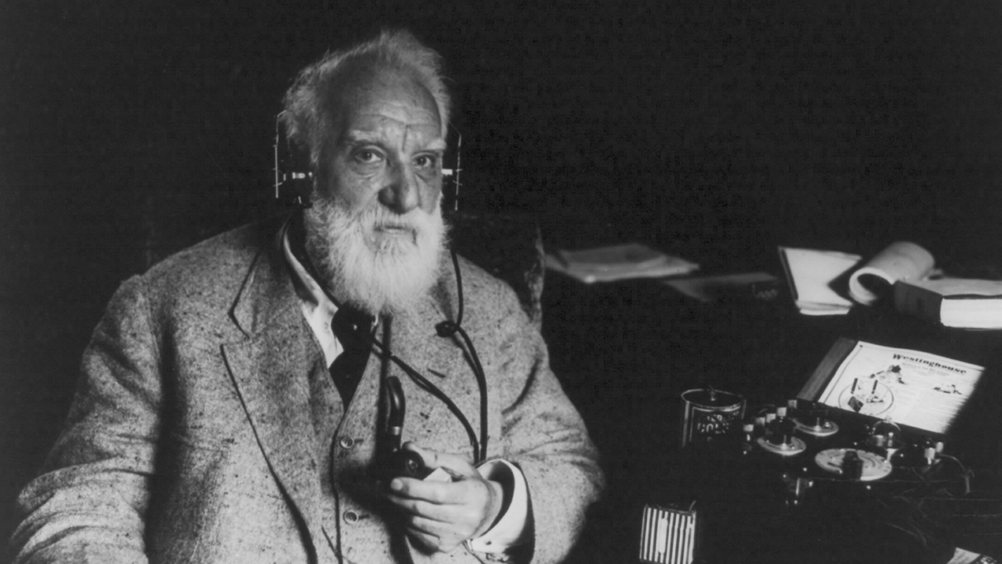
School performance failed to reflect inventive instincts. Experimentation and curiosity eventually transformed global communication.
Charles Darwin
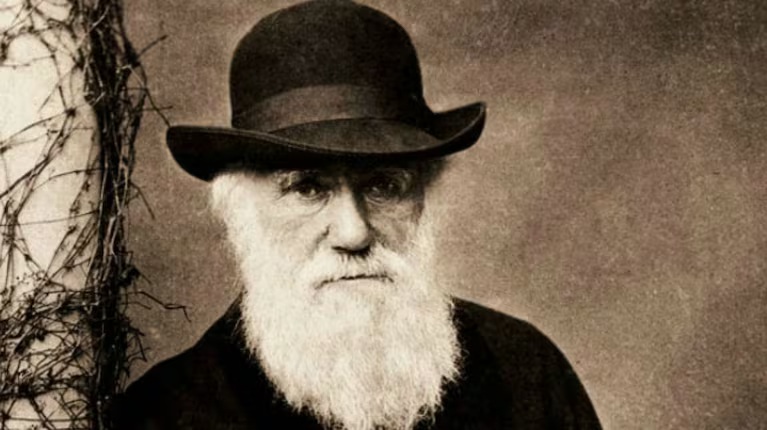
Academic mediocrity followed him through formal schooling. Observation, patience, and independent thinking later changed biological science.
F. Scott Fitzgerald
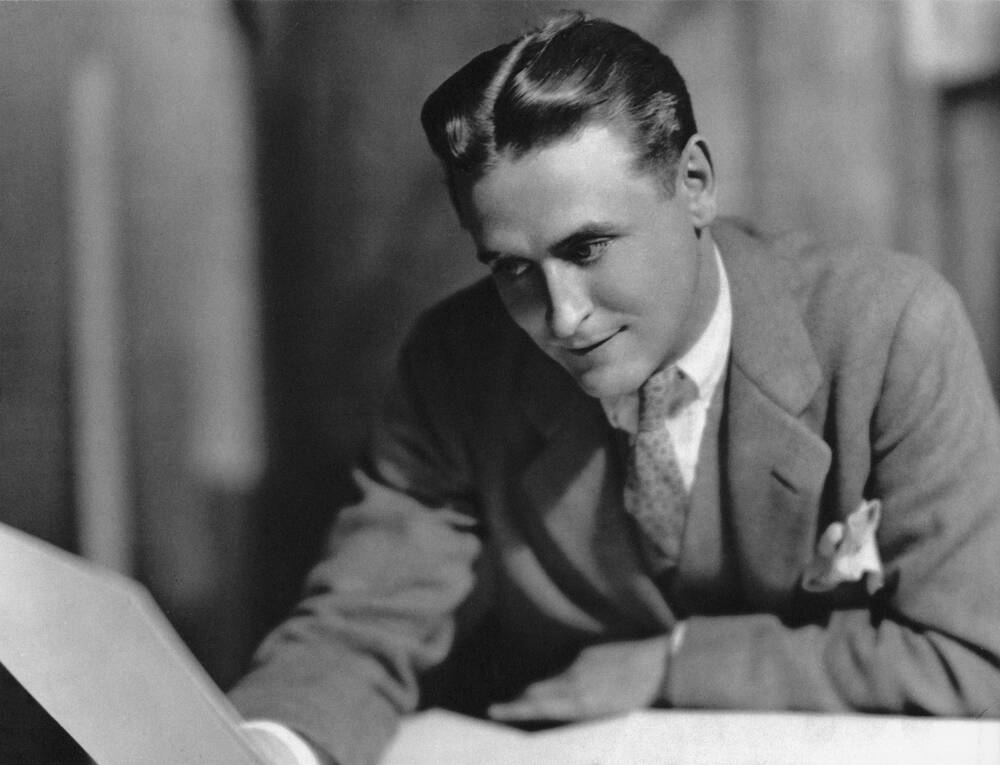
Discipline and structure proved difficult during education. Emotional insight and prose eventually defined an entire literary generation.
Harrison Ford

Academic life failed to spark motivation or direction. Persistence outside school led to one of cinema’s most recognizable careers.
Ludwig van Beethoven
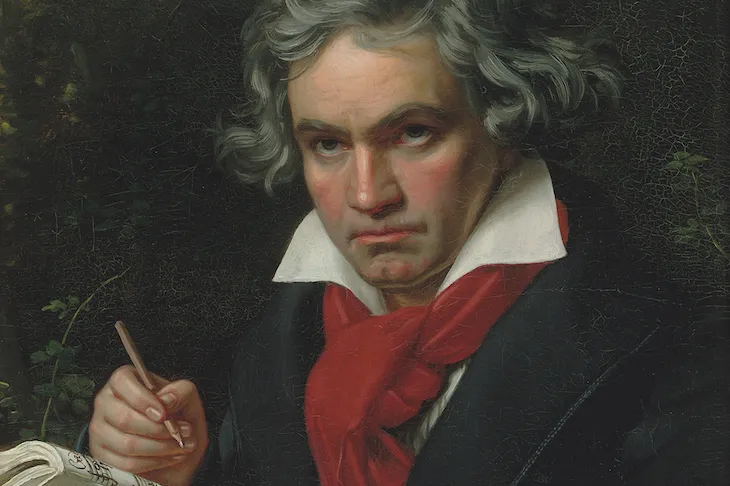
Formal education was fragmented and difficult. Musical intuition and obsession later reshaped classical composition.
Andy Warhol
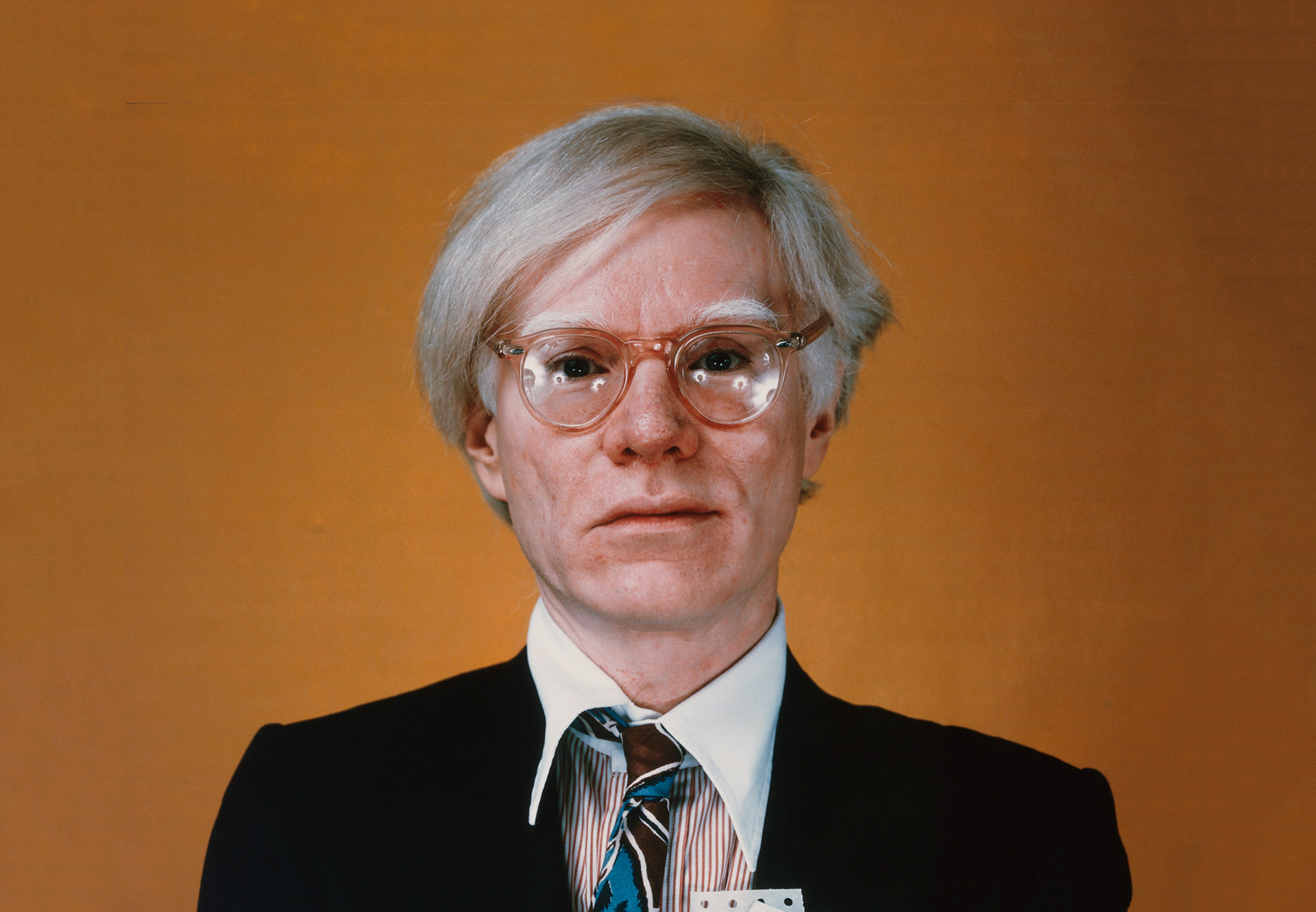
Traditional learning environments felt limiting and uninspiring. Repetition, irony, and visual instinct later redefined modern art culture.
Whoopi Goldberg
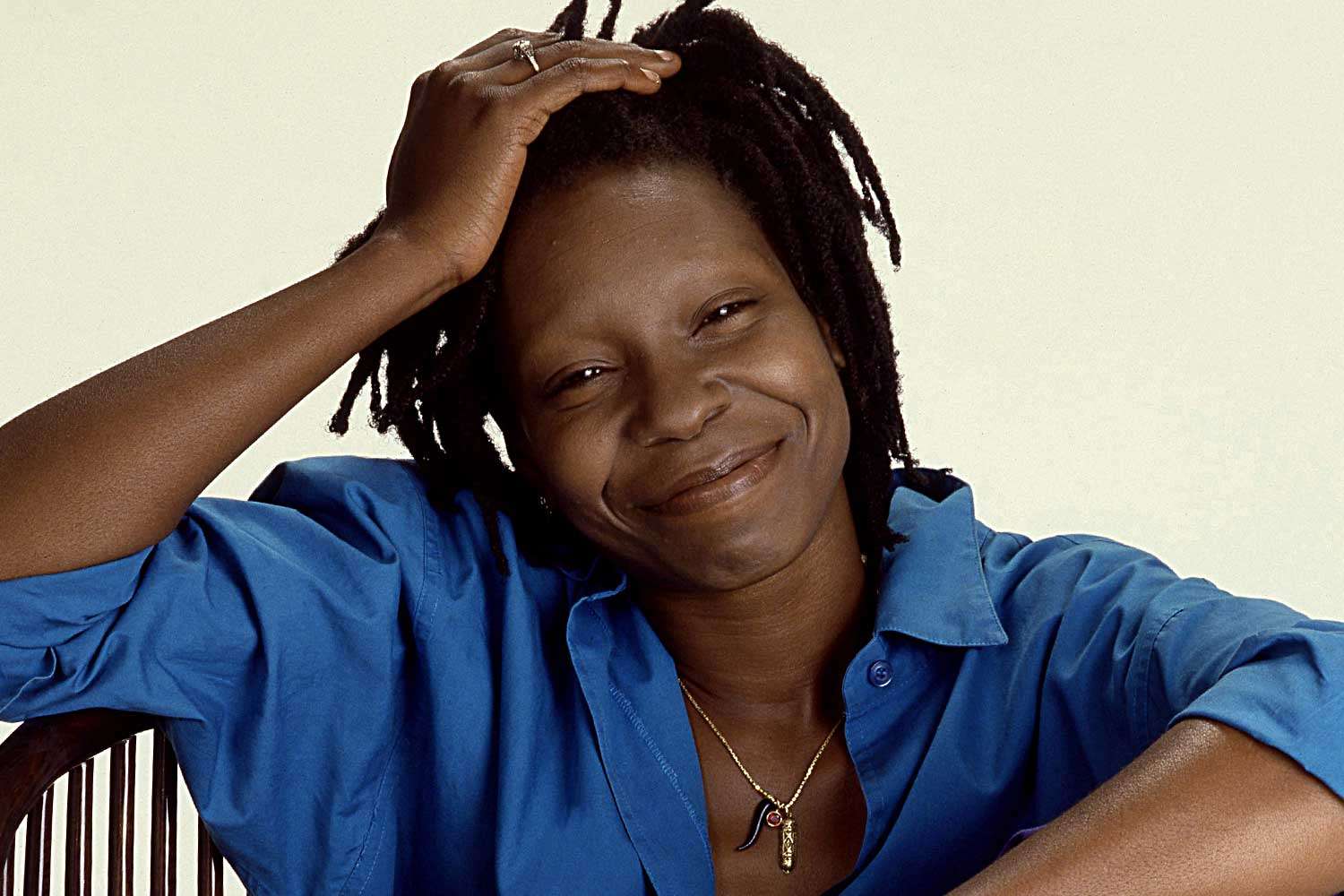
Learning disabilities complicated early schooling. Emotional intelligence and storytelling later defined a versatile career.
Jack London
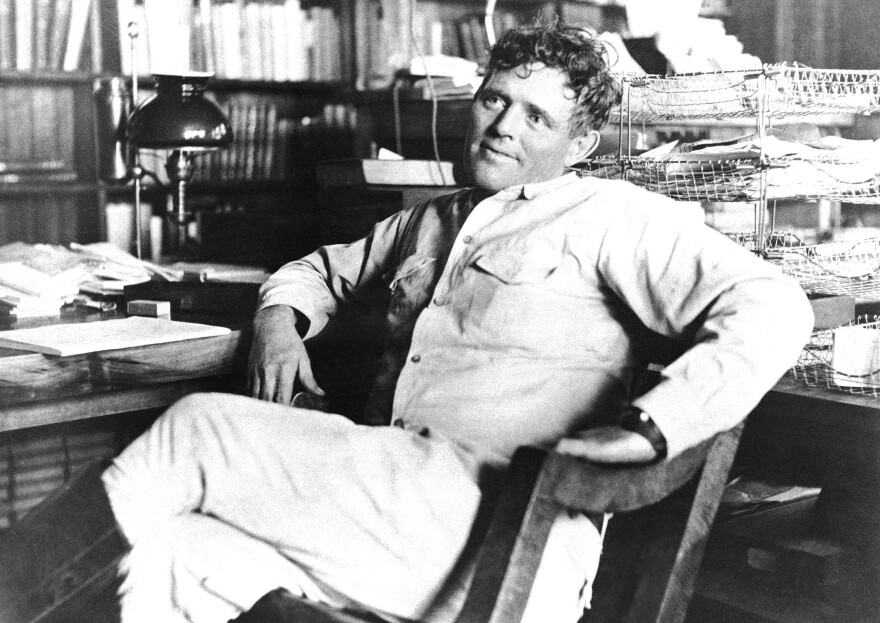
Formal education was brief and inconsistent. Life experience became the foundation for enduring adventure literature.
Cher
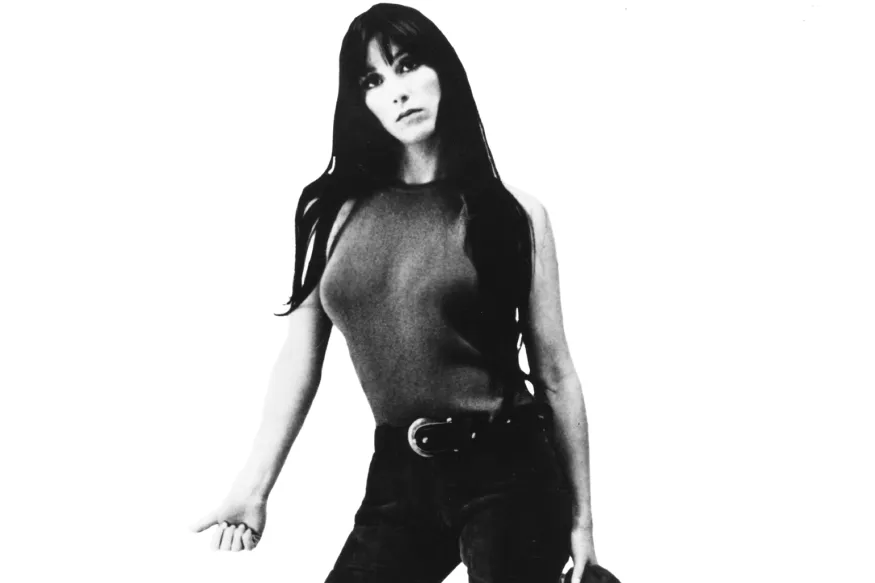
School never aligned with confidence or creative drive. Reinvention and intuition later sustained decades of cultural relevance.