
Every generation has habits that make perfect sense to them and mildly puzzle everyone else. Tendencies you might spot at home, at the airport, or on the group chat, from tech preferences to pop-culture takes. The point isn’t mockery but translation why these behaviors formed, and how they read to younger folks.
Preferring Phone Calls Over Text Threads

Landlines taught a rhythm of real-time talking, so a quick call still feels efficient and polite. Group texts and rapid-fire memes can seem noisy by comparison. Meeting halfway might mean a short call followed by a written recap.
Using Speakerphone In Public Spaces

Hands-free feels practical, but the ambient volume can turn private chats into open-air broadcasts. Headphones or low volume keep everyone comfortable. It is a small tweak that reads as considerate in shared rooms.
Long Voicemail Messages

Detailed messages once saved time by covering everything in one go. Today, most people prefer a brief note and a text for context. A headline and a call-back request usually do the trick.
Printing Tickets And Boarding Passes
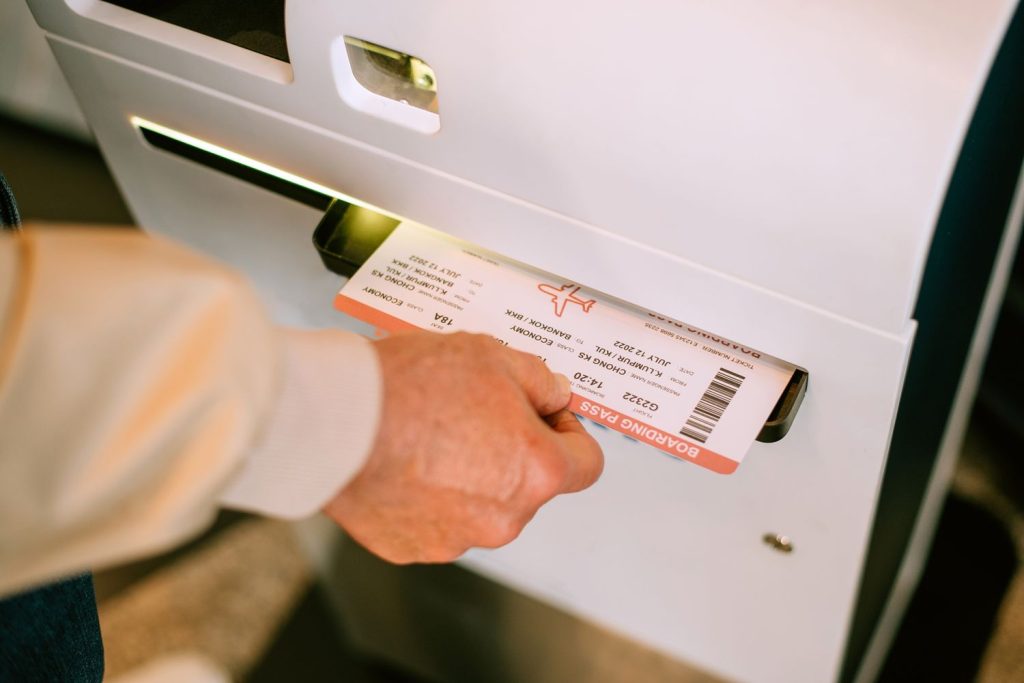
Paper equals peace of mind, especially after years of ‘keep your documents handy’ announcements. Mobile wallets work well, but a printed backup can still be smart for spotty reception. Both styles can coexist without friction.
Avoiding QR Menus And Digital Forms
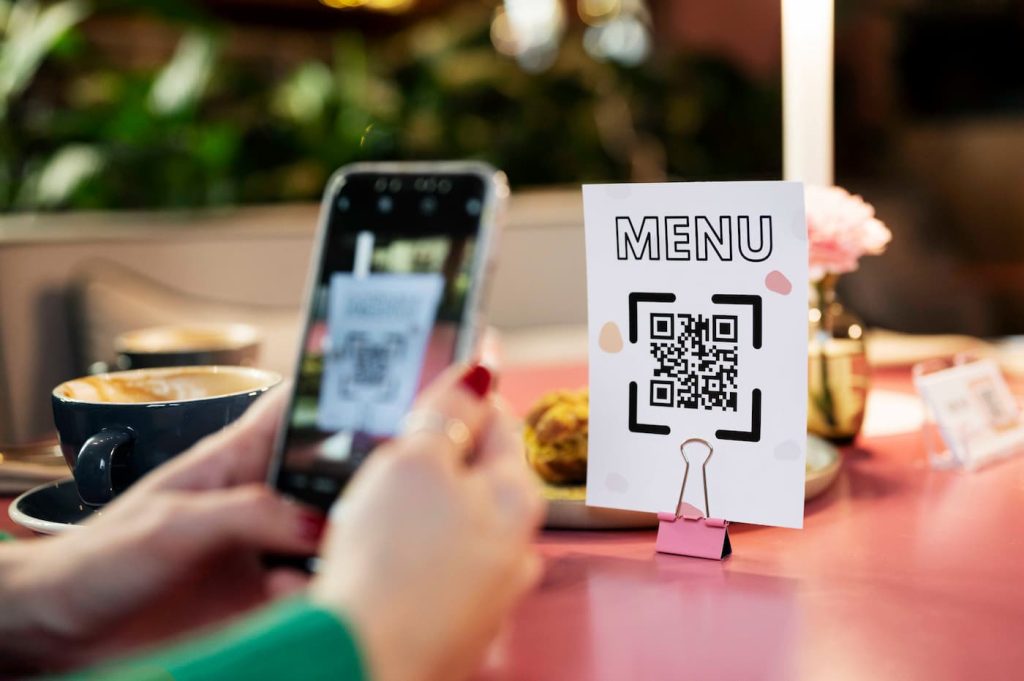
QR codes collapse steps, but they can feel like homework if you expect a printed menu. Restaurants that offer both options make the experience smoother for everyone. Comfort often tracks with how often someone has had to use the tool.
Sharing Chain Emails And Facebook Forwards

Email inboxes once doubled as a bulletin board, so forwarding felt like community service. Today’s feeds spread the same content faster, along with fact-checks. A quick source check keeps the spirit while avoiding confusion.
Keeping Passwords On Sticky Notes
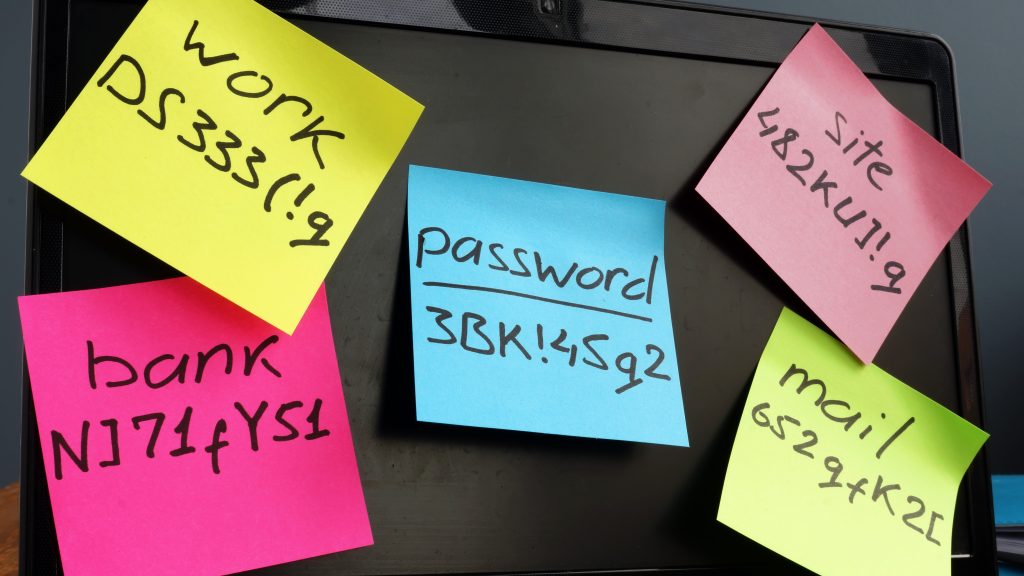
Paper prompts beat memory when accounts multiply. A password manager offers the same convenience with better security. Think of it as a digital sticky note with a lock.
Preferring Cable Bundles Over Streaming Apps
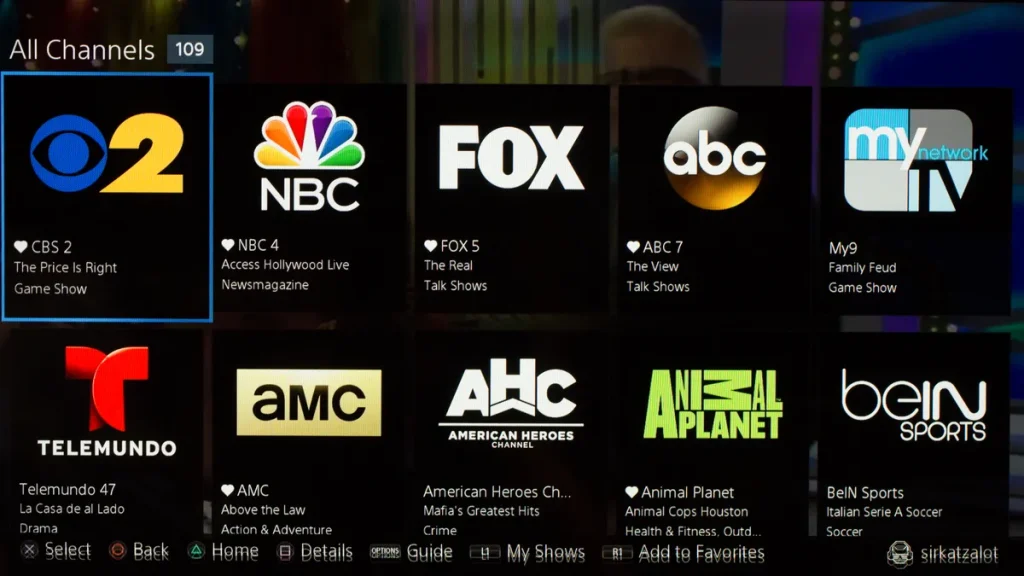
A channel guide and one remote can feel simpler than juggling several apps. Younger viewers trade one bill for a menu of niche shows. Universal search features can narrow the gap.
Turning Off Wi‑Fi To ‘Save Data’ At Home
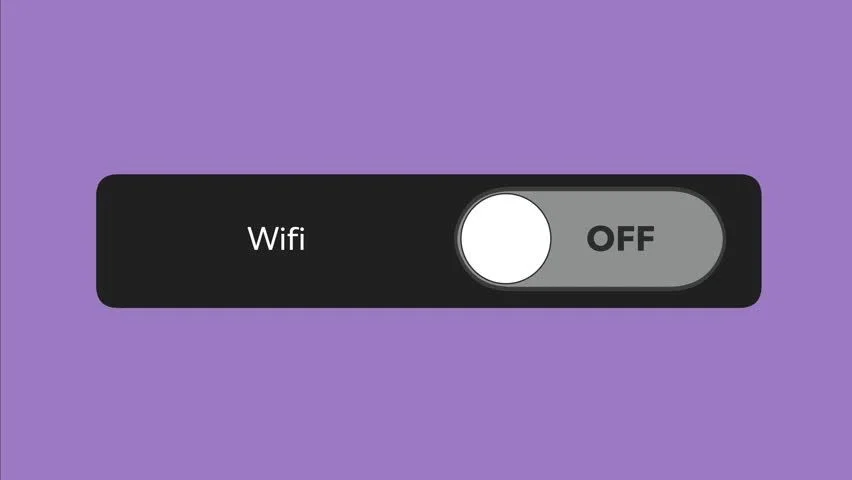
Mobile data caps trained a conserve-first mindset. At home, Wi‑Fi usually costs nothing extra, so staying connected improves call quality and updates. Explaining that difference helps the habit fade.
Using Periods And Ellipses In Texts For Tone

Punctuation once signaled good form, but in chats it can read as serious or abrupt. Emojis or a quick ‘thanks!’ soften the landing. Context beats rules in fast-moving threads.
Asking For A Fax Number
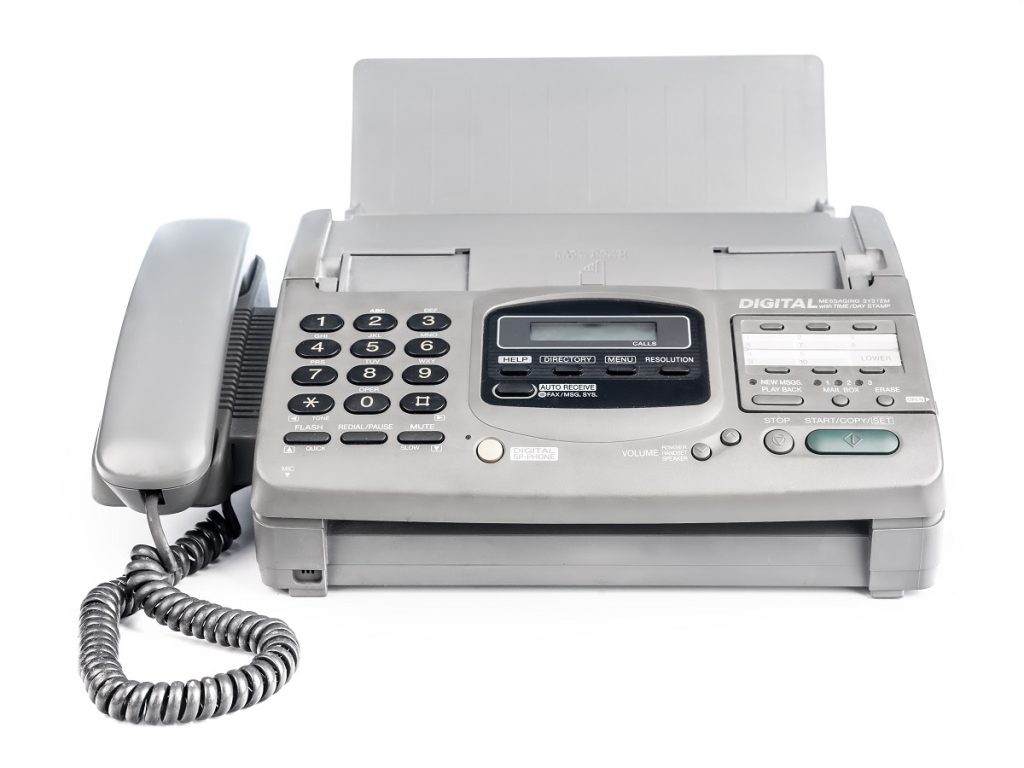
Faxing was the original quick document transfer, and many offices still keep machines. A phone camera scan or e‑signature is the modern equivalent. The goal, clear paperwork, stayed the same.
Playing Music On TV Speakers Only

A single device keeps setup simple, even if the sound is thin. A small Bluetooth speaker or soundbar lifts clarity without extra complexity. Ease remains the priority.
Preferring Cash For Tips And Small Purchases

Cash feels immediate and leaves a clear record in the wallet. Tip screens and peer‑to‑peer apps have widened options, sometimes with confusing prompts. Posting the house policy helps everyone tip fairly.
Suspicion Of Cloud Backups

Physical photo albums and external drives feel tangible and safe. Cloud services add off‑site protection and easy sharing. Using both covers sentimental and practical needs.
Calling the Internet “The Google”

Early tech branding left a strong impression, so “The Google” or “The Facebook” still slip into conversation. It’s shorthand for the whole online world rather than one site. The phrasing may date someone’s first contact with the web, but it also shows just how fast the digital language evolved.
Confusion With HDMI Inputs And TV Sources
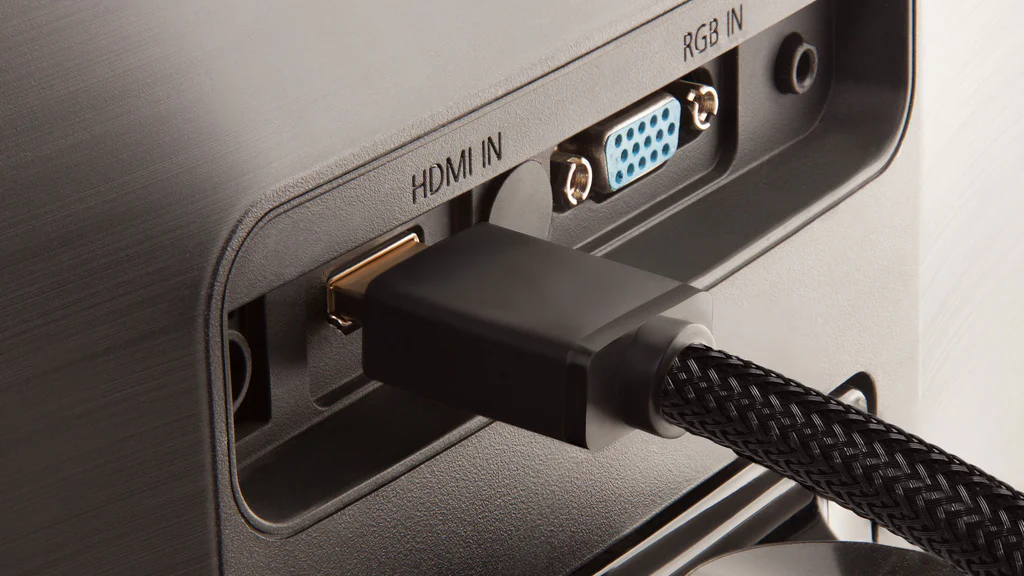
Multi-input TVs replaced the single ‘on’ button era. Labeling ports and using one universal remote reduces frustration. Once the path is clear, streaming feels just like changing channels.
Letting Apps Pile Up Without Updates
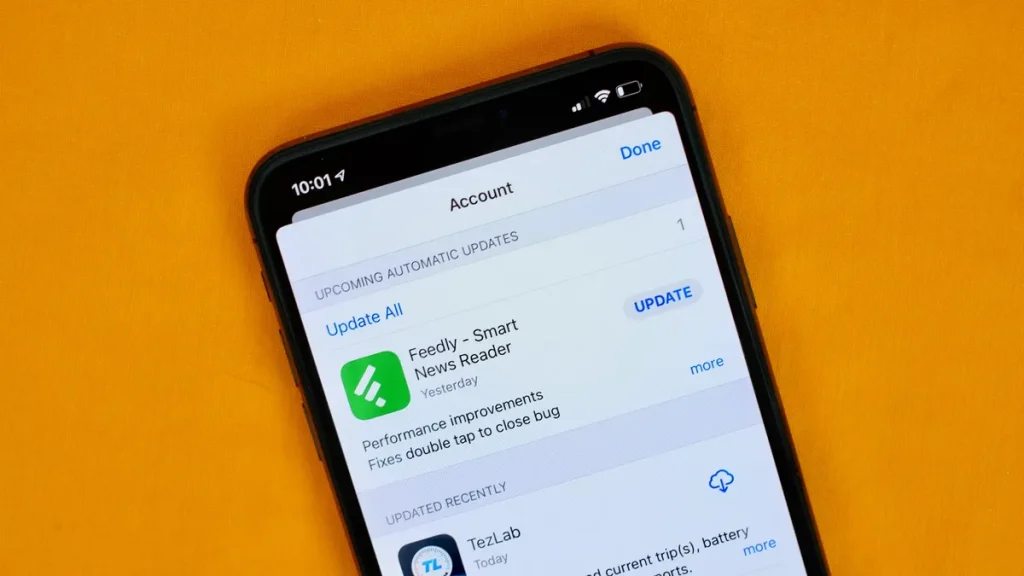
If it still opens, why change it, until a feature breaks. Auto-updates prevent last-minute scrambles, especially for travel or banking apps. Set and forget is the friend here.
Skepticism Toward Ride‑Sharing Apps

Taxis had visible meters and phone dispatchers, which felt accountable. Ride apps add driver profiles, GPS routes, and digital receipts. Checking license plates and sharing trips blends old and new safety habits.
Preferring Paper Bills And Mailed Checks
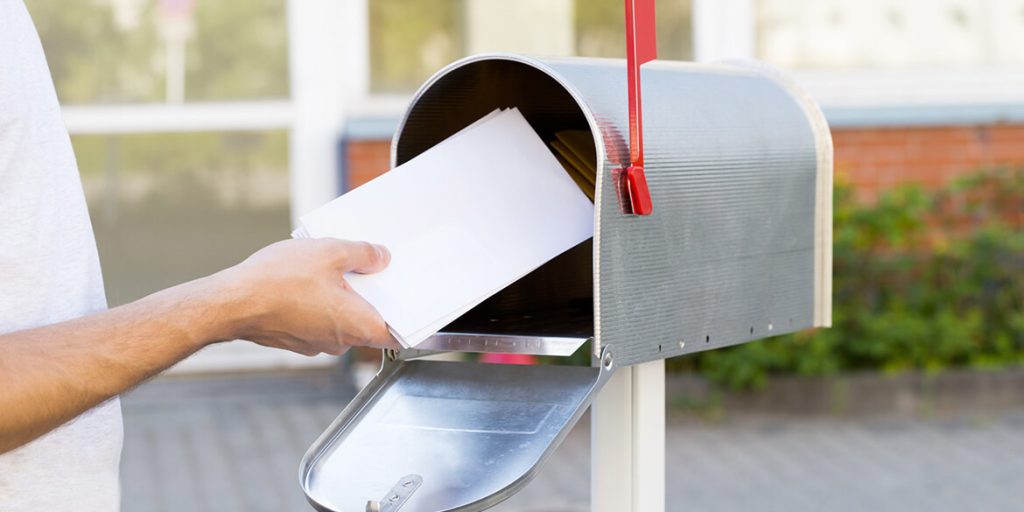
Mail-in payments offered a tangible trail and time to review. Autopay and alerts now reduce missed due dates, with PDFs for records. Hybrid systems work well for peace of mind.
Thinking Today’s Music Is All Auto‑Tune

Pitch tools are more visible now, but they are just one studio instrument among many. Plenty of current records favor raw takes and live sessions.
Playing Videos Out Loud From The Phone

Sharing a clip means everyone should hear it, right, until the café turns into a screening room. Headphones or captions keep the vibe friendly to strangers. Short and muted often wins in public.
Tapping Banners And Pop‑Ups By Accident

Desktop metaphors do not always translate cleanly to mobile layouts. Ad‑heavy sites increase mis‑taps for everyone. Reader modes or ad‑blockers reduce the friction.
Location Services Switched Off By Default
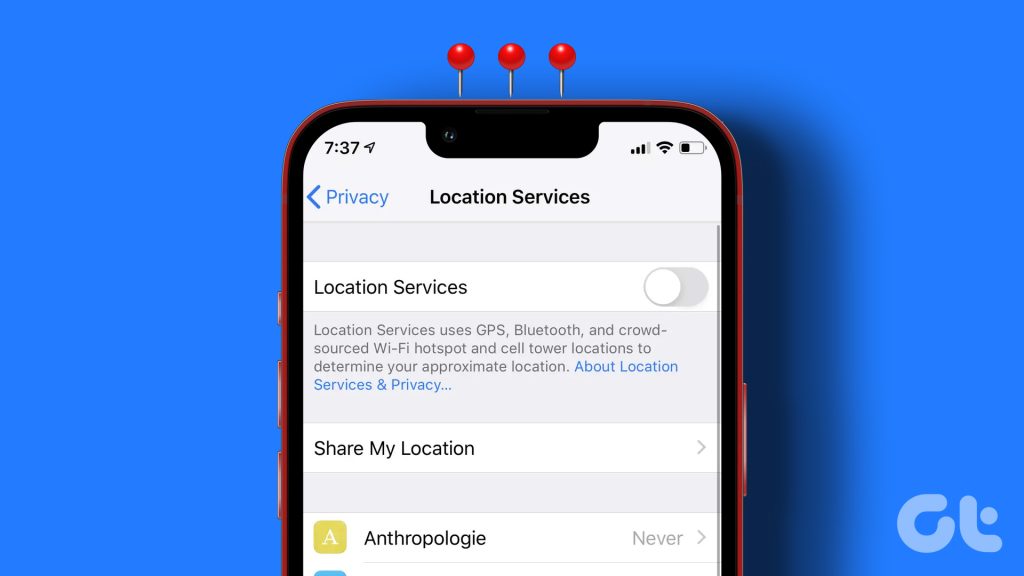
Privacy-first instincts make sense if you grew up before constant tracking. Selective permissions give maps and deliveries what they need without oversharing.
Preferring Formal Salutations In Emails
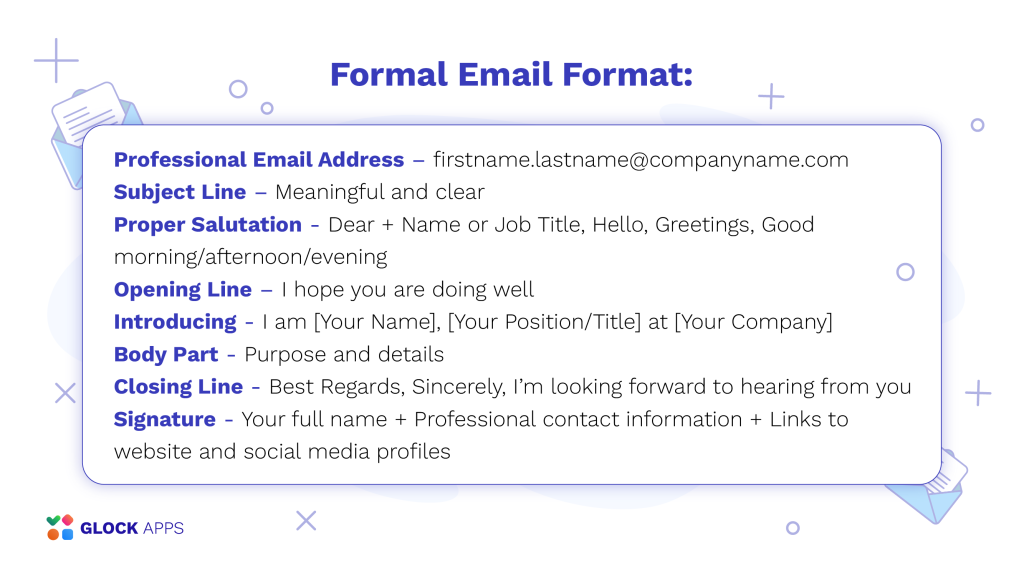
Starting with “Dear” and ending with full signatures still feels professional. Many teams lean casual, but clarity and courtesy always land well. Tailor tone to the recipient and the project.
Forwarding Articles Without Reading Past Headlines
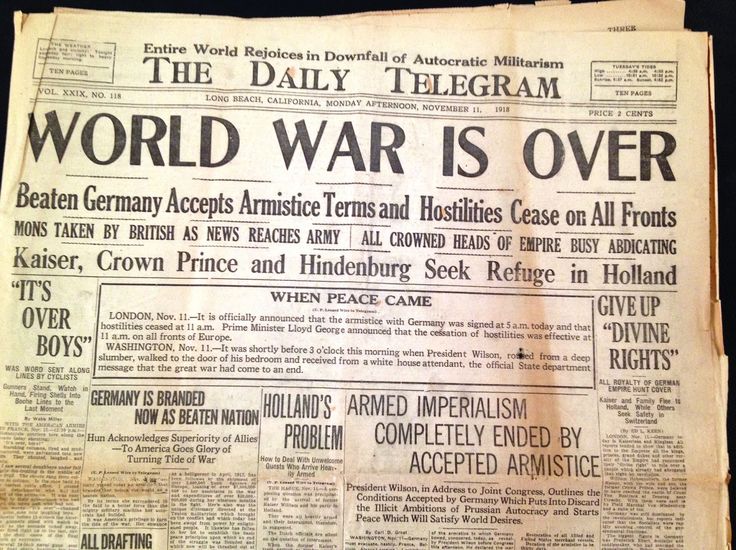
It feels like passing along something useful, fast. Skimming the piece and adding one line of context avoids confusion. It keeps trust intact in group chats.
Adjusting TV Volume To Stadium Levels

Dialogue tracks can be quiet, so the quick fix is the volume rocker. Night modes and speech enhancement help without waking the block. A small soundbar can be a friendship saver.
Driving Without Relying On GPS

Paper maps and landmarks built strong mental models of cities. Turn-by-turn can be a relief in new areas, especially with traffic data. Combining both often yields the best routes.
Avoiding Two‑Factor Authentication
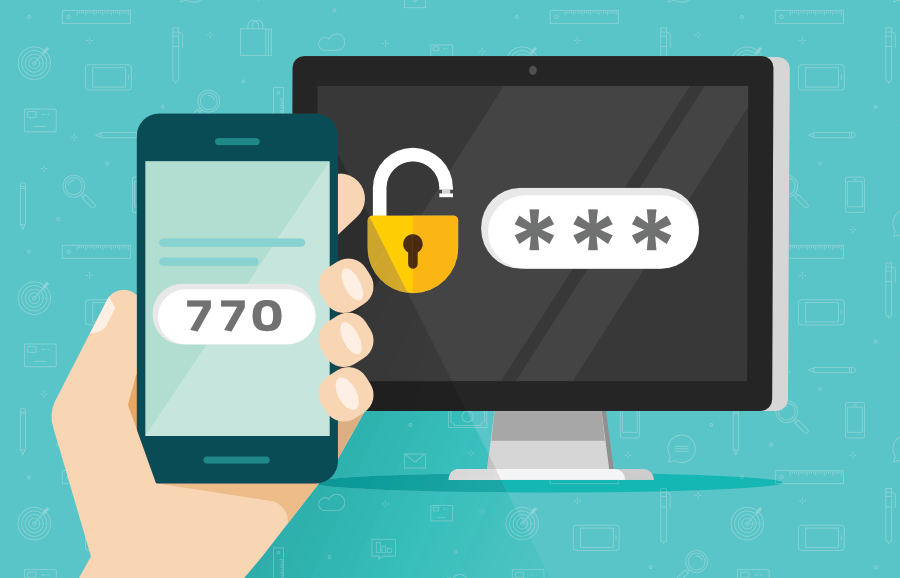
Extra codes feel like extra work. Yet breach headlines explain why a second lock matters. Authenticator apps reduce text-message wait times.
Using Hashtags On Facebook Like Labels

Hashtags started as search tools but became decorative add‑ons in some circles. They still help discovery on TikTok, Instagram, and X more than on Facebook.
Bringing Full‑Size Cameras To Every Event

Point‑and‑shoots once guaranteed quality; phones now rival them for casual shots. A dedicated camera still shines for sports or low light. No wrong answer if the memories look good.