Every era has its limits. Things you simply weren’t supposed to say out loud, let alone put in print and sell at a bookstore. The books on this list all crossed those lines in ways that got them banned, burned, seized by customs, or dragged into court, sometimes all four. What’s interesting looking back is how often the outrage said less about the book and more about the moment it landed in, because most of these titles went on to become some of the most studied and celebrated works in the history of literature. The gap between “banned” and “required reading” turns out to be surprisingly short. Curious to know who entered the banned list once they came out? Scroll down!
Lady Chatterley’s Lover — D.H. Lawrence (1928)
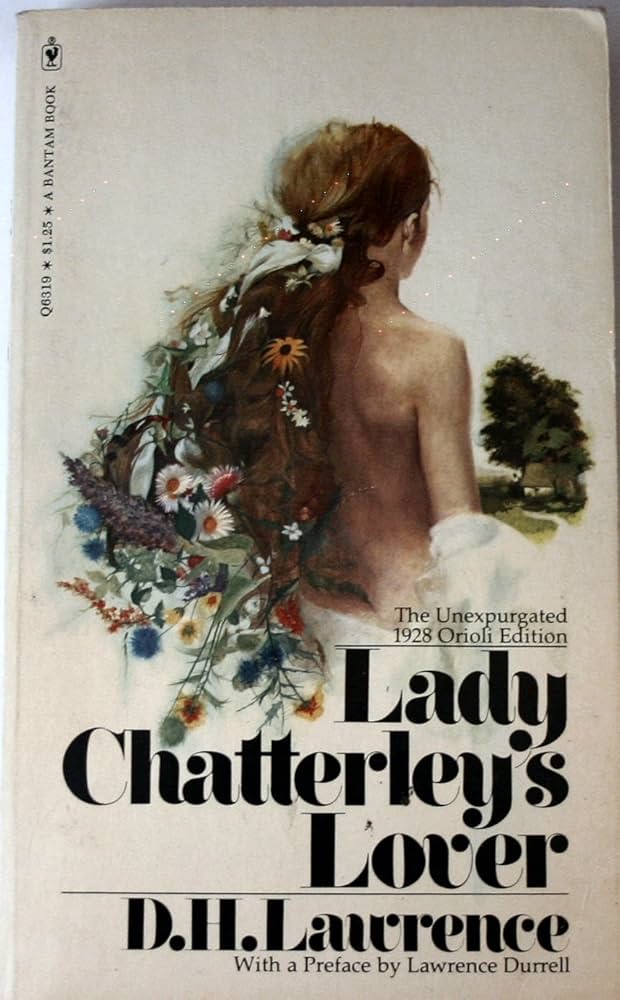
Lawrence wrote this story of a working-class gamekeeper and an aristocratic married woman as a defense of physical intimacy and emotional honesty, and the British government responded by banning it for over 30 years, with the obscenity trial finally coming in 1960, where the prosecution memorably asked if it was the kind of book you’d want “your wife or servants to read.”
Ulysses — James Joyce (1922)
Joyce’s stream-of-consciousness account of a single day in Dublin was serialized in a literary magazine before being seized and burned by U.S. postal authorities, with over a thousand copies destroyed, and it remained legally banned in America until 1933, when a federal judge ruled that a book making readers uncomfortable was not the same thing as a book being obscene.
Lolita — Vladimir Nabokov (1955)
Published first in Paris after every American publisher turned it down, this novel narrated by a man obsessed with a 12-year-old girl was called “sheer unrestrained pornography” by British critics and banned in France and the UK almost immediately, yet Nabokov’s prose was so controlled and so clearly critical of its narrator that serious readers couldn’t dismiss it, and the controversy only drove sales higher.
Tropic of Cancer — Henry Miller (1934)
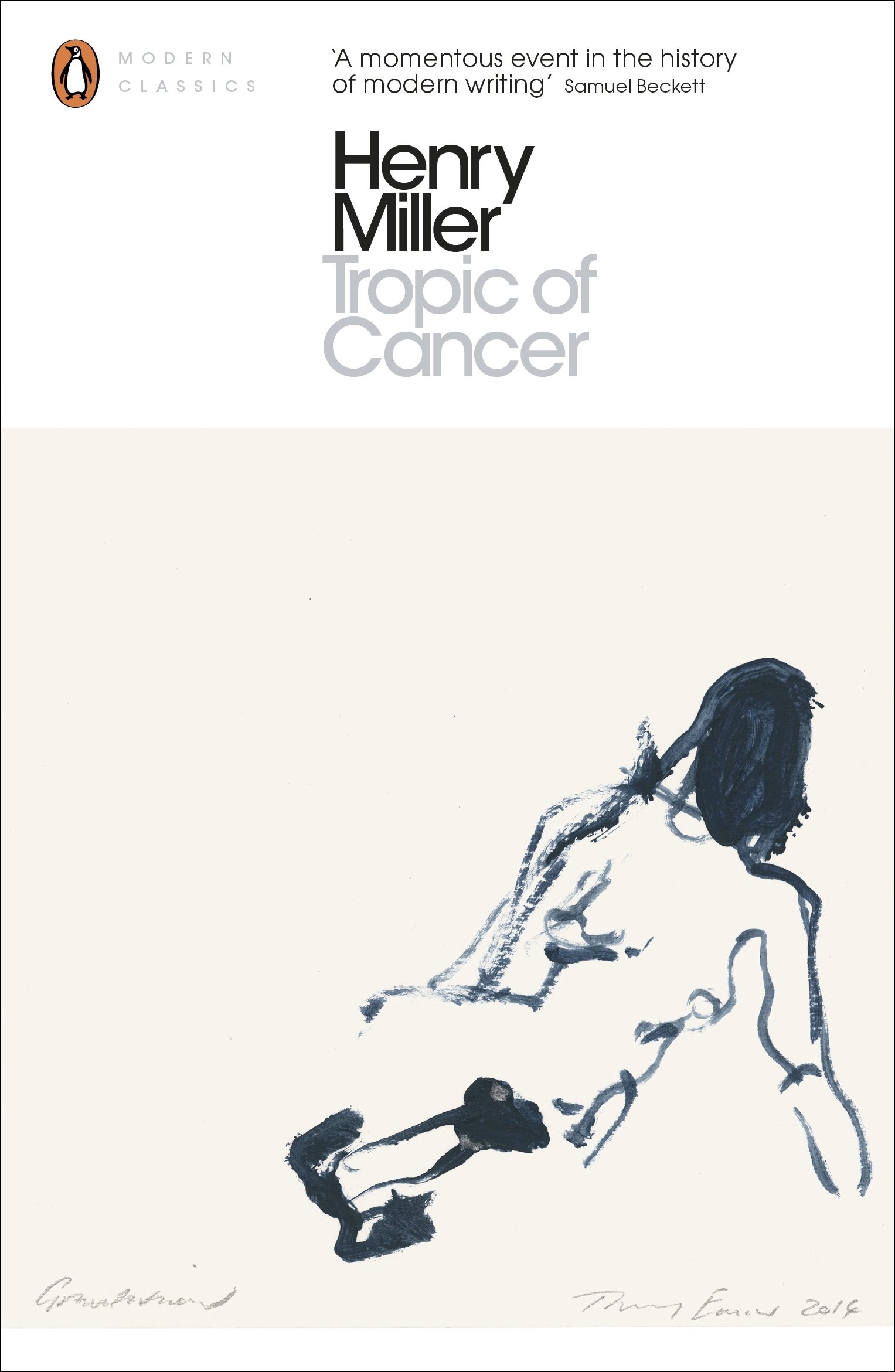
Miller’s semi-autobiographical novel about an American writer in Paris was so s*xually direct that no American publisher would touch it for decades, and it was banned in the U.S. until 1961, when Grove Press fought the obscenity charges all the way to the Supreme Court and won, opening the door for nearly every other frank literary work that followed.
The Adventures of Huckleberry Finn — Mark Twain (1885)
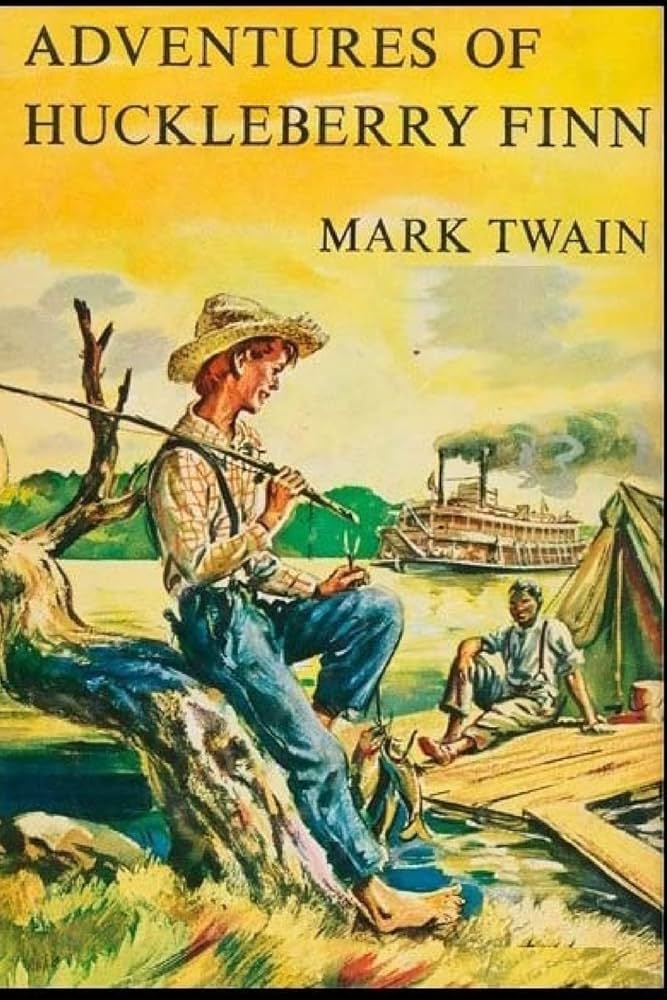
Banned from a Massachusetts library within months of publication for being “trash suitable only for the slums,” Twain’s novel about a boy and a runaway slave drifting down the Mississippi has never really stopped being controversial, first for its irreverence toward authority and later for its use of racial language. A book that keeps forcing new generations to figure out what they actually think about it.
Leaves of Grass — Walt Whitman (1855)
Whitman’s poetry collection was so sexually open and so unashamed about the human body that the Yale University president compared reading it to watching someone walk naked through the streets, and it cost Whitman his government job when his boss found a copy on his desk and declared it obscene, which didn’t stop Whitman from expanding and republishing it repeatedly for the rest of his life.
Madame Bovary — Gustave Flaubert (1857)
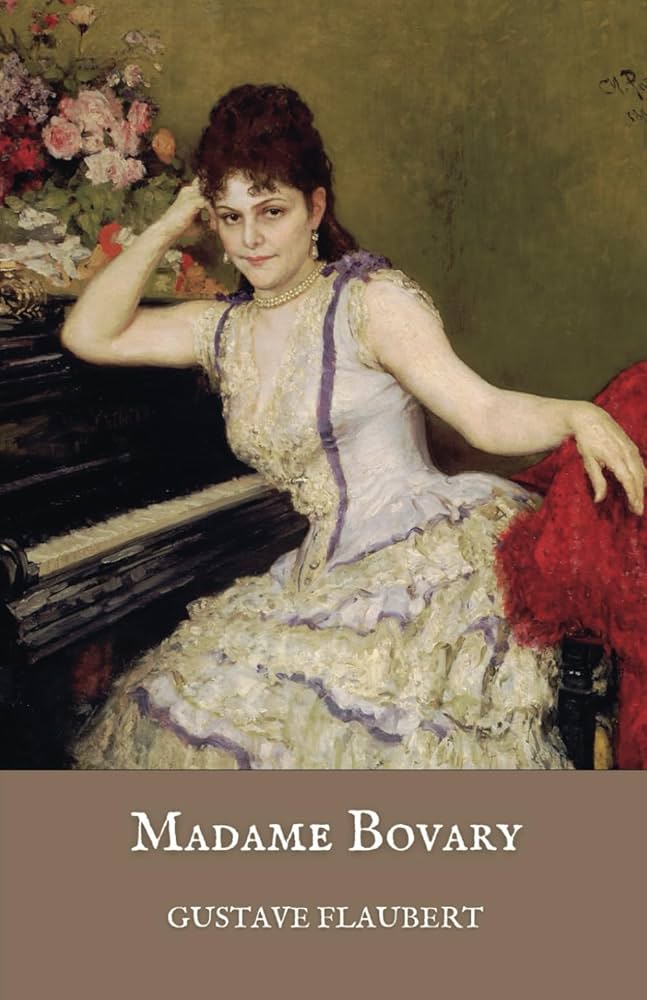
Flaubert was put on trial for obscenity the same year the novel was published, with French prosecutors arguing that his sympathetic portrayal of an adulterous provincial wife was an attack on public morality, and the fact that he was acquitted didn’t prevent the book from being condemned from pulpits across France for years, which is probably the best advertising a novel can get.
The Well of Loneliness — Radclyffe Hall (1928)
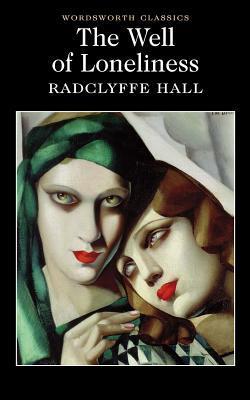
Hall’s novel about a woman who falls in love with another woman during World War I didn’t contain a single explicit scene, yet a British newspaper called for its suppression before it even reached bookstores, and the subsequent obscenity trial resulted in every copy being ordered destroyed. Not because of what the book showed, but because of what it refused to apologize for.
Brave New World — Aldous Huxley (1932)
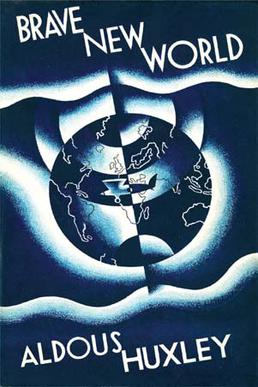
Huxley’s vision of a future society built on pleasure, conditioning, and recreational drug use was alarming enough when it was published, but what really disturbed readers and censors was how casually the book treated religion, family, and monogamy as obstacles to happiness. A worldview that got it banned in Ireland almost immediately and challenged in American schools for decades.
Native Son — Richard Wright (1940)
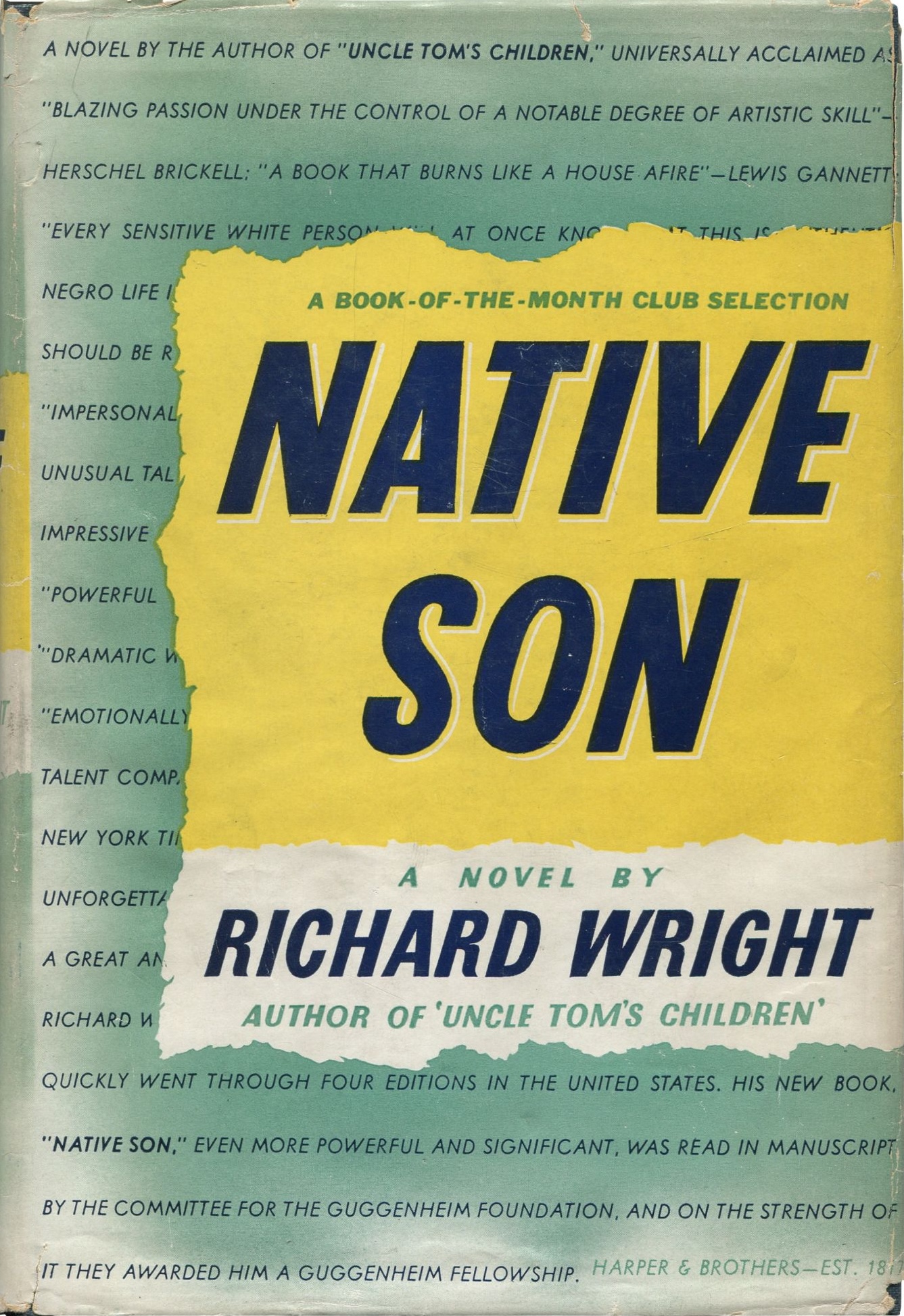
Wright’s novel about a young Black man in Chicago who accidentally kills a white woman and the legal and social machinery that closes around him was the first book by a Black author selected for the Book of the Month Club, and the white literary establishment praised it while simultaneously making sure readers understood it was an uncomfortable experience, which was entirely the point.me when the streetlights turned on
The Catcher in the Rye — J.D. Salinger (1951)
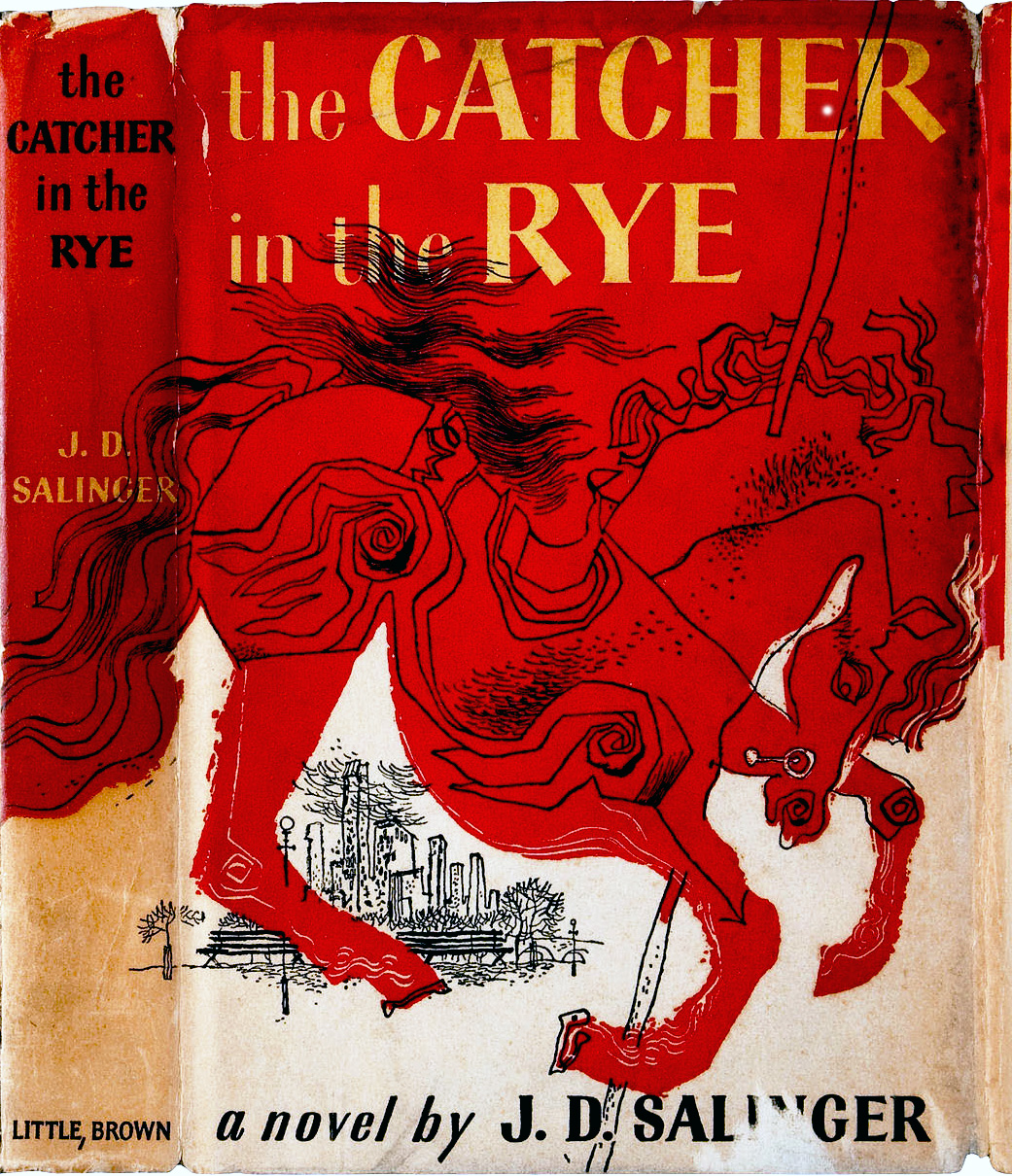
Holden Caulfield’s voice (restless, profane, deeply suspicious of everything adults called normal) hit postwar American teenagers like a freight train and hit school boards like one too, with the novel challenged and banned repeatedly for language and s*xual content in a country that found a teenager saying “phony” about everything around him more threatening than it probably should have.
Nineteen Eighty-Four — George Orwell (1949)
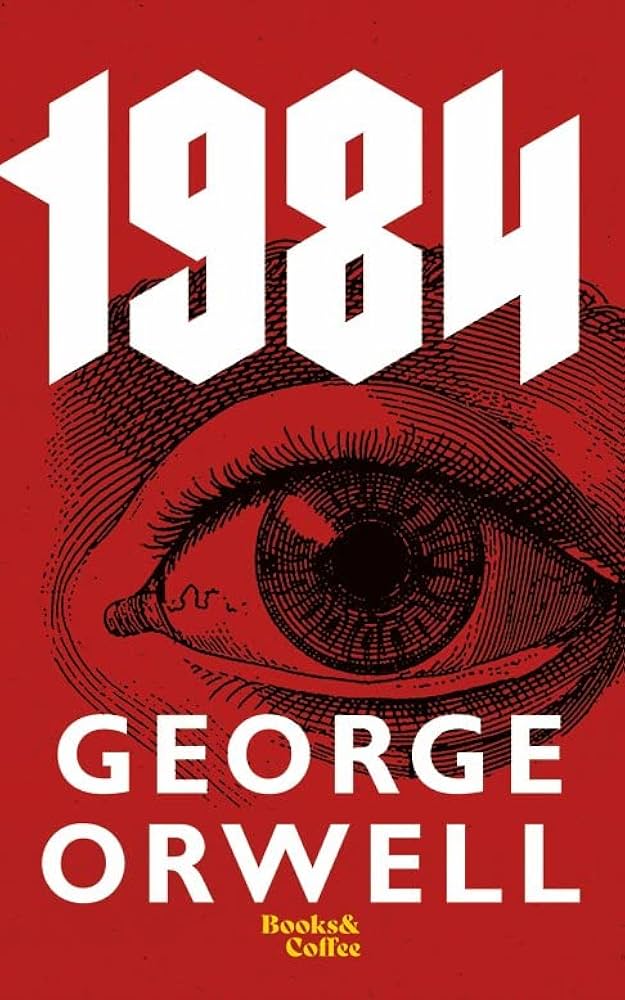
Orwell’s dystopia was banned in the Soviet Union until 1988, which is probably the most fitting possible tribute to a book about a government that controls language to control thought, and Stalin personally ordered the ban after reading it as a direct attack on his rule, a reaction that confirmed Orwell had understood something about power that most writers never get close to.
All Quiet on the Western Front — Erich Maria Remarque (1929)
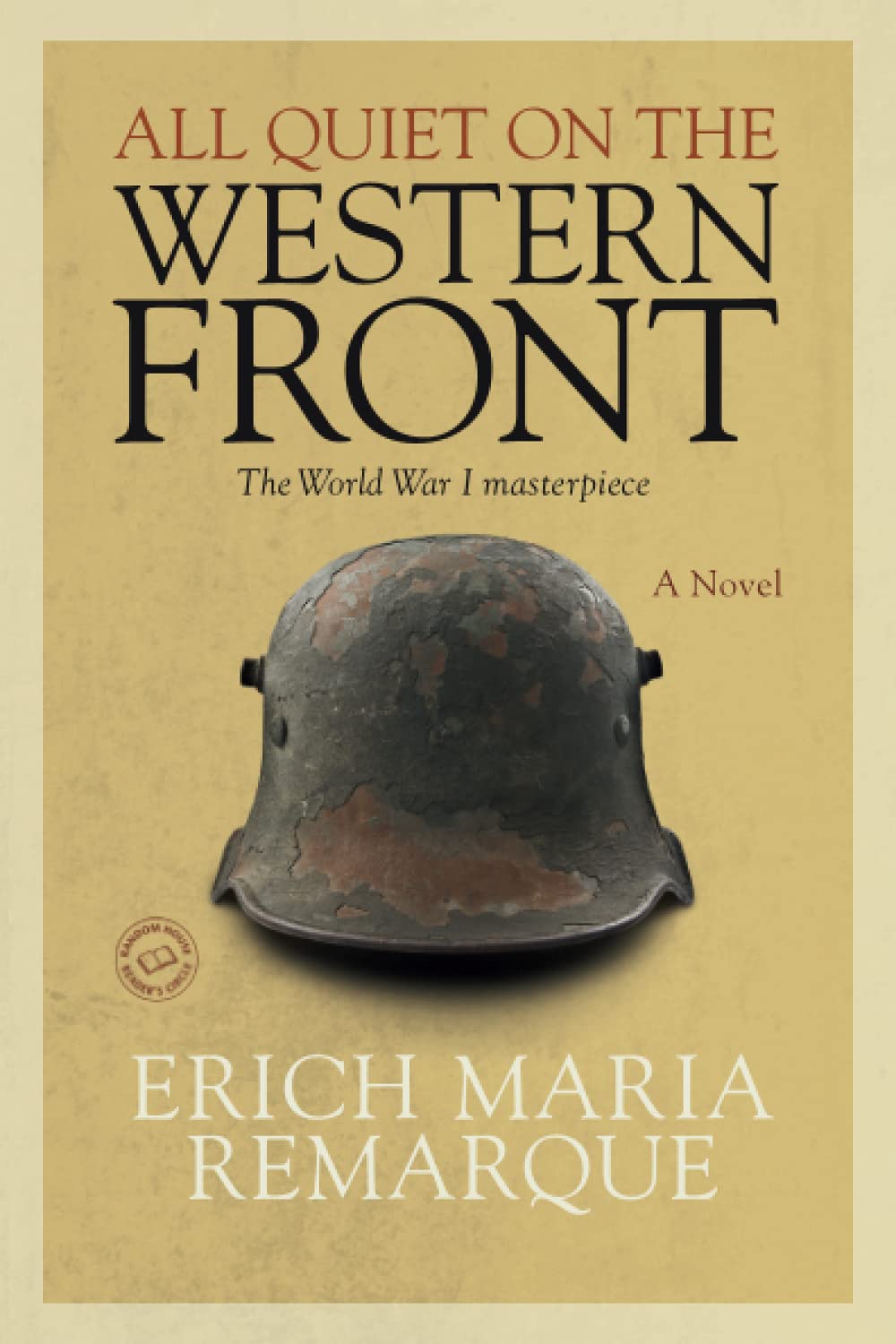
Remarque’s anti-war novel about young German soldiers destroyed by World War I was burned publicly by the Nazis in 1933 and its author stripped of German citizenship, because a book that showed war as senseless suffering rather than national glory was, from the Nazi perspective, not a novel but a threat and they were right that it was, which is why they burned it.
The Naked Lunch — William S. Burroughs (1959)
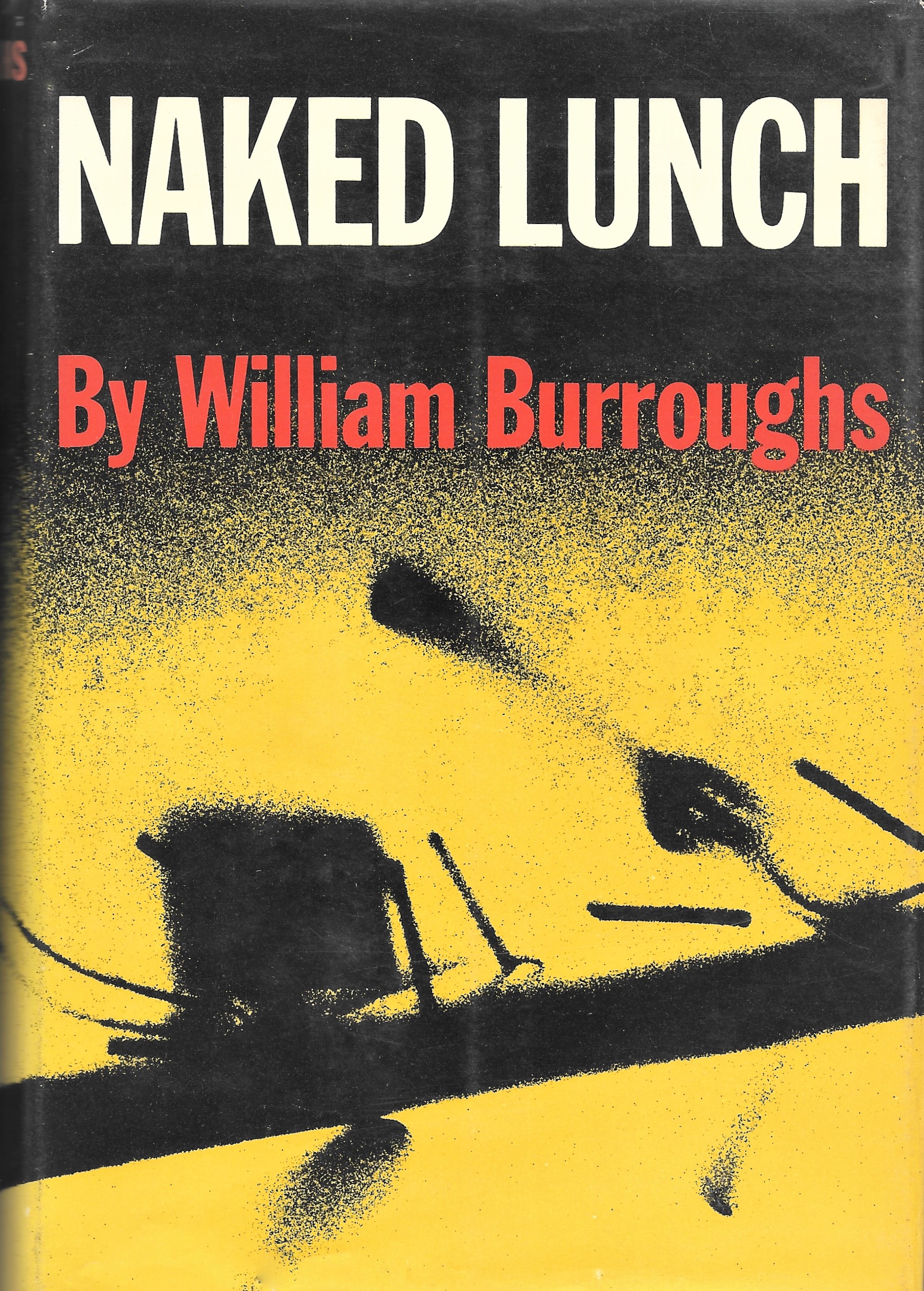
Burroughs wrote this hallucinatory, non-linear novel during a period of severe heroin addiction, and the result was something that read less like a story and more like a document from inside a collapsed mind, which is exactly what made it so disturbing to authorities and so electrifying to the writers and artists who read it as proof that literature didn’t have rules anymore.
I Know Why the Caged Bird Sings — Maya Angelou (1969)
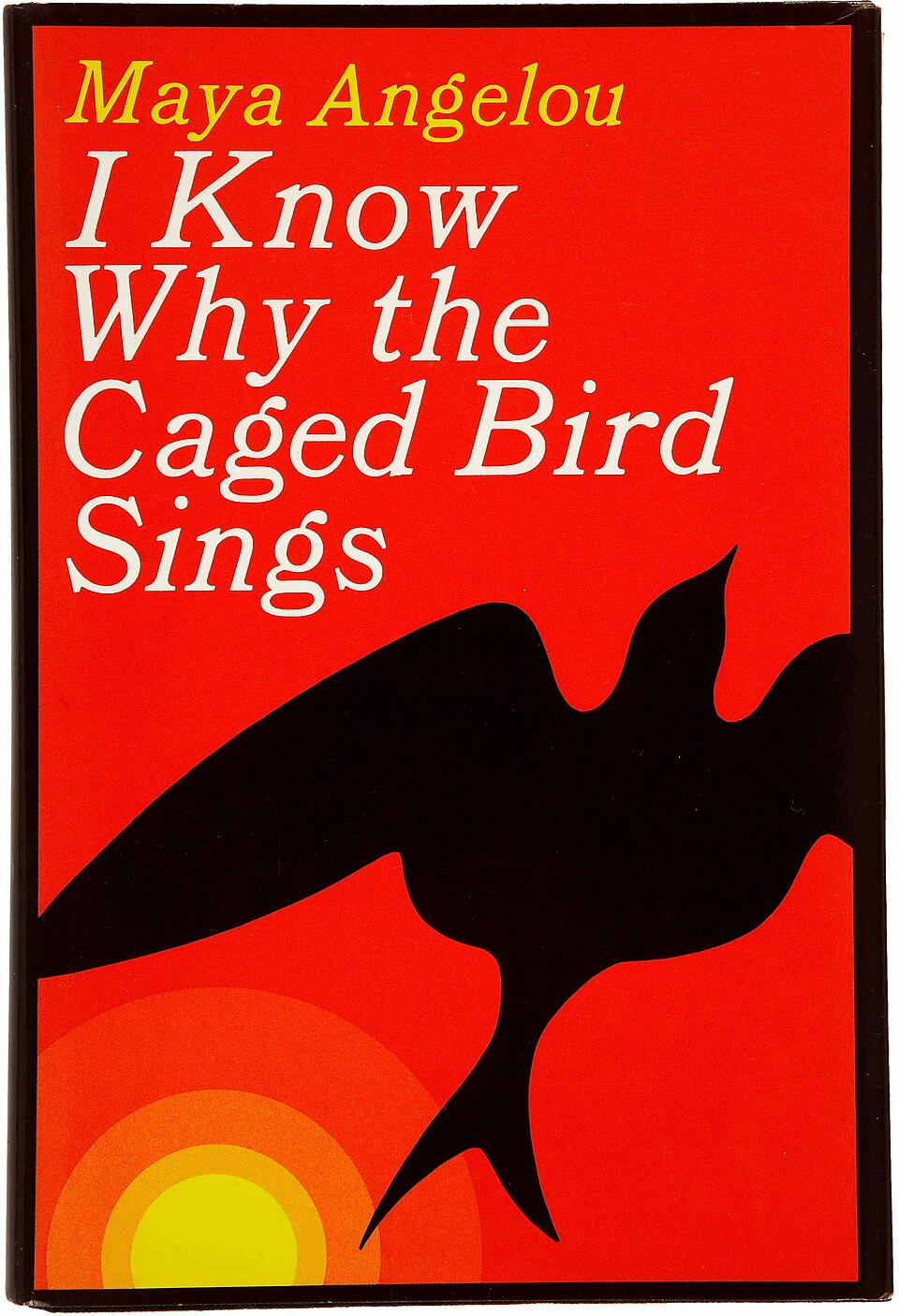
Angelou’s memoir about growing up Black in the rural South during the 1930s, including her account of being s*xually abused as a child, has been challenged and removed from school libraries more than almost any other book in American history, and the people who try to ban it consistently fail to explain what, exactly, they believe young readers should be protected from knowing.
The Grapes of Wrath — John Steinbeck (1939)
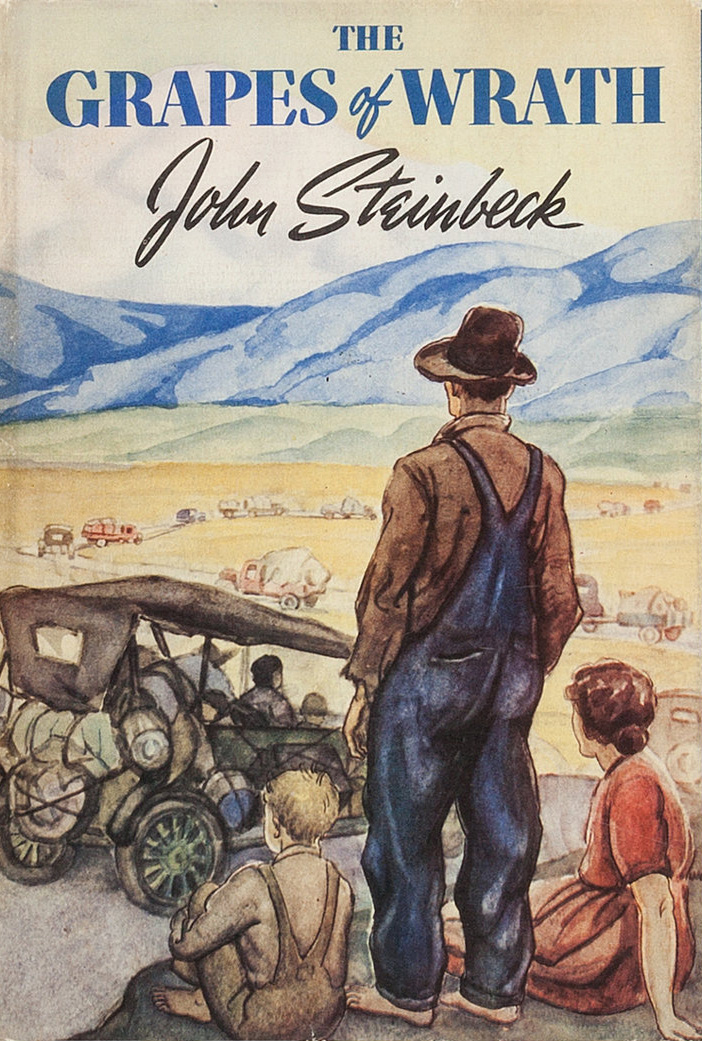
Kern County, California (the region Steinbeck depicted as exploiting desperate migrant workers) burned copies of the book publicly, and several other counties followed, in a spectacle that managed to prove every point Steinbeck was making about power and the people who wield it against those who have none.
Giovanni’s Room — James Baldwin (1956)
Baldwin’s American publisher refused to put it out, convinced that a novel about a white American man’s love affair with an Italian man in Paris would end his career, and Baldwin published it in the UK instead, where it was praised for exactly what made it unpublishable in New York. The fact that it treated same-s*x love as something serious and fully human rather than something to be explained or apologized for.
On the Origin of Species — Charles Darwin (1859)
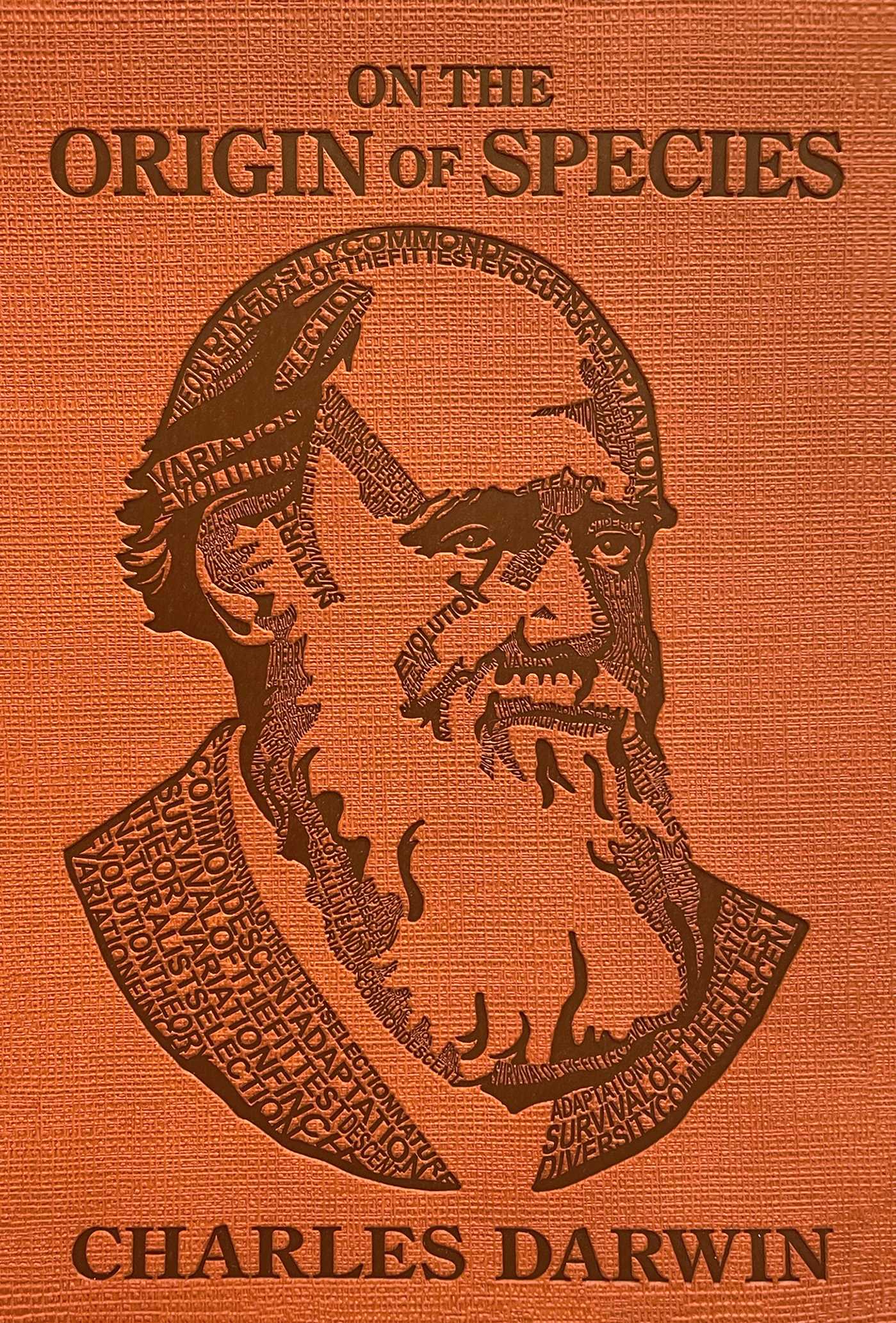
Darwin spent twenty years sitting on his findings before publishing because he knew what was coming, and he was right. The book sold out on its first day and was condemned from virtually every pulpit in England within a week, with critics arguing that removing God from the origin of life was not a scientific theory but a moral catastrophe, a debate that hasn’t entirely gone away.
The Color Purple — Alice Walker (1982)
Walker’s epistolary novel about a Black woman in the American South surviving abuse, racism, and a society built to grind her down won the Pulitzer Prize and the National Book Award, and was then challenged and removed from school curricula across the country for s*xual content, a response that said a great deal about who those schools believed their curricula were designed for.
Howl and Other Poems — Allen Ginsberg (1956)
San Francisco police seized copies from City Lights bookstore and arrested the publisher for obscenity, kicking off a trial that the Beat Generation turned into a public argument about what poetry was allowed to say, and Judge Clayton Horn’s ruling in favor of the book effectively established that literary merit could outweigh community offense, a precedent that protected countless books after it.
The S*t*nic Verses — Salman Rushdie (1988)
The novel’s treatment of Islam and the Prophet Muhammad led to book burnings in Bradford, England, within months of publication, and Ayatollah Khomeini issued a fatwa calling for Rushdie’s death, forcing the author into hiding for nearly a decade, in the most extreme demonstration in modern history of how a work of fiction can be read not as literature but as an act of war.
Fanny Hill — John Cleland (1748)
Written by Cleland while in debtor’s prison and published for a fee that barely kept him fed, this account of a young woman’s life in 18th-century London’s sex trade was seized by British authorities almost immediately and its author hauled before the Privy Council, yet copies kept circulating underground for over two hundred years, making it one of the most persistently banned books in the English language.
The Second Sex — Simone de Beauvoir (1949)
De Beauvoir’s philosophical examination of how women had been defined, constrained, and othered by Western society landed in France like a hand grenade, went straight onto the Vatican’s list of prohibited books, and sold 22,000 copies in its first week. Because for a lot of women reading it in 1949, the experience was less like reading a book and more like being handed a map they’d always needed.
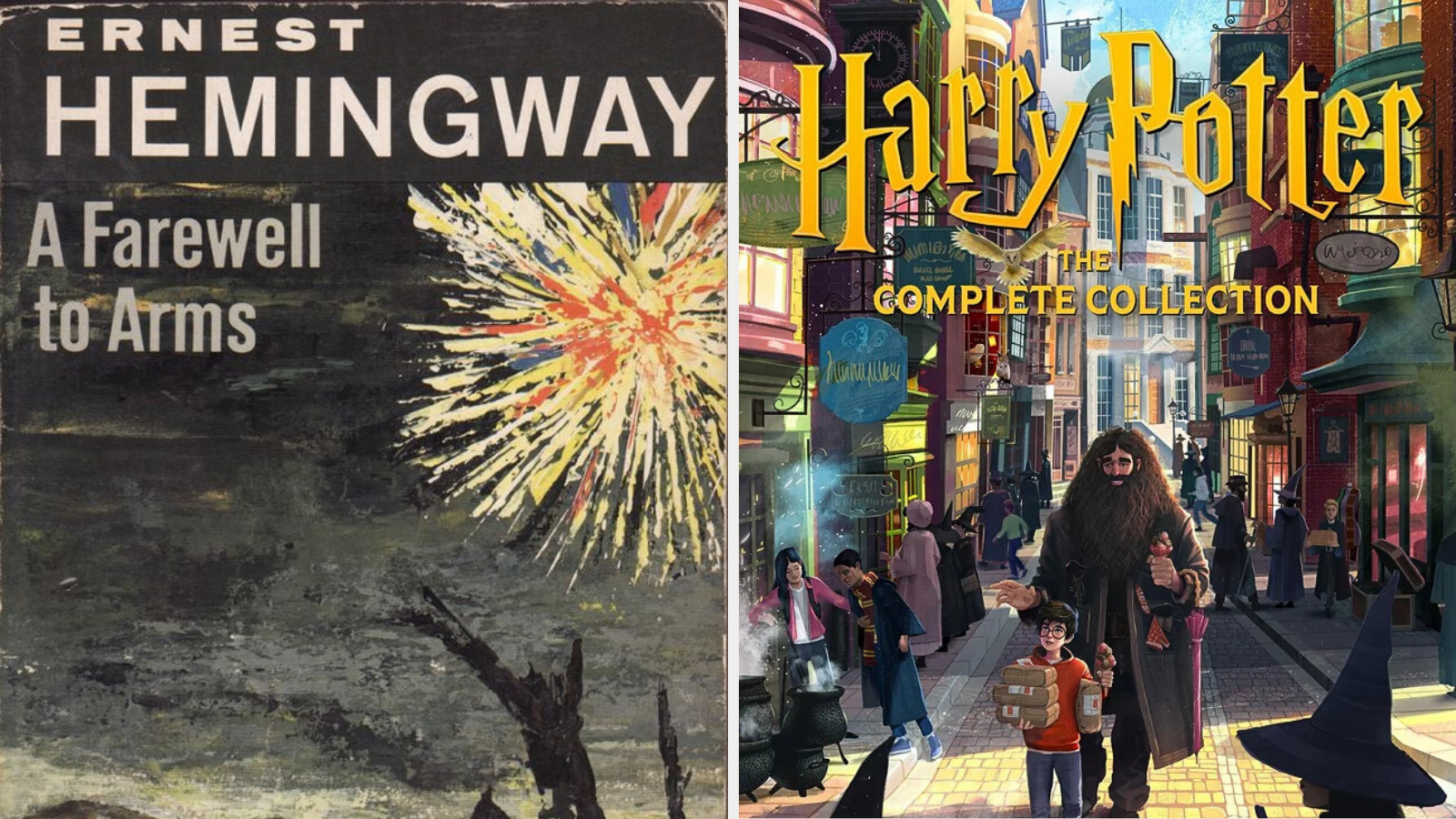
Harry Potter series — J.K. Rowling (1997–2007)
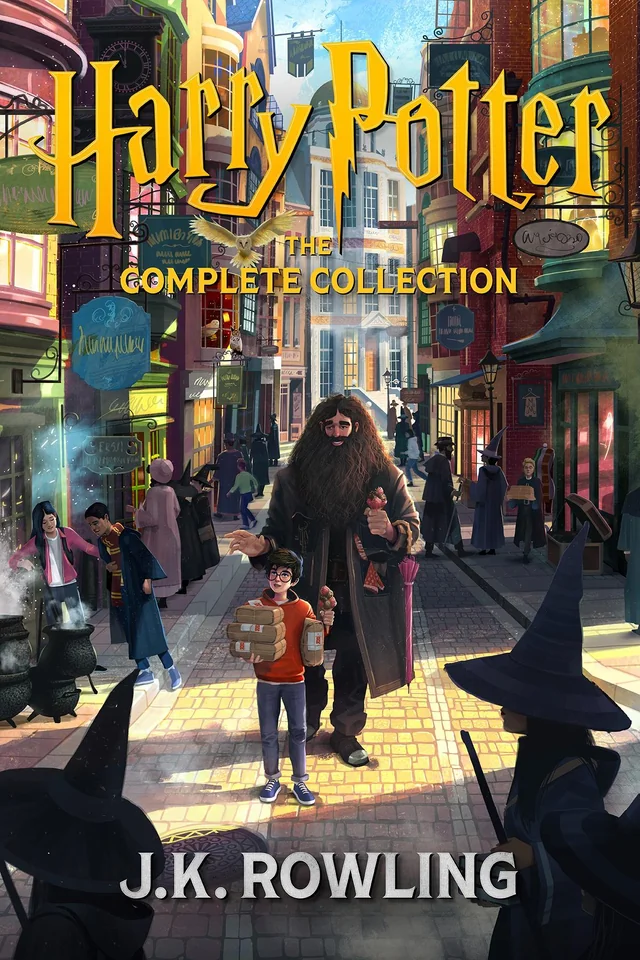
The most banned series of the early 2000s was a children’s fantasy about a boy at a school for wizards, which tells you something interesting about the gap between what books actually contain and what critics fear they might do, with church groups across America arguing that depicting magic as positive was an invitation to the occult rather than, as millions of children understood it, a story about friendship and courage.
A Farewell to Arms — Ernest Hemingway (1929)
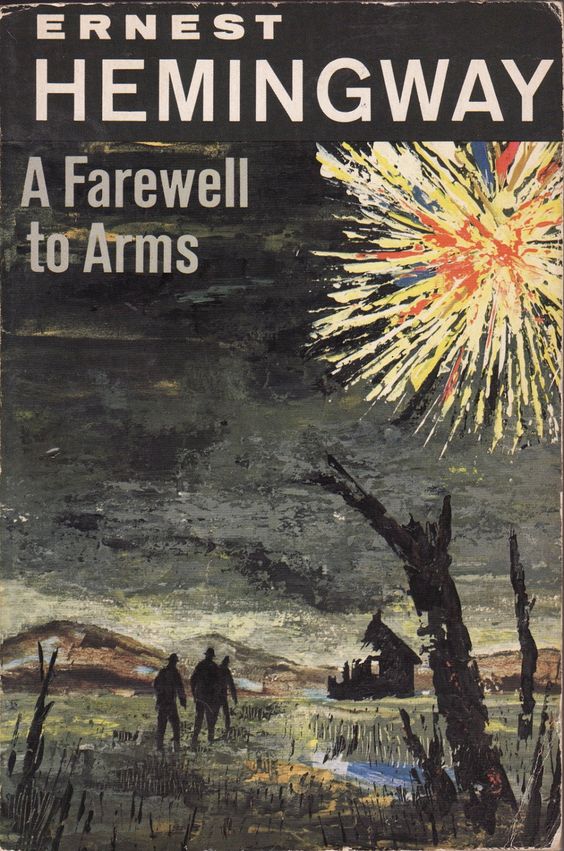
The Italian government banned it immediately for its unflattering portrayal of the Italian army’s retreat at Caporetto (a humiliation the country preferred to forget) and Boston banned it for sexual content, which put Hemingway in the unusual position of having his novel about the futility of war censored by the very people who most needed to read it.