Books have always been one of the most powerful ways to expand a person’s understanding of the world. They challenge assumptions, offer new ways of thinking, and preserve experiences that might otherwise be forgotten. Some works sharpen our sense of justice, others explore identity or scientific discovery, and many continue to influence culture long after their authors are gone. These titles invite readers to question, to learn, and to see life from unfamiliar angles. They form a foundation every educated person can build on.
1984 – George Orwell
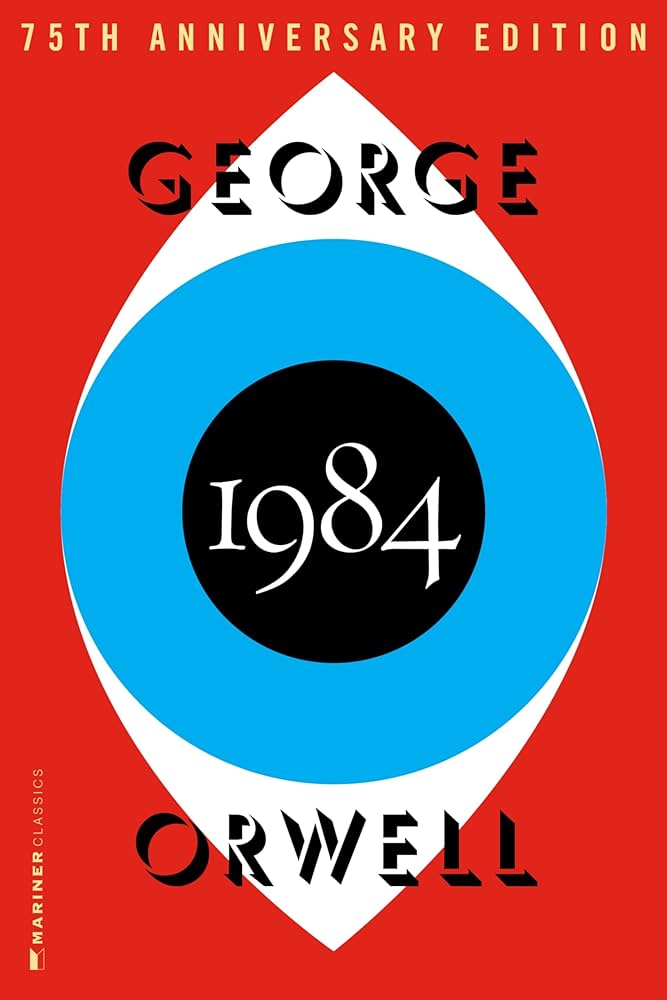
A chilling look at a society where language is controlled to limit independent thought. Orwell reveals how truth can be manipulated by those in power. The book remains a warning about surveillance, censorship, and conformity.
To Kill a Mockingbird – Harper Lee
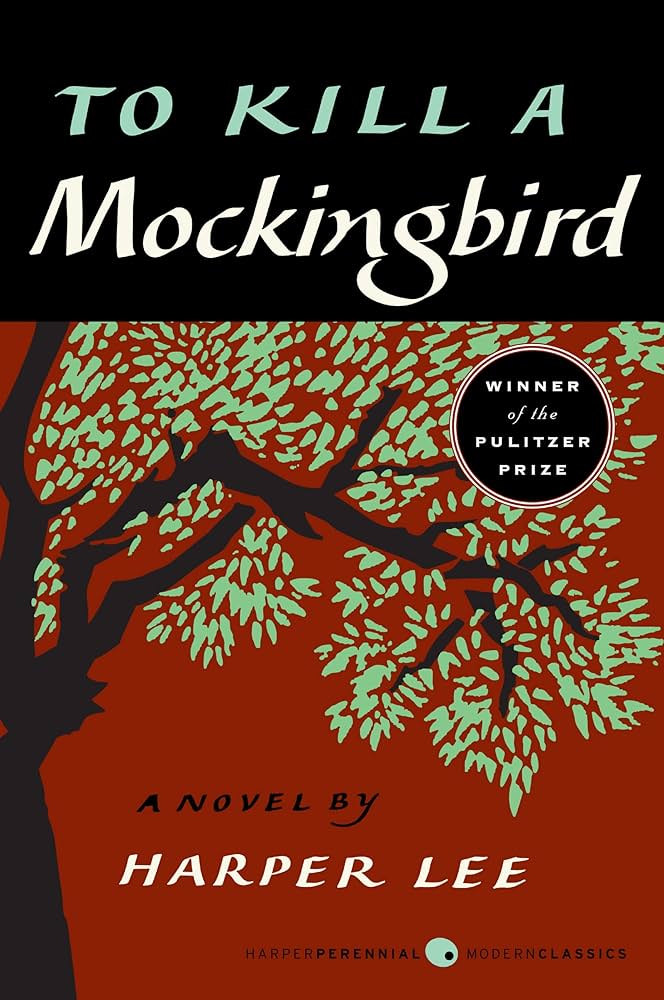
A young girl watches her father fight for justice in a racially divided community. The story exposes prejudice through both innocence and deep pain. It challenges readers to recognize injustice even when it feels ordinary.
Pride and Prejudice – Jane Austen
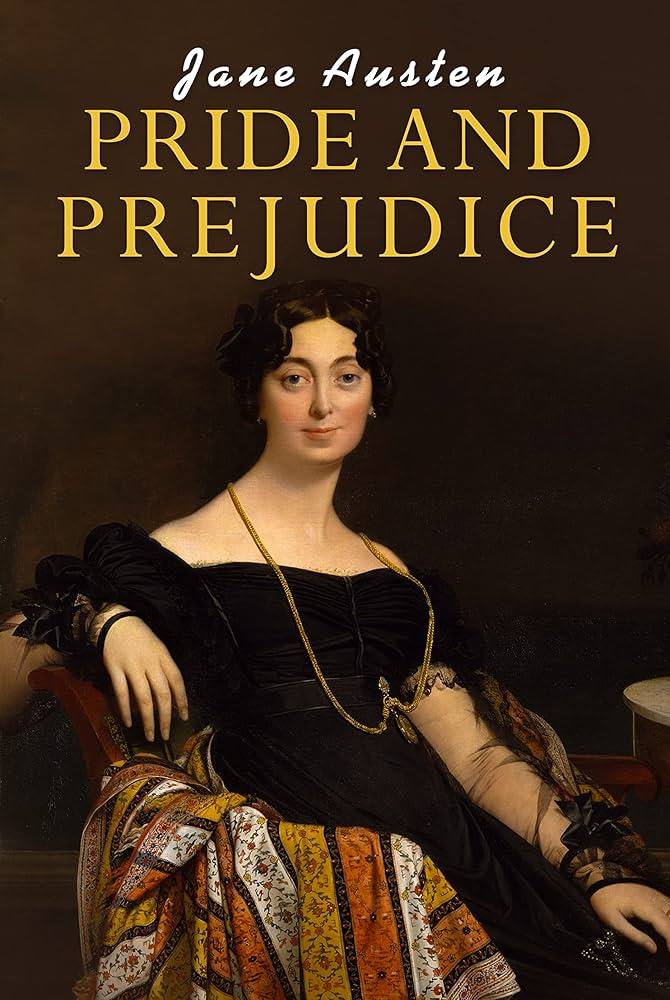
Elizabeth Bennet learns how assumptions and status shape relationships. Austen criticizes class and gender expectations through wit and emotional honesty. The novel endures because it understands both love and human pride.
Beloved – Toni Morrison
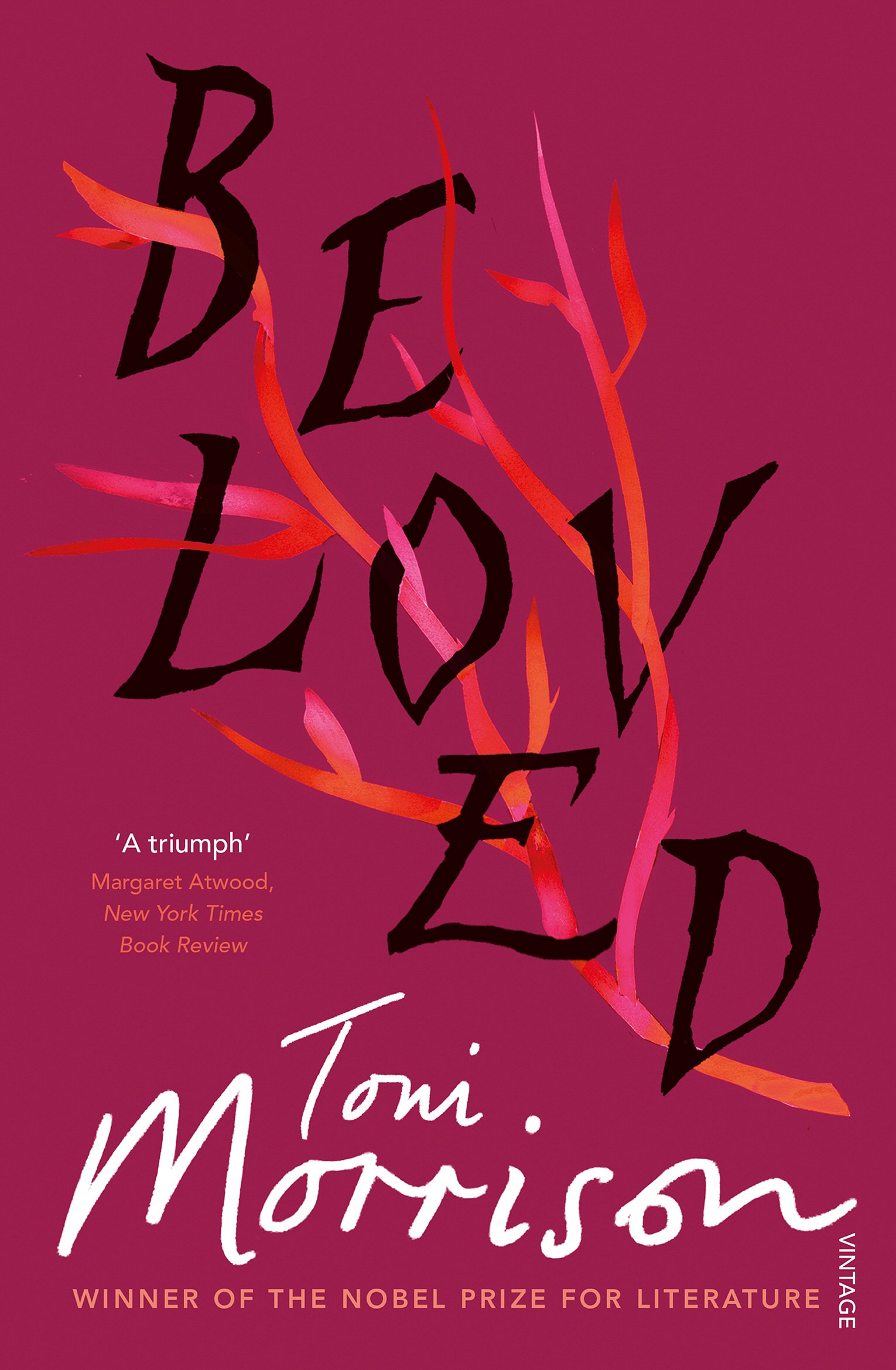
Set after the horrors of slavery, the book follows a woman forced to confront her past. Morrison explores memory, trauma, and the desire for freedom. The story asks what it means to reclaim oneself after violence.
Man’s Search for Meaning – Viktor Frankl
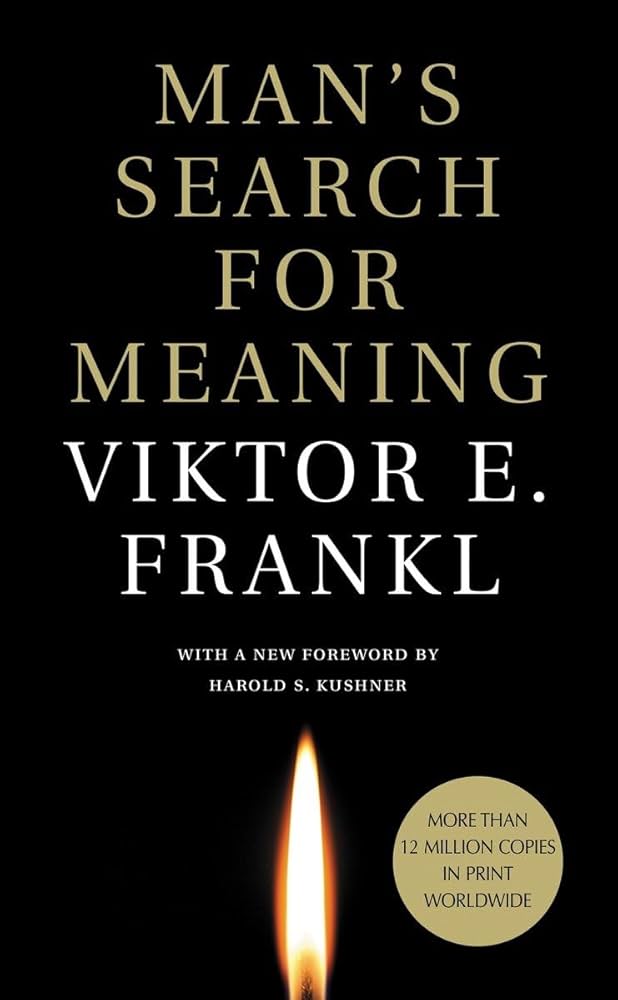
Frankl reflects on life inside concentration camps and how purpose can sustain a person even in suffering. His experience reveals that meaning often comes from responsibility rather than comfort. The ideas here continue to influence how people think about resilience and inner freedom.
The Handmaid’s Tale – Margaret Atwood
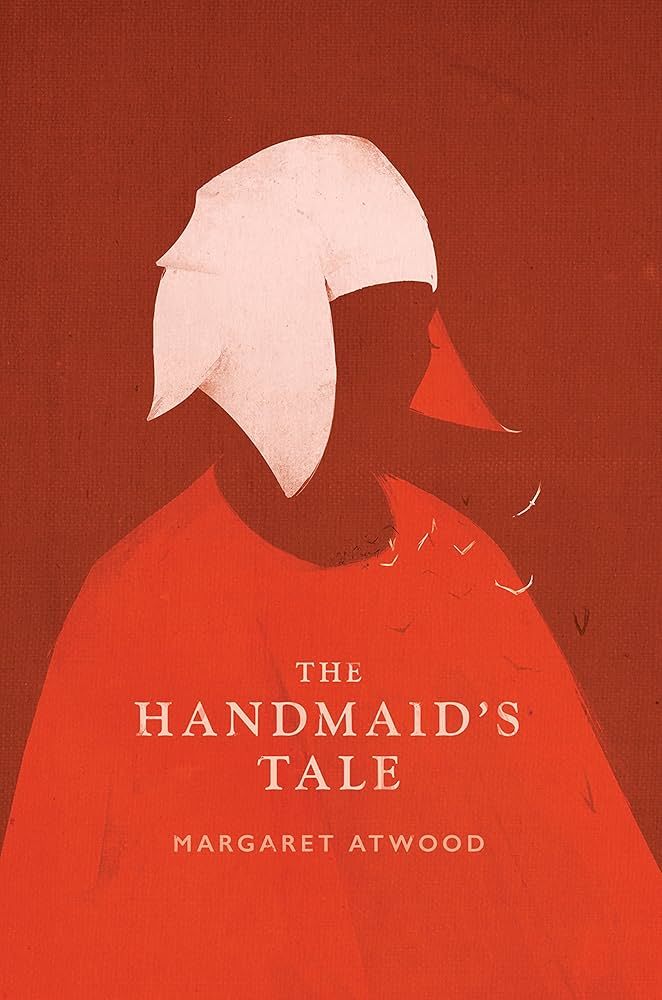
In a country where women are controlled and valued only for reproduction, language becomes a refuge. The narrator clings to memory as a way to keep her identity alive. Atwood shows how oppression grows when people accept fear as a substitute for order.
Things Fall Apart – Chinua Achebe
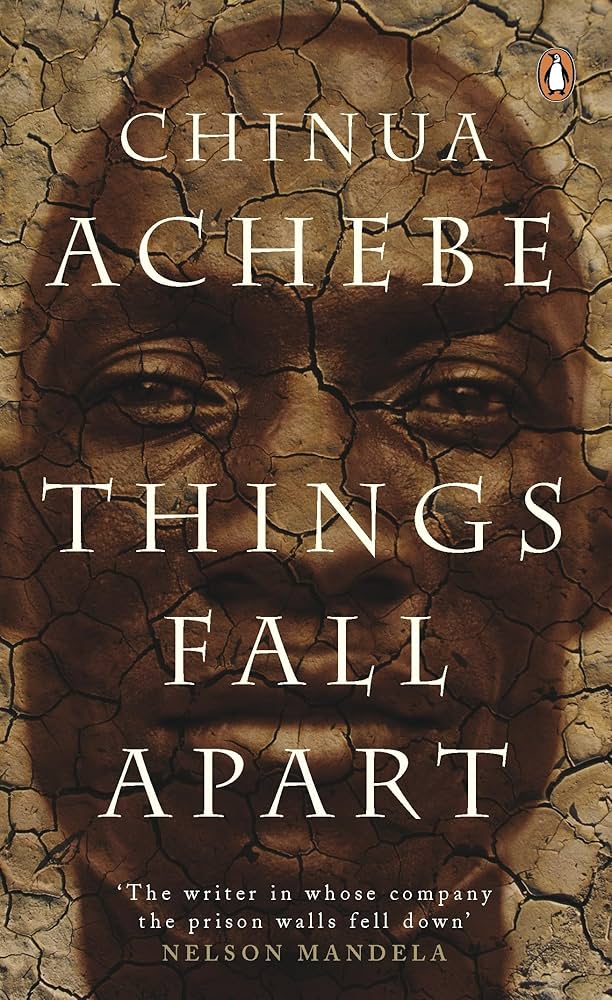
As European colonialism reaches his village, a respected Igbo leader finds his world destabilized. Achebe highlights the tension between cultural tradition and foreign influence. It challenges assumptions about civilization, power, and who gets to tell history.
A Brief History of Time – Stephen Hawking
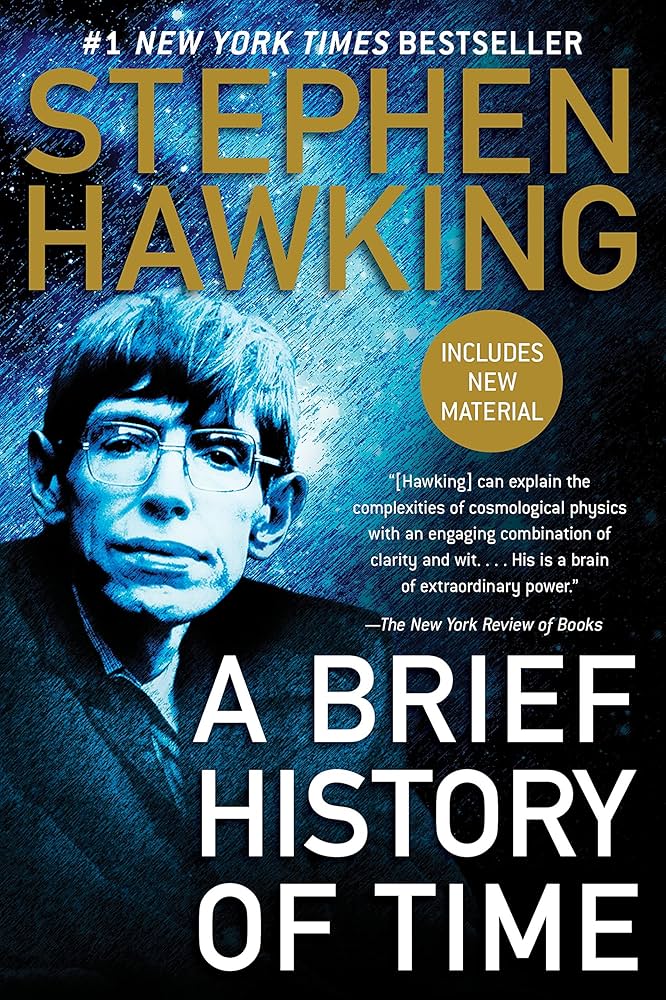
Hawking explores how the universe began and where science meets mystery. He makes complex physics understandable through clear concepts instead of equations.
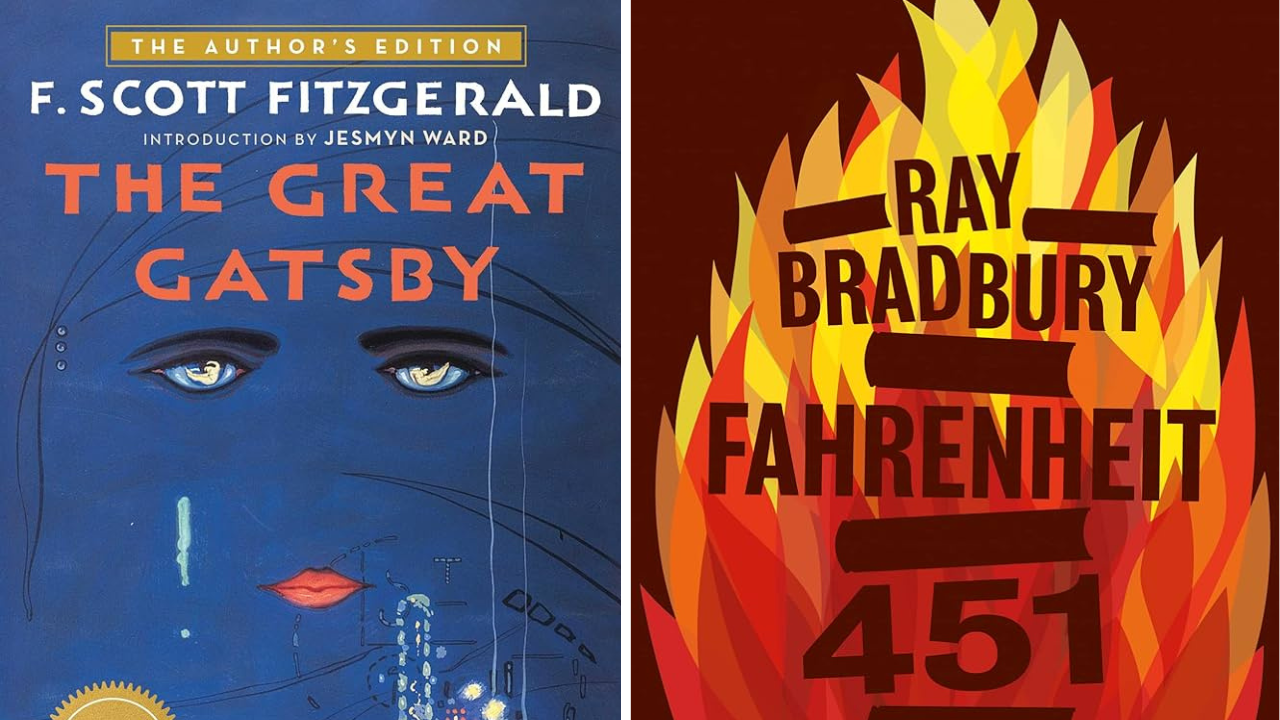
The Great Gatsby – F. Scott Fitzgerald
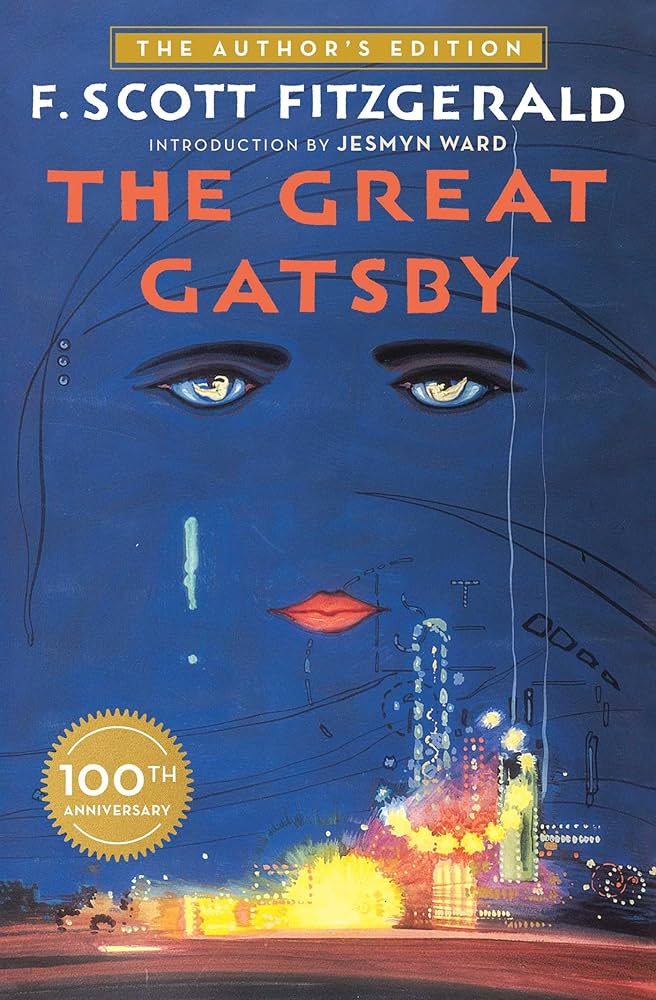
Through Nick Carraway’s eyes, we witness a glittering world built on desire and illusion. Gatsby’s pursuit of love exposes how ambition and emptiness often exist side by side. Fitzgerald’s critique of wealth still resonates in cultures obsessed with image.
The Diary of a Young Girl – Anne Frank
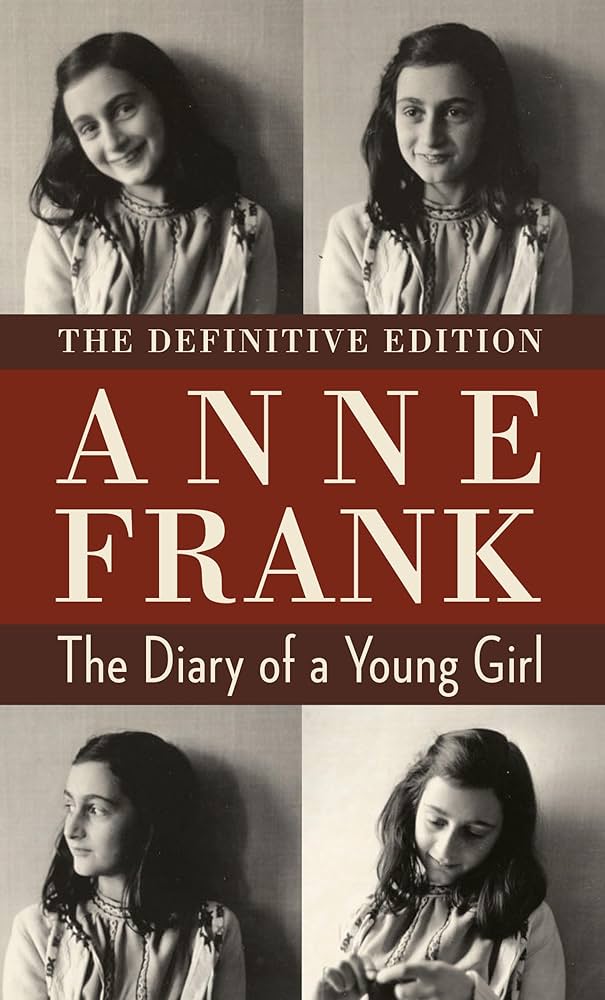
Anne Frank writes about daily life while hiding from persecution during WWII, capturing hope in the face of danger. Her words show maturity beyond her years as she observes fear, family, and imagination. The journal remains a vivid testament to courage during oppression.
The Lord of the Rings – J. R. R. Tolkien
A perilous journey to destroy a powerful ring becomes a meditation on loyalty and sacrifice. Tolkien creates a world with deep history and moral conflict.
The Autobiography of Malcolm X – Malcolm X
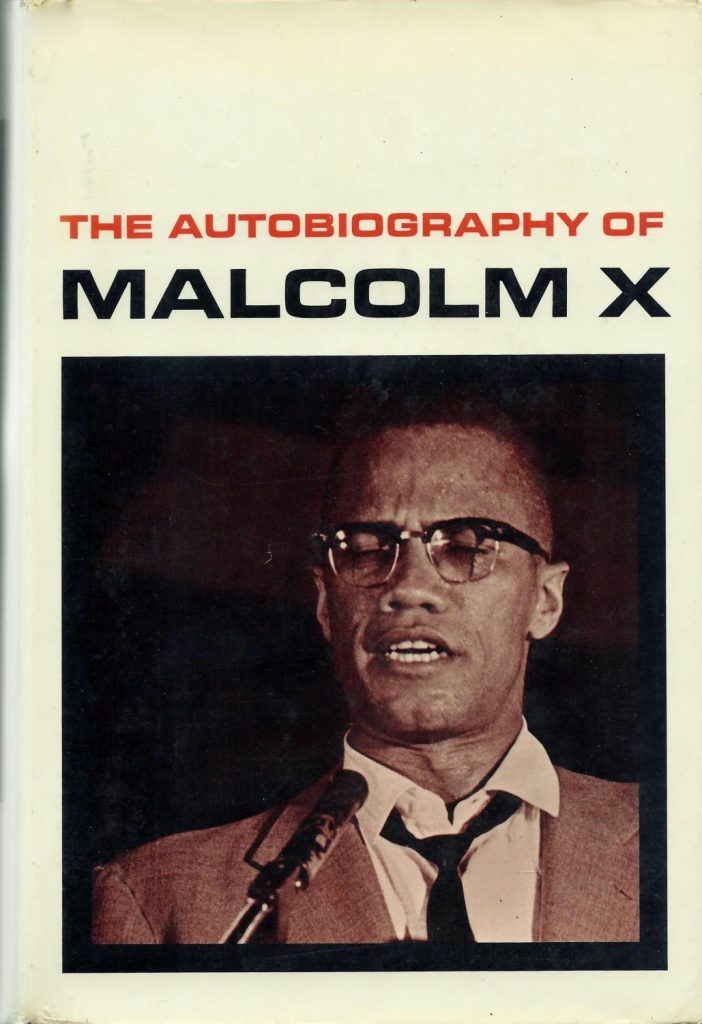
Malcolm X recounts his transformation from street hustler to influential civil rights leader. His evolving beliefs force readers to confront uncomfortable truths about race and power. The narrative shows how self-education can redefine a life.
The Immortal Life of Henrietta Lacks – Rebecca Skloot
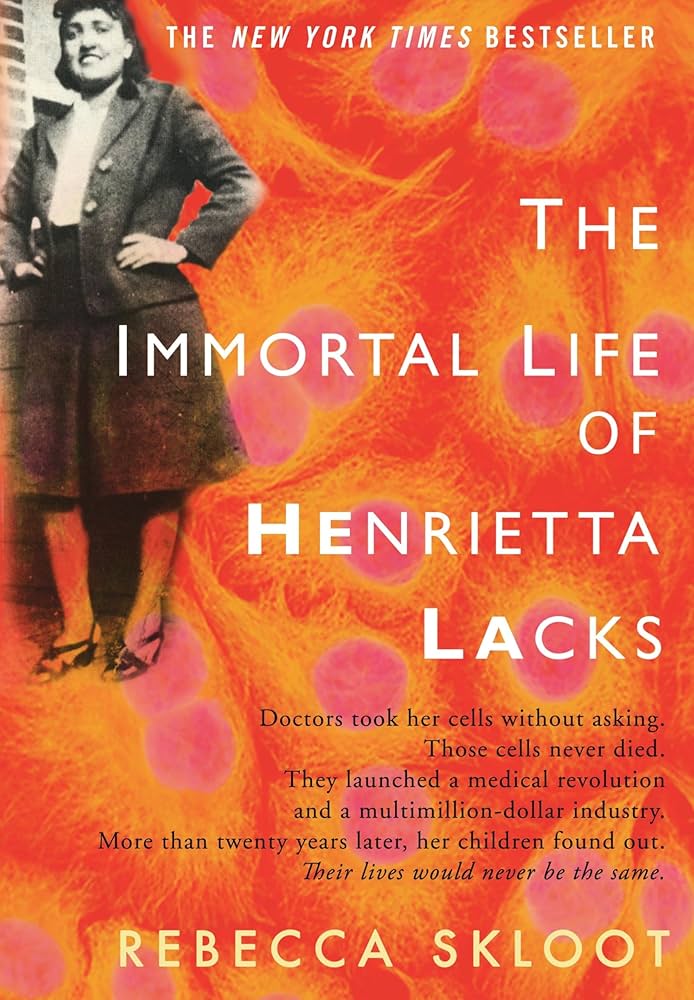
Henrietta Lacks’s cells were taken without consent and became vital to medical breakthroughs. Skloot exposes how science advanced through exploitation while her family remained unaware. The book asks tough questions about ethics, profit, and dignity in medicine.
Slaughterhouse Five – Kurt Vonnegut
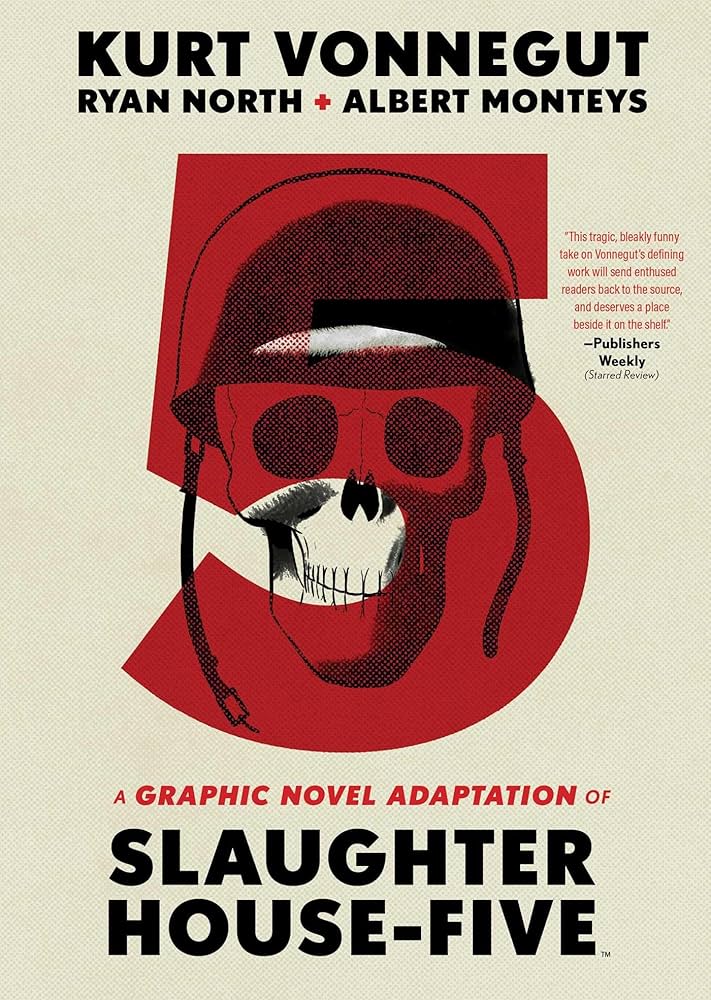
Billy Pilgrim experiences time out of order as he struggles with the trauma of war. Vonnegut uses dark humor and science fiction to depict violence in a way that avoids glorification. War becomes something chaotic and absurd instead of heroic.
Guns, Germs, and Steel – Jared Diamond

Diamond explains how geography, agriculture, and disease shaped global power long before modern politics. His research challenges the idea that some civilizations rose because they were smarter or more ambitious. The argument forces readers to rethink history as the product of environment rather than innate superiority.
The Catcher in the Rye – J. D. Salinger
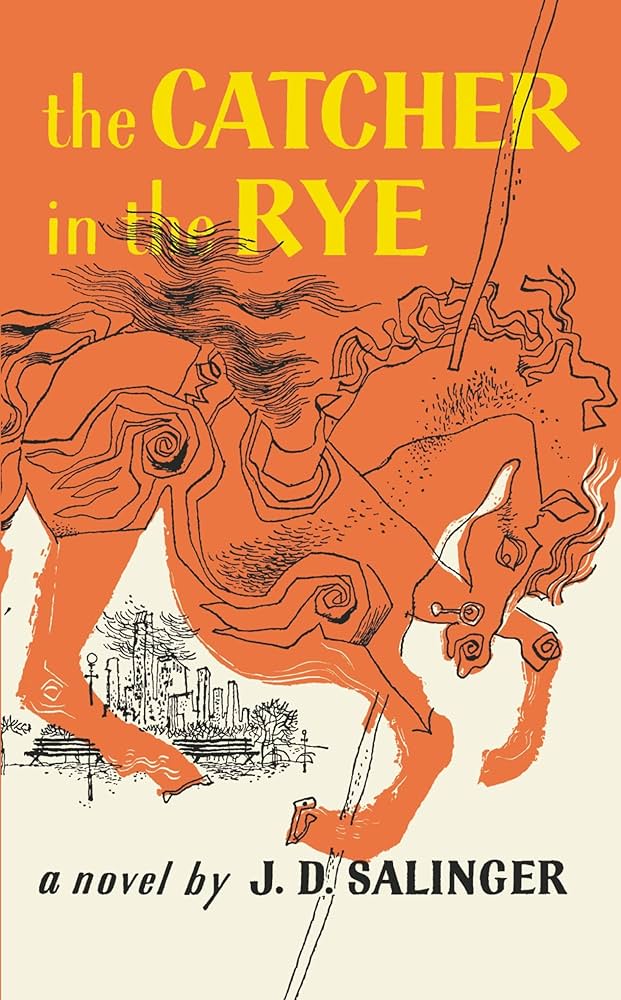
Holden Caulfield wanders New York after being expelled from school, disgusted by what he sees as hypocrisy. Beneath his criticism lies grief and loneliness he cannot express. Adolescence here feels like a struggle to remain honest in a world full of masks.
The Road – Cormac McCarthy
A father and son trek across a ruined landscape with little more than each other. Their relationship becomes a fragile shield against brutality and despair. Humanity survives not through society but through compassion between two people.
In Cold Blood – Truman Capote
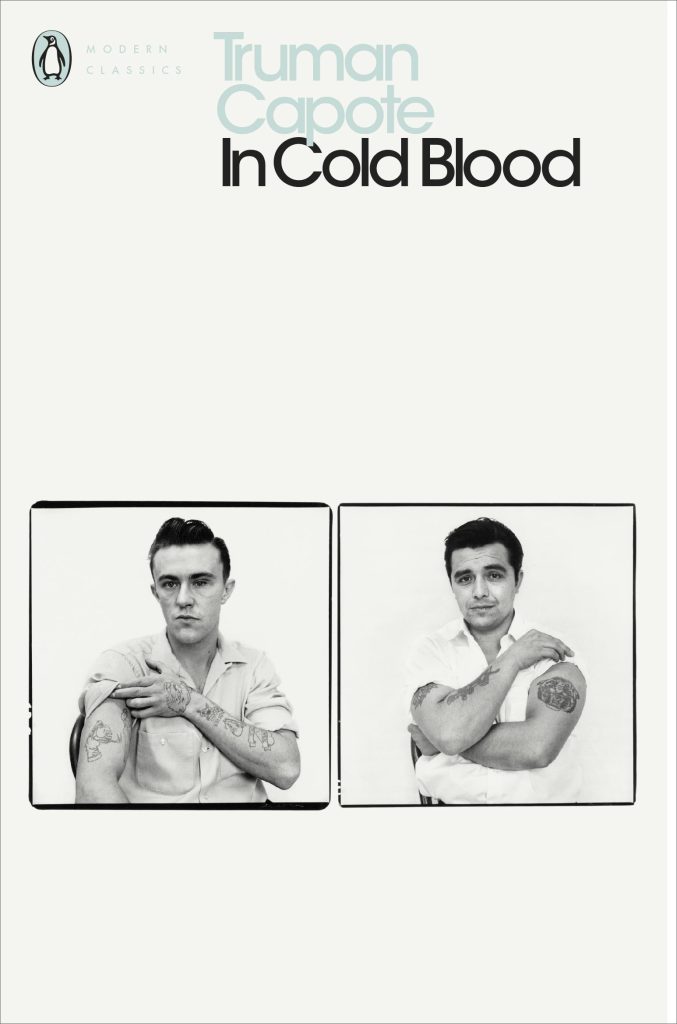
Capote investigates a brutal family murder in Kansas and follows both the crime and its aftermath with precise detail. His narrative style blends journalism with literary storytelling, changing how true crime would be written for decades.
The Color of Water – James McBride
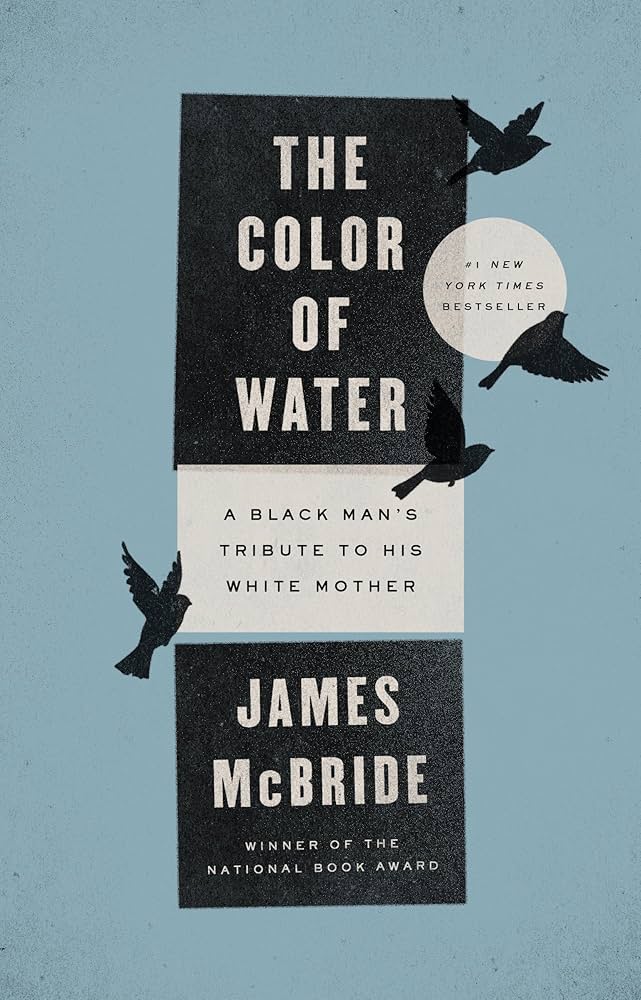
McBride explores his biracial identity while uncovering his mother’s past. Her strength shapes his understanding of race, family, and ambition. The memoir becomes a tribute to how love can defy social expectations.
The Omnivore’s Dilemma – Michael Pollan
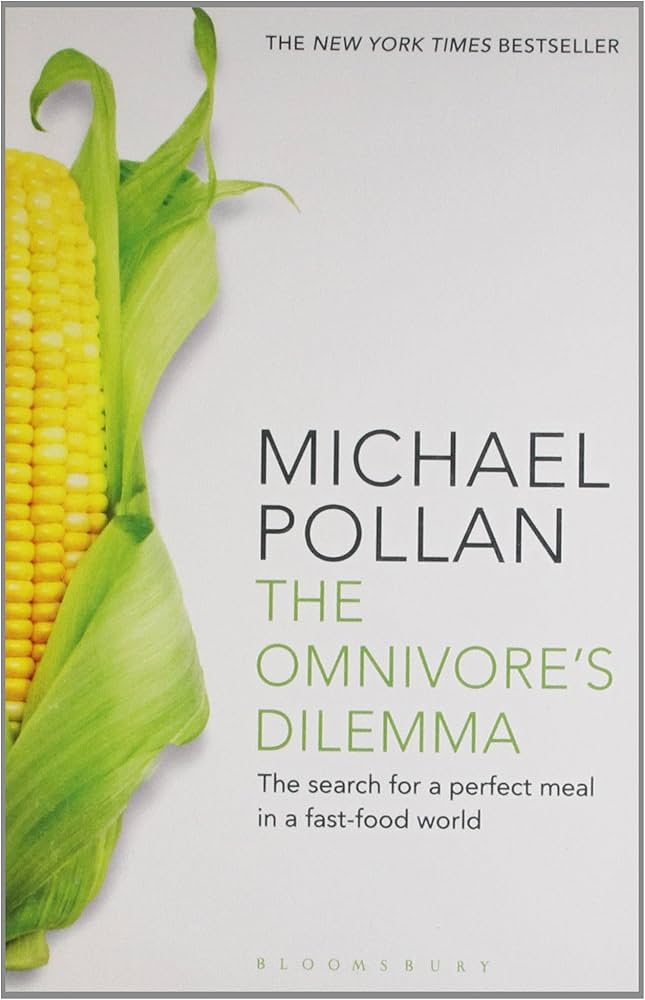
Pollan traces where food actually comes from, following industrial farms, organic growers, and foragers to show how eating is a political and ethical act. He reveals the hidden systems that shape what ends up on a plate. The book encourages readers to reconsider how agriculture, economics, and personal choice intersect every time we eat.
Silent Spring – Rachel Carson
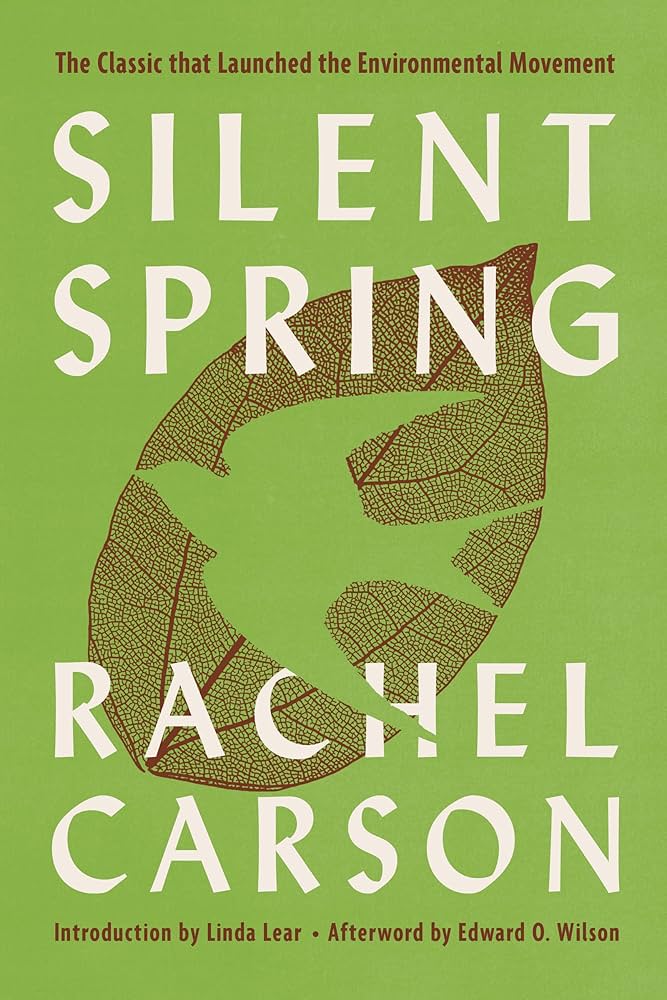
Carson reveals how pesticide use poisons ecosystems and harms human health. Her research challenged governments and corporations to rethink environmental responsibility. Modern ecological awareness would look very different without her work.
Gulliver’s Travels – Jonathan Swift
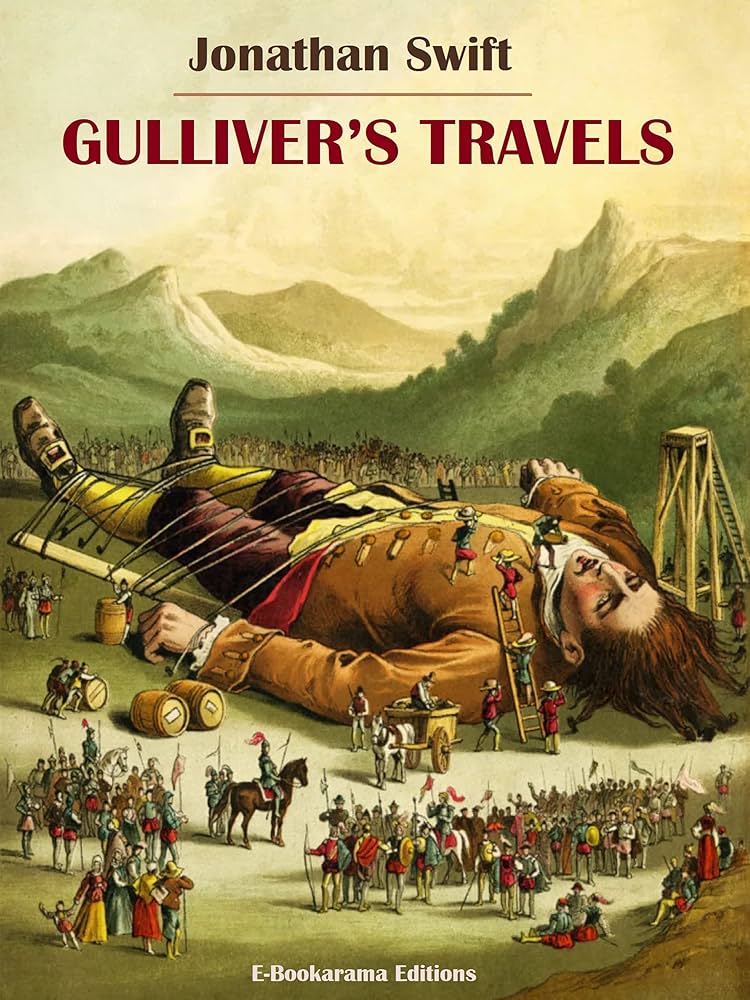
Gulliver’s journeys introduce him to lands filled with strange customs and exaggerated beliefs. Swift uses absurdity to expose human vanity and political foolishness. Although written centuries ago, the satire still mirrors modern society.
Persepolis – Marjane Satrapi
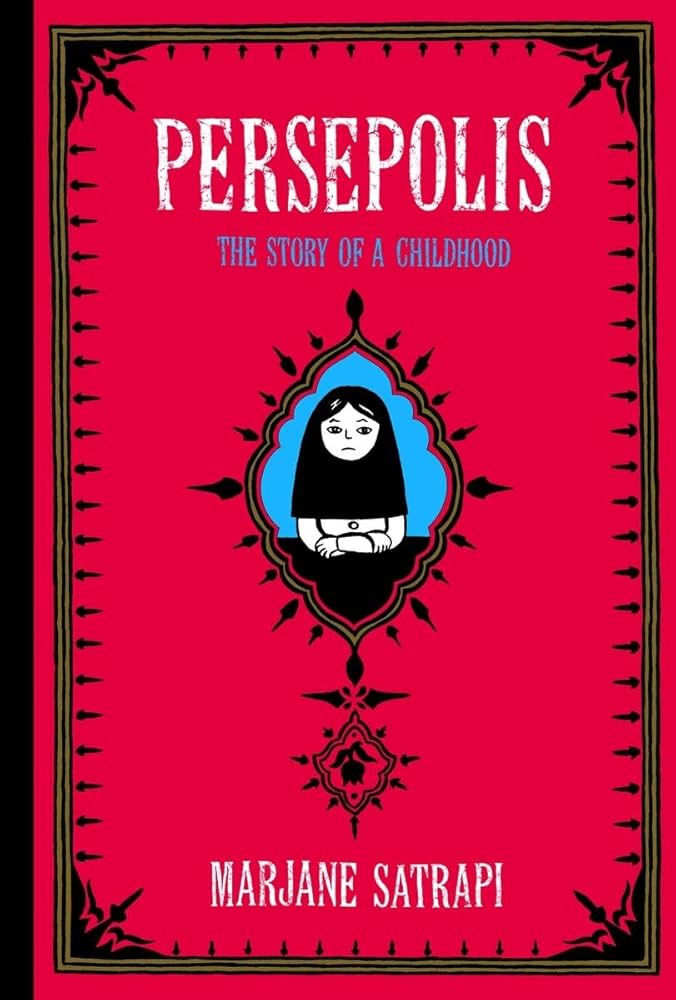
Satrapi grows up during the Iranian Revolution, witnessing political upheaval alongside childhood confusion. Her graphic style mixes innocence with the fear of war and repression.
Love in the Time of Cholera – Gabriel García Márquez
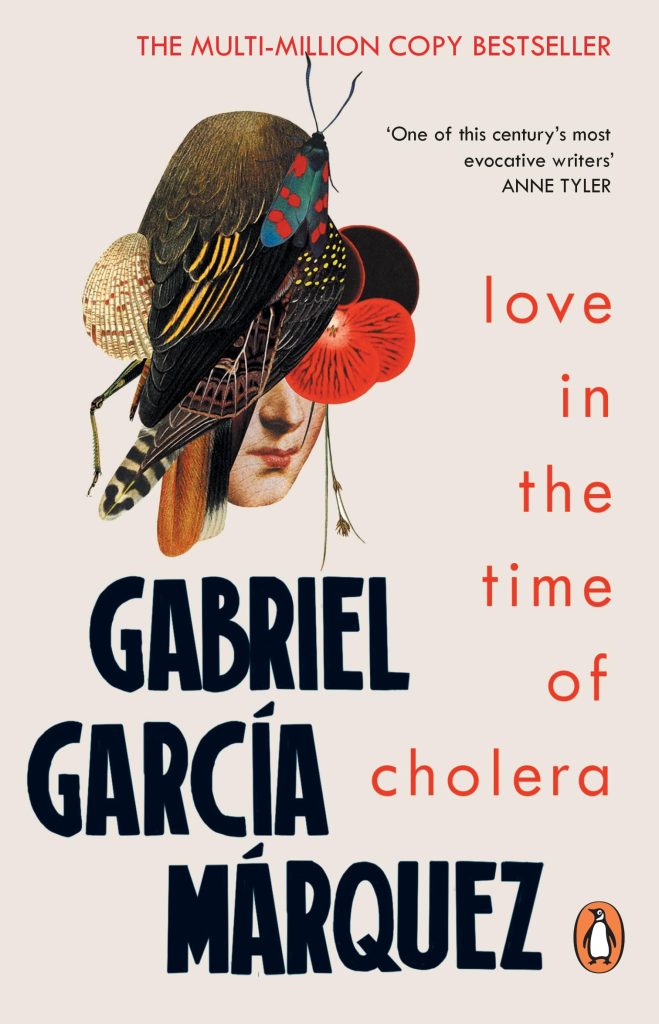
Florentino Ariza spends decades longing for the woman he believes is meant for him. Márquez weaves romance with reflections on aging, loyalty, and delusion. Love becomes something that changes shape rather than providing a perfect ending.
Little Women – Louisa May Alcott
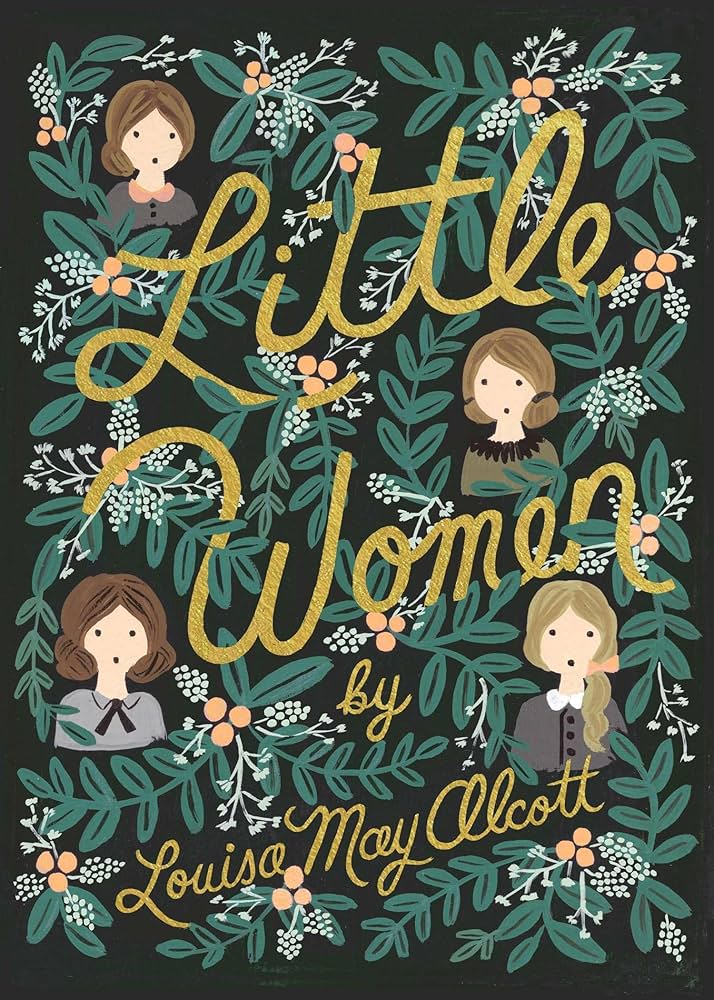
Four sisters grow up while facing poverty, ambition, and conflicting dreams. Their relationships show how individuals change while still belonging to a family. Many generations have found comfort in its warmth and honesty about adulthood.
The Stranger – Albert Camus
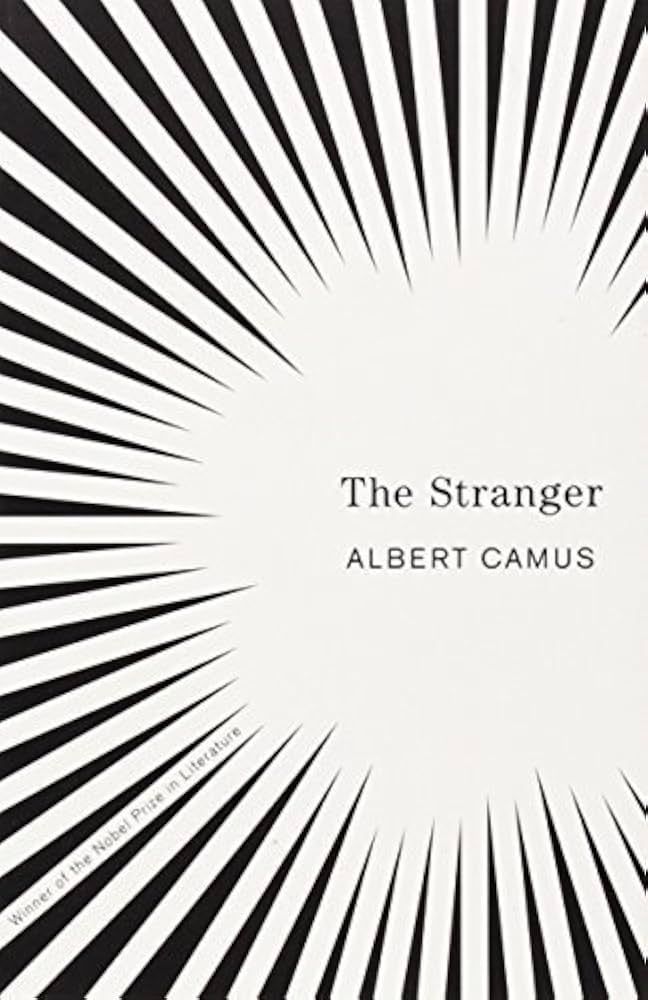
A detached man responds to life with indifference, even when facing crime and punishment. Camus explores the tension between emotional emptiness and social expectations. Readers are left to decide whether he is honest or simply numb.
Dune – Frank Herbert
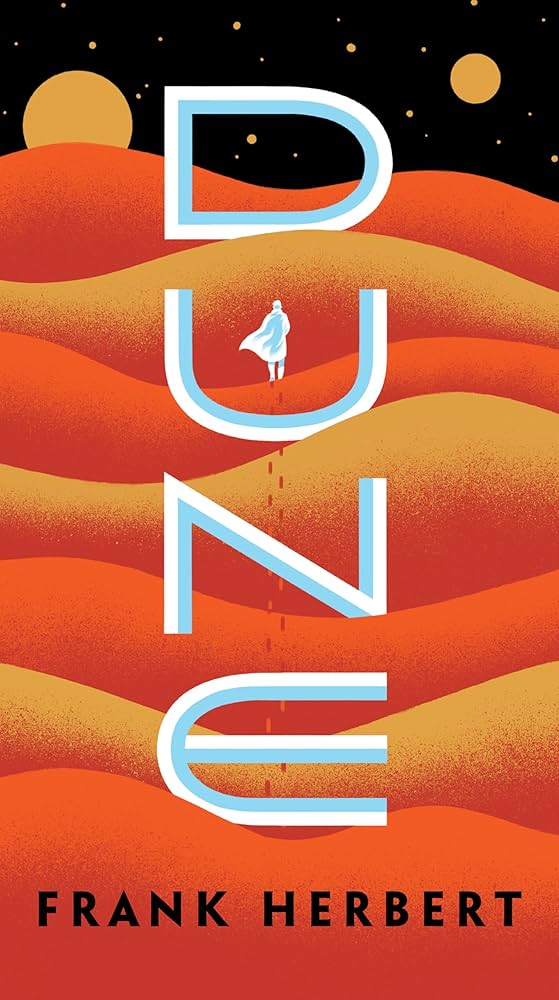
Political rivalry, religion, and ecology shape a battle for control of a desert planet rich in resources. Paul Atreides rises as both a leader and a symbol, blurring the line between hero and prophet. Herbert shows how power is never purely noble.
Fahrenheit 451 – Ray Bradbury
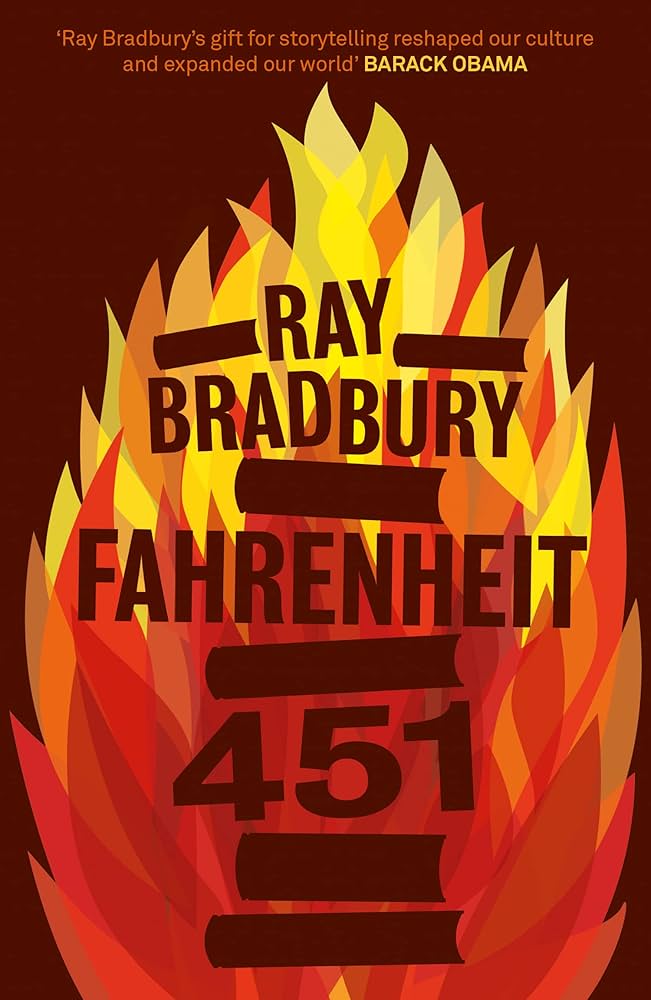
Firefighters burn books to keep citizens from asking difficult questions. When one man begins to read, he discovers how knowledge expands identity. A society that fears thought becomes its own undoing.
The Shining – Stephen King
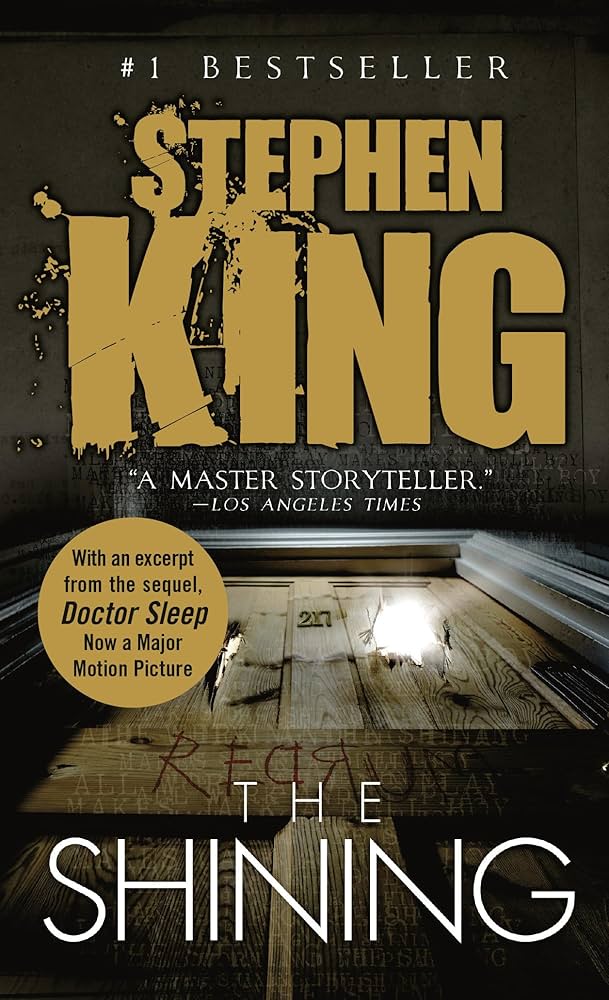
A family isolated in a remote hotel slowly unravels, pushed toward violence by forces seen and unseen. Addiction, anger, and psychological instability seep into every moment. Horror grows here out of human weakness rather than simple ghosts.
The Little Prince – Antoine de Saint Exupéry
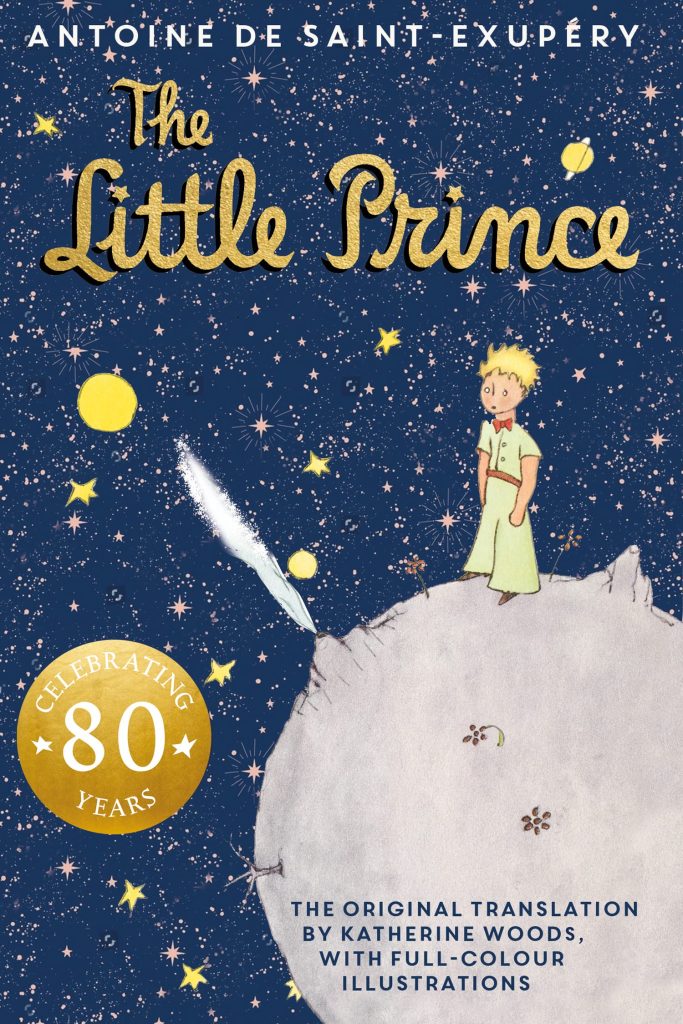
A pilot crashes in the desert and meets a child who sees life with unclouded wonder. The prince’s stories remind adults to value imagination, curiosity, and love. What matters most is often invisible to the eye.