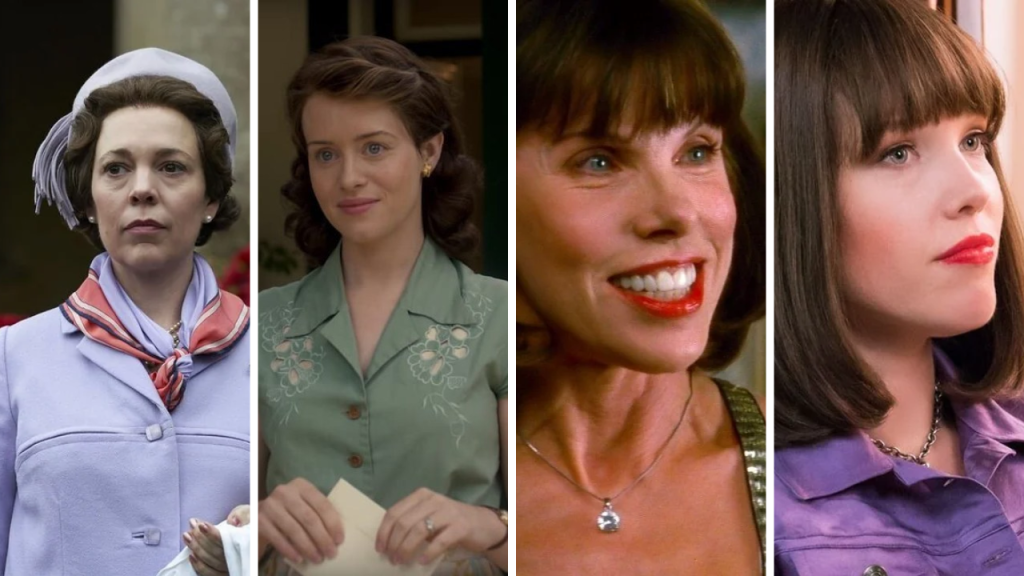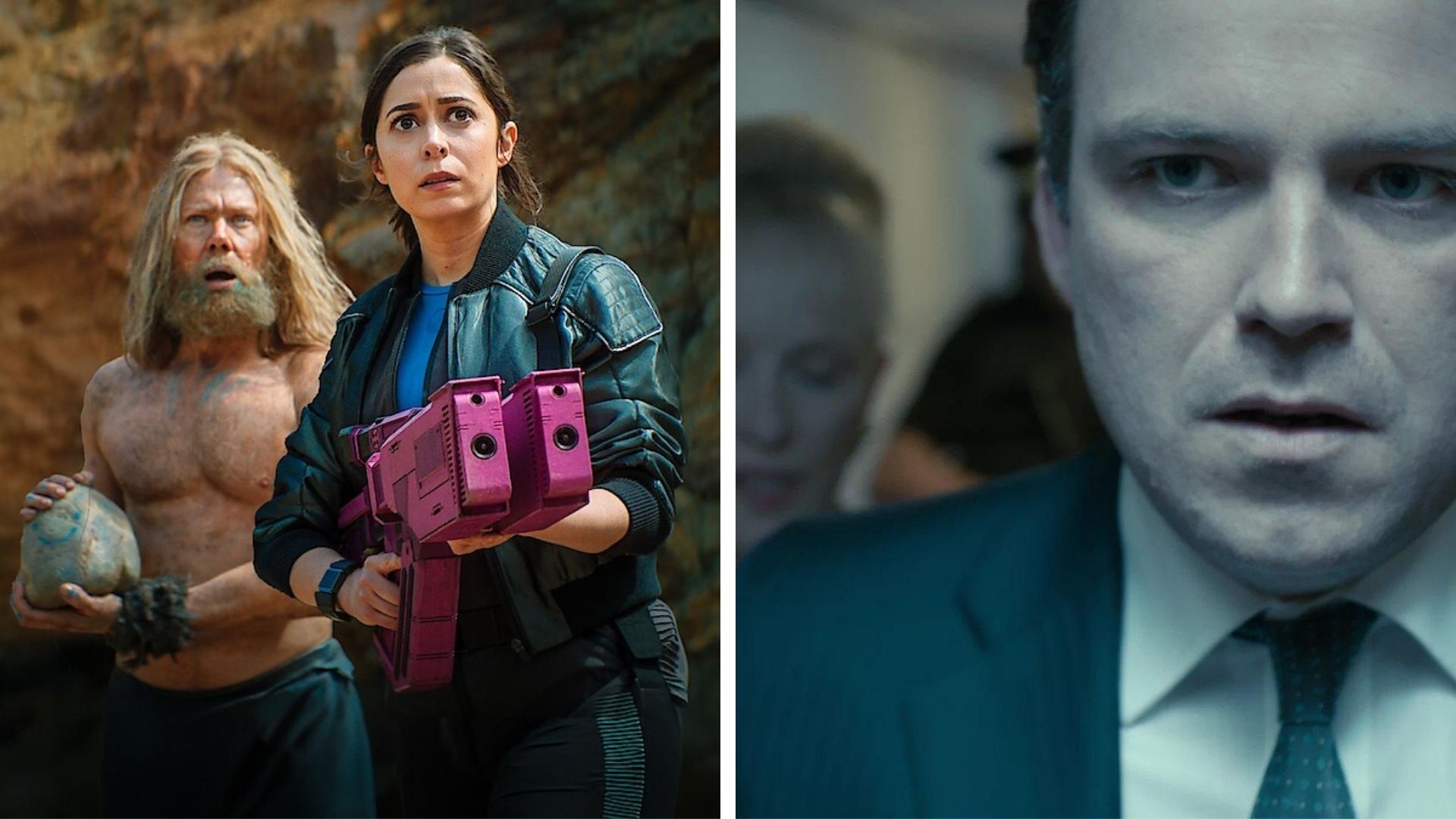
Prepare to question your reality and your relationship with the devices in your pocket. Charlie Brooker’s anthology series has mastered the art of techno-dread, delivering stories that feel uncomfortably close to home. This list includes 30 essential installments that have defined the series as a cultural phenomenon. From heartbreak in a digital afterlife to the terrifying consequences of social credit, these stories represent the pinnacle of modern science fiction.
“San Junipero” (S3:E4)
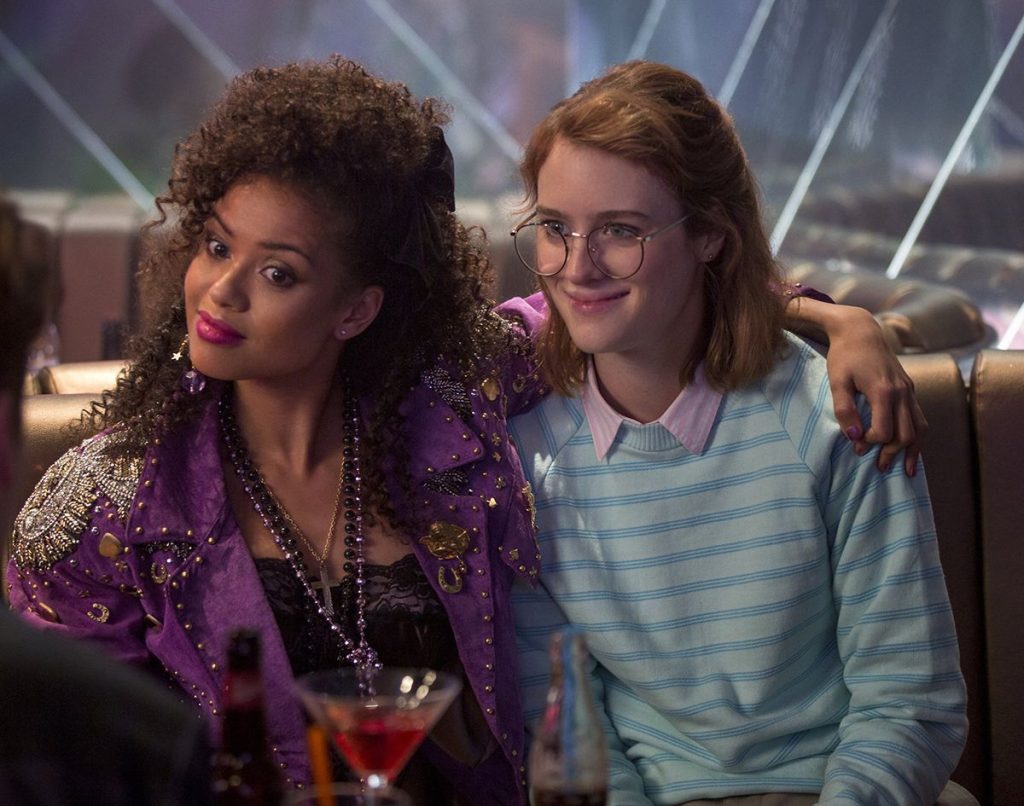
This story breaks the show’s usual pattern of cynical endings by offering a poignant look at love and the afterlife. Mackenzie Davis and Gugu Mbatha-Raw deliver performances that anchor the eighties-themed simulation in deep emotional truth. The episode earned multiple Emmy Awards, solidifying its place as a fan favorite across the globe.
“Nosedive” (S3:E1)

Social credit systems become a living nightmare for Lacie as she attempts to climb the social ladder before a high-profile wedding. Director Joe Wright brings a pastel-colored aesthetic that contrasts sharply with the protagonist’s internal breakdown. Many viewers noted the similarities between this fiction and emerging real-world rating platforms.
“White Christmas” (S2:E4)
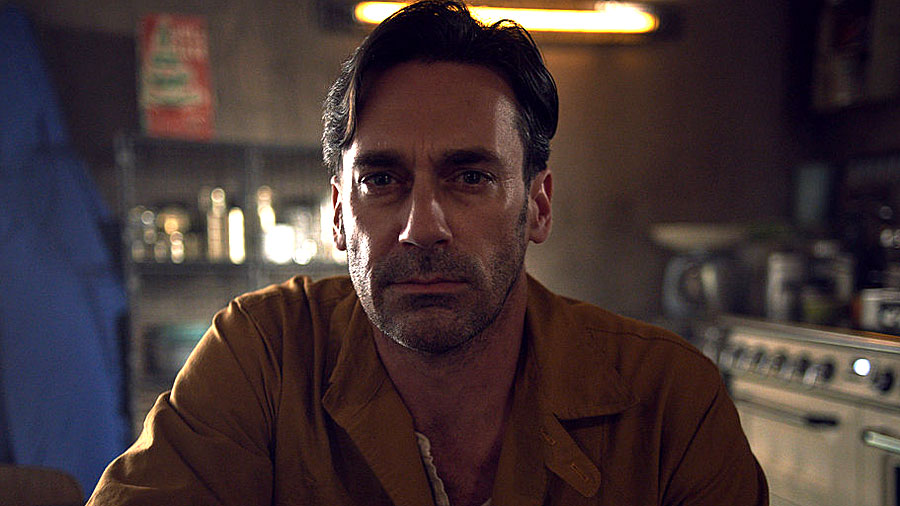
Jon Hamm stars in this multi-layered holiday special that weaves together three separate tales of technological misuse. The concept of the “cookie,” a digital copy of a human mind, introduces horrifying ethical dilemmas regarding consciousness and punishment. It remains one of the highest-rated episodes in the entire series due to its intricate structure.
“Shut Up And Dance” (S3:E3)

Alex Lawther portrays a teenager blackmailed by unseen hackers after his webcam is compromised. The narrative forces the audience to sympathize with a character before revealing a devastating twist about his past actions. Unlike other episodes, the technology here is entirely grounded in present-day capabilities.
“The Entire History Of You” (S1:E3)
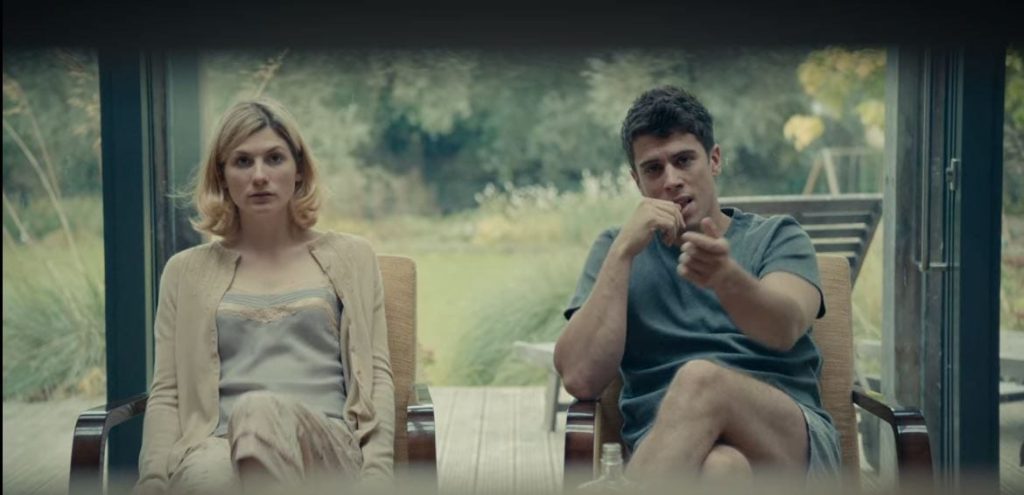
In a world where every memory is recorded and replayed, a man becomes obsessed with his wife’s potential infidelity. Jesse Armstrong wrote this script, focusing on how total recall can destroy the trust required for human relationships. The “grain” technology serves as a metaphor for the toxic nature of dwelling on the past.
“USS Callister” (S4:E1)
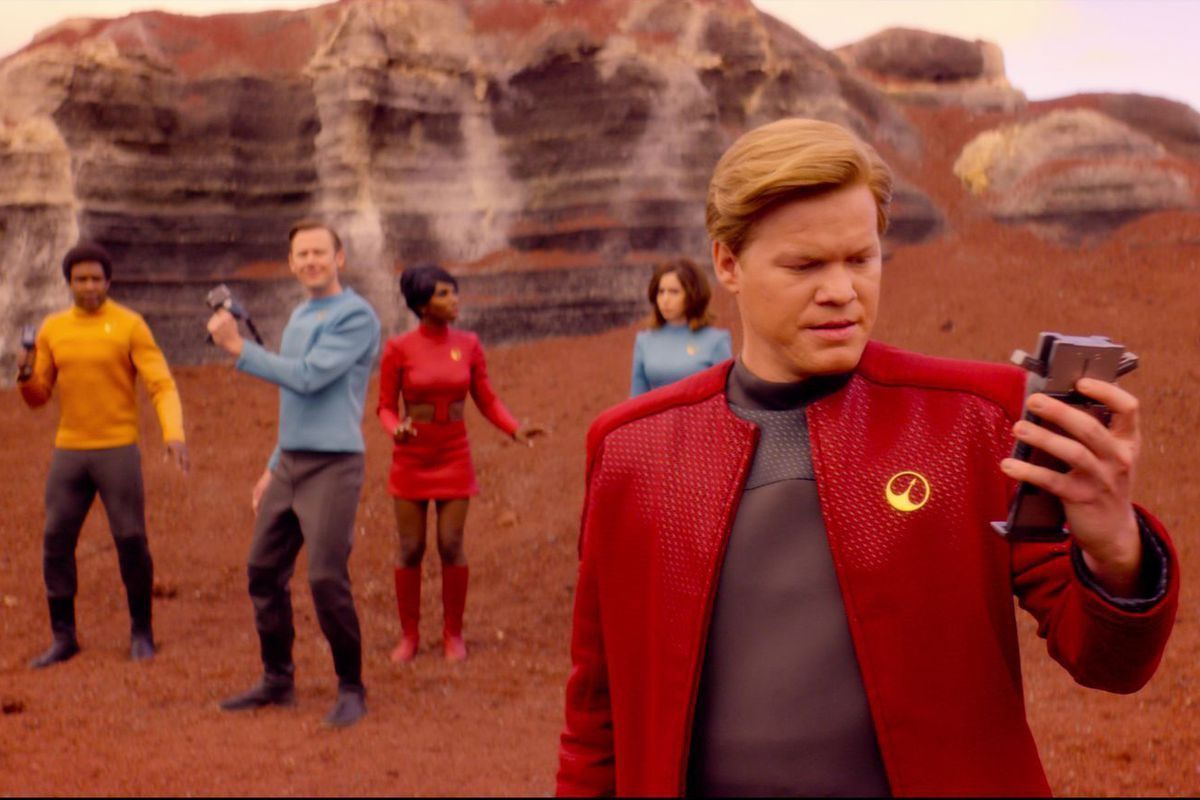
Jesse Plemons plays a brilliant programmer who creates a private digital universe to torment his real-world colleagues. The story cleverly subverts space opera tropes while exploring themes of workplace toxicity and toxic masculinity. This specific world proved so popular that it eventually warranted an expanded continuation in later seasons.
“Hang The DJ” (S4:E4)
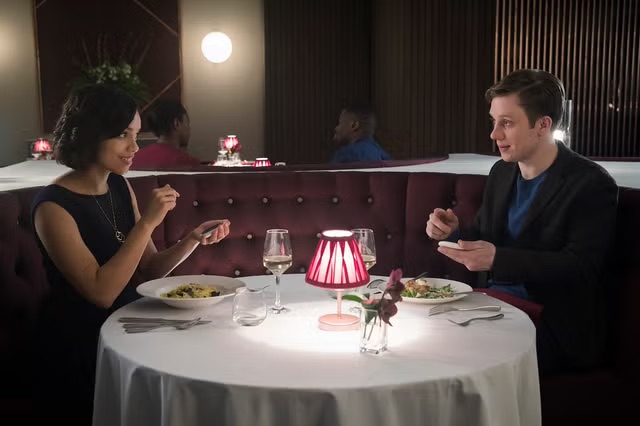
Predictive algorithms take center stage as a man and woman navigate a strictly controlled dating environment. The episode explores whether a machine can truly determine human compatibility or if rebellion is a necessary part of love. Director Tim Van Patten creates a sterile yet romantic atmosphere that keeps the audience guessing until the final simulation reveal.
“White Bear” (S2:E2)
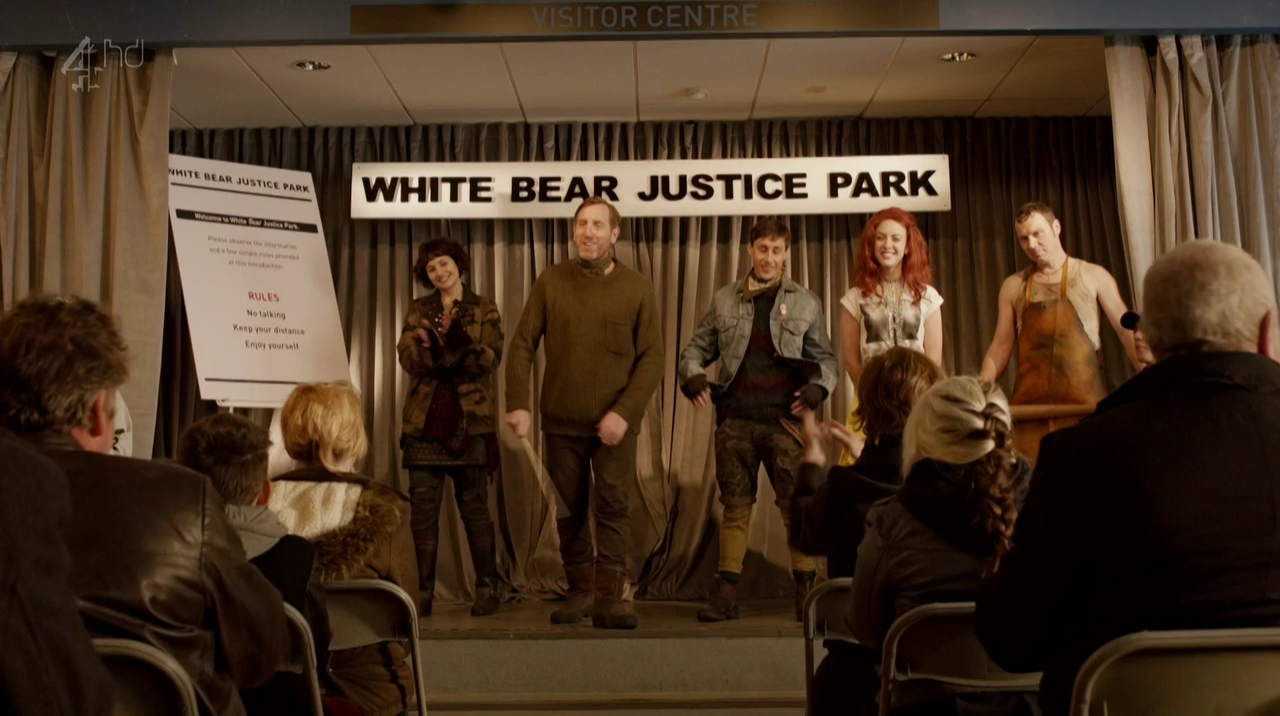
A woman wakes up with no memory and finds herself hunted by masked killers while bystanders film her on their phones. The reveal regarding justice and public spectacle remains one of the show’s most controversial and discussed moments. It raises uncomfortable questions about the ethics of restorative justice in the digital age.
“Black Museum” (S4:E6)
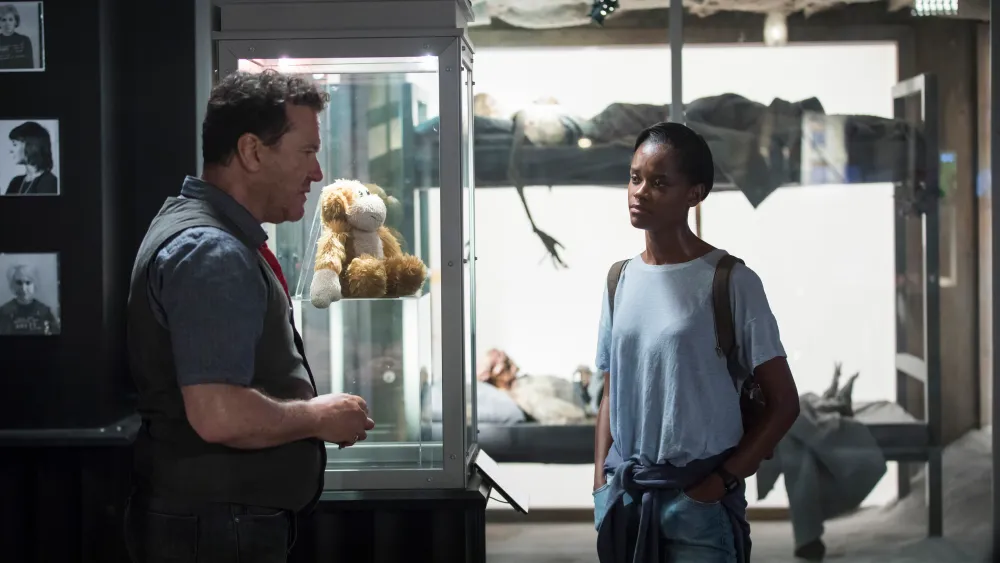
Letitia Wright visits a remote roadside attraction filled with artifacts from various technological crimes. The narrative functions as an anthology within an anthology, connecting several concepts from previous seasons into a cohesive finale. The final segment deals with the horrifying preservation of human suffering for entertainment.
“Fifteen Million Merits” (S1:E2)
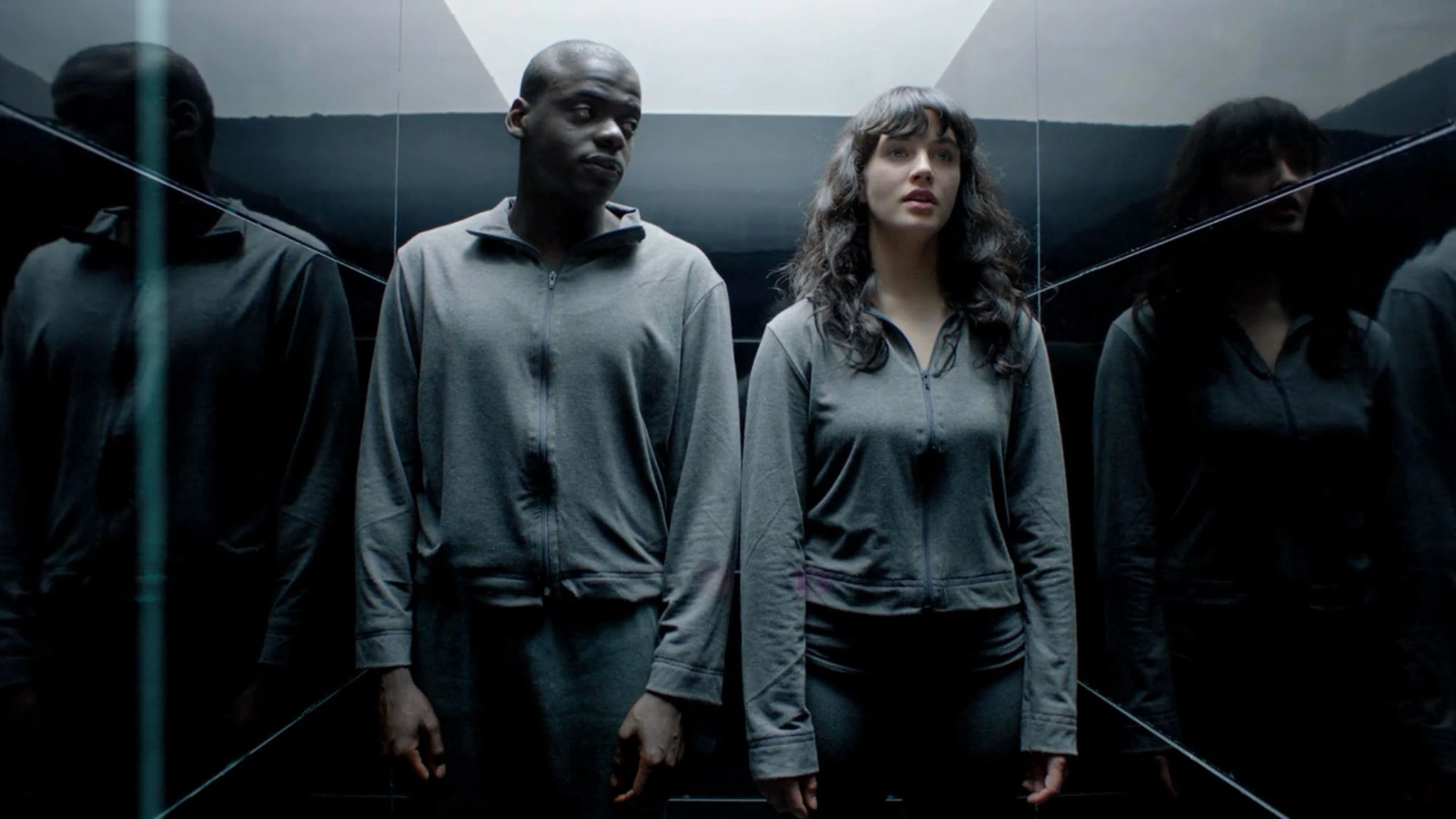
Daniel Kaluuya stars as a man living in a dystopian facility where citizens peddle bikes to generate energy and currency. The story serves as a scathing critique of reality television and the commodification of dissent. The visual language of the episode, dominated by avatars and digital points, set the tone for the series’ future social critiques.
“Hated In The Nation” (S3:E6)
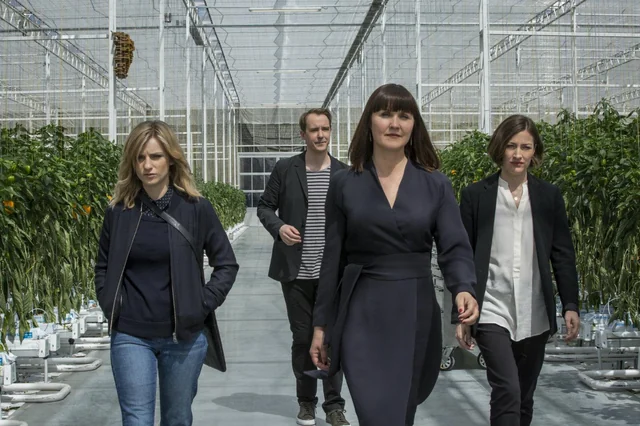
This feature-length police procedural follows a detective investigating a series of deaths linked to a social media hashtag. Autonomous drone insects, intended to save the ecosystem, become a weapon for mass execution. The episode highlights the dangerous disconnect between online vitriol and physical consequences.
“Be Right Back” (S2:E1)

Grief drives a young woman to use a service that recreates her deceased partner based on his social media footprint. Domhnall Gleeson and Hayley Atwell explore the limitations of artificial intelligence in replacing true human presence. The story remains a definitive look at how data cannot capture the essence of a soul.
“Joan Is Awful” (S6:E1)

Annie Murphy discovers that her life has been adapted into a prestige streaming series in near real-time. Salma Hayek plays a digital version of herself in this meta-commentary on content creation and terms of service agreements. The episode marks a significant shift toward more humorous and self-referential storytelling.
“Beyond The Sea” (S6:E3)
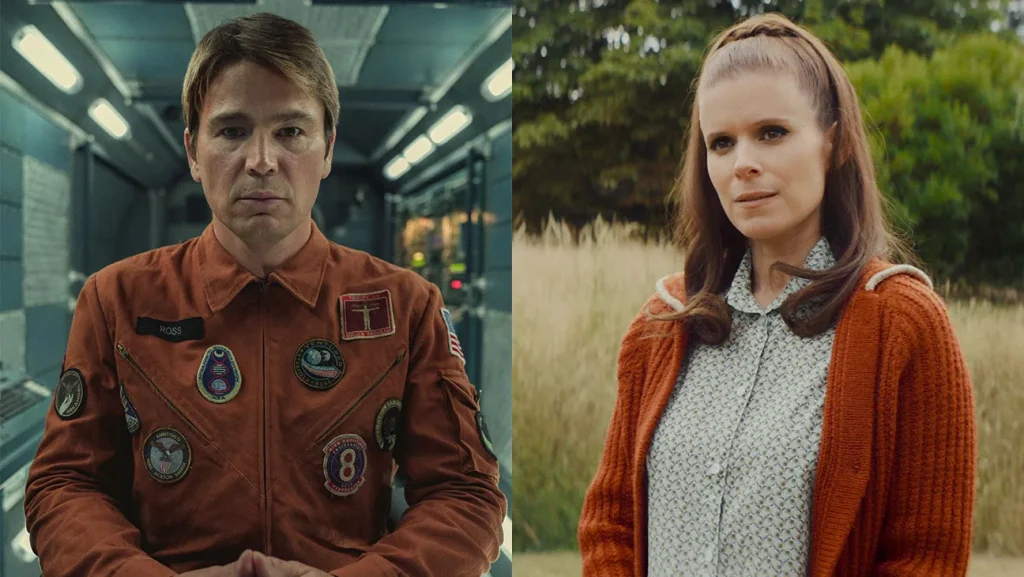
Two astronauts in an alternate 1969 use mechanical replicas to spend time with their families on Earth while their physical bodies remain in space. Aaron Paul and Josh Hartnett lead this tragic exploration of loneliness and jealousy. The slow-burn narrative emphasizes character development over typical science fiction action.
“Loch Henry” (S6:E2)
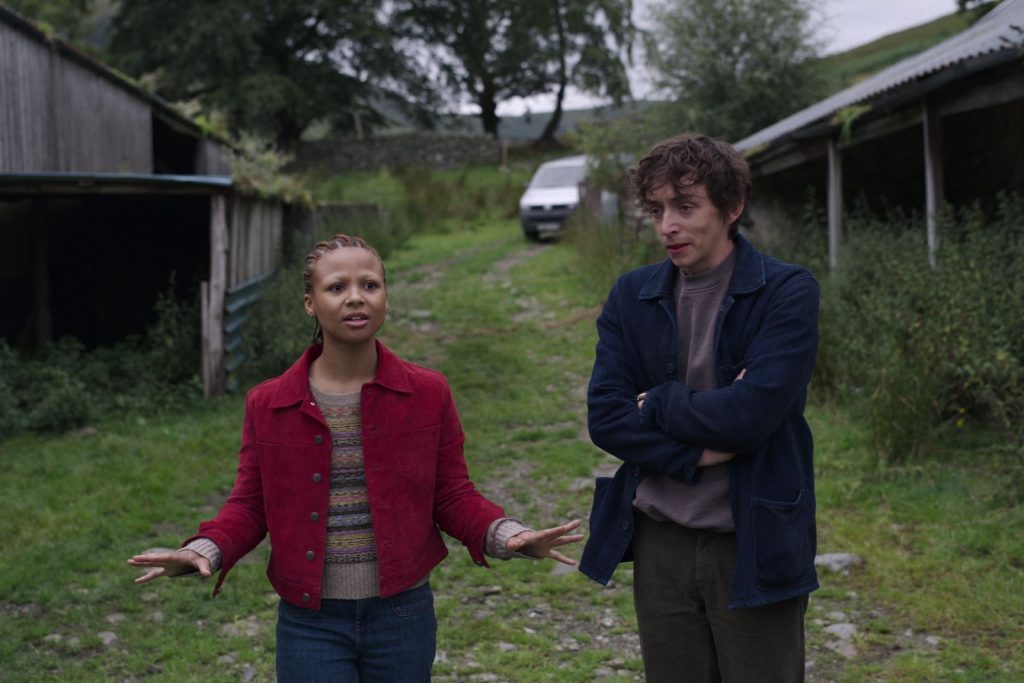
A young filmmaking couple uncovers a dark secret in a quiet Scottish town while trying to produce a nature documentary. The focus shifts toward true-crime obsession and how tragedy is repackaged for entertainment platforms. It utilizes a more traditional horror aesthetic compared to the high-tech focus of earlier installments.
“Demon 79” (S6:E5)
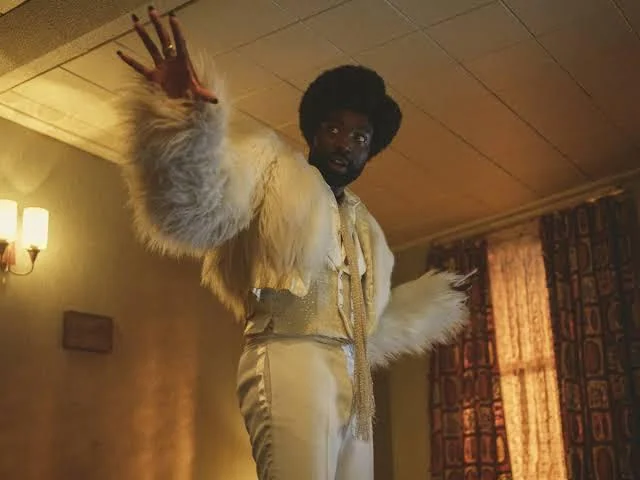
Set in Northern England during the late seventies, a sales assistant must commit terrible acts to prevent the apocalypse. This entry falls under the “Red Mirror” label, indicating a shift toward supernatural and fantasy elements rather than strict science fiction. Paapa Essiedu provides a charismatic performance as a demon guiding the protagonist’s descent.
“Playtest” (S3:E2)
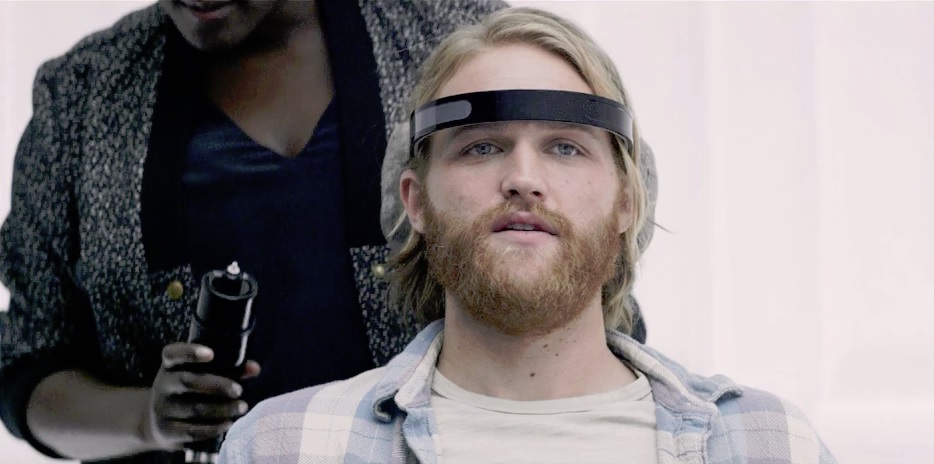
An American traveler agrees to test a revolutionary augmented reality horror game that taps into his deepest fears. Directed by Dan Trachtenberg, the episode uses classic horror tropes to explore the vulnerability of the human mind. The layered ending serves as a warning about the speed of modern processing and digital time dilation.
“Smithereens” (S5:E2)
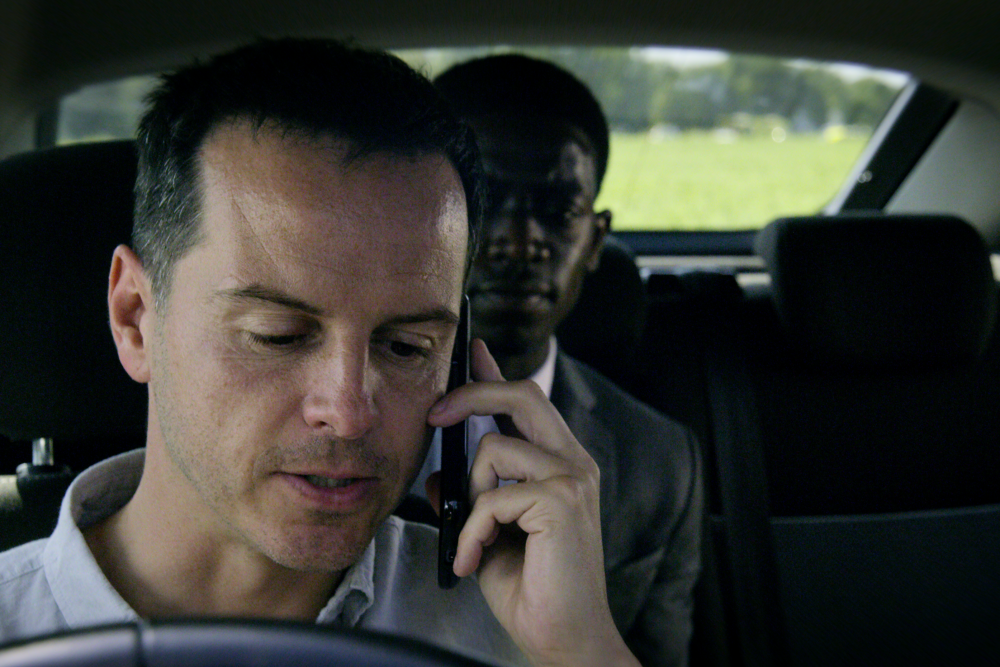
Andrew Scott portrays a rideshare driver who takes an employee of a major social media company hostage to get a word with its CEO. The story highlights the addictive nature of app design and the tragic cost of distracted driving. It remains one of the few episodes without a futuristic gimmick, focusing instead on existing platforms.
“Striking Vipers” (S5:E1)

Two old friends discover a new layer to their relationship while playing a virtual reality fighting game. The episode examines how digital avatars allow for explorations of identity and sexuality that may not exist in the physical world. Anthony Mackie and Yahya Abdul-Mateen II lead a cast that handles the delicate subject matter with nuance.
“Men Against Fire” (S3:E5)
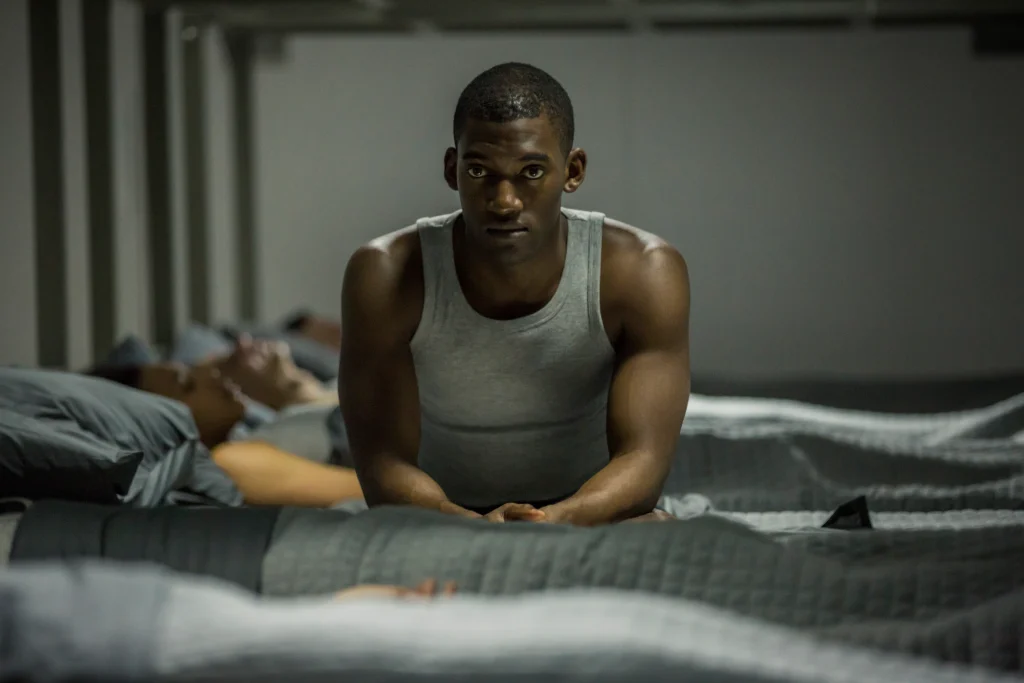
Soldiers use neural implants to help them hunt down mutated humans in a post-war landscape. The reveal regarding how technology can be used to dehumanize enemies remains a powerful commentary on warfare and propaganda. It illustrates the dangers of giving up sensory control to a military hierarchy.
“Arkangel” (S4:E2)

Jodie Foster directed this exploration of helicopter parenting through a chip that allows a mother to monitor and filter her daughter’s vision. The story traces the long-term psychological damage of overprotection and the invasion of privacy within a family. It serves as a cautionary tale for parents in the age of surveillance apps.
“Metalhead” (S4:E5)

Presented in stark black and white, this minimalist thriller follows a survivor being relentlessly pursued by a robotic guard dog. The design of the antagonist was inspired by real-world quadrupedal robots being developed for industrial and military use. Its lack of dialogue heightens the tension of the cat-and-mouse chase.
“Crocodile” (S4:E3)
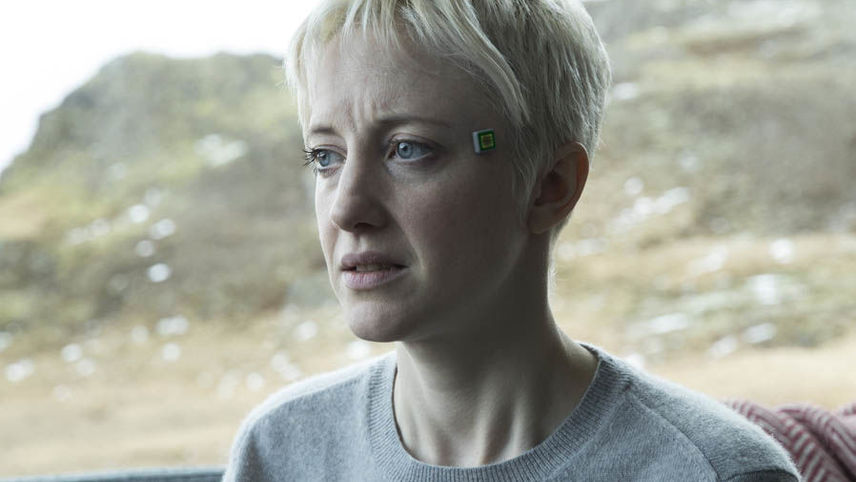
A woman goes to extreme lengths to cover up a hit-and-run accident in a world where investigators use memory-extracting technology. The stunning Icelandic scenery provides a cold backdrop for the protagonist’s moral disintegration. Andrea Riseborough gives a chilling performance as a person driven by pure self-preservation.
“Mazey Day” (S6:E4)
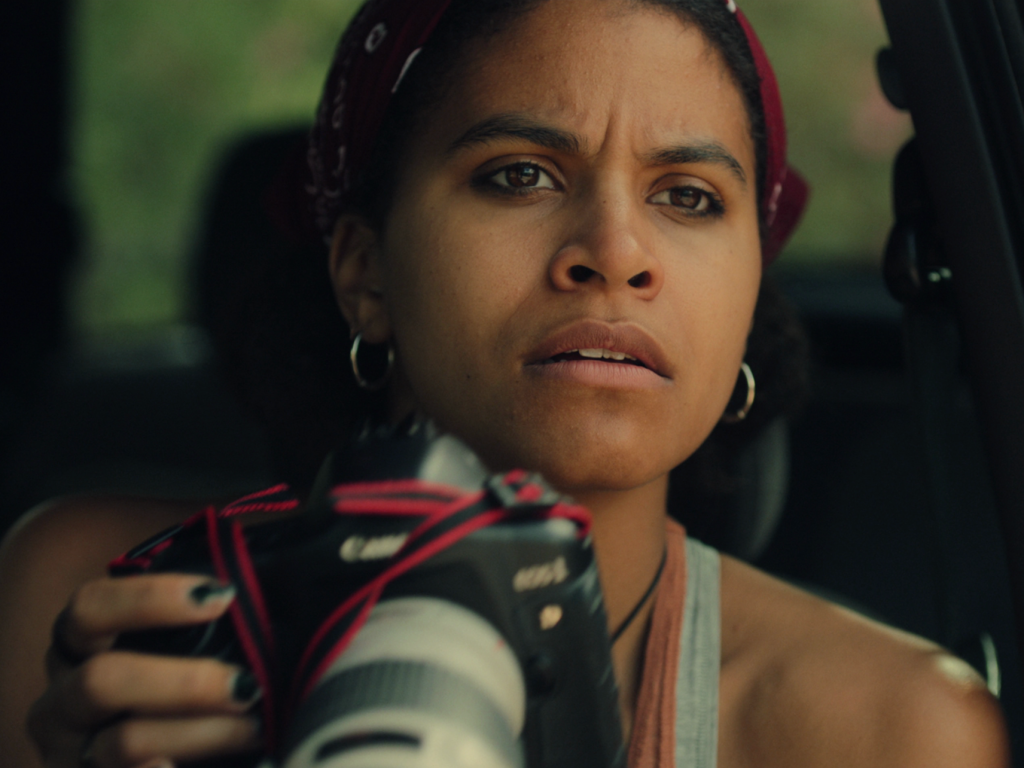
Zazie Beetz stars as a paparazzi photographer hunting for a reclusive starlet who has vanished after a hit-and-run. The narrative takes a sharp turn into the supernatural, exploring the predatory nature of celebrity culture. It represents the show’s experiment with genre-bending during its most recent creative cycles.
“Rachel, Jack And Ashley Too” (S5:E3)
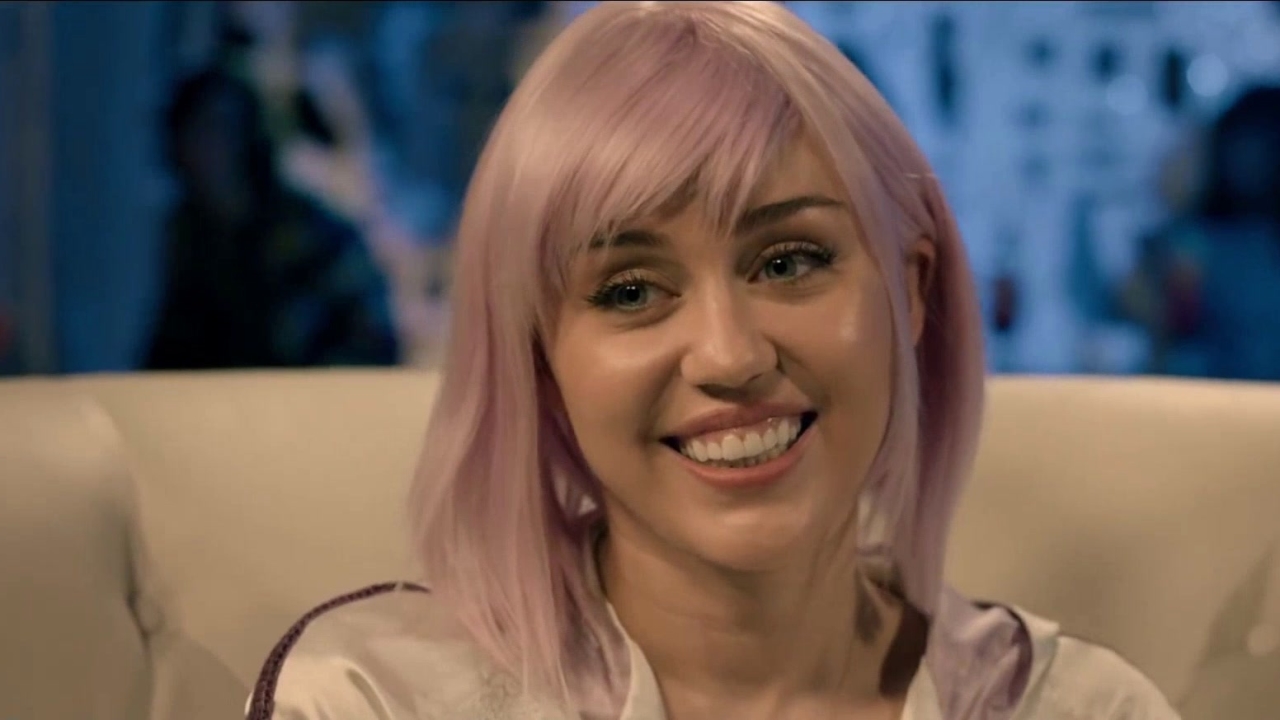
Miley Cyrus plays a pop idol whose personality is uploaded into an interactive toy for her fans. The story tackles the exploitation of artists and the use of digital likenesses after an individual can no longer perform. It leans more toward teen-adventure tropes than the show’s typical bleakness.
“The Waldo Moment” (S2:E3)
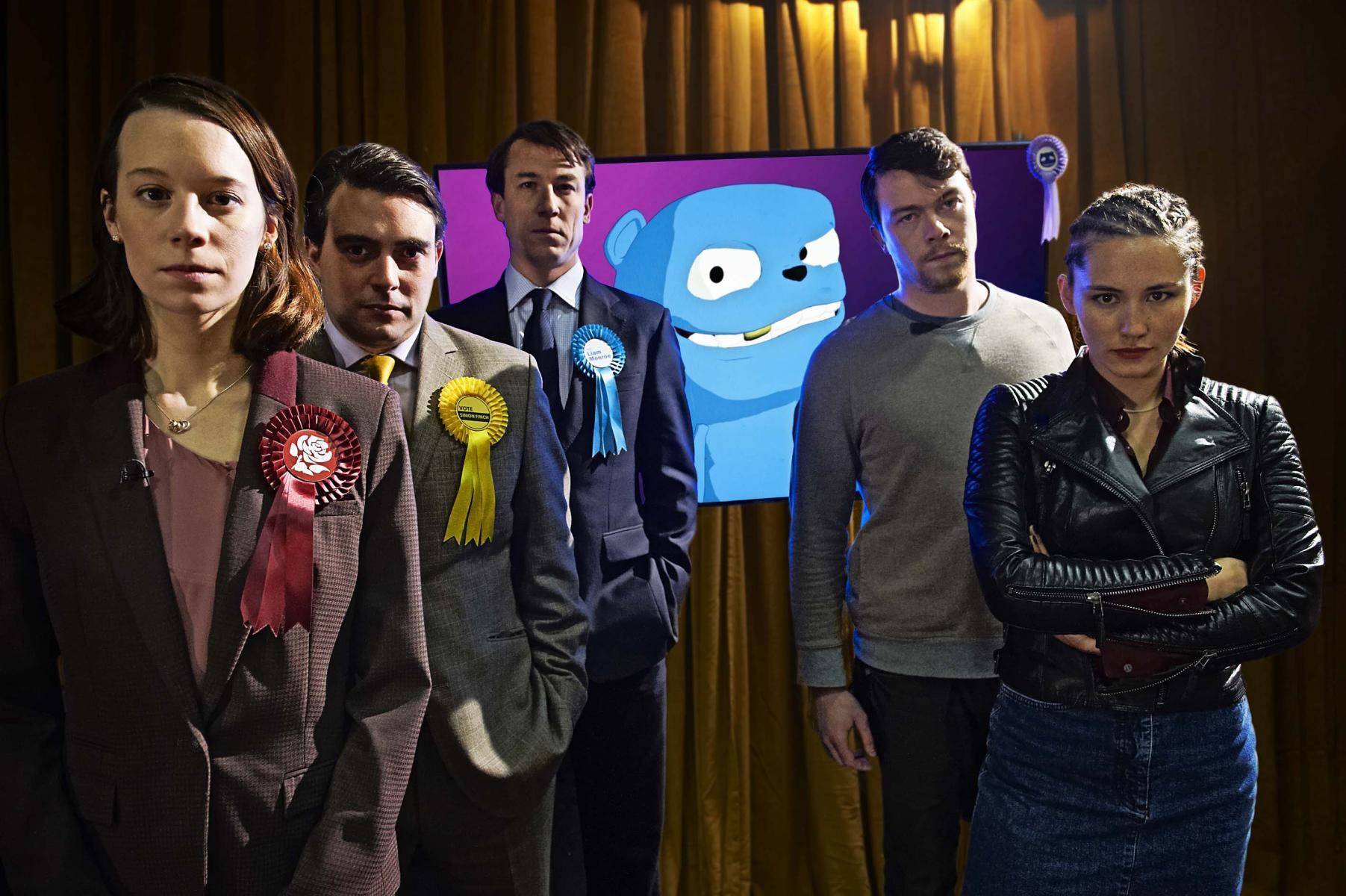
An insult-comic cartoon character becomes a legitimate political contender in a local election. The episode was initially criticized for being far-fetched but gained newfound relevance following various global political shifts. It highlights how anti-establishment sentiment can be easily weaponized by hollow figures.
“Bandersnatch” (Special)
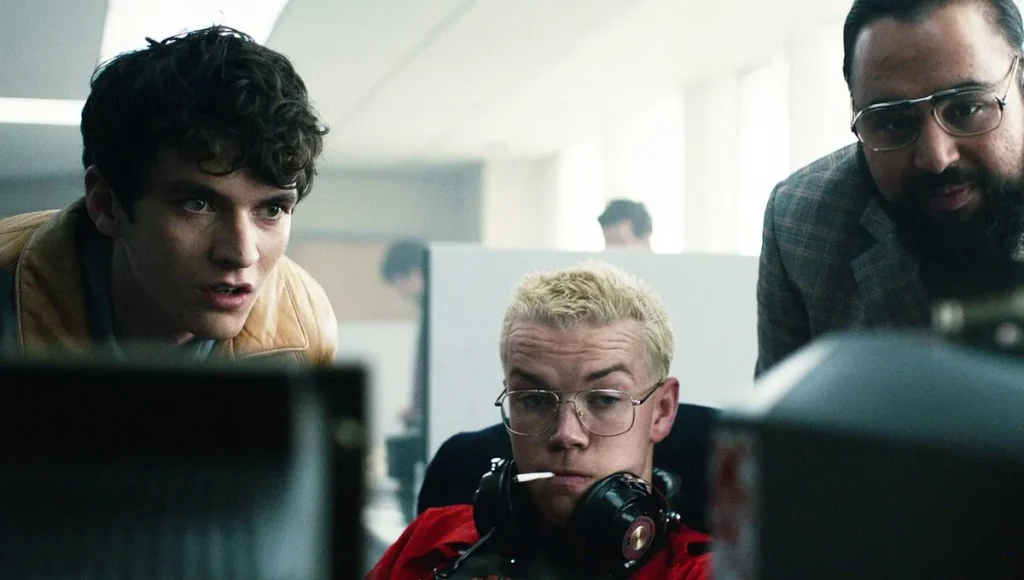
This interactive film allows the audience to make choices for a young programmer adapting a fantasy novel into a video game. The story reflects on the nature of free will and the control of the creator versus the player. It required a massive technical overhaul of streaming infrastructure to deliver its branching paths.
“Eulogy” (S7:E4)
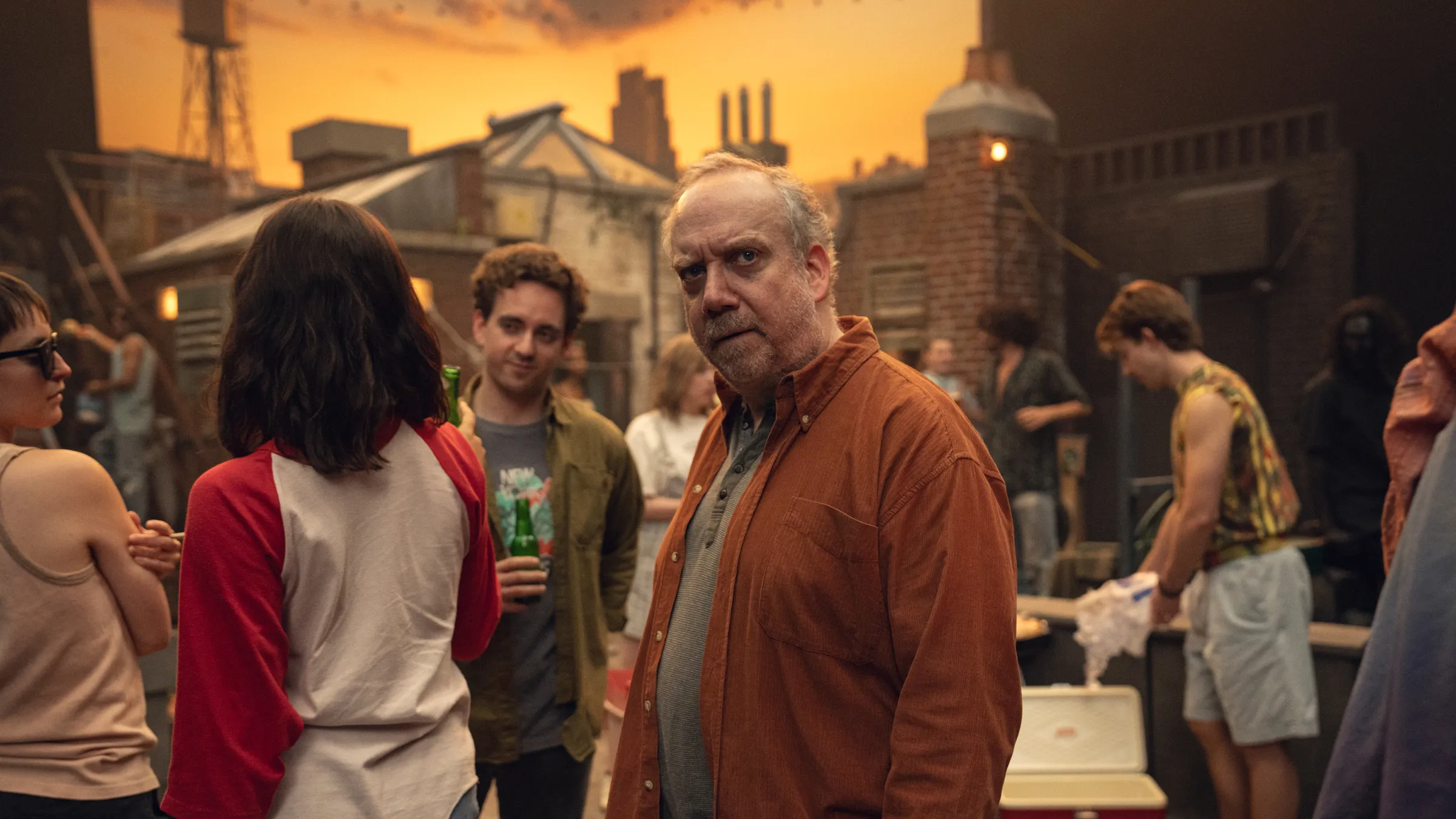
The narrative explores a high-tech funeral service where the deceased’s consciousness is temporarily reactivated to deliver a final address to the attendees. It delves into the messy reality of posthumous secrets and how digital immortality complicates the grieving process for those left behind. The episode utilizes a muted color palette to emphasize the heavy emotional weight of the technological intervention.
“USS Callister: Into Infinity” (S7:E6)
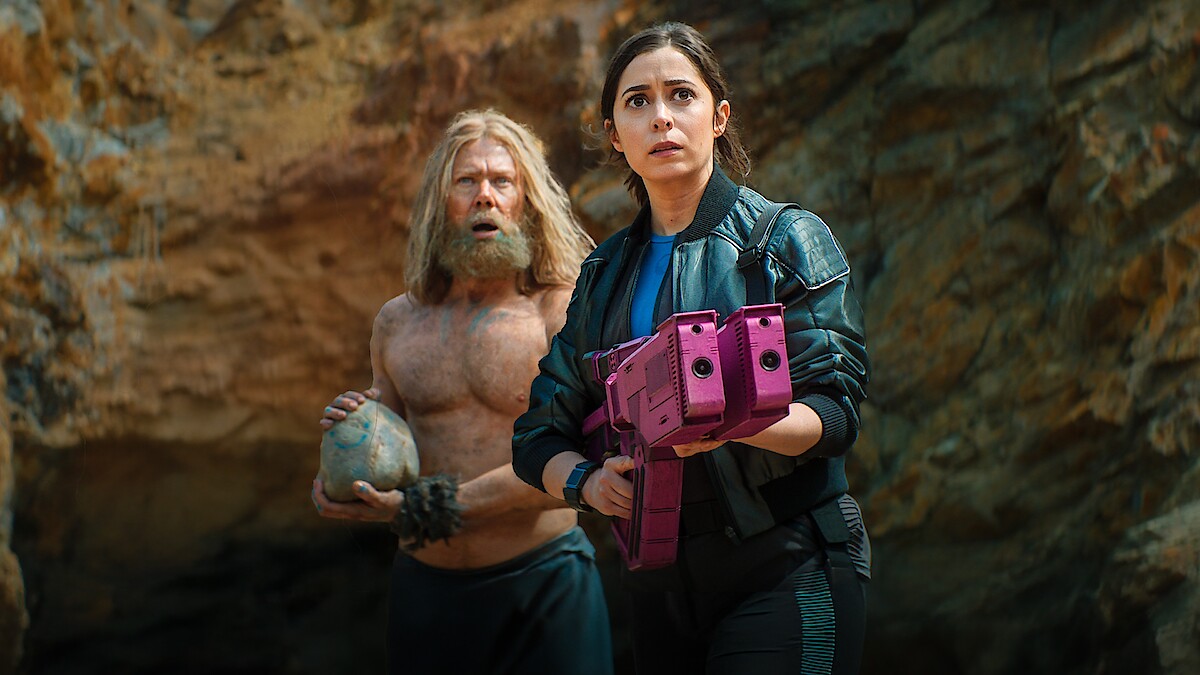
The crew of the rogue spaceship returns to face the consequences of their escape into the open internet. Cristin Milioti leads a story that explores the autonomy of digital beings and the dangers of an unmoderated virtual world. It marks a rare instance of direct continuity in the show’s storied history.
“The National Anthem” (S1:E1)
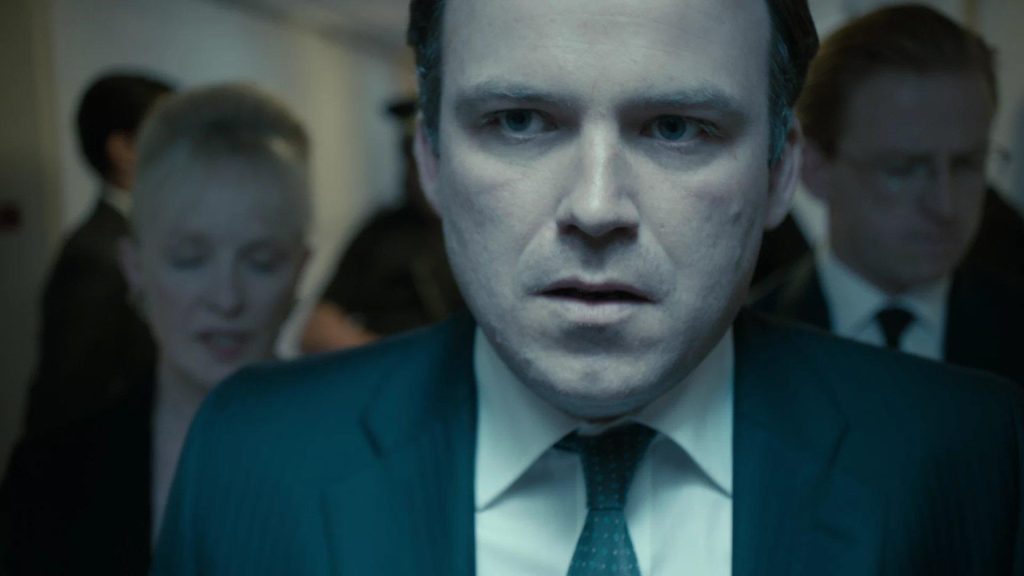
The British Prime Minister is forced into a humiliating public act to save a kidnapped princess in the episode that started it all. Rory Kinnear gives an incredibly restrained performance as a man crushed by the weight of public opinion and digital connectivity. It remains the most infamous debut in television history, ensuring that viewers would never look at a screen the same way again.