Cinema has an extraordinary ability to transport audiences through time, recreating the most pivotal moments that shaped our world. While textbooks offer the hard facts, filmmakers breathe life into the past by capturing the human emotions behind global shifts and intimate tragedies. From the quiet tension of political newsrooms to the roaring battlefields of global conflicts, these adaptations provide a visceral connection to bygone eras. This collection explores 30 of the most compelling films based on historical events, blending meticulous research with unforgettable storytelling.
“Amadeus” (1984)
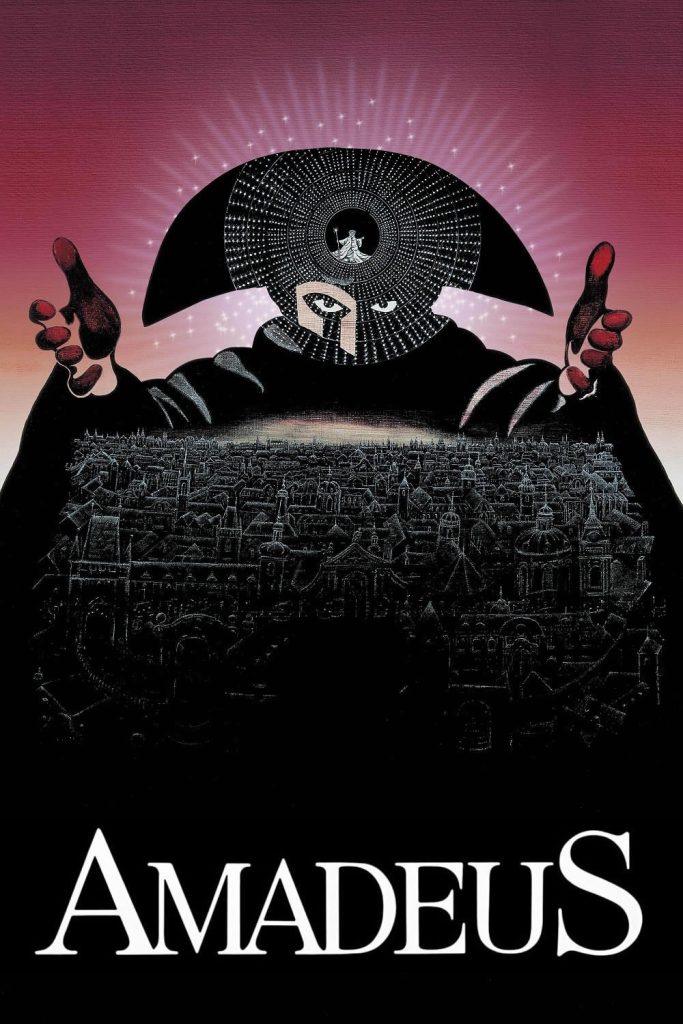
Focusing on the intense rivalry between Wolfgang Amadeus Mozart and Antonio Salieri, this adaptation reimagines classical music history as a psychological thriller.
“The Pianist” (2002)
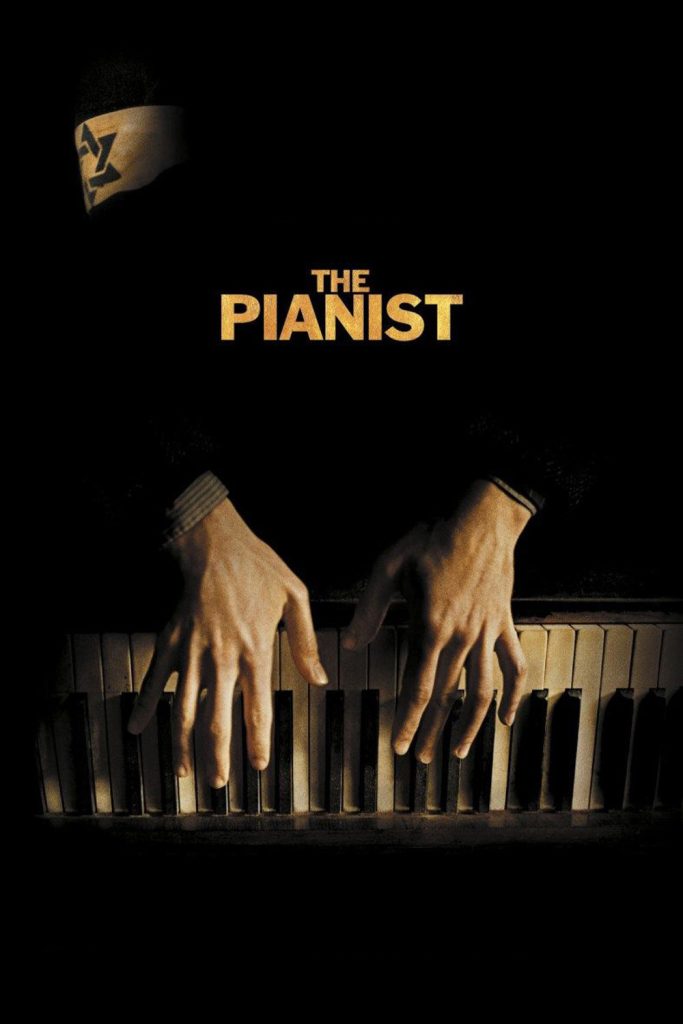
Survival in the Warsaw Ghetto is depicted not through heroic rebellion, but through sheer luck and silent endurance. Wladyslaw Szpilman witnesses the systematic destruction of his community while hiding in abandoned apartments. Roman Polanski drew heavy inspiration from his own childhood memories of surviving the Holocaust in Poland. The haunting piano sequences provide the only moments of beauty in an otherwise desolate wartime landscape.
“Oppenheimer” (2023)
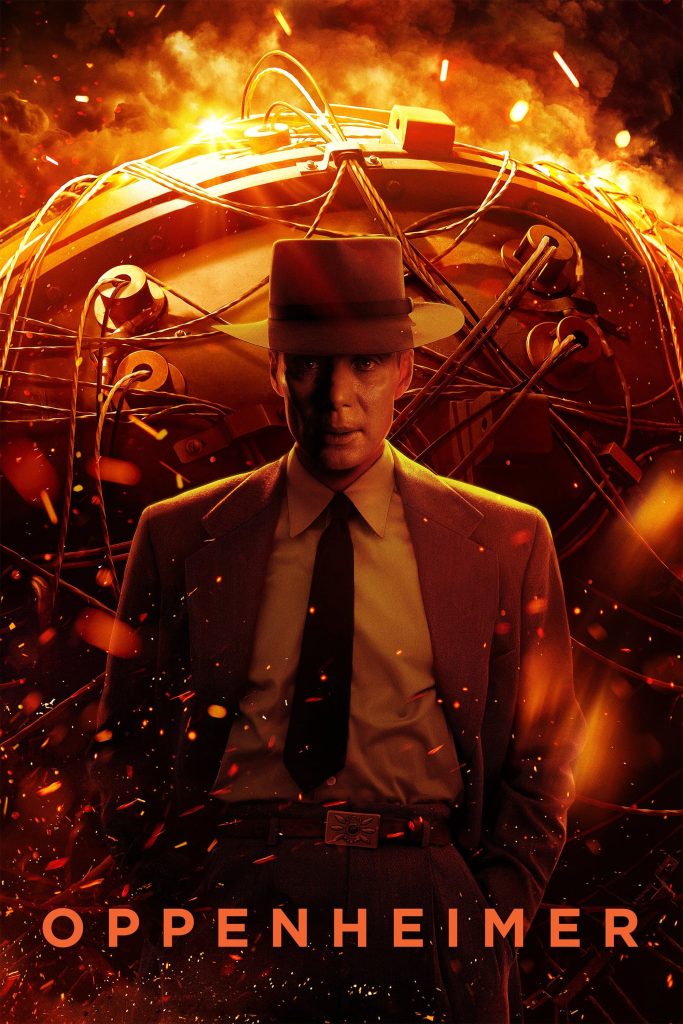
Much like his approach in “Dunkirk”, Christopher Nolan tackled the creation of the atomic bomb through the conflicted perspective of its chief architect. The Trinity test sequence relied entirely on practical explosions to convey the terrifying magnitude of the weapon.
“A Night to Remember” (1958)
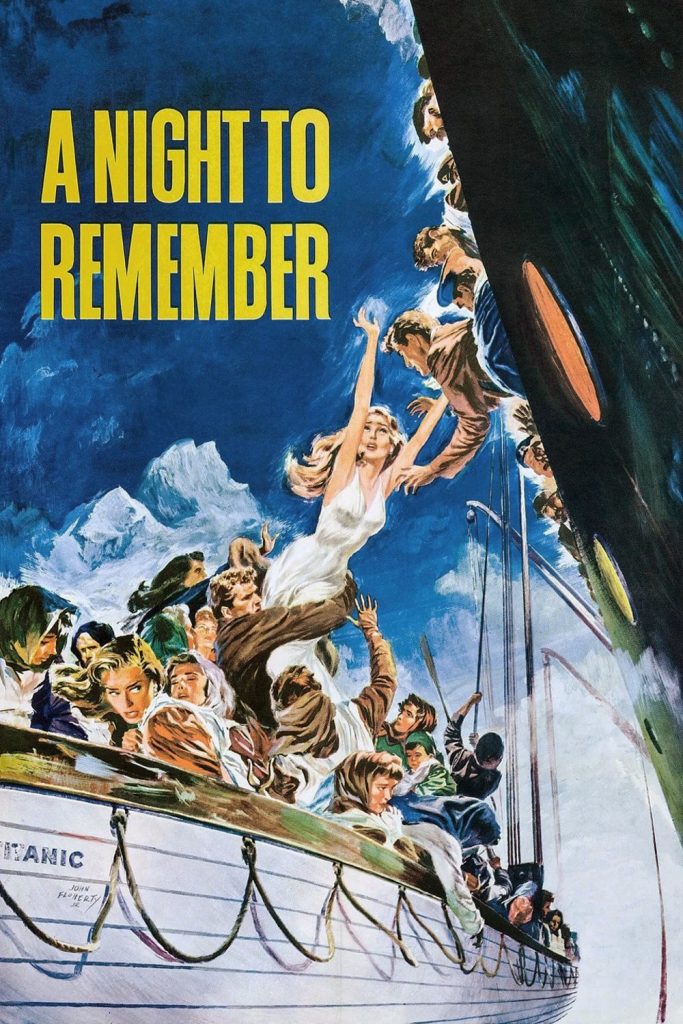
Decades before James Cameron tackled the subject, this British production set the gold standard for dramatizing the infamous maritime disaster. Survivors of the actual sinking consulted on the set to ensure the chaos and confusion were accurately portrayed. The chilling lack of lifeboats remains the focal point of the creeping dread.
“12 Years a Slave” (2013)
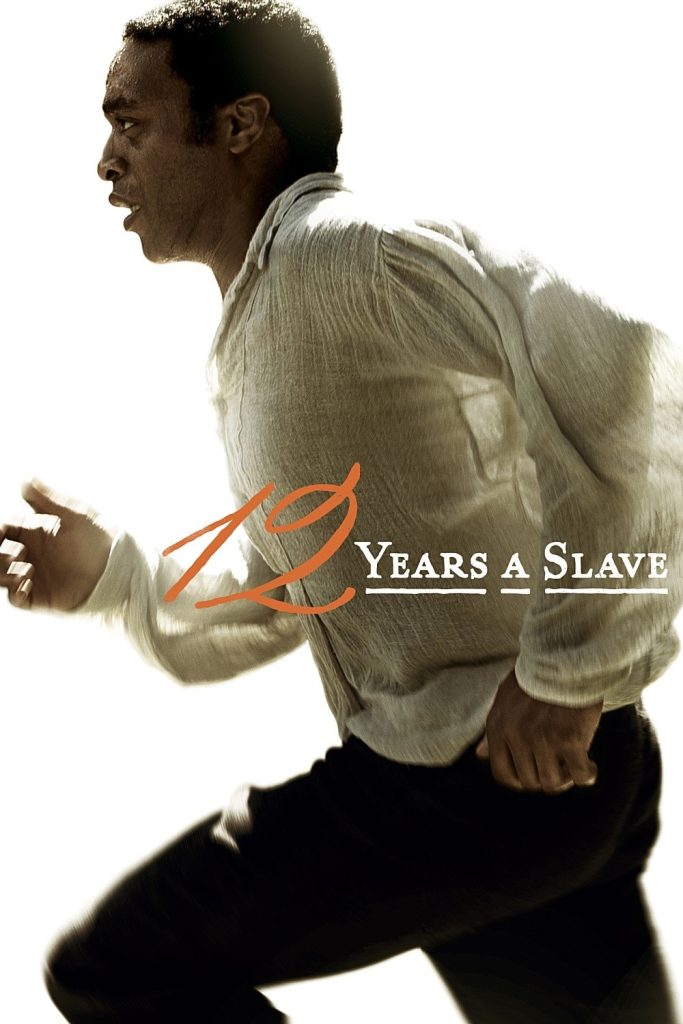
Solomon Northup’s harrowing memoir of kidnapping and forced servitude found a brutal cinematic translation. Director Steve McQueen refused to shy away from the physical and psychological torment of the plantation system. The narrative forces viewers into extended tracking shots that make the complicity of bystanders impossible to ignore. Several scenes were shot on the exact grounds where historical plantations operated.
“Apollo 13” (1995)
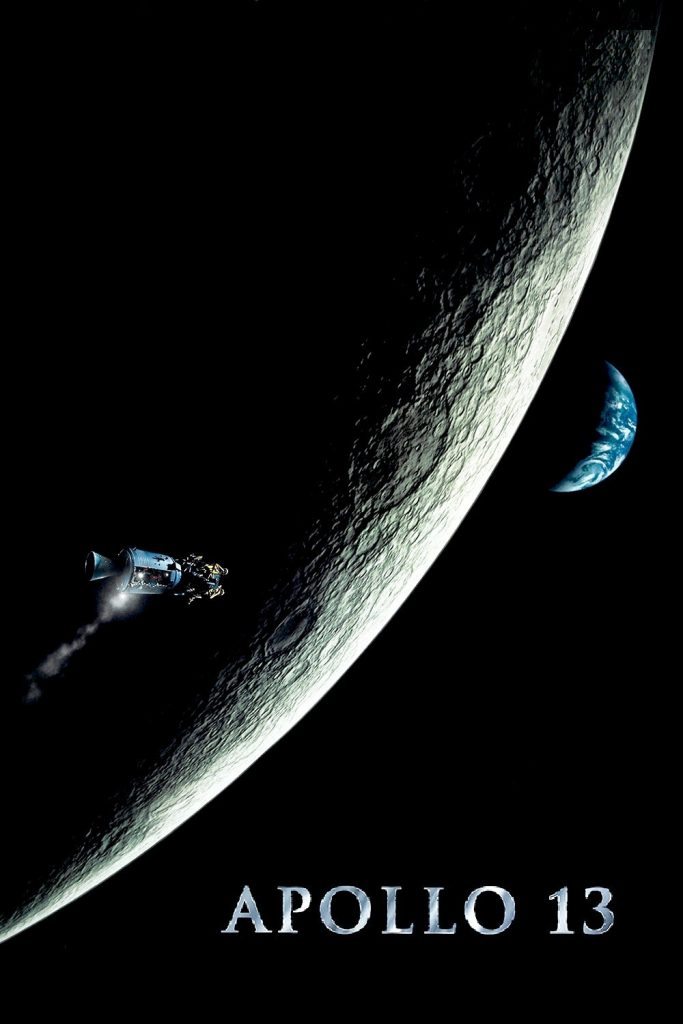
Ron Howard directed this tense dramatization of the aborted lunar mission with an uncompromising dedication to technical accuracy. One famous tweak: the real transmission was “Houston, we’ve had a problem,” which the film changed to the present-tense “Houston, we have a problem” for immediacy.
“Hotel Rwanda” (2004)
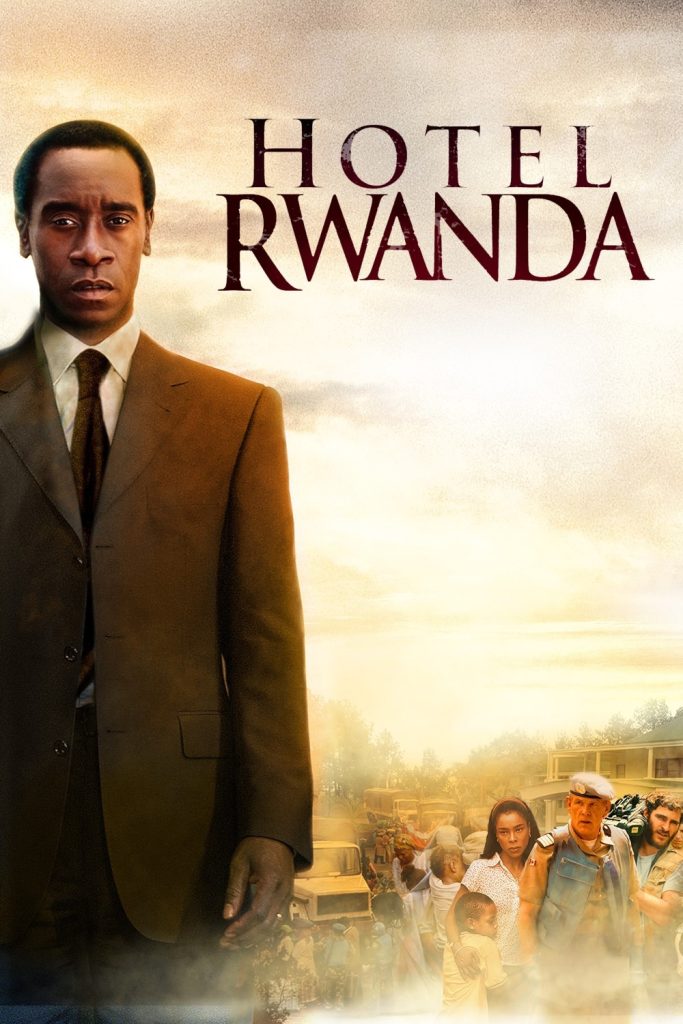
Don Cheadle stars as Paul Rusesabagina, a hotel manager who sheltered over a thousand refugees during a horrific genocide. The film strips away any political grandstanding to focus strictly on the immediate reality of survival against impossible odds. It stands as a stark indictment of the international community failing to intervene.
“The Great Escape” (1963)
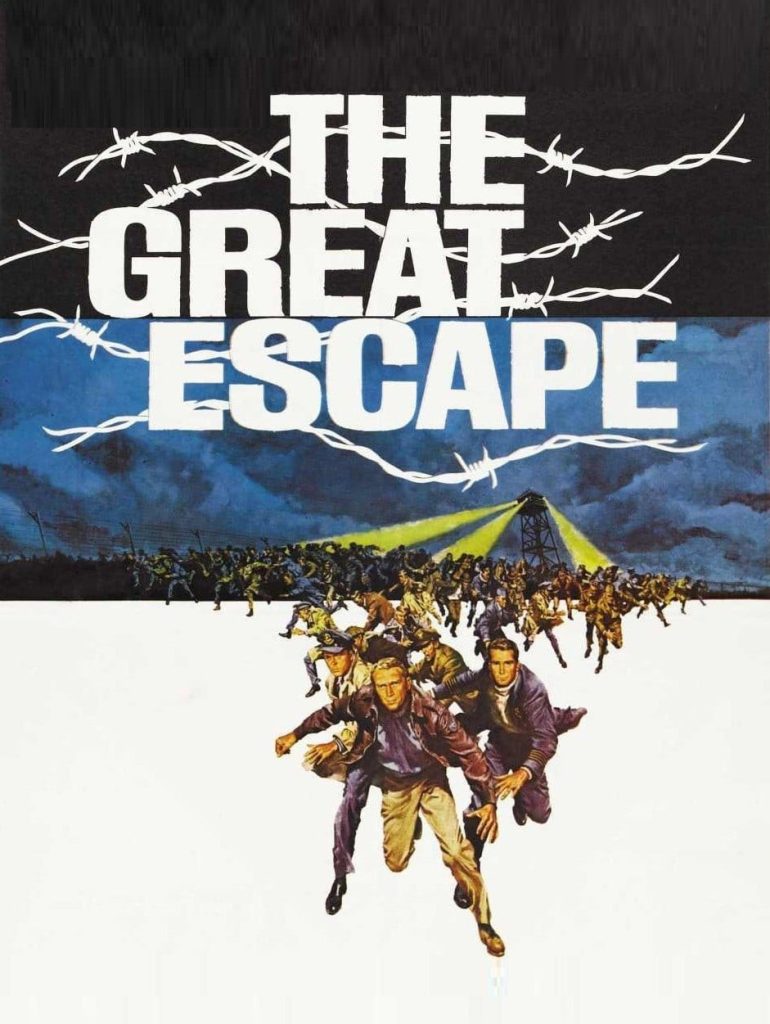
Allied prisoners of war channel their defiance into constructing an elaborate tunnel system beneath a German camp. The logistical marvel of the breakout is matched only by the grim reality of the subsequent recapture efforts. Director John Sturges insisted on shooting the exterior camp scenes in southern Germany to capture the exact geographical lighting. Steve McQueen performed almost all of his own motorcycle riding during the intense chase sequences.
“Hidden Figures” (2016)
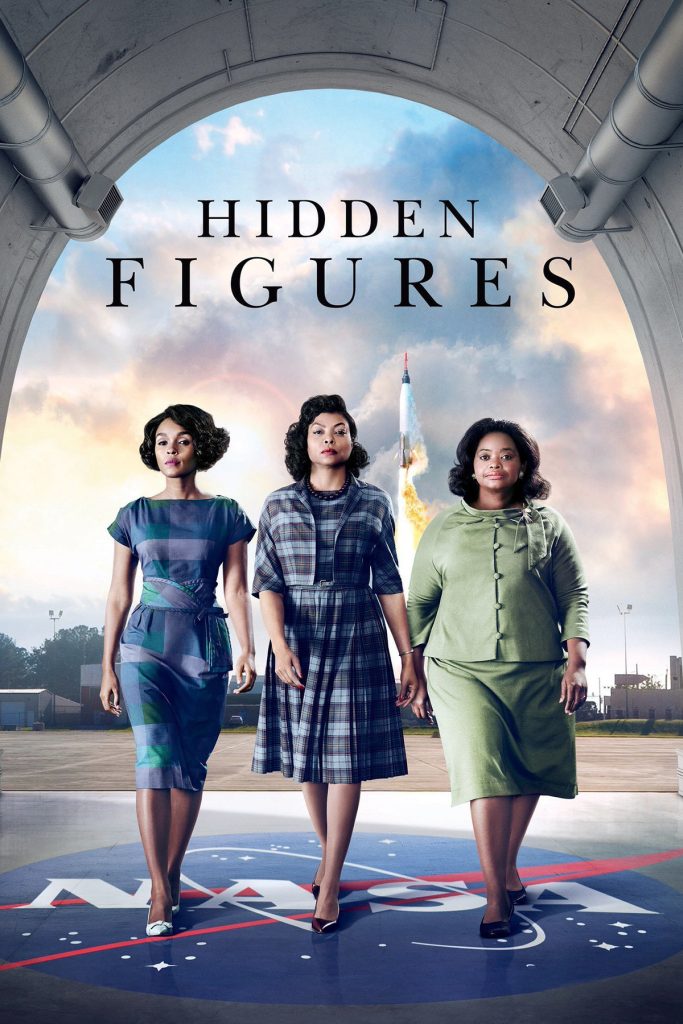
Essential calculations that launched the first Americans into orbit were performed by a brilliant team of African American women. Their fight against institutional segregation runs parallel to the immense pressures of the Space Race.
“Schindler’s List” (1993)
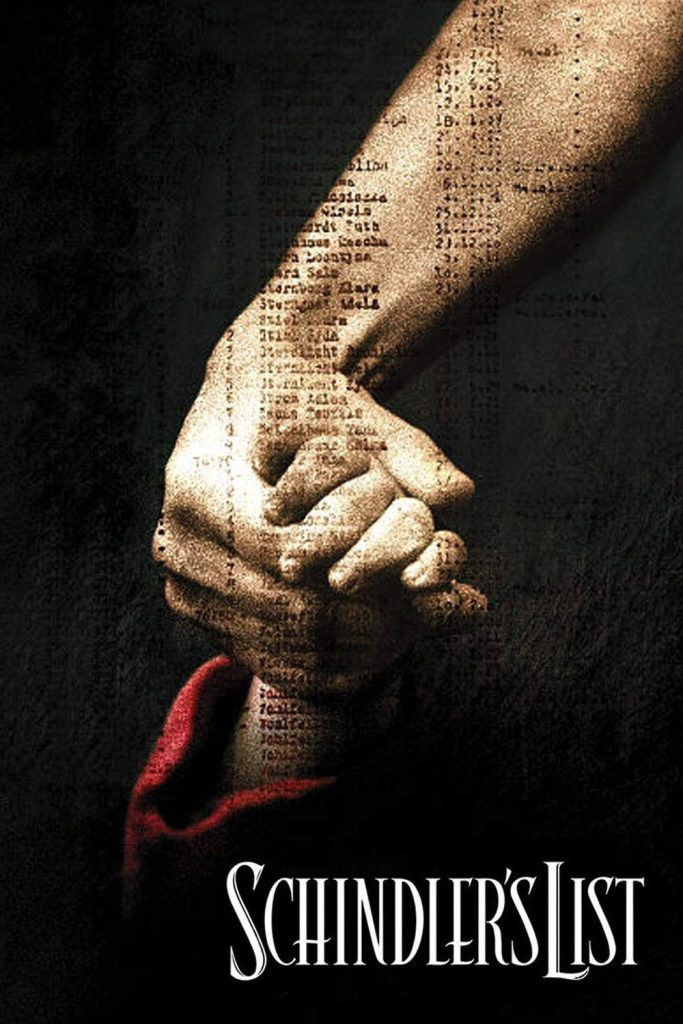
Steven Spielberg crafted a haunting portrayal of the Holocaust by focusing on a German industrialist who saved over a thousand Jewish refugees. Shooting entirely in black and white stripped the narrative of modern gloss to ground the horrors in documentary realism. Ralph Fiennes delivered a chilling performance that cemented the antagonist as one of cinema’s most terrifying figures.
“The Social Network” (2010)

Driven by razor sharp dialogue, the chaotic founding of Facebook highlights deep personal betrayals. Depicting recent digital history required an intense focus on the legal depositions that tore the original founders apart. Director David Fincher demanded up to ninety takes for single scenes to capture the exact rapid rhythm of the dialogue. The film required special permission to use exact transcripts from the actual intellectual property lawsuits.
“Glory” (1989)
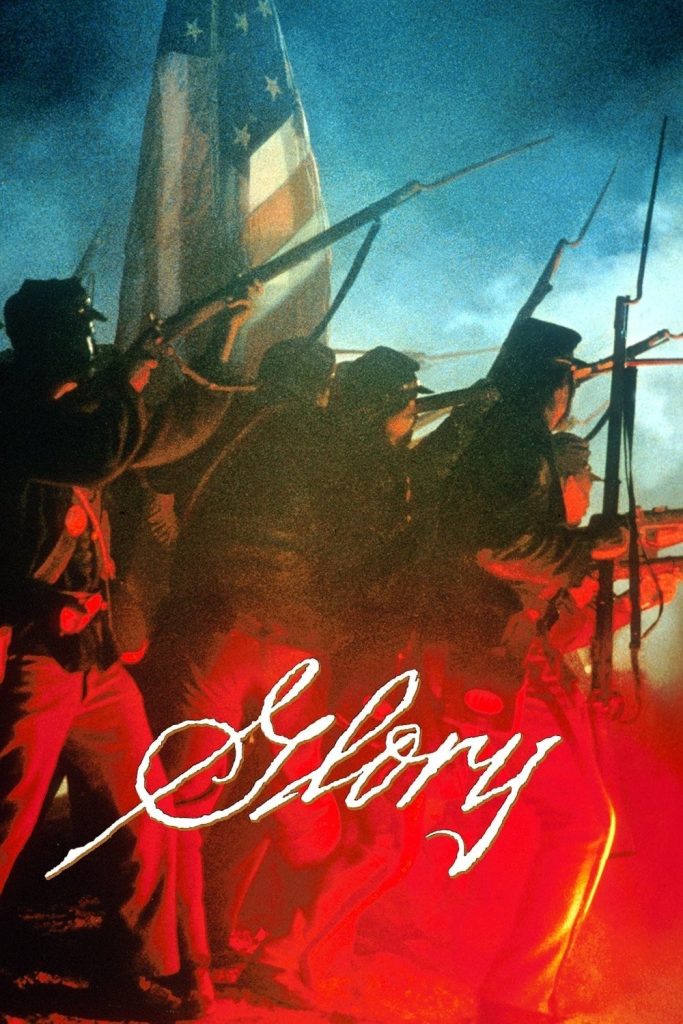
The final assault sequence on Fort Wagner required the coordination of over a thousand civil war reenactors to ensure tactical accuracy. Denzel Washington earned critical acclaim for his portrayal of a defiant soldier fighting for an ungrateful nation.
“Lawrence of Arabia” (1962)
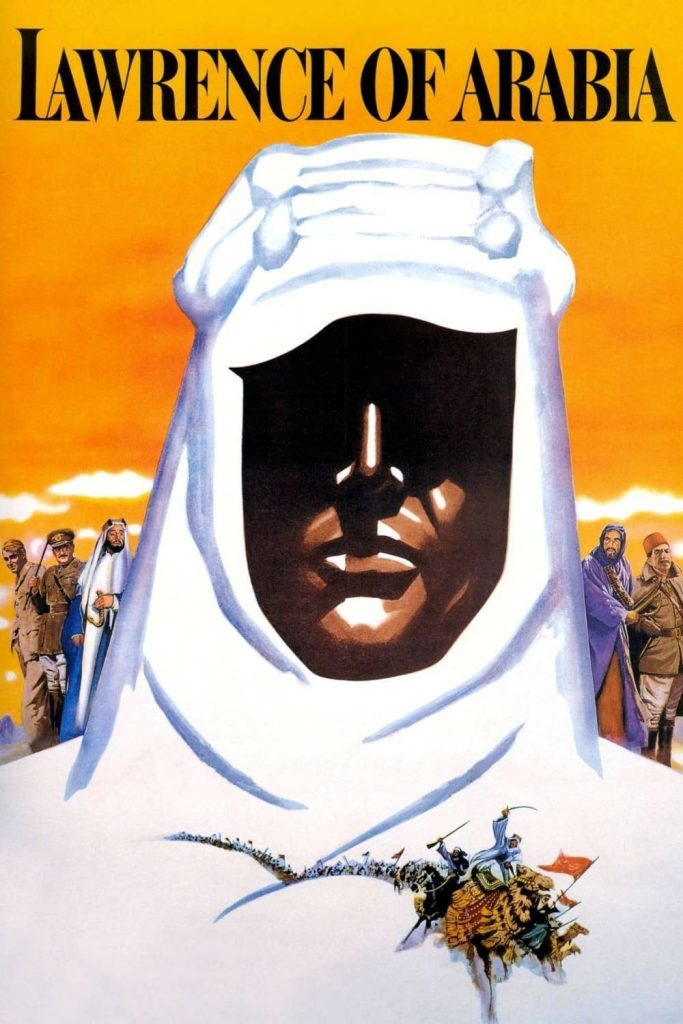
Sweeping desert vistas dominate the screen in this exploration of the British officer who united Arab tribes. The punishing shooting schedule in the blazing sun mirrored the grueling conditions faced by the historical figures. Peter O’Toole delivered a mesmerizing performance of a man slowly consumed by his own growing mythos.
“Spotlight” (2015)
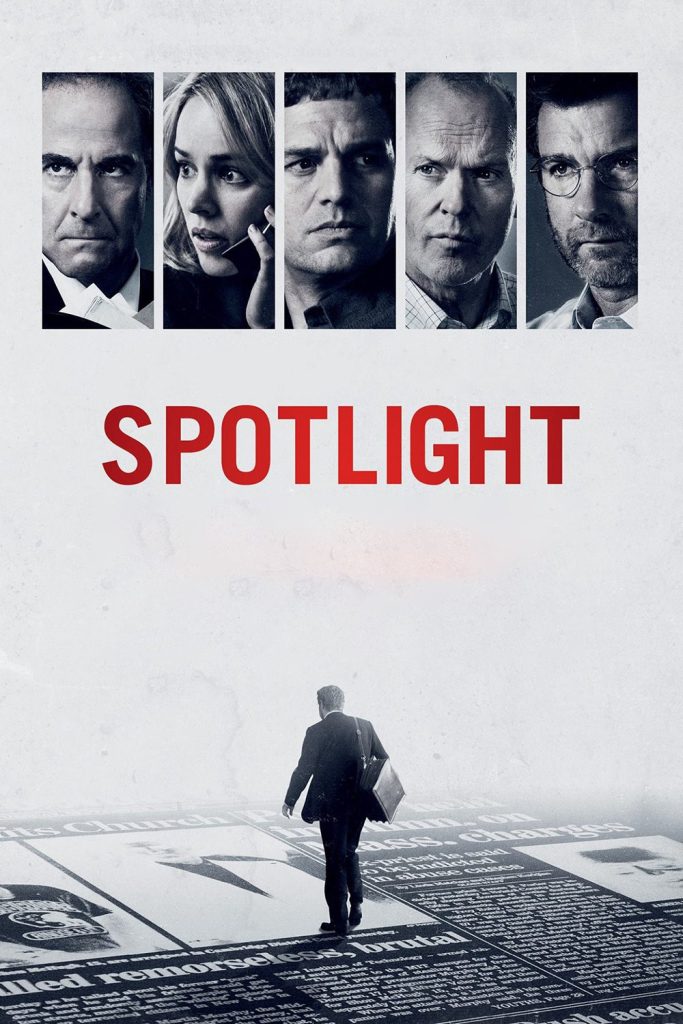
The meticulous investigation that exposed systemic abuse within the Catholic Church required a narrative built entirely on painstaking interviews. The ensemble cast operates seamlessly to highlight the collective burden of journalism over individual heroism. Writers spent months shadowing the real reporters to capture their exact investigative methodology. The production mirrored real life by taking years to secure the actual files and court documents used in the scenes.
“Inglourious Basterds” (2009)
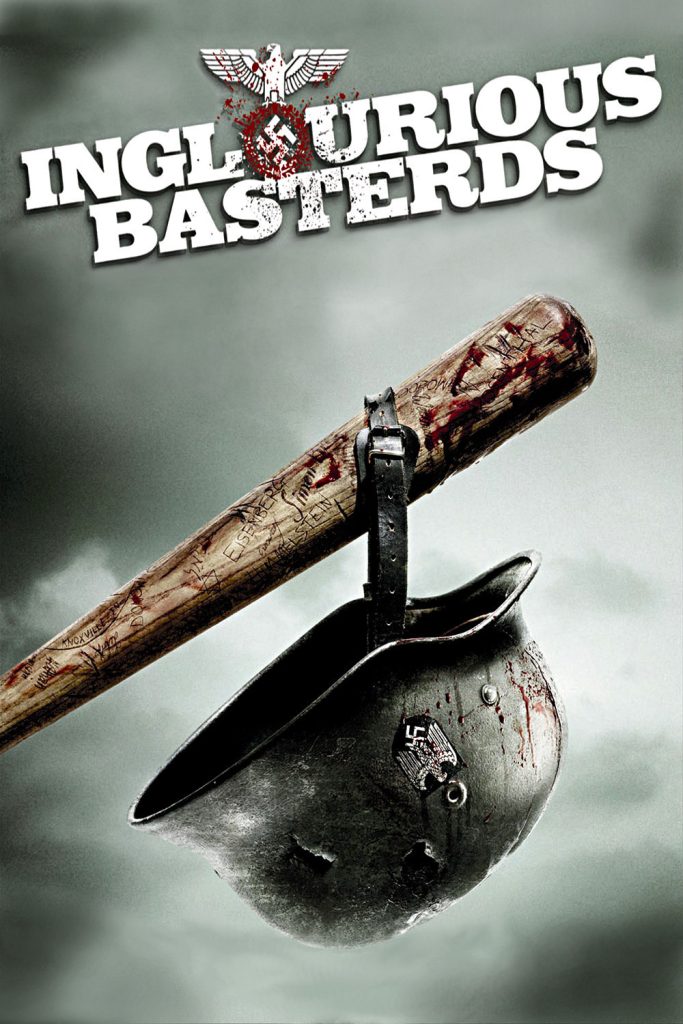
Quentin Tarantino famously disregards the textbook outcome of the global conflict to deliver a hyper stylized tale of cinematic vengeance. The opening farmhouse sequence is widely studied for its masterful escalation of tension through simple dialogue.
“Dunkirk” (2017)
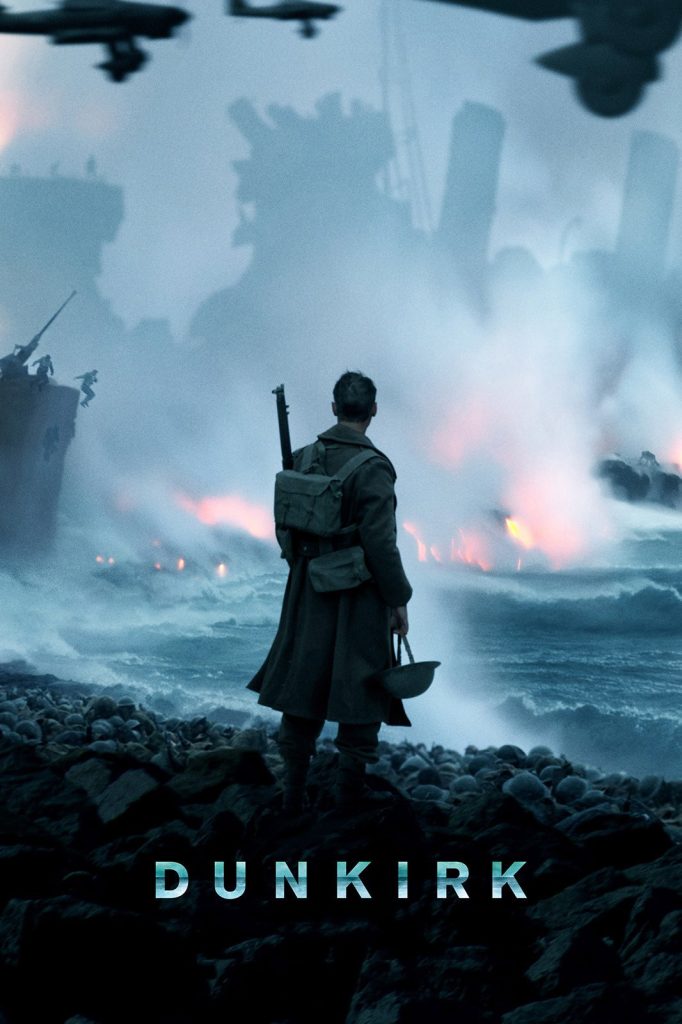
Christopher Nolan split the narrative across land, sea, and air to capture the desperate evacuation of Allied soldiers. The ticking clock motif drives the relentless pacing, creating a suffocating atmosphere of dread and survival. Practical effects and thousands of extras grounded the chaotic retreat in visceral reality.
“The Last Emperor” (1987)
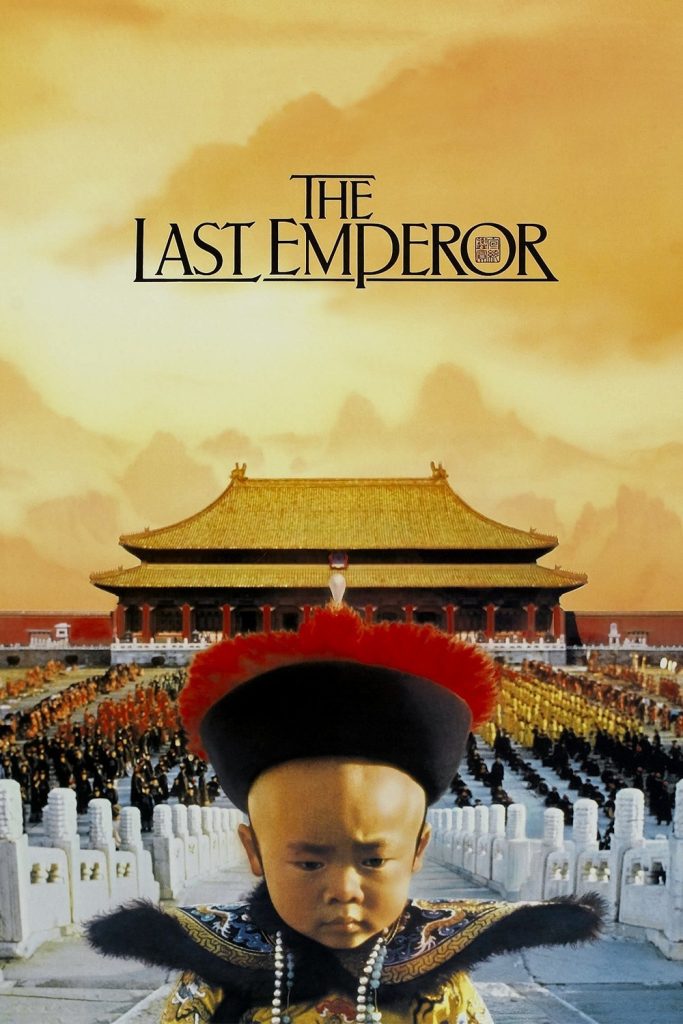
Puyi’s journey from a toddler ruling the Forbidden City to a political prisoner is a sweeping visual epic. It was the first Western feature granted permission to film inside the actual imperial palace in Beijing. Director Bernardo Bertolucci coordinated over nineteen thousand extras for the massive coronation sequences. The shifting political tides of twentieth century China serve as a vibrant backdrop to his isolated existence.
“First Man” (2018)
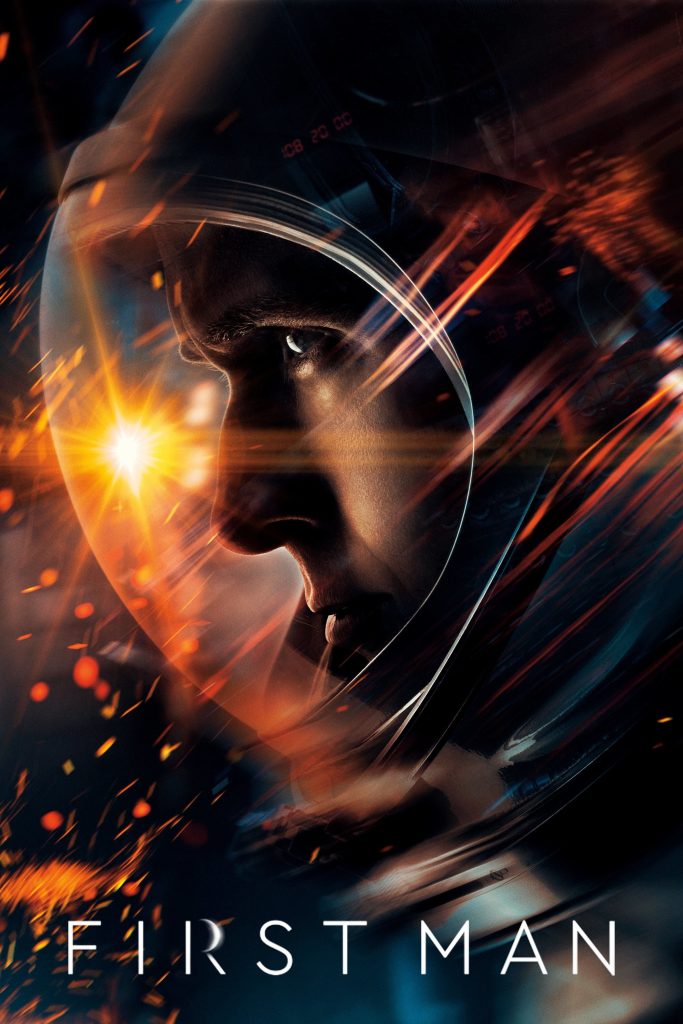
Exploring the lunar landing through the introverted and grieving perspective of Neil Armstrong creates a highly claustrophobic experience. The rattling metal and deafening noise of the capsules emphasize the sheer danger of early spaceflight.
“Titanic” (1997)
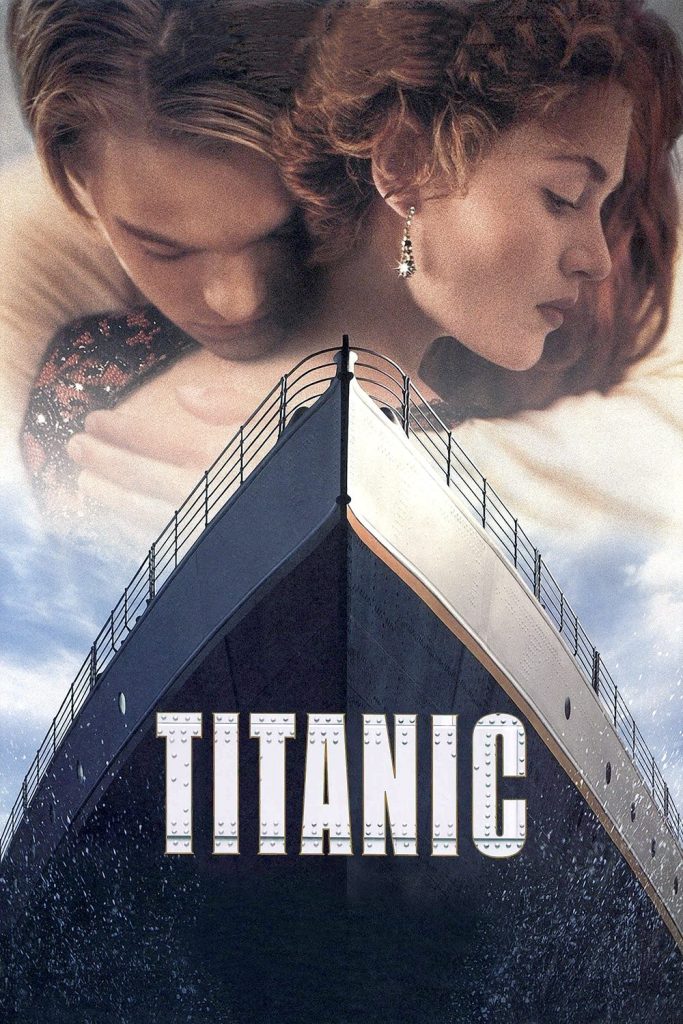
James Cameron blended a fictional romance with a staggering commitment to maritime history during the doomed maiden voyage. The massive scale of the replica ship allowed for unprecedented realism as the vessel met its tragic end. Oceanographic expeditions undertaken by the director directly informed the detailed rendering of the underwater wreckage.
“Judas and the Black Messiah” (2021)
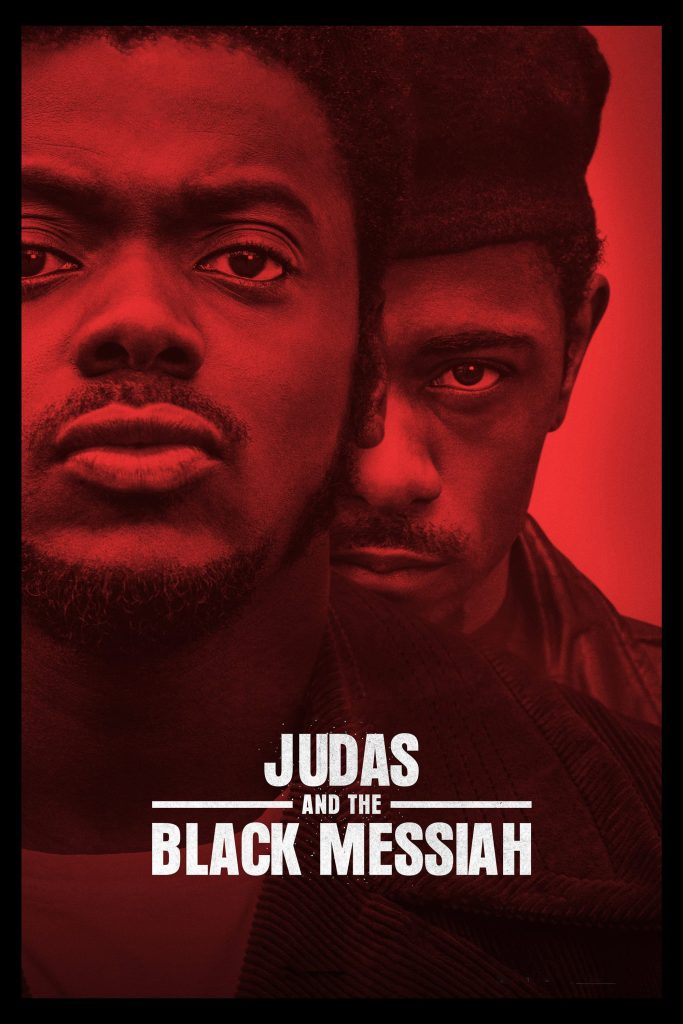
Government surveillance takes center stage in this depiction of an FBI informant infiltrating a major political party. The dynamic between the charismatic Fred Hampton and the conflicted William O’Neal creates suffocating tension. The production designer meticulously recreated late sixties Chicago using archival photographs and police records. The tragic conclusion remains a stark reminder of the extreme measures taken against domestic movements.
“The Right Stuff” (1983)
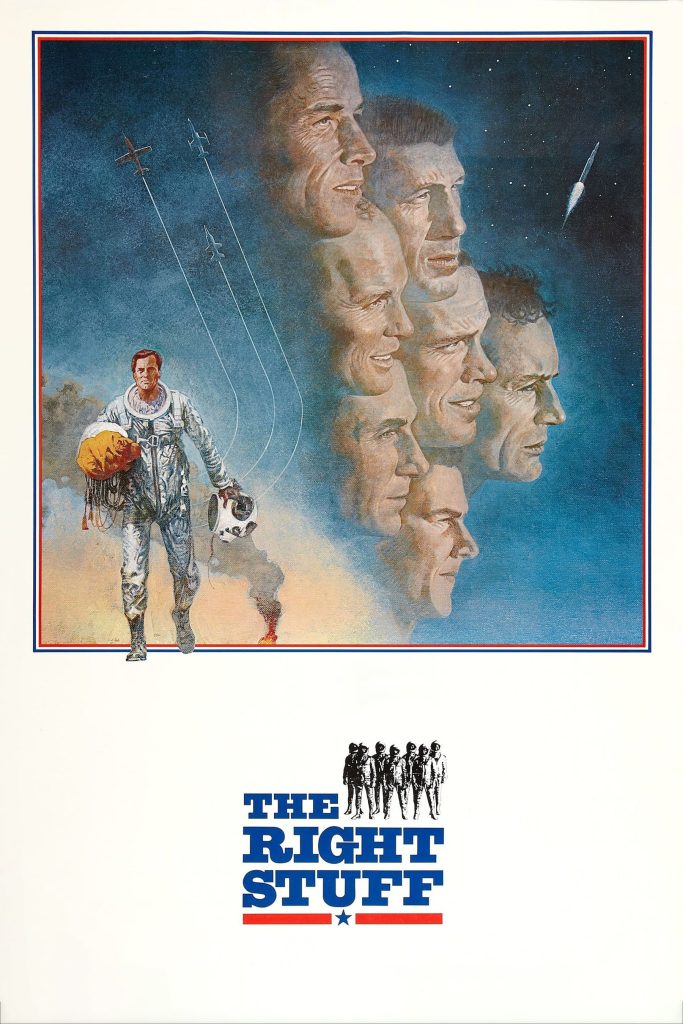
Breaking the sound barrier and the subsequent space program redefined the concept of the modern test pilot. Chuck Yeager not being allowed to join the astronauts offers a stark contrast to the heavily publicized orbital missions.
“Selma” (2014)
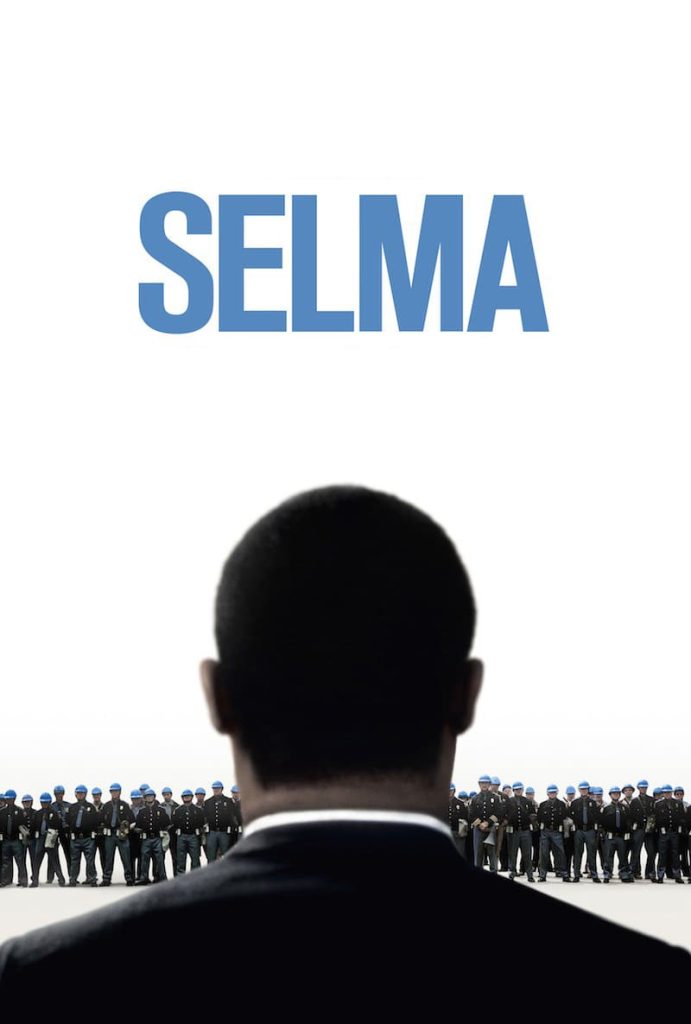
Martin Luther King Jr and his campaign to secure equal voting rights culminates in a historic march. The film captures the strategic maneuvering required to force legislative change under the threat of immense violence. It effectively demystifies a towering historical figure into a tactical leader carrying the weight of a movement.
“All the President’s Men” (1976)
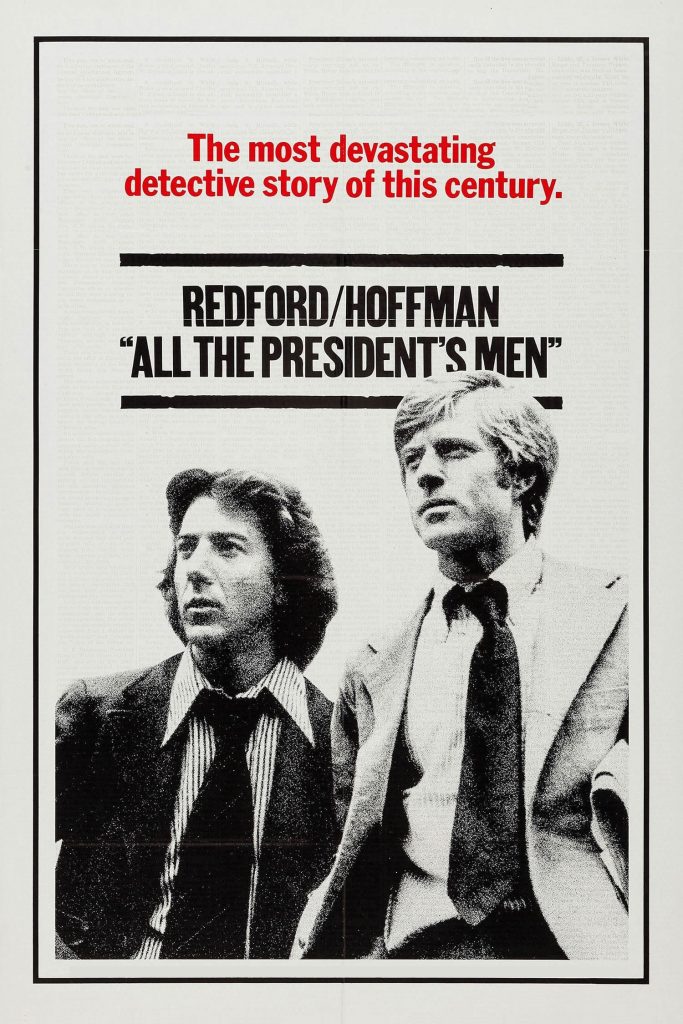
Uncovering the Watergate scandal is brought to the screen with a razor sharp focus on journalistic procedure. Robert Redford and Dustin Hoffman embody the relentless drive of the reporters who followed a financial paper trail. Director Alan J Pakula used split focus diopters to keep both the reporters and the background office dynamics in sharp clarity. The production even replicated the newspaper offices using authentic desk debris from the actual journalists.
“Saving Private Ryan” (1998)
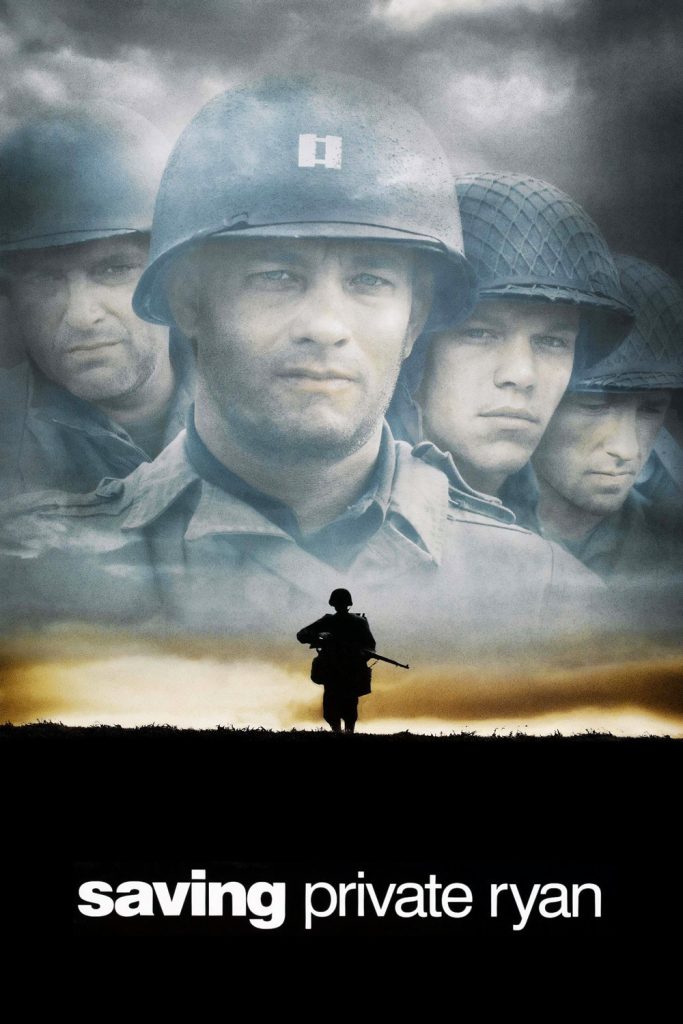
Sharing the director’s chair with “Schindler’s List”, Steven Spielberg utilized desaturated colors to mimic the chaotic perspective of a frontline soldier. Many military veterans noted that the intense sound design perfectly captured the terrifying reality of incoming fire.
“Gandhi” (1982)
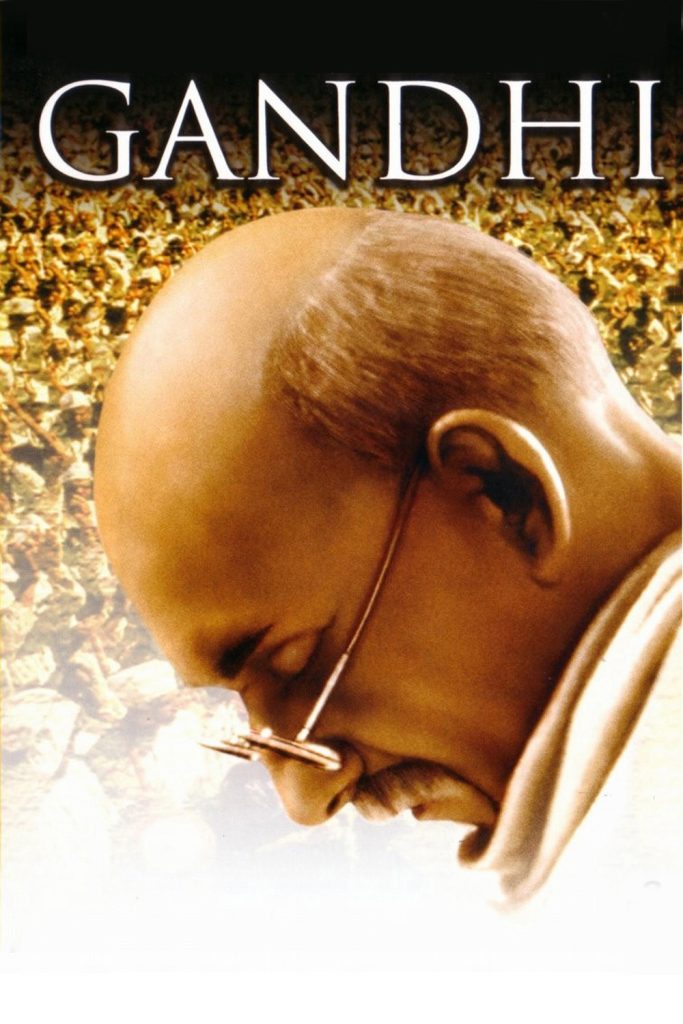
Spanning decades, the life of the Indian independence leader shows peaceful resistance against colonial rule. Ben Kingsley underwent a dramatic physical transformation to embody the iconic figure through his various stages of life. The massive funeral scene required hundreds of thousands of extras, setting a record for cinematic crowd coordination.
“Argo” (2012)
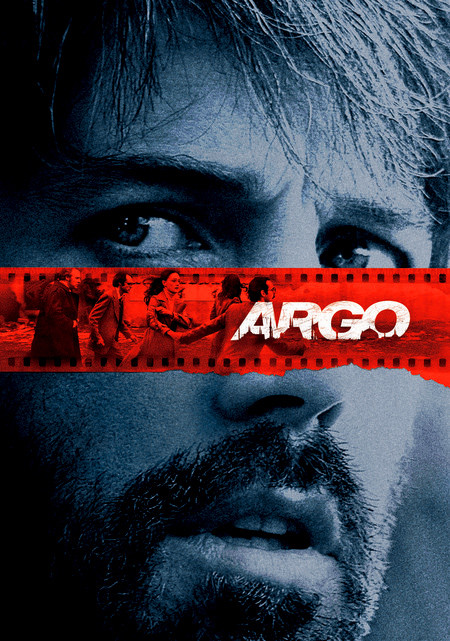
The bizarre true story of extracting American diplomats using a fake sci fi film production sounds too absurd for fiction. Ben Affleck balanced the high stakes political tension of the hostage crisis with the sheer ridiculousness of the cover story. To enhance authenticity, the crew shot the Iran sequences on degraded film stock to mimic seventies news reels. The climactic airport escape sequence ratcheted up the suspense far beyond the actual historical timeline.
“Letters from Iwo Jima” (2006)
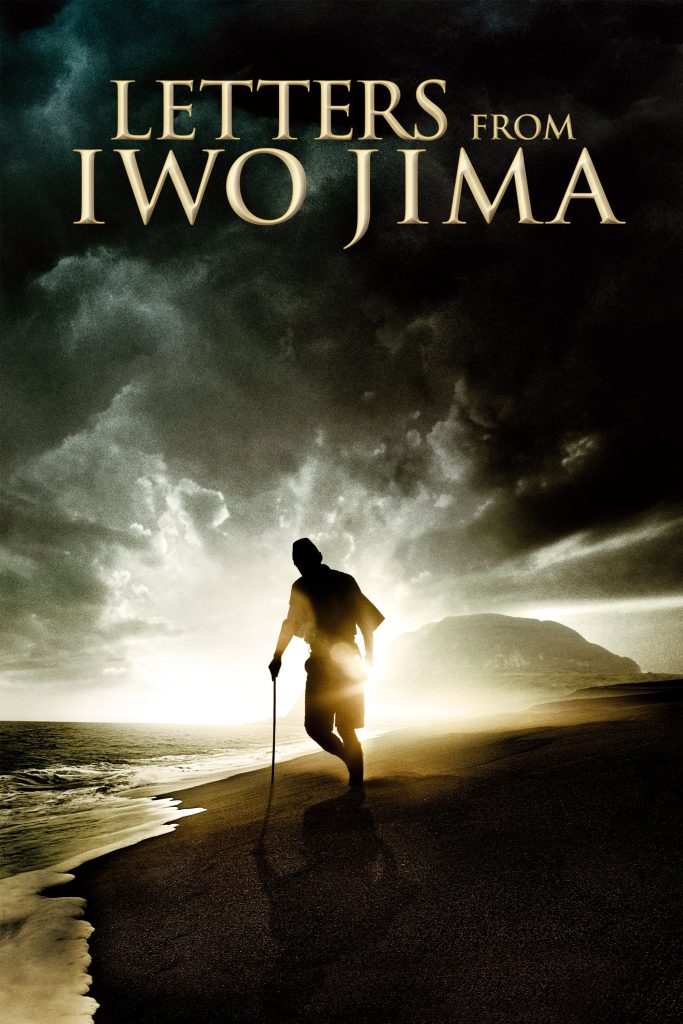
Clint Eastwood directed this companion piece to his own American focused war film, showing the brutal island defense from the Japanese perspective. The stark washed out color palette matches the grim reality of the subterranean bunker combat.
“The King’s Speech” (2010)
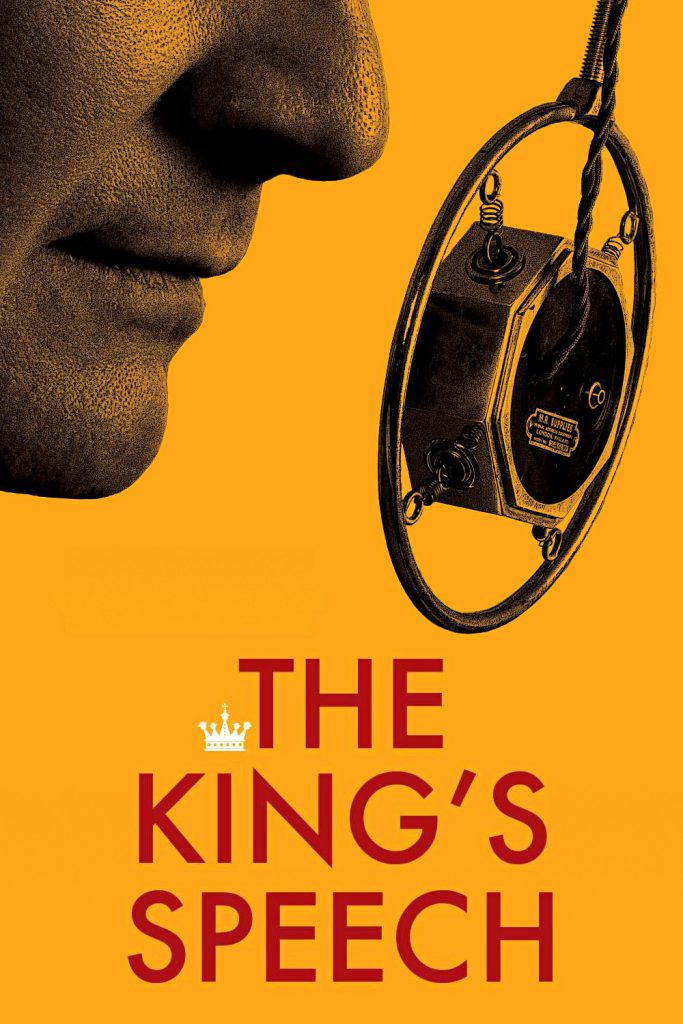
A deeply personal struggle takes center stage as King George VI battles a debilitating stammer right as his country enters a global war. The unorthodox methods of his speech therapist highlight the fragile humanity behind the royal facade. Broadcasting the final wartime address required the monarch to conquer his greatest fear for the sake of national morale.
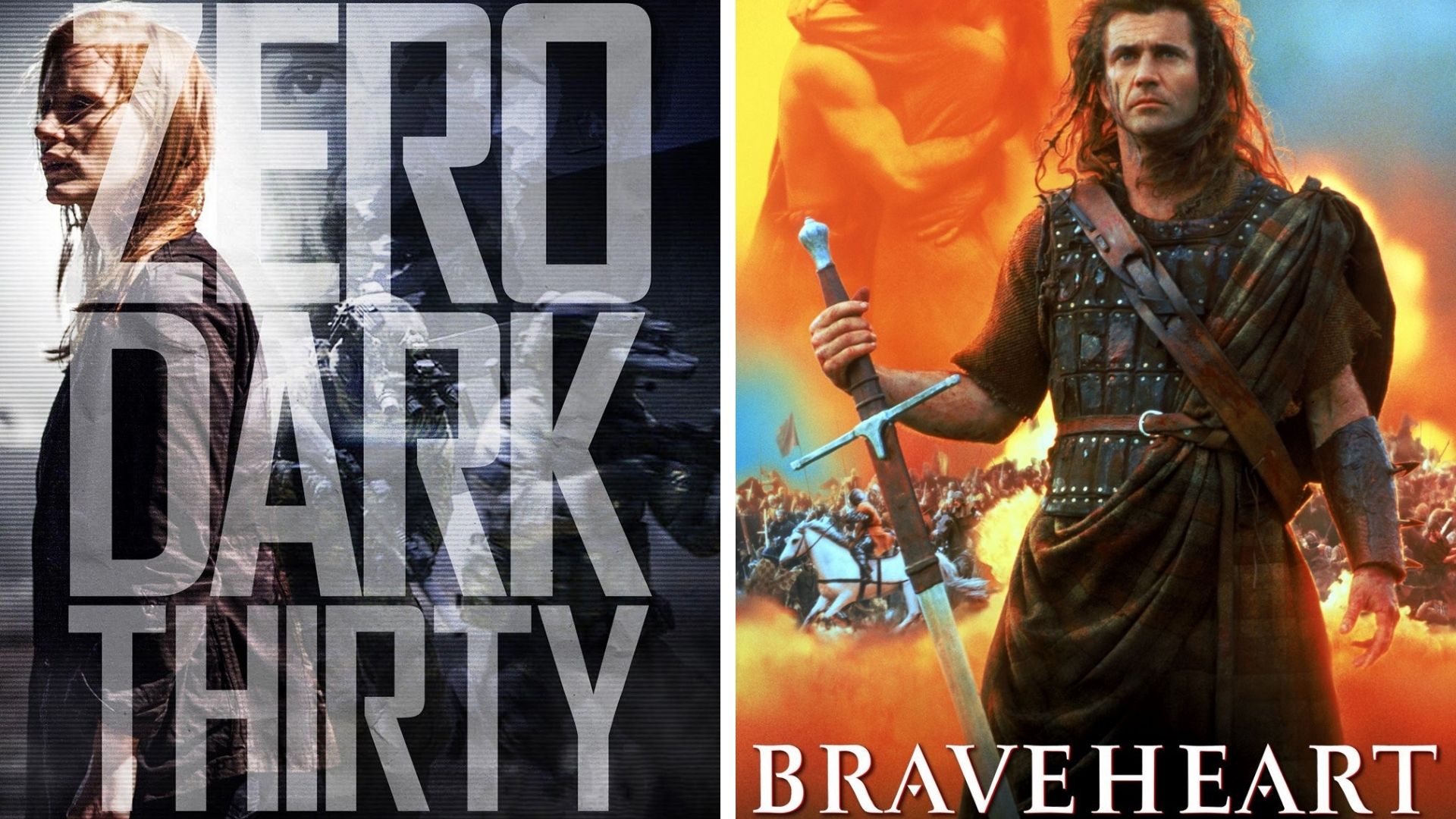
“Zero Dark Thirty” (2012)
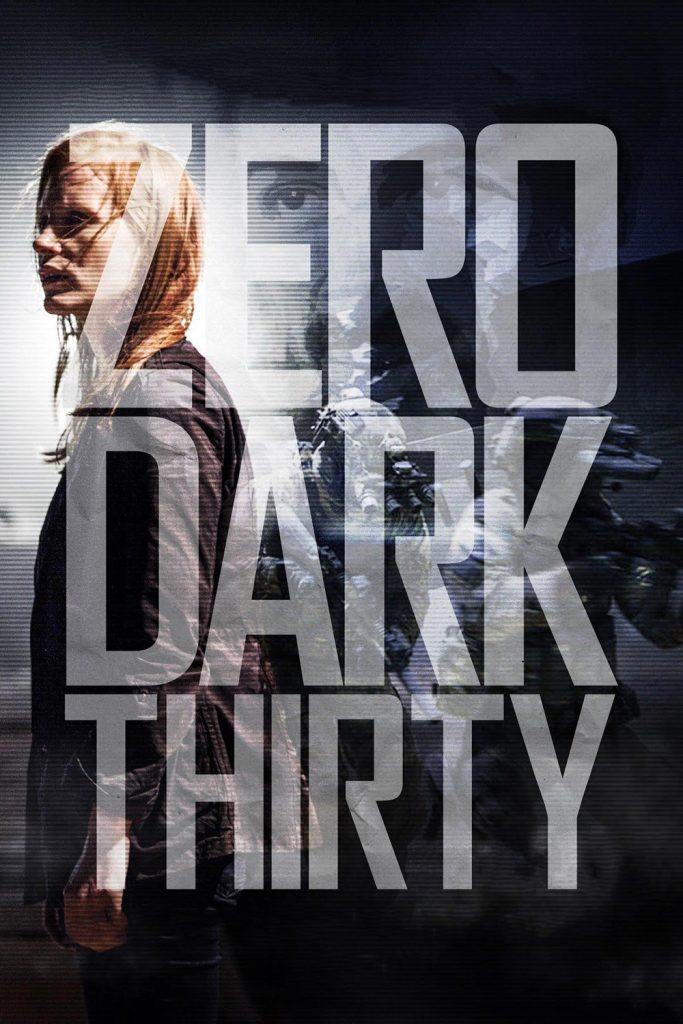
Tracking the hunt for a notorious terrorist is presented as a grueling exercise in intelligence gathering. The narrative pulls no punches regarding the controversial interrogation tactics utilized by covert agencies. The final raid sequence plays out in eerie near real time, devoid of standard action movie heroics. Production designers constructed a to scale replica of the compound in Jordan to map out the exact tactical movements.
“Braveheart” (1995)
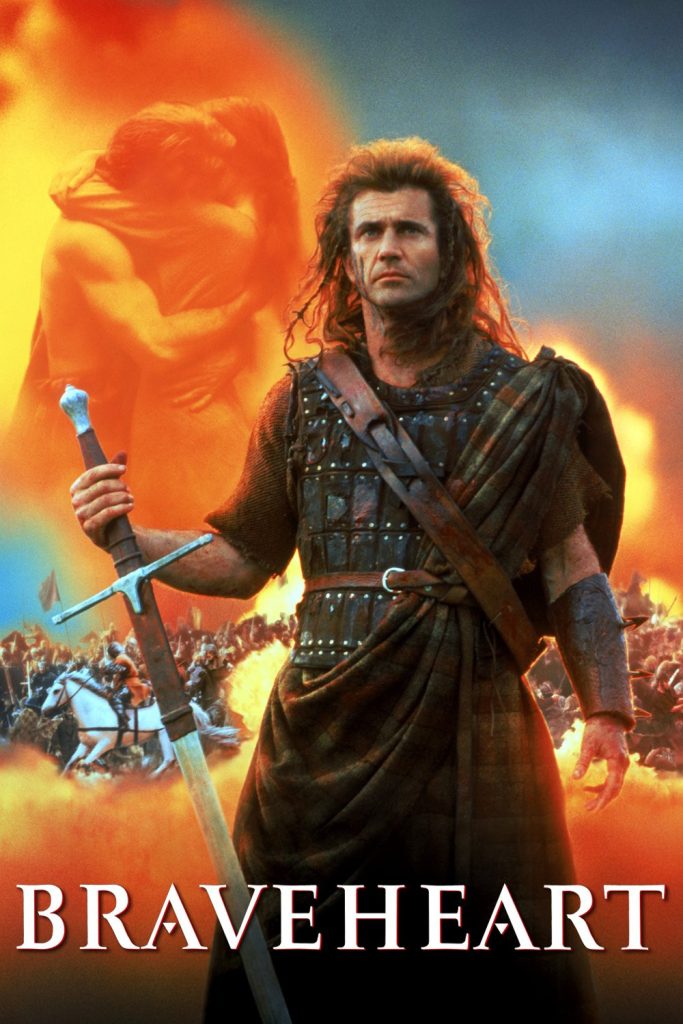
Mel Gibson paints the legendary Scottish rebellion against English rule with massive broadswords and soaring speeches. Costuming the highland warriors in kilts was completely anachronistic for the actual medieval time period, making this epic famously inaccurate but undeniably entertaining.