While textbooks often focus on the most famous generals and decisive victories, the fabric of American military history is woven with the deeds of countless individuals whose names are less known. These soldiers, spies, and pioneers faced overwhelming odds and demonstrated valor in ways that changed the course of various conflicts. This article highlights 30 instances of extraordinary service by those who did not always receive immediate recognition. Their contributions offer a more complete understanding of the diverse legacy within the United States armed forces.
Sybil Ludington
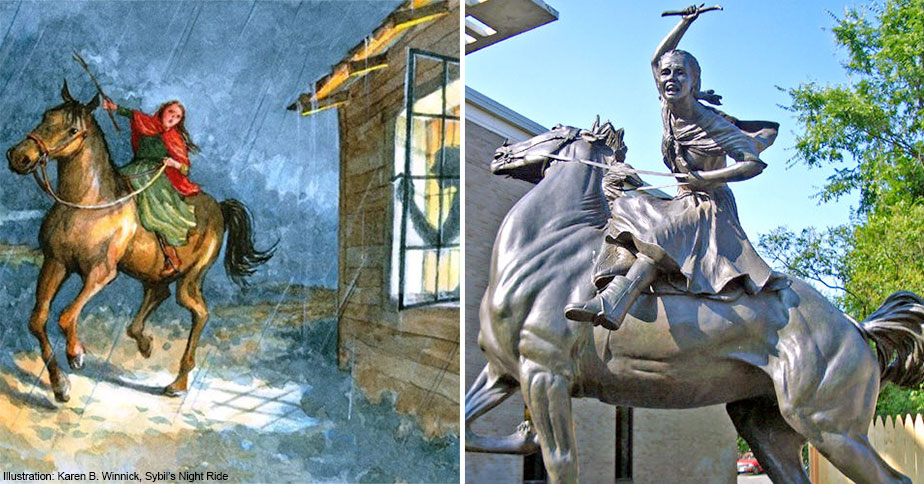
During the Revolutionary War, sixteen-year-old Sybil Ludington rode forty miles to warn militia forces of an imminent British attack. Her journey was significantly longer than the more famous ride of Paul Revere. She managed to gather nearly 400 soldiers to defend Danbury against the enemy. This feat remains one of the most impressive displays of civilian courage in early American history.
Roy Benavidez
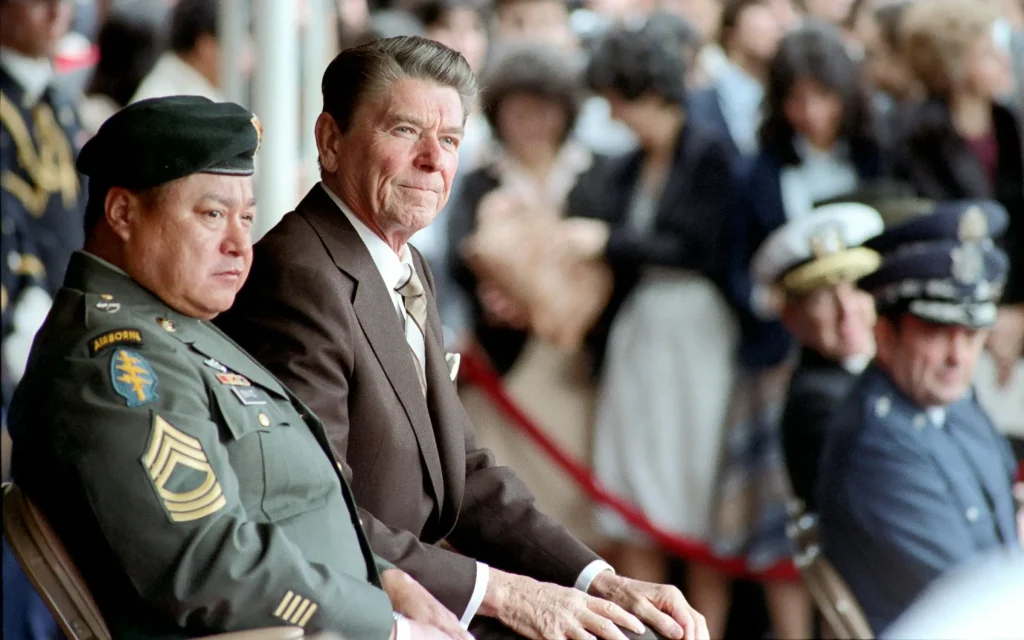
Master Sergeant Roy Benavidez performed a six-hour rescue mission in Vietnam that saved at least eight fellow soldiers. Despite sustaining over 30 wounds from shrapnel and small arms fire, he refused to stop providing medical aid and cover fire. He was so severely injured that he was nearly placed in a body bag before signaling he was still alive. His tenacity earned him the Medal of Honor years later.
Mary Edwards Walker
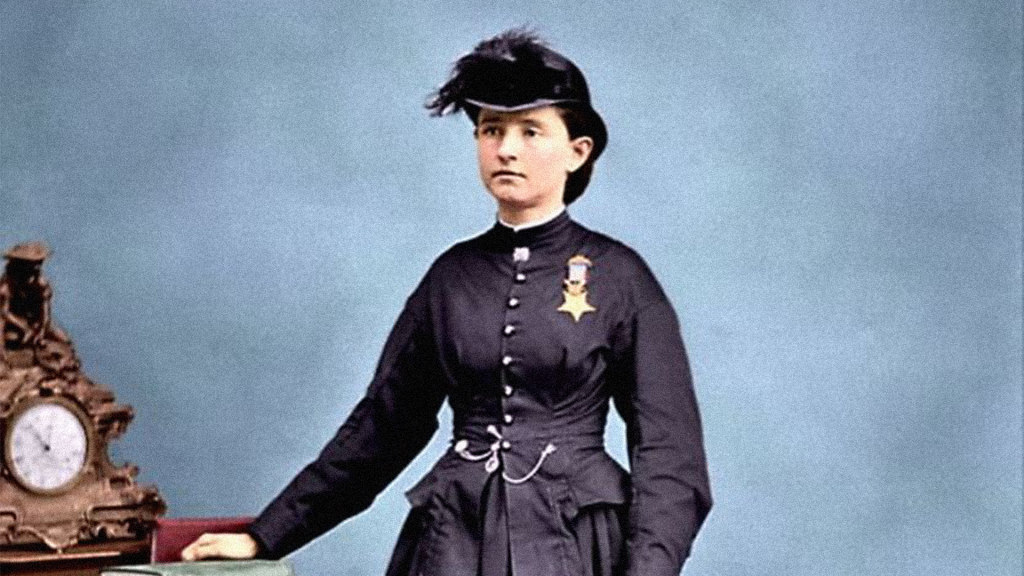
As the first and only woman to receive the Medal of Honor, Mary Edwards Walker served as a surgeon during the American Civil War. She frequently crossed battle lines to treat wounded soldiers and civilians alike. Confederate forces captured her as a spy in 1864, yet she continued to advocate for medical reforms throughout her imprisonment. Her distinction remains a unique milestone in military history.
Henry Johnson
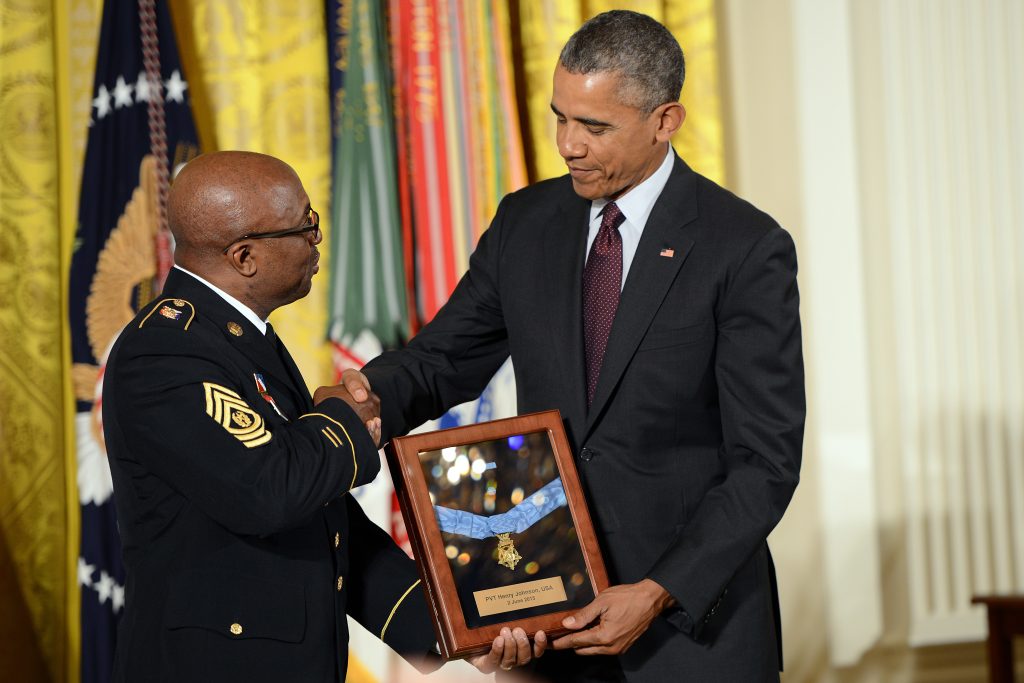
Known as Black Death, Henry Johnson fought off a German raiding party using only a bolo knife after his rifle jammed during World War I. He suffered 21 wounds while preventing a fellow soldier from being captured by the enemy. Although the French military awarded him the Croix de Guerre, he did not receive American recognition until long after his death. His courage is now a symbol of the Harlem Hellfighters’ legacy.
Guy Gabaldon
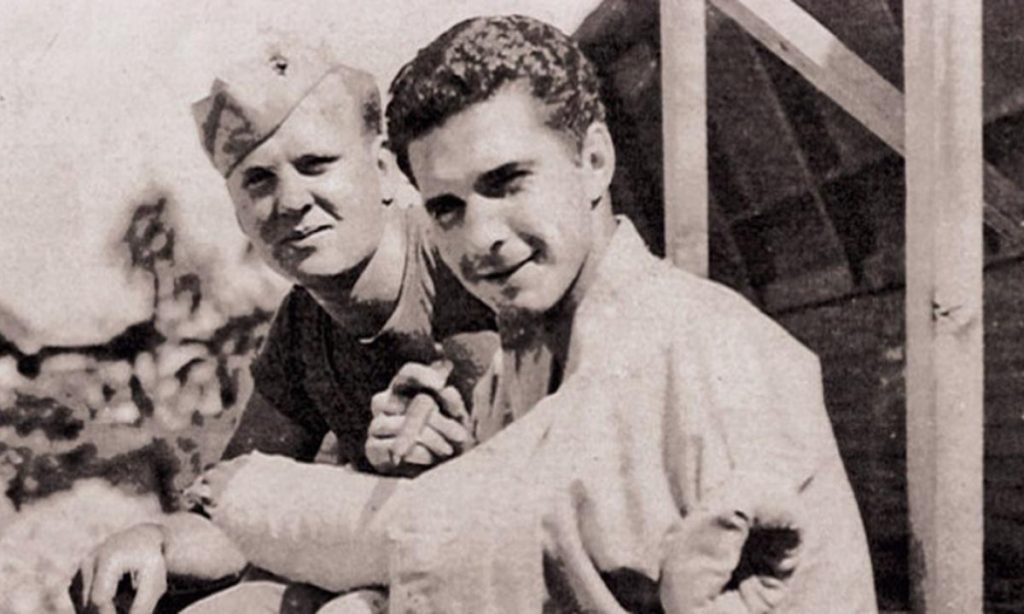
Private First Class Guy Gabaldon used his knowledge of the Japanese language to convince over 1,000 enemy soldiers to surrender during the Battle of Saipan. Operating largely alone, he captured more prisoners than any other individual in United States history. His exploits were later dramatized in the movie “Hell to Eternity”. This unique strategic contribution saved countless lives on both sides of the conflict.
Alwyn Cashe
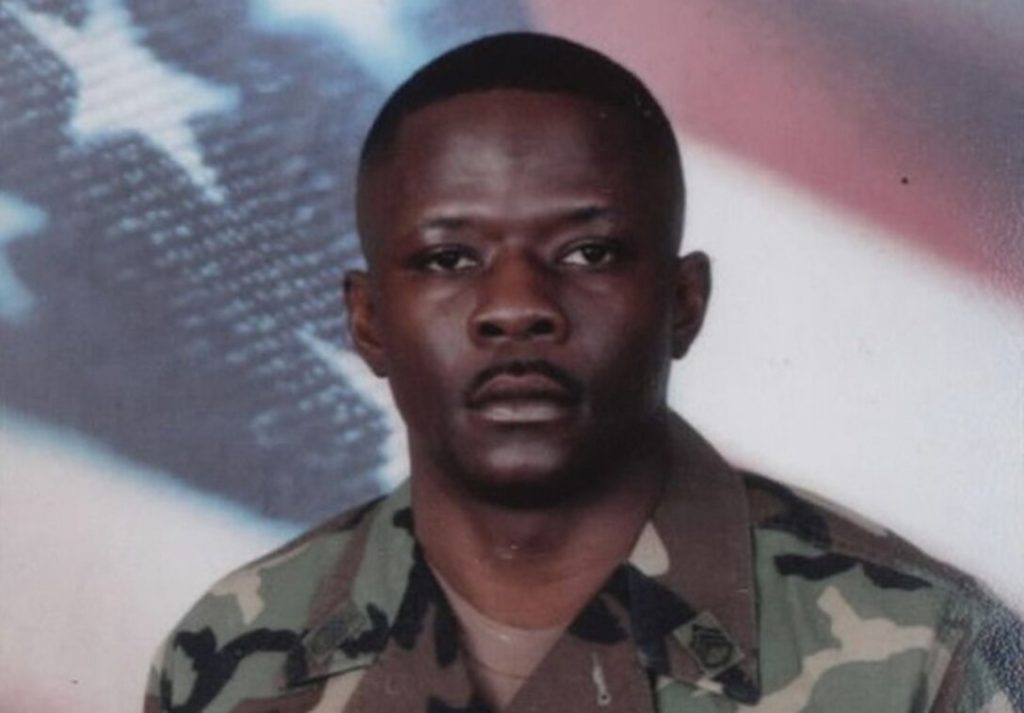
In the midst of the Iraq War, Sergeant First Class Alwyn Cashe repeatedly entered a burning vehicle to pull his fellow soldiers to safety. He did this while his own uniform was soaked in fuel and on fire, resulting in burns over 70 percent of his body. Despite his agony, he prioritized the lives of his team above his own. He was posthumously awarded the Medal of Honor for this incredible act of self-sacrifice.
Deborah Sampson
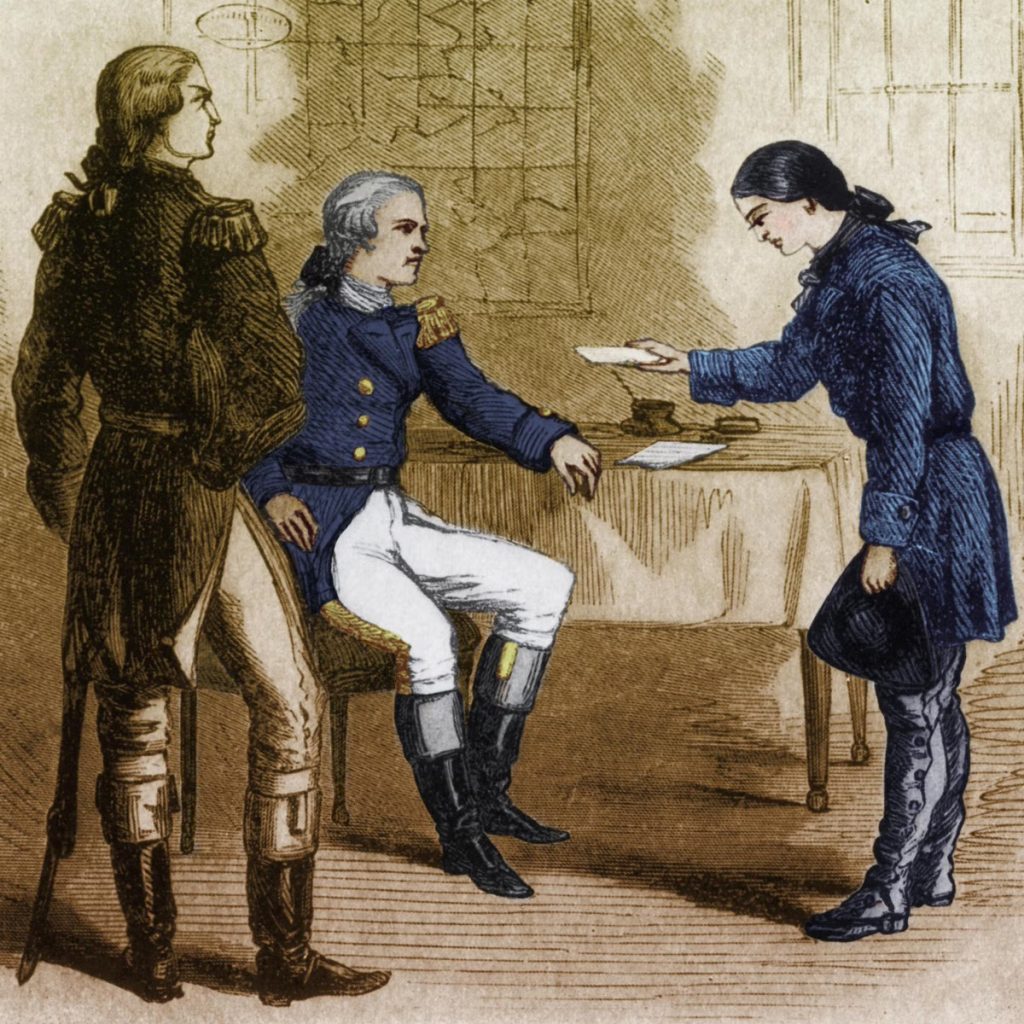
Deborah Sampson disguised herself as a man to serve in the Continental Army for 17 months during the Revolutionary War. She participated in several battles and even removed a musket ball from her own leg to avoid detection by military doctors. After her identity was discovered, she was honorably discharged and later received a pension for her service. She became one of the first women to lecture publicly about her wartime experiences.
Vernon Baker
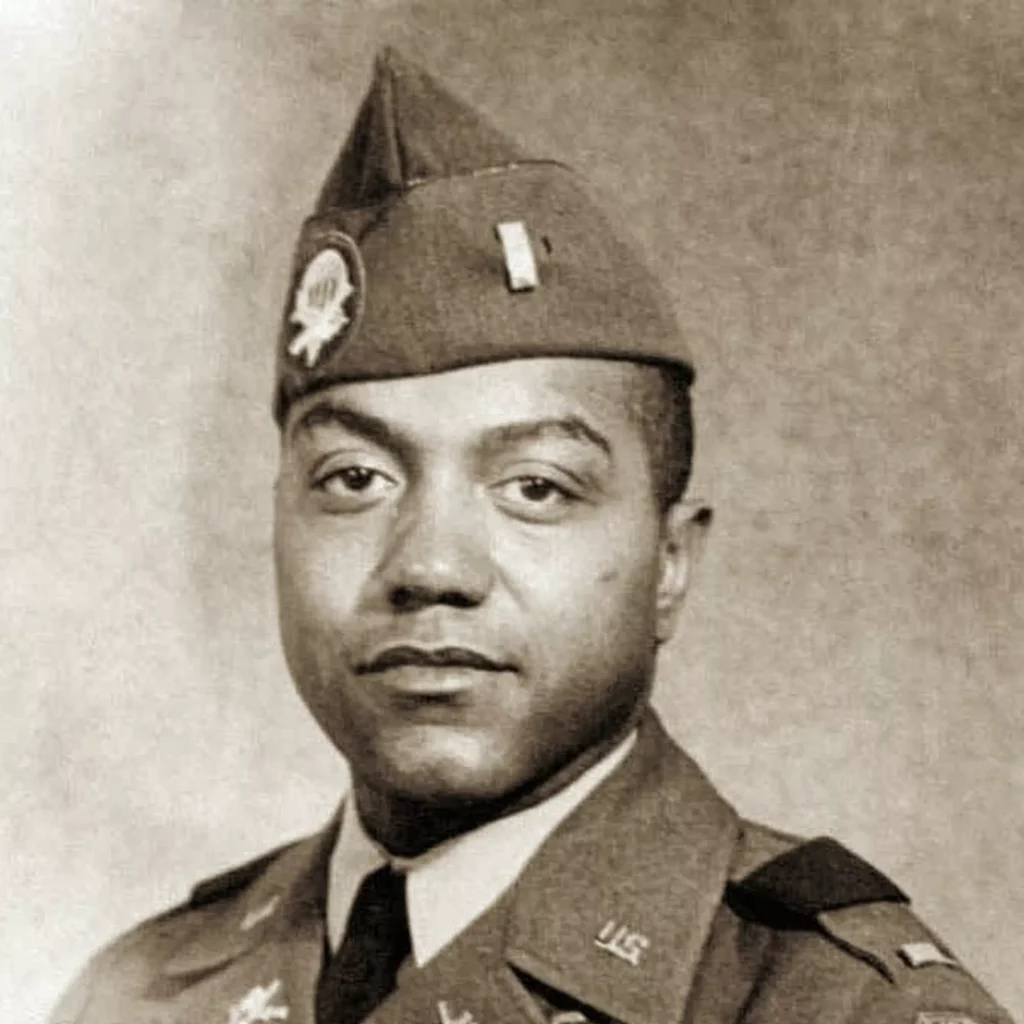
Vernon Baker was one of the few African American officers in the segregated 92nd Infantry Division during World War II. He led a successful assault on a mountain stronghold in Italy, destroying several machine gun nests and a canyon house. His bravery was officially recognized with the Medal of Honor in 1997 after a review of historical records. This correction addressed the initial omission of minority heroes during the war era.
Ben L. Salomon
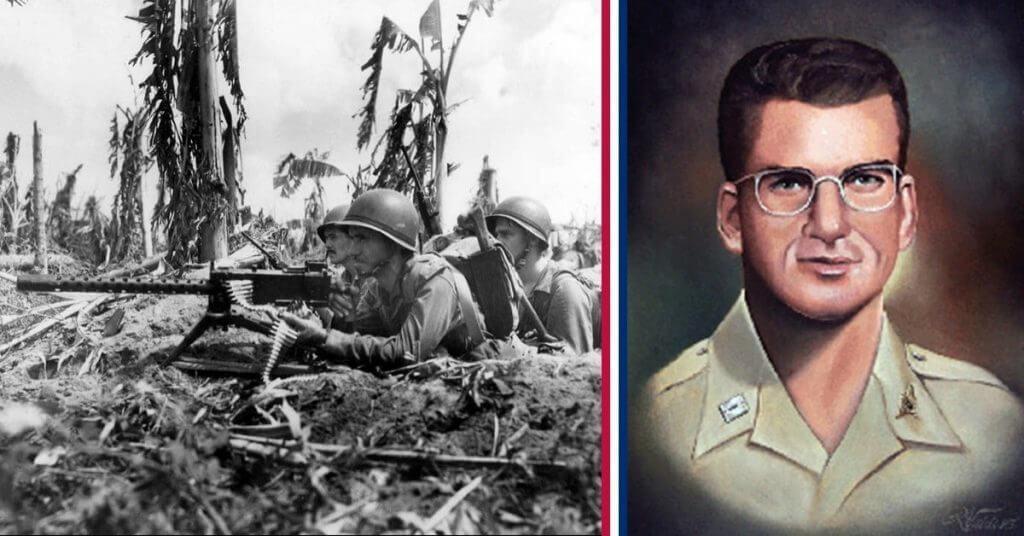
A front-line dentist who successfully defended a field hospital in Saipan, Ben Salomon stayed behind to man a machine gun while the wounded were evacuated. When recovery teams later found his body, they discovered 98 enemy casualties surrounding his position. His actions were deemed a violation of the Geneva Convention at the time because he was medical personnel. He was eventually granted the Medal of Honor when officials realized his combat role was purely defensive.
James Armistead Lafayette
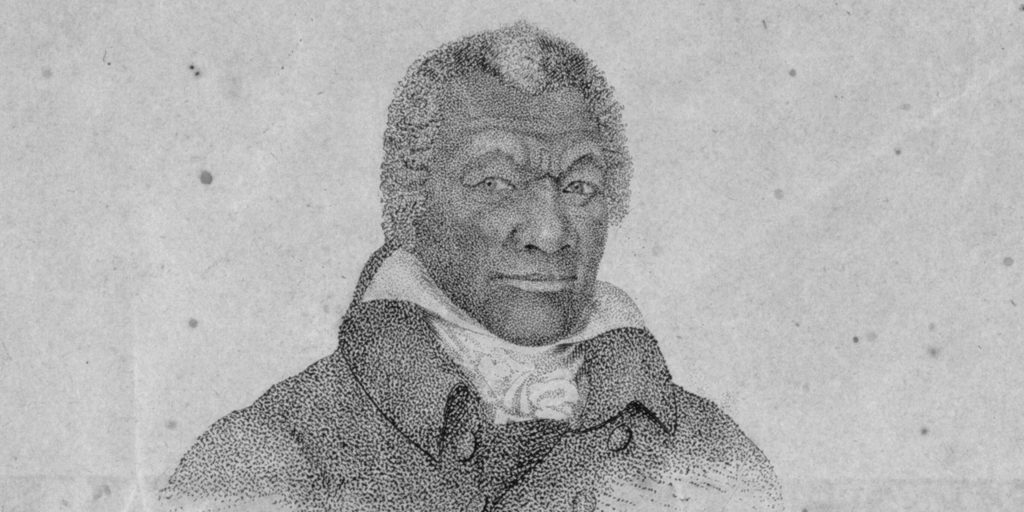
James Armistead was an enslaved man who served as a double agent for the Continental Army during the Revolutionary War. He gained the trust of British General Cornwallis, providing vital intelligence that led to the American victory at Yorktown. After the war, the Marquis de Lafayette supported his petition for freedom. He added Lafayette to his name as a mark of respect for the French general who aided his cause.
Tibor Rubin
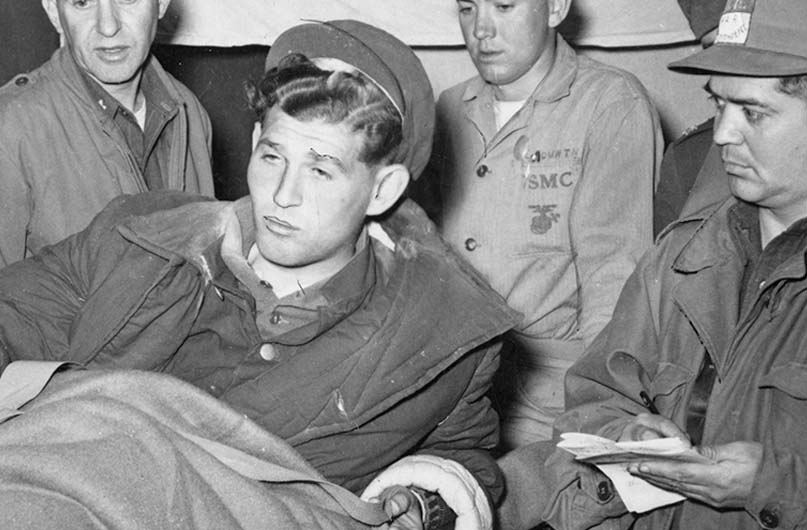
Tibor Rubin, a Hungarian-born Holocaust survivor, joined the U.S. Army and fought in the Korean War. He single-handedly defended a hill for 24 hours against North Korean forces to cover his regiment’s retreat. While in a prisoner of war camp, he repeatedly stole food from enemy stores to keep his fellow soldiers alive. His resilience was a direct result of his experiences surviving concentration camps during World War II.
Frank Luke Jr.
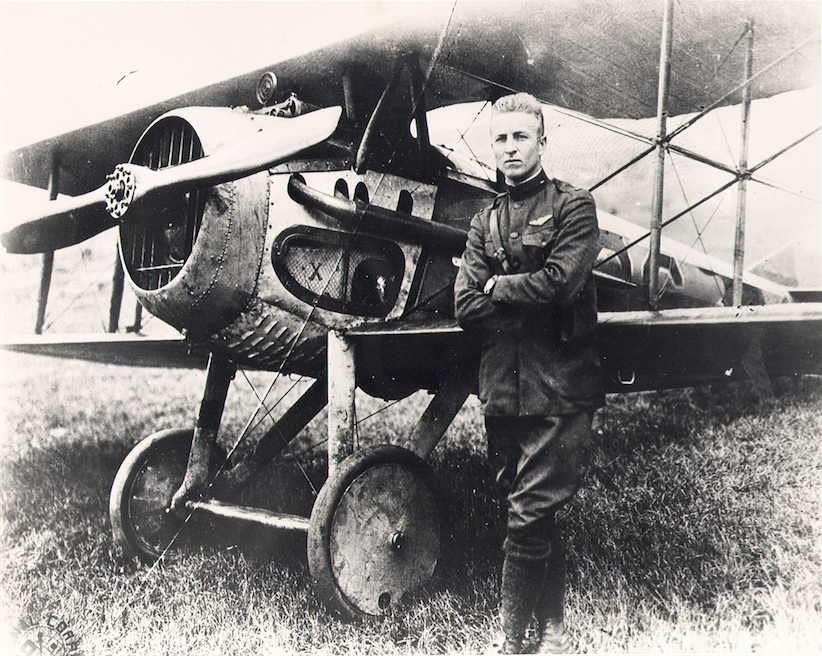
Known as the Arizona Balloon Buster, Frank Luke Jr. was a pilot in World War I who specialized in destroying German observation balloons. These missions were notoriously dangerous due to the heavy anti-aircraft fire and enemy fighters protecting the targets. He was the first American airman to receive the Medal of Honor posthumously. His aggressive flying style made him a legend among early combat pilots.
Doris Miller
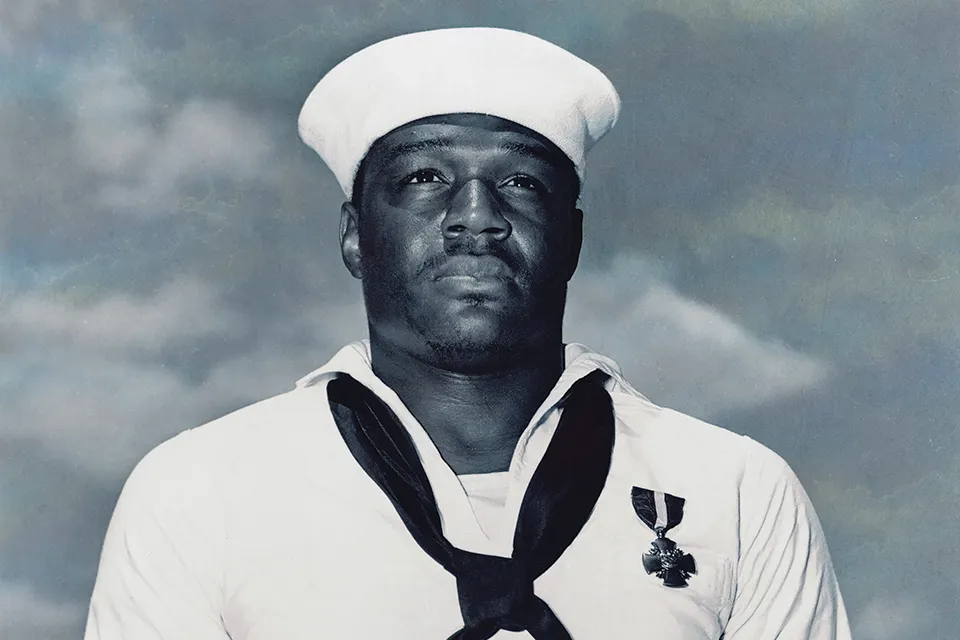
During the attack on Pearl Harbor, Doris Miller moved his wounded captain to safety before manning an anti-aircraft machine gun. Despite having no formal training on the weapon, he successfully fired at attacking planes until his ship began to sink. He was the first African American to be awarded the Navy Cross for his bravery. Miller remains a celebrated figure in the history of the United States Navy.
Cathay Williams
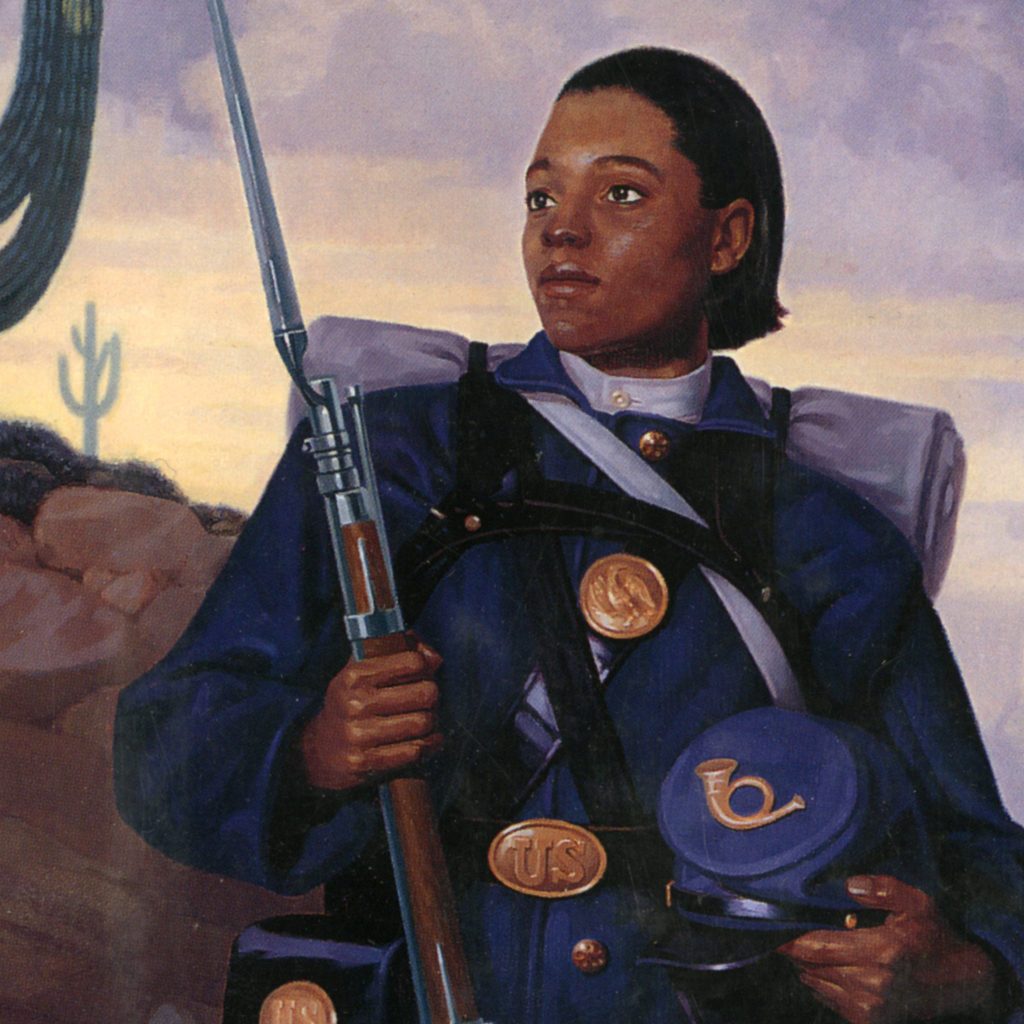
Cathay Williams enlisted in the United States Regular Army under the pseudonym William Cathay to serve as a Buffalo Soldier. She is the only woman documented to have served in this capacity while disguised as a man. Her secret was only discovered after she contracted smallpox and required a medical discharge. Williams lived the remainder of her life under her true identity, having challenged the gender norms of the frontier military.
Douglas Munro
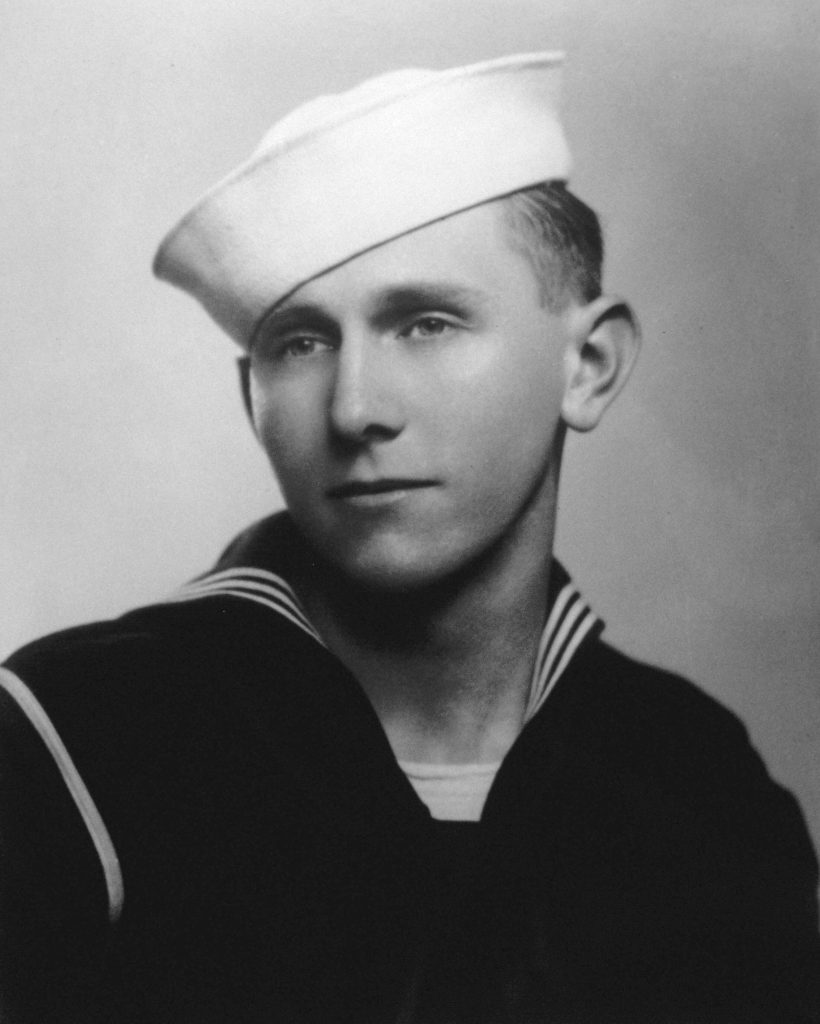
Signalman First Class Douglas Munro remains the only member of the United States Coast Guard to receive the Medal of Honor. He volunteered to lead a rescue mission for 500 Marines trapped at Guadalcanal, using his boat as a shield against enemy fire. He was fatally wounded while ensuring the last of the Marines reached safety. His legacy continues to be honored within the Coast Guard through the naming of various vessels.
Rodger Young
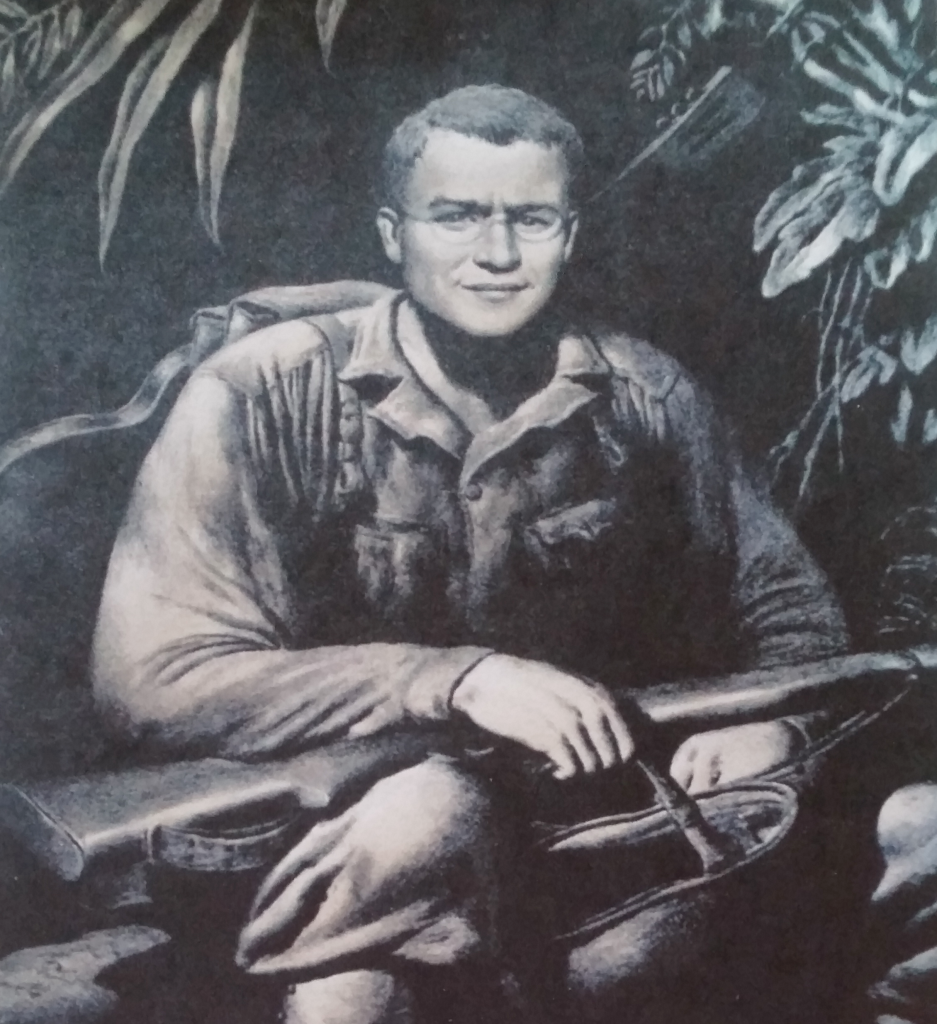
Private Rodger Young intentionally drew enemy fire to allow his platoon to withdraw safely during a battle in the Solomon Islands. Despite being wounded early in the encounter, he continued to crawl toward a Japanese machine gun position to destroy it. His sacrifice inspired a popular wartime ballad and even influenced characters in science fiction media. He is remembered for placing the lives of his comrades above his own safety.
Peter Salem
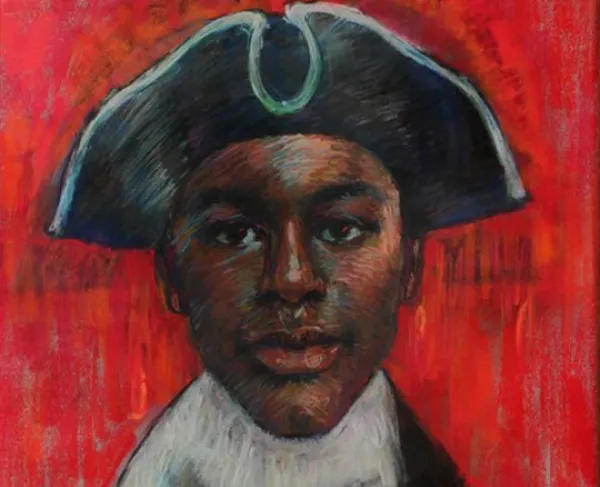
Peter Salem was an African American who fought at the Battle of Bunker Hill after being granted freedom to enlist. He is widely credited with shooting British Major John Pitcairn, which provided a momentary boost in morale for the American forces. Salem continued to serve in the Continental Army through several major engagements. He eventually became a local hero in Massachusetts after the war concluded.
Freddie Stowers
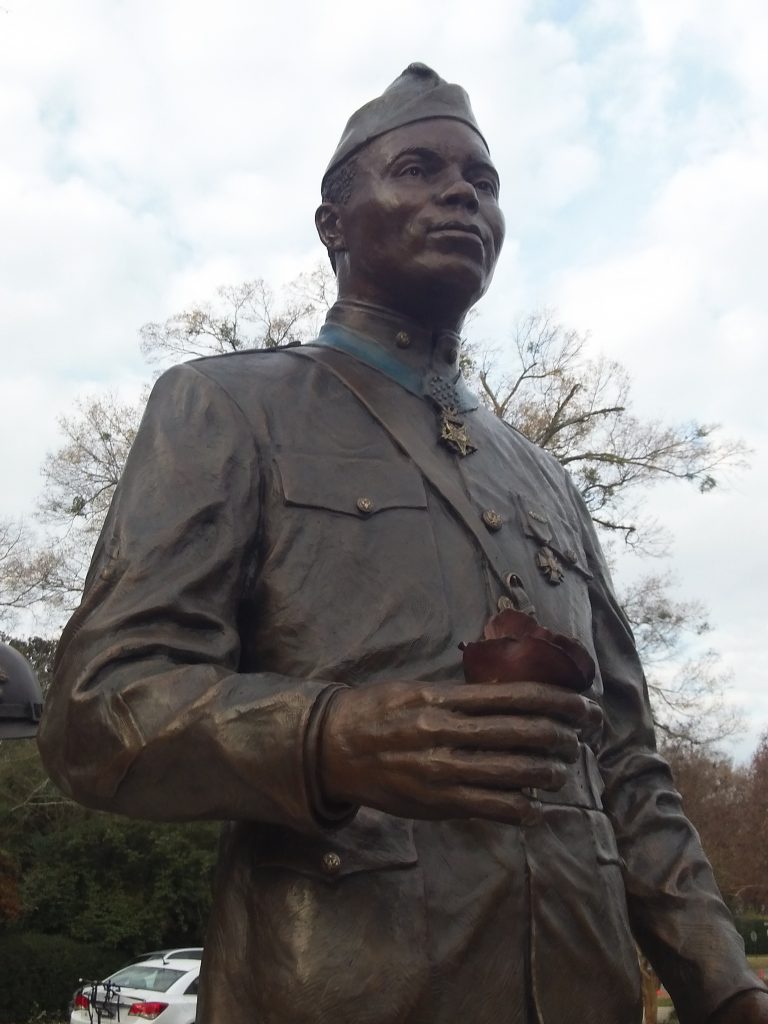
Corporal Freddie Stowers led his platoon against a German hill position in World War I despite being mortally wounded. He continued to encourage his men to advance until he finally succumbed to his injuries in the heat of battle. His actions were finally recognized with the Medal of Honor decades after the conflict ended. Stowers was the only African American soldier from World War I to receive this honor.
Ed Freeman
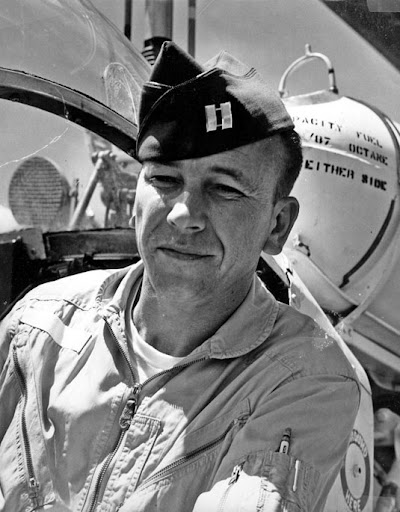
Ed Freeman flew 14 separate missions into a heavily contested landing zone in the Ia Drang Valley to deliver supplies. He also used his unarmed helicopter to evacuate wounded soldiers while the area was under intense enemy fire during the Vietnam War. His courage during one of the bloodiest battles of the conflict was later depicted in the book and movie “We Were Soldiers”. He lived to receive the Medal of Honor in 2001.
Hazel Ying Lee
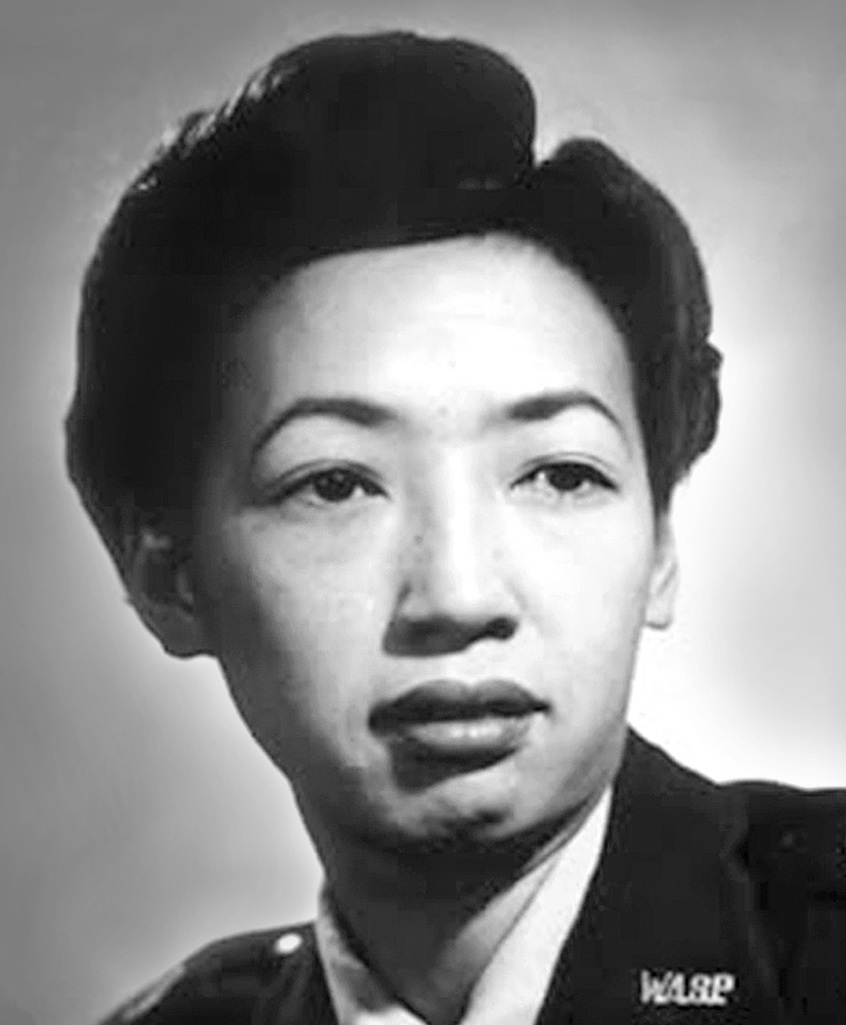
Hazel Ying Lee was the first Chinese American woman to fly for the United States military as part of the Women Airforce Service Pilots (WASP). She ferried over 70 different types of aircraft from factories to airfields during World War II. Her service paved the way for future generations of Asian American pilots in the armed forces. She was one of the few women pilots to die in the line of duty during the war.
Ernest Childers
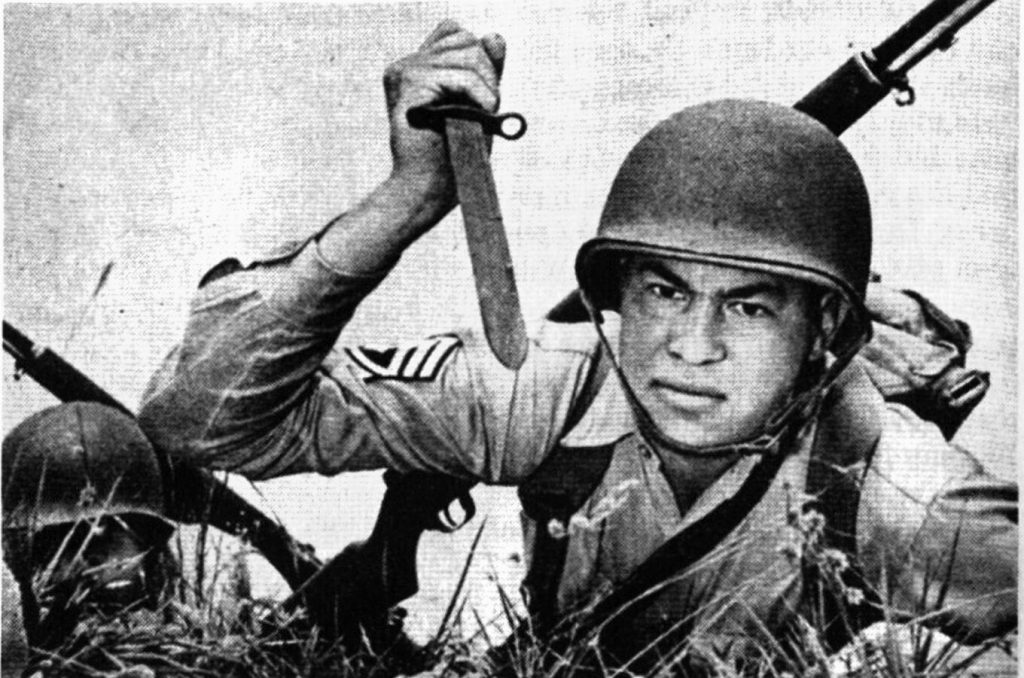
Ernest Childers, a Muscogee (Creek) Nation citizen, was the first Native American to receive the Medal of Honor in the 20th century. During the invasion of Italy, he advanced alone to eliminate several enemy machine gun nests and snipers. His actions were critical in allowing his battalion to continue their advance toward Rome. He remained an active leader in the military community for the rest of his life.
Michael Monsoor
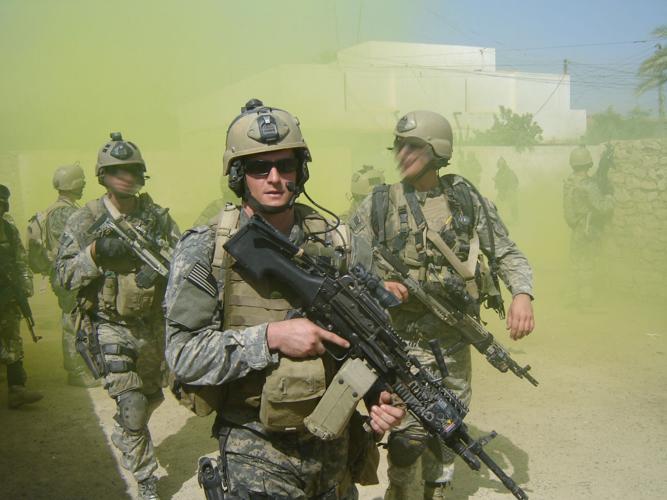
Navy SEAL Michael Monsoor was providing security in Ramadi when a grenade was thrown into his sniper position. He was the only person with an exit path, but he chose to fall on the explosive to protect his teammates. His sacrifice saved the lives of two other SEALs who were in the immediate vicinity. A destroyer was later named in his honor to commemorate his final act of bravery.
Sadao Munemori
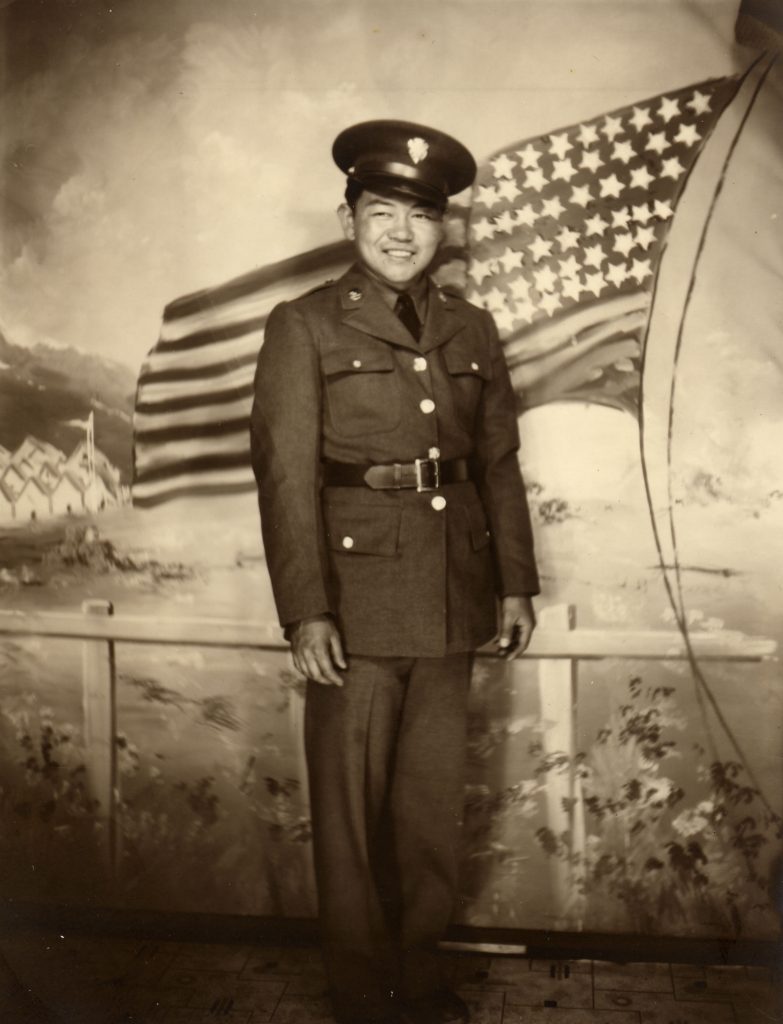
Private First Class Sadao Munemori served with the 442nd Regimental Combat Team, a unit composed of Japanese Americans. During a battle in Italy, he dove onto a grenade to save his squad members after it bounced off his helmet. He was the only Japanese American to receive the Medal of Honor immediately following World War II. His actions highlighted the loyalty and courage of his unit during a time of significant prejudice.
Robert G. Cole
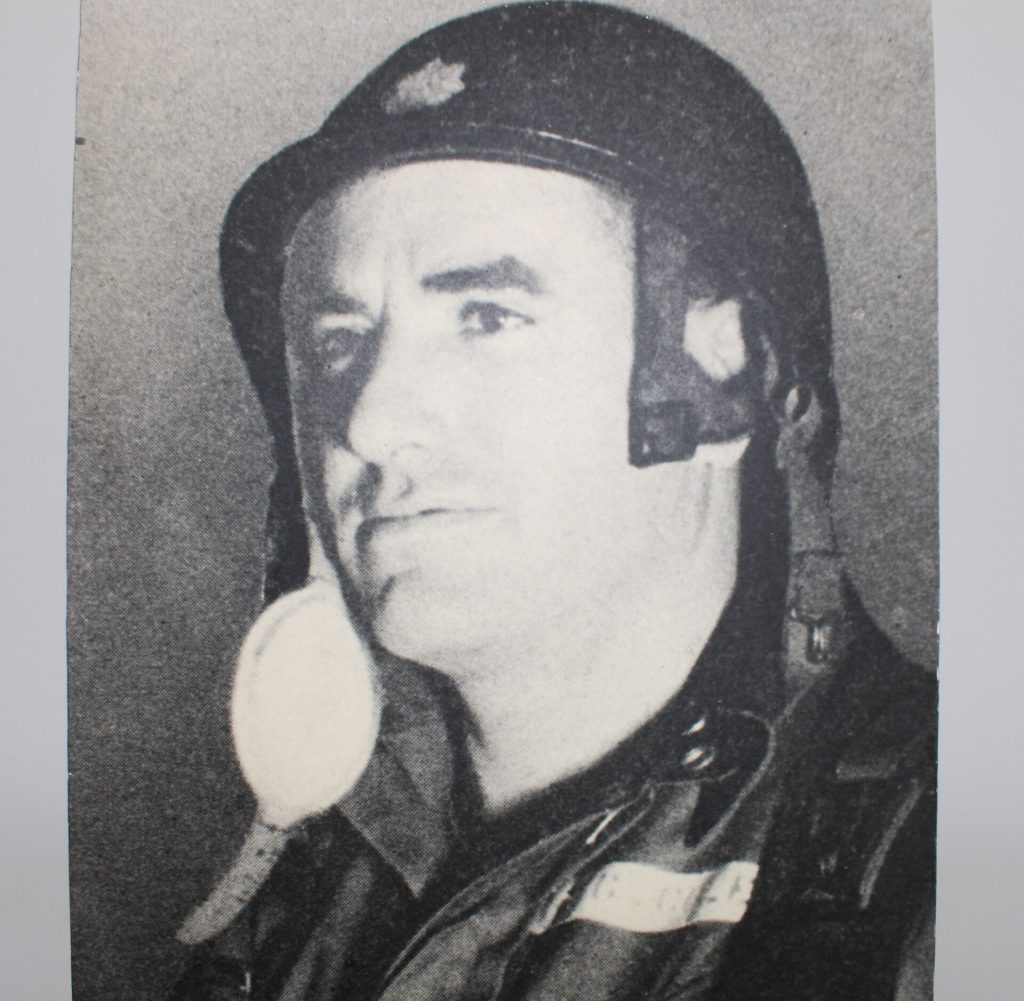
Lieutenant Colonel Robert G. Cole led a famous bayonet charge on a farmhouse near Carentan during the Normandy landings. This aggressive maneuver forced the retreat of a superior German force and secured a strategic bridgehead for the Allies. He was killed in action in the Netherlands before he could officially receive his Medal of Honor. His leadership is still studied in military tactical courses today.
James Anderson Jr.
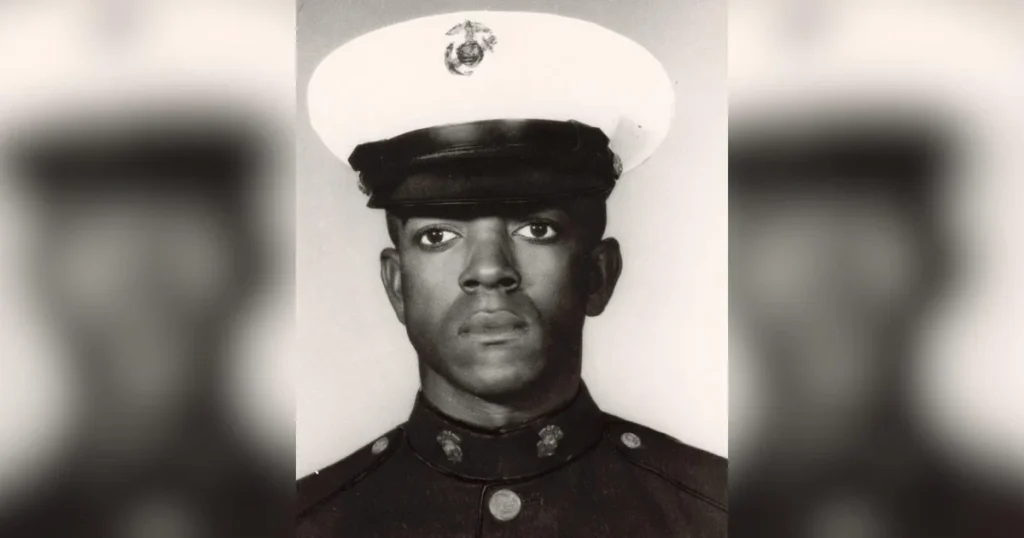
Private First Class James Anderson Jr. became the first African American Marine to be awarded the Medal of Honor. During a patrol in Vietnam, he threw himself onto a grenade that landed in the middle of his platoon’s position. This selfless act saved the lives of nearly a dozen Marines who were standing nearby. His heroism is a cornerstone of Marine Corps history.
Benjamin O. Davis Jr.
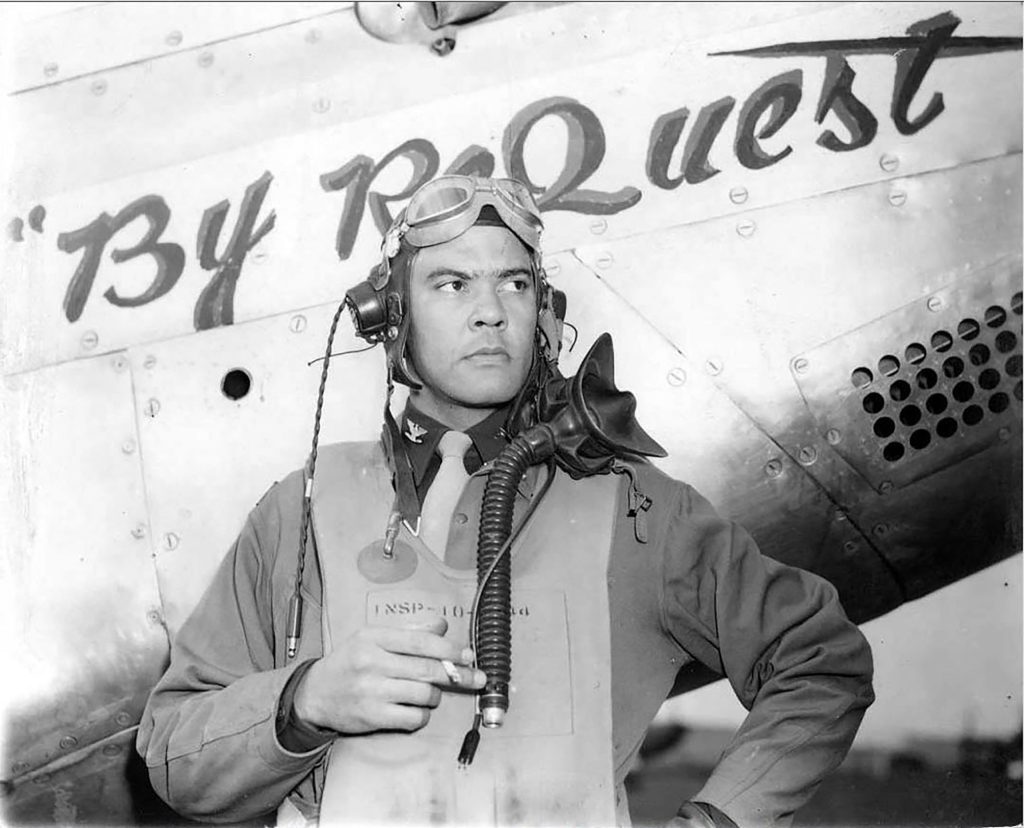
As the commander of the Tuskegee Airmen during World War II, Benjamin O. Davis Jr. led his unit to an impressive record of bomber protection. He faced significant institutional racism throughout his career but eventually became the first African American general in the U.S. Air Force. His leadership was a primary factor in the eventual desegregation of the American military. He continued to advocate for equal opportunity in aviation for decades.
Alexander Jefferson
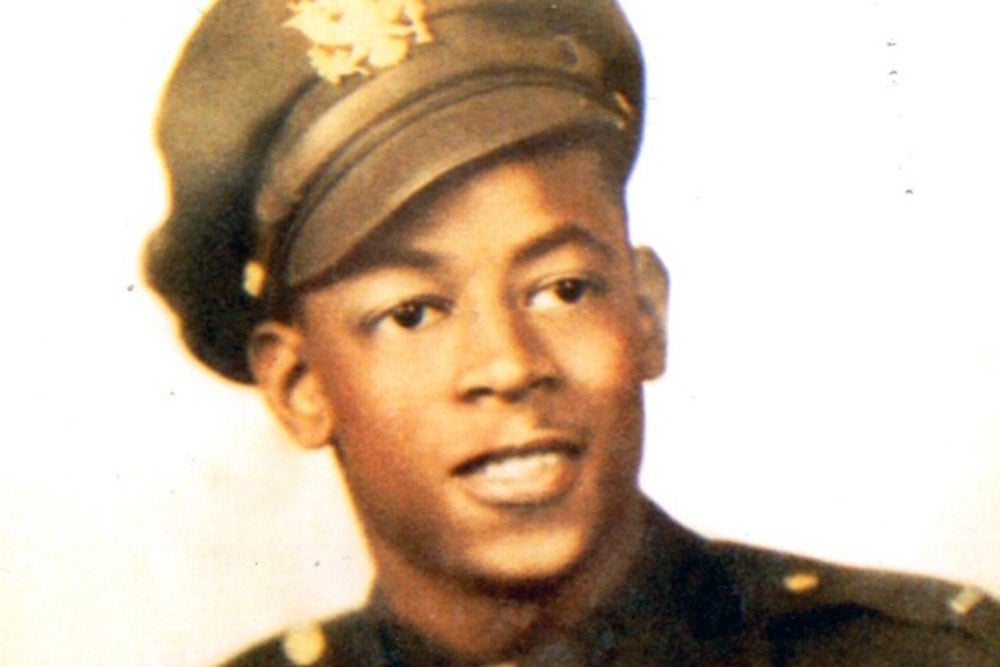
Alexander Jefferson was a member of the Tuskegee Airmen who was shot down over Germany and spent nine months as a prisoner of war. While in the camp, he kept a secret diary and sketches that provided a rare visual record of POW life. He eventually returned home to a career as a dedicated educator and civil rights advocate. His book “Red Tail Captured, Red Tail Free” documents these harrowing experiences.
George Watson
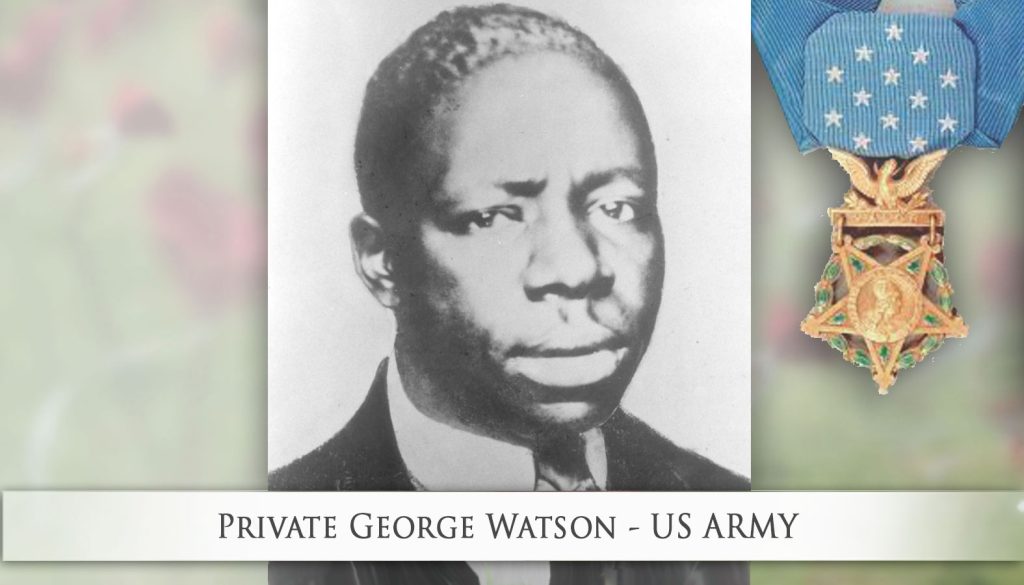
Private George Watson was on a troopship in the Pacific when it was attacked by Japanese bombers during World War II. He spent several hours in the water helping his fellow soldiers reach life rafts despite being unable to swim well himself. He eventually drowned from exhaustion after ensuring his comrades were safe. His bravery was recognized posthumously with the Distinguished Service Cross and later the Medal of Honor.
Marcelino Serna
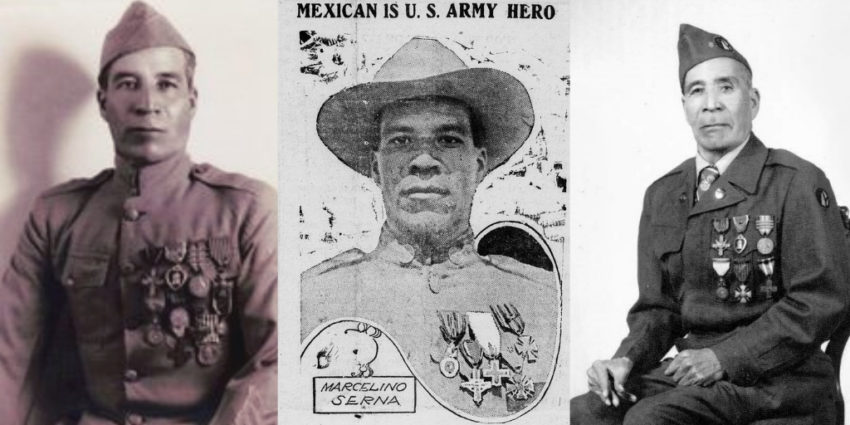
Marcelino Serna became the most decorated soldier from Texas in World War I after single-handedly capturing 24 German soldiers. Despite his incredible record, he was never awarded the Medal of Honor during his lifetime. Many historians attribute this omission to his status as a Mexican immigrant who was not yet a citizen. He remains a celebrated figure in Hispanic military history for his individual combat prowess.
Joseph Medicine Crow
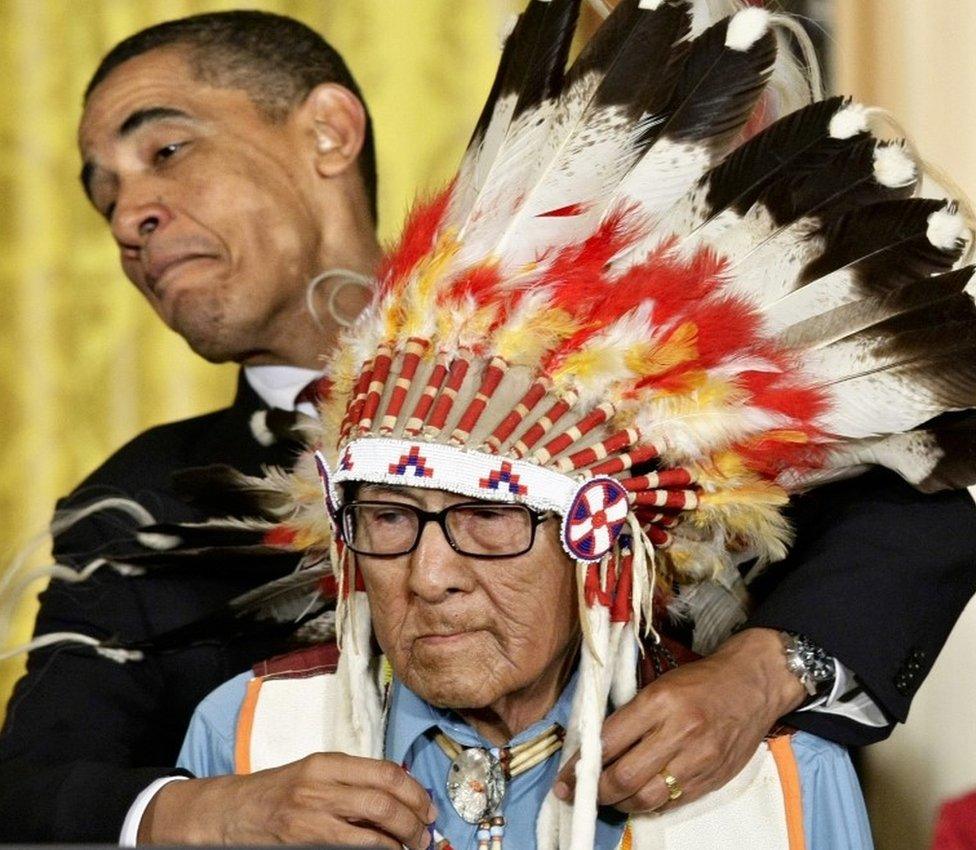
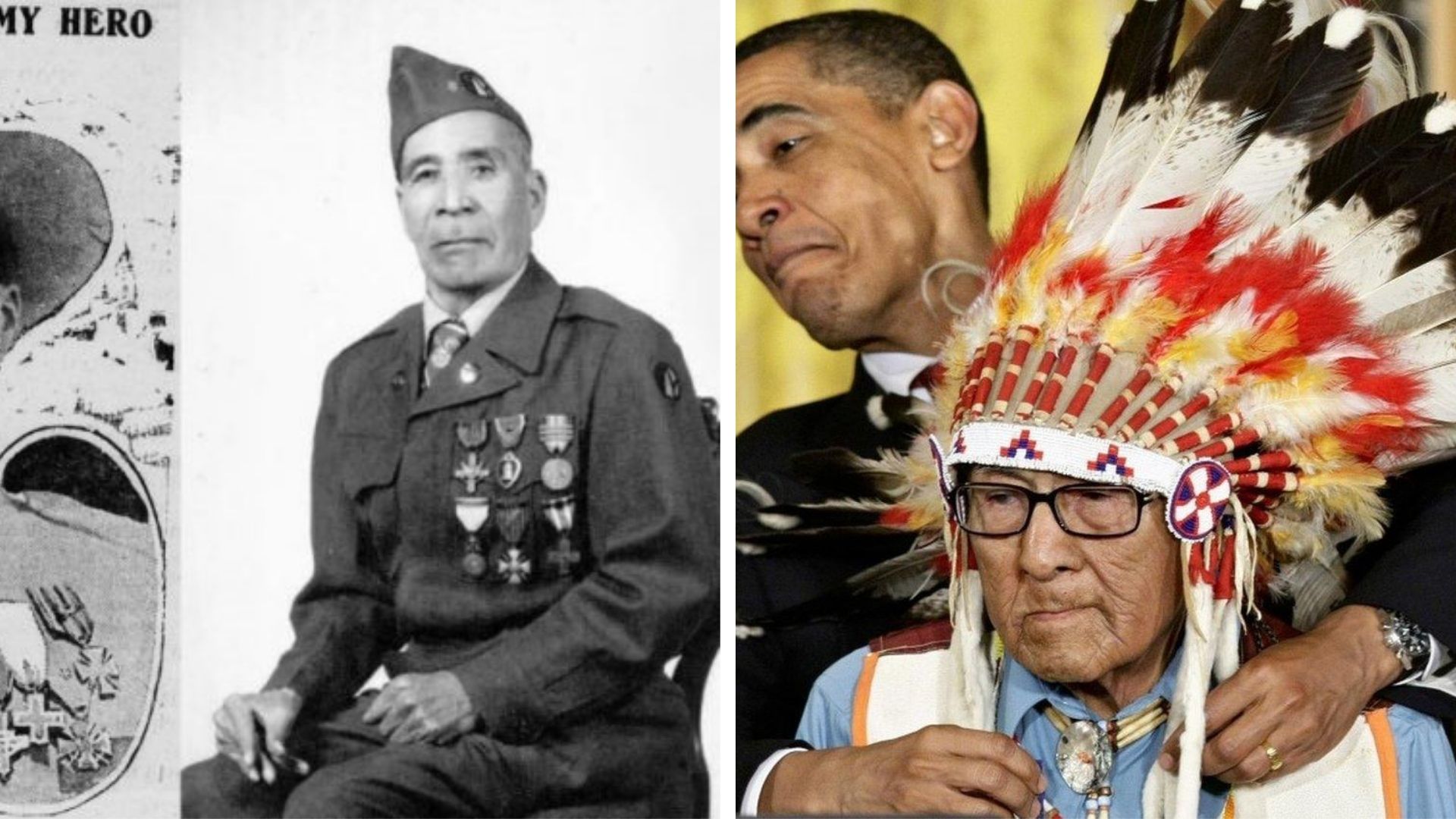
During World War II, Joseph Medicine Crow completed the four traditional requirements to become a Crow war chief while fighting in the European theater. He successfully touched an enemy soldier, stole their weapon, led a successful war party, and even stole fifty horses from an SS stable. This remarkable achievement made him the last traditional war chief of the Crow Nation. His story is often cited as one of the most incredible cross-cultural military feats of the modern era.