Some performances are so good they become a problem. The actor disappears so completely into a villain that audiences forget there’s a real person underneath, and the face on screen gets permanently associated with cruelty, manipulation, or outright evil. It’s the highest compliment a dramatic performance can receive, and also a strange kind of career curse. These 30 actors nailed their villain roles so well that it changed the way the world sees them.
Antony Starr as Homelander in “The Boys”
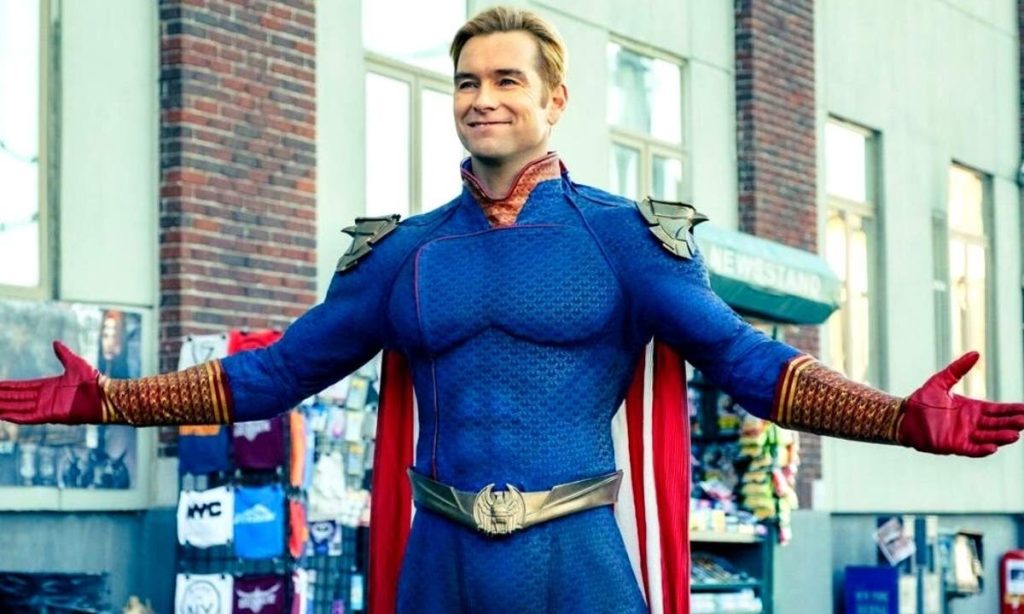
Few characters in recent television history have made audiences genuinely uncomfortable the way Homelander does. Antony Starr plays him as a superhero who is all smile and no soul, and the combination of charm and menace is almost unbearable to watch. After just one season, fans were already reporting that seeing Starr’s face in any other context felt unsettling.
Javier Bardem as Anton Chigurh in “No Country for Old Men”
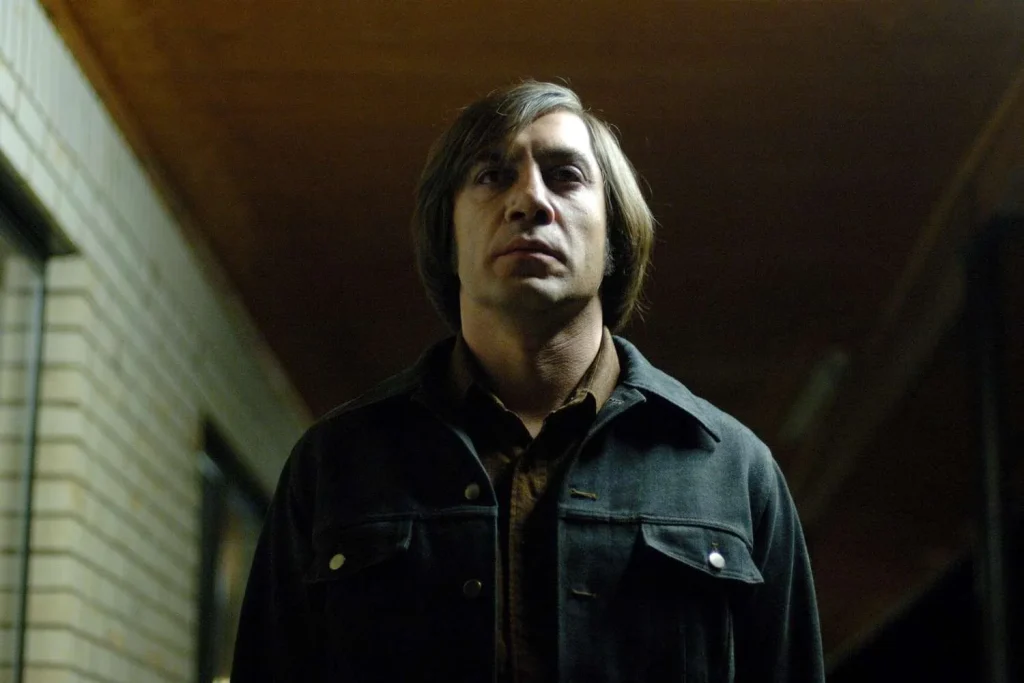
That haircut alone did half the work. Bardem played Anton Chigurh as a force of nature with zero remorse, zero emotion, and a coin he flips to decide your fate. The role earned him an Oscar, a Golden Globe, and a BAFTA, and the character has been clinically described as one of cinema’s most accurate depictions of a psychopath.
Imelda Staunton as Dolores Umbridge in “Harry Potter and the Order of the Phoenix”
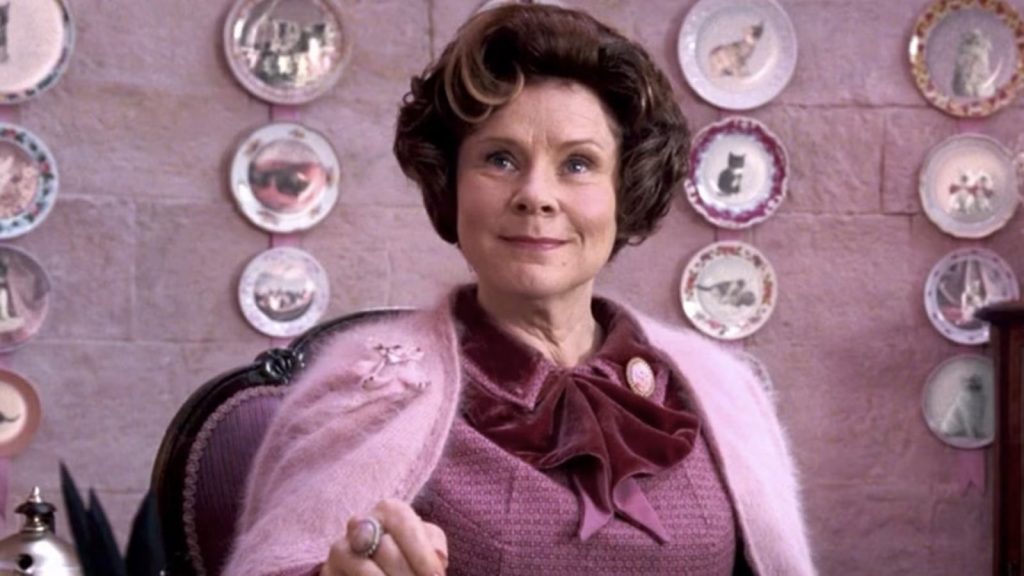
Voldemort was terrifying, but Umbridge made audiences genuinely furious in a way dark wizards rarely do. Staunton’s soft voice, pink cardigans, and bureaucratic cruelty created a villain who felt disturbingly real because she operates within systems rather than against them. Fans consistently rank her as the most hated character in the entire “Harry Potter” franchise.
Ralph Fiennes as Amon Goeth in “Schindler’s List”
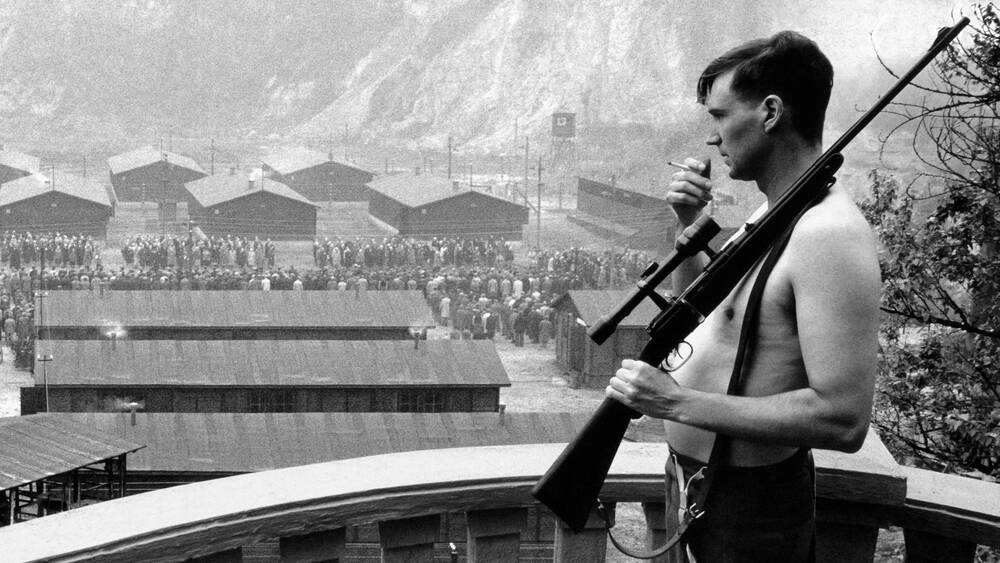
Steven Spielberg’s casting of Fiennes as Nazi commandant Amon Goeth was a gamble that paid off in the most disturbing way possible. Fiennes gained weight for the role and studied Goeth’s real psychology to the point where survivors who saw the film said the performance was hauntingly accurate. He was nominated for the Oscar and never fully escaped the shadow of the performance.
Christoph Waltz as Hans Landa in “Inglourious Basterds”
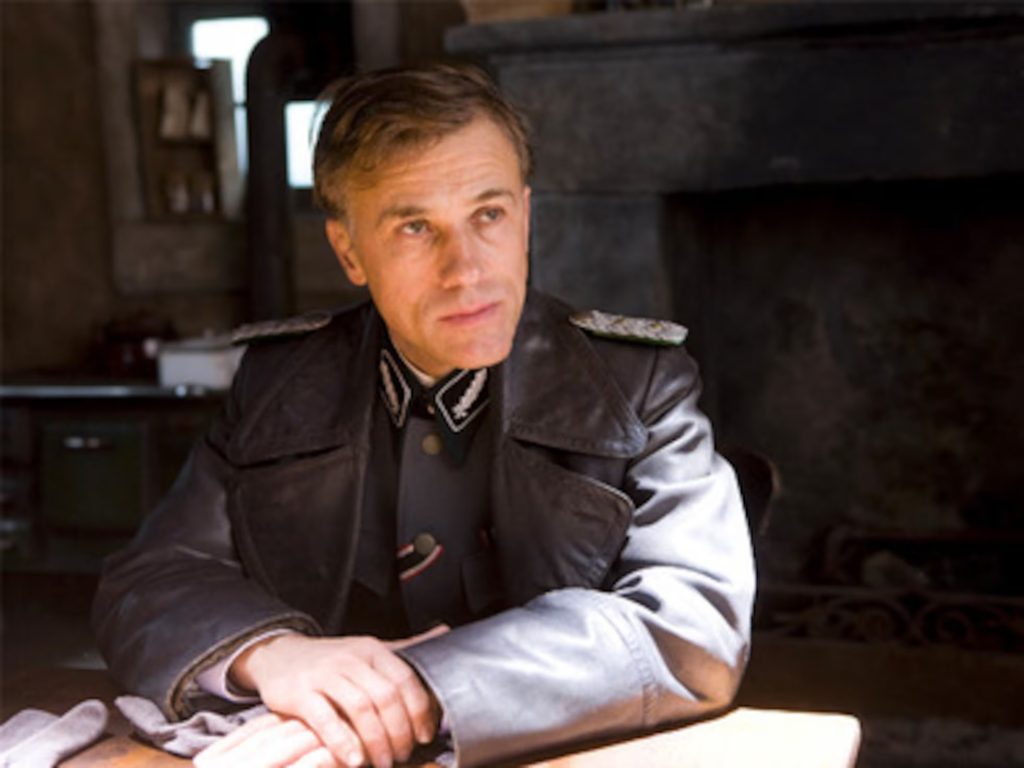
Landa’s politeness is his most terrifying weapon, and Waltz understood that perfectly. Every compliment lands like a threat, every smile like a knife being drawn slowly. Tarantino has said he would not have made the film without the right actor for this role, and Waltz won the Oscar and the Palme d’Or for it.
Iwan Rheon as Ramsay Bolton in “Game of Thrones”
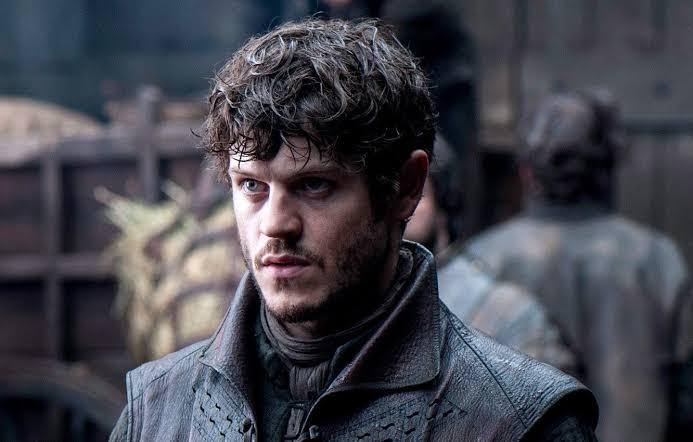
Ramsay Bolton took over from Joffrey as the most hated character on television and arguably surpassed him. Rheon played every scene with a gleeful sadism that made it impossible to look away, even during the episodes that were hardest to watch. The role followed him so closely that his subsequent casting in lighter projects genuinely surprised people.
Anthony Hopkins as Hannibal Lecter in “The Silence of the Lambs”
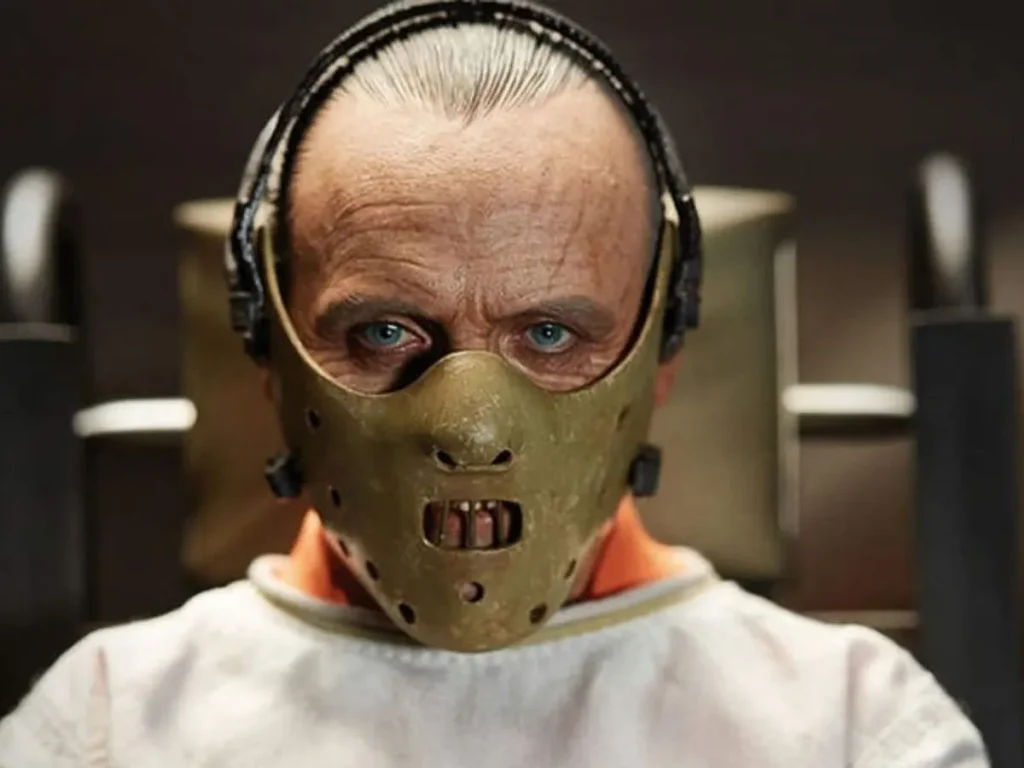
Hopkins won Best Actor for a role with only 16 minutes of screen time. Every second of that time is calibrated to maximum unease: still, precise, always thinking three steps ahead. The character looms over the entire film even when he is not on screen, which is a feat that belongs almost entirely to Hopkins.
Kathy Bates as Annie Wilkes in “Misery”
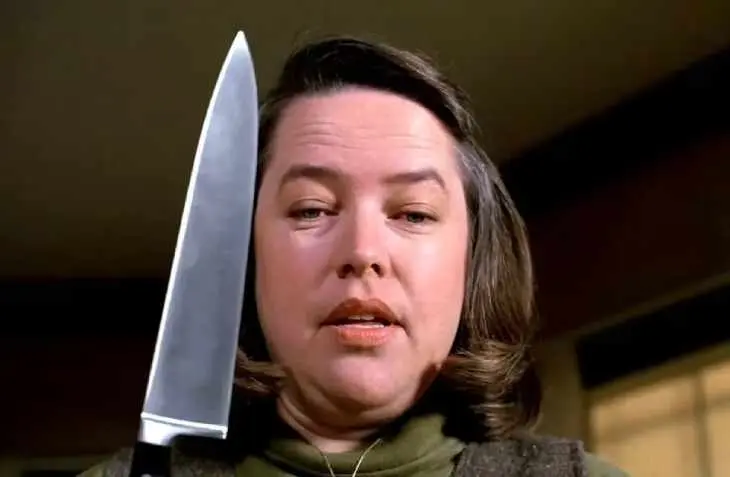
Annie Wilkes is terrifying not because she is monstrous but because she seems so ordinary until she isn’t. Bates played her with a homespun warmth that makes every sudden shift into violence feel like the floor dropping out. She won the Oscar for Best Actress, one of the rare times a horror-adjacent villain performance received that kind of recognition.
Jack Nicholson as Jack Torrance in “The Shining”
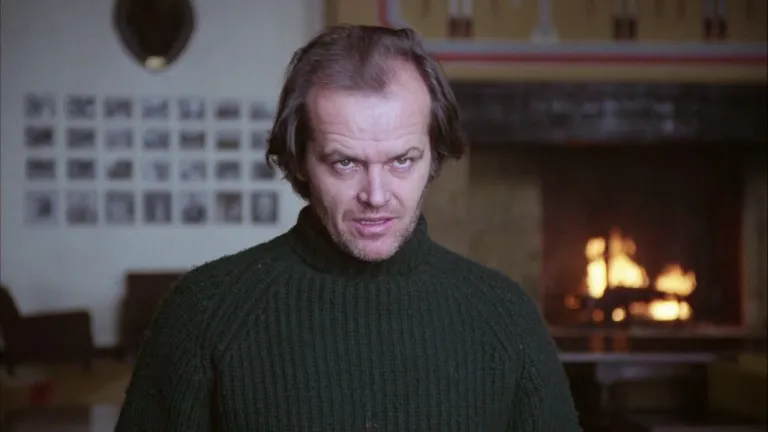
Nicholson’s descent in “The Shining” is one of the most studied villain arcs in cinema history, partly because his Jack Torrance feels unhinged even before the hotel gets involved. Kubrick reportedly ran certain scenes dozens of times to find the specific flavor of madness he was looking for. The axe scene alone has been referenced, parodied, and homaged more times than almost any other moment in horror.
Cate Blanchett as Hela in “Thor: Ragnarok”
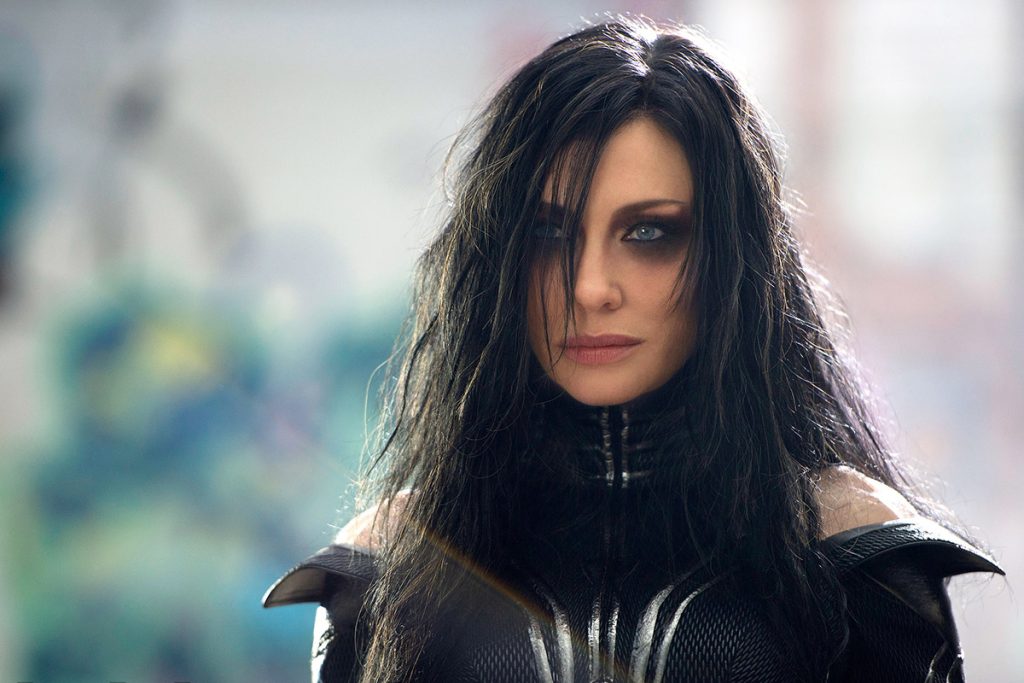
Blanchett plays Hela with the kind of regal contempt that makes every scene she is in feel like the rest of the cast is barely keeping up. She is one of the few MCU villains who genuinely overshadows the hero, and she seems to be having the time of her life doing it. The antler helmet could have been ridiculous; on Blanchett, it looked inevitable.
Mads Mikkelsen as Hannibal Lecter in “Hannibal”
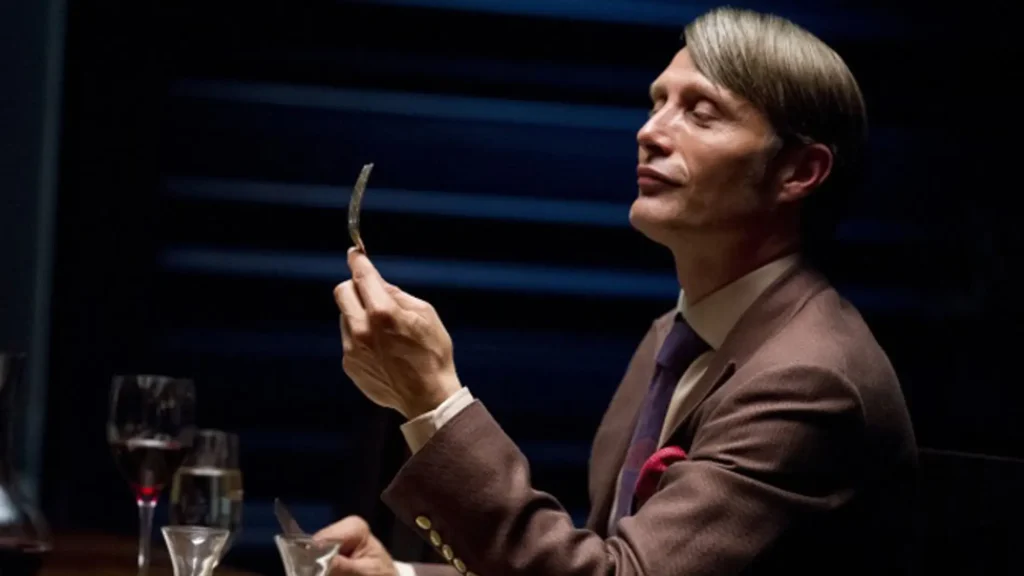
Taking on a role immortalized by Hopkins was either brave or foolish, and Mikkelsen turned it into something entirely its own. He plays Lecter as deeply social, almost warm, which makes the moments of violence arrive like cold water to the face. The fact that both actors are on this list says everything about how well the character was written and how differently two brilliant performers can inhabit the same monster.
Joaquin Phoenix as Commodus in “Gladiator”
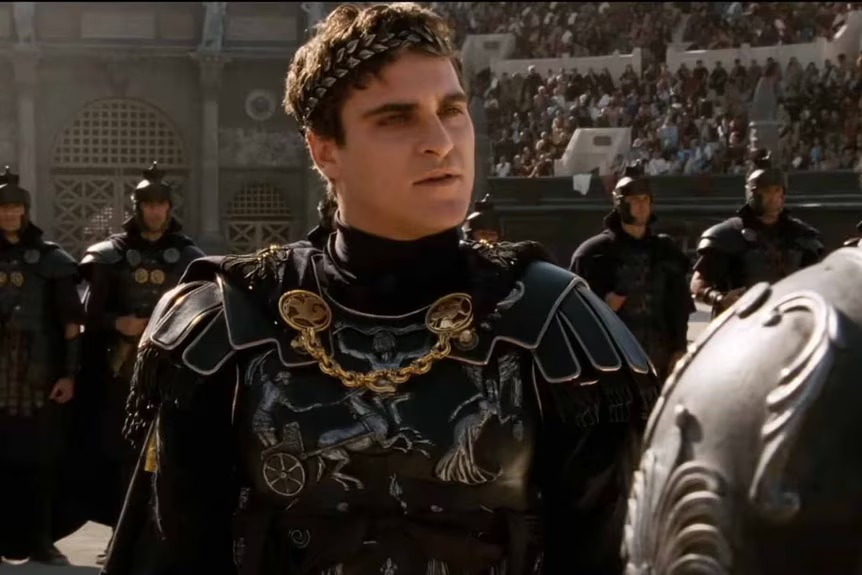
Phoenix made Commodus petty, entitled, and pathetic in a way that felt more contemptible than straightforward evil. Audiences didn’t just want him defeated; they wanted him humiliated. The role was one of the earliest signs that Phoenix was capable of the kind of total character possession he would later bring to “Joker.”
Gary Oldman as Stansfield in “Leon: The Professional”
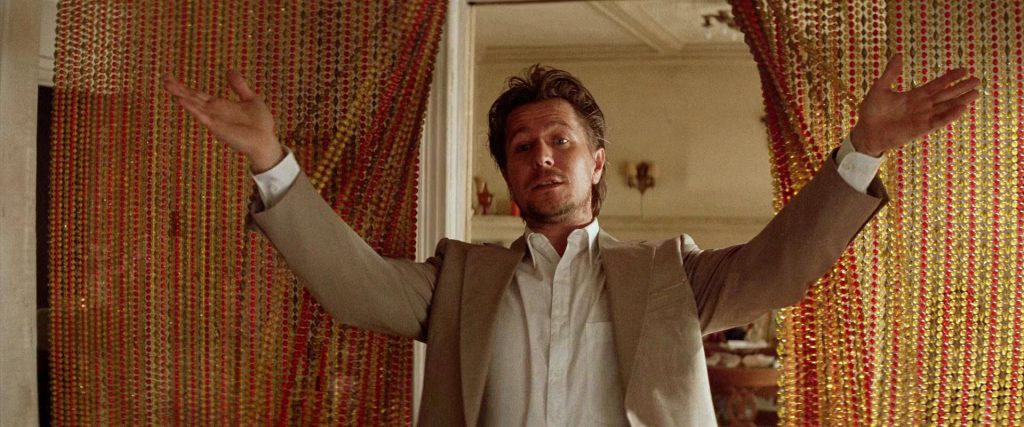
Corrupt DEA agent Stansfield is so unhinged that Oldman reportedly had to be reined in multiple times during production. The performance walks the line between theatrical and genuinely frightening, and it works entirely because Oldman commits without hesitation. His pill-popping, Beethoven-obsessed killer remains one of the most memorable screen villains of the 1990s.
Daniel Day-Lewis as Daniel Plainview in “There Will Be Blood”
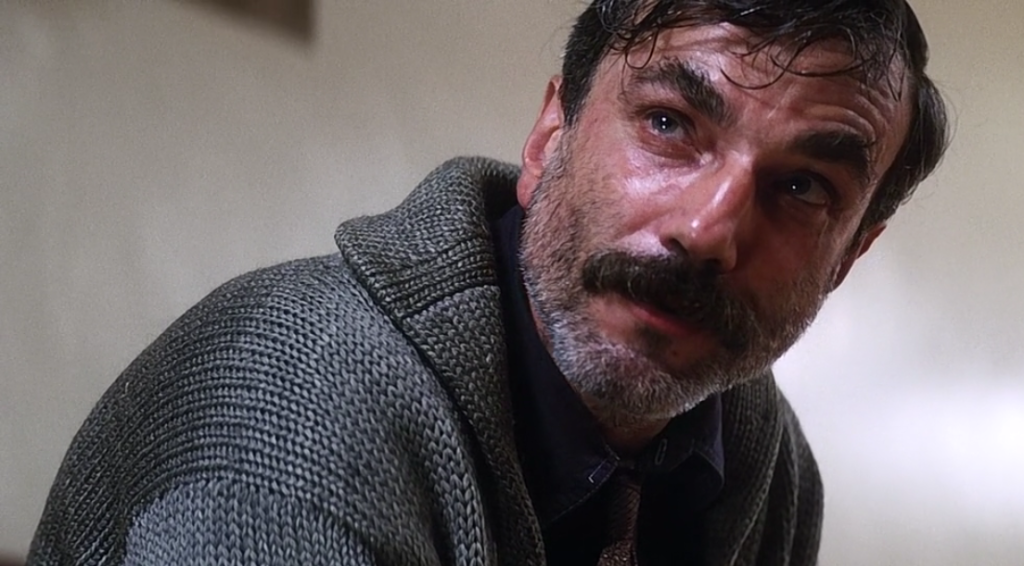
Plainview isn’t a villain in the traditional sense, but by the final scene of “There Will Be Blood,” audiences are in no doubt about what they’ve been watching. Day-Lewis plays greed as a slow accumulation, and the famous milkshake monologue lands like a thunderclap precisely because of how methodically he built to it. His second Oscar for the role cemented it as one of the definitive performances in American cinema.
Louise Fletcher as Nurse Ratched in “One Flew Over the Cuckoo’s Nest”
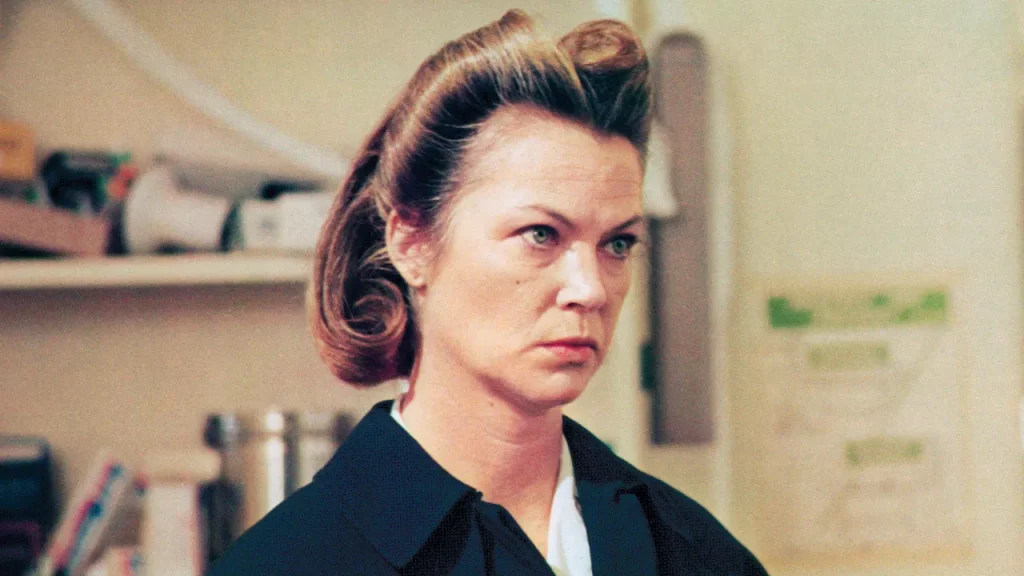
Nurse Ratched operates through protocol, not violence, and that is exactly what makes her so terrifying. Fletcher plays every scene with cool, institutional authority that makes rebellion feel impossible. She won the Oscar for Best Actress and the character became so culturally embedded that her name is now used as a shorthand for bureaucratic cruelty.
Charlize Theron as Aileen Wuornos in “Monster”
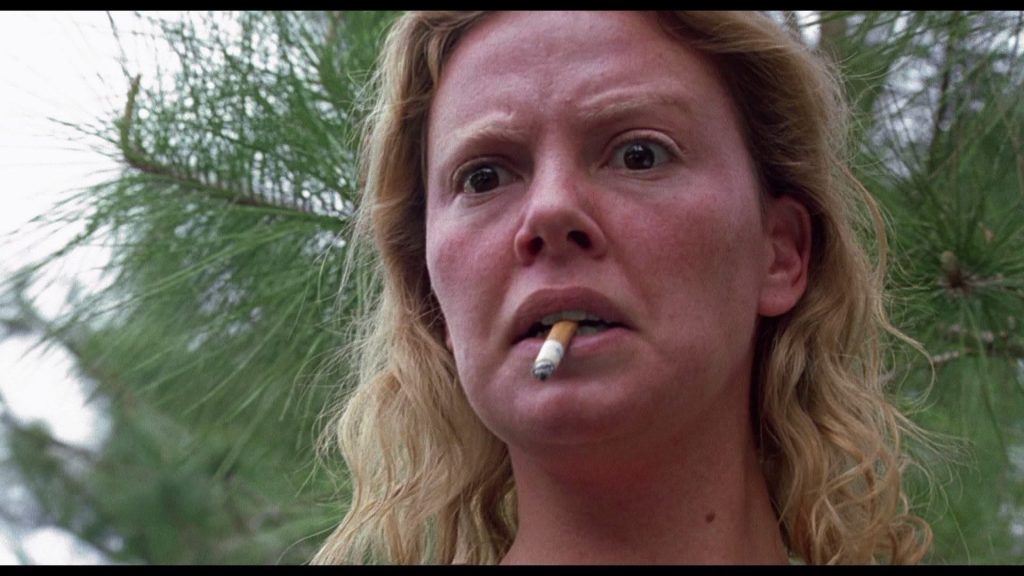
Theron gained around 30 pounds and underwent a total physical transformation to play real-life serial killer Aileen Wuornos. What makes the performance so difficult to shake is that she also made Wuornos sympathetic, which is a far harder thing to pull off than simple menace. She won the Oscar for Best Actress, and many who saw the film say they still struggle to separate Theron from the role.
Rosamund Pike as Amy Dunne in “Gone Girl”
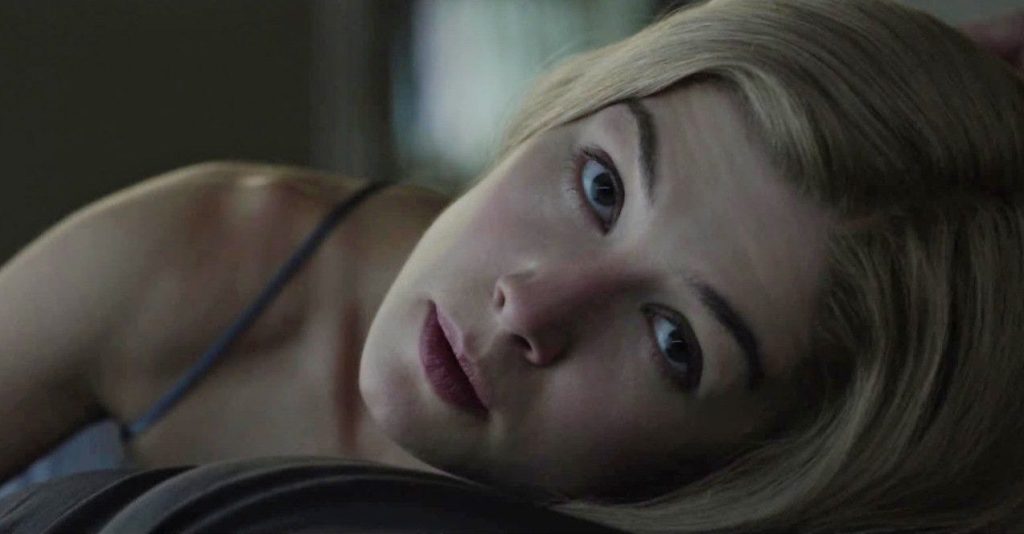
The “Cool Girl” monologue alone would secure Pike’s place on this list. Amy Dunne is calculating, brilliant, and entirely without remorse, and Pike plays her with an elegance that makes the character almost admirable. David Fincher said he knew Pike had it from the audition tape, but the final result still surprised him.
Anthony Perkins as Norman Bates in “Psycho”
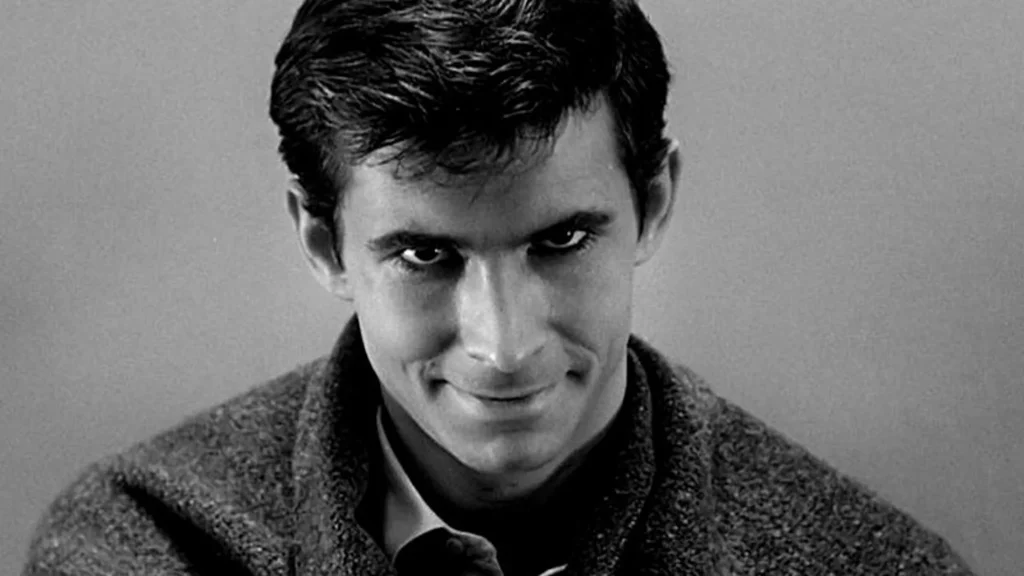
Before “Psycho,” Perkins was known for romantic leads opposite Audrey Hepburn and Sophia Loren. After Norman Bates, the soft-spoken motel clerk with a troubled home life, he could never fully return to those roles. Hitchcock used Perkins’ likability as a weapon against the audience, and it worked so well that the role redefined the actor’s entire career.
Malcolm McDowell as Alex DeLarge in “A Clockwork Orange”
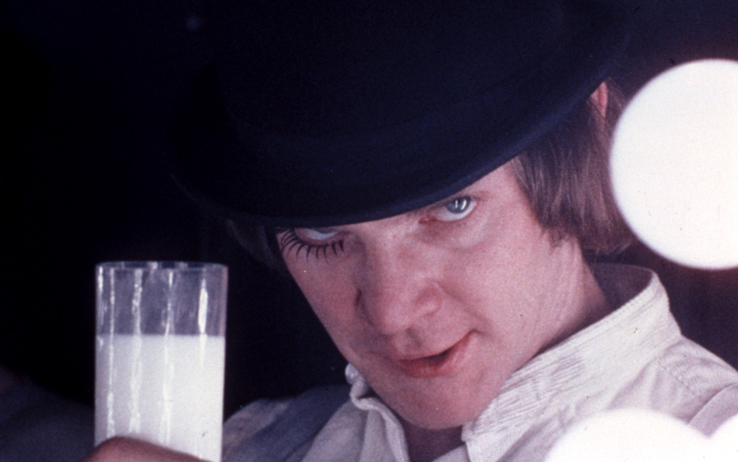
Kubrick’s adaptation of Anthony Burgess’s novel required an actor who could make a violent sociopath charismatic enough to carry two hours of film, and McDowell delivered in every scene. The performance is so committed that audiences simultaneously recoil and lean in, which is exactly the discomfort Kubrick was aiming for. McDowell has spent decades being asked about it and rarely seems bothered.
Josh Brolin as Thanos in “Avengers: Infinity War”
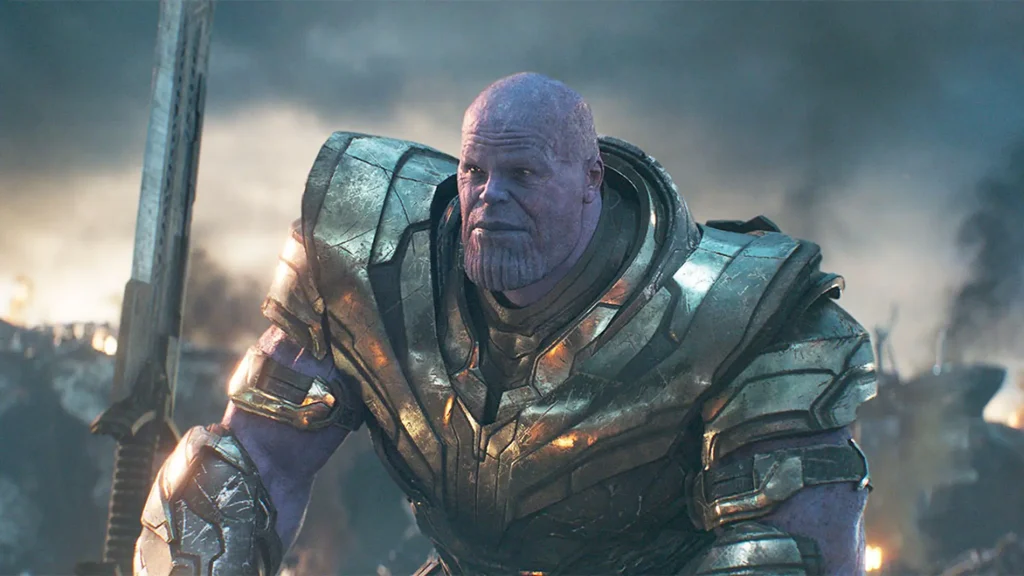
Getting audiences to feel anything for a giant purple CGI alien required more than visual effects. Brolin gave Thanos a weariness and conviction that made his genocide logic feel almost persuasive, which is exactly why it worked. The fact that Infinity War ends on his victory is one of the boldest choices in blockbuster history, and it only lands because Brolin sold every scene.
Sarah Paulson as Nurse Mildred Ratched in “Ratched”
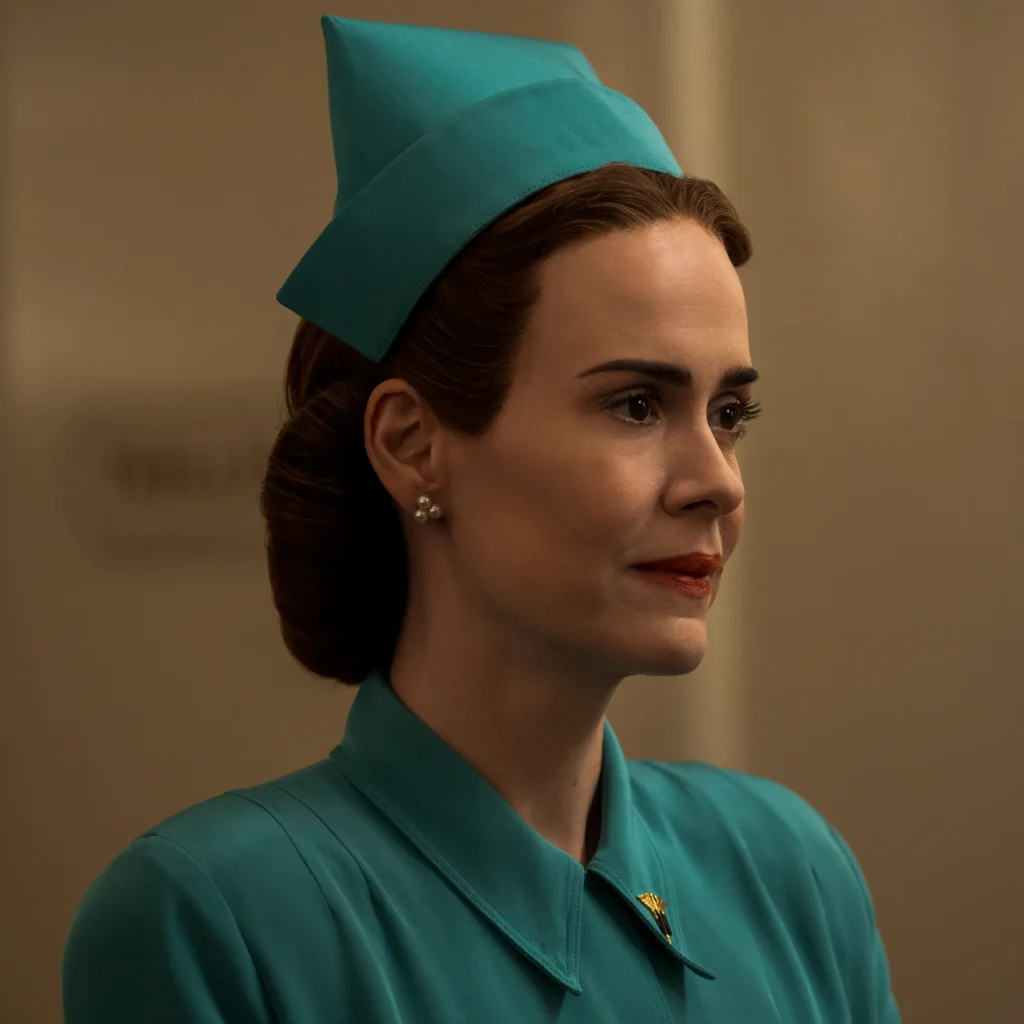
Sarah Paulson’s turn as a younger Mildred Ratched in the Netflix prequel series showed how a villain origin story can work when the lead actor is fully in control. Every gesture is deliberate, every smile a trap, and Paulson makes the character’s evolution from wounded to monstrous feel entirely earned. Taking on an iconic character and making it her own is exactly the kind of thing that separates good actors from great ones.
David Tennant as Barty Crouch Jr. in “Harry Potter and the Goblet of Fire”
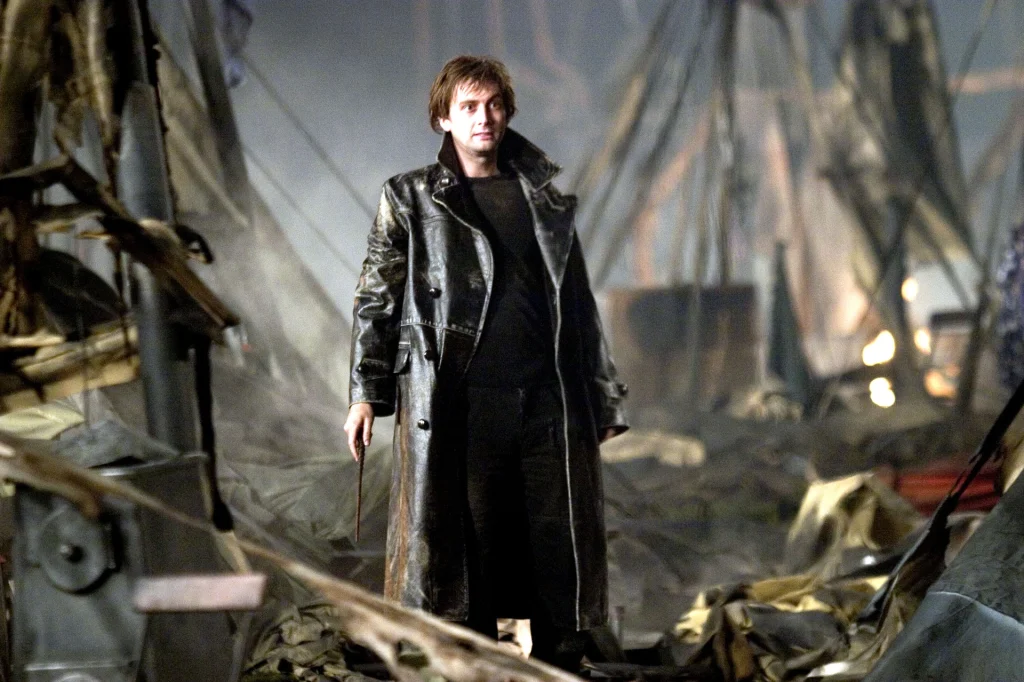
Tennant is one of the most likable actors in British television, which made his unhinged Barty Crouch Jr. hit harder than expected. That distinctive tongue flick became the character’s signature, and it came entirely from Tennant’s own instincts during rehearsal. Fans who discovered him through “Doctor Who” found the performance retroactively alarming.
Ben Mendelsohn as Orson Krennic in “Rogue One: A Star Wars Story”
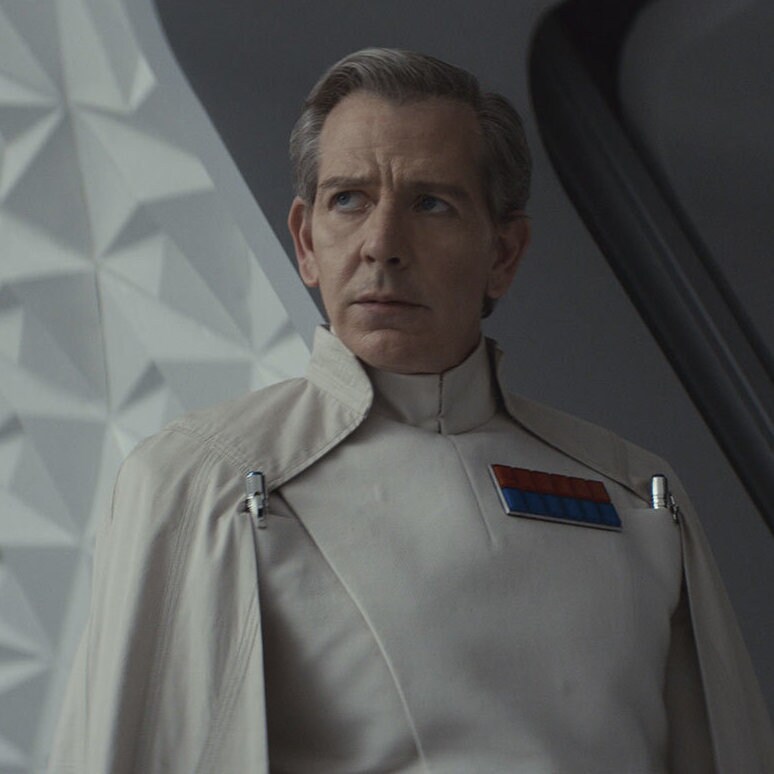
Mendelsohn plays Krennic as a petty bureaucrat desperate for credit in a galaxy full of larger egos, and it makes him oddly relatable and deeply contemptible at the same time. The white cape and wounded ambition gave the “Star Wars” universe something it rarely has: a villain you feel slightly sorry for. Mendelsohn has since become one of Hollywood’s most reliable scene-stealers in antagonist roles.
Jim Carrey as Count Olaf in “A Series of Unfortunate Events”
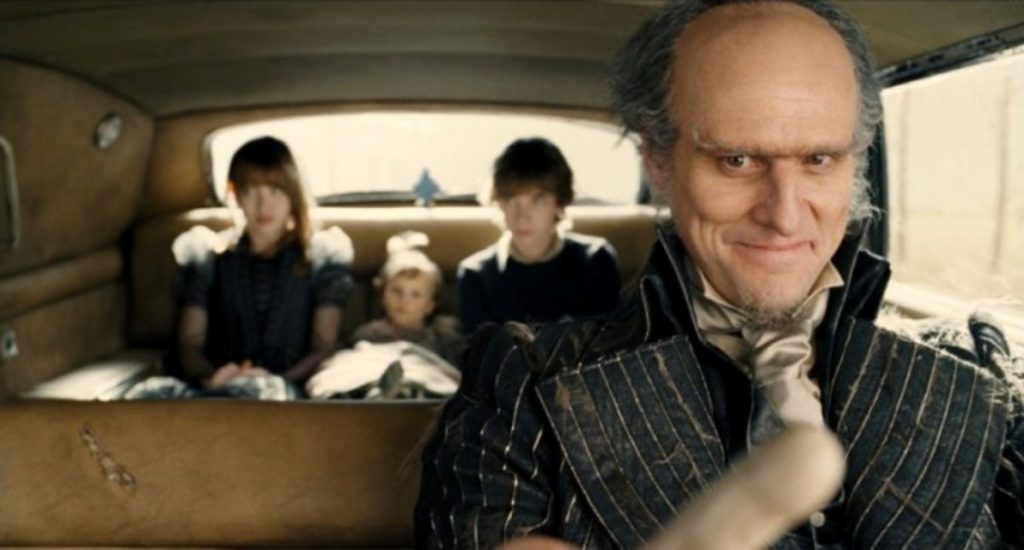
Carrey plays Count Olaf as a theatrical monster who relishes every scheme, and it is one of the most physically committed villain performances he has ever given. The disguises, the voice shifts, and the barely-contained menace are exhausting to watch in the best possible way. Children who grew up with the film still report that his face in character triggers a specific, visceral discomfort.
Tom Hiddleston as Loki in the Marvel Cinematic Universe
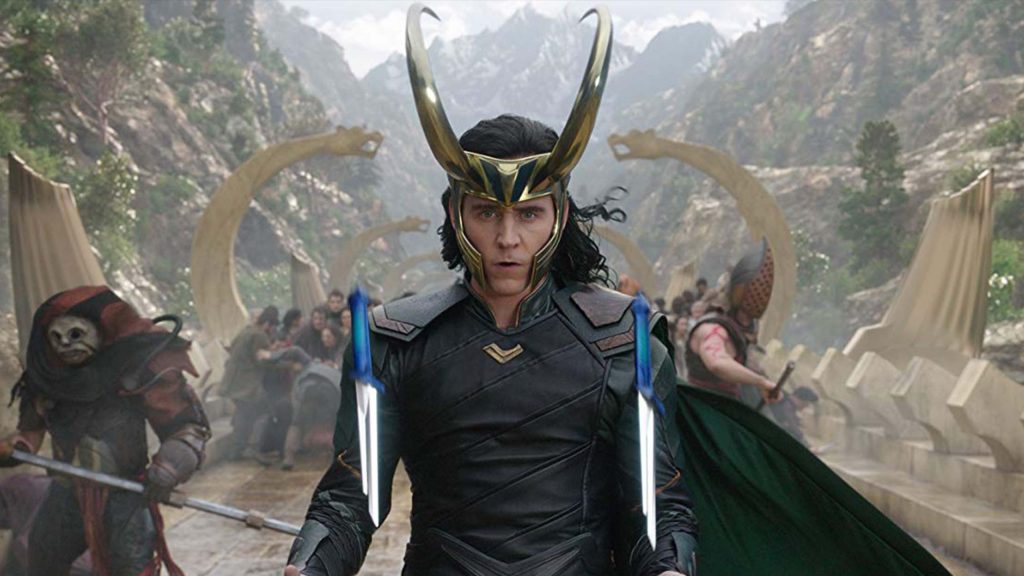
Loki was supposed to be a one-film villain and became one of the MCU’s most beloved characters, which says everything about what Hiddleston brought to the role. The wounded pride and theatrical cruelty sat alongside enough vulnerability to make audiences root for him even when they shouldn’t. He is the rare villain who got his own series because no one was ready to let him go.
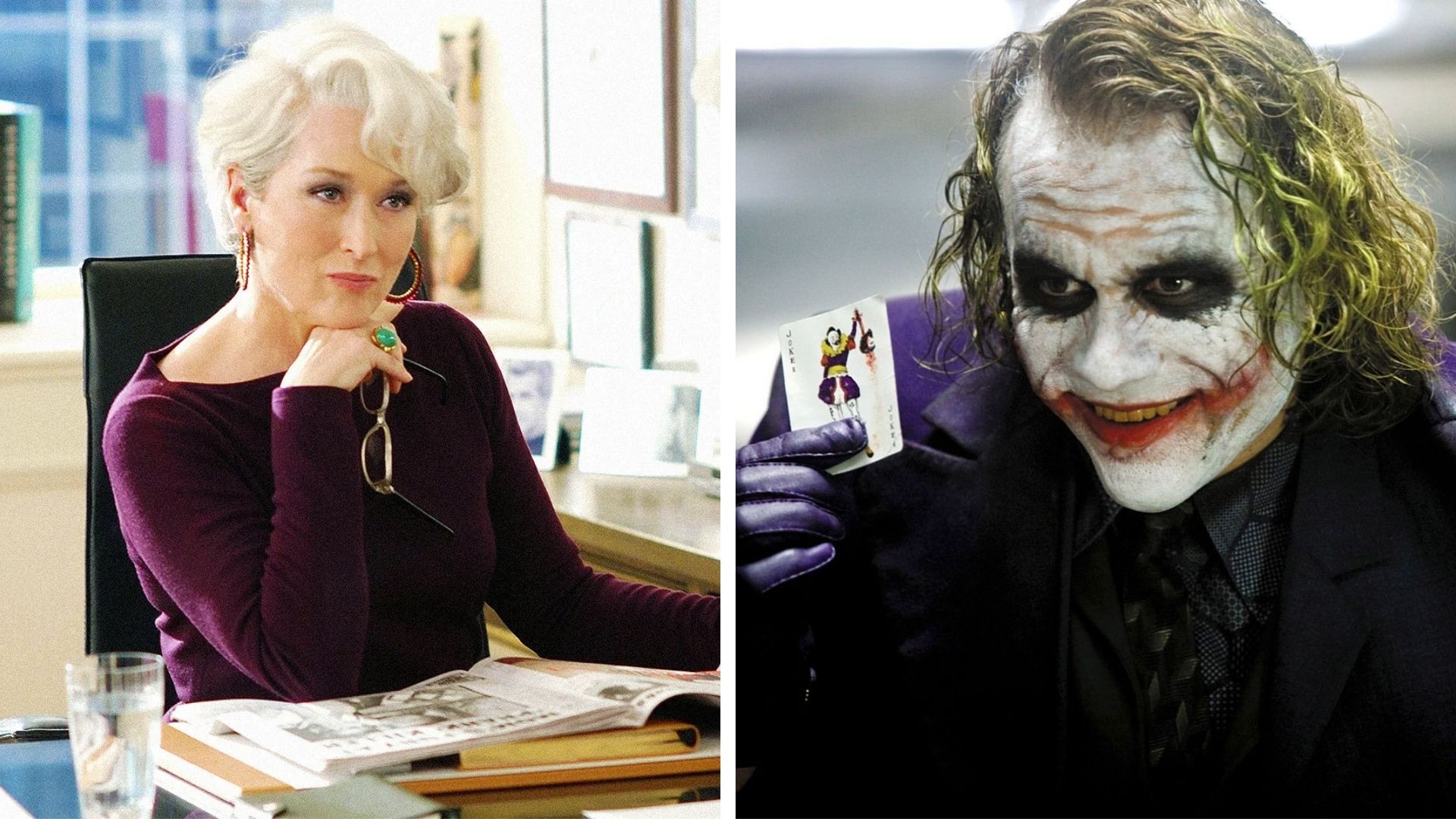
Meryl Streep as Miranda Priestly in “The Devil Wears Prada”
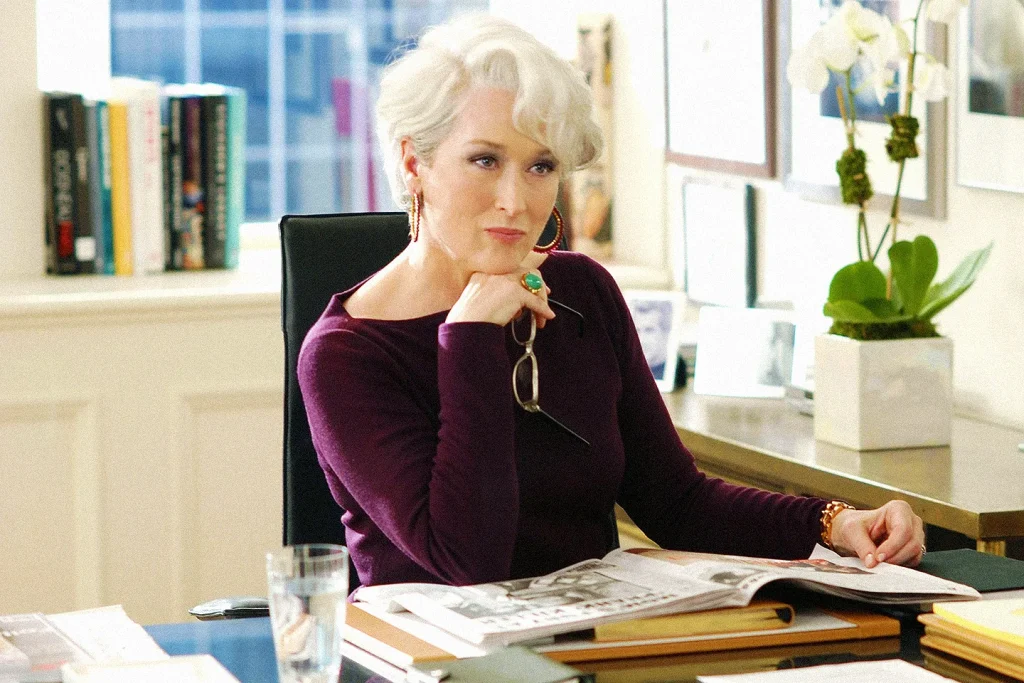
Streep played Miranda Priestly at a near-whisper, and somehow that made her more intimidating than any shouting villain on this list. The calm, the pauses, the almost bored delivery of devastating remarks turned a fashion magazine editor into one of cinema’s most quotable antagonists. People who work in demanding industries have been describing their bosses as “a Miranda” ever since.
Billy Bob Thornton as Lorne Malvo in “Fargo”
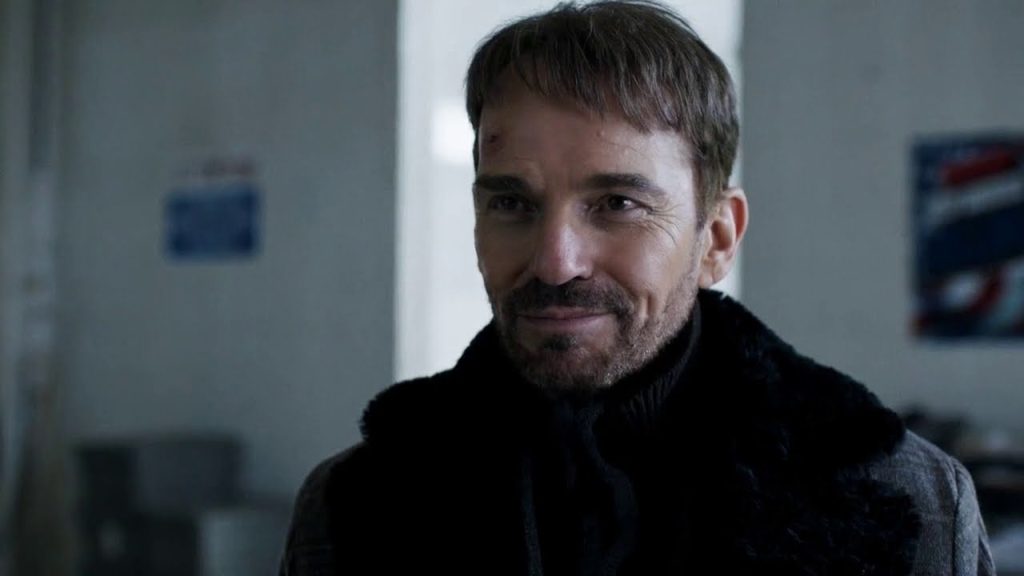
Malvo is the kind of villain who seems to enjoy the idea of chaos more than any specific outcome, and Thornton plays that nihilism with a quiet menace that is hard to shake. He moves through every scene like a predator who hasn’t decided whether to eat yet, and it makes every interaction feel dangerous. It remains one of television’s great single-season villain performances.
Kevin Spacey as John Doe in “Se7en”
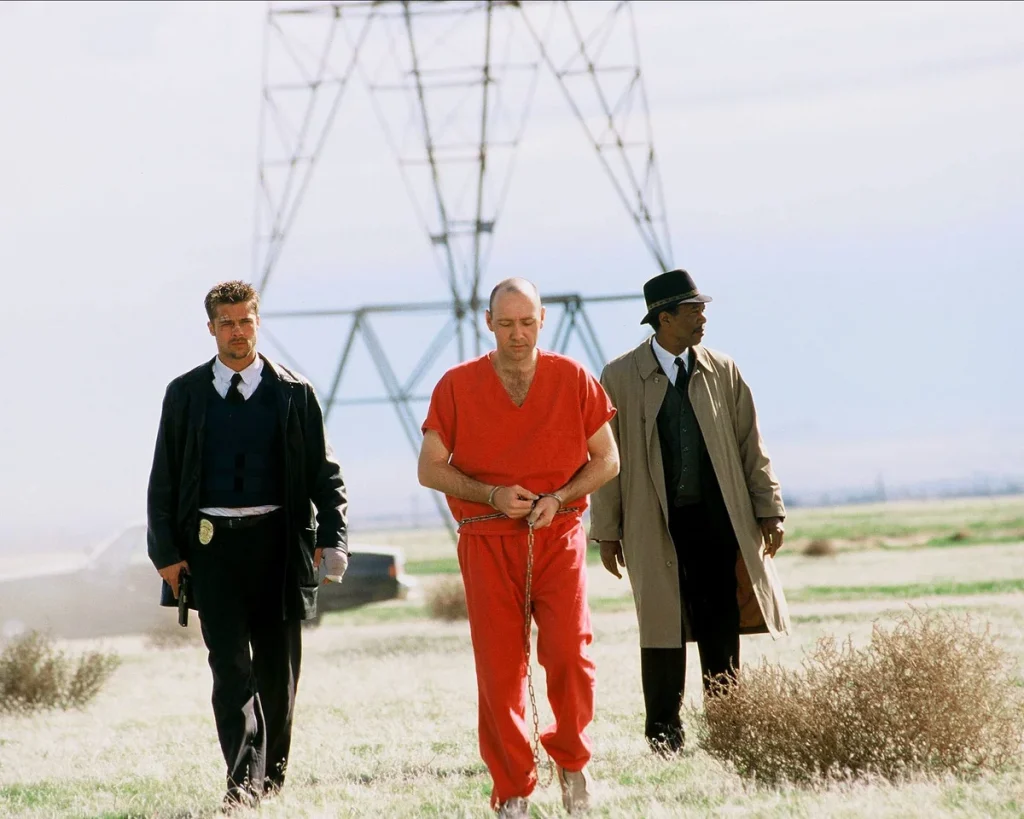
Spacey insisted his name not appear in the marketing for “Se7en” so that his appearance in the third act would land as a complete surprise, and it worked. John Doe is terrifying because he is convinced he’s right, and Spacey plays that certainty without a hint of doubt. The final scene is one of the most imitated and referenced moments in 1990s cinema.
Cillian Murphy as Tommy Shelby in “Peaky Blinders”
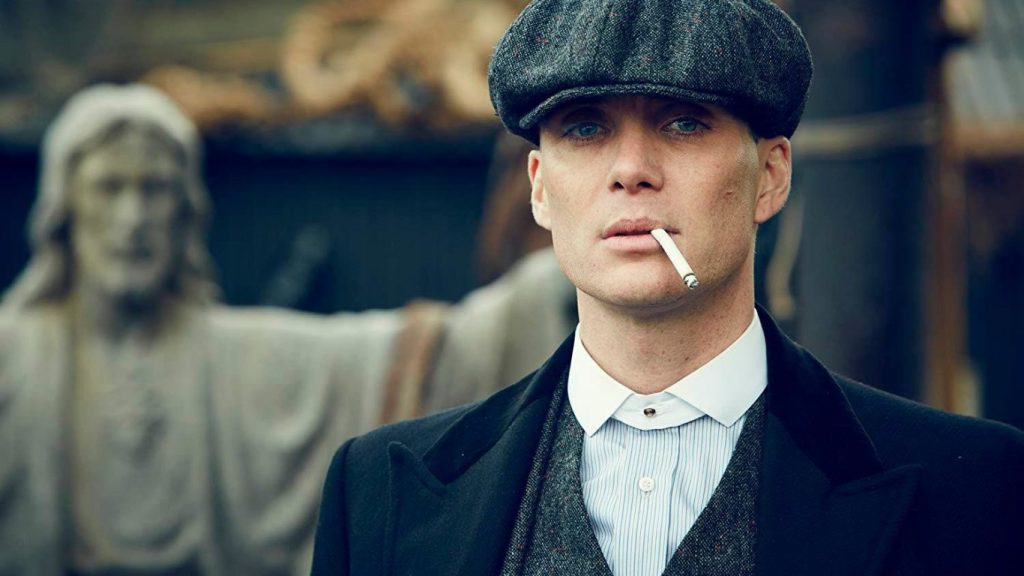
Tommy Shelby is technically the protagonist of “Peaky Blinders,” but Murphy plays him with such cold, calculating ruthlessness that the line between hero and villain barely exists by season two. The flat cap, the Birmingham accent, and the thousand-yard stare became globally iconic and spawned an entire aesthetic. Murphy’s performance over six seasons is a sustained study in how charisma and menace can occupy the exact same body.
Heath Ledger as the Joker in “The Dark Knight”
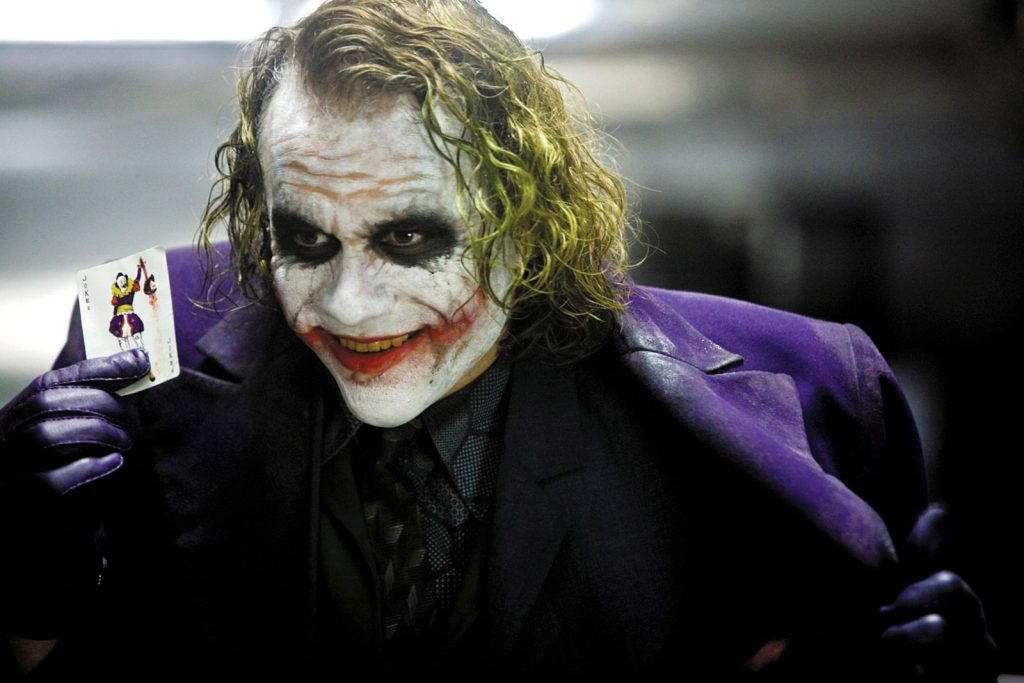
Ledger locked himself in a hotel room for a month to develop the Joker’s voice, walk, and psychology, and he did his own makeup during the screen test. He died before the film was released, won the Oscar posthumously, and the performance has not aged a single day since 2008. No villain in blockbuster history has been more studied, more imitated, or more impossible to top.