Landing a career-defining role is a dream for most aspiring actors, yet the reality behind the scenes can sometimes turn that dream into a living nightmare. While audiences fall in love with iconic characters, the performers bringing them to life often feel trapped by scripts, uncomfortable costumes, or toxic working environments. Some of cinema’s biggest names have openly expressed deep regret for the very projects that catapulted them to global superstardom. From legendary blockbusters to beloved television series, the stories behind these sour creative experiences are surprisingly brutal. This list uncovers 30 instances where famous faces grew to completely despise their most famous on-screen identities.
Alec Guinness – “Star Wars”
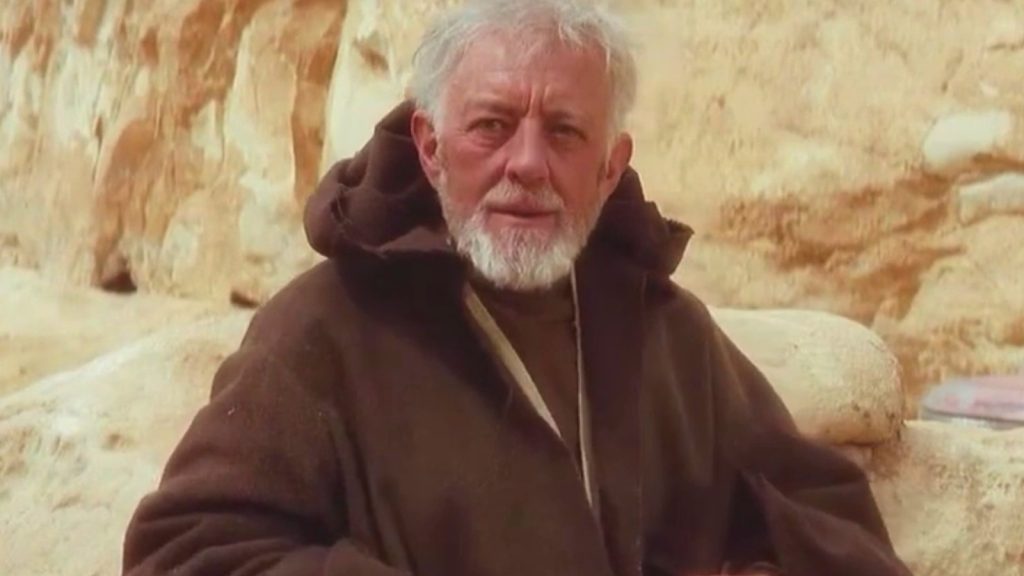
Few cinematic franchises command as much global adoration as the space opera born in the late seventies. Alec Guinness brought immense gravitas to the role of Obi-Wan Kenobi, but he privately considered the dialogue absolute garbage. He even negotiated a contract for a percentage of the film’s royalties just to tolerate the production. This financial savvy ultimately made him incredibly wealthy despite his profound distaste for the galaxy far, far away.
Carrie Fisher – “Star Wars”
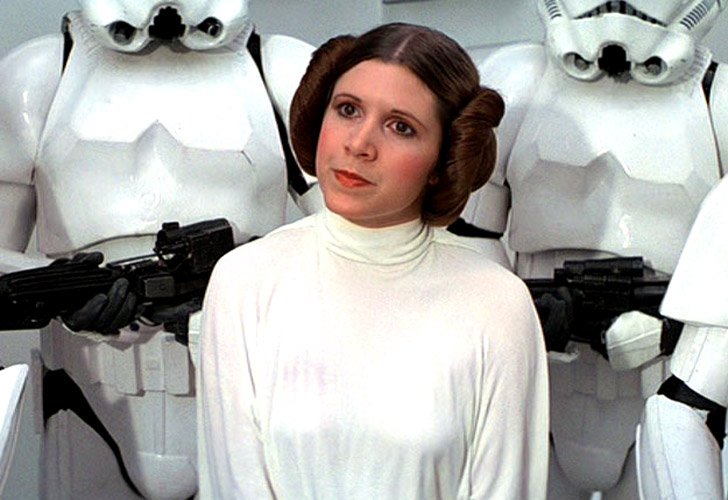
Sharing the exact same futuristic set did not make the experience any more pleasant for his young co-star. Carrie Fisher catapulted to fame as Princess Leia, yet she harbored an intense resentment toward the heavy styling and restrictive costumes. The infamous braided buns became a particular source of frustration during long shooting days. She later revealed that George Lucas never informed her how invasive the fandom would become.
Harrison Ford – “Star Wars”
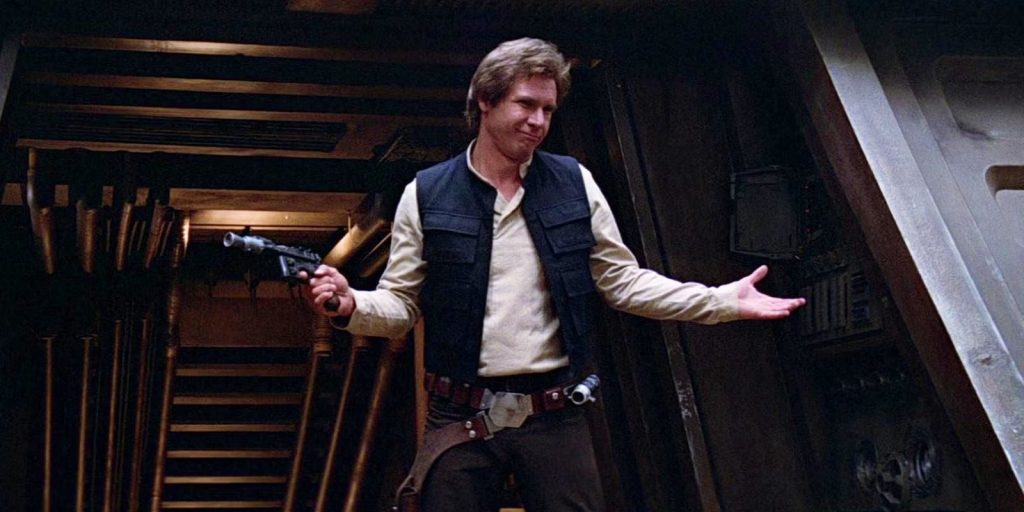
Rounding out the main trio of that iconic galaxy was a reluctant leading man who actively campaigned to be killed off. Harrison Ford spent decades expressing exhaustion over the roguish charm of Han Solo. He famously begged George Lucas to let the character die in the original trilogy to provide some narrative weight. The actor eventually got his wish granted decades later in a shocking sequel revival.
Sean Connery – “Dr. No”
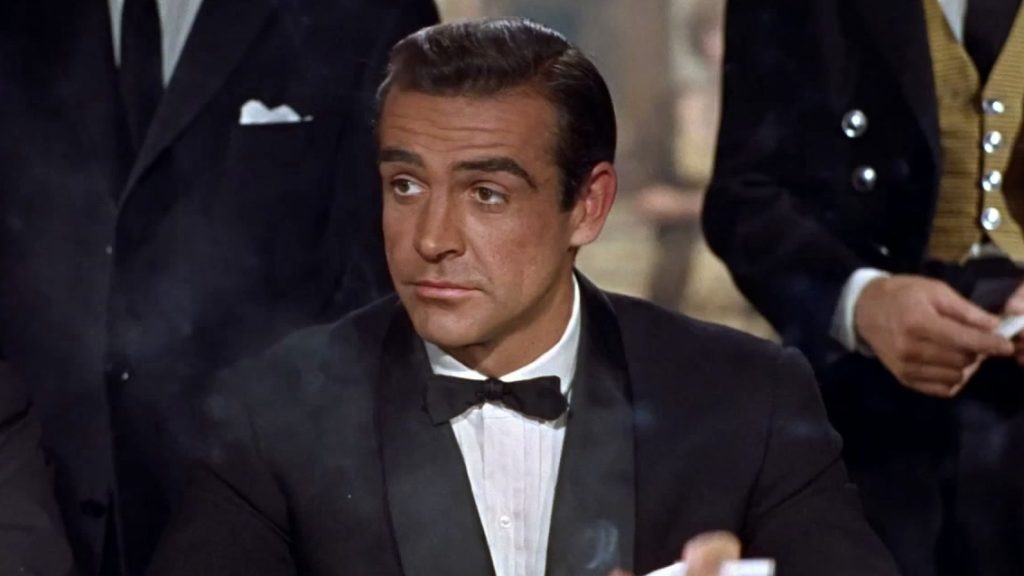
An entirely different type of franchise fatigue plagued the definitive face of British espionage. Sean Connery grew so thoroughly sick of James Bond that he openly admitted he wanted to destroy the character. The relentless media attention and typecasting overshadowed his broader theatrical ambitions for decades. He frequently donated large portions of his later Bond salaries to charity just to distance himself from the persona.
Christopher Plummer – “The Sound of Music”
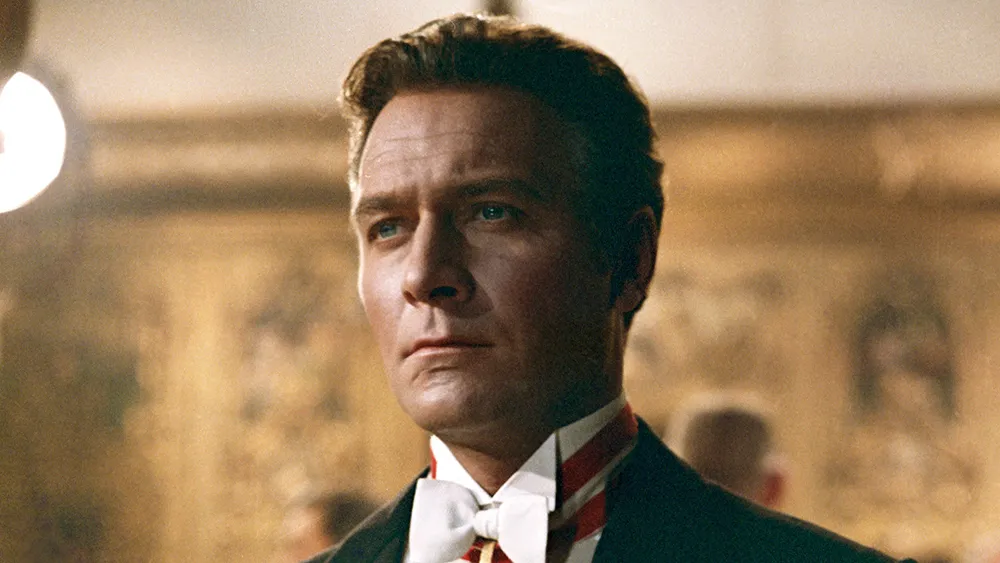
Musical theater history was made with this sweeping romance, but the leading man found it completely nauseating. Christopher Plummer despised playing Captain von Trapp so intensely that he referred to the movie as “The Sound of Mucus.” He felt the role was devoid of humor and emotionally hollow. To cope with the production, the actor frequently drank heavily before filming his scenes.
Kate Winslet – “Titanic”
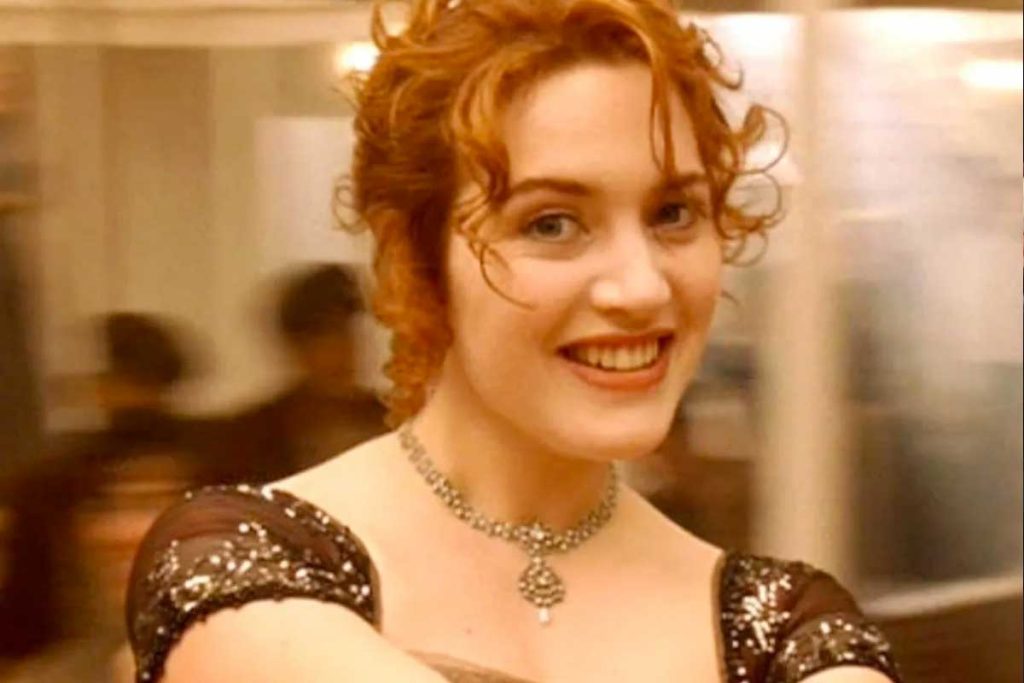
The massive box office success of an epic disaster romance did little to satisfy its leading lady’s self-critique. Kate Winslet achieved global fame alongside Leonardo DiCaprio, but she cringes every time her performance plays on screen. Her simulated American accent remains a particular source of embarrassment during retrospectives. She has openly stated her desire to re-shoot every single line of dialogue.
Penn Badgley – “Gossip Girl”
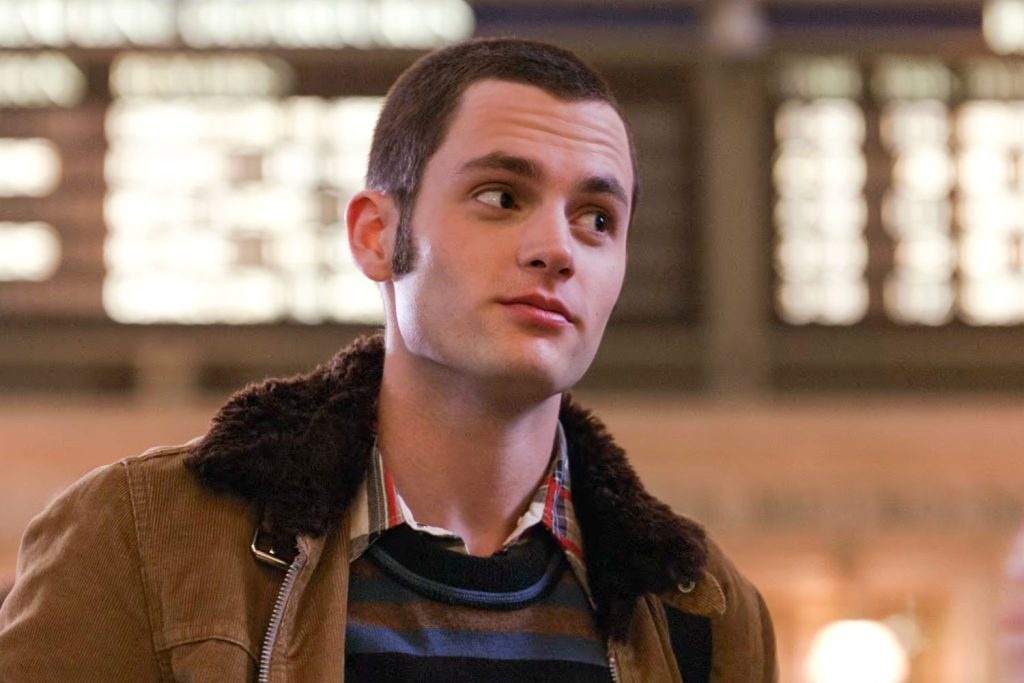
Teen dramas of the late two-thousands created overnight sensations who quickly grew disillusioned with their characters. Penn Badgley portrayed Dan Humphrey for six seasons while finding the character’s continuous manipulation incredibly frustrating. The eventual revelation regarding the character’s secret identity made absolutely no logical sense to him. This deep-seated discomfort with toxic characters later informed his approach to headlining darker thrillers.
Blake Lively – “Gossip Girl”
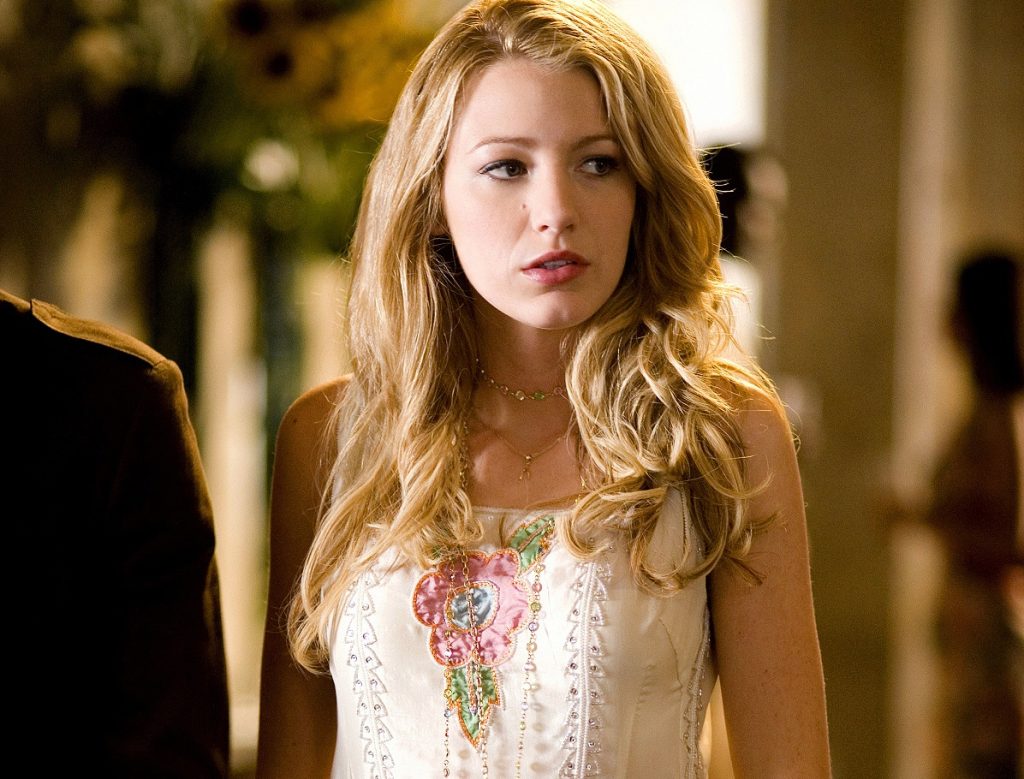
His on-screen partner on the wealthy Upper East Side shared a very similar sense of moral conflict. Blake Lively found the repetitive, superficial storylines of Serena van der Woodsen personally compromising. She frequently felt that promoting the character’s reckless lifestyle sent a terrible message to the show’s impressionable young fan base. The actress preferred roles that allowed for genuine emotional depth over high-end fashion catalog work.
George Clooney – “Batman & Robin”
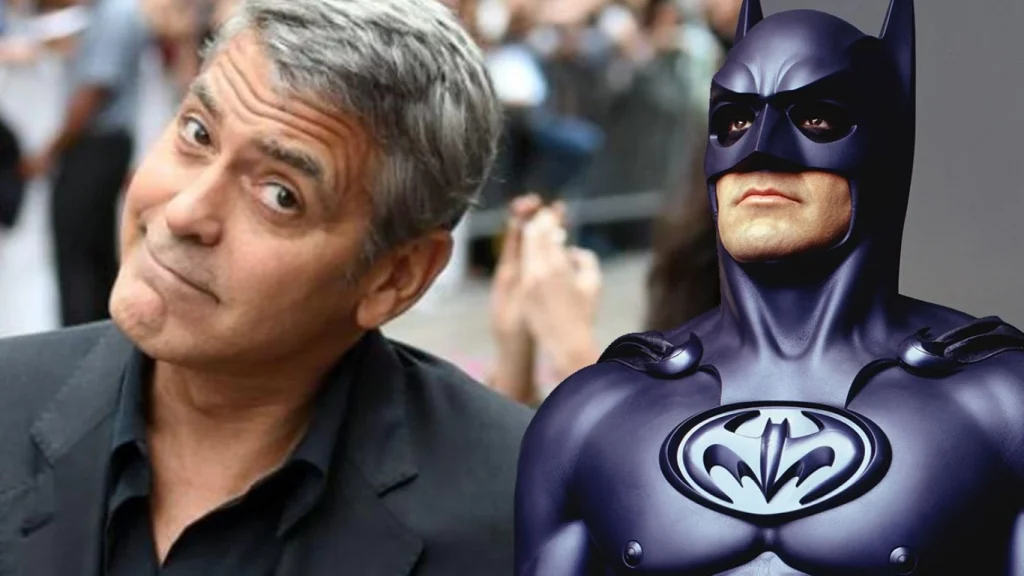
Stepping into the iconic cowl of Gotham City’s protector nearly destroyed a future Oscar winner’s commercial viability. George Clooney has spent decades issuing public apologies for his disastrous turn in the infamous ninety-seven superhero movie. He frequently joked that the addition of plastic nipples to the Batsuit was a low point for Western cinema. The film’s critical failure forced the studio to completely scrap all immediate sequel plans.
Arnold Schwarzenegger – “Red Sonja”
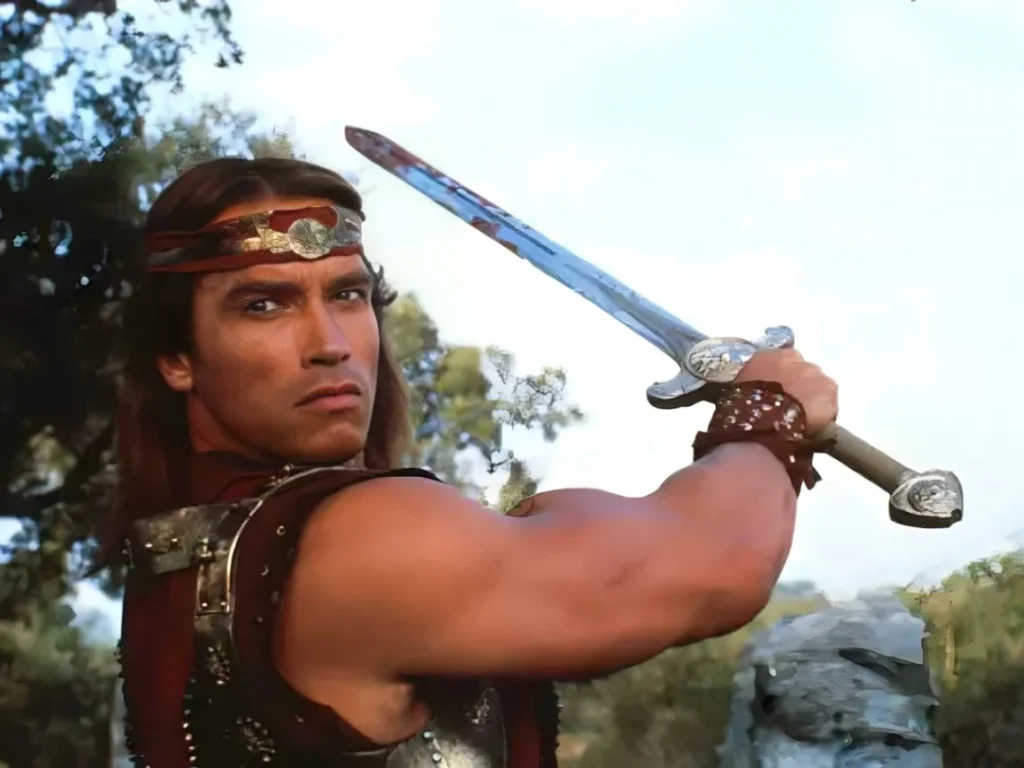
An action contemporary of the era used a terrible fantasy spin-off as a form of domestic discipline. Arnold Schwarzenegger considers this particular sword-and-sandal feature the absolute worst movie of his entire career. He famously claimed that whenever his children misbehaved, he would force them to watch it straight through. The threat proved highly effective at maintaining order in the household.
Sylvester Stallone – “Stop! Or My Mom Will Shoot”
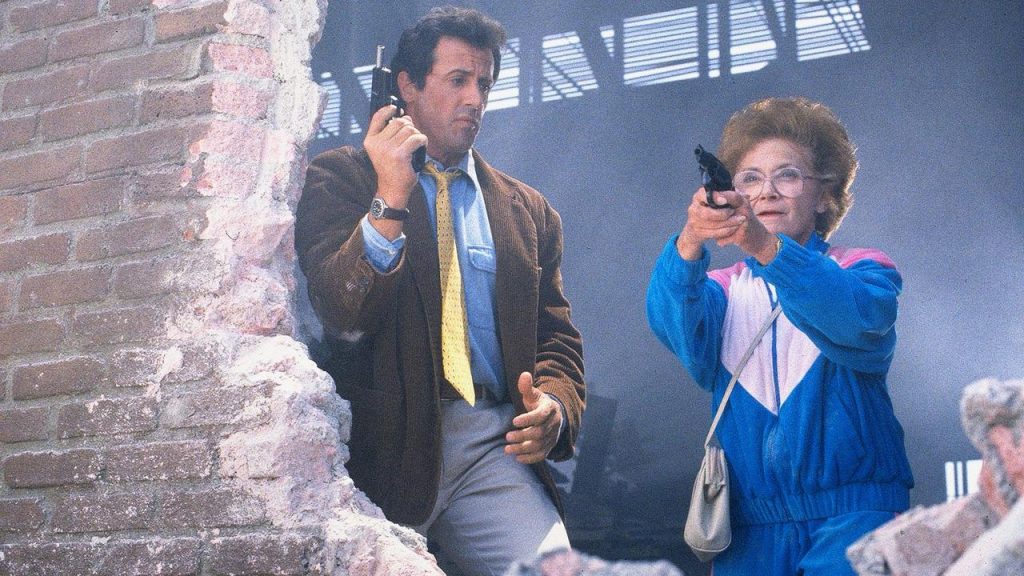
A legendary box office rivalry actually tricked this action icon into signing a truly abysmal comedy contract. Sylvester Stallone only accepted the leading role after hearing a rumor that Arnold Schwarzenegger was aggressively pursuing it. It was later revealed that Schwarzenegger entirely fabricated his interest to trick his competitor into making a box office bomb. Stallone subsequently labeled the final product as one of the worst films in the history of the solar system.
Halle Berry – “Catwoman”
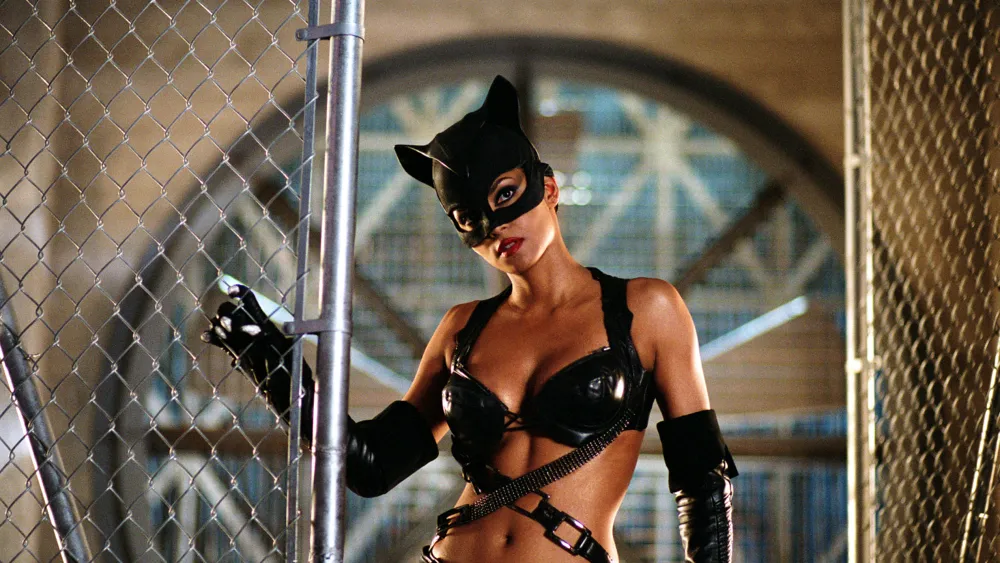
Accepting a massive career misstep with grace requires a level of humor few performers possess. Halle Berry showed up in person to accept her Golden Raspberry Award for Worst Actress following the release of this comic book adaptation. She explicitly thanked the studio for putting her in a piece of garbage movie. The infamous leather costume and nonsensical plot line permanently halted any franchise aspirations.
Ben Affleck – “Daredevil”
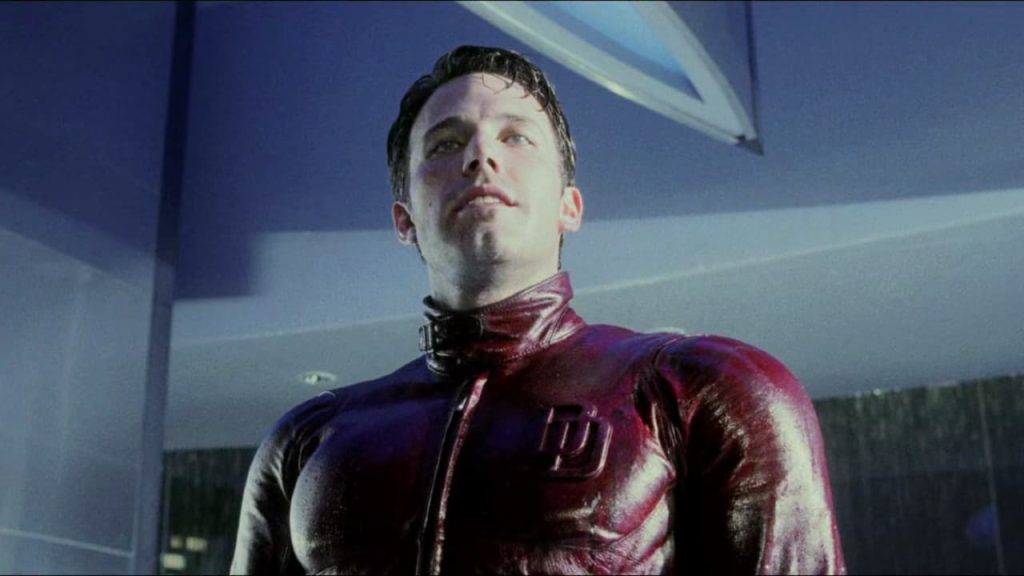
Superhero regret seems to be a common theme among stars who eventually transitioned to acclaimed directing work. Ben Affleck has been remarkably candid about his deep hatred for the red leather suit and subpar special effects of this early marvel project. He noted that the experience left him feeling deeply unfulfilled as a creative professional. This lingering dissatisfaction drove him to eventually seek redemption by playing a completely different billionaire vigilante years later.
Jessica Alba – “Fantastic Four: Rise of the Silver Surfer”
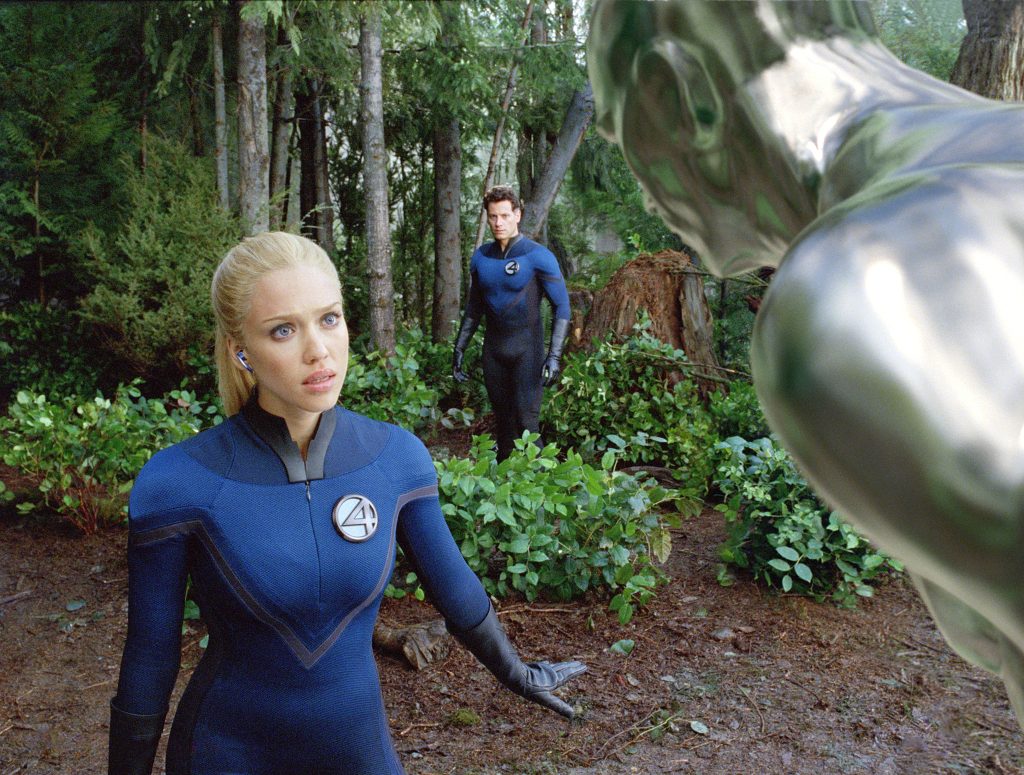
Working under an uncompromising director caused this prominent actress to question her entire future in show business. Jessica Alba recalled a soul-crushing note where the filmmaker told her to look prettier when she cried because her realistic weeping looked too ugly. The director promised to digitally add the tears later during post-production. This specific moment of corporate superficiality made her want to quit the acting industry entirely.
Megan Fox – “Transformers”

Blockbuster action cinema often prioritizes explosive spectacle over the comfort and respect of its female leads. Megan Fox famously compared director Michael Bay to a tyrant on set, blasting his aggressive management style during press tours. Her outspoken criticism resulted in her immediate firing from the third installment of the multi-billion-dollar robot franchise. She consistently maintained that the role required absolutely no actual acting ability.
Channing Tatum – “G.I. Joe: The Rise of Cobra”

Contractual obligations can trap rising stars in projects they have absolutely no passion for executing. Channing Tatum admitted he was forced into the military action movie due to a multi-picture deal he signed early in his career. He explicitly begged the writers to kill his character off in the opening minutes of the subsequent sequel. Audiences were shocked by the sudden exit, which freed the actor to pursue comedies like “21 Jump Street”.
Katherine Heigl – “Knocked Up”
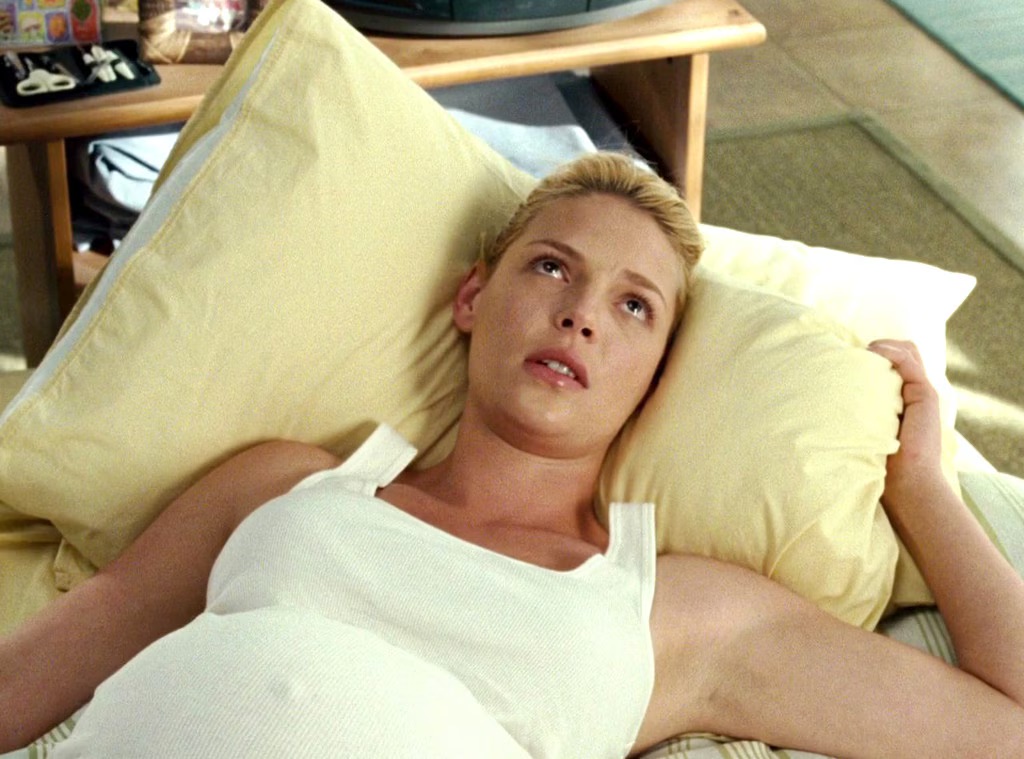
Comedic hit records can still leave a sour taste if the underlying writing feels inherently unbalanced. Katherine Heigl ignited a massive industry controversy when she labeled Judd Apatow’s hit comedy as sexist. She argued that the film painted the female characters as humorless shrews while the men were lovable goofballs. The public backlash from her candid remarks severely impacted her standing with major Hollywood studios for years.
Zac Efron – “High School Musical”
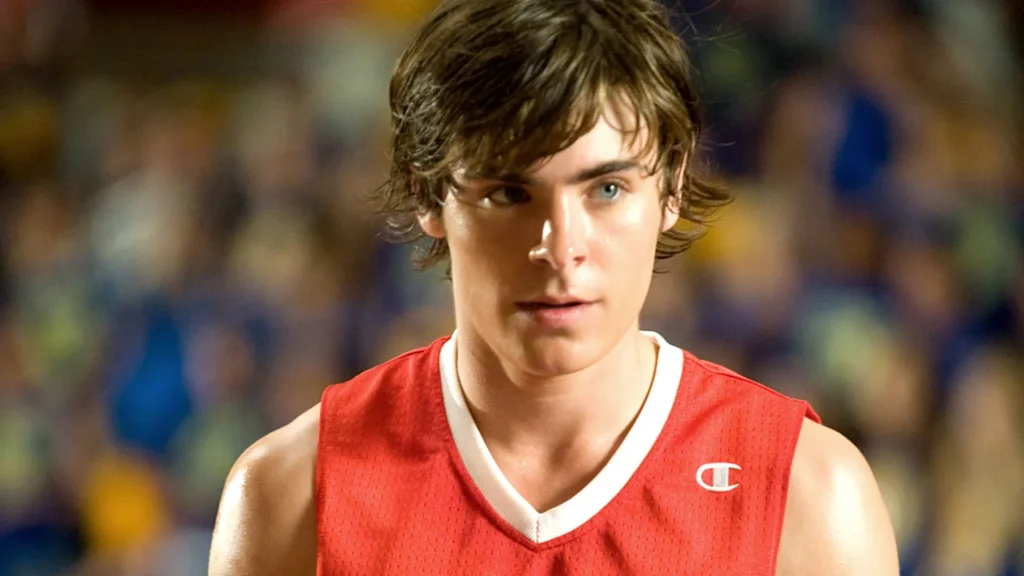
The wholesome image of a Disney Channel golden boy can quickly become an oppressive claustrophobic cage. Zac Efron struggled for years with the ghost of Troy Bolton, admitting he often wanted to kick his younger self’s ass. The intense typecasting made it incredibly difficult for directors to see him as a serious dramatic actor. He chose extreme physical transformations and dark indie roles to systematically shatter that clean-cut teenage mold.
Miley Cyrus – “Hannah Montana”
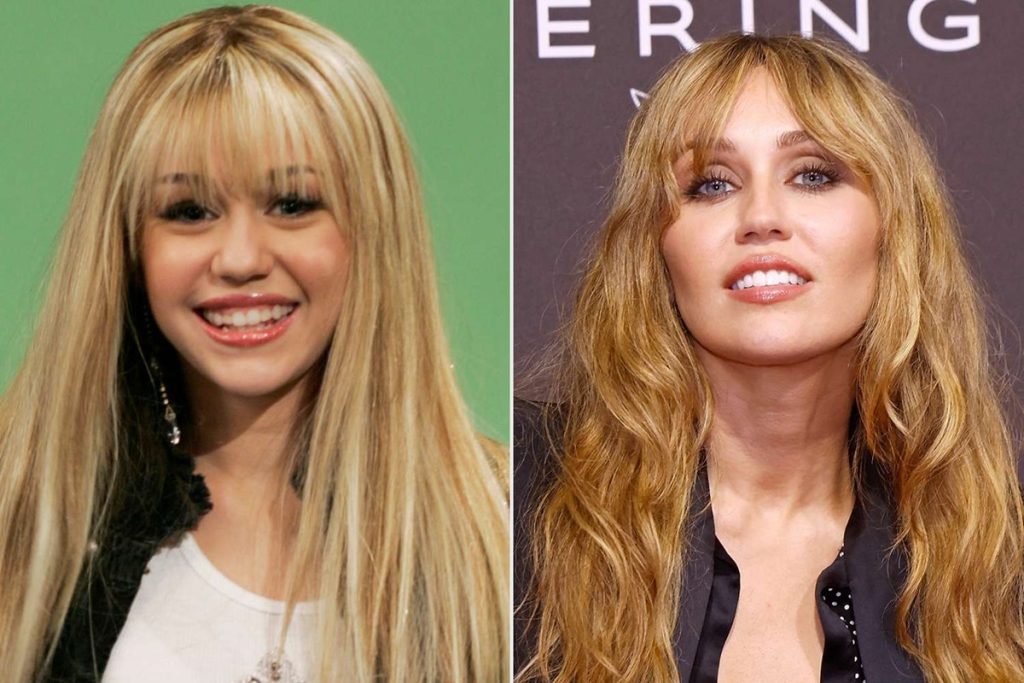
Shedding a dual-identity children’s persona required a complete cultural reinvention that shocked the world. Miley Cyrus experienced intense psychological distress trying to balance her real identity with the fictional pop star she played. The demanding corporate schedule left her completely exhausted by the time the series concluded. She later utilized provocative music videos and public performances to permanently sever ties with the house of mouse.
Selena Gomez – “Wizards of Waverly Place”

Another prominent contemporary from that exact same television network felt the heavy burden of being a perfect role model. Selena Gomez acknowledged that signing her childhood away to a major conglomerate came with massive personal restrictions. The constant pressure to remain flawless in front of millions of kids caused significant anxiety behind the scenes. She shifted her attention to moody pop tracks and mature dramatic roles to reclaim her autonomy.
Jamie Dornan – “Fifty Shades of Grey”
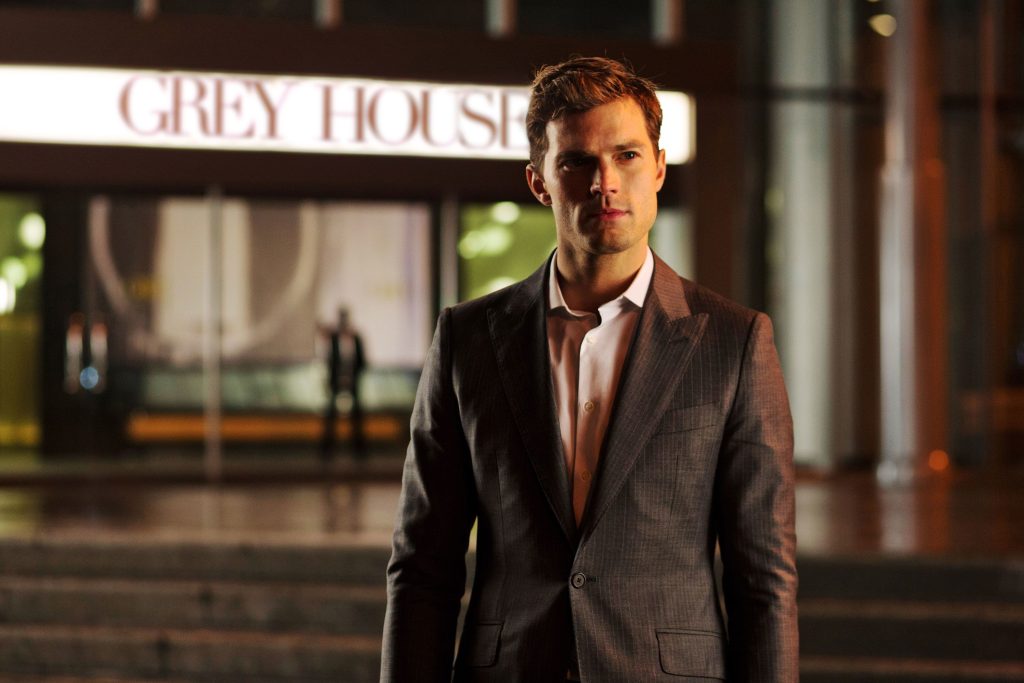
Erotic literary adaptations often translate into deeply uncomfortable filming experiences for the performers involved. Jamie Dornan felt massive hesitation before stepping into the shoes of the wealthy Christian Grey. He expressed profound discomfort with the highly explicit nature of the scenes and the intense fan scrutiny that followed the release. The actor immediately sought out gritty television crime dramas to wash his hands of the romance franchise.
Dakota Johnson – “Fifty Shades of Grey”
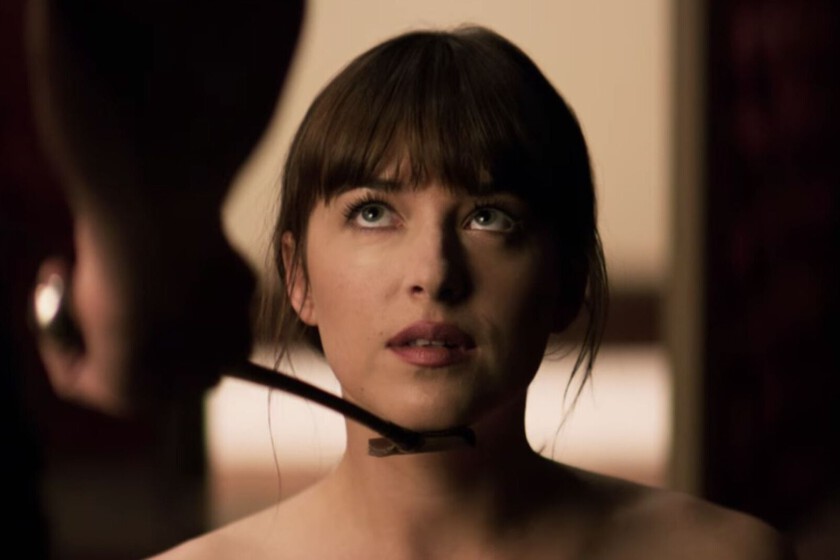
His direct screen partner faced a chaotic production environment that she described as entirely psychotic. Dakota Johnson opened up about the constant creative battles between the author of the books and the film’s directing team. The resulting tension made the already vulnerable scenes incredibly awkward to shoot over multiple sequels. She admitted that if she had known how difficult the process would be, she probably would have declined the role.
Evangeline Lilly – “Lost”
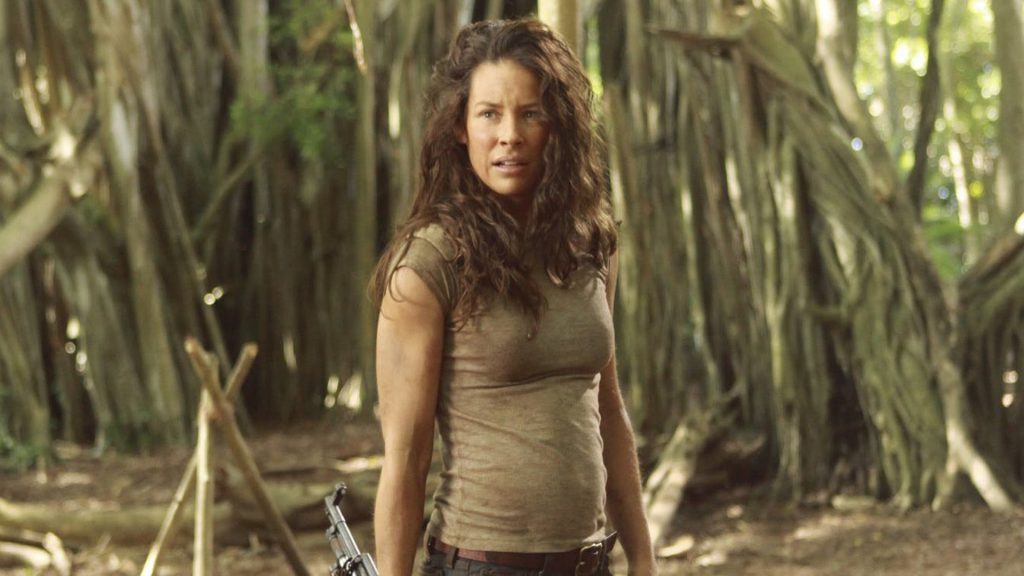
Navigating a mysterious television island proved physically and emotionally draining for its breakout leading lady. Evangeline Lilly felt increasingly cornered by the writers as her character, Kate Austen, became defined solely by a repetitive love triangle. She also revealed that she felt pressured into performing semi-nude scenes that left her trembling with discomfort on set. This specific lack of agency caused her to step back from Hollywood for a significant period.
Daniel Radcliffe – “Harry Potter and the Half-Blood Prince”
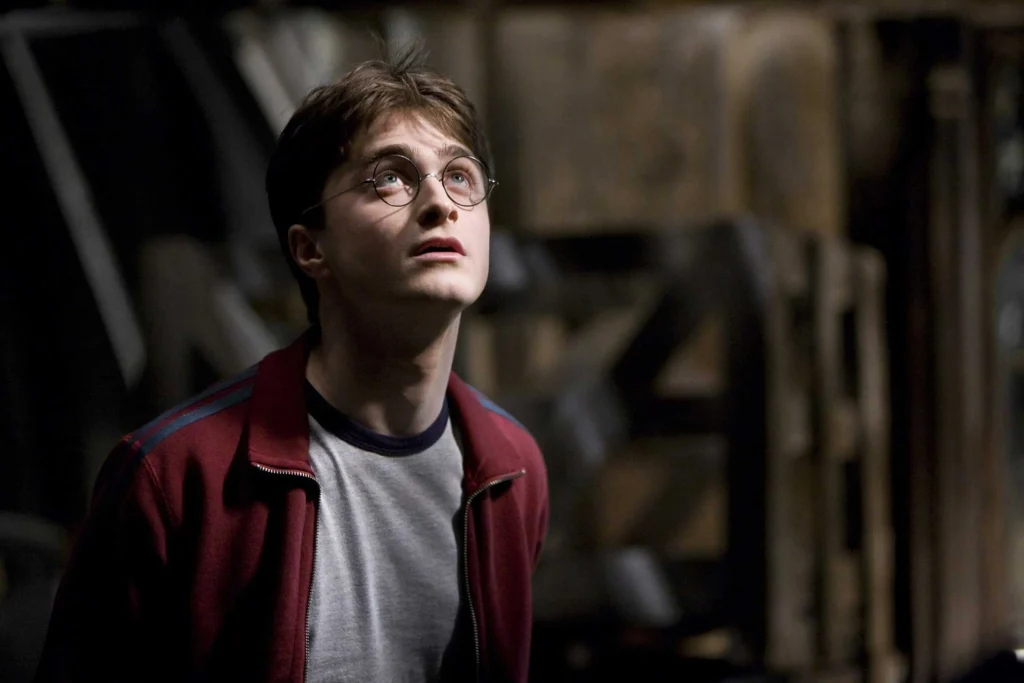
Growing up on screen inside the most successful wizarding world in history created a unique form of self-loathing. Daniel Radcliffe loves the franchise but absolutely despises his specific performance in the sixth cinematic installment. He described his acting as incredibly one-note and complacent during that particular filming window. This intense self-criticism motivated him to pursue highly eccentric, transformative indie roles on stage and screen.
Marlon Brando – “A Streetcar Named Desire”
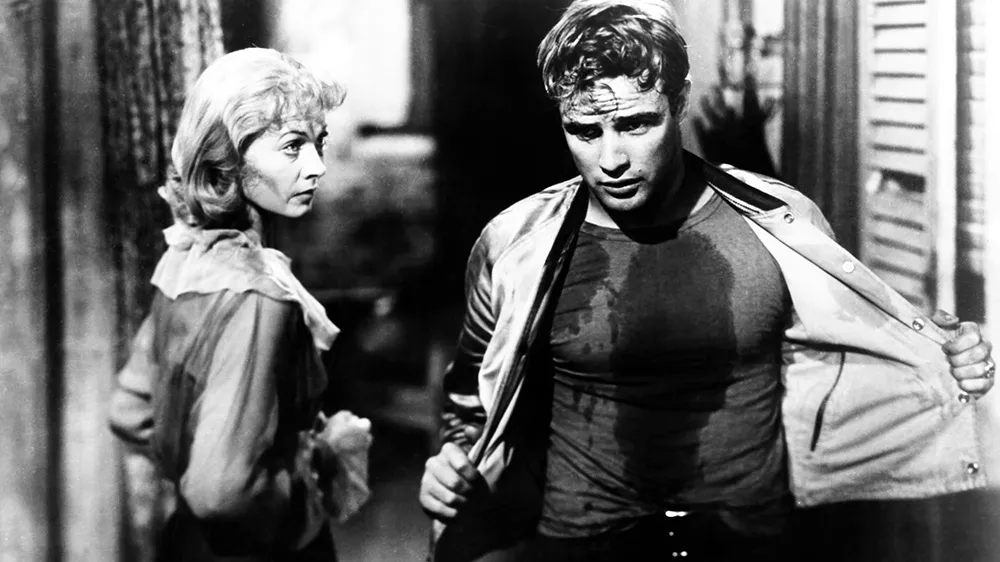
Even the most revolutionary acting performances in Hollywood history can generate deep personal revulsion. Marlon Brando achieved legendary status by bringing Stanley Kowalski to life, yet he despised the character’s brutish nature. He grew deeply frustrated that audiences idolized a character he viewed as a violent, insensitive monster. The iconic white t-shirt look became a symbol of a persona he spent the rest of his life trying to shed.
Crispin Glover – “Back to the Future”
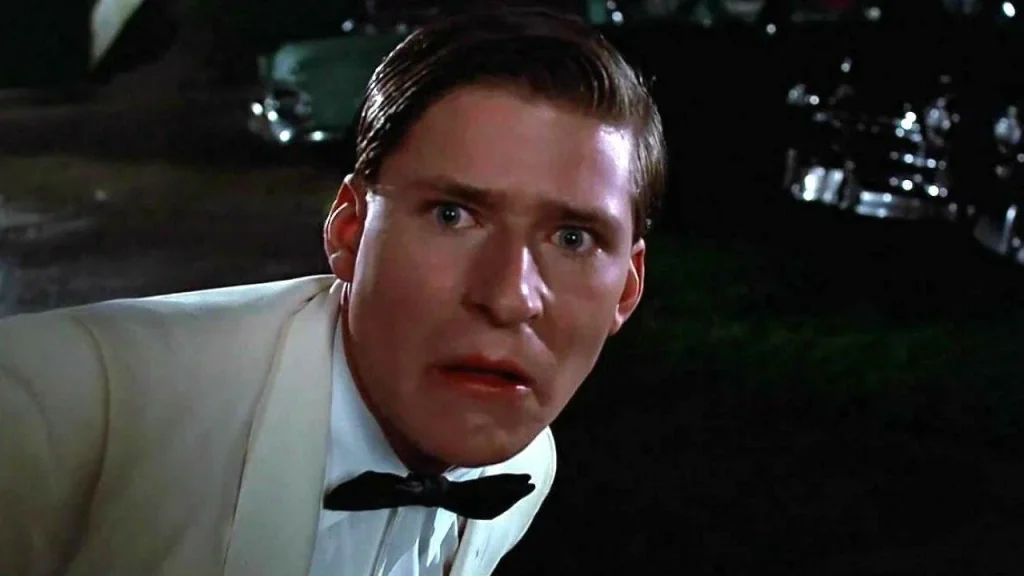
Creative disagreements over a film’s moral message can alienate eccentric character actors completely. Crispin Glover strongly objected to the ending of the iconic eighty-five sci-fi comedy, arguing that the characters should not be rewarded with material wealth. His outspoken criticism created major friction with director Robert Zemeckis and the producing team. Consequently, he was completely replaced by a different actor using a prosthetic mold in the sequels.
Robert Reed – “The Brady Bunch”
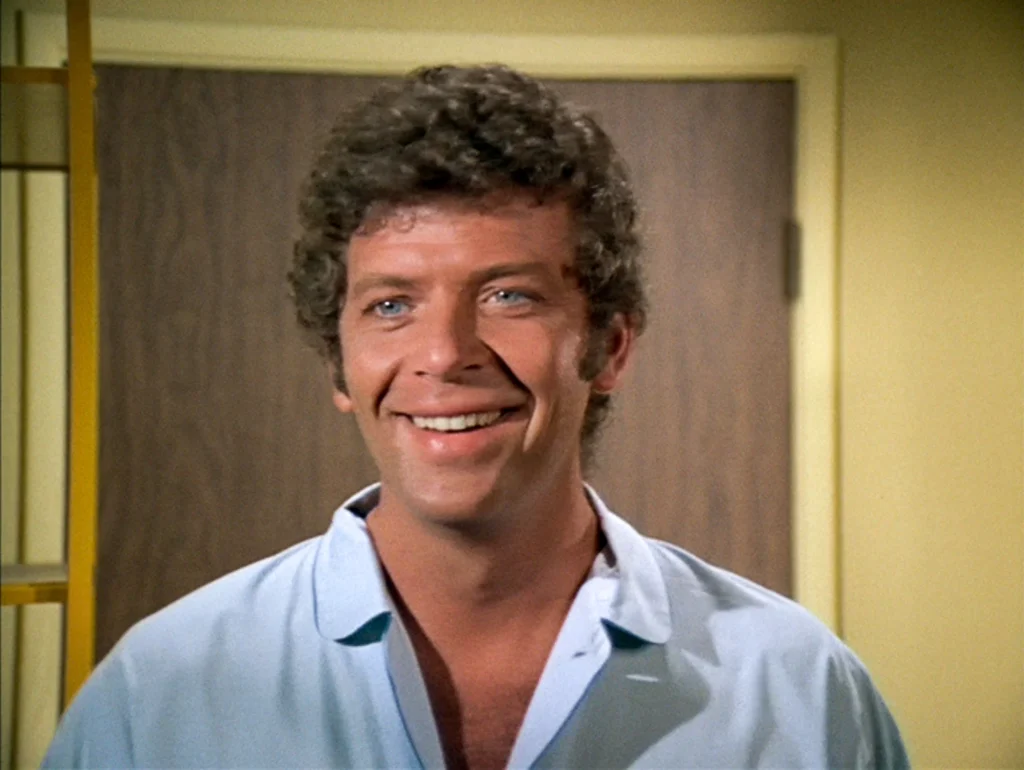
Classic television sitcoms often mask a mountain of behind-the-scenes theatrical pretension. Robert Reed was a classically trained Shakespearean actor who considered the wholesome writing of Mike Brady beneath his talent. He routinely sent multi-page legal memos to the show’s creators detailing the scientific and logical inaccuracies of the scripts. His constant battles on set nearly resulted in his character being written off the show entirely before its cancellation.
Brad Pitt – “The Devil’s Own”
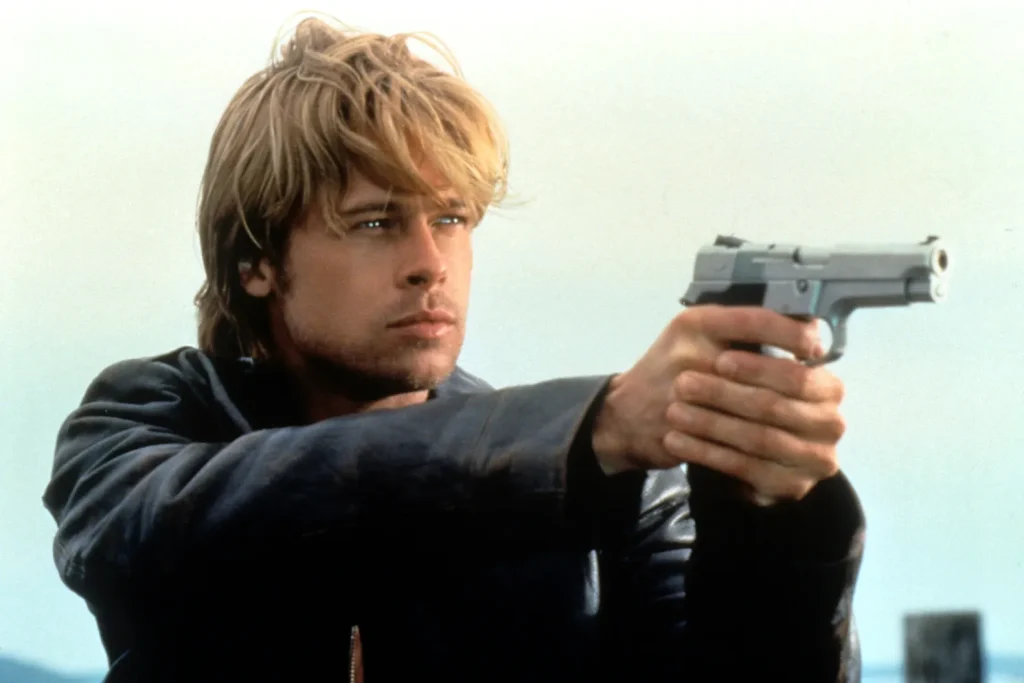
An early pairing of two Hollywood heavyweights resulted in an administrative disaster that one lead tried to escape. Brad Pitt was so deeply frustrated by the lack of a coherent script that he tried to walk away from the production before filming even commenced. Studio executives threatened him with a massive lawsuit if he breached his contract. He later described the final thriller as an irresponsible piece of filmmaking.
Allison Williams – “Girls”
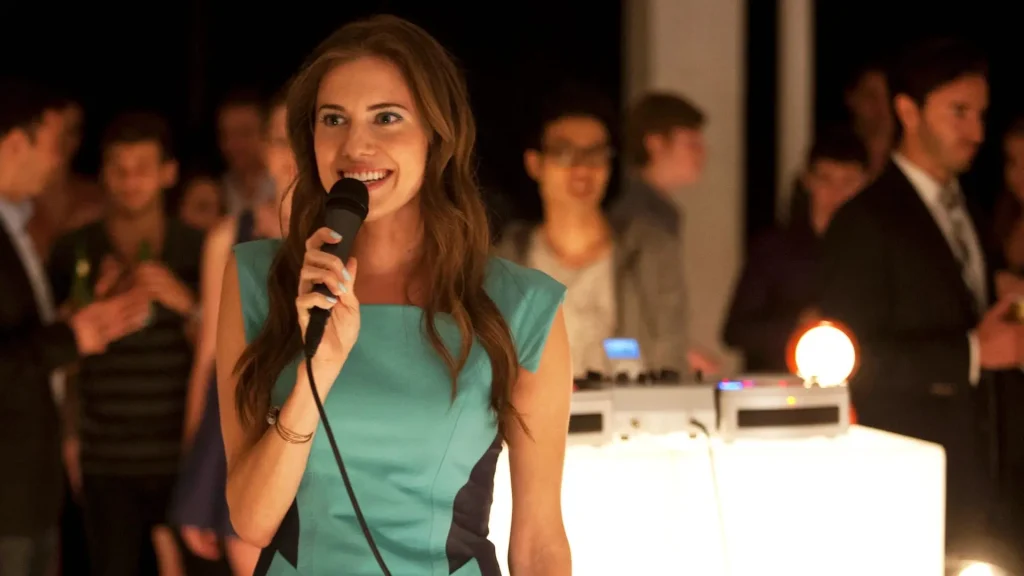
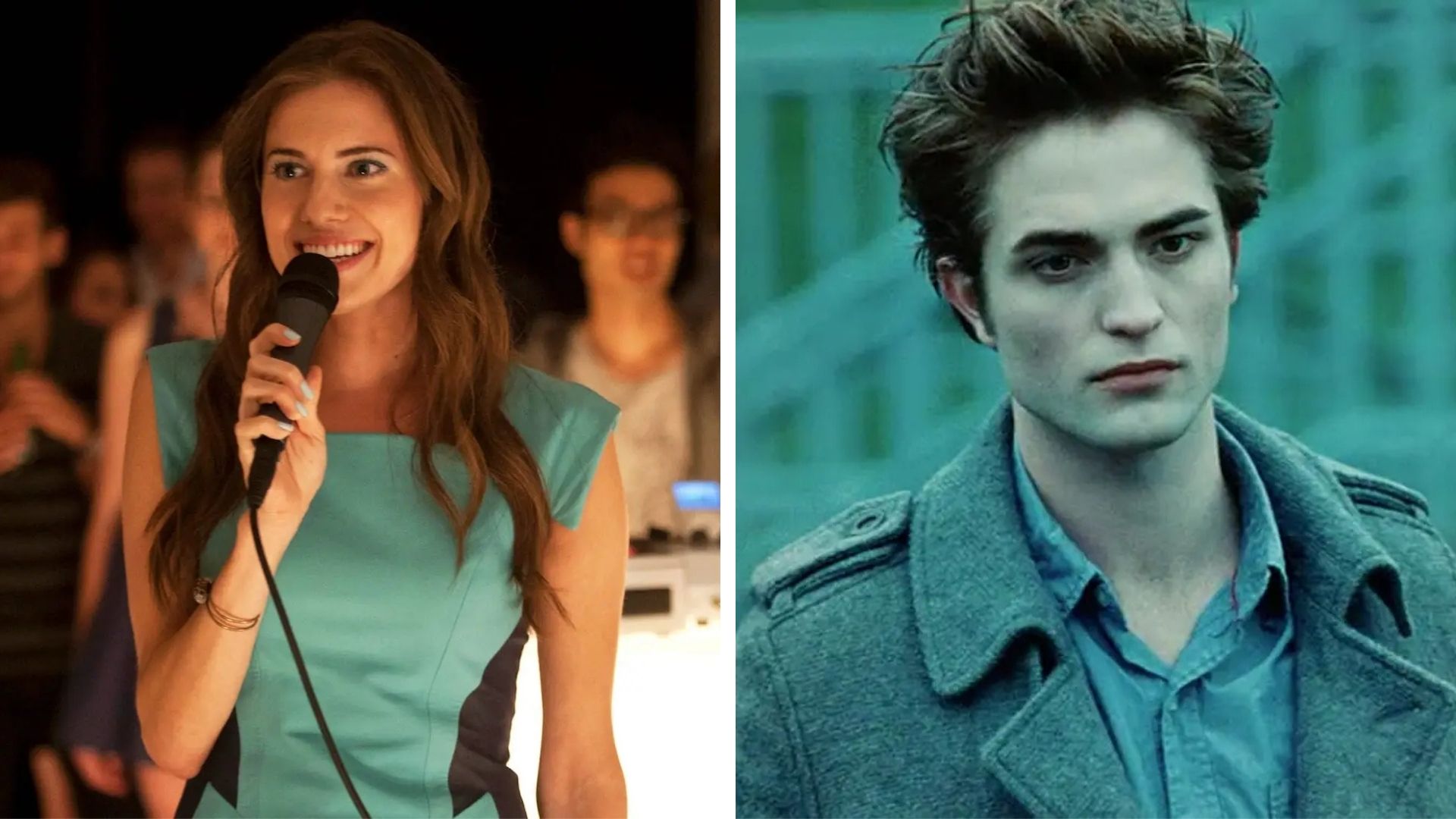
Playing a highly polarizing character on premium cable can take a significant psychological toll on a rising star. Allison Williams frequently found the entitled, self-absorbed behavior of Marnie Michaels completely indefensible. Watching her character make horrific life choices week after week caused immense frustration during table reads. She openly expressed relief when the series finally concluded, allowing her to transition into horror films like “Get Out”.
Robert Pattinson – “Twilight”
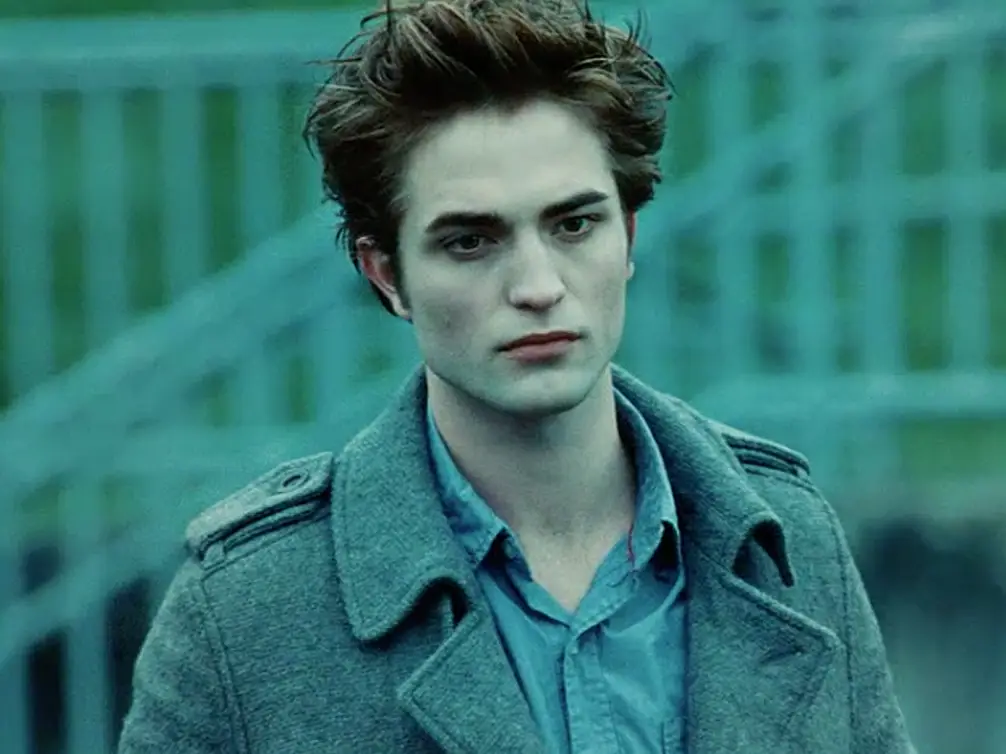
No actor has ever weaponized press junkets to completely destroy their own multi-billion-dollar romance franchise quite like this guy. Robert Pattinson spent years openly mocking the plot mechanics, creepy internal logic, and dramatic writing of Edward Cullen. He famously stated that he would have mindlessly hated the books if he were just a regular consumer. His blunt honesty during promotional tours became a viral internet phenomenon, cementing his status as the ultimate reluctant heartthrob.