History is often taught as a series of inevitable events, one thing leading logically to the next, as if the arc of human civilization were always bending in a predetermined direction. But spend enough time with the actual details and a very different picture emerges: one shaped by wrong turns, forgotten documents, laboratory accidents, and decisions made in the fog of exhaustion or panic. The outcomes we take for granted were frequently decided by the slimmest of margins. This article gathers 30 of the most shocking turning points in history, moments where a single detail, overlooked note, melted candy bar, or wrong turn changed everything that came after.
The Unread Note That Saved Washington’s Army at Trenton
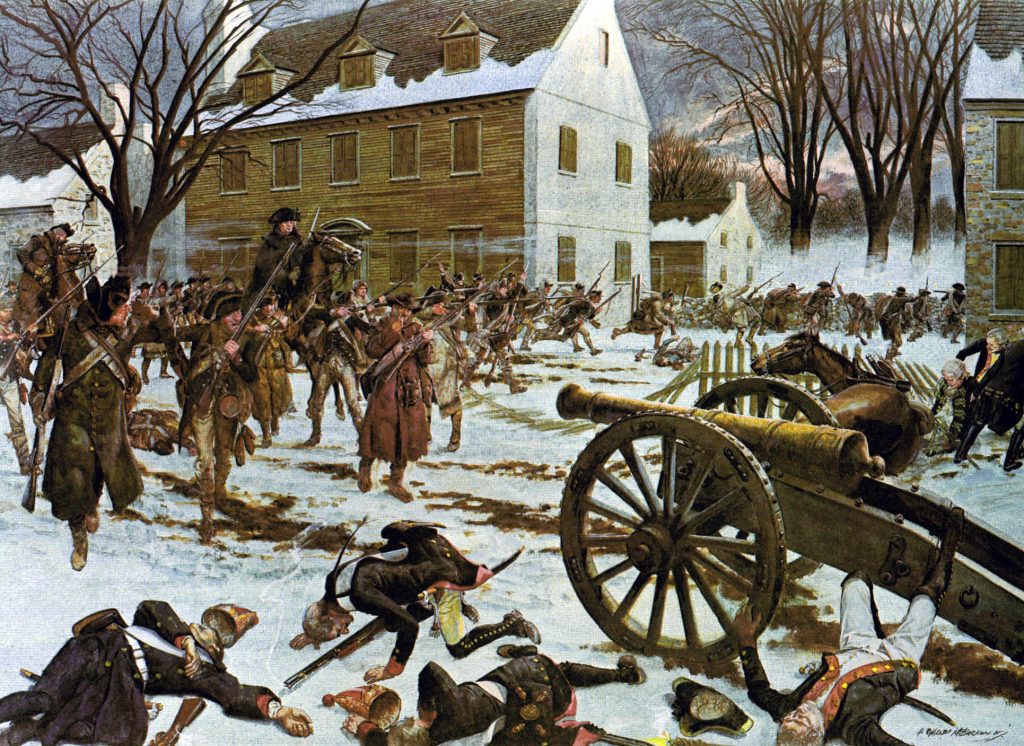
On Christmas night 1776, a Loyalist farmer spotted Washington’s forces crossing the Delaware and rushed a warning to Hessian commander Colonel Johann Rall. Rall was in the middle of a card game, pocketed the note without reading it, and went back to playing. Washington’s exhausted men attacked at dawn and overwhelmed the garrison completely. The note was found in Rall’s pocket after he was mortally wounded, still sealed.
Velcro: Invented by a Man Walking His Dog
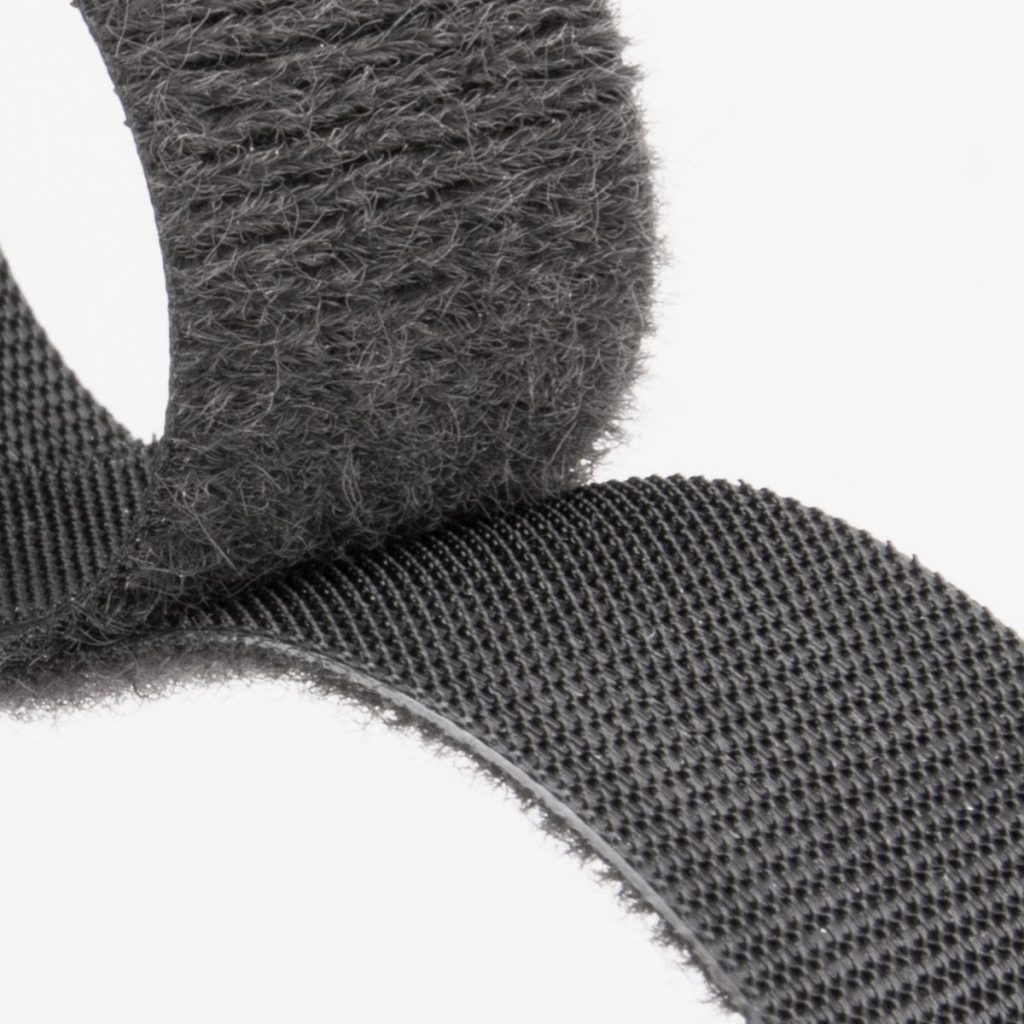
In 1948, Swiss engineer George De Mestral returned from a walk with his dog and noticed cockleburs stuck to both his clothes and the dog’s fur. Under a microscope, he saw that the burrs had tiny hooks that latched onto fabric loops, and spent the next seven years turning the observation into a product. NASA adopted Velcro in the 1960s to secure items in zero gravity before the fashion world caught on.
Three Cigars Wrapped in Paper That Turned the Civil War
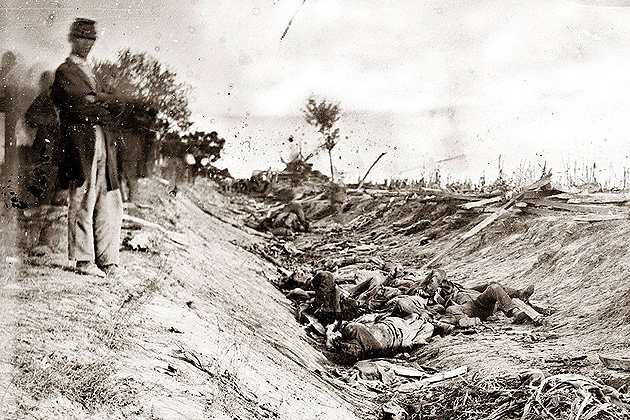
In September 1862, Union Corporal Barton Mitchell arrived at a campsite recently vacated by Confederate forces and found an envelope with three cigars wrapped in paper. The paper turned out to be Robert E. Lee’s Special Orders No. 191, detailing the exact positions and movements of the entire Confederate army. The discovery forced the Battle of Antietam and ended Lee’s Maryland Campaign, preventing Britain and France from recognizing Confederate independence.
Penicillin: A Vacation and a Dirty Petri Dish
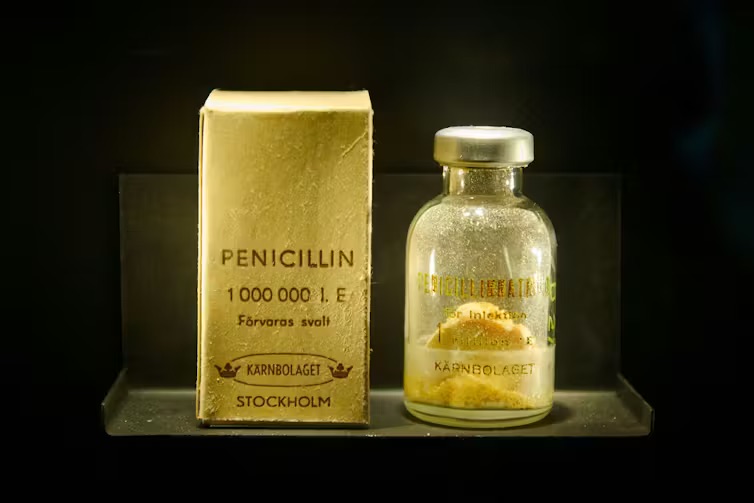
In 1928, Alexander Fleming left a petri dish of bacteria in his London lab sink before going on vacation. When he returned, a mold had grown on the dish and killed every bacterium surrounding it. He published a paper, moved on, and thought little of it. A decade later, chemists read the paper and turned it into viable medicine, producing the world’s first antibiotic and transforming the average human life expectancy.
A Wrong Turn in Sarajevo That Started World War I
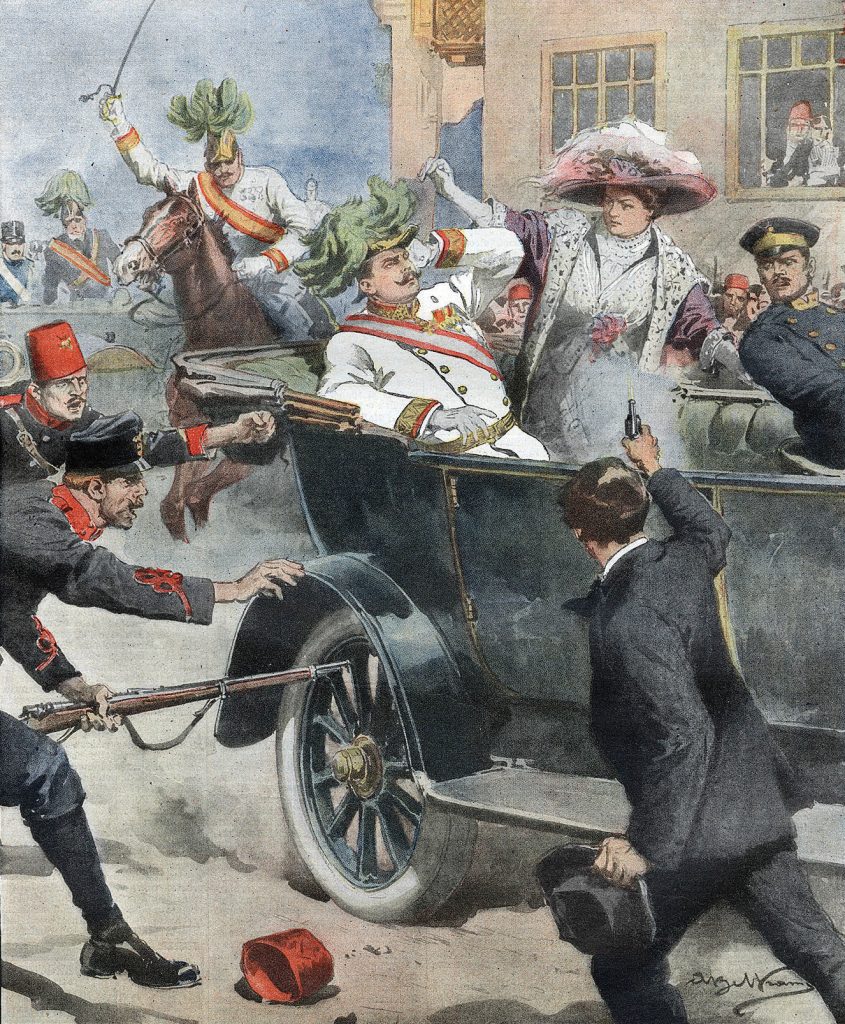
On June 28, 1914, Gavrilo Princip had already given up on assassinating Archduke Franz Ferdinand after a botched earlier attempt and gone to buy a sandwich. Franz Ferdinand’s motorcade then took a wrong turn down the exact same street and stalled just feet from where Princip was standing. He fired two shots, killed the Archduke and his wife, and triggered the chain of alliances that pulled the world into a war that killed over 20 million people.
Saccharin: Discovered Because a Chemist Forgot to Wash His Hands
In 1879, Russian chemist Constantin Fahlberg spent the day working with coal tar derivatives, went to dinner without washing his hands, and noticed that his bread tasted startlingly sweet. He traced the sweetness to a chemical compound on his fingers, returned to the lab, and identified saccharin, the world’s first artificial sweetener. He then secretly patented the discovery, cutting his supervisor and the lab out of millions of dollars in royalties.
Five Minutes at Midway That Ended Japan’s Chances in World War II
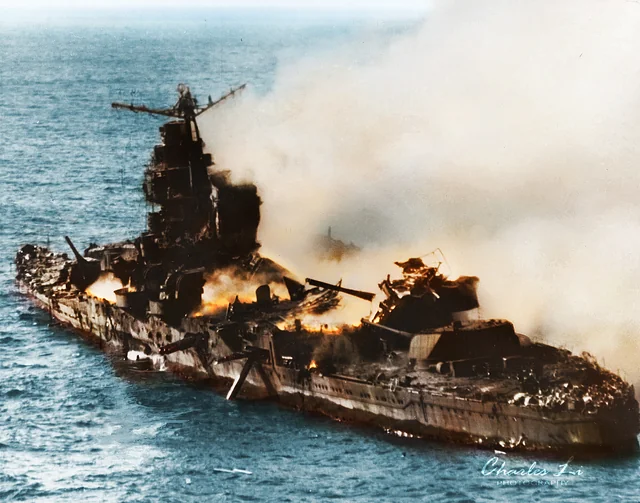
At 10:25 a.m. on June 4, 1942, Japan controlled the Pacific and possessed the world’s most powerful naval air force. By 10:30, three of its four fleet carriers were on fire, their decks packed with bombs and fuel at the worst possible moment. American dive bombers had located the fleet by following the wake of a lone Japanese destroyer. Japan never recovered its naval air superiority.
Play-Doh: A Wallpaper Cleaner That Lost Its Job
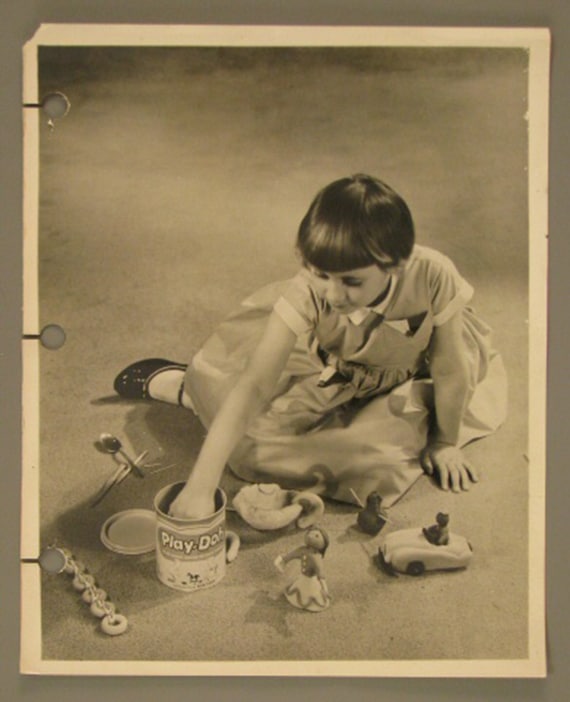
Before World War II, most American homes were heated by coal, which left soot on wallpaper. Noah McVicker developed a non-toxic dough to clean it. When natural gas replaced coal after the war, the product had no market and the company was near bankruptcy. McVicker’s sister, a schoolteacher, discovered the dough was perfect for art class, and Play-Doh was born, eventually selling hundreds of millions of canisters worldwide.
Tootsie Rolls Instead of Mortar Shells at the Chosin Reservoir
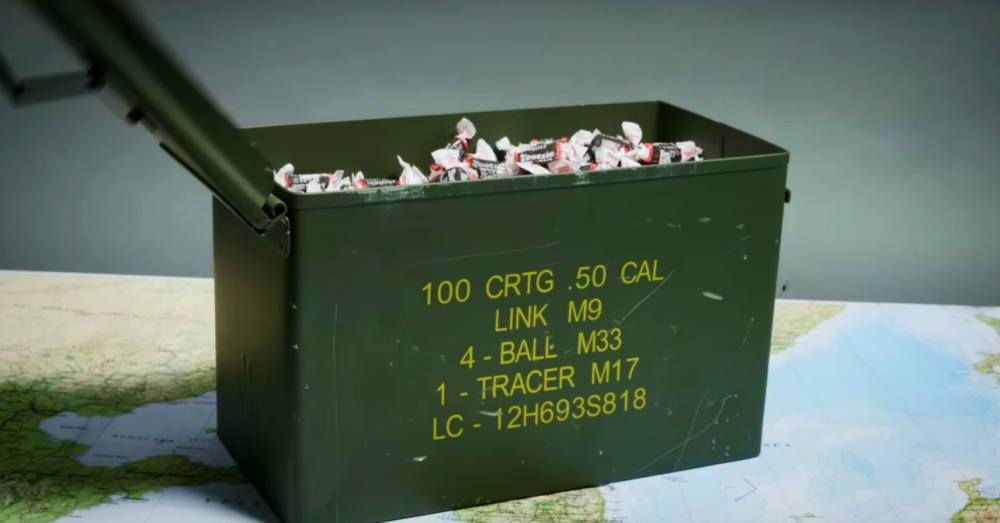
Surrounded by 120,000 Chinese troops in minus-25-degree conditions in 1950, 15,000 American soldiers radioed for mortar shells using the established code name: Tootsie Rolls. Quartermasters unfamiliar with the code airdropped crates of actual candy. The troops discovered that chewed Tootsie Rolls froze solid and could be used as improvised epoxy to patch bullet holes in equipment. They broke out of the encirclement.
Corn Flakes: Born From a Pot Left on the Stove Too Long
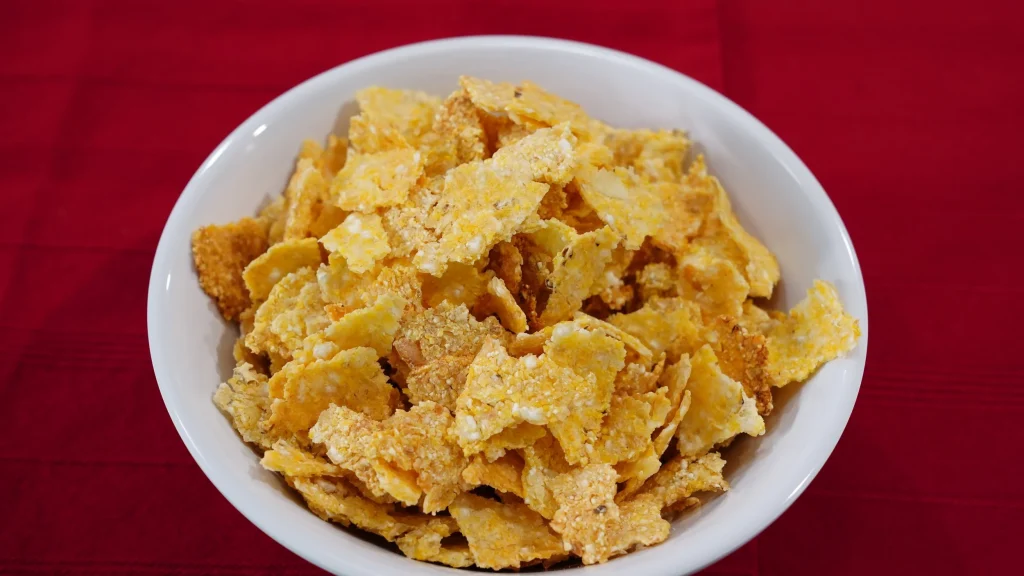
In 1894, Will Keith Kellogg accidentally left boiled wheat sitting out at the Battle Creek Sanitarium, where he worked with his brother. When he returned, the wheat had gone stale and separated into flakes. Baked, they became a crunchy, edible snack. After experimenting with corn instead of wheat, the Kellogg brothers had a product that would become one of the best-selling breakfast foods in history.
George Washington Paused a War to Return an Enemy’s Dog
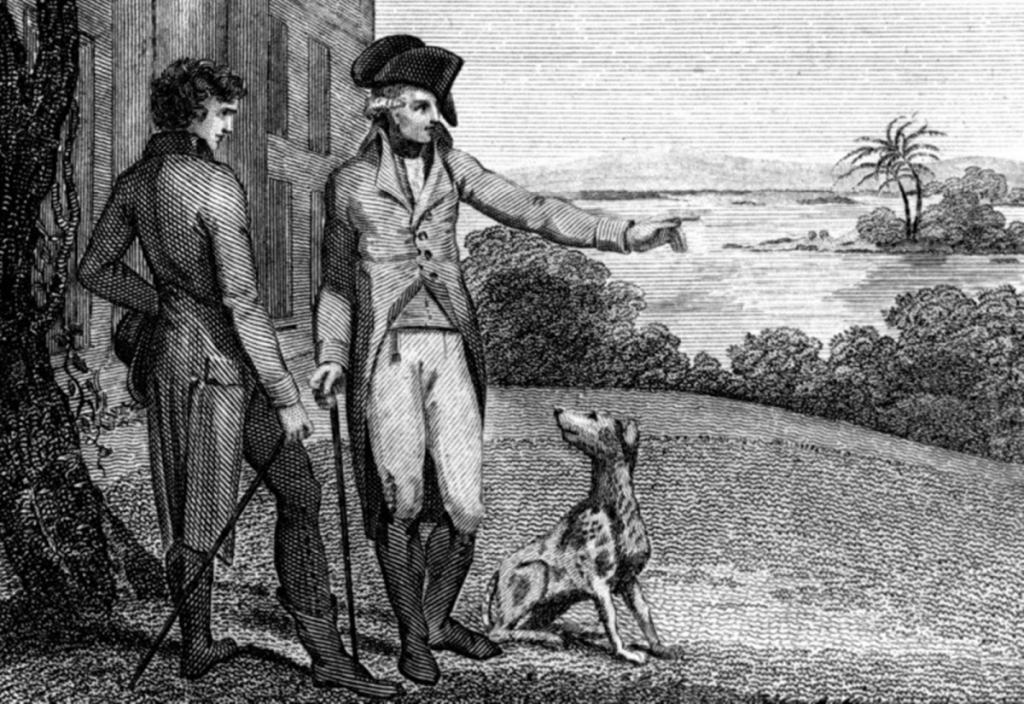
After losing the Battle of Germantown in 1777, retreating Americans found a terrier in their ranks whose collar identified it as belonging to British commander Sir William Howe. Washington refused to keep it and sent it back under a white flag with a courteous note. Howe described the gesture as the honorable act of a fine gentleman, and historians note his noticeably reduced enthusiasm for the campaign in the months that followed.
Viagra: Developed for Heart Patients Who Refused to Return It
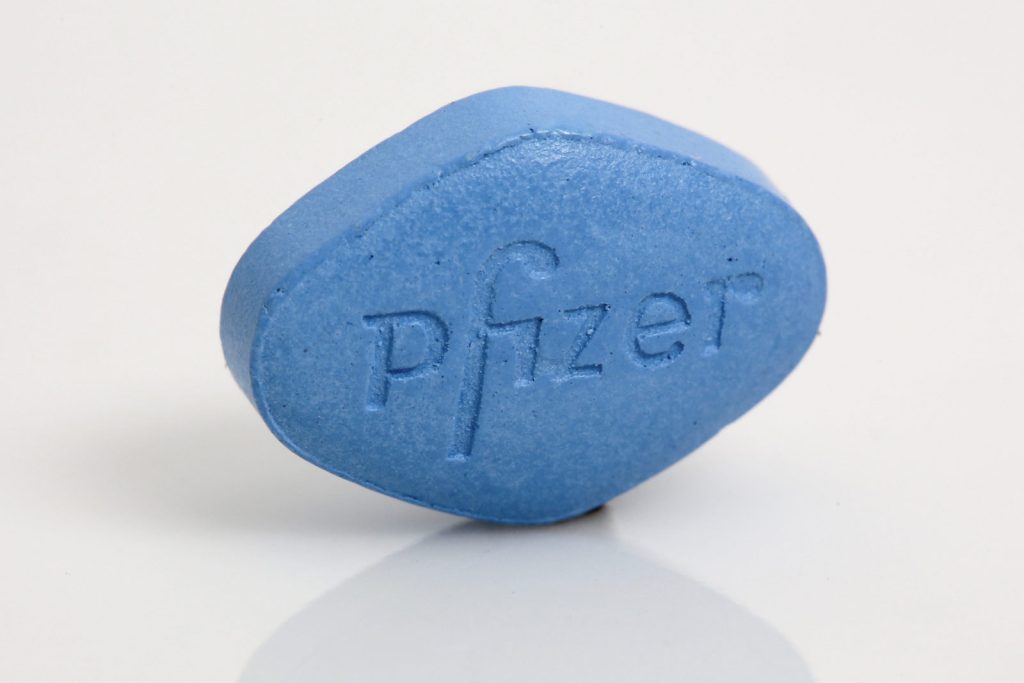
In 1992, Pfizer scientists were trialing a pill to treat angina in a Welsh village. It showed almost no effect on the heart condition, but male participants in the study consistently refused to return their unused supply, citing an unexpected side effect. Scientists recognized what they had and switched the drug’s target market entirely. Viagra launched in 1998 and became one of the fastest-selling pharmaceuticals in history.
The Microwave Oven: A Melted Chocolate Bar in a Wartime Lab
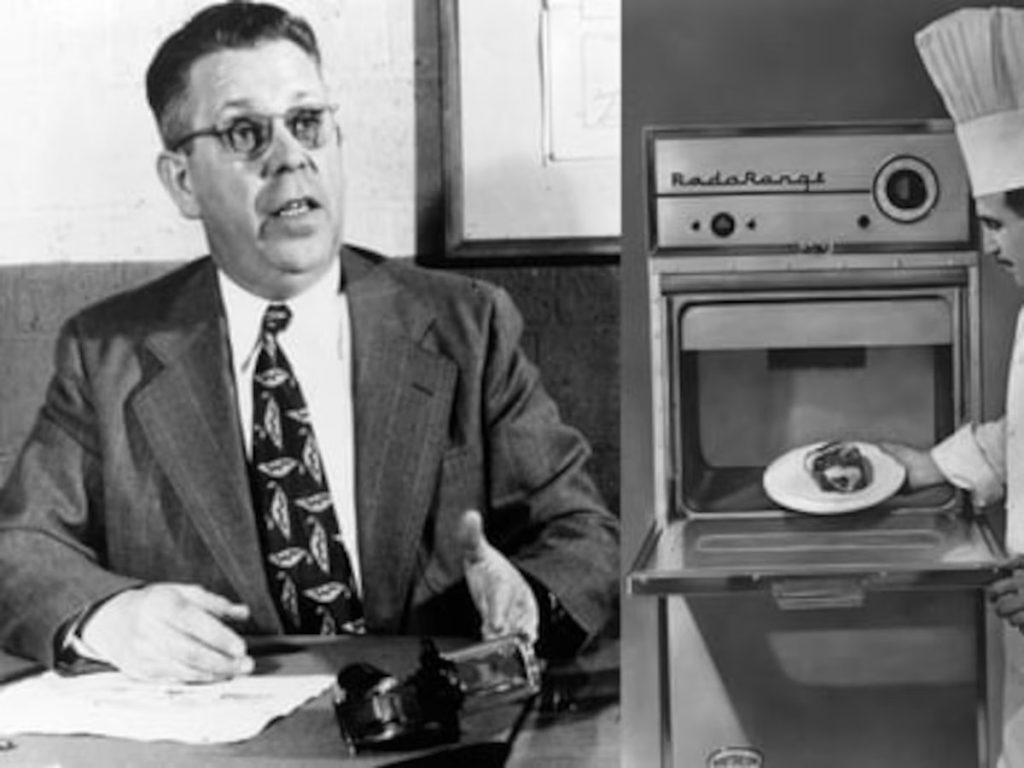
In 1945, Raytheon engineer Percy Spencer was working with radar magnetron tubes when he noticed the chocolate bar in his pocket had melted. He confirmed the effect on popcorn and eggs, and Raytheon patented the result. The first commercial model weighed 750 pounds and cost over $2,000; within three decades it had become standard in millions of kitchens worldwide.
The British Bluff That Surrendered Fort Detroit
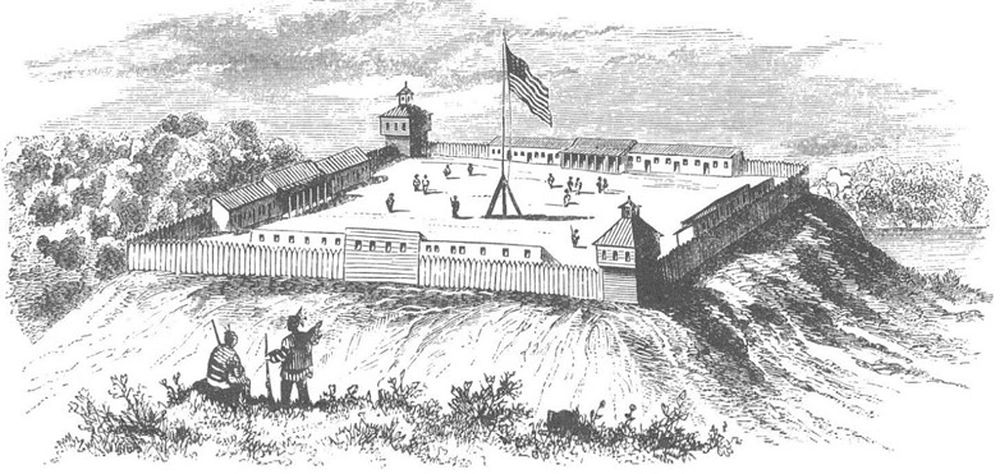
In 1812, British General Isaac Brock marched on Fort Detroit with 1,330 men against nearly 2,500 American defenders. He dressed militia in British uniforms, marched the same soldiers in visible loops to simulate reinforcements, and let a forged letter fall into American hands claiming 5,000 Native American allies rather than the actual 600. American General Hull surrendered without a serious fight, handing over 36 cannons and the only American warship on the Upper Lakes. Brock’s cost was two men wounded.
Safety Glass: A Flask That Cracked but Did Not Shatter
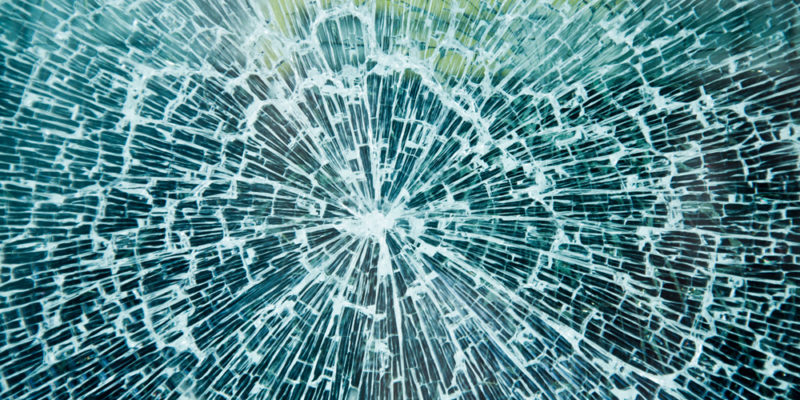
In 1903, French chemist Edouard Benedictus accidentally dropped a glass flask coated with dried cellulose nitrate film and found that it cracked but held together instead of shattering. He filed a patent immediately, but the invention sat dormant until World War I, when the military needed shatter-resistant lenses for gas mask goggles. Safety glass now lines every car windshield manufactured in the world.
Coca-Cola: Invented While Trying to Cure a Morphine Addiction
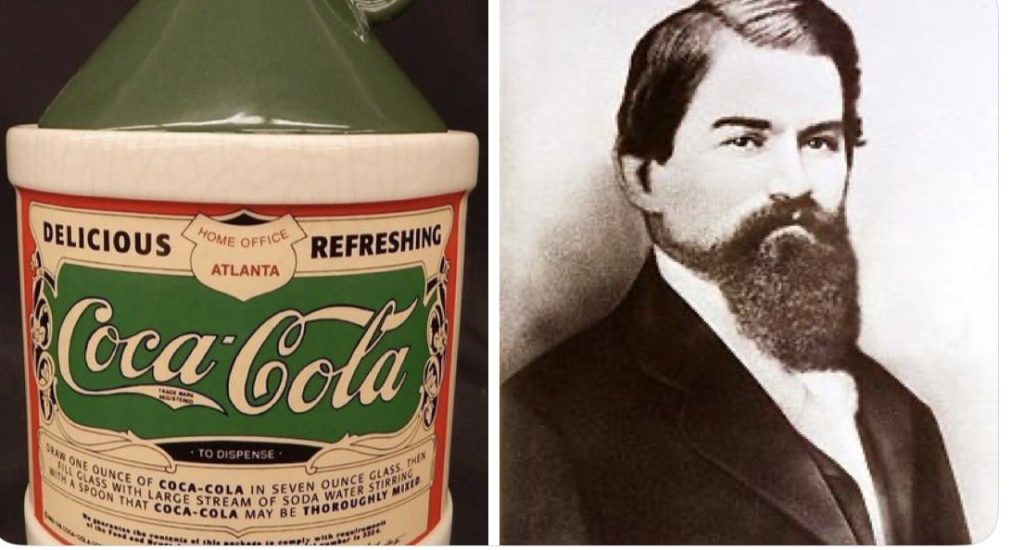
Atlanta pharmacist John Pemberton was injured in the Civil War and developed a morphine dependency he hoped to cure by inventing an opiate-free painkiller. Temperance laws forced him to remove alcohol from his formula, and while adjusting it, he accidentally mixed the syrup with carbonated water. He sold the result for five cents a glass in 1886. Today Coca-Cola operates in more countries than the United Nations has members.
Post-it Notes: A Failed Adhesive That Waited Six Years for Its Purpose
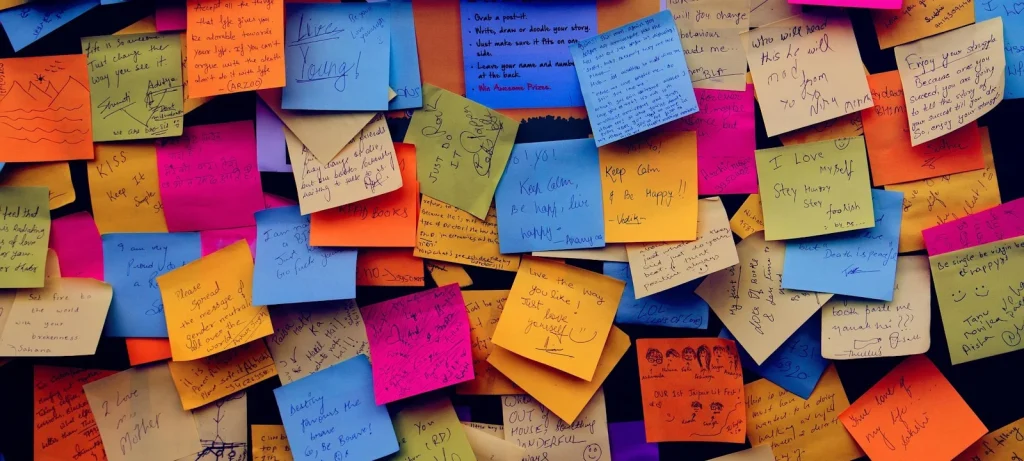
In 1968, 3M chemist Spencer Silver was tasked with creating a stronger adhesive and instead produced one so weak it barely stuck to anything. The failure sat unused for six years until colleague Art Fry, frustrated that his hymn-book bookmarks kept falling out, realized Silver’s weak glue was exactly what he needed. 3M launched Post-it Notes in 1980, generating over a billion dollars in sales within its first decade.
The Pacemaker: Built From the Wrong Resistor
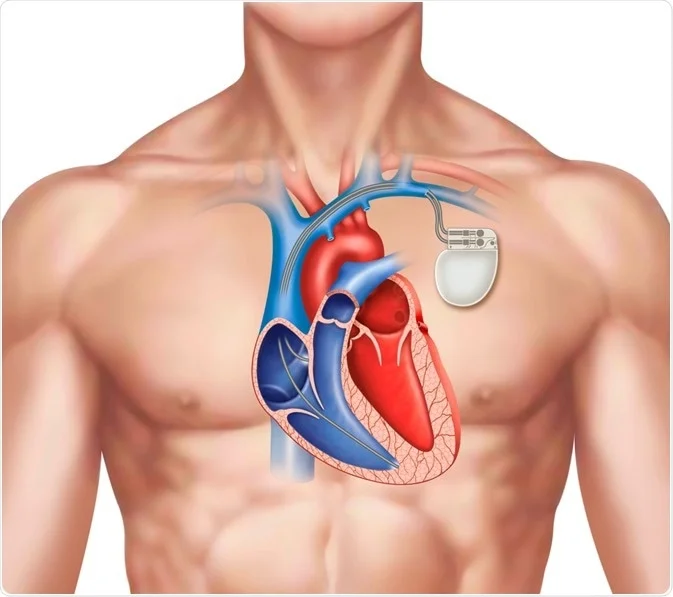
In 1956, engineer Wilson Greatbatch was building a device to record heart sounds and reached into a box for a resistor. He grabbed the wrong size. The resulting circuit emitted a steady electrical pulse that mimicked the human heartbeat exactly. He spent the next two years refining it and presented it to a surgeon in 1958, successfully controlling a dog’s heartbeat, then a human’s in 1960. Tens of millions of patients have since received implantable pacemakers.
Pancho Villa’s Last Words Were About His Last Words
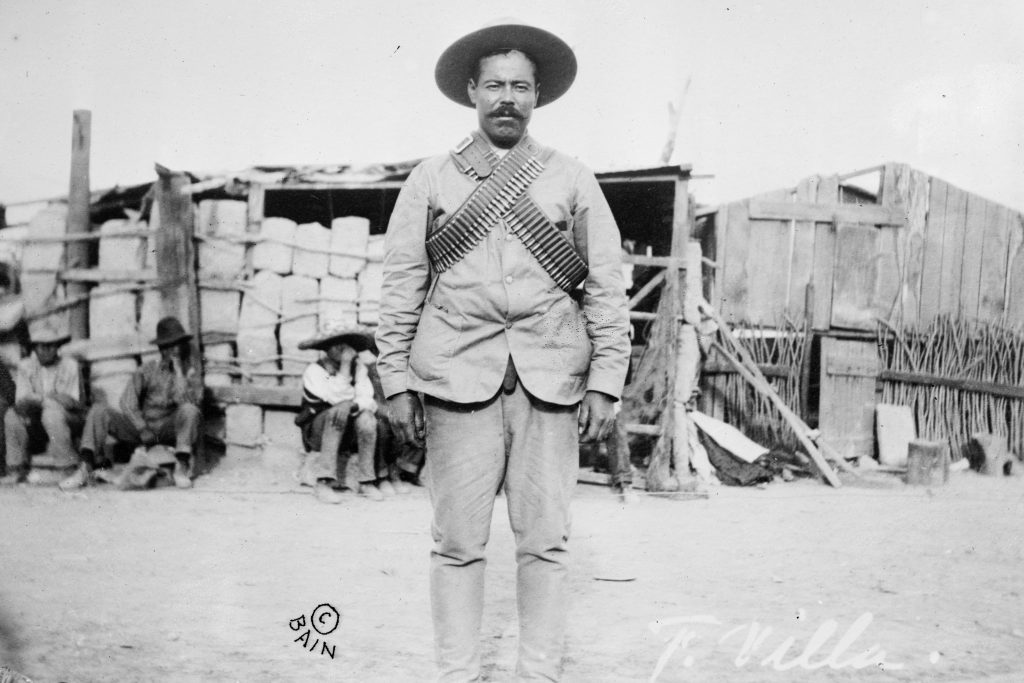
When Pancho Villa was fatally ambushed in 1923, he was aware he was dying and decided his extraordinary life deserved an extraordinary final statement. He could not think of one. His reported last words were: “Don’t let it end like this. Tell them I said something.” It is, accidentally, one of the most honest and memorable deathbed statements in recorded history.
Superglue: A Failed Experiment Abandoned for Nine Years
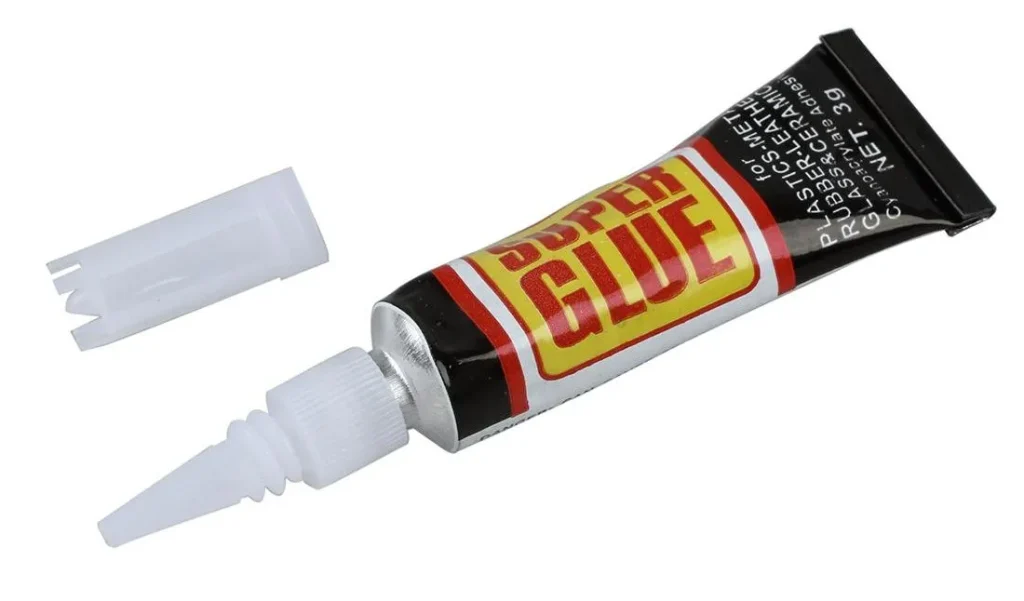
In 1942, chemist Harry Coover was trying to create clear plastic gun sights for Allied weapons and accidentally created a substance that stuck to everything irreversibly. He abandoned it as useless. Nine years later, working on heat-resistant aircraft canopies, he created the same substance again, recognized it, and commercialized it. Superglue went on sale in 1958 and has since been used in surgery, aerospace, and practically every household on earth.
Teflon: Found in a Gas Cylinder That Should Have Been Empty
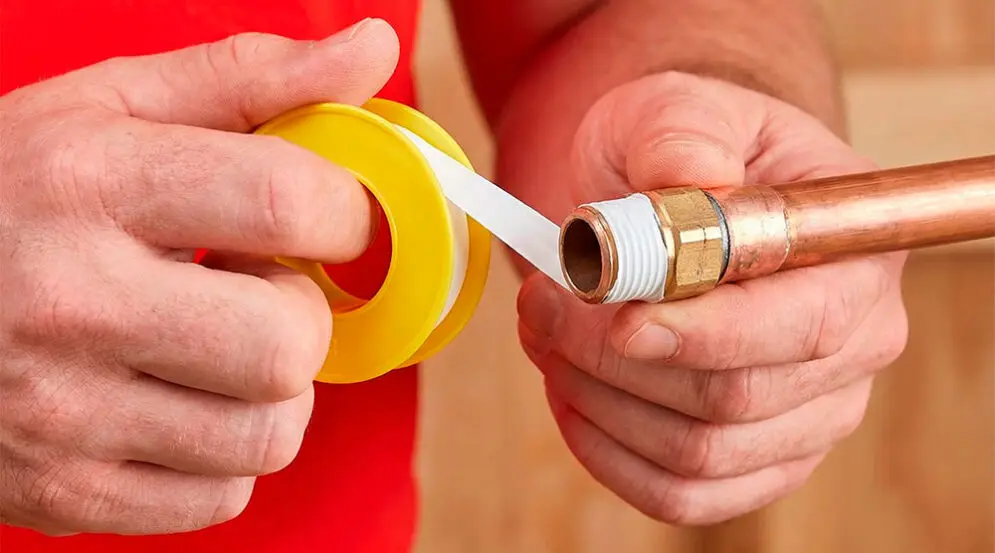
In 1938, DuPont chemist Roy Plunkett opened a cylinder of tetrafluoroethylene gas expecting it to be empty and found a slippery white powder inside instead: the gas had polymerized overnight on its own. The powder was heat-resistant, non-reactive, and nearly frictionless. The military used it in the Manhattan Project, and it later became the non-stick coating now found on over 70% of the world’s frying pans.
The Potato Chip: Born From a Chef’s Spite
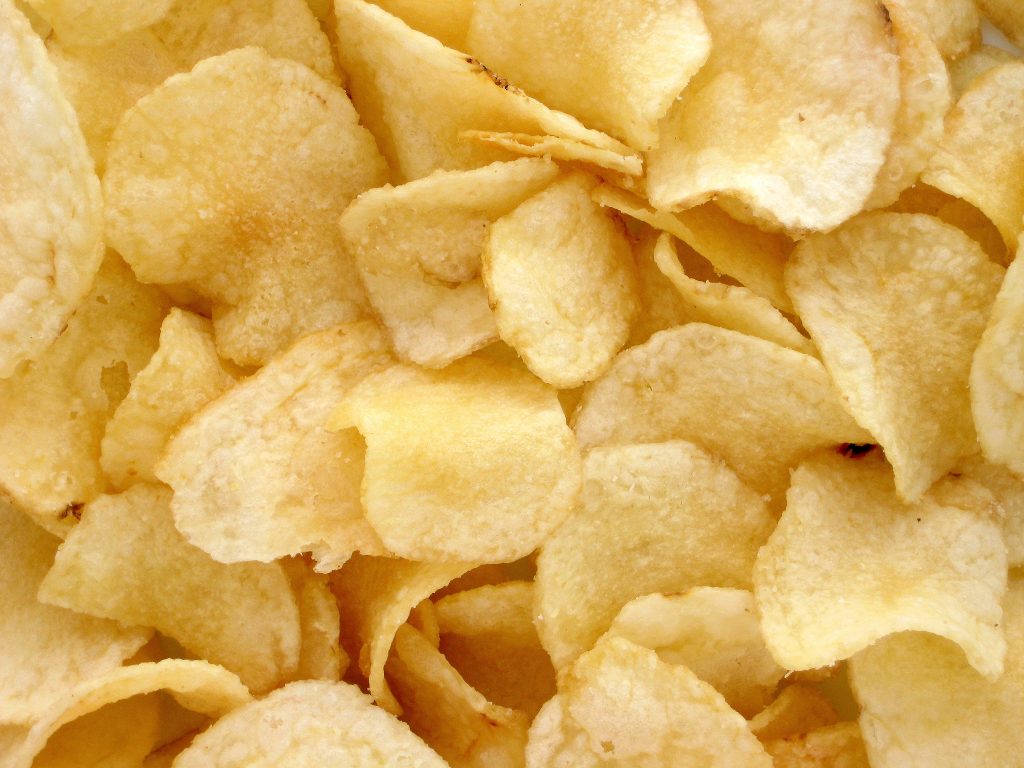
In 1853, a customer at a Saratoga Springs resort repeatedly sent back his fried potatoes for being too thick and soggy. Chef George Crum sliced them paper-thin out of frustration, fried them crisp, and buried them in salt, expecting the customer to hate them. The customer loved them. Potato chips became one of the best-selling snack foods in history, and it all started as a deliberate act of culinary revenge.
X-Rays: Found While Trying to Stop Something Else Entirely
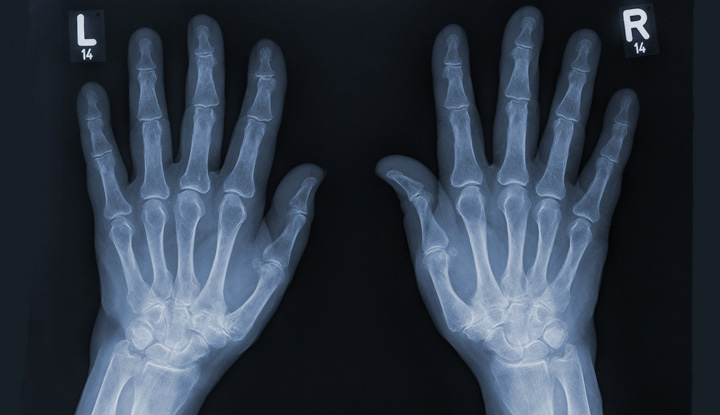
On November 8, 1895, physicist Wilhelm Roentgen noticed that a fluorescent screen across the room was glowing despite being outside the cathode ray beam. He placed his hand in front of the tube and produced the first X-ray image: the bones of his own hand. He published his findings six weeks later. Within a year, hospitals were using X-ray machines, and within a decade, the technology had become fundamental to medicine worldwide.
Stalin Refused to Believe Germany Was Attacking Until It Was Too Late
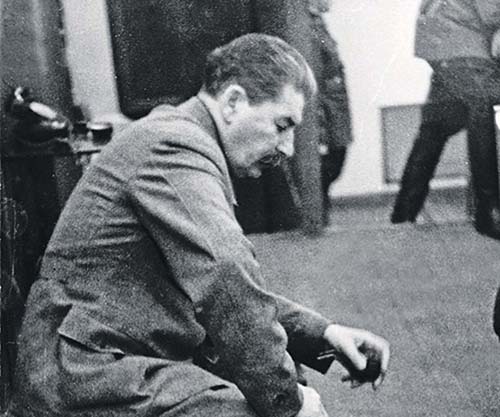
When Germany invaded the Soviet Union on June 22, 1941, Stalin had received over 80 separate warnings of an impending attack and dismissed every one as British disinformation. Soviet commanders phoning Moscow to report they were under attack were told they were experiencing border incidents, not war. By the end of 1941, the Germans had captured 3.4 million Soviet POWs. Stalin’s refusal to read the intelligence cost the USSR a catastrophe from which it took years to recover.
The Waterloo Dead Were Turned Into Fertilizer
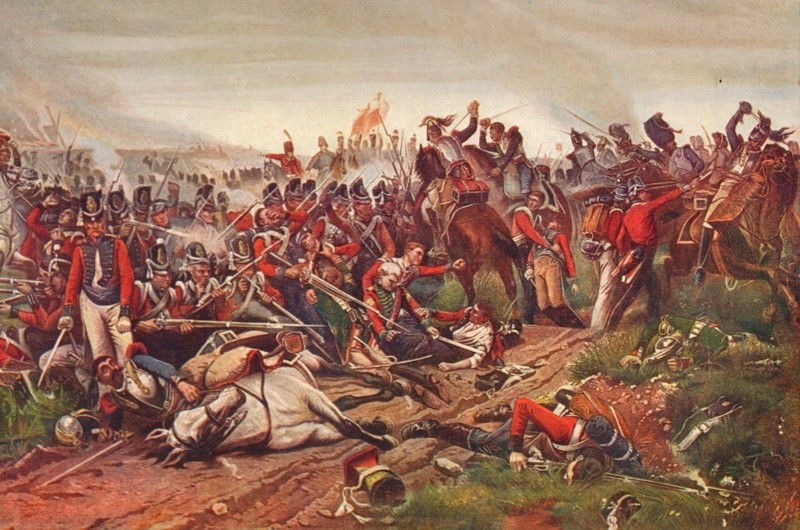
After the Battle of Waterloo in 1815, the tens of thousands of dead were stripped of their teeth, which were fashioned into dentures so common they became known as “Waterloo teeth” for decades afterward. Their bones were shipped to Britain and ground into agricultural fertilizer. As one correspondent wrote in 1822, the good farmers of Yorkshire were, in no small measure, growing their crops from the remains of their own countrymen.
Insulin: Discovered Because Flies Swarmed a Dog’s Urine
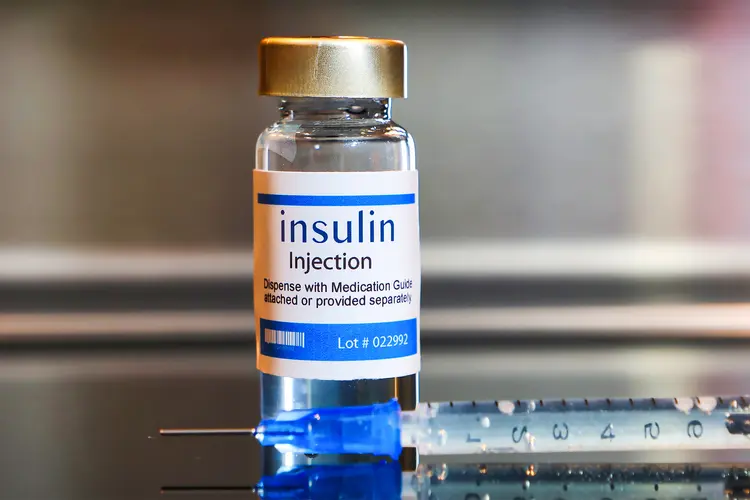
In 1889, two doctors removed the pancreas from a healthy dog to study digestion. A few days later, they noticed flies swarming around the dog’s urine, something they had never seen before. Testing it, they found sugar, which meant they had accidentally given the dog diabetes. That observation set off the chain of research that led, in 1922, to the isolation of insulin. Within a year, pharmaceutical companies were producing it commercially.
Mauve: A Failed Malaria Cure That Built the Modern Chemical Industry

In 1856, eighteen-year-old chemist William Perkin was trying to synthesize quinine, the malaria drug, from coal tar. His experiment failed completely, but it left a dark purple residue that, when dipped in silk, produced a vivid, stable color. Perkin had accidentally invented mauve, the world’s first synthetic dye, and founded the entire modern chemical and synthetic dye industry on a failed attempt to cure one of history’s deadliest diseases.
Chewing Gum: An Inventor Who Popped Failure Into His Mouth
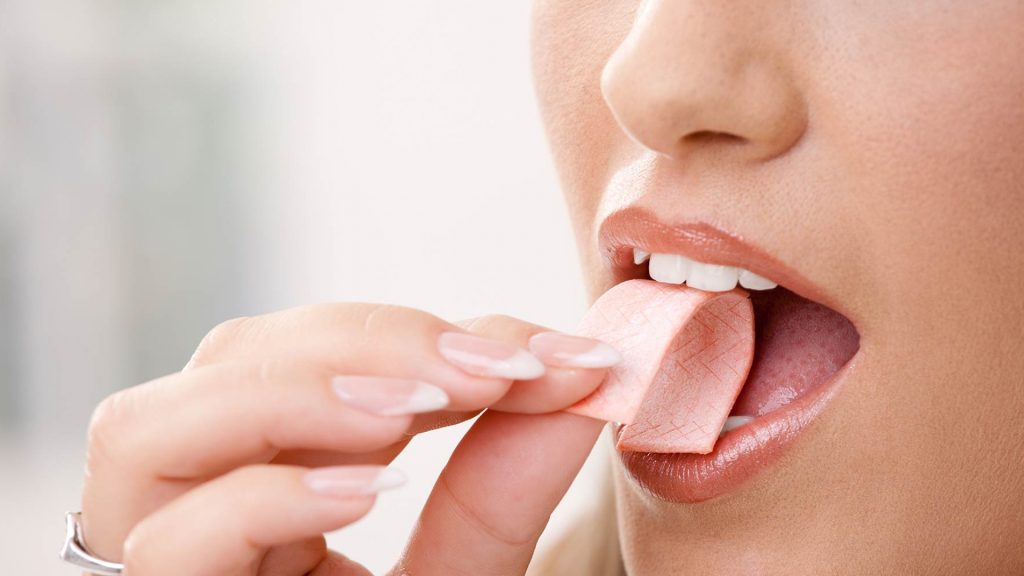
In 1870, Thomas Adams was experimenting with chicle, a sap from South American trees, as a cheap substitute for rubber. After months of failed attempts, he popped a piece into his mouth out of frustration. He liked it, and within a year was producing flavored chicle-based chewing gum for sale across New York. The global chewing gum market is now worth over $30 billion annually.
LSD: Absorbed Through a Scientist’s Fingertips by Accident
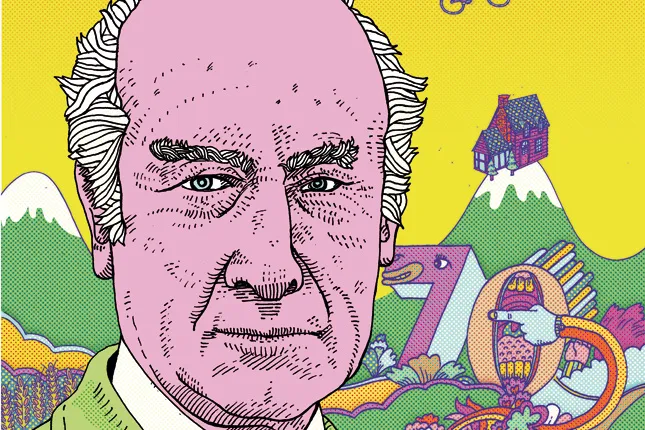
Swiss chemist Albert Hofmann was synthesizing lysergic acid compounds in 1943 when he accidentally absorbed a small quantity through his fingertips. He described feeling restless and dizzy before experiencing an uninterrupted stream of vivid, kaleidoscopic imagery with his eyes closed. Intrigued, he intentionally dosed himself days later and rode his bicycle home, creating what became known as Bicycle Day. LSD went on to reshape psychiatry, counterculture, and neuroscience research.
Bubble Wrap: A Failed Wallpaper That Became the World’s Favorite Packaging
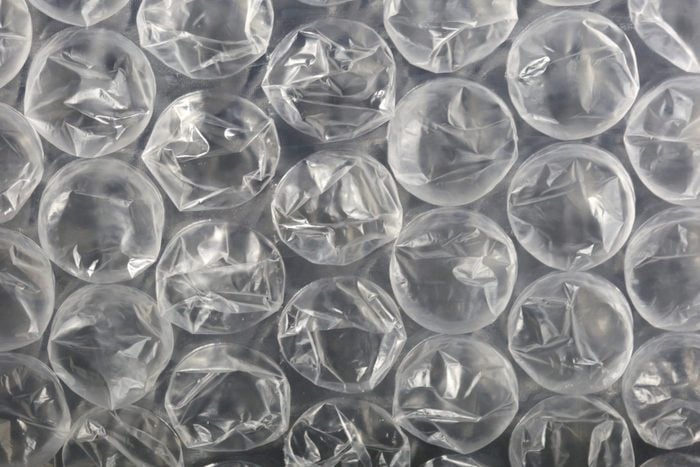
In 1957, engineers Alfred Fielding and Marc Chavannes sealed two shower curtains together in a way that trapped air bubbles inside, intending to create a textured 3D wallpaper for modern interiors. Nobody wanted it. They then tried marketing it as greenhouse insulation. Nobody wanted that either. Three years later, IBM was shipping its new 1401 computer and needed protective packaging, and Fielding convinced them to try the failed wallpaper. Bubble Wrap became one of the most recognized materials on earth, and the original popping satisfaction has never been improved upon.