Television in the 1980s was a period of wild experimentation and high-budget risks that did not always pay off for major networks. Many shows featured ambitious premises, ranging from high-tech crime-fighting vehicles to supernatural comedies, only to be cancelled after a handful of episodes. These brief runs often left a lasting impression on viewers who still discuss them decades later. This article explores 30 items that highlight the most memorable single-season wonders of the era.
Tales Of The Gold Monkey (1982)
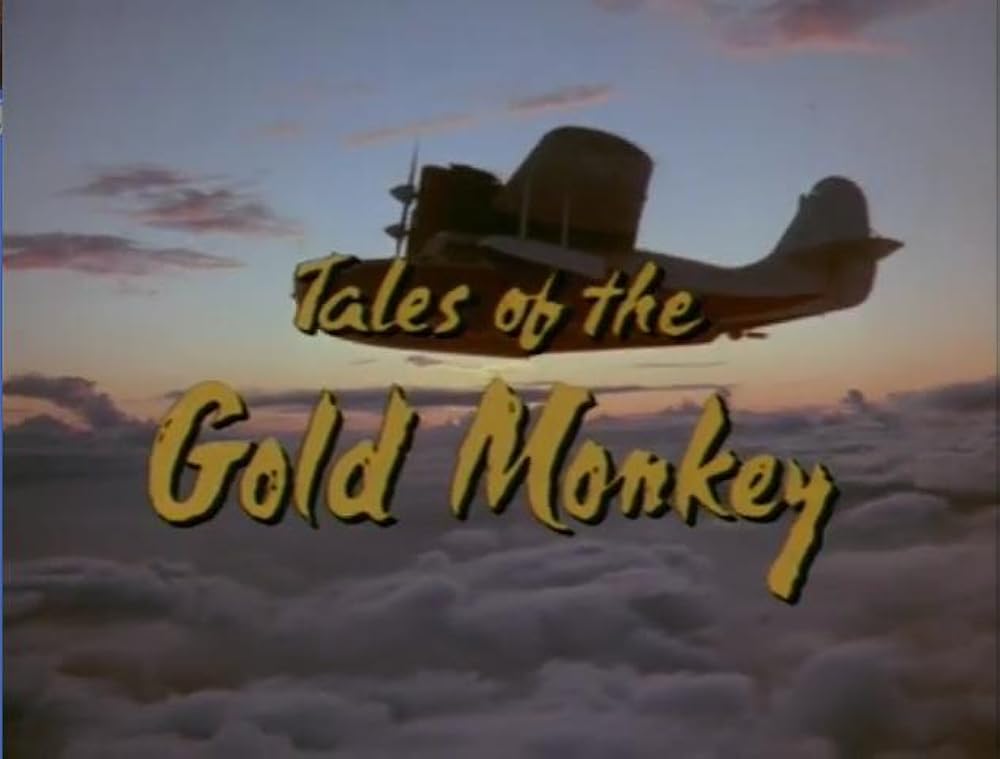
Set in the late 1930s, this adventure series followed a cargo pilot in the South Pacific. It attempted to capture the cinematic excitement of “Raiders of the Lost Ark” by blending mystery and espionage. Despite strong production values, the show proved too expensive for ABC to maintain beyond 22 episodes.
Bring ‘Em Back Alive (1982)
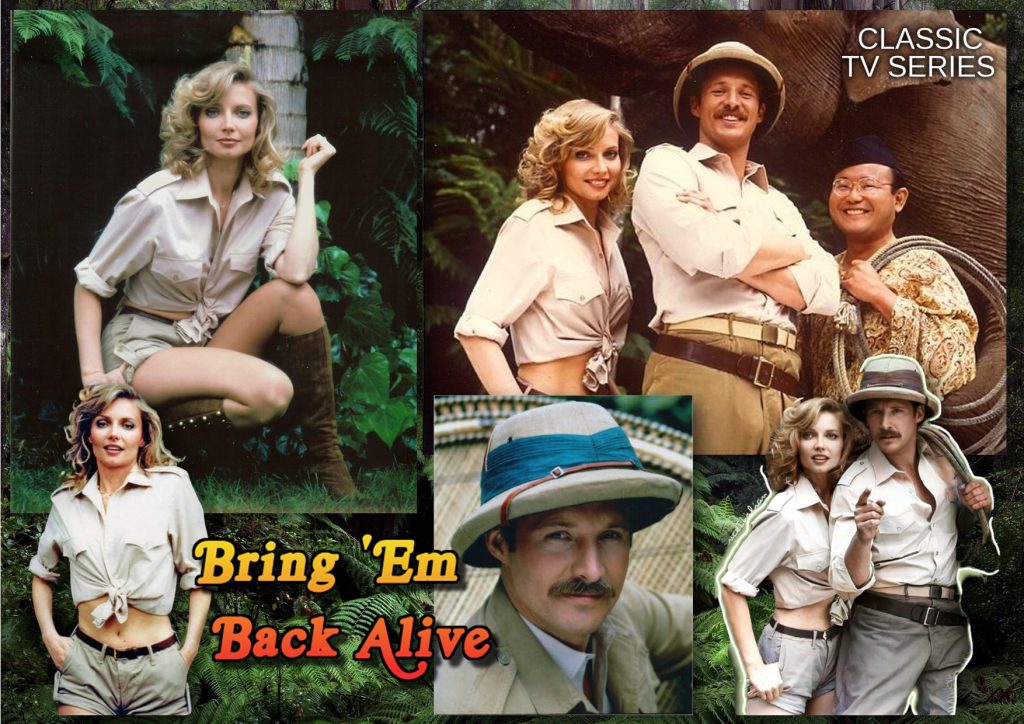
Bruce Boxleitner starred in this period piece as the legendary big-game trapper Frank Buck. Much like “Tales of the Gold Monkey,” it struggled to find a consistent audience against established competition on Tuesday nights. The production featured impressive jungle sets located in Malaysia.
Street Hawk (1985)
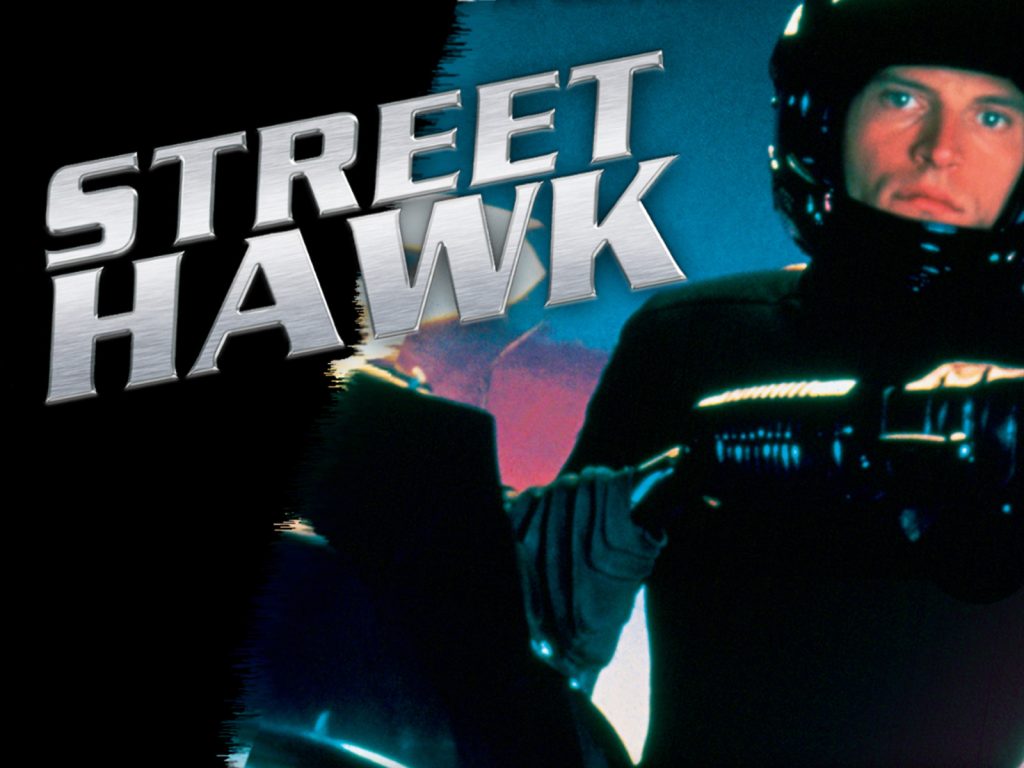
This series featured a motorcycle capable of speeds over 300 miles per hour and was equipped with various futuristic gadgets. It arrived during the peak of the vehicle-hero trend alongside “Knight Rider” and “Airwolf.” Universal Television cancelled the project after only 13 episodes were produced.
Misfits Of Science (1985)
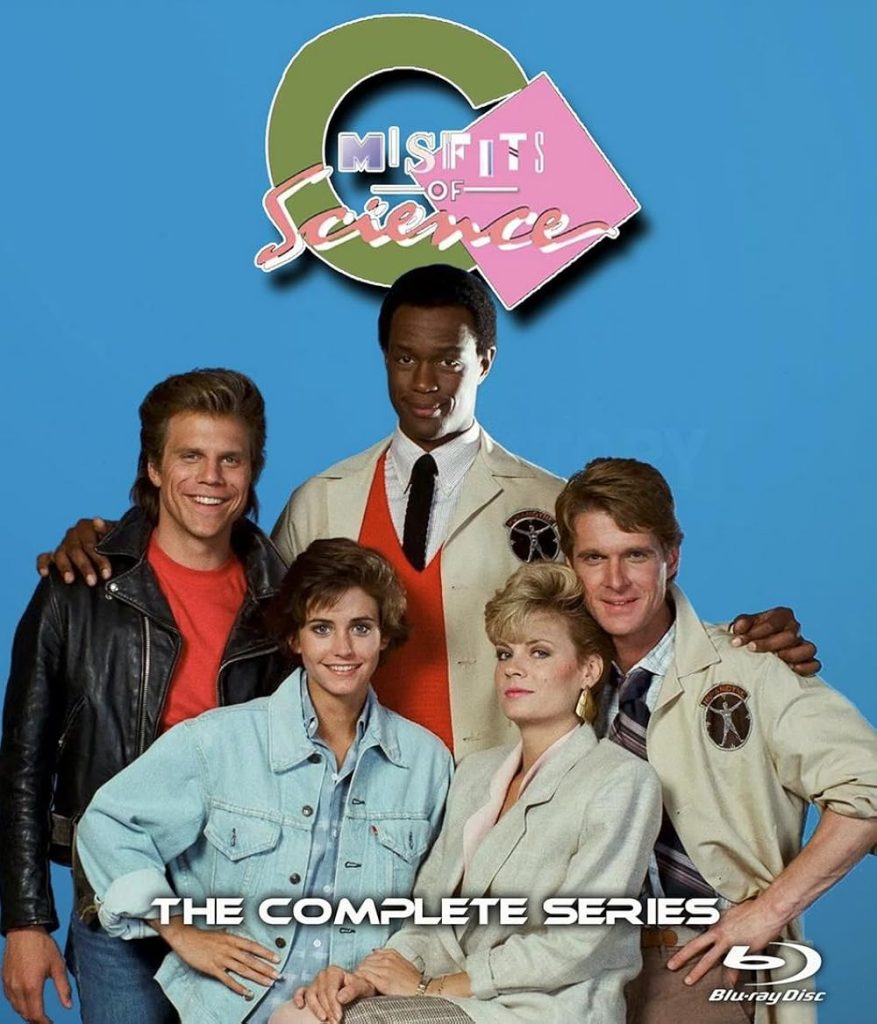
A group of super-powered young people fought crime in this lighthearted take on the superhero genre. The cast included a very young Courteney Cox, who played a character with telekinetic abilities. It was notably the first television series to feature a superhero team with diverse, non-traditional powers.
Police Squad! (1982)
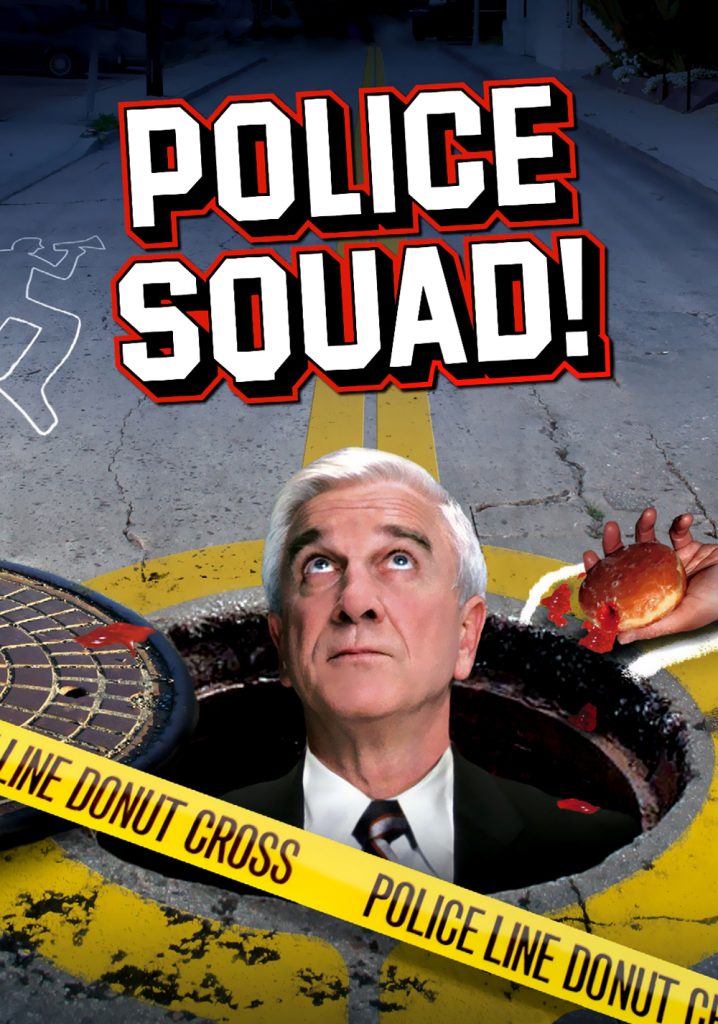
Leslie Nielsen brought his deadpan comedic style to this parody of police procedurals. Although it only lasted six episodes, the show became the direct inspiration for the successful “The Naked Gun” film franchise. Network executives famously claimed the show failed because viewers had to actually watch it to get the jokes.
Max Headroom (1987)
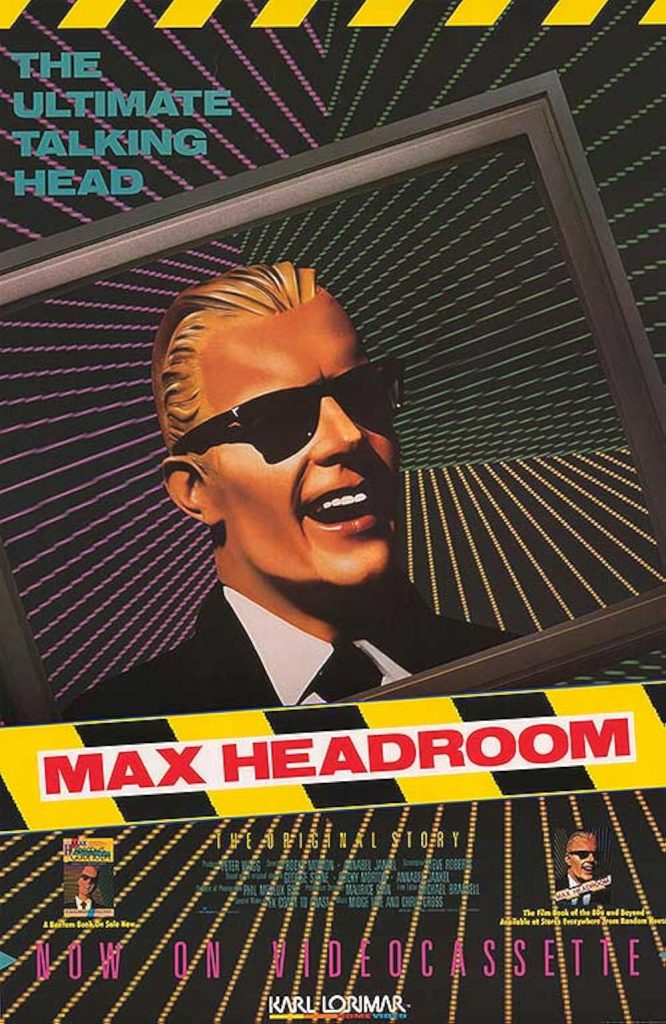
The cyberpunk aesthetic reached mainstream television through this story of a digital avatar in a dystopian future. Matt Frewer played both the investigative reporter Edison Carter and his glitchy computer-generated counterpart. The show remains a landmark for its visual style and commentary on media saturation.
Automan (1983)
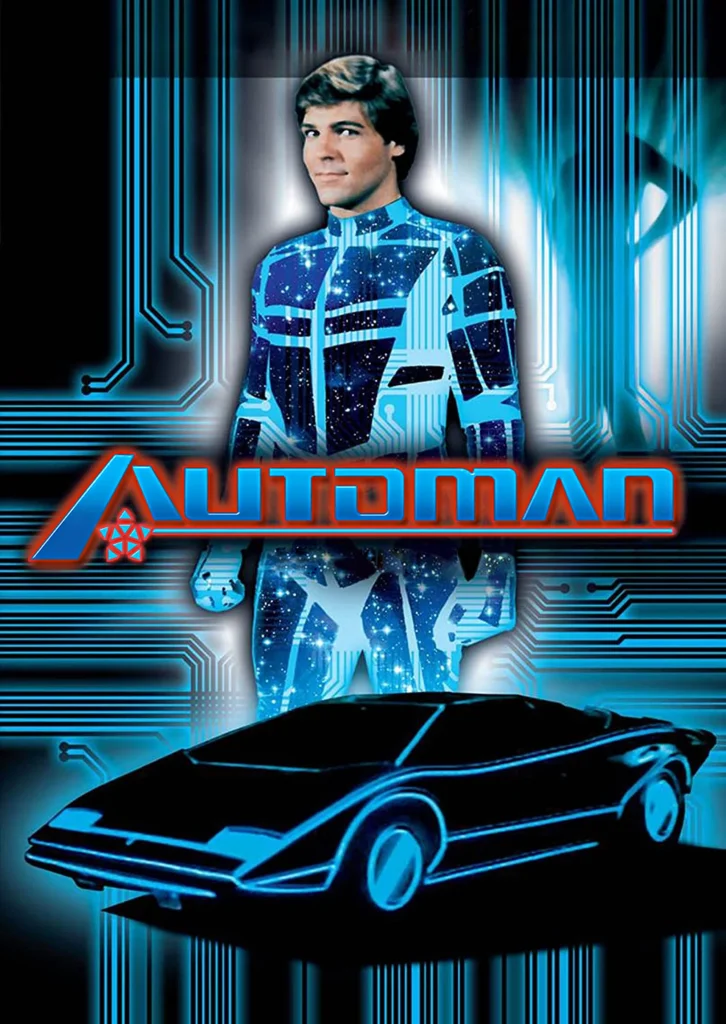
Producer Glen A. Larson attempted to capitalize on the “Tron” craze with this series about a living computer program. The protagonist, a holographic projection, could create solid objects like cars and planes using a floating cursor. Excessive production costs for the neon glowing effects led to its early cancellation.
Manimal (1983)
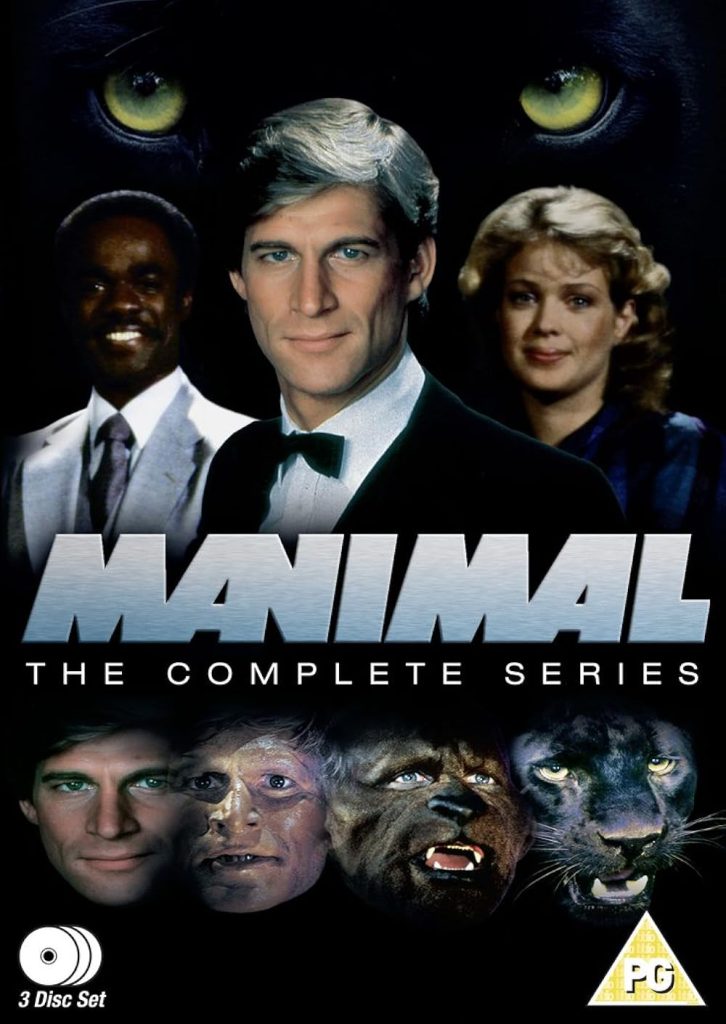
Simon MacCorkindale played a professor who could transform into any animal to solve crimes. Stan Winston, the legendary makeup artist, designed the elaborate transformation sequences that were the show’s main selling point. Like its contemporary “Automan,” it only survived for eight episodes on NBC.
Voyagers! (1982)
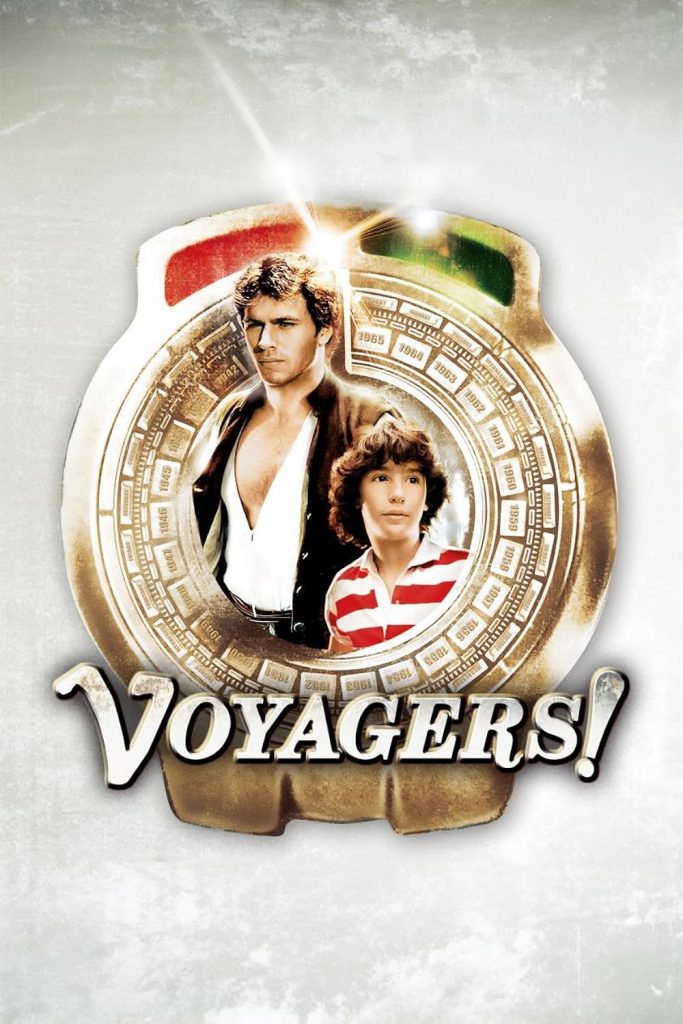
Phineas Bogg and his young companion Jeffrey Jones traveled through time to ensure that history remained on the correct path. Each episode ended with a suggestion for viewers to visit their local library for more information on the historical figures depicted. The show was sadly cancelled despite its educational value and loyal fan base.
The Powers Of Matthew Star (1982)
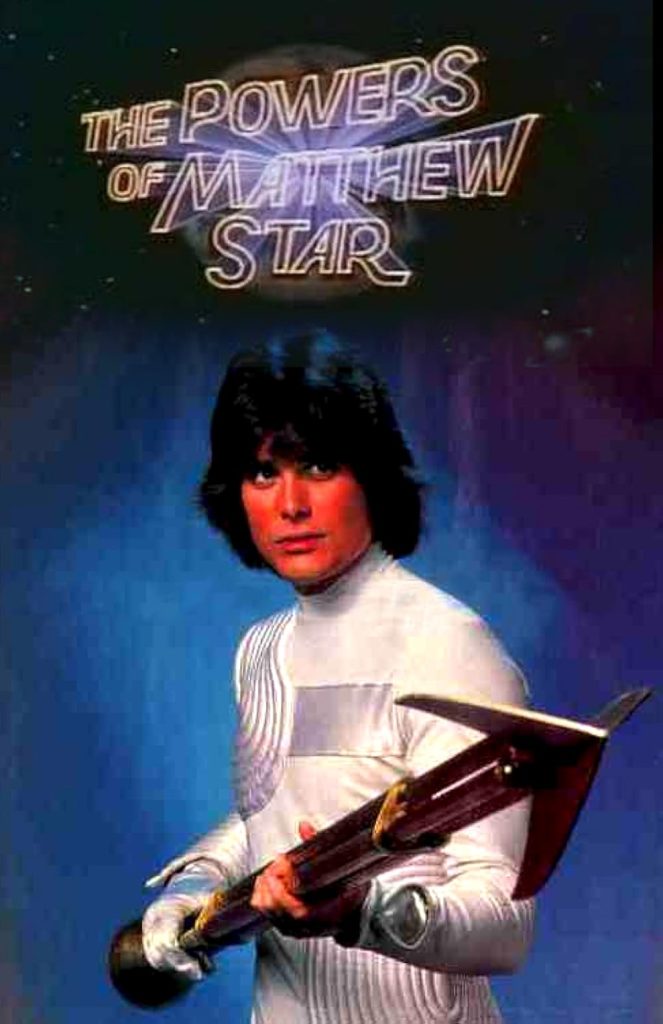
Peter Barton played an alien prince hiding as a typical American teenager while learning to control his telekinetic powers. Louis Gossett Jr. co-starred as his guardian and mentor during their time on Earth. The series underwent a major creative overhaul halfway through its run before being dropped entirely.
Square Pegs (1982)
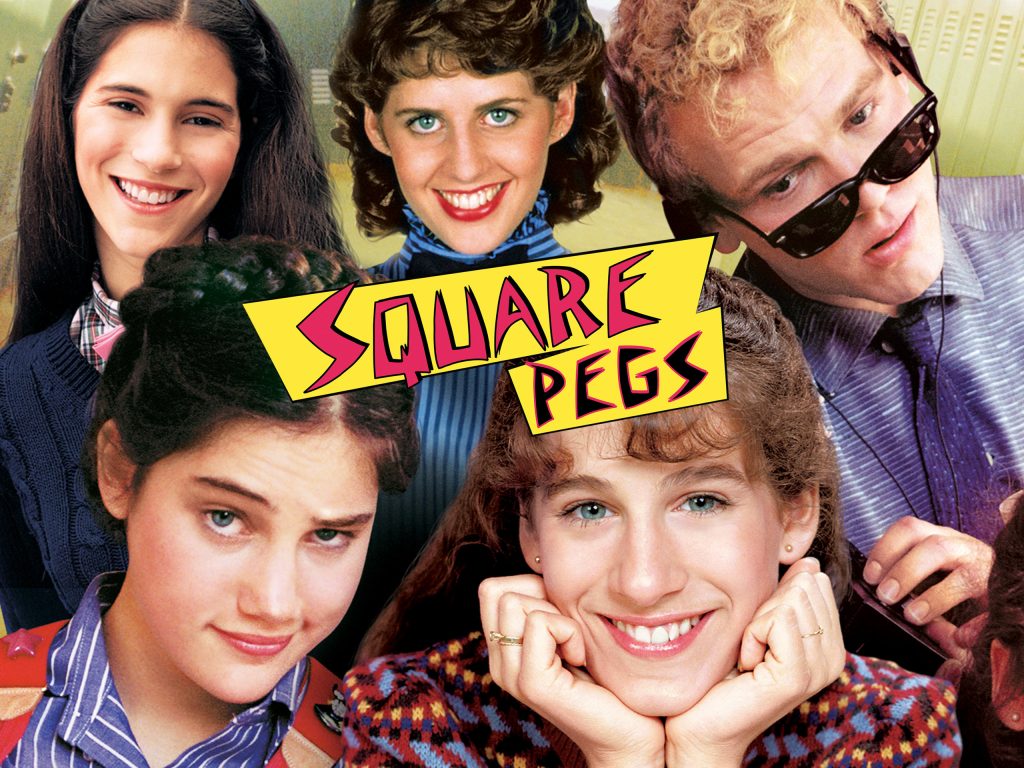
Long before her stardom, Sarah Jessica Parker played a socially awkward freshman in this high school sitcom. The show is remembered for its authentic 1980s New Wave soundtrack and cameos from bands like The Waitresses. Critics praised its realistic depiction of adolescent struggle, yet it only lasted 20 episodes.
Otherworld (1985)
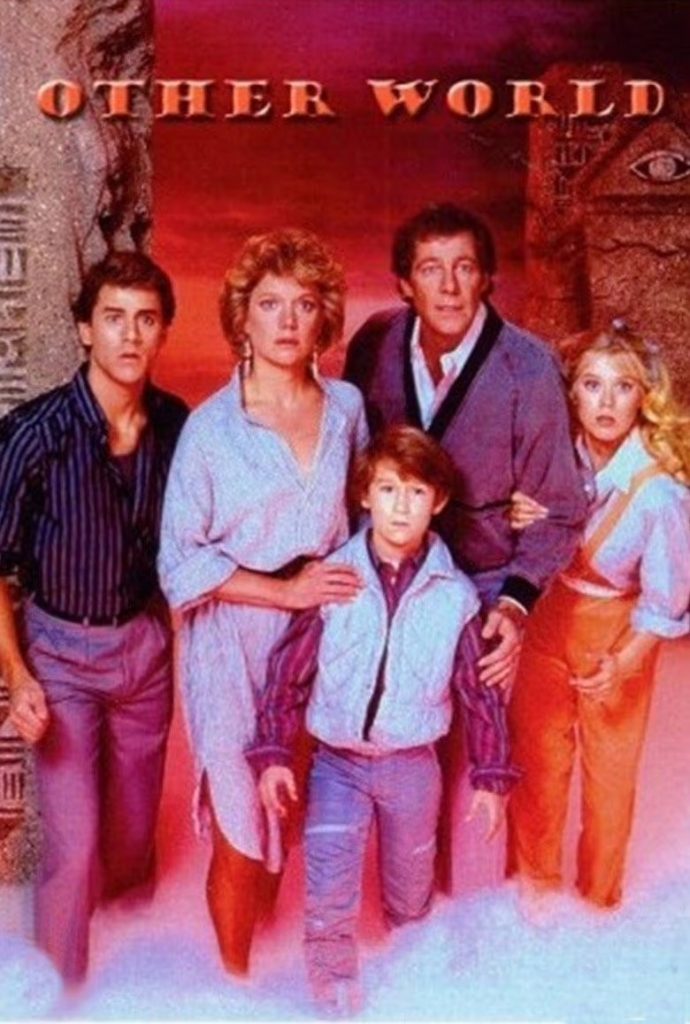
While visiting the Great Pyramid of Giza, a family was transported to a parallel universe consisting of different zones. The series blended elements of science fiction and family drama as they searched for a way back to Earth. It was an ambitious concept that struggled to find its footing during a competitive Friday night slot.
The Master (1984)
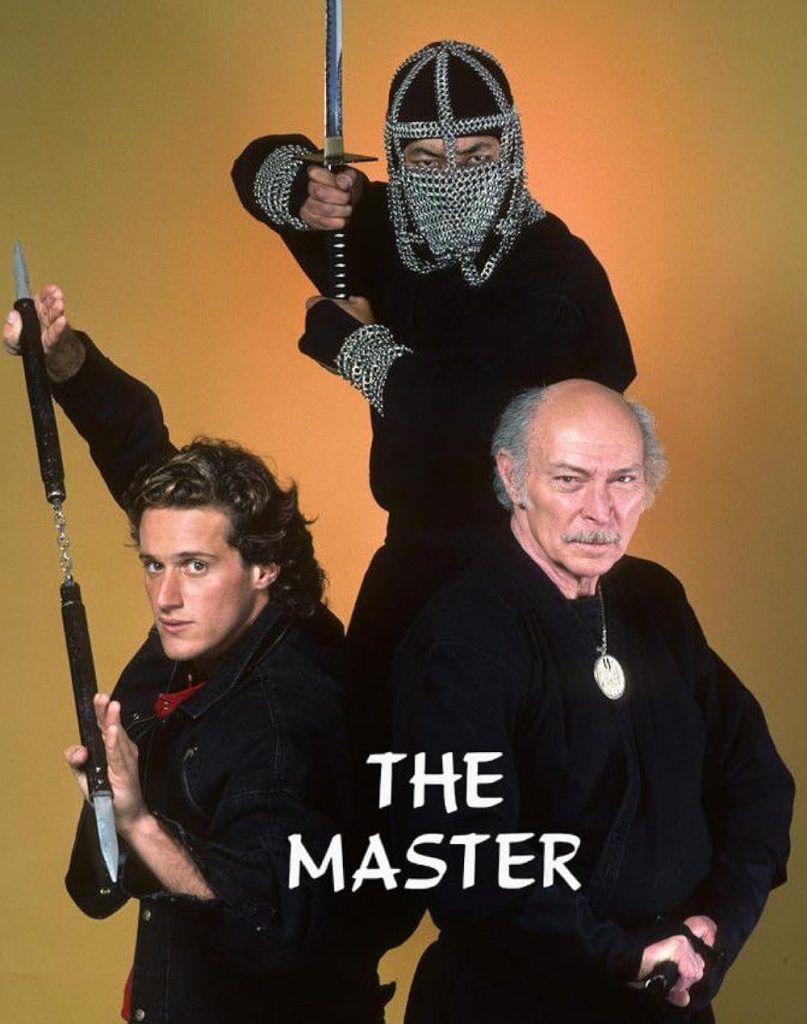
Lee Van Cleef starred as an American ninja who traveled the country in a van helping people in need. He was accompanied by a young apprentice played by Timothy Van Patten. This show capitalized on the ninja craze of the 1980s but failed to maintain momentum against “Dallas.”
Werewolf (1987)
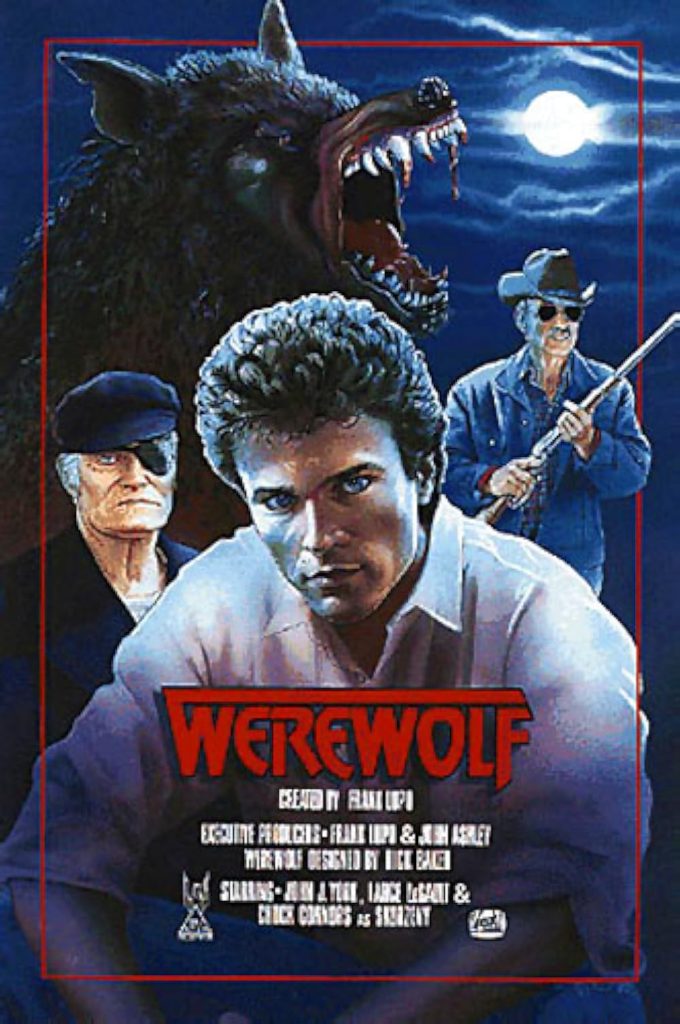
This horror series followed a young man searching for the source of his lycanthropy to break a curse. It was one of the early original programs for the Fox network and featured impressive practical effects. The storyline remained unresolved after the show was cancelled following 29 episodes.
The Charmings (1987)
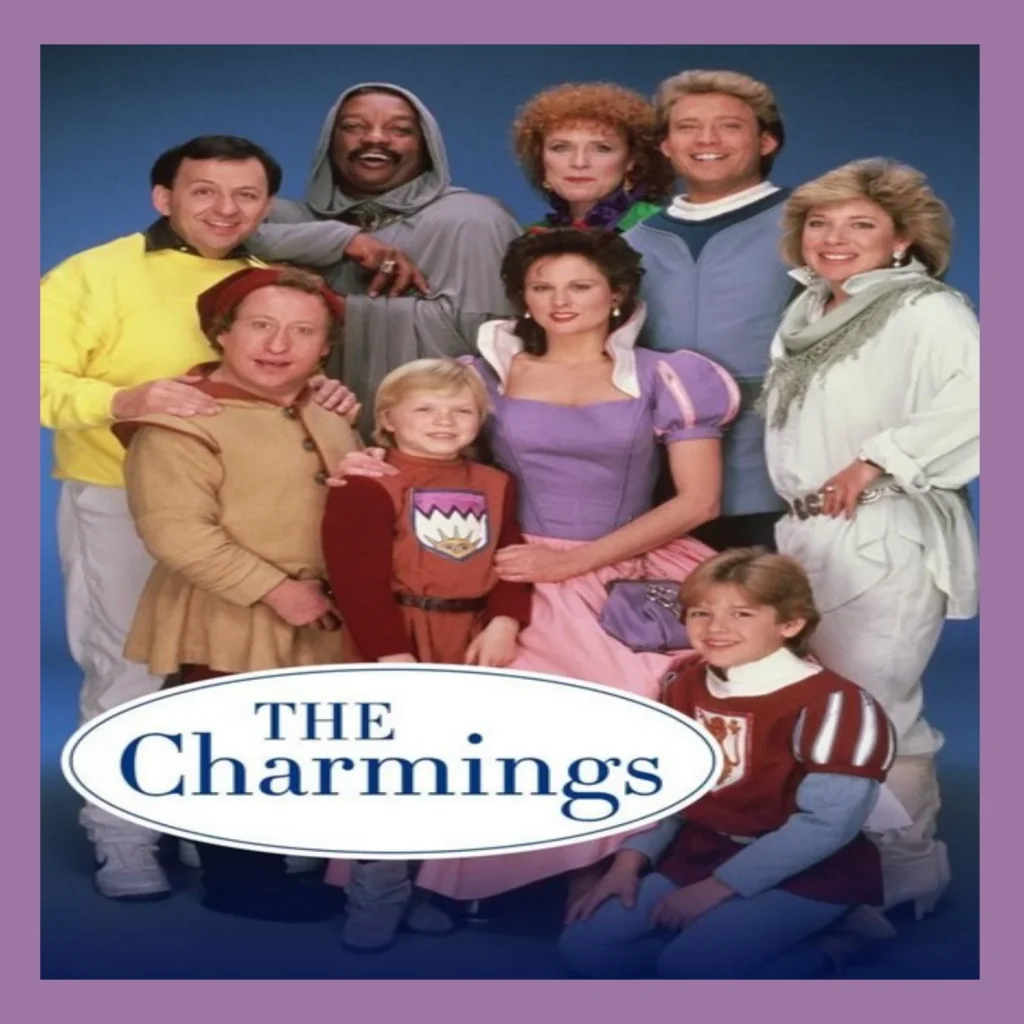
Modern-day California became the setting for this sitcom featuring Snow White and Prince Charming. After waking up from a 1,000-year sleep, the royal couple had to adapt to suburban life and 80s fashion. The Wicked Queen also accompanied them, living in the mirror and causing constant mischief.
Something Is Out There (1988)
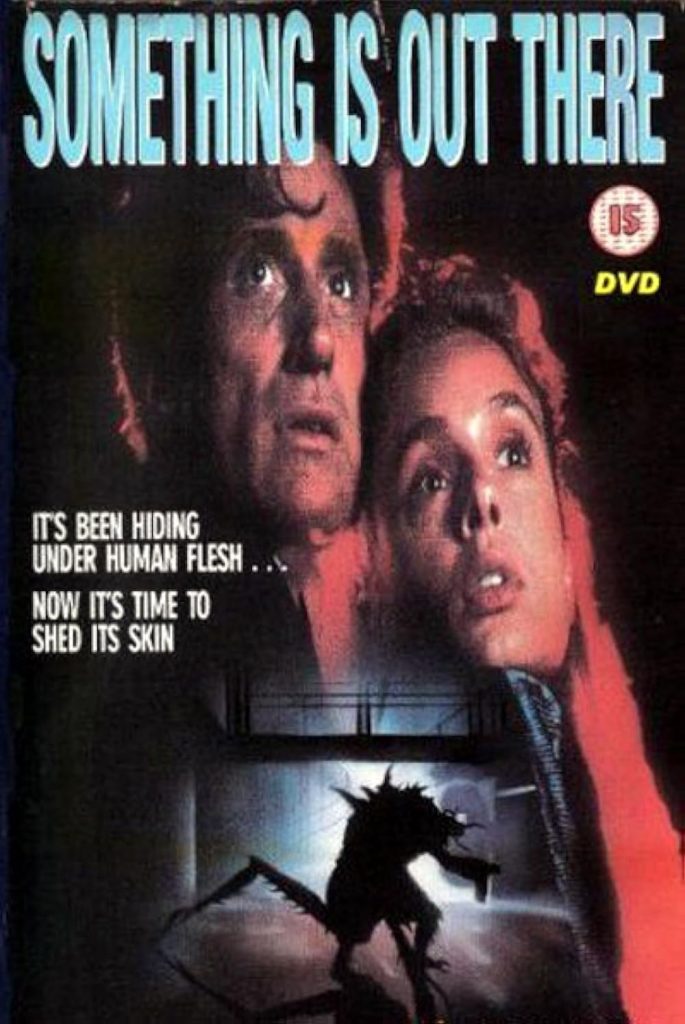
An alien woman and a human police officer teamed up to hunt dangerous extraterrestrials in this sci-fi thriller. The series was based on a successful miniseries but failed to attract the same audience levels as a weekly show. It featured high-quality creature designs that were very advanced for the time.
Hard Time On Planet Earth (1989)
An alien warrior was exiled to Earth and forced to perform good deeds to prove his worthiness. He was monitored by a floating robotic eye named Control that often provided comic relief. The show attempted to blend action with fish-out-of-water comedy before being cancelled by CBS.
Beyond Westworld (1980)
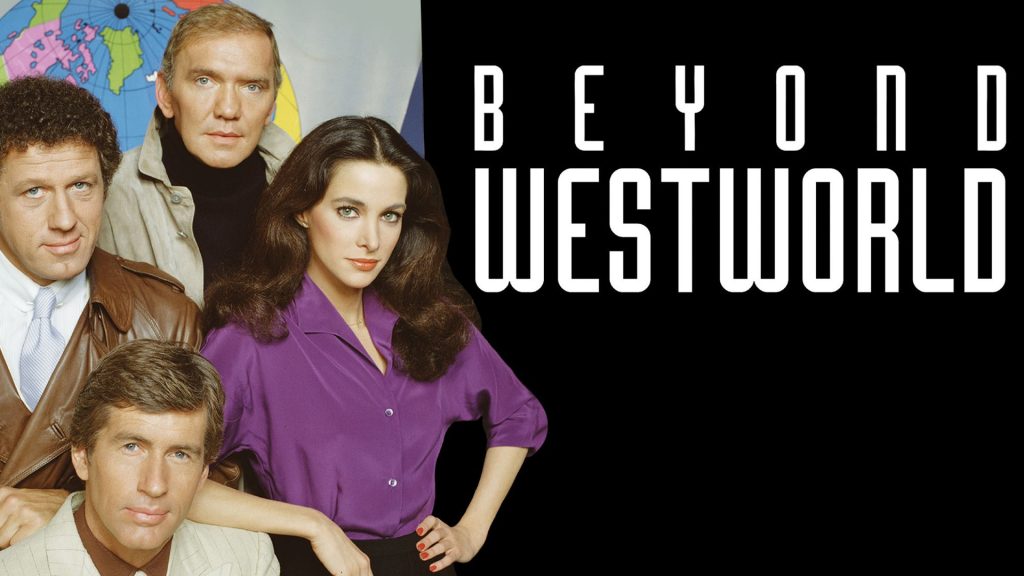
This series served as a direct sequel to the original film, focusing on an engineer trying to stop robot uprisings. It ignored the events of the movie’s theatrical sequel, “Futureworld,” to create its own continuity. Only three of the five produced episodes actually aired during its initial run.
Shadow Chasers (1985)
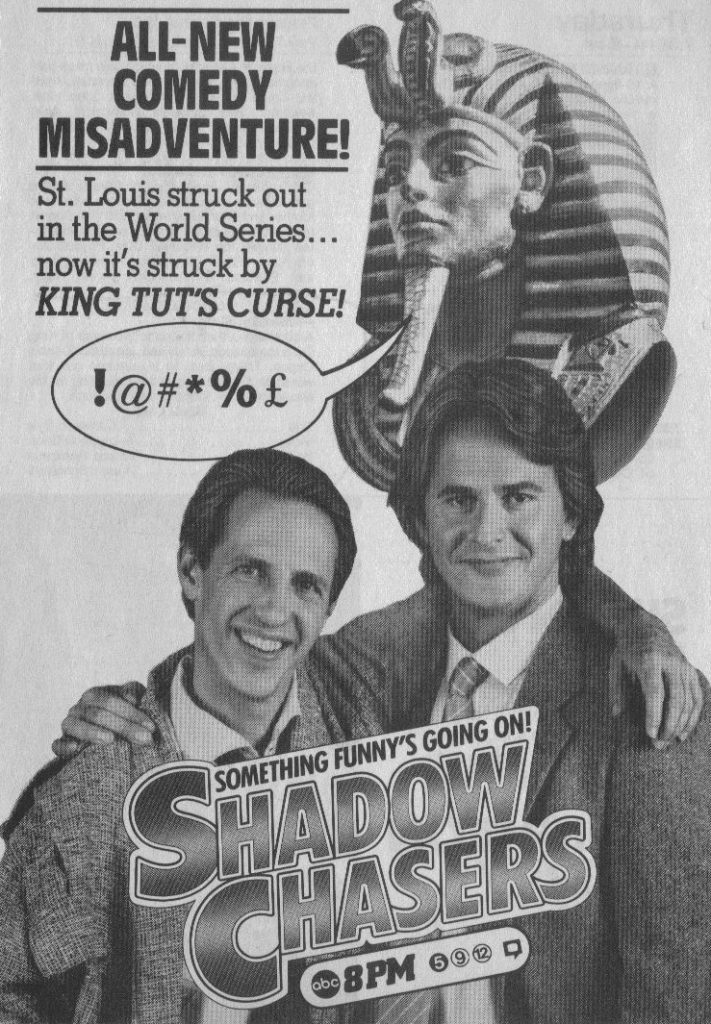
A paranoid journalist and an eccentric professor investigated paranormal occurrences in this comedic take on ghost hunting. The show was a co-creation of Brian Grazer and Kenneth Johnson. It suffered from being placed in the same time slot as the massive hit “The Cosby Show.”
The Highwayman (1987)
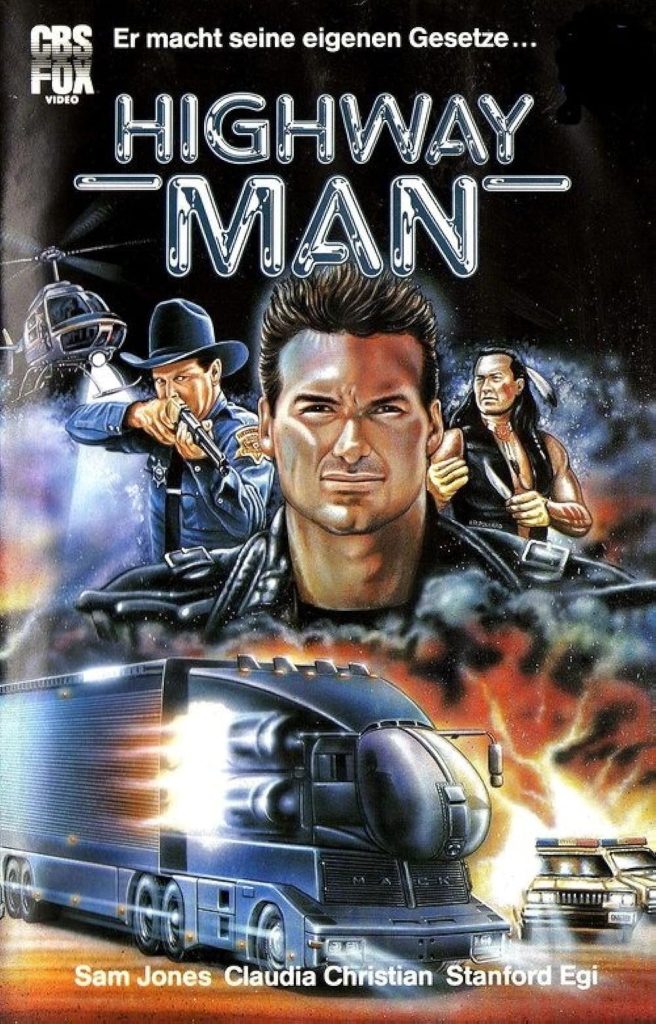
Set in a near-future setting, agents drove high-tech trucks that could transform into helicopters and sports cars. Sam J. Jones, known for “Flash Gordon,” played the lead character in this post-apocalyptic adventure. The heavy reliance on practical vehicle stunts made it a very expensive endeavor for the network.
Rags To Riches (1987)
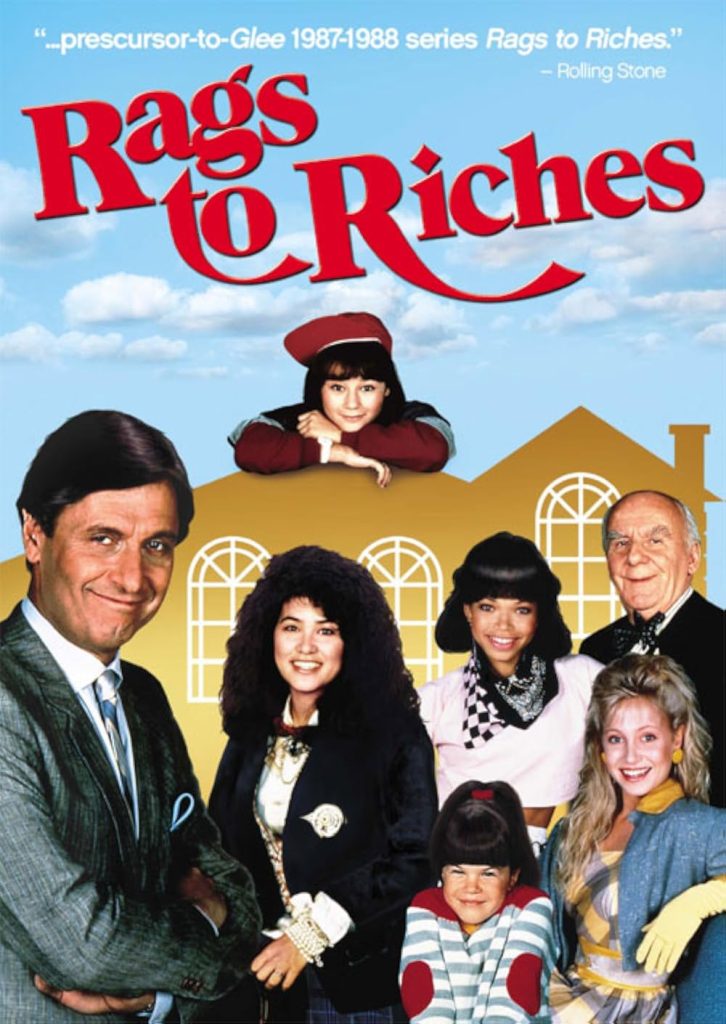
A wealthy bachelor adopted five orphan girls in this musical comedy-drama set in the 1960s. The cast frequently broke into song, performing 1950s and 60s hits with modified lyrics to fit the plot. It was a unique hybrid of genres that lasted for two short seasons, though it only aired 20 episodes total.
Unsub (1989)
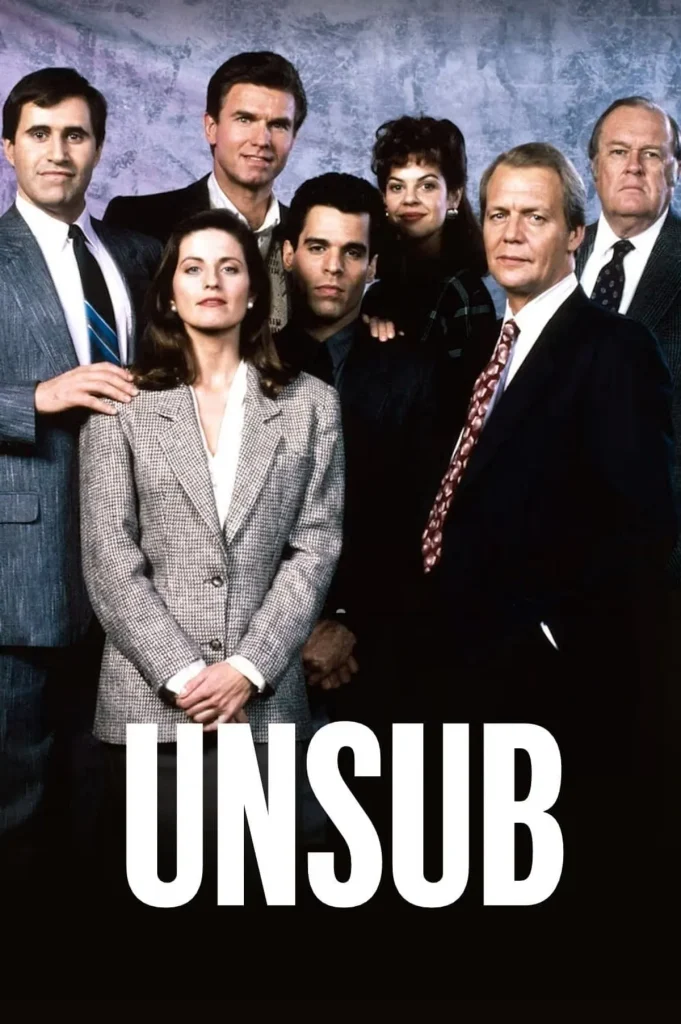
David Soul starred as the head of an elite FBI unit specializing in tracking serial killers. The show was notable for its gritty tone and focus on forensic science long before “CSI” became a staple. Only eight episodes were produced before NBC pulled the plug due to low ratings.
Mr. Merlin (1981)
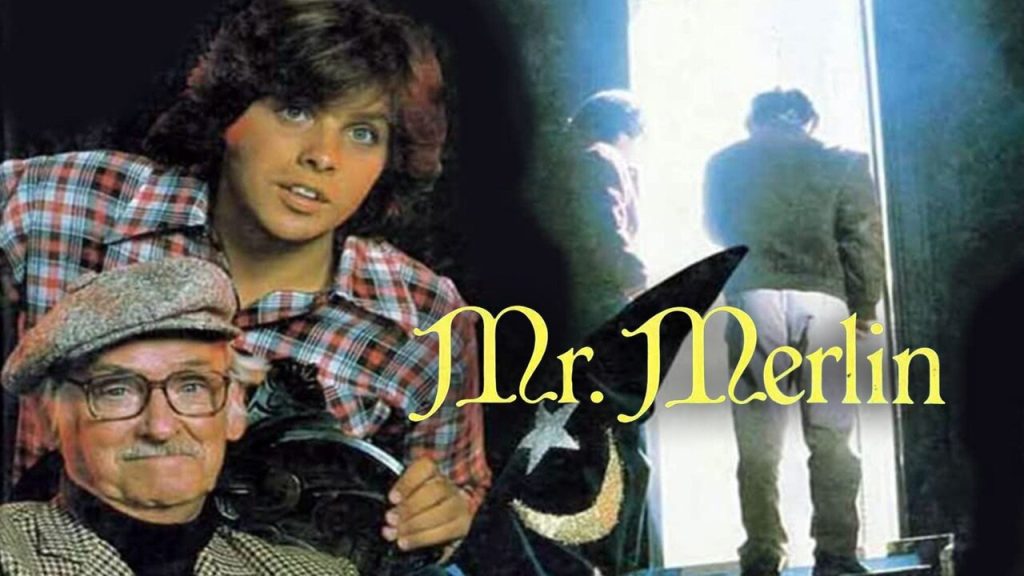
The legendary wizard Merlin worked as a mechanic in modern San Francisco and took on a teenage apprentice. This fantasy sitcom attempted to modernize Arthurian legend for a younger television audience. Despite a full 22-episode run, the show was not renewed for a second year.
Checking In (1981)
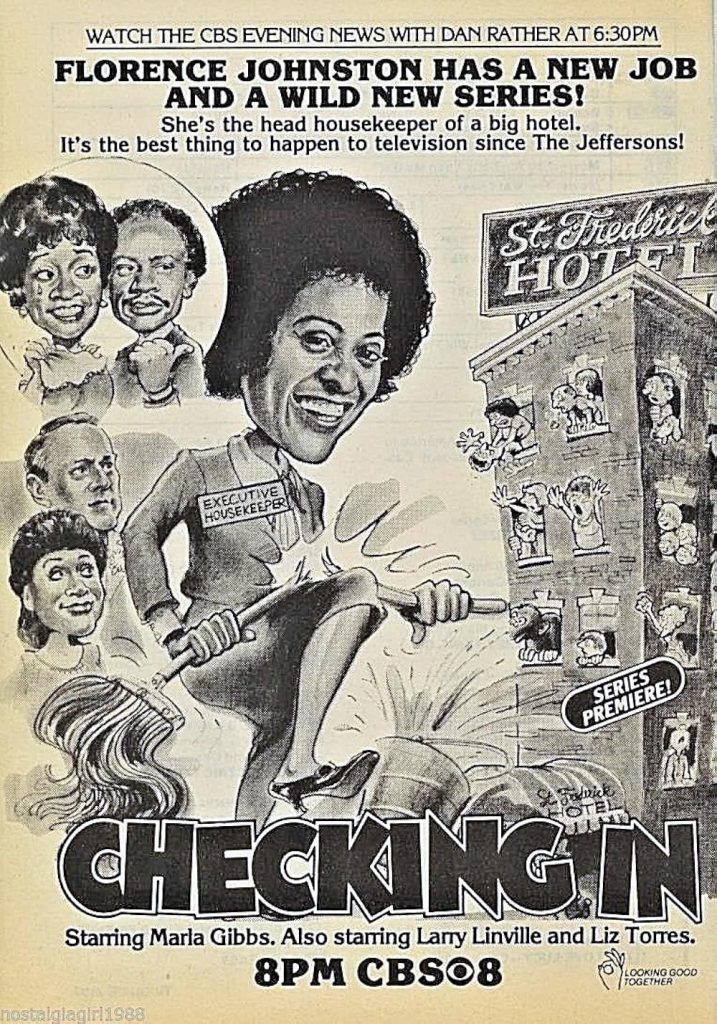
Marla Gibbs starred in this short-lived spin-off of the massive hit “The Jeffersons.” Her character, Florence Johnston, left her housekeeping job to become an executive housekeeper at a hotel. When the show was cancelled after four episodes, she simply returned to the main series.
Open All Night (1981)
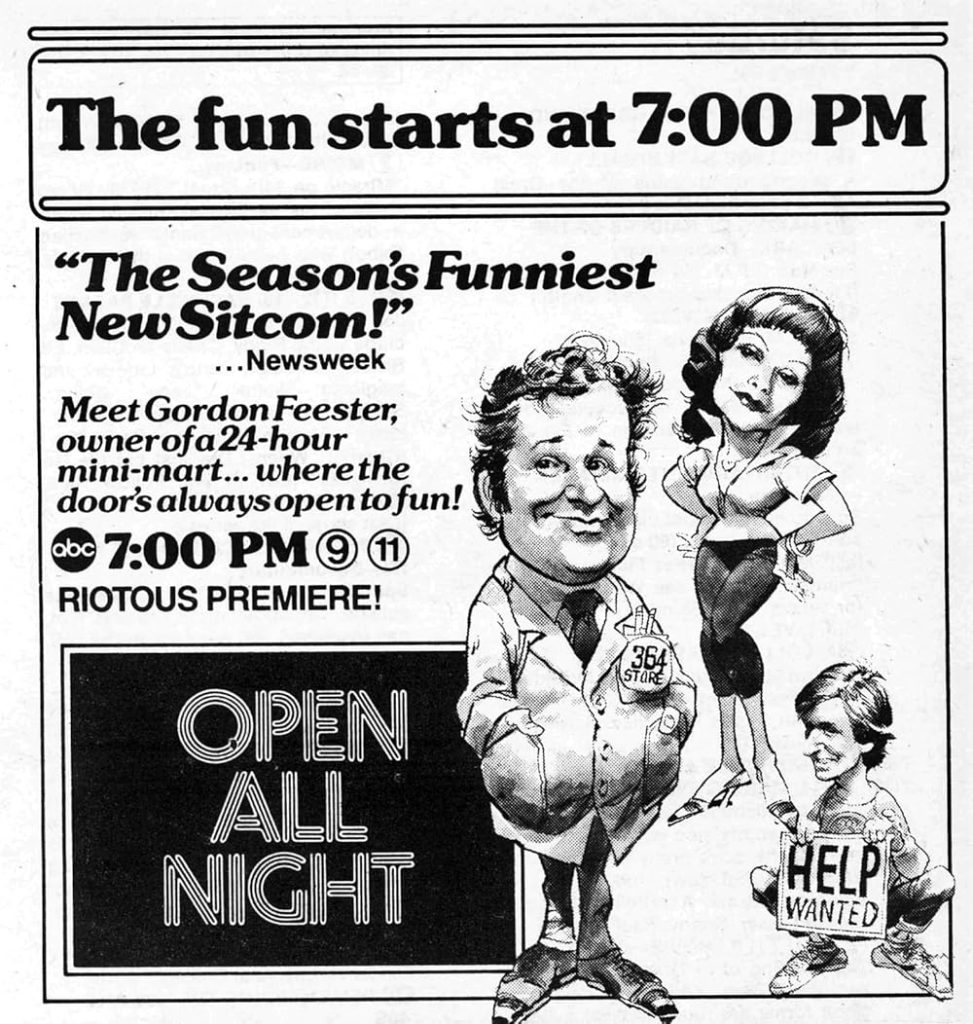
A family-run 24-hour convenience store served as the backdrop for this quirky sitcom. It was created by Jay Tarses and featured a very dry sense of humor that was perhaps ahead of its time. The show only managed to air 12 episodes before being removed from the schedule.
Wizards And Warriors (1983)
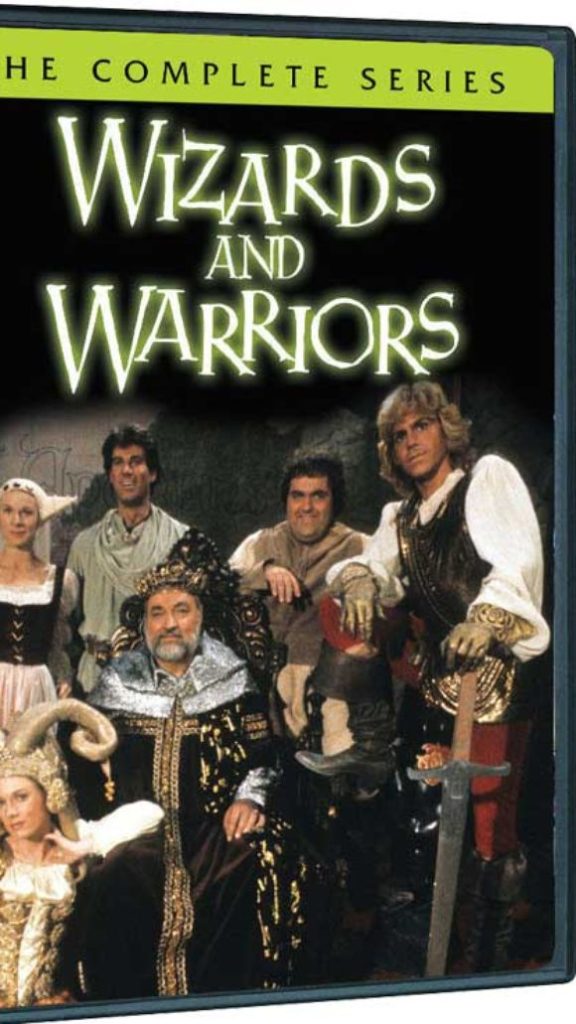
This high-fantasy adventure leaned heavily into camp and humor while depicting a classic struggle between good and evil. Jeff Conaway starred as Prince Erik Greystone in a world filled with magic and swordplay. CBS cancelled the series after eight episodes due to high production costs and low viewership.
The Phoenix (1982)
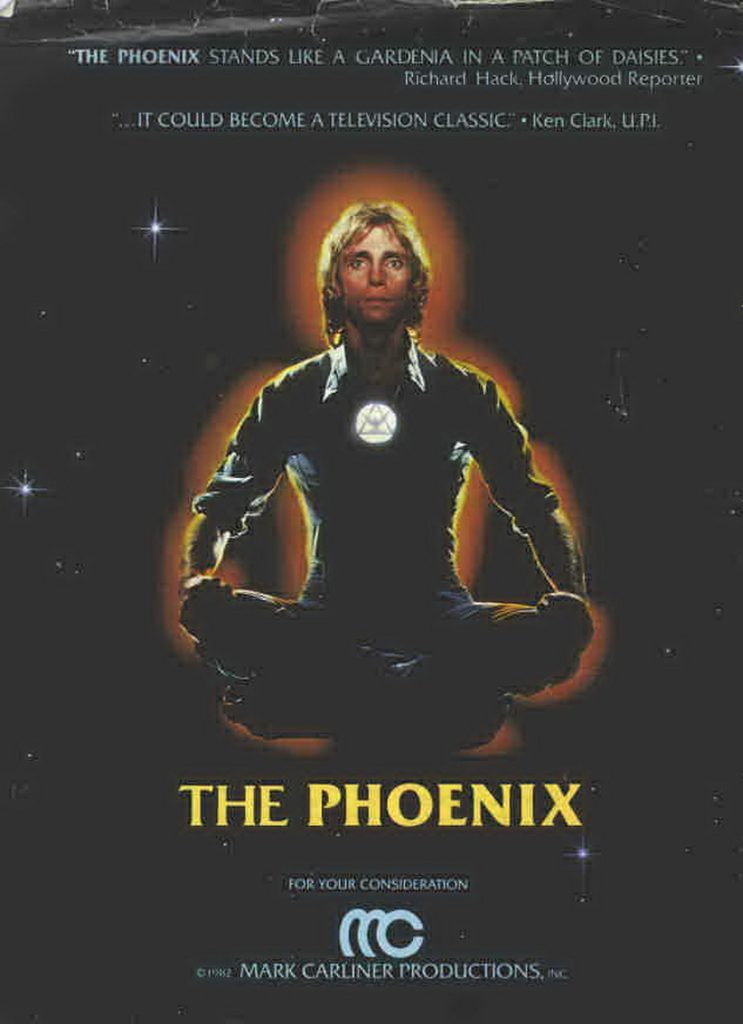
Judson Scott played Bennu of the Golden Light, an ancient extraterrestrial discovered in a sarcophagus in Peru. He possessed various psychic abilities and traveled the world searching for his lost partner. The show aired only five episodes before being cancelled by ABC.
Jennifer Slept Here (1983)
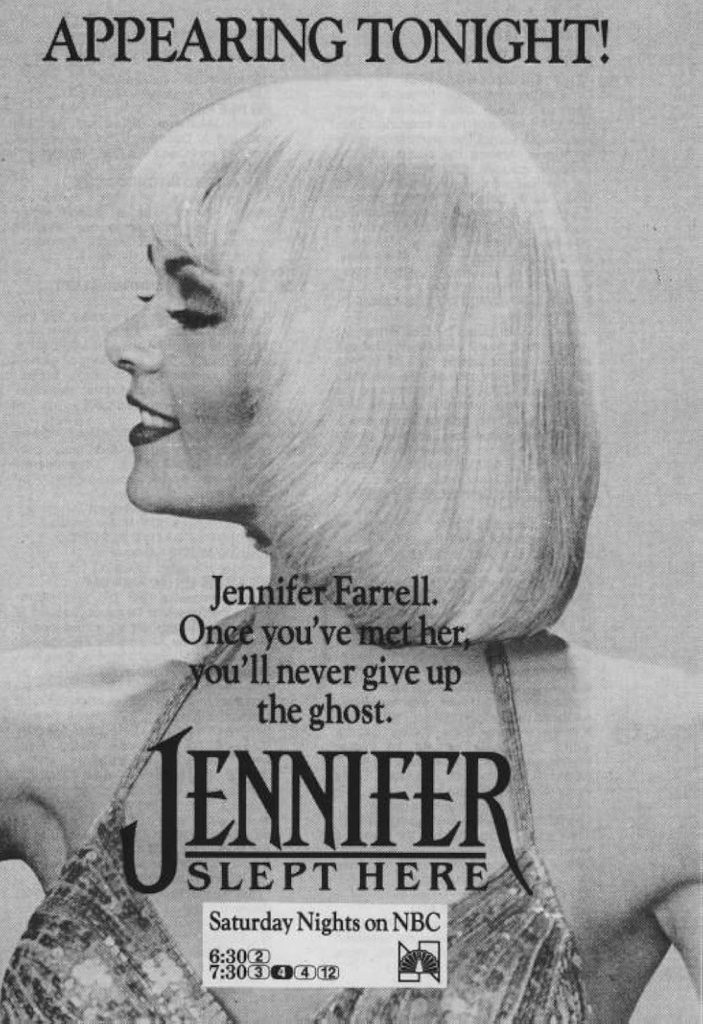
The ghost of a glamorous movie star haunted her former home, which was now occupied by a normal family. Ann Jillian played the titular spirit who could only be seen by the teenage son. This supernatural sitcom was part of a brief trend of ghost-themed shows during the early 80s.
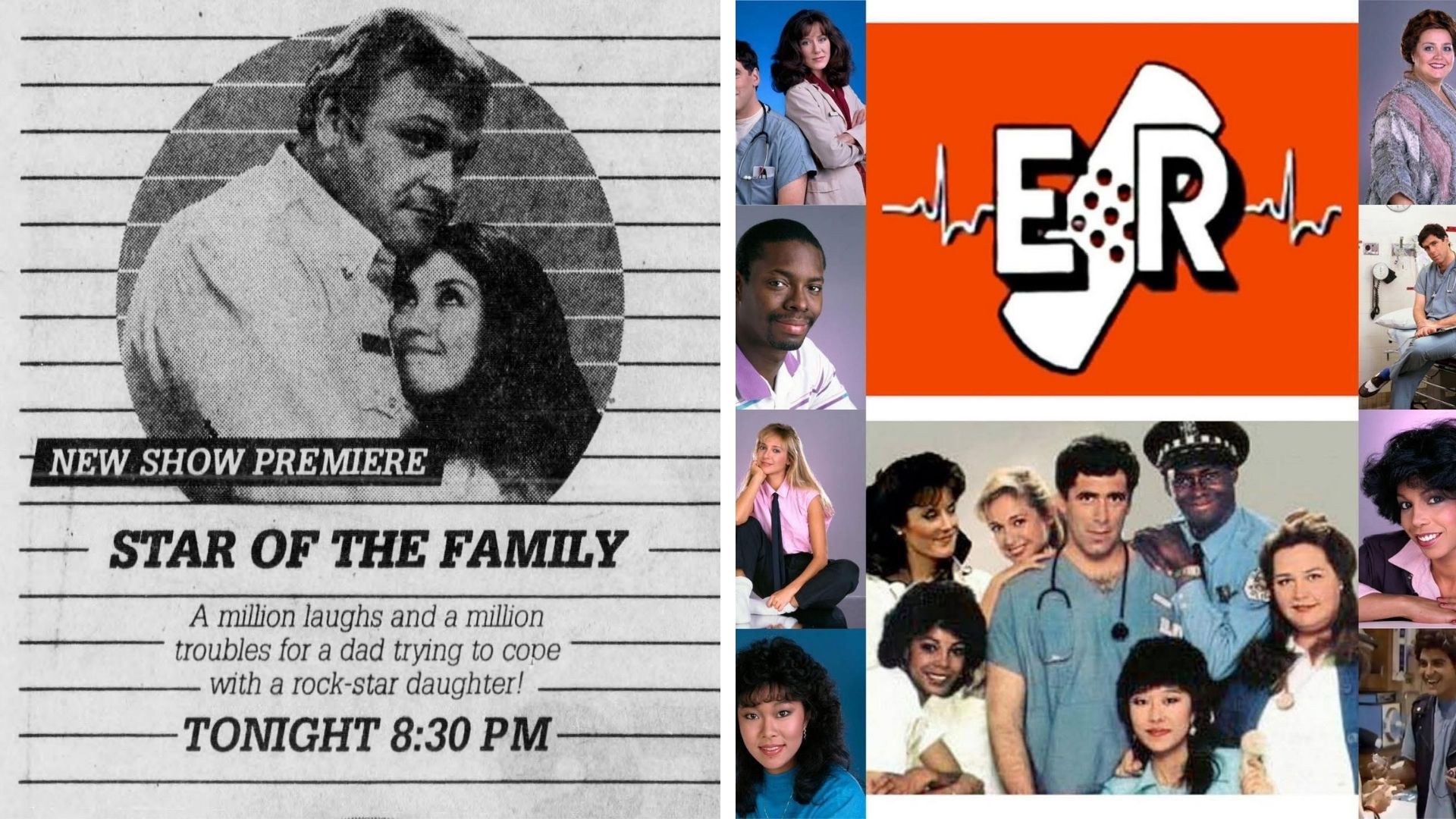
Star Of The Family (1982)
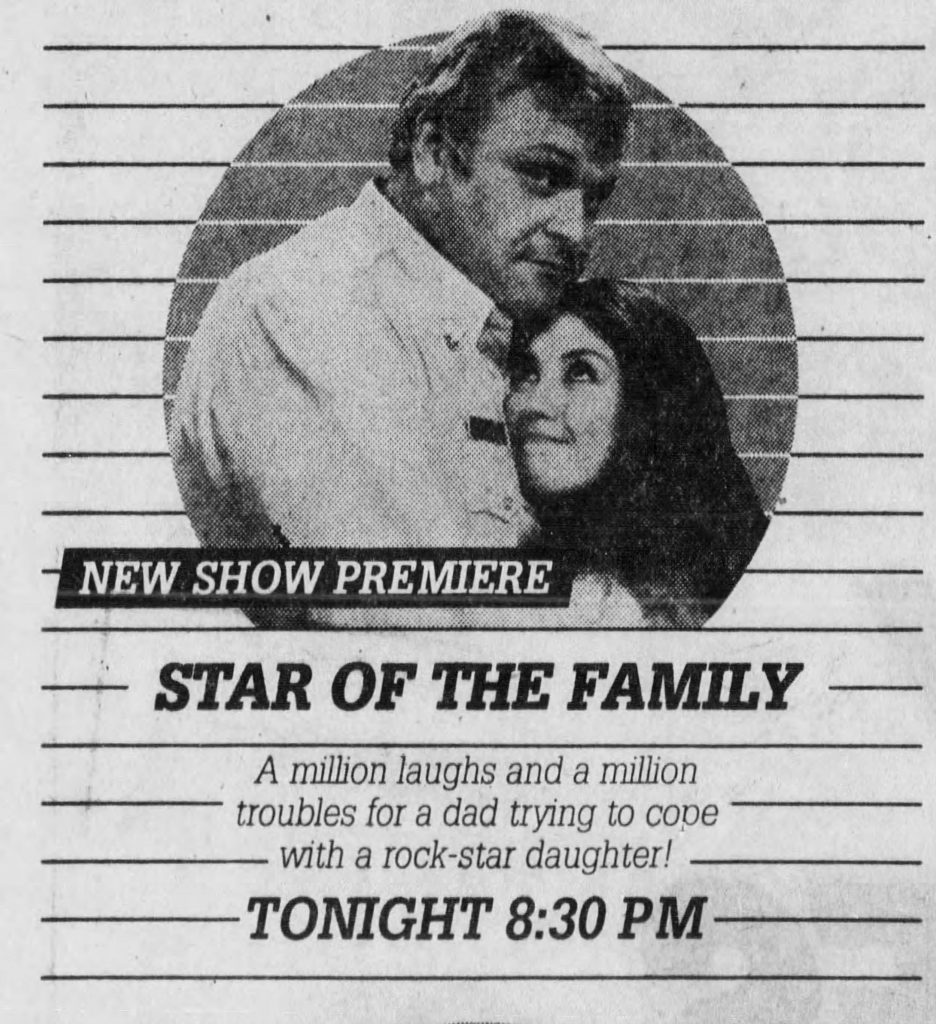
A firefighter father struggled to keep his family together when his teenage daughter became a country music superstar. The show featured several musical performances and attempted to tap into the popularity of the country genre. It failed to find a steady audience and was cancelled after 10 episodes.
E/R (1984)
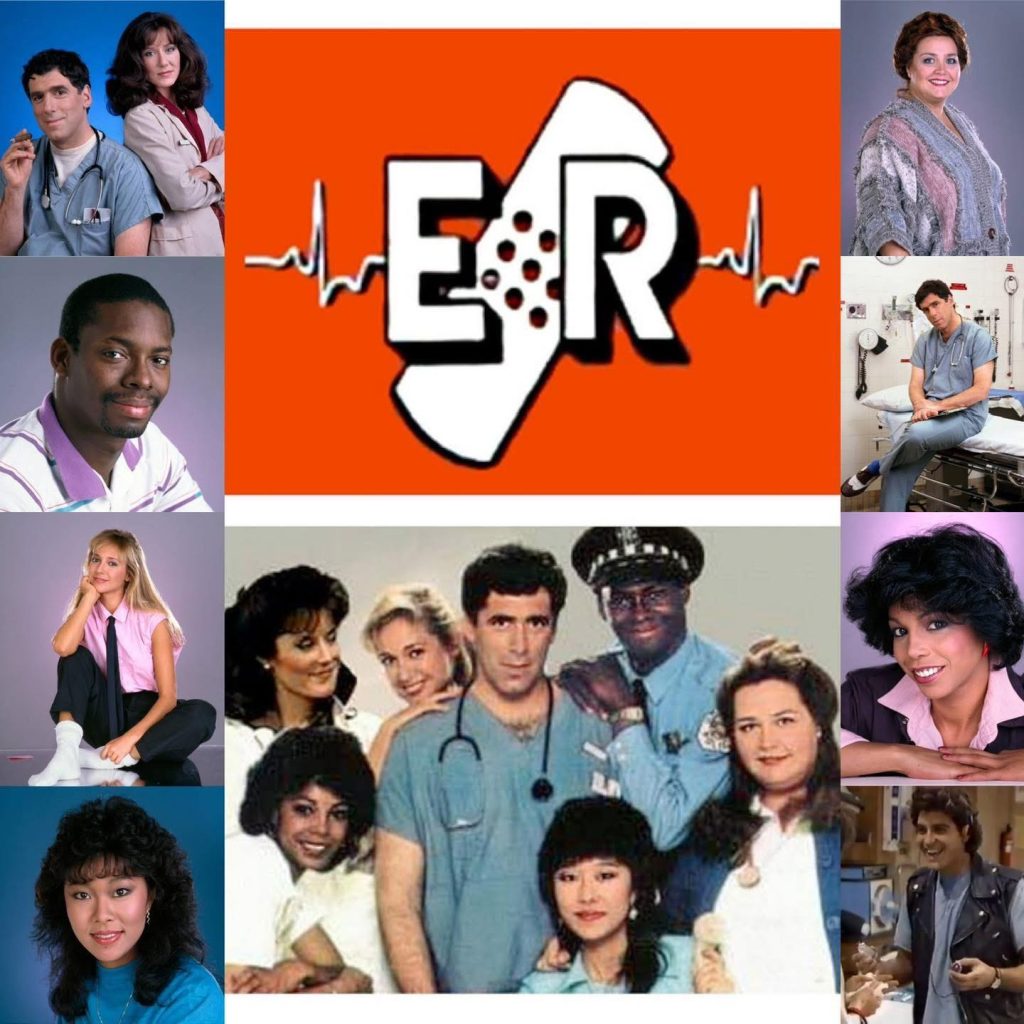
Exactly one decade before he became a household name on the famous medical drama “ER,” George Clooney appeared in this similarly named sitcom. It focused on the comedic lives of emergency room workers and featured Elliott Gould as the lead. This forgotten series remains a fascinating piece of trivia for fans of the actor’s later career.