History is often viewed as a linear progression of cause and effect, yet some events suggest a strange, invisible hand at work. Throughout the centuries, certain individuals and events have intersected in ways that defy simple explanation or mathematical probability. This article examines 30 of the most shocking coincidences that have shaped our past and continue to baffle researchers. From eerie doppelgängers to prophetic literature, these stories reveal a world far more interconnected than we might dare to imagine.
The License Plate Of Archduke Franz Ferdinand
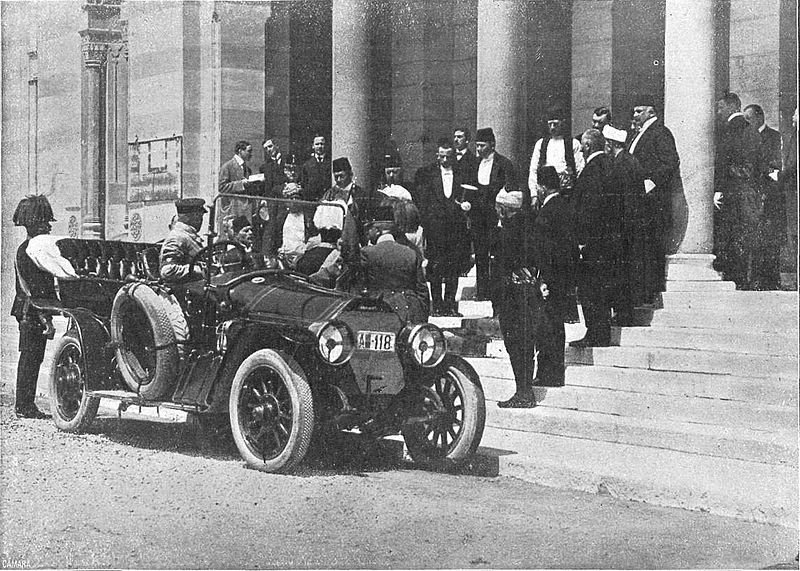
The car in which the Archduke was assassinated in 1914 carried the license plate A III 118. Many historians later pointed out that this alphanumeric sequence could be read as Armistice 11-11-18. This date matches the exact day the First World War ended four years later. It remains one of the most chilling numeric connections in military history.
Violet Jessop And The Sinking Ships
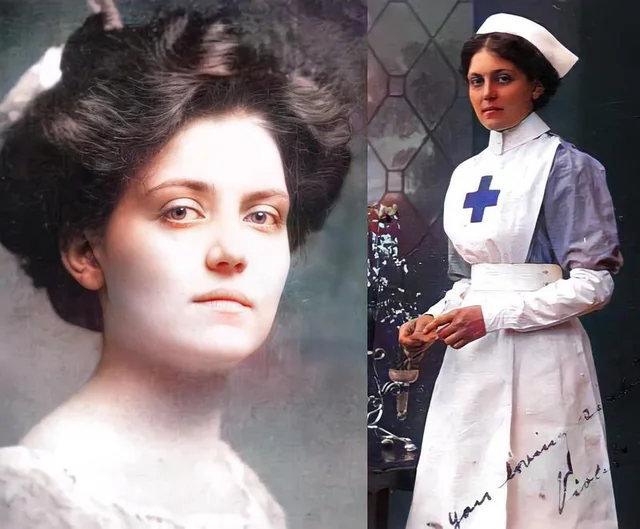
Violet Jessop was a nurse and ocean liner stewardess who survived the sinking of both the “Titanic” and the “Britannic”. Remarkably, she was also aboard the “Olympic” when it collided with a British warship. Despite being involved in three of the most famous maritime disasters of the era, she lived until 1971. Her resilience earned her the nickname The Unsinkable Miss Unsinkable.
Anthony Hopkins And The Lost Book
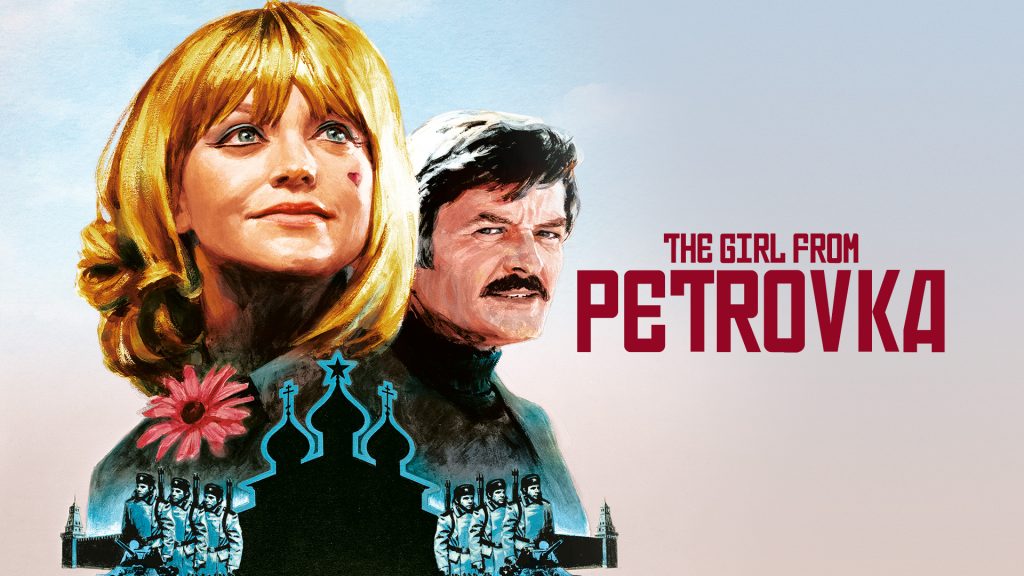
While preparing for a role in “The Girl from Petrovka”, Anthony Hopkins could not find a copy of the novel anywhere in London. He eventually discovered a discarded copy sitting on a bench in a train station. When he later met the author, George Feifer, the writer revealed he had lost his own personal copy with unique notes in it. It turned out to be the exact same book Hopkins had found on the bench.
The Double Survival Of Tsutomu Yamaguchi
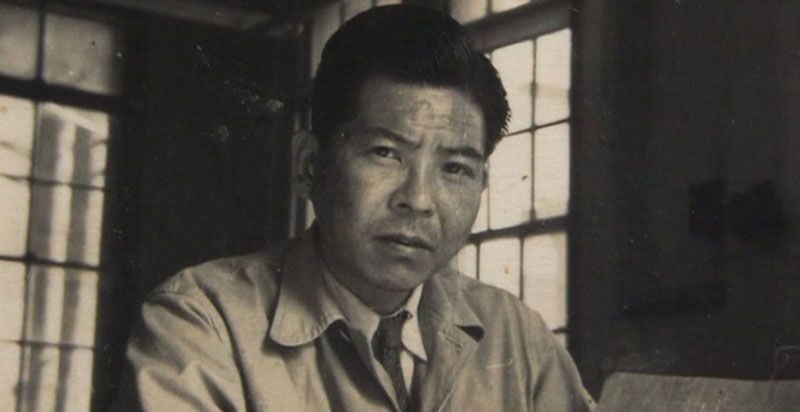
Tsutomu Yamaguchi was in Hiroshima on a business trip when the first atomic bomb was dropped. Although he was injured, he managed to return to his hometown of Nagasaki just in time for the second blast. He survived both explosions and lived to the age of 93. His status as a double hibakusha is officially recognized by the Japanese government.
Mark Twain And Halley’s Comet
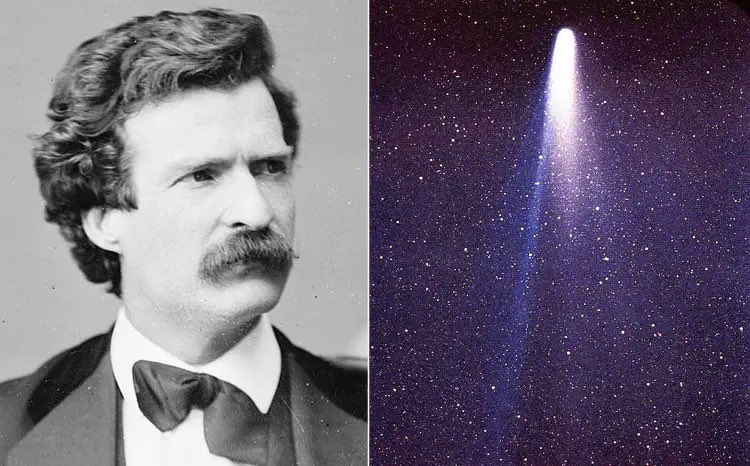
The legendary author Mark Twain was born during the appearance of Halley’s Comet in 1835. He famously predicted that he would die when the comet returned, stating that it would be the greatest disappointment of his life if he did not go out with it. Twain passed away from a heart attack in 1910, just one day after the comet reached its brightest point. This astronomical synchronization fulfilled his lifelong premonition.
King Umberto I And His Restaurant Doppelgänger
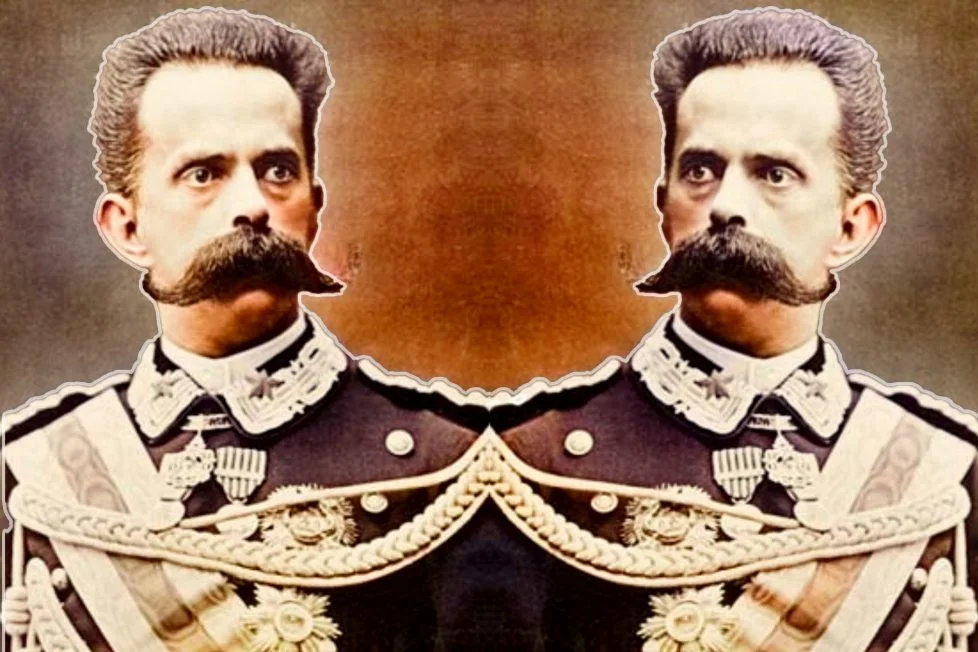
King Umberto I of Italy once visited a small restaurant where the owner looked exactly like him. They soon discovered they were born on the same day in the same town and both had wives named Margherita. The restaurant owner was killed in a shooting accident the next day. Hours later, the King was assassinated by an anarchist, ending their parallel lives simultaneously.
Robert Todd Lincoln’s Brush With Death
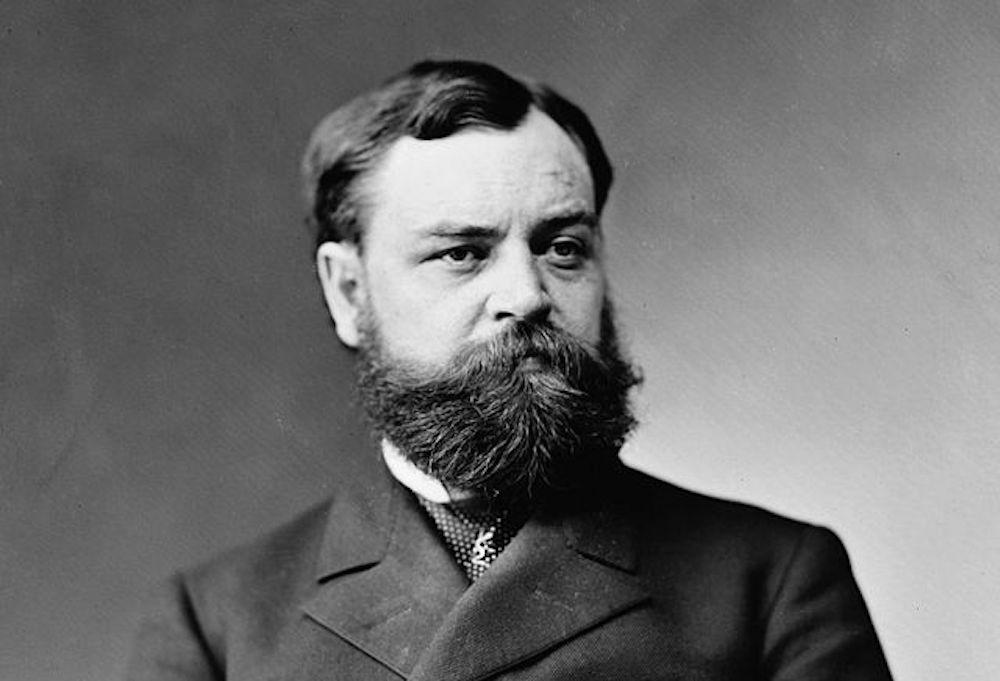
Abraham Lincoln’s son was once saved from a dangerous fall onto train tracks by a famous actor named Edwin Booth. This happened just months before Edwin’s brother, John Wilkes Booth, assassinated the president. Robert Todd Lincoln later found himself present at or nearby the assassinations of two other presidents. He eventually declined further invitations to executive events to avoid bringing bad luck.
The Property Of Wilmer McLean
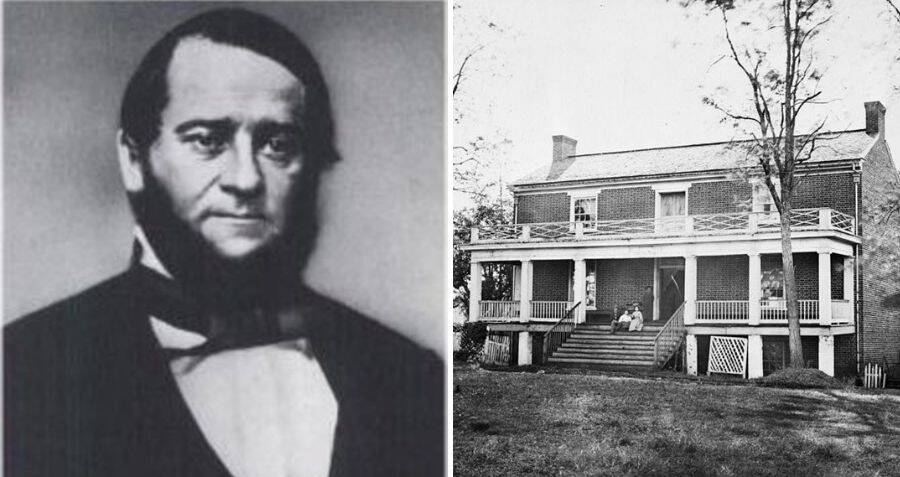
The first major battle of the American Civil War took place on Wilmer McLean’s farm in Manassas. To escape the violence, he moved his family 120 miles away to Appomattox Court House. Years later, General Robert E. Lee chose McLean’s new parlor as the location to sign the surrender papers. The war literally began in his front yard and ended in his living room.
Thomas Jefferson And John Adams
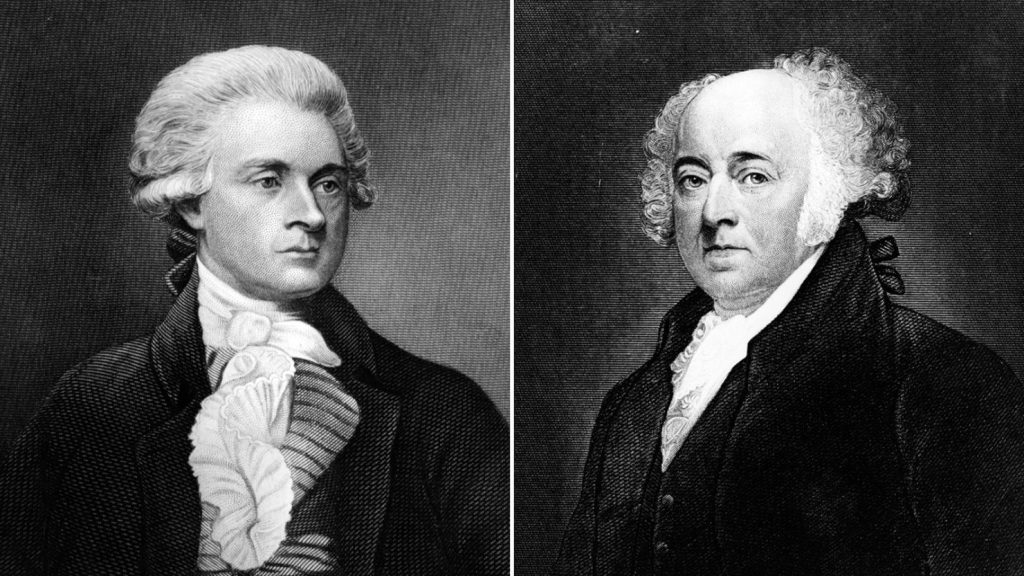
Two of America’s founding fathers, Thomas Jefferson and John Adams, died on the exact same day. This occurred on July 4, 1826, which was the 50th anniversary of the signing of the Declaration of Independence. Adams’ final words were reportedly “Jefferson lives”, unaware that his former rival had died hours earlier. This coincidence remains a cornerstone of American folklore.
The Curse Of Richard Parker
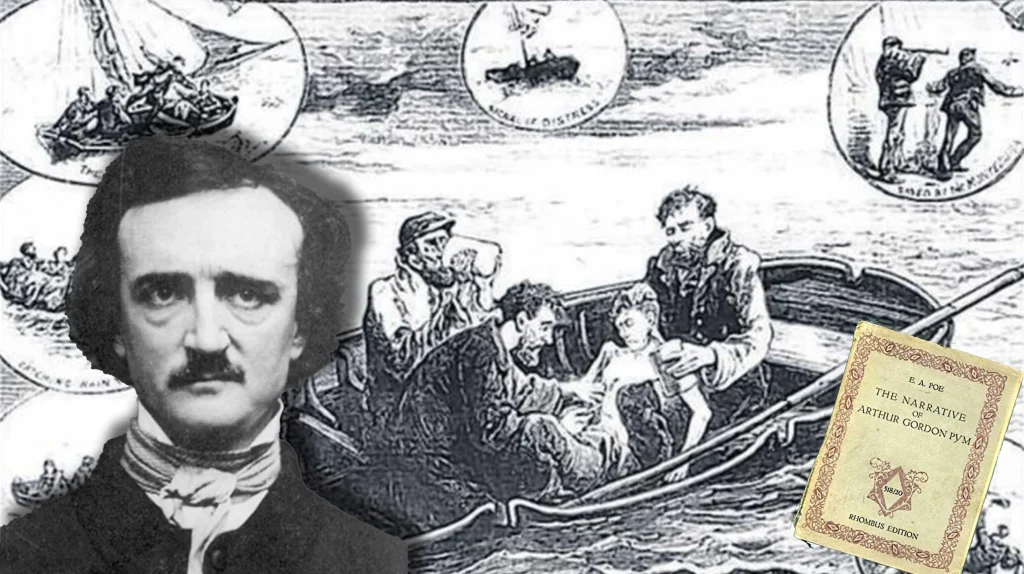
In 1838, Edgar Allan Poe wrote “The Narrative of Arthur Gordon Pym of Nantucket” involving a shipwrecked character named Richard Parker who is eaten by his companions. Decades later, a real ship called the “Mignonette” sank, leaving four survivors in a lifeboat. They eventually cannibalized a cabin boy to stay alive. The boy’s name was Richard Parker, matching Poe’s fictional victim exactly.
The Ohio Car Collision Of 1895
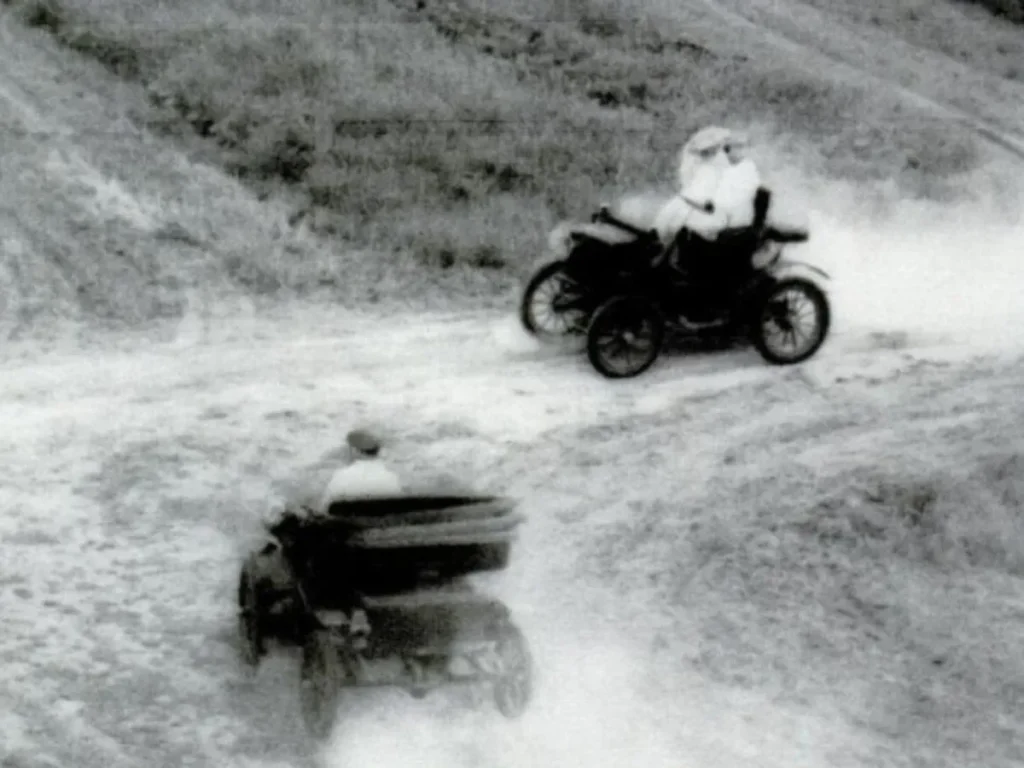
In the year 1895, there were only two registered automobiles in the entire state of Ohio. Despite the lack of traffic and the vastness of the roads, these two vehicles somehow managed to crash into each other. This incident serves as a bizarre testament to the mathematical improbability of human error. It remains one of the earliest recorded car accidents in the United States.
Hoover Dam Fatalities
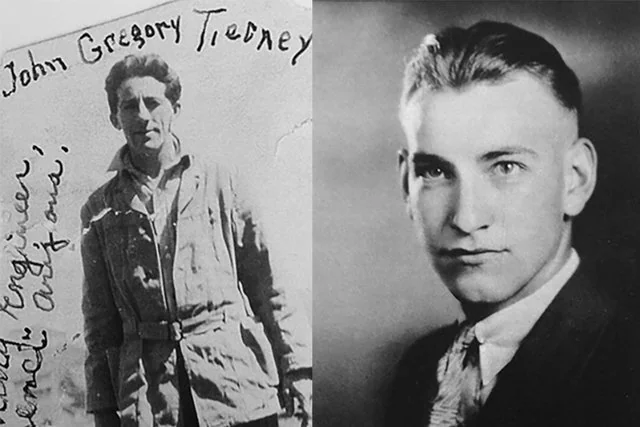
J.G. Tierney was the first person to die during the construction of the Hoover Dam on December 20, 1922. Exactly thirteen years later, the final fatality occurred during the project’s completion. The victim was his son, Patrick Tierney, who died on December 20, 1935. This tragic family connection bookends the history of the massive engineering feat.
The Erdington Murders
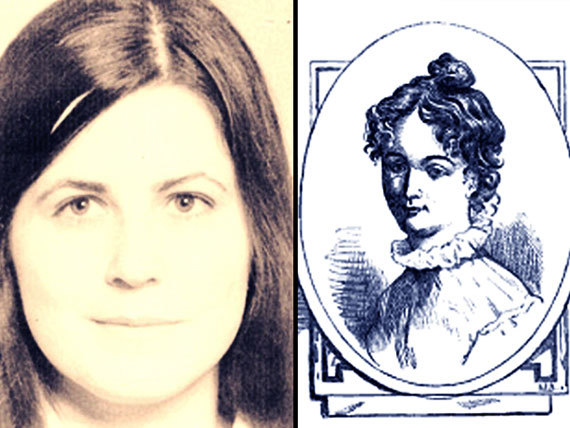
Mary Ashford was found murdered in Erdington in 1817, and Barbara Forrest was found murdered in the same spot in 1974. Both women were 20 years old and shared the same birth date. They had both visited a friend’s house on the evening of their deaths and were found on Whitsun Monday. Even the surnames of the primary suspects in both cases were the same.
The Double Dennis The Menace
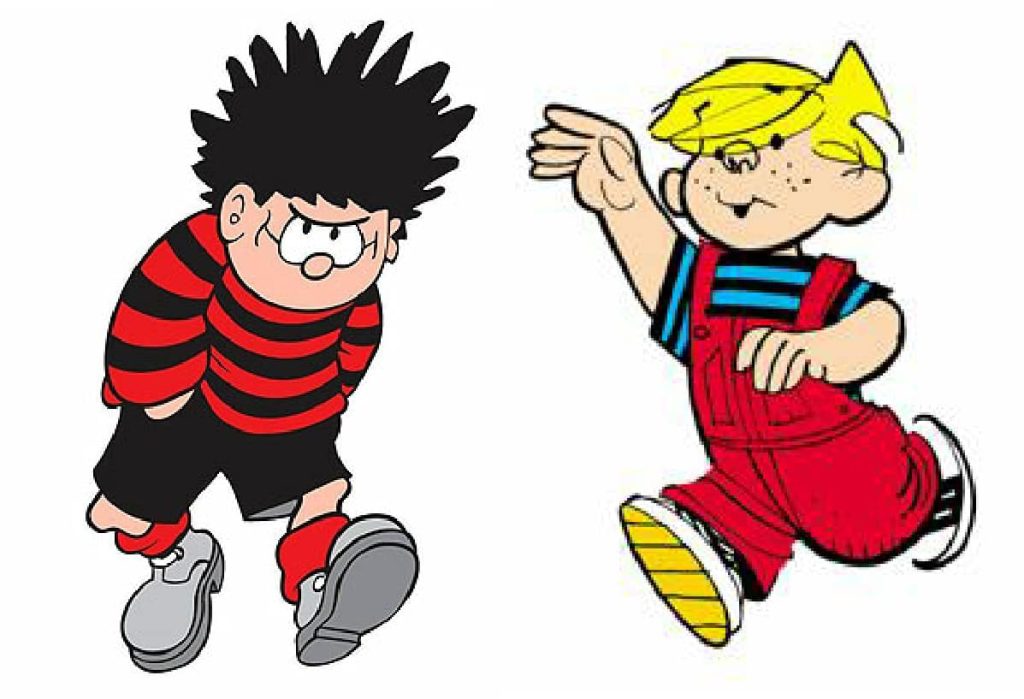
In March 1951, two different cartoonists on opposite sides of the Atlantic launched a comic strip titled “Dennis the Menace”. Hank Ketcham in the United States and David Law in the United Kingdom had no knowledge of each other’s work. The two characters were distinct in appearance but shared the same mischievous spirit. Both strips became incredibly successful and continue to run in their respective countries.
The Romanovs And The Ipatiev House
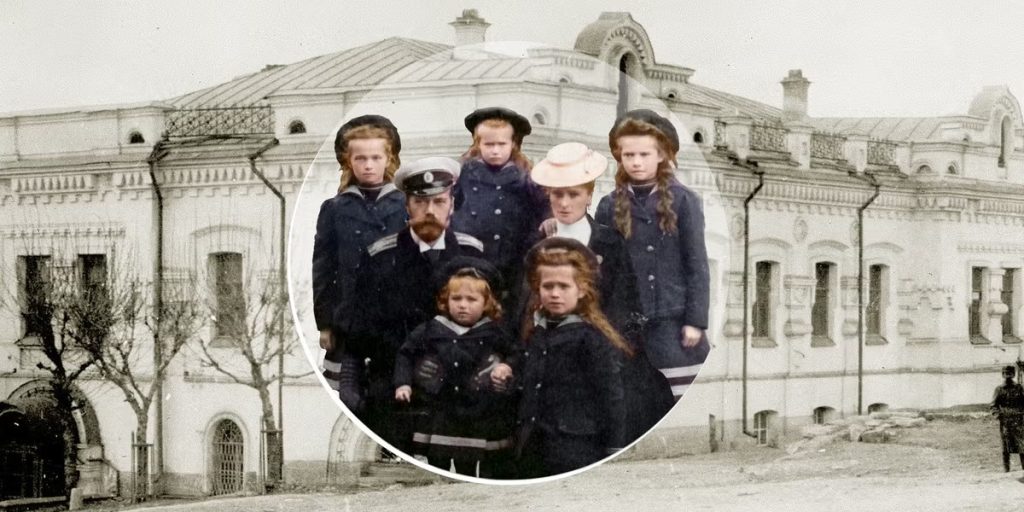
The Romanov dynasty began its rule of Russia in 1613 when Mikhail Romanov was chosen as Tsar while staying at the Ipatiev Monastery. Three centuries later, the family’s reign came to a brutal end in the cellar of the Ipatiev House in Yekaterinburg. The coincidence of the name Ipatiev at both the dawn and the dusk of the dynasty is often noted by historians. It suggests a strange circularity to the family’s tragic fate.
Anne Parrish’s Childhood Book
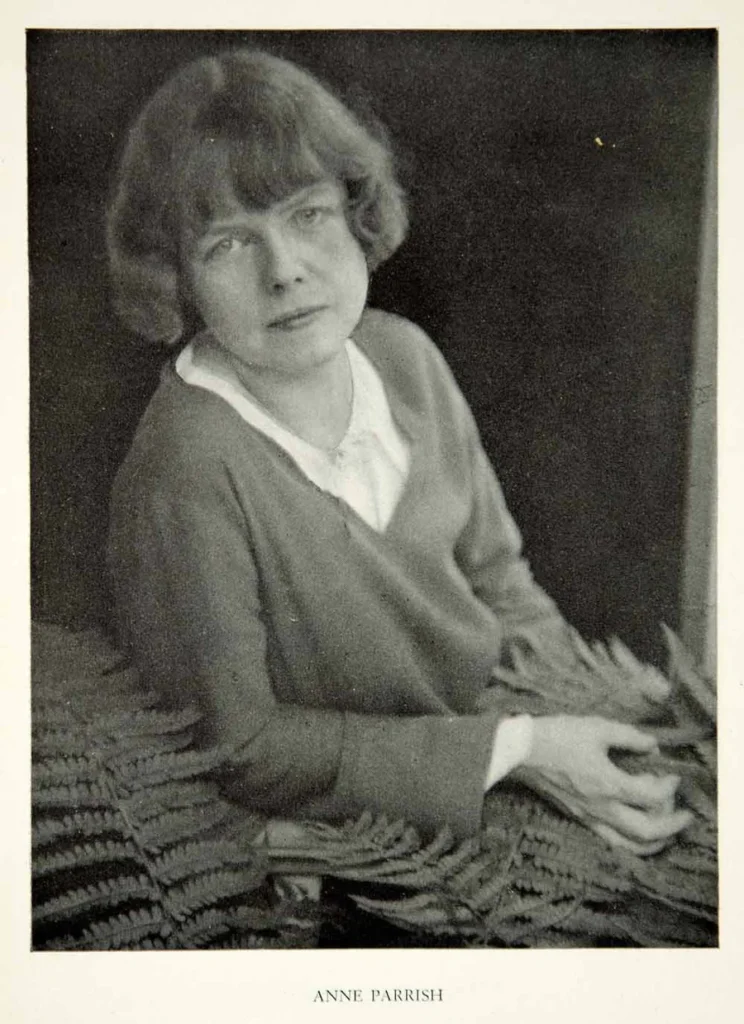
American novelist Anne Parrish was browsing a bookstore in Paris when she found a copy of “Jack Frost and Other Stories”. She showed it to her husband, explaining that it was her favorite book as a child. Upon opening the front cover, she discovered her own name and address written inside. She had somehow reunited with her specific childhood copy thousands of miles from home.
King Louis XVI And The Number 21
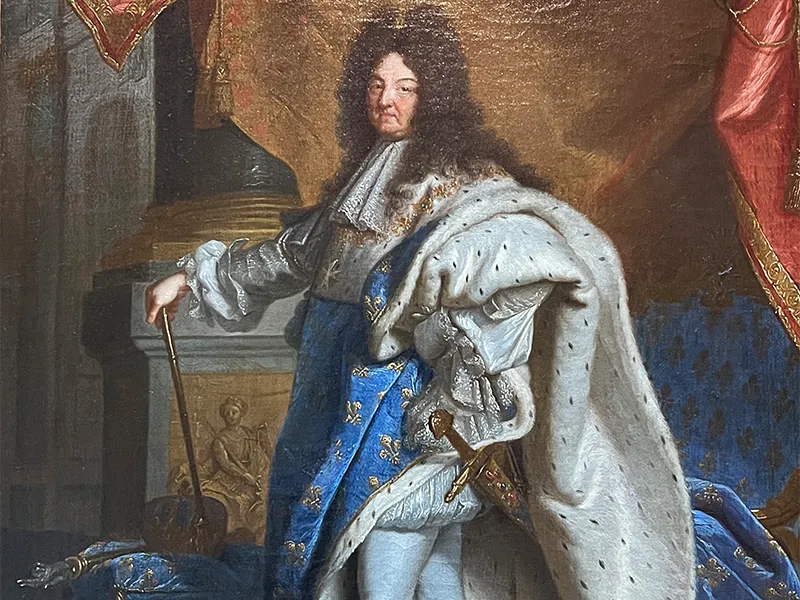
An astrologer once warned King Louis XVI of France to always be on his guard on the 21st day of every month. The King became so terrified that he refused to conduct important business on that date. However, the French Revolution eventually led to his arrest on June 21 and the abolition of the monarchy on September 21. He was finally executed by guillotine on January 21, 1793.
The First And Last Soldiers Of WWI
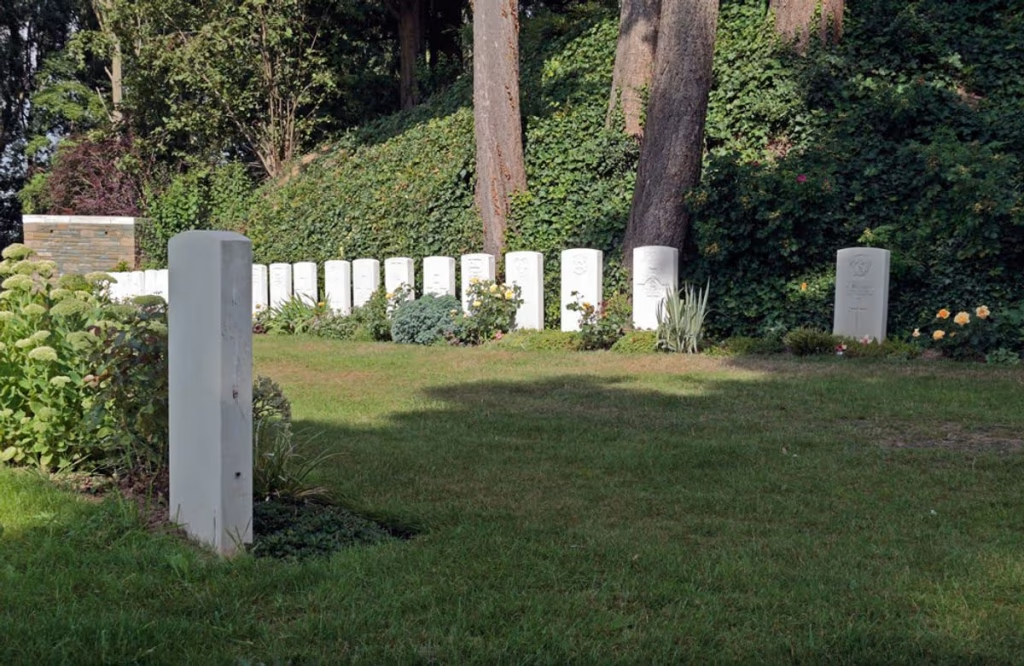
The first British soldier killed in World War I was John Parr, and the last was George Edwin Ellison. They are buried in the St. Symphorien Military Cemetery in Belgium, facing one another. Their graves are separated by only six meters of grass. This placement was entirely accidental, as the cemetery was filled over the course of the war without a plan for this symmetry.
Morgan Robertson’s Prophetic Novella
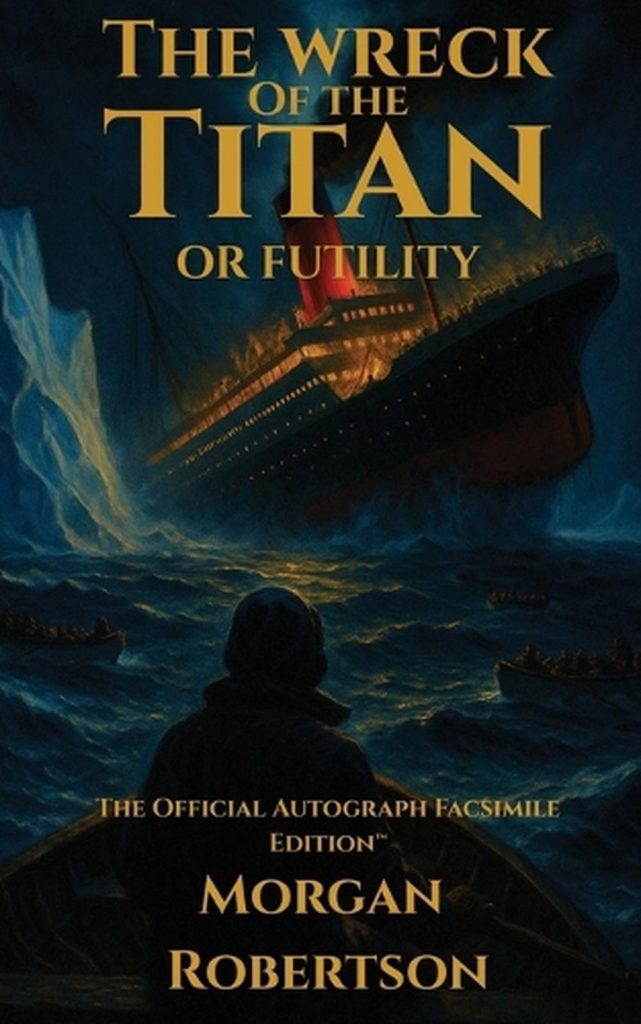
Fourteen years before the “Titanic” sank, Morgan Robertson wrote a novella called “Futility”. The story featured a massive, unsinkable British ocean liner named the Titan that hits an iceberg and sinks in the North Atlantic. Both ships lacked enough lifeboats for their passengers and carried roughly the same number of people. Even the speed at which they struck the ice was nearly identical in the book and reality.
Catherine Eddowes’ Multiple Names
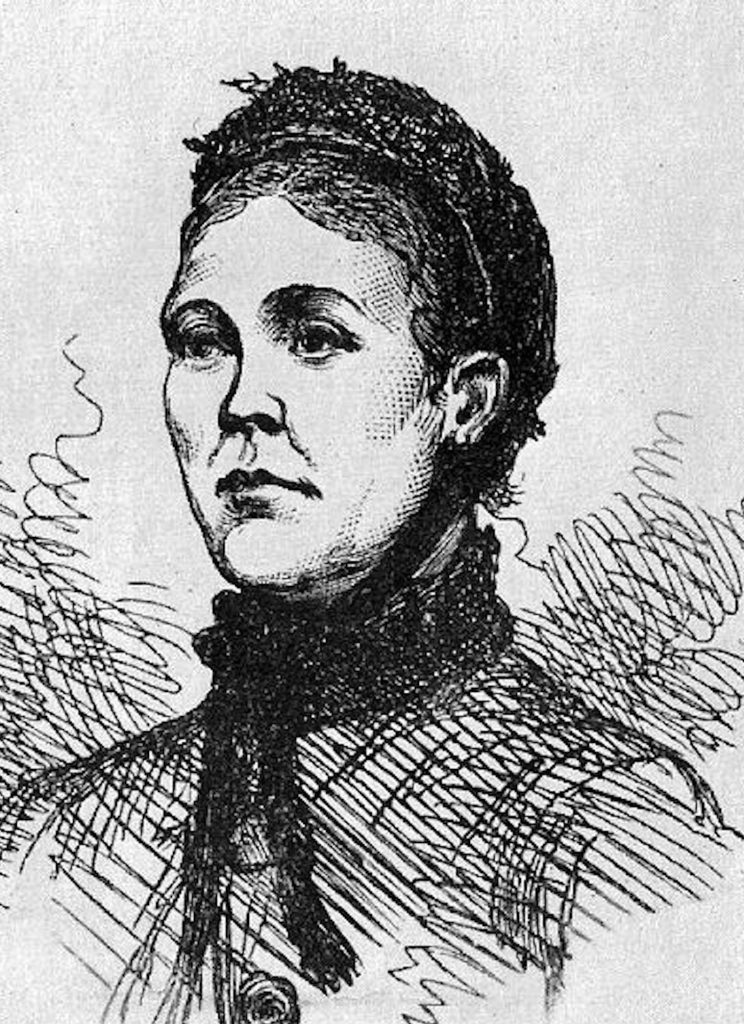
On the night she was murdered by Jack the Ripper, Catherine Eddowes was arrested for public intoxication. She gave the police a false name, Mary Ann Kelly, to avoid detection. Ironically, the Ripper’s next and final victim was a woman actually named Mary Jane Kelly. This overlap of names in the final days of the investigation continues to fascinate true crime historians.
The Sinking Of The SMS Szent István
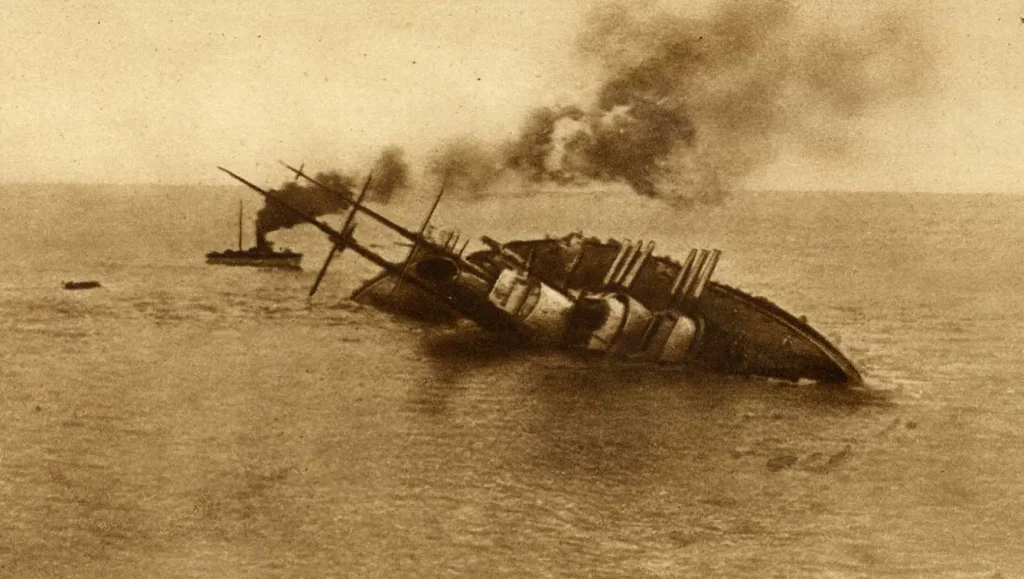
The battleship “SMS Szent István” was the only major warship whose sinking was captured on film during World War I. The vessel went down on June 10, 1918, after being hit by Italian torpedo boats. Coincidentally, the ship was named after the first King of Hungary, and its demise signaled the end of the Austro-Hungarian Empire. The rare footage remains a haunting visual record of imperial decline.
The Battle Of New Orleans Timing
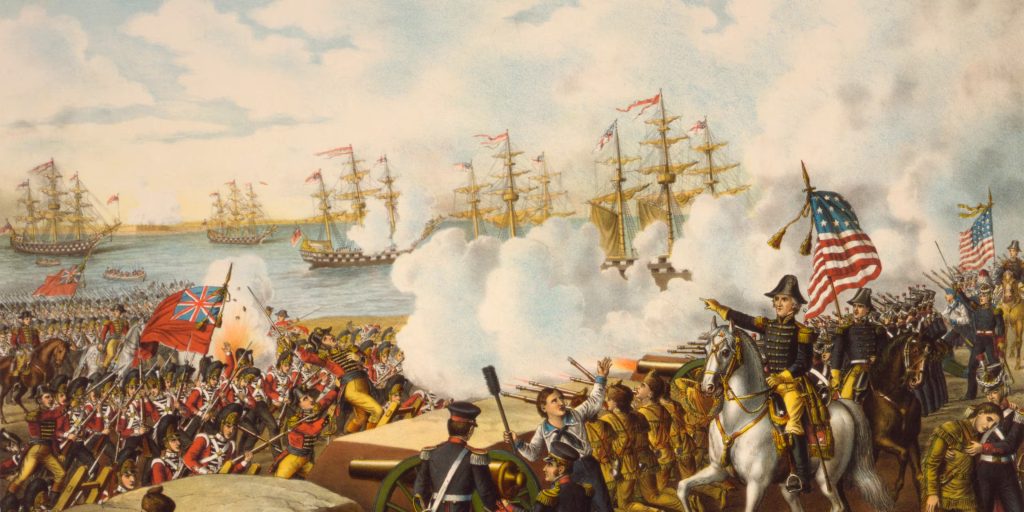
The Battle of New Orleans is famous for being the greatest American land victory of the War of 1812. However, the battle actually took place after a peace treaty had already been signed in Europe. Due to the slow speed of communication across the Atlantic, neither army knew the war was technically over. Thousands of soldiers fought and died for a conflict that had already been resolved on paper.
T.E. Lawrence And The Bicycle
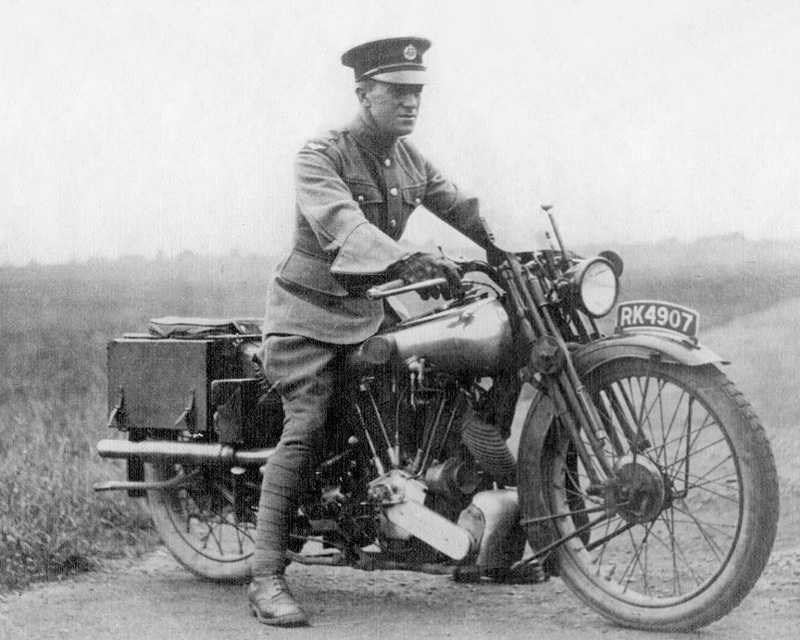
T.E. Lawrence, better known as Lawrence of Arabia, died in a motorcycle crash in 1935. He swerved to avoid two boys on bicycles near his home in Dorset. One of the doctors who treated him was neurosurgeon Hugh Cairns. The tragedy inspired Cairns to begin extensive research into head injuries, which eventually led to the invention and mandatory use of motorcycle helmets.
The Mongol Kamikaze Winds
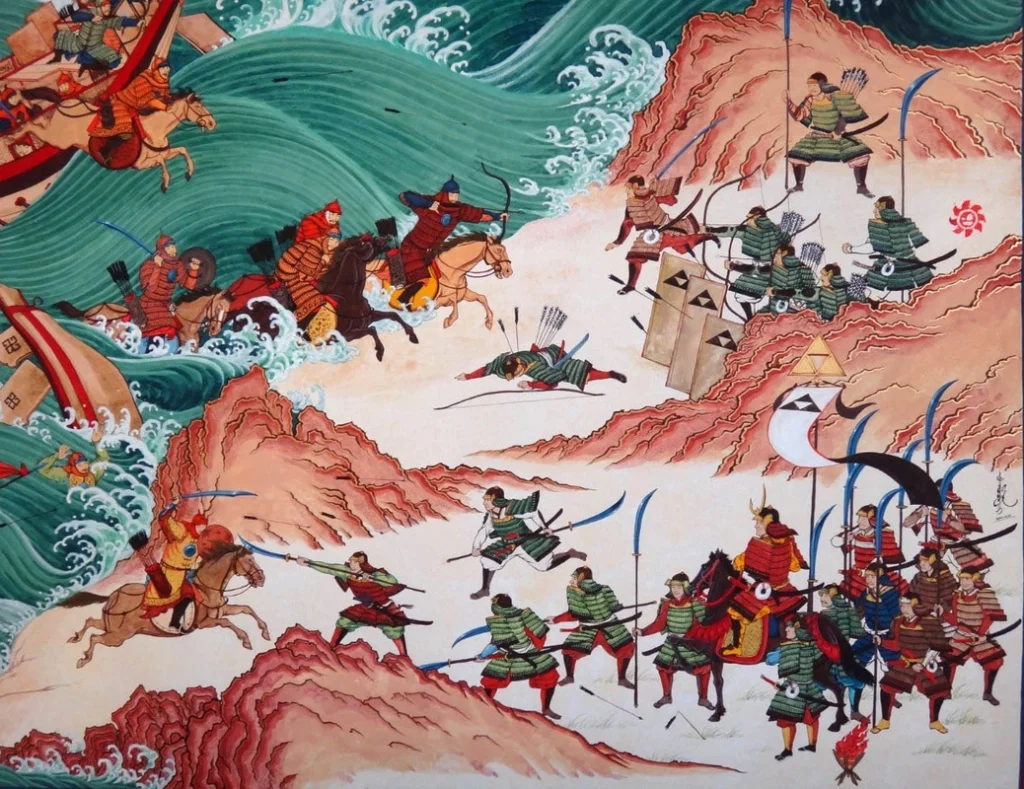
Kublai Khan attempted to invade Japan twice in the 13th century with massive fleets. On both occasions, a powerful typhoon struck the coast and destroyed the Mongol ships before they could land. The Japanese believed these storms were sent by the gods and named them kamikaze, or divine wind. This weather-based coincidence preserved Japanese independence for centuries.
Napoleon II And His Father’s Legacy
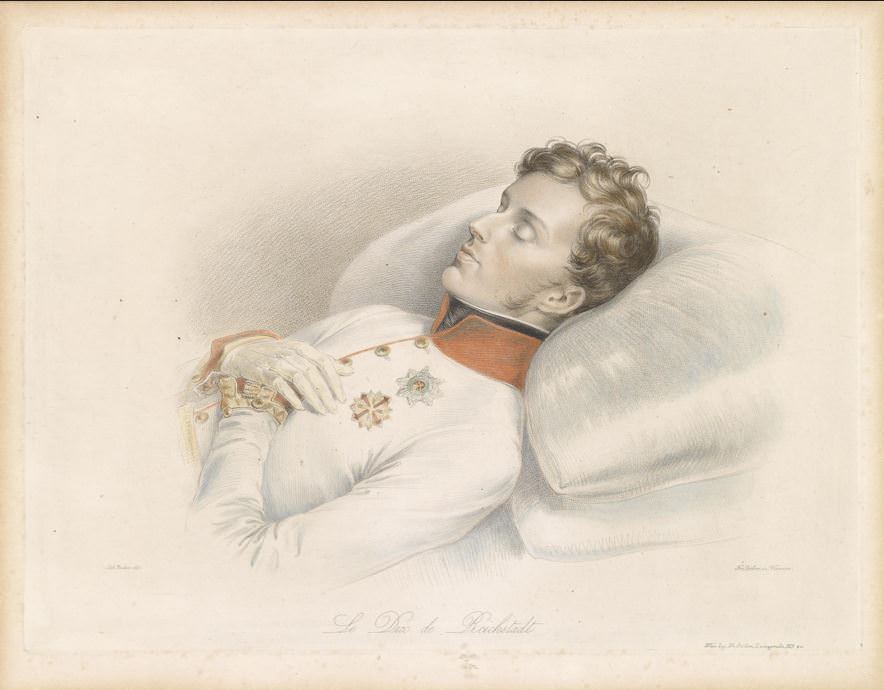
Napoleon II, the son of the French Emperor, died at the young age of 21 in Vienna. His death occurred on July 22, 1832, which was the anniversary of his father’s victory at the Battle of Salamanca. Furthermore, he passed away in the same room where his father had stayed during the occupation of the city. The young prince never got to rule the empire his father built.
The Lightning Bolt Of Andrew Jackson
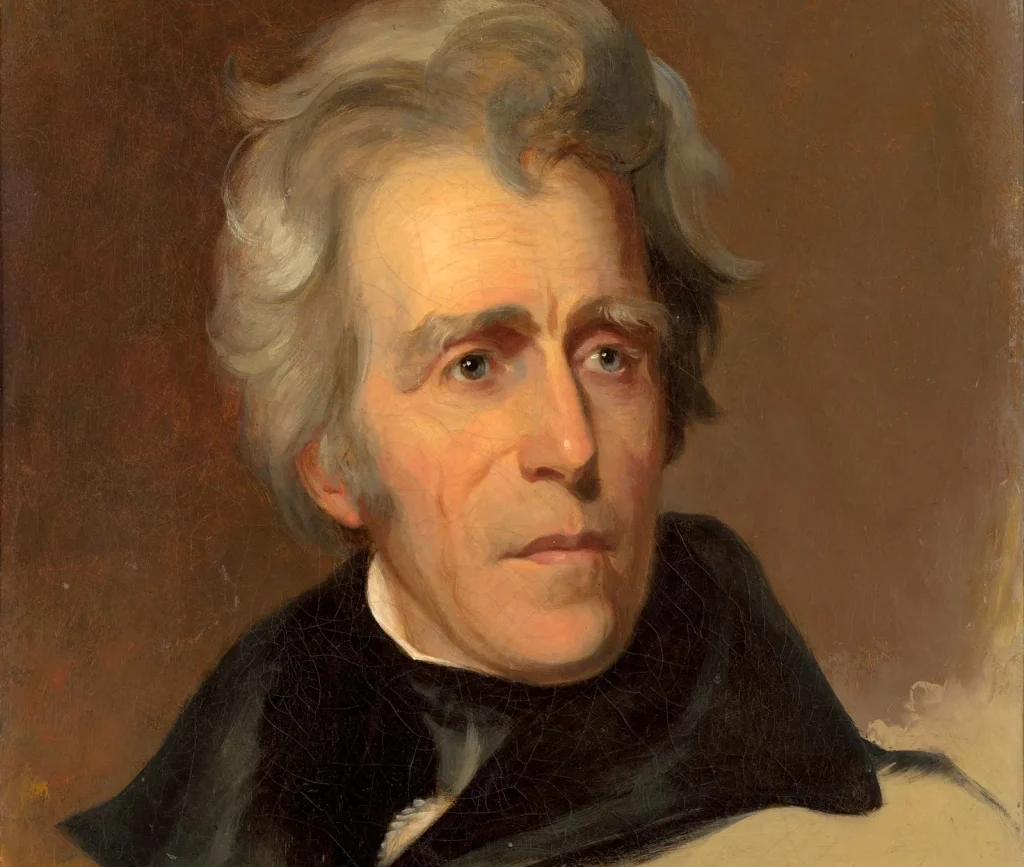
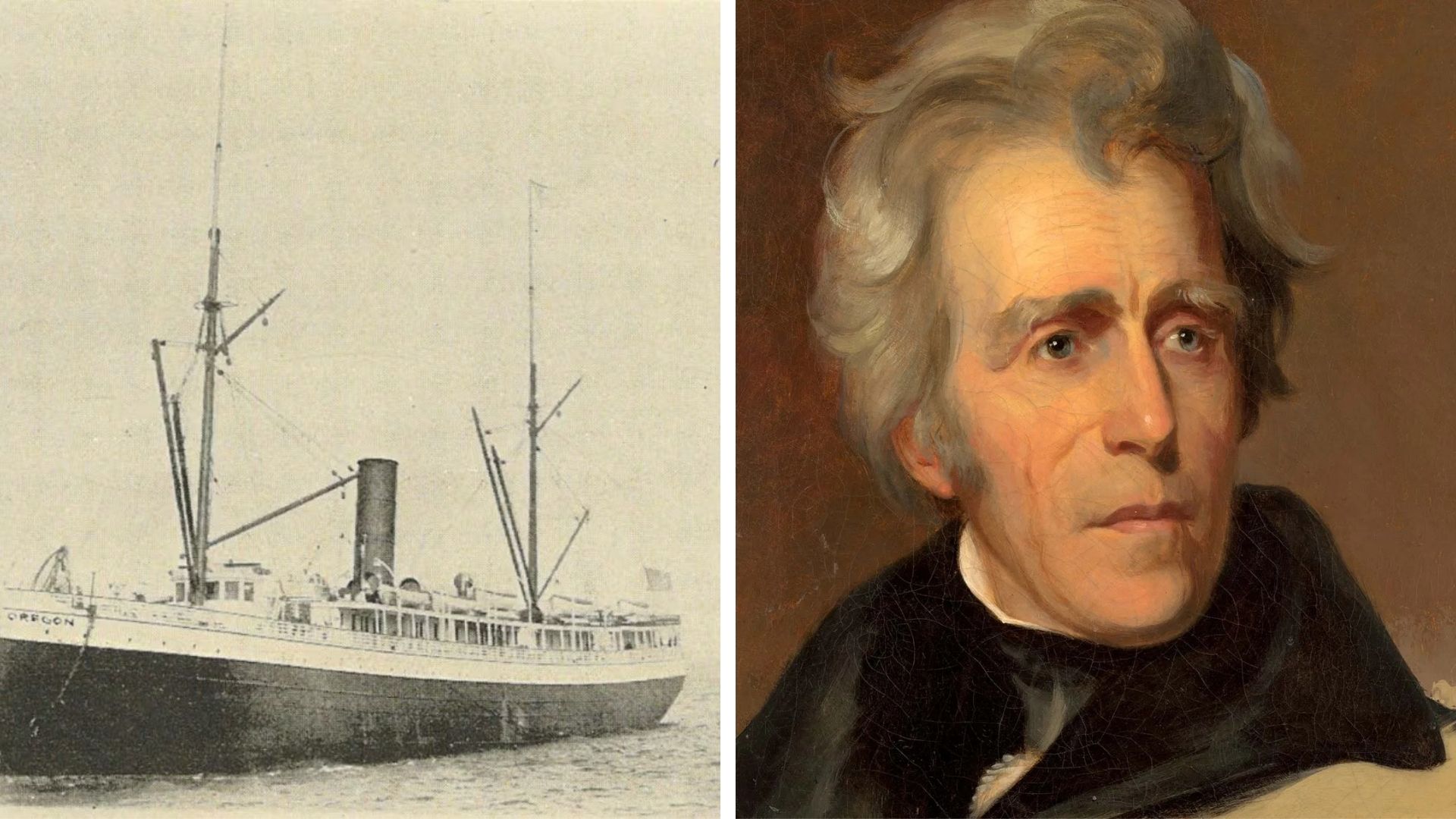
Andrew Jackson was known for his fiery and stormy personality during his presidency. In a strange twist of nature, his tomb at The Hermitage was struck by a powerful bolt of lightning years after his death. The strike was so intense that it cracked the heavy stone sarcophagus. This event led many to joke that Old Hickory was still causing trouble from beyond the grave.
The Sinking Of The SS Oregon
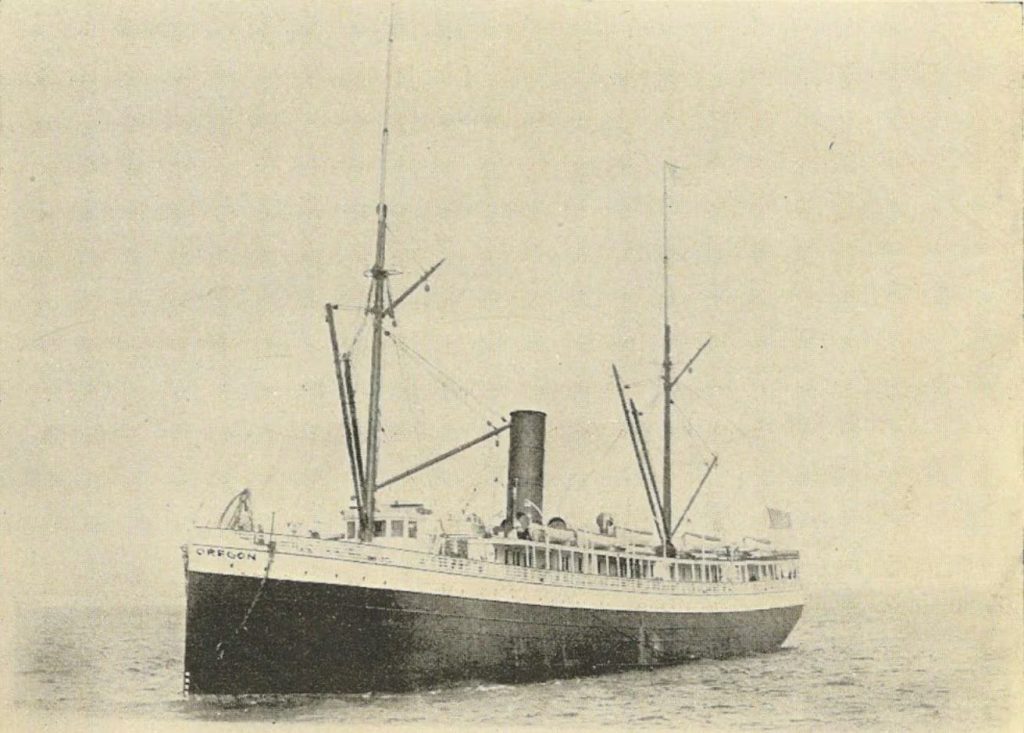
The “SS Oregon” was one of the fastest ships of its time and was considered a marvel of engineering. In 1886, it collided with an unidentified schooner just miles off the coast of New York. The schooner sank instantly, but the “Oregon” stayed afloat long enough for all passengers to be rescued by a passing ship. That rescue ship happened to be the “Fulda”, which was the same vessel the “Oregon” had beaten in a speed race months earlier.
The Two HMS Victorias
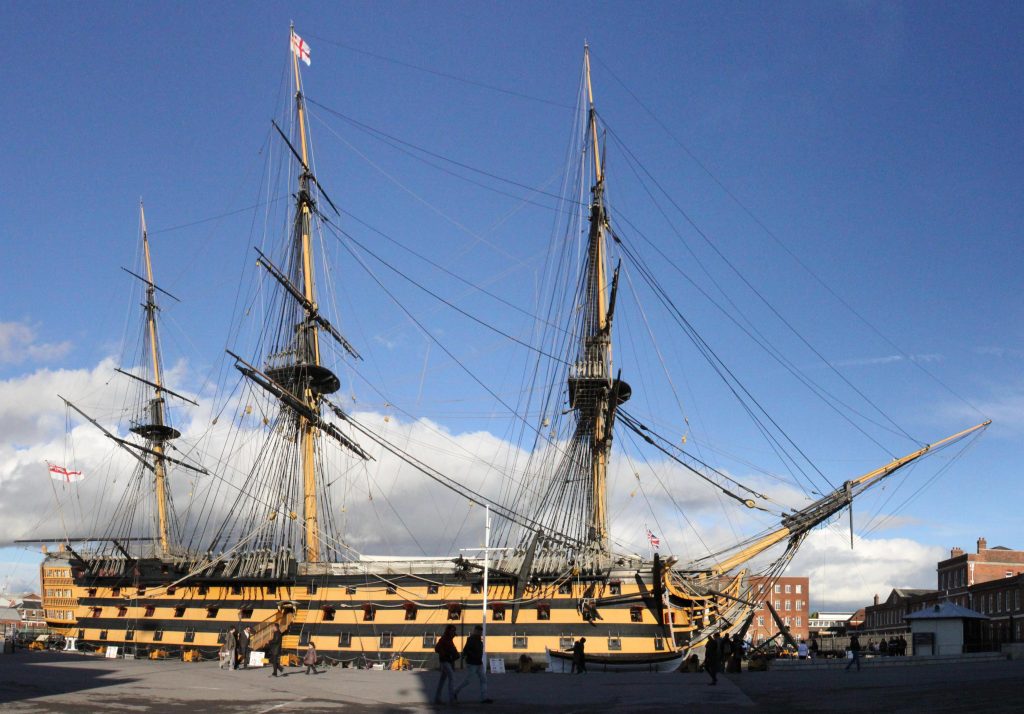
The British Royal Navy once had two different ships named the “HMS Victoria” that suffered remarkably similar fates. Both vessels were lost following accidental collisions with other British ships during peacetime maneuvers. These disasters occurred exactly 59 years apart, resulting in significant loss of life in both instances. The repetition of such a specific naval tragedy remains an anomaly in British maritime records.
The Haunting Lincoln And Kennedy Parallels
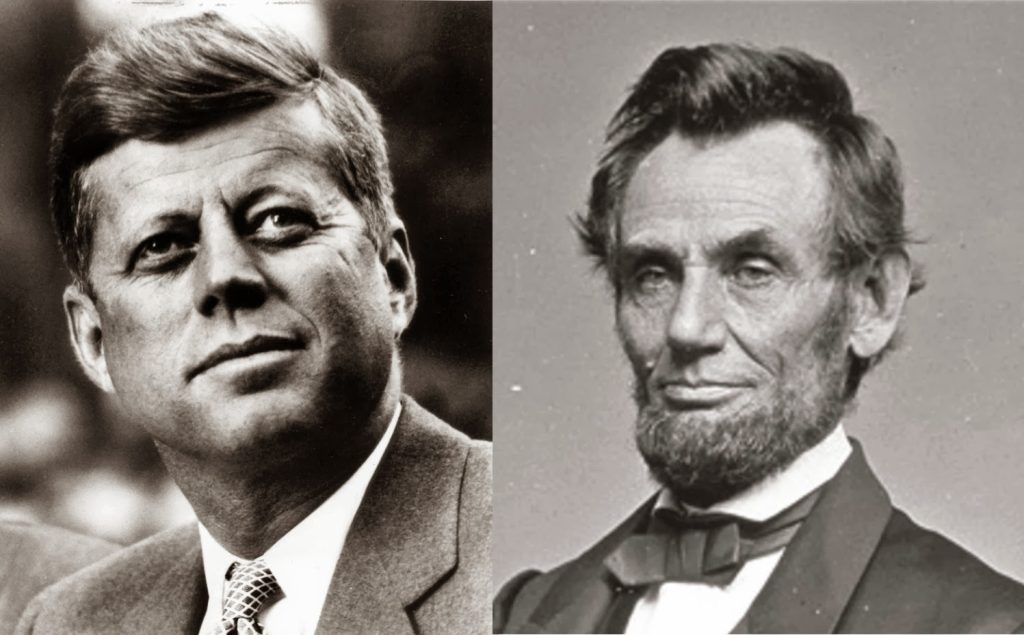
Abraham Lincoln was elected to Congress in 1846, while John F. Kennedy was elected in 1946. Both men were succeeded by Southerners named Johnson who were born exactly one hundred years apart. Their assassinations occurred on a Friday while they were seated next to their wives. This collection of similarities remains the most debated and eerie series of coincidences in American political history.