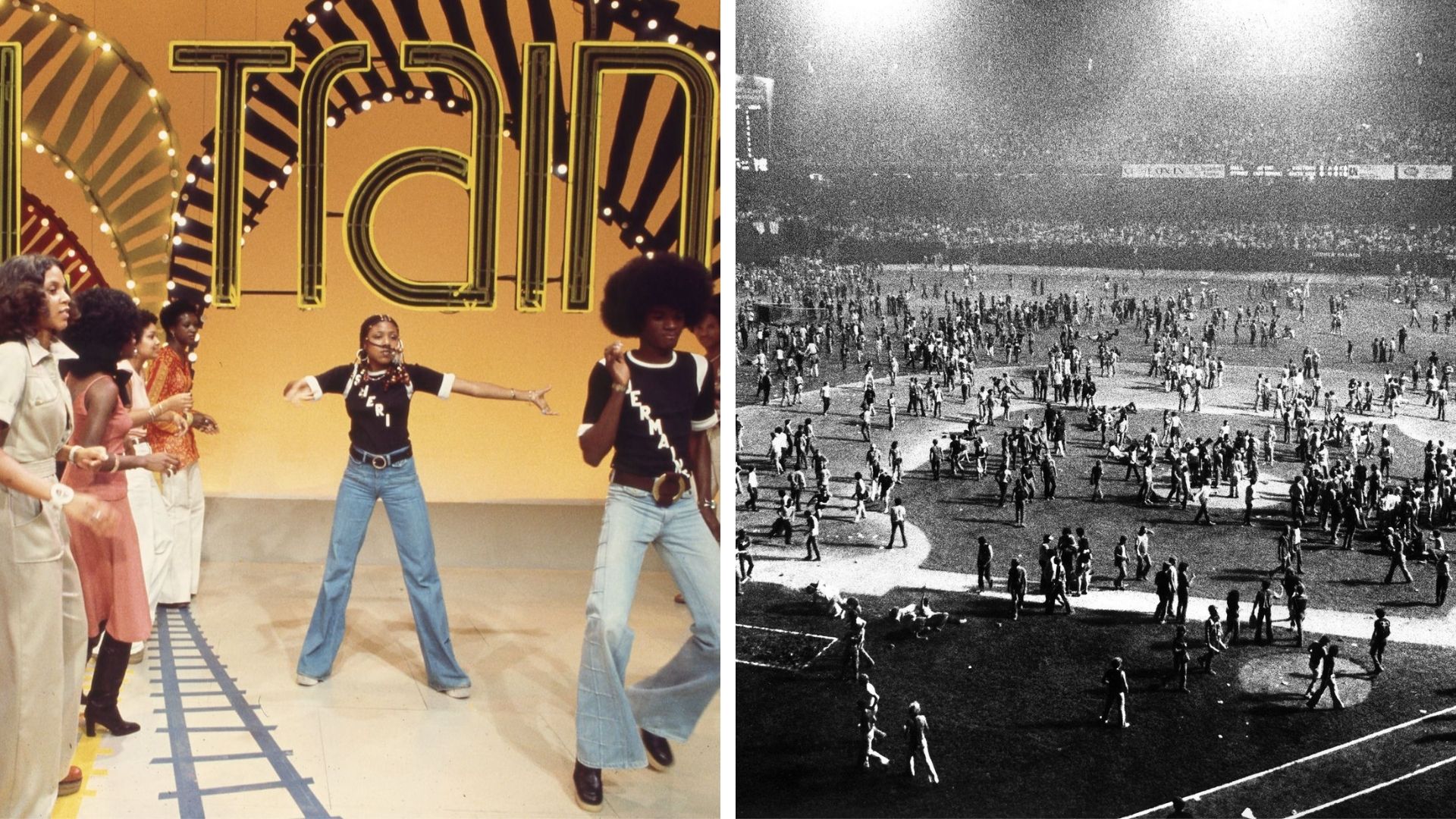
The strobe light catches a sea of moving bodies, casting a timeless spell over global pop culture. Decades ago, an underground musical revolution erupted from urban sanctuaries, permanently altering how the world dances, dresses, and listens to music. This sonic movement shattered rigid genre boundaries, elevating the role of the disc jockey to cultural architect and turning dance floors into spaces of absolute liberation. Here are distinct ways the unstoppable momentum of disco completely transformed global pop culture.
The Invention of the 12-Inch Single

Extended dance mixes required wider vinyl grooves to achieve higher fidelity and deep bass response. Audio engineer Tom Moulton pioneered this format completely by accident because they ran out of 7-inch acetate blanks. The innovation allowed DJs to play continuous music without interruption, forever changing the manufacturing standards of the global recording industry.
Pioneering the Four-on-the-Floor Drum Pattern
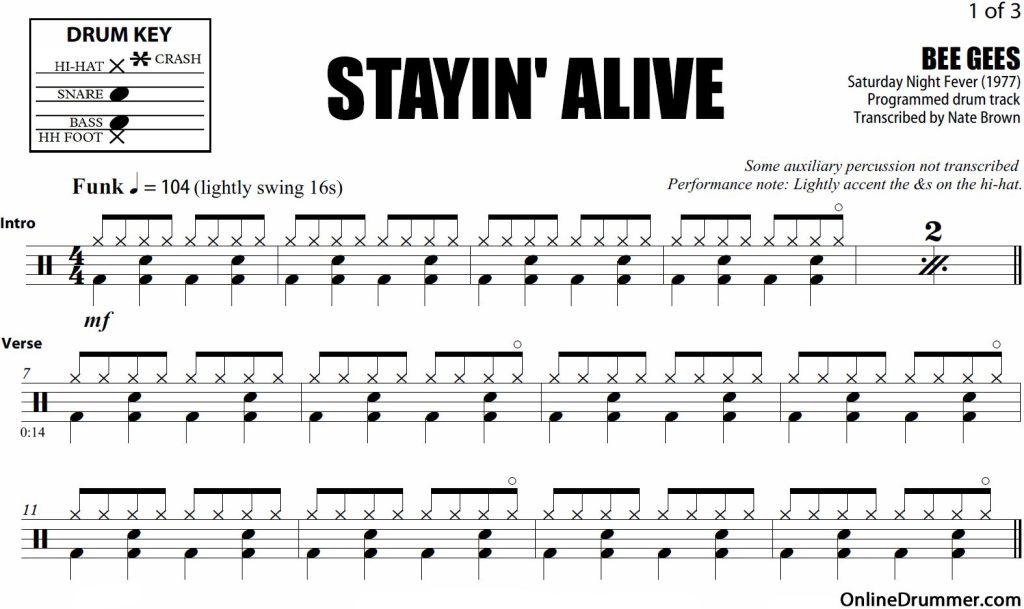
Drummer Earl Young revolutionized percussion by striking the bass drum steadily on every single beat. Virtually all modern electronic house, techno, and pop tracks still rely entirely on this foundational architecture to command audience attention.
The Rise of the Club DJ as an Artist
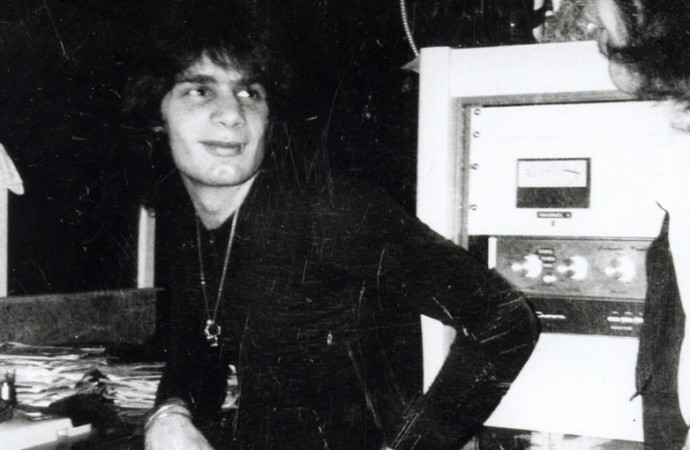
Before this era, people viewed record spinners merely as human jukeboxes who read announcements between tracks. Francis Grasso changed the profession forever by introducing beatmatching. This technique involved seamlessly blending the tempos of two separate records. This technical breakthrough transformed nightlife into a continuous sonic journey curated by a singular creative mind.
The Evolution of the Electronic Remix

Label executives soon realized that radio versions of pop songs failed to engage patrons inside massive dance venues. This production shift directly birthed the multi-billion-dollar remix economy that dominates current music streaming platforms worldwide.
“Saturday Night Fever” and Mainstream Domination
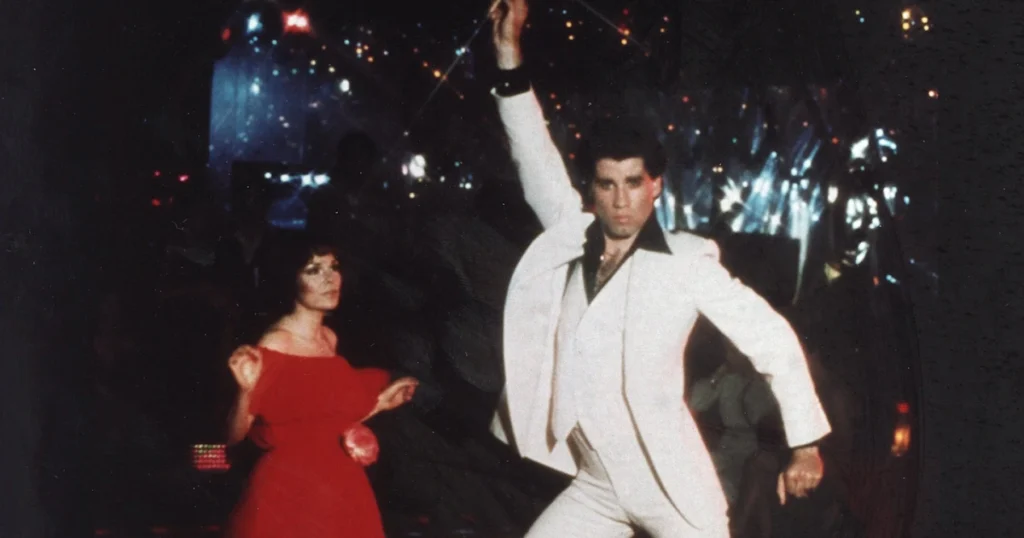
A 1976 New York magazine article about Brooklyn disco youth (later admitted by its author to be largely fictional) inspired the film that turned disco into a billion-dollar global industry. It catapulted John Travolta to international stardom and produced one of the best-selling soundtracks in history.
The Bee Gees and the Falsetto Trend

Working closely on the soundtrack for “Saturday Night Fever”, the Bee Gees completely redefined the vocal signature of a generation. Their soaring falsetto harmonies added an airy, ethereal texture that perfectly complemented the heavy thumping of club sound systems. Pop vocalists across every continent immediately adopted this high-register technique to mimic their success. This vocal style became synonymous with global chart-topping pop production.
Giorgio Moroder and Pure Synthesizer Pop
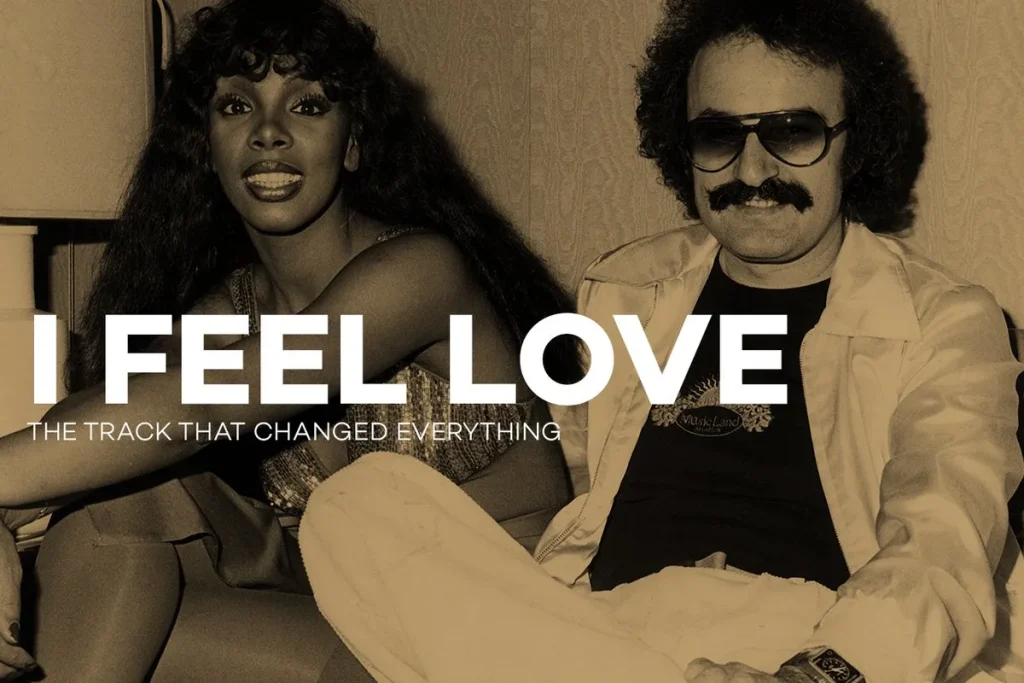
Electronic soundscapes found their definitive masterpiece when a visionary Italian producer decided to construct a track using entirely automated synthesizers instead of live acoustic instruments. Giorgio Moroder’s work on Donna Summer’s legendary hit “I Feel Love” stripped away traditional rhythm sections to create a driving, futuristic pulse that birthed modern techno.
Donna Summer and the Concept of the Diva
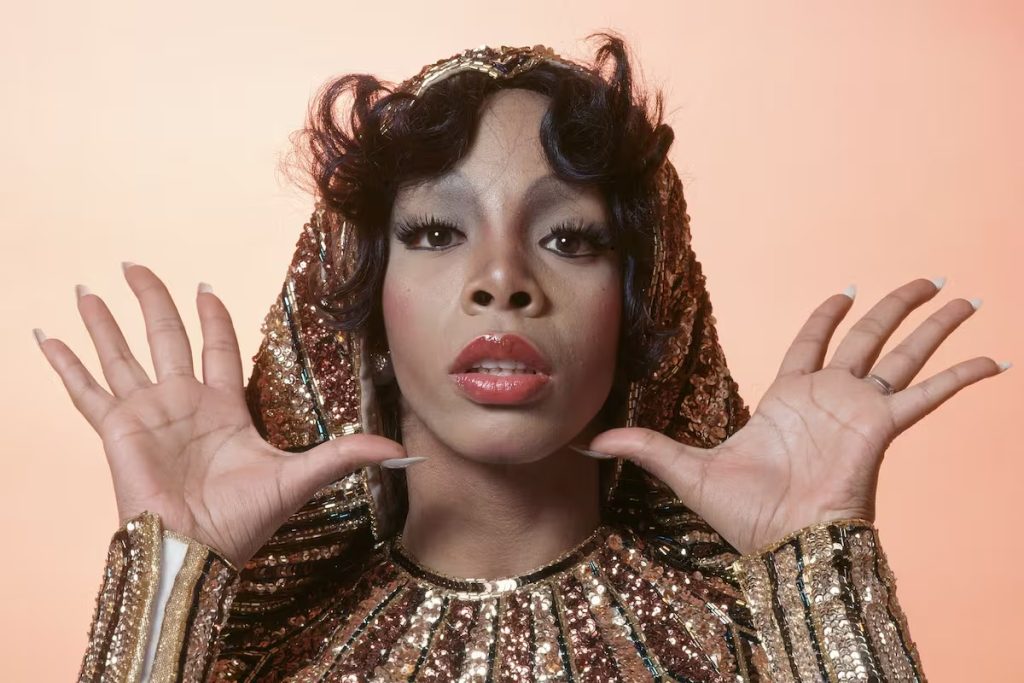
Unmatched vocal power combined with theatrical sensuality earned Donna Summer the permanent title of the Queen of Disco. Her collaborative efforts with Giorgio Moroder yielded sprawling, side-long album tracks that played out like operatic electronic symphonies. She successfully dismantled the industry belief that dance artists could not sustain long-form album sales.
The High-Fashion Glamour of Halston
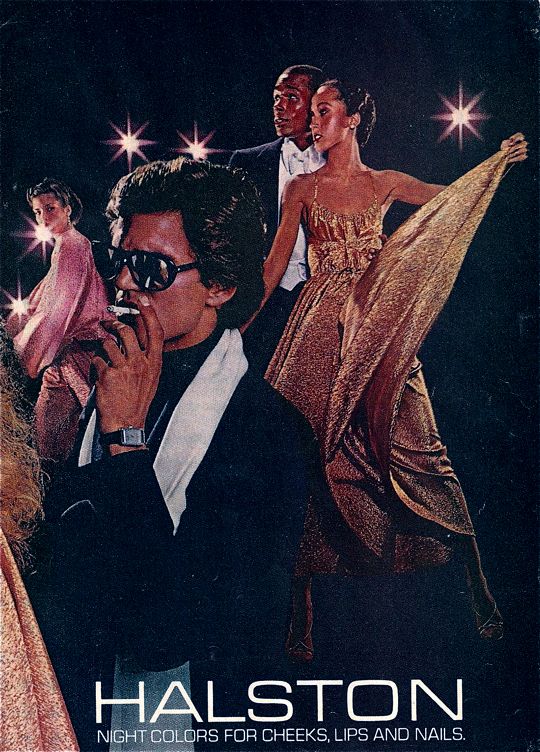
Flowing silk dresses, glittering sequins, and minimalist silhouettes redefined the dress code of nightlife culture. Fashion designer Roy Halston Frowick crafted clothes specifically designed to catch the ambient light of flashing strobes and move fluidly with a dancer’s body.
Studio 54 and the Cult of Celebrity
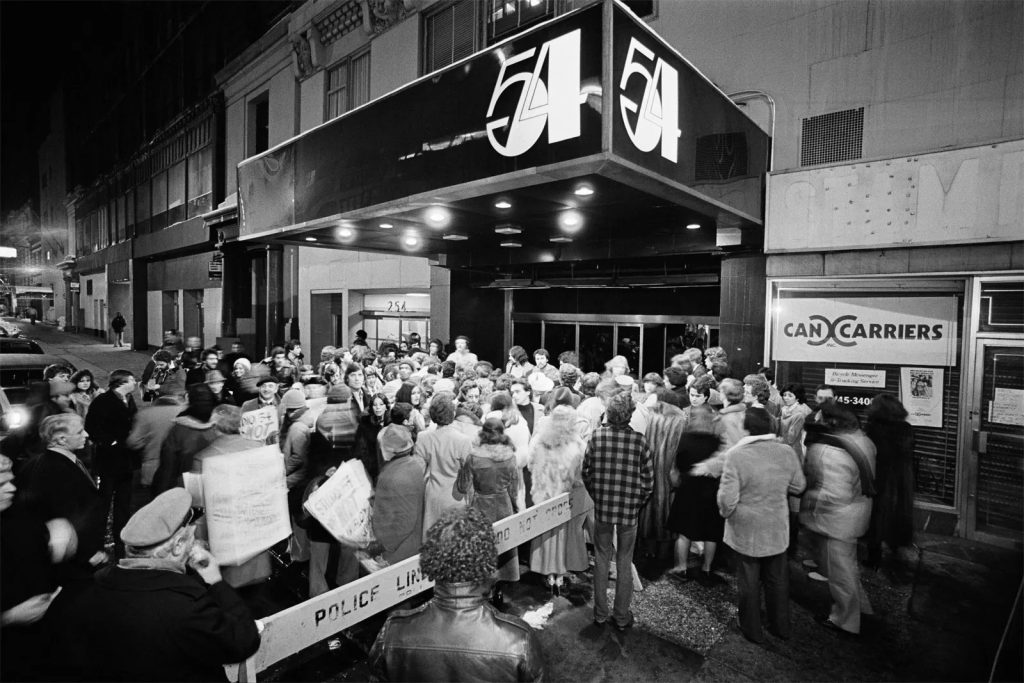
A former opera house and CBS broadcast studio became the most exclusive nightspot on Earth by weaponizing the concept of extreme door selection. Co-founders Steve Rubell and Ian Schrager mixed international royalty, drag icons, and Hollywood elites into a volatile social cocktail. Studio 54 came to define the ultimate peak of celebrity club culture. This legendary venue established the modern velvet-rope business model copied by premium hospitality brands across the globe.
The Birth of Hip-Hop’s Foundational Sample
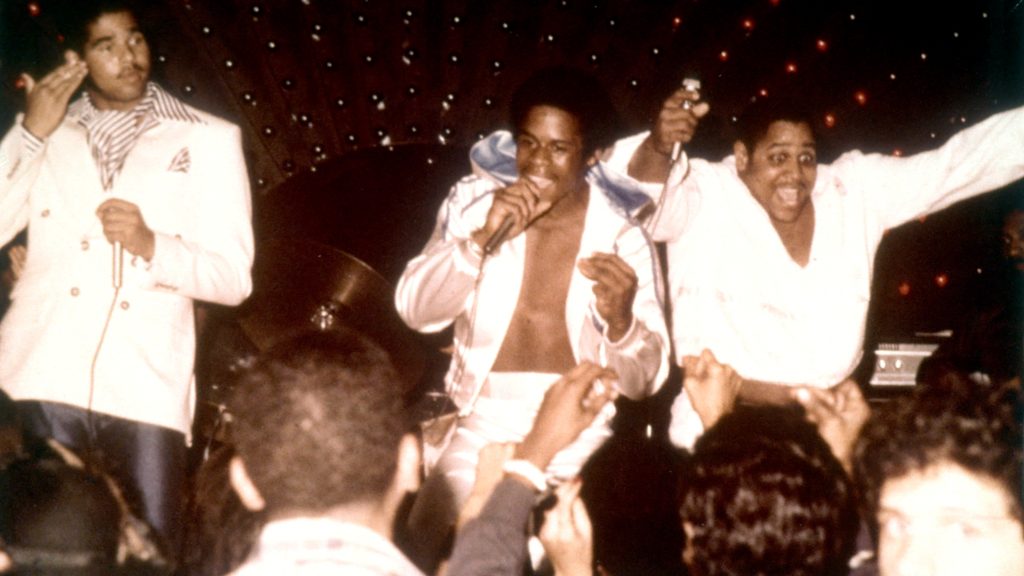
A massive party anthem by the group Chic provided the exact spark needed to ignite the commercial rap industry. An emerging group known as The Sugarhill Gang lifted the distinctive bassline from “Good Times” to record their historic breakthrough “Rapper’s Delight.”
Rock Royalty Adopts the Disco Groove
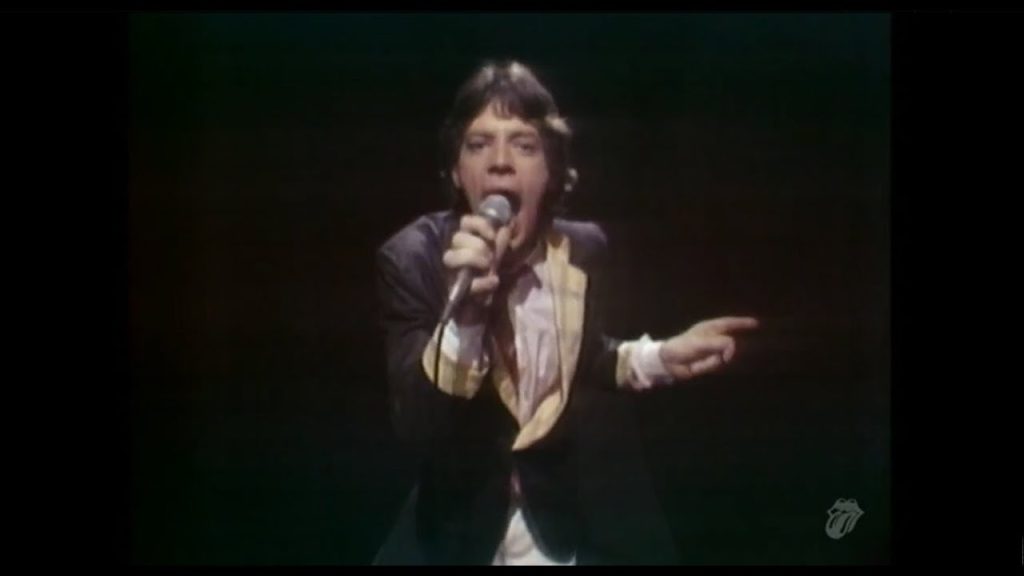
Fearing cultural irrelevance as dance charts dominated sales, legendary rock bands began incorporating syncopated four-on-the-floor rhythms into their classic guitar setups. The Rolling Stones scored a massive international hit with “Miss You,” while Rod Stewart topped global charts with his infectious dance crossover track. This temporary genre mutation proved that the rhythmic pulse of the discotheque was entirely inescapable. Radio program directors quickly adapted by playing rock and dance tracks side-by-side.
The Standardization of Record Pools
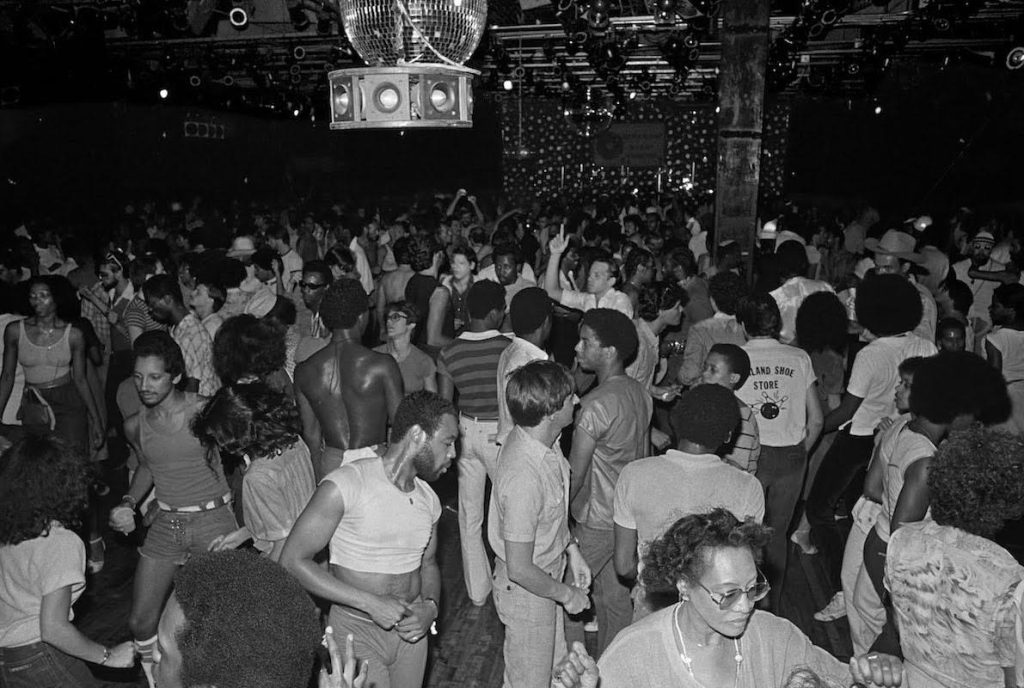
Unsigned artists and small independent labels struggled to get airplay on traditional corporate radio stations. To bypass this bottleneck, coordinators gathered influential club DJs together to distribute promotional vinyl directly to the frontline performers. This innovative grassroots network turned inner-city dance floors into the primary testing grounds for future mainstream hits.
The Globalization of Eurodisco
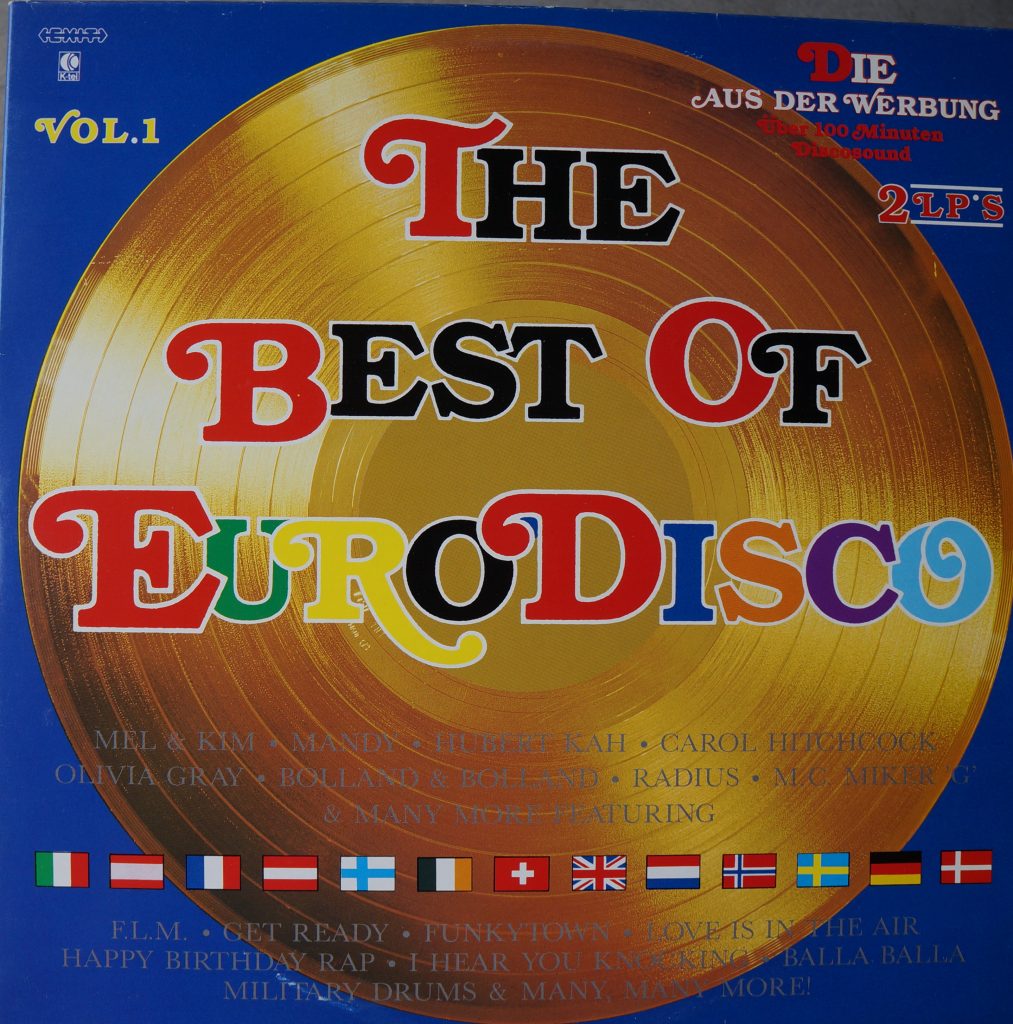
Pop masterminds across Sweden, Germany, and France stripped away the deep American blues elements of the genre to emphasize pristine, melodic hooks. This highly accessible adaptation transformed European studios into dominant exporters of global pop music.
The Architecture of Custom Club Sound
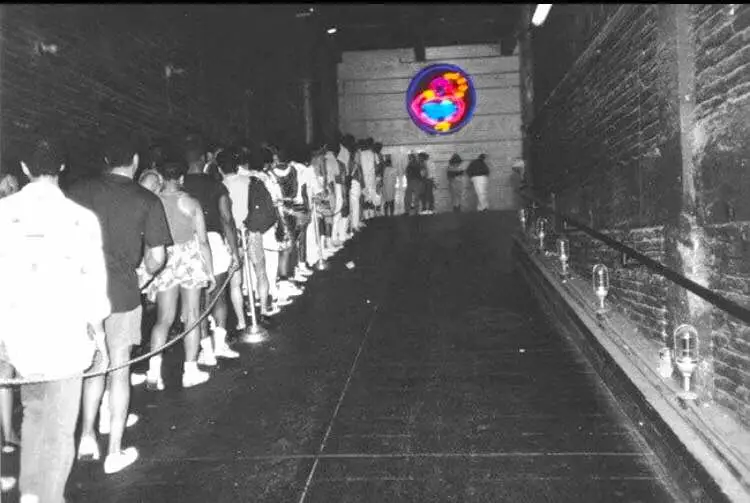
Standard concert speakers delivered distorted, muddy audio when pushed to the extreme volumes demanded by underground dance halls. Sound engineer Richard Long revolutionized the night industry by designing custom bass horns and multi-directional speaker stacks tailored for specific acoustic spaces. His legendary installations at venues like the Paradise Garage set the permanent blueprint for modern festival audio systems. Club owners worldwide quickly commissioned his custom designs to attract audiophiles.
The Neon and Spandex Aerobics Craze
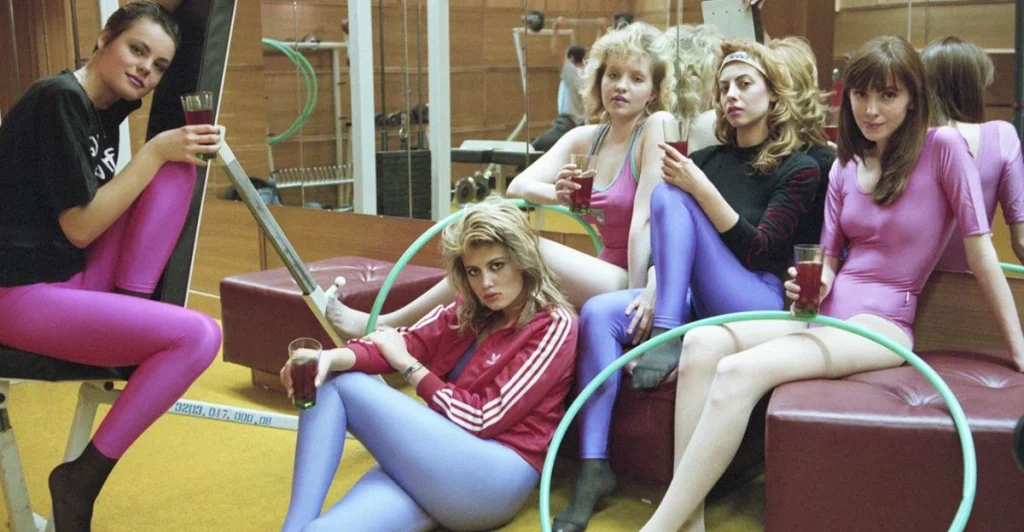
Rhythmic, steady tempos between 110 and 130 beats per minute provided the perfect psychological pacing for physical endurance training. Entrepreneurial fitness instructors quickly paired high-energy dance tracks with group workout routines, sparking a massive worldwide home-video fitness boom. This cultural intersection turned activewear like leg warmers and spandex into mainstream daytime fashion staples.
The Illumination of the Kinetic Dance Floor
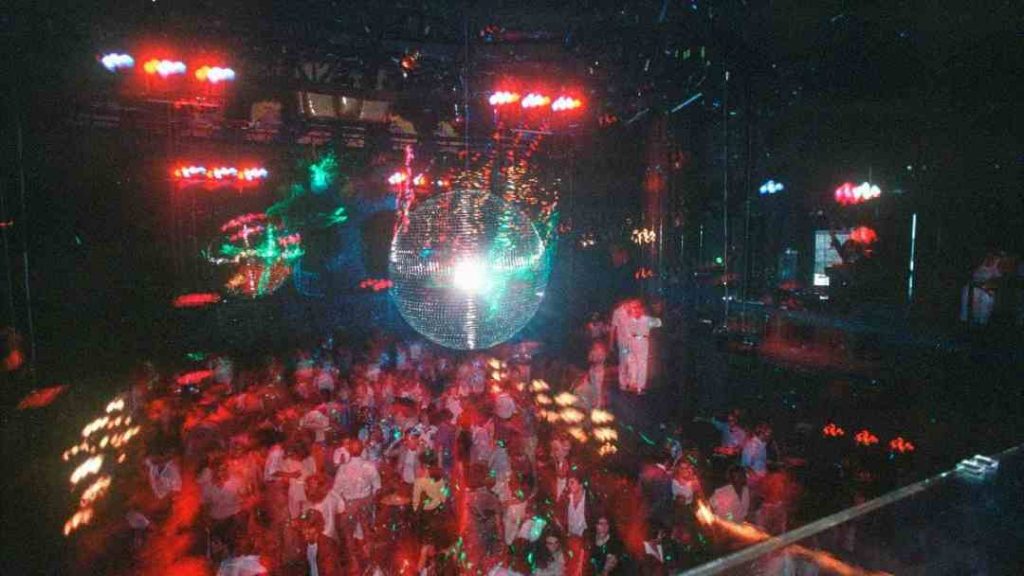
Architects began embedding thousands of colorful neon bulbs beneath translucent acrylic floor tiles to synchronize visuals with the bassline. The mesmerizing visual aesthetic quickly became a mandatory design element for entertainment venues across Asia, Europe, and the Americas.
The Independence of Major Indie Labels

Conglomerate record companies initially dismissed dance music as a passing ethnic fad confined to underground metropolitan clubs. This massive oversight allowed agile independent imprints like Casablanca Records and West End Records to secure massive market shares. These boutique labels discovered definitive global superstars while rewriting the music industry rulebook regarding artist distribution rights. Major studios were eventually forced to buy out these successful indies to stay competitive.
The Reinvention of the Pop Diva
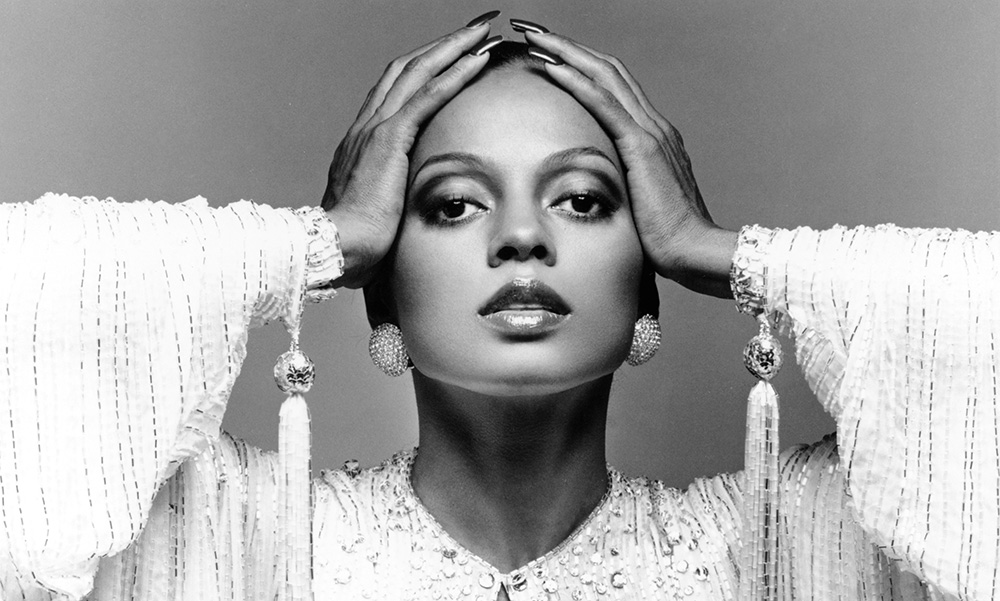
Established solo vocalists found a powerful second act by trading traditional torch songs for sweeping, uptempo dance orchestrations. Diana Ross secured an iconic solo renaissance by collaborating with the production team behind Chic to deliver anthems of personal liberation. This stylistic pivot established a permanent template for legacy pop vocalists looking to remain culturally relevant across decades.
The Global Mutation of Japanese City Pop
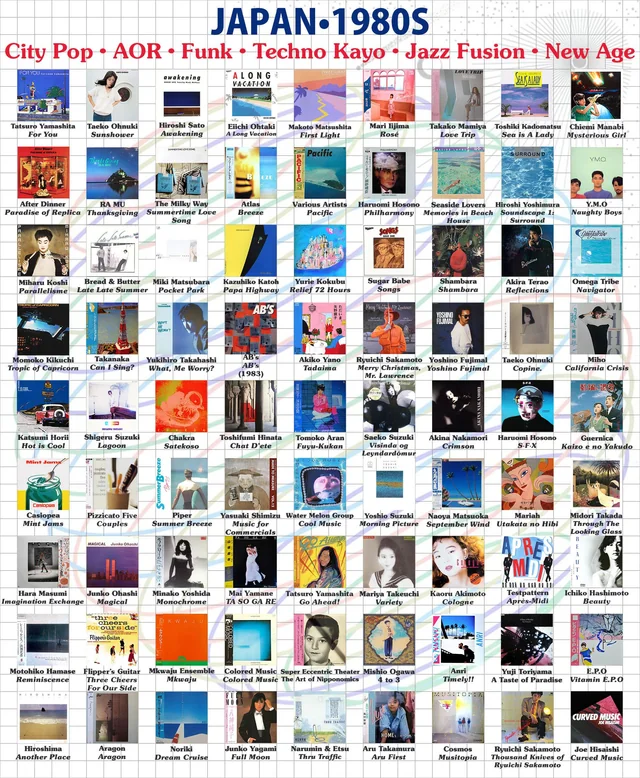
Economic prosperity in East Asia combined with imported electronic dance production techniques to form a highly sophisticated, glossy musical aesthetic. Artists in Tokyo blended disco basslines with jazz fusion and synth-pop melodies to create what is now celebrated as Japanese City Pop.
The Introduction of All-Disco Radio Stations

Traditional broadcasting formats experienced a massive shakeup when local stations switched exclusively to twenty-four-hour dance programming to capture younger demographics. New York’s WKTU famously went from a low-rated outlet to the most-listened-to station in America virtually overnight following this format swap. This corporate panic forced media conglomerates worldwide to recognize dance music as a primary ratings driver. Programmers quickly realized that listeners preferred continuous blocks of rhythm over long spoken advertisements.
The Choreography of Synchronized Group Dancing

Complex partner routines like the Hustle and universal line dances shifted the focus of nightlife from passive watching to active participation. Instructors established lucrative dance academies across major cities to teach suburban audiences how to navigate the modern discotheque. This structural shift democratized nightlife, making coordinated physical movement a universal language of social status.
The Cultural Power of Escapist Lyrics
Heavy political protest songs dominated the early part of the decade before giving way to themes of pure euphoria, fantasy, and emotional resilience. This lyrical shift permanently changed the pop landscape by prioritizing emotional catharsis and joy over somber societal critique.
The Architectural Transformation of the Cruise Ship
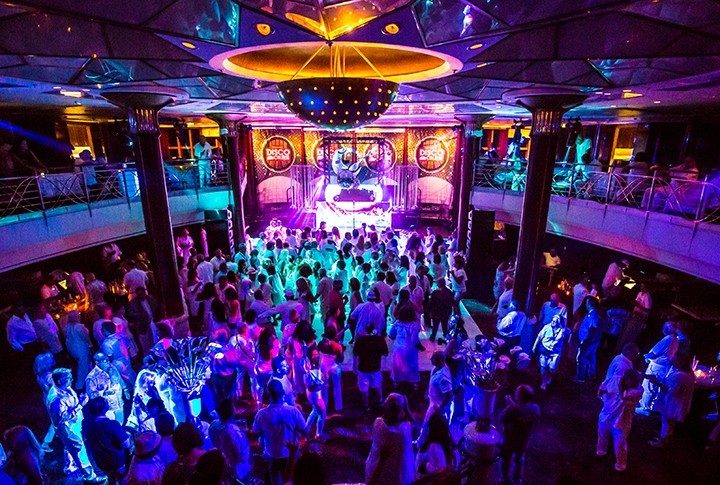
Maritime hospitality industries completely overhauled their ship designs to include multi-level, neon-lit discotheques for international travelers. Cruise operators realized that younger demographics demanded high-energy nightlife options while sailing between tropical destinations. This design shift permanently altered ocean liners from quiet retirement getaways into floating entertainment capitals. Modern vessels still preserve these centralized club spaces as core operational anchors.
The Integration of Orchestral Strings
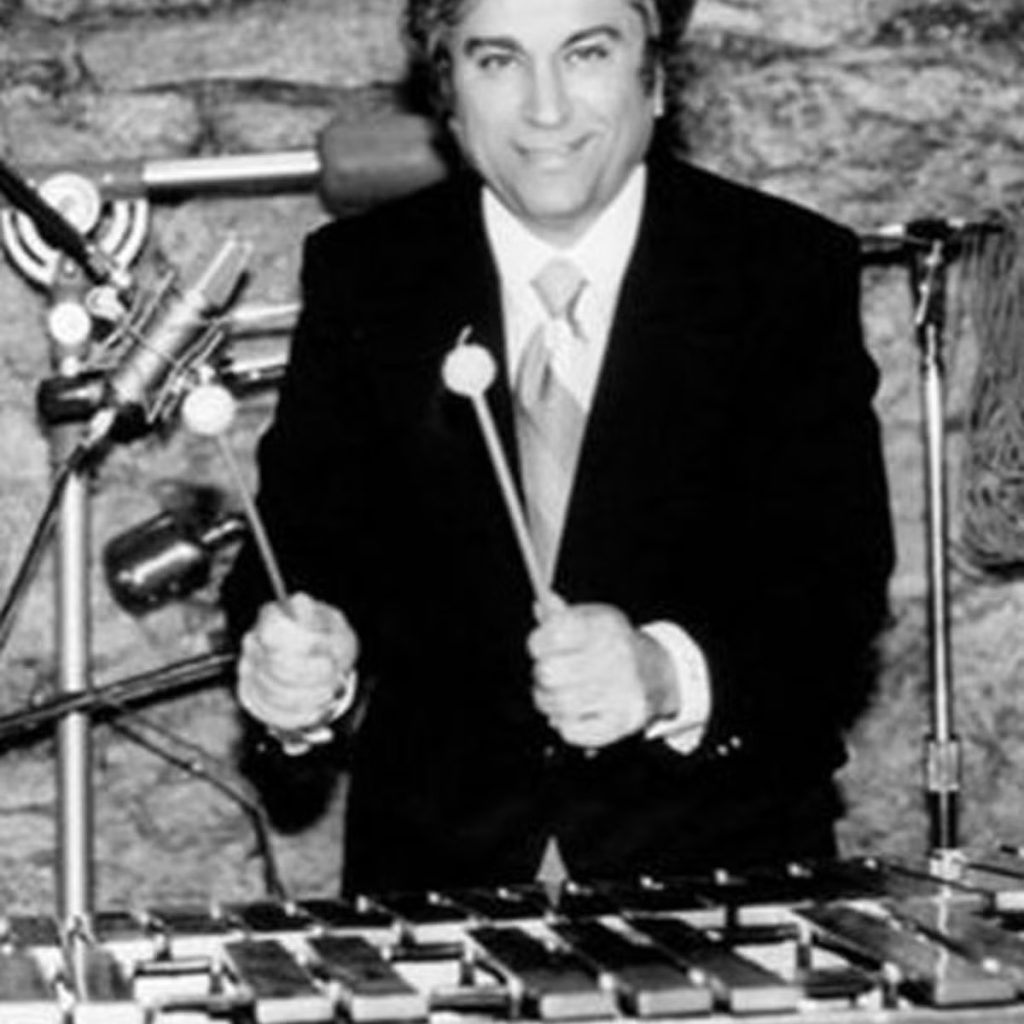
Arrangers like Vince Montana Jr. brought massive, forty-piece classical orchestras into inner-city recording studios to craft soaring string sections. This striking juxtaposition of elegant violins over a primal, thumping bass drum gave the music an epic, cinematic scale. The sophisticated hybrid sound elevated dance music from raw street culture into a highly complex art form.
The Genesis of Italo Disco
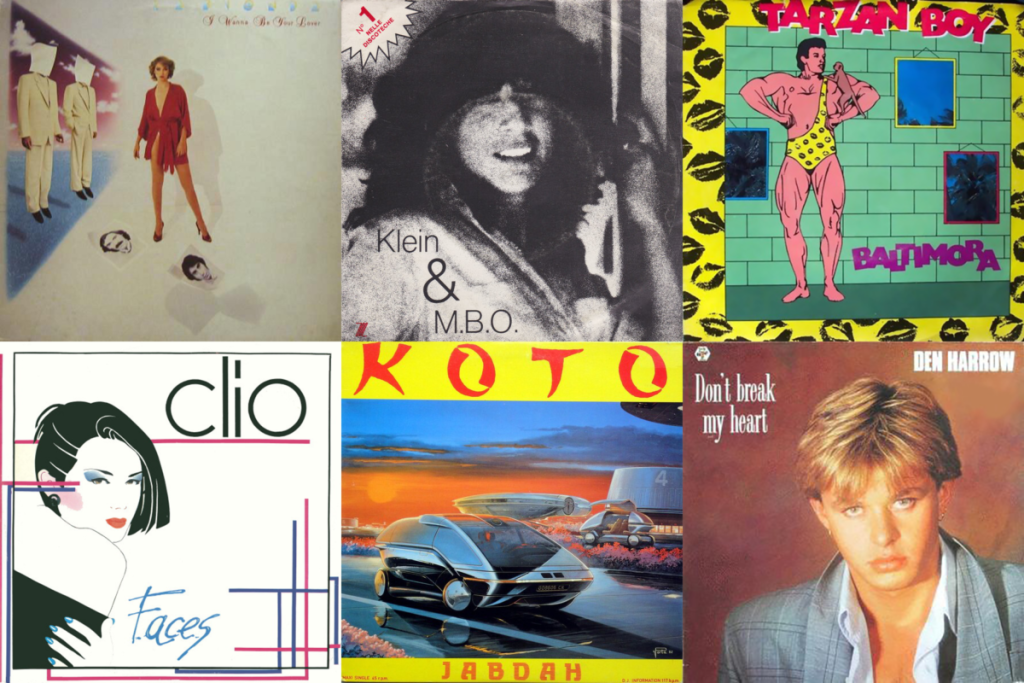
Faced with high import taxes on American vinyl records, producers across Northern Italy began creating their own low-budget electronic dance tracks. This specific European subgenre laid the direct stylistic groundwork for modern synthwave and electro-pop.
The Evolution of Television Dance Pageantry
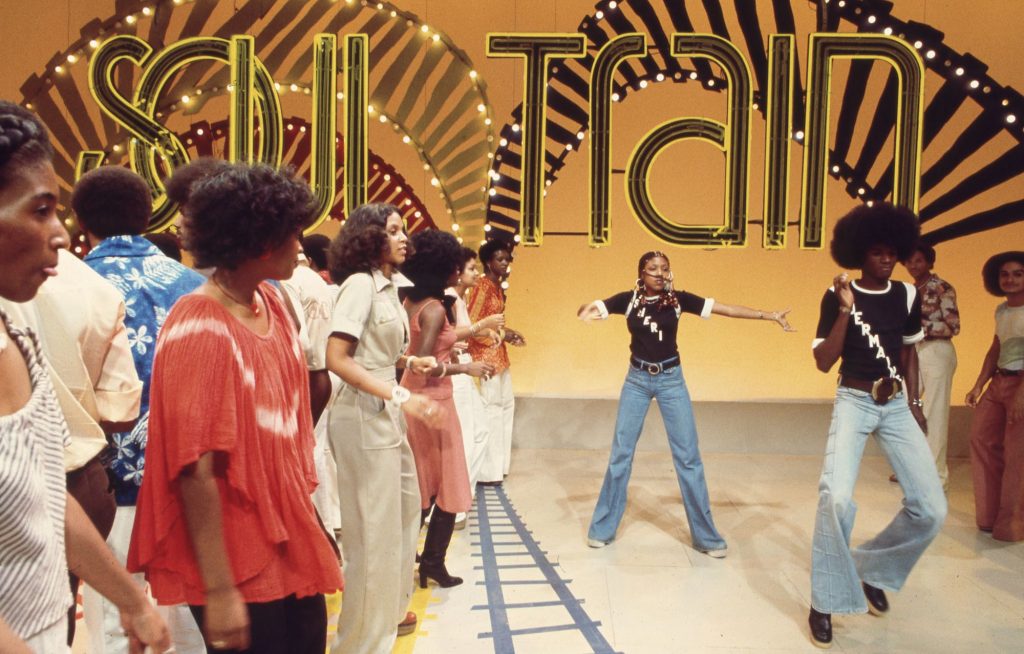
Syndicated broadcasts like “Soul Train” and “Dance Fever” expanded their reach exponentially by beaming vibrant club choreography directly into family living rooms. These programs served as highly influential visual taste-makers, dictating urban fashion and street dance trends to millions of viewers every single weekend. Advertisers quickly poured millions into these time slots, cementing urban street culture as a prime-time corporate asset. Television production crews were forced to develop new multi-camera setups to capture the fast-moving floor action.
The Creation of Safe Sanctuary Spaces
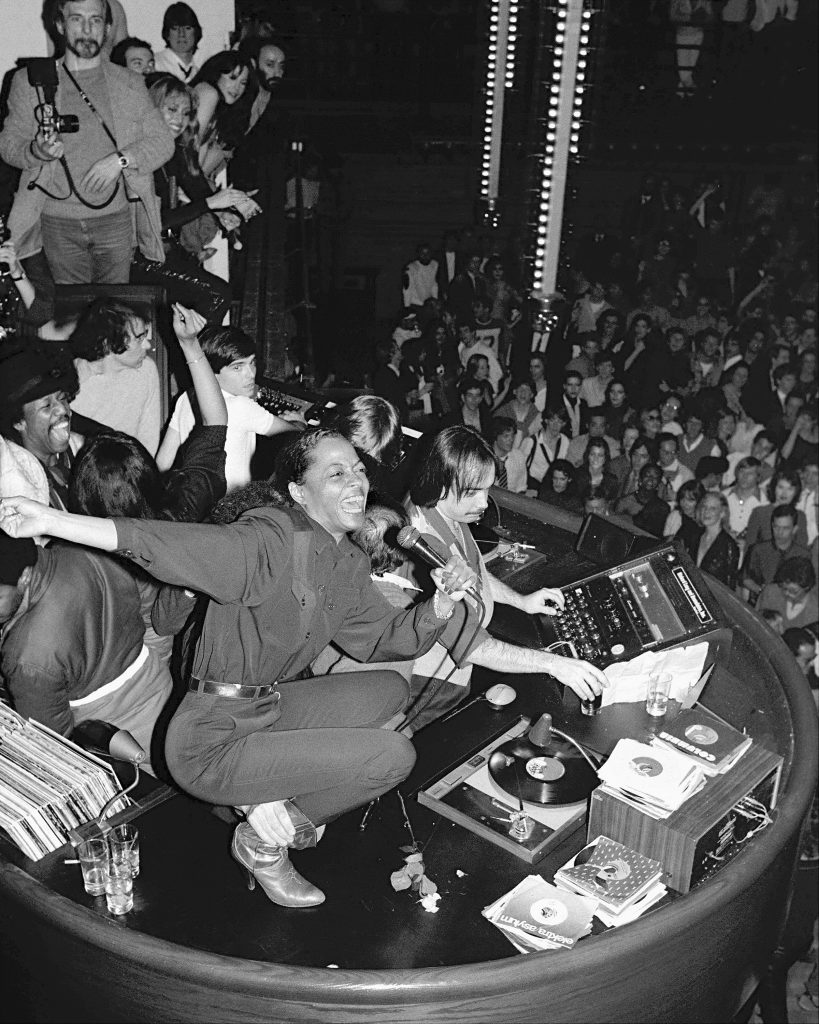
Marginalized metropolitan communities originally established underground loft parties to escape a hostile, discriminatory outside world. These private sanctuaries fostered a culture of absolute radical acceptance where individuals could express their identities without fear of systemic violence. The egalitarian philosophy of these early gatherings permanently altered the inclusivity standards of global nightlife culture.
The Night Rock Music Tried to Destroy the Groove
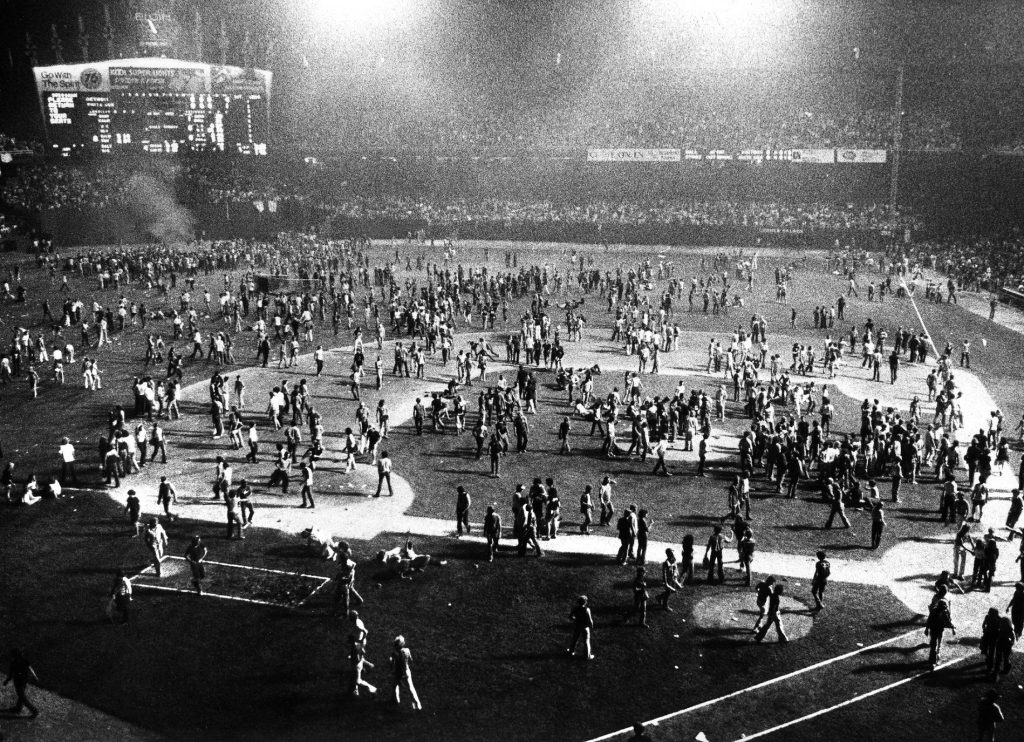
A baseball promotion resulted in a full-scale riot that forced an entire baseball game to be forfeited due to field destruction.