The presence of a major Hollywood star is usually a guarantee of quality and commercial appeal, but sometimes the most recognizable names become a film’s biggest liability. Whether through mismatched casting, distracting mannerisms, or a total clash in tone, an A-list actor can inadvertently pull an audience out of an otherwise immersive story. This article examines thirty instances where a single performance was cited as the primary element that hindered the success of a production.
George Clooney – “Batman & Robin”
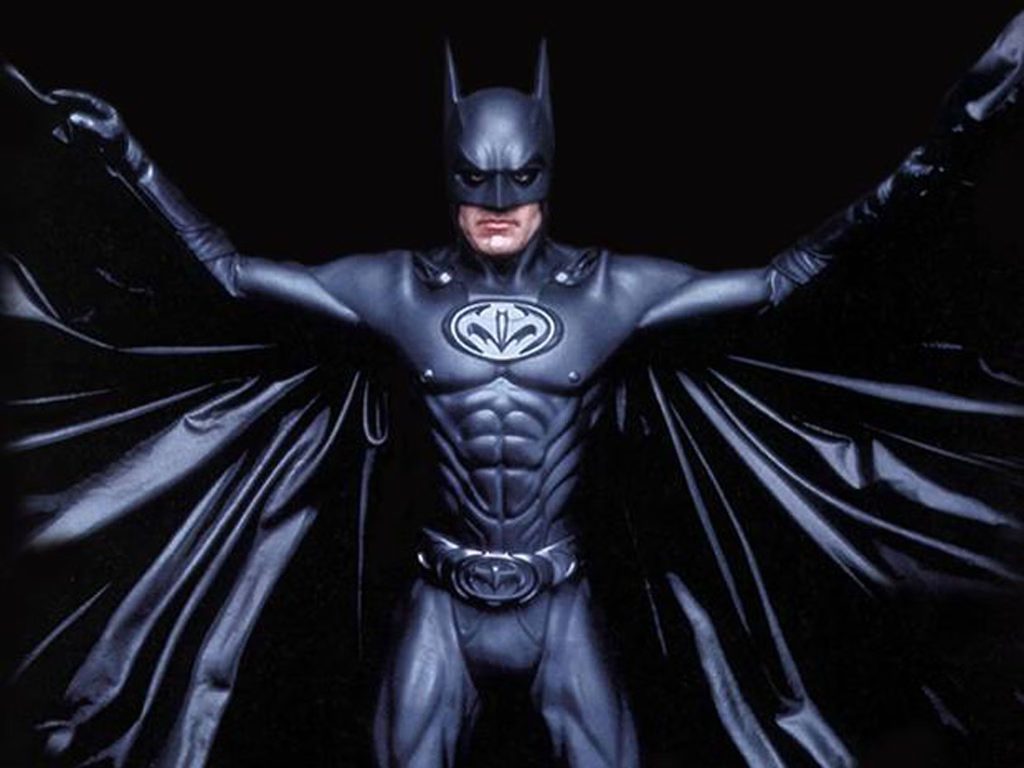
The 1997 superhero film is often criticized for its campy tone and aesthetic choices, with the lead performance being a central point of contention. Critics felt the actor’s charm did not translate well to the brooding character of Bruce Wayne. The portrayal is frequently blamed for stalling the franchise for nearly a decade.
Cameron Diaz – “Gangs Of New York”
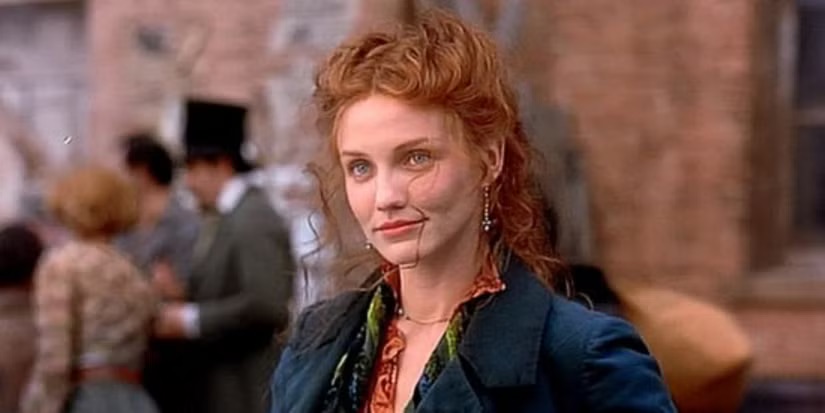
While Martin Scorsese’s historical epic received praise for its production design and other lead roles, many viewers struggled with this specific casting choice. The actress was noted for an inconsistent Irish accent that stood out against the gritty realism of 19th-century New York. This distraction was often cited as a weak link in a high-caliber ensemble.
Keanu Reeves – “Bram Stoker’s Dracula”
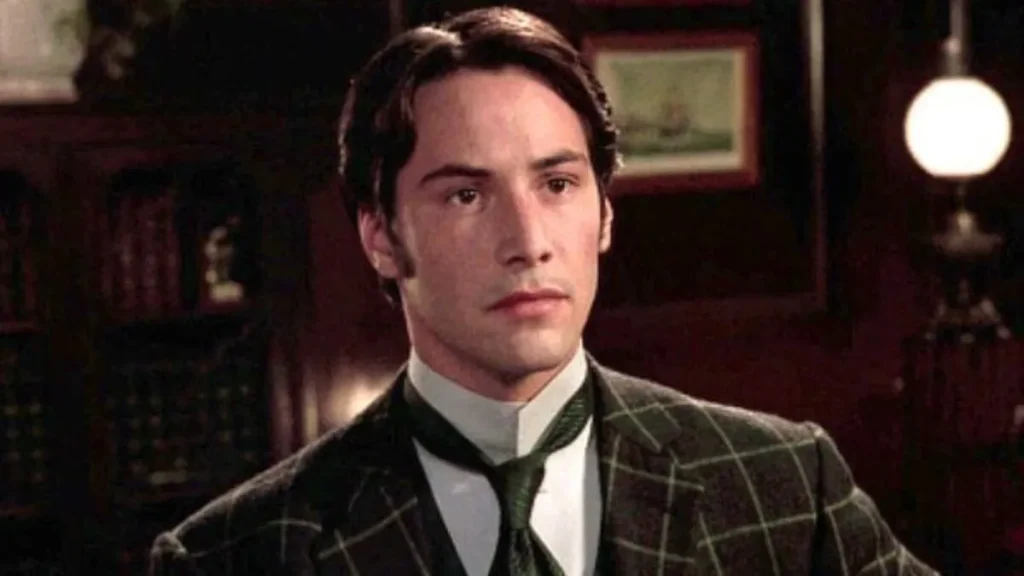
Francis Ford Coppola directed a visually stunning adaptation, yet the performance of the young Jonathan Harker became its most infamous element. The actor’s attempts at a formal English accent were widely panned as stiff and unconvincing. Many critics argued that the lack of chemistry and vocal range undermined the tension of the gothic horror setting.
John Wayne – “The Conqueror”
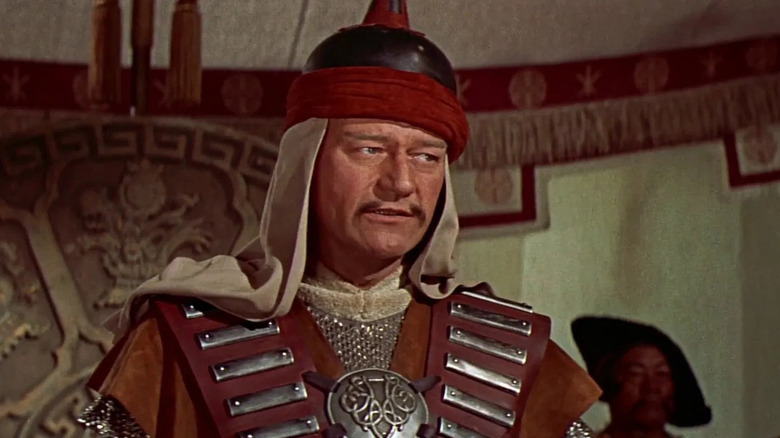
In one of Hollywood’s most baffling casting decisions, the ultimate American cowboy star portrayed Genghis Khan in 1956. His signature drawl and Western persona remained completely intact, making the historical figure feel unintentionally comedic. This performance is still used today as a textbook example of being fundamentally miscast.
Sofia Coppola – “The Godfather Part III”
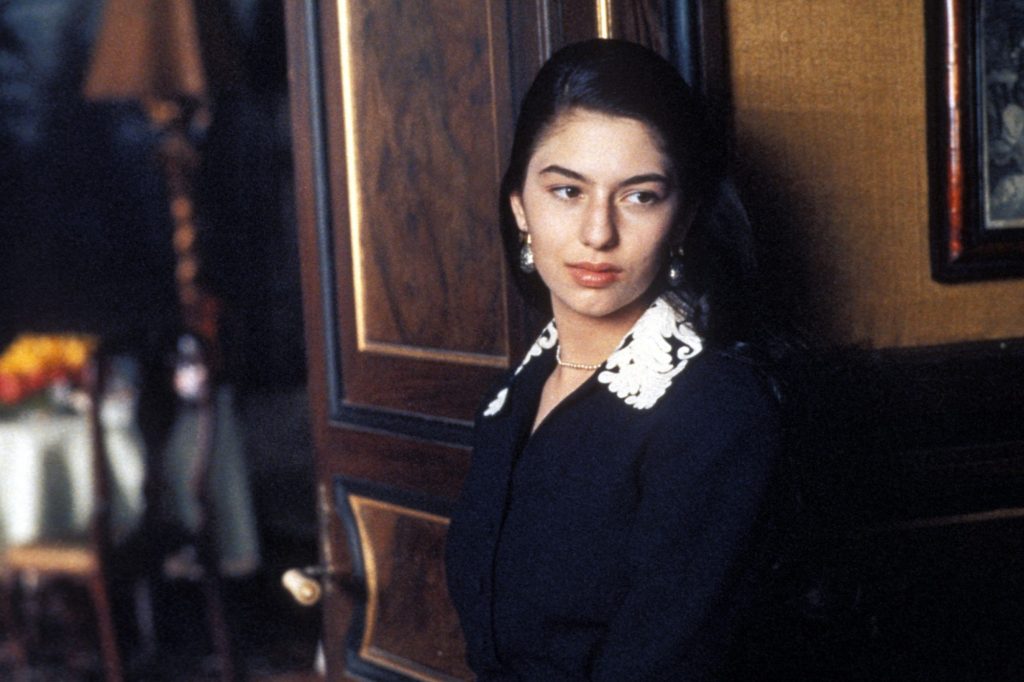
Replacing Winona Ryder at the last minute, the director’s daughter took on the pivotal role of Mary Corleone. Her performance was widely criticized for a lack of experience and emotional depth compared to veterans like Al Pacino. The negative reception was so intense that it significantly impacted the critical standing of the entire trilogy finale.
Kevin Costner – “Robin Hood: Prince Of Thieves”
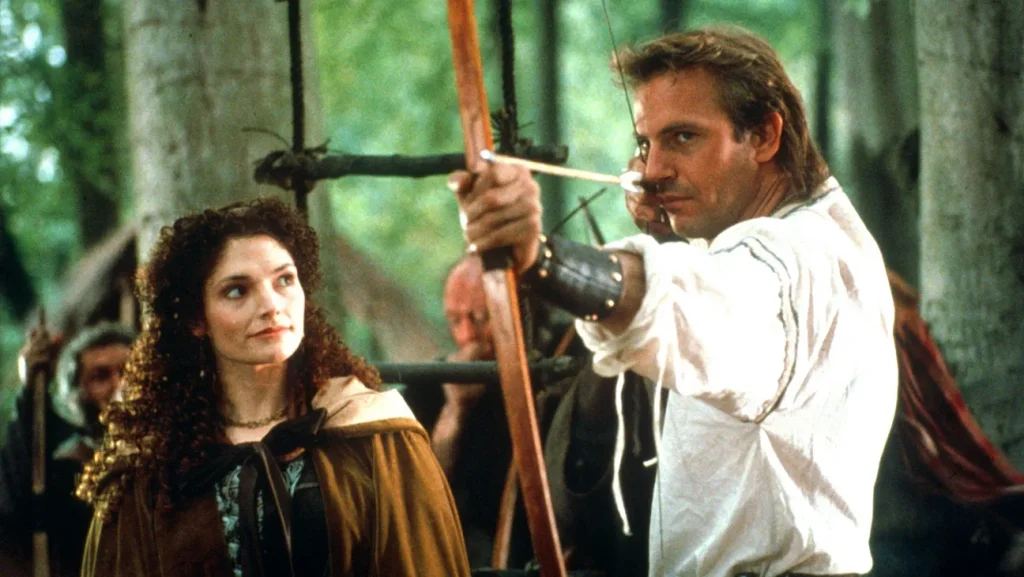
The 1991 adventure film saw its leading man completely abandon any attempt at an English accent mid-production. This inconsistency made him feel like a modern American out of place in medieval England. While the film was a financial success, the performance was frequently mocked for failing to match the energy of the surrounding cast.
Tom Cruise – “Interview With The Vampire”
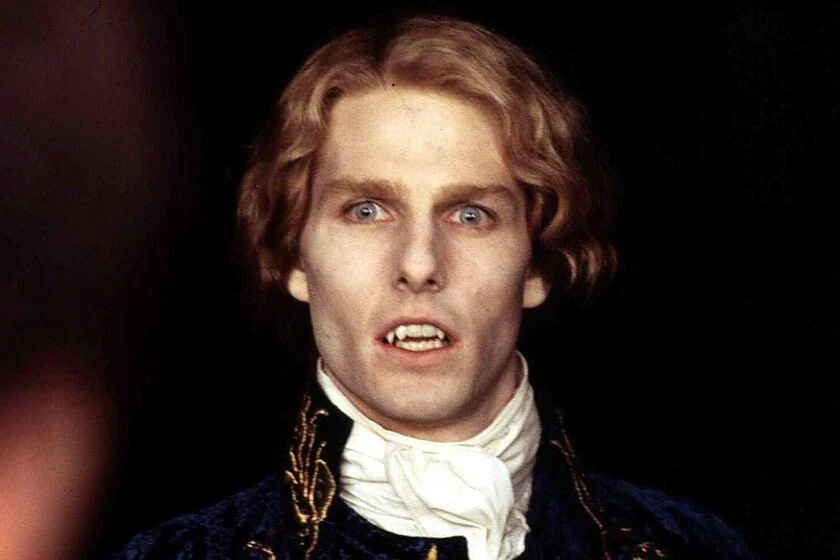
Author Anne Rice famously voiced her disapproval of casting this action star as Lestat, believing he lacked the necessary European elegance. Although the actor’s work was eventually seen as competent by some, many original fans felt his blockbuster energy overpowered the subtle atmosphere of the book. The casting became a source of controversy that overshadowed the film’s initial release.
Nicolas Cage – “The Wicker Man”
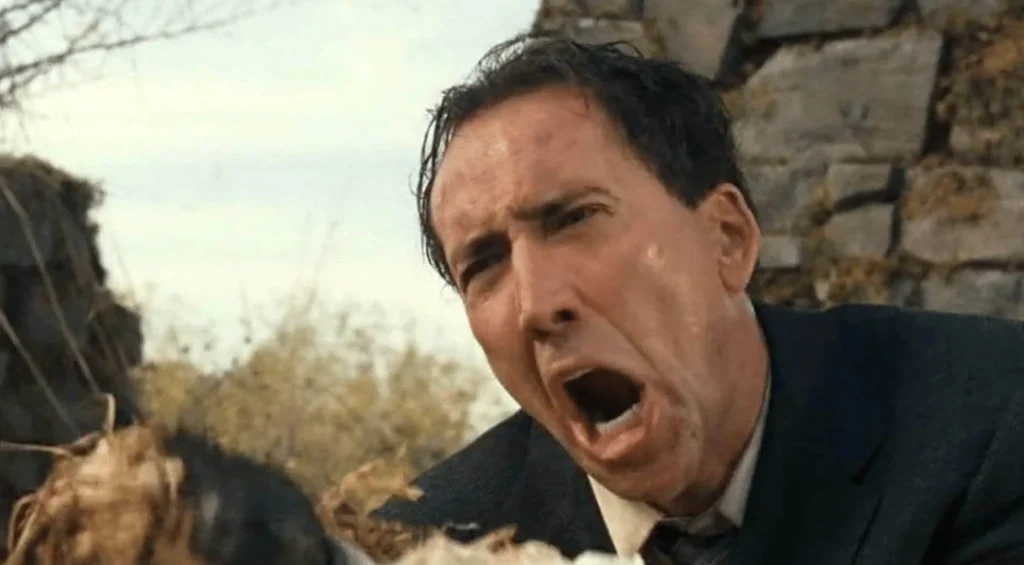
What was intended to be a serious psychological thriller became an internet meme due to a highly eccentric lead performance. The actor’s explosive reactions and erratic behavior stripped away any sense of genuine mystery or horror. Consequently, a story meant to be unsettling is now primarily remembered for being unintentionally hilarious.
Halle Berry – “Catwoman”
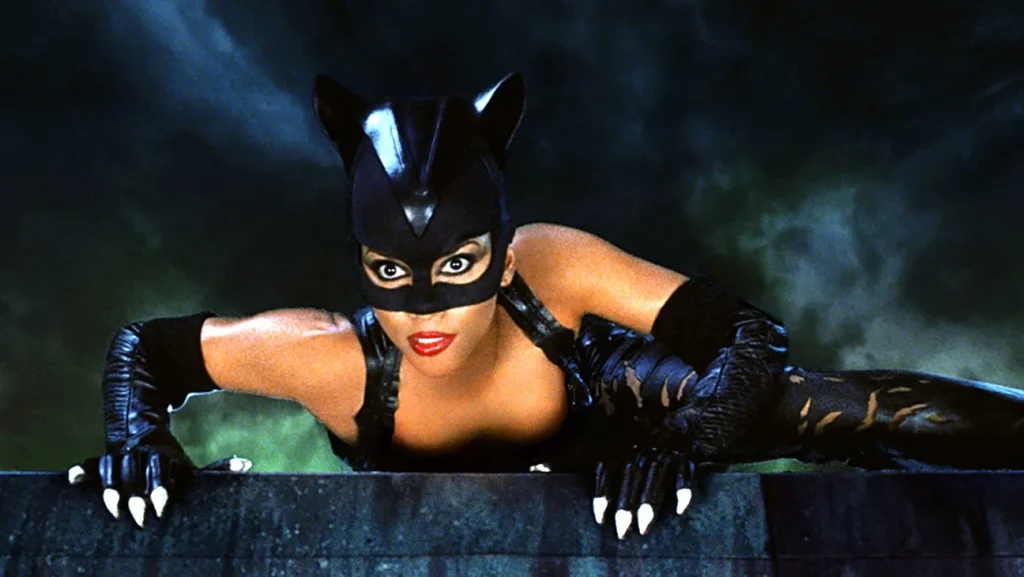
Despite being an Academy Award winner, the actress was unable to save this 2004 production from its flawed script and direction. Her stylized, cat-like movements and delivery were criticized for being over-the-top rather than empowering. The result was a performance that felt disconnected from any sense of coherent storytelling.
Ashton Kutcher – “Jobs”
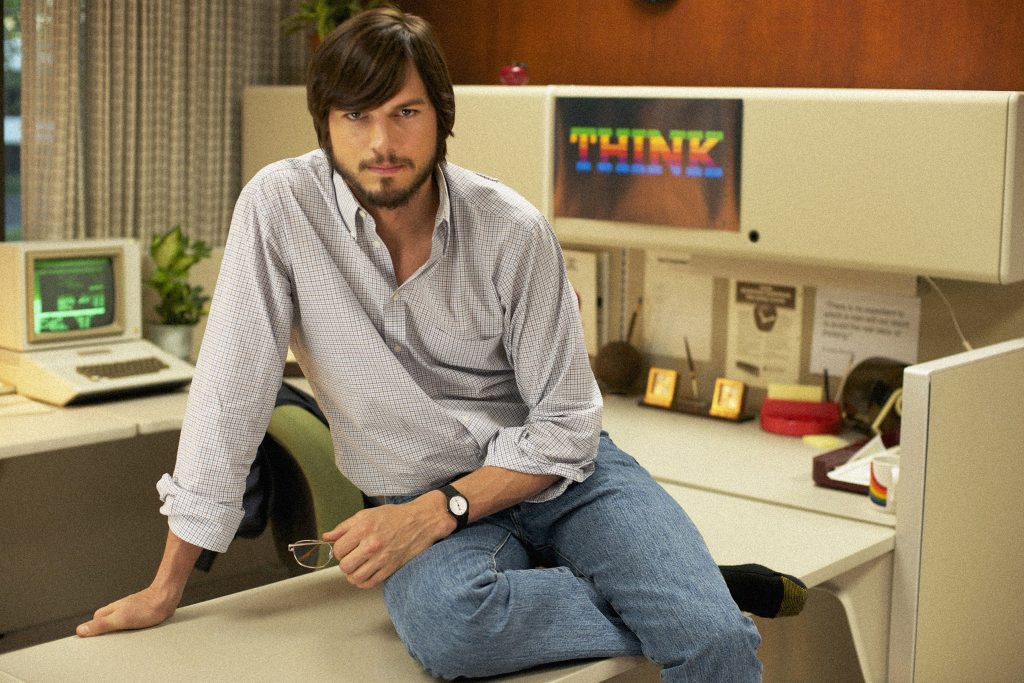
While the physical resemblance to the tech mogul was striking, critics felt the actor lacked the gravitas required for a serious biopic. The performance was often described as a surface-level imitation rather than a deep character study. This prevented the film from achieving the critical prestige usually associated with such significant historical subjects.
Quentin Tarantino – “Django Unchained”
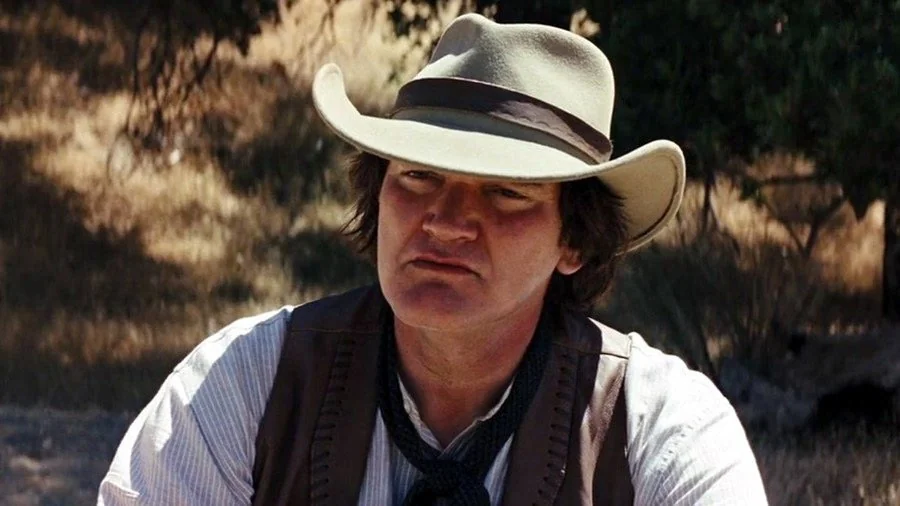
The director frequently appears in his own films, but his role as an Australian miner in this Western was particularly divisive. His distracting accent and awkward delivery were noted for pulling the audience out of the film’s climactic final act. Many fans felt that a professional actor would have better maintained the movie’s established tension.
Denise Richards – “The World Is Not Enough”
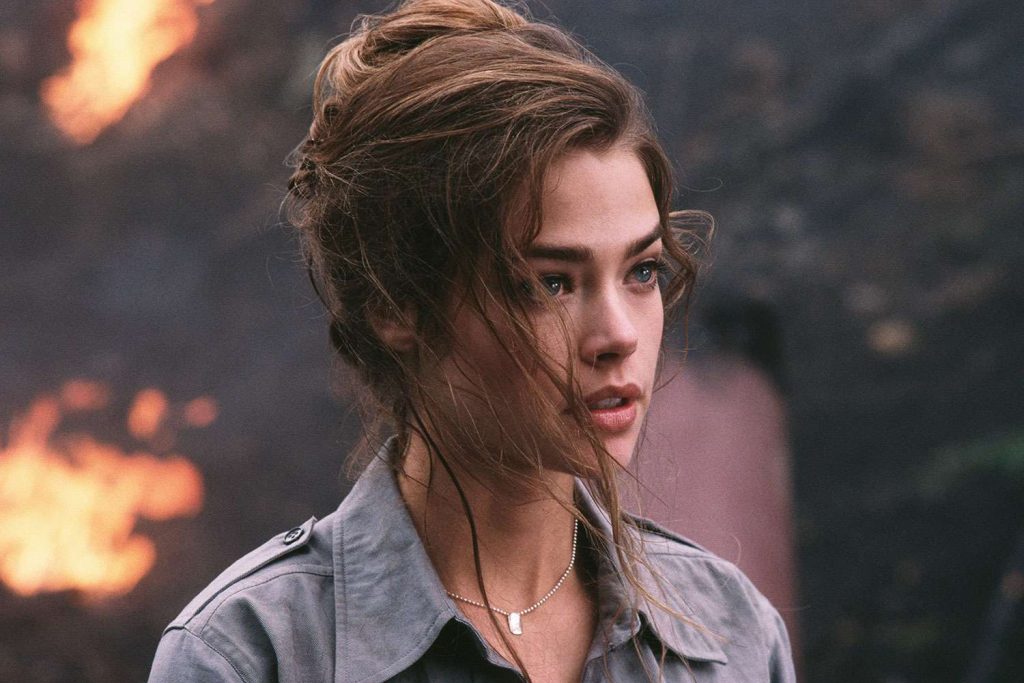
Casting the actress as a nuclear physicist remains one of the Bond franchise’s most criticized decisions. The performance was widely regarded as unconvincing, making the technical dialogue feel forced and improbable. This lack of credibility turned the character into a point of ridicule during the film’s theatrical run.
Vince Vaughn – “Psycho”
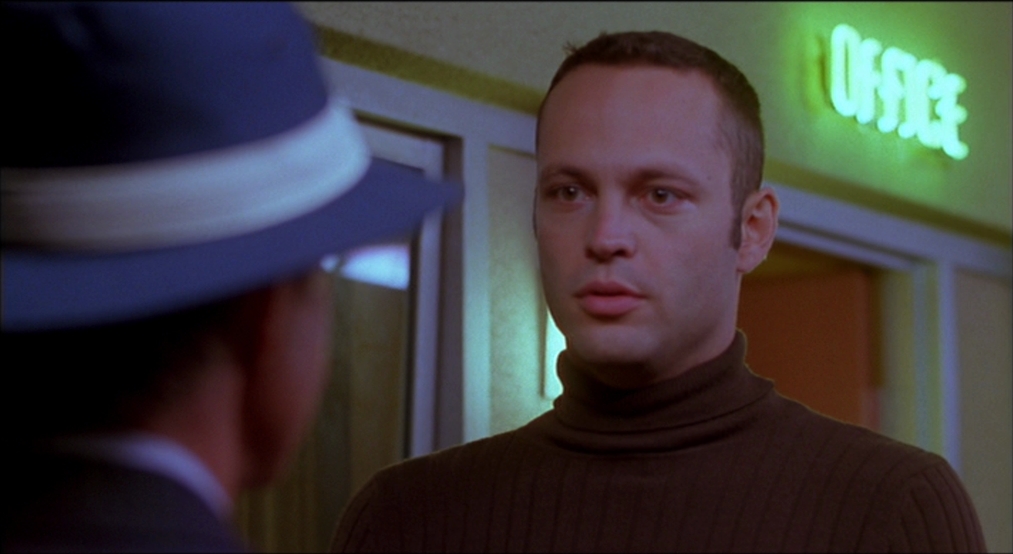
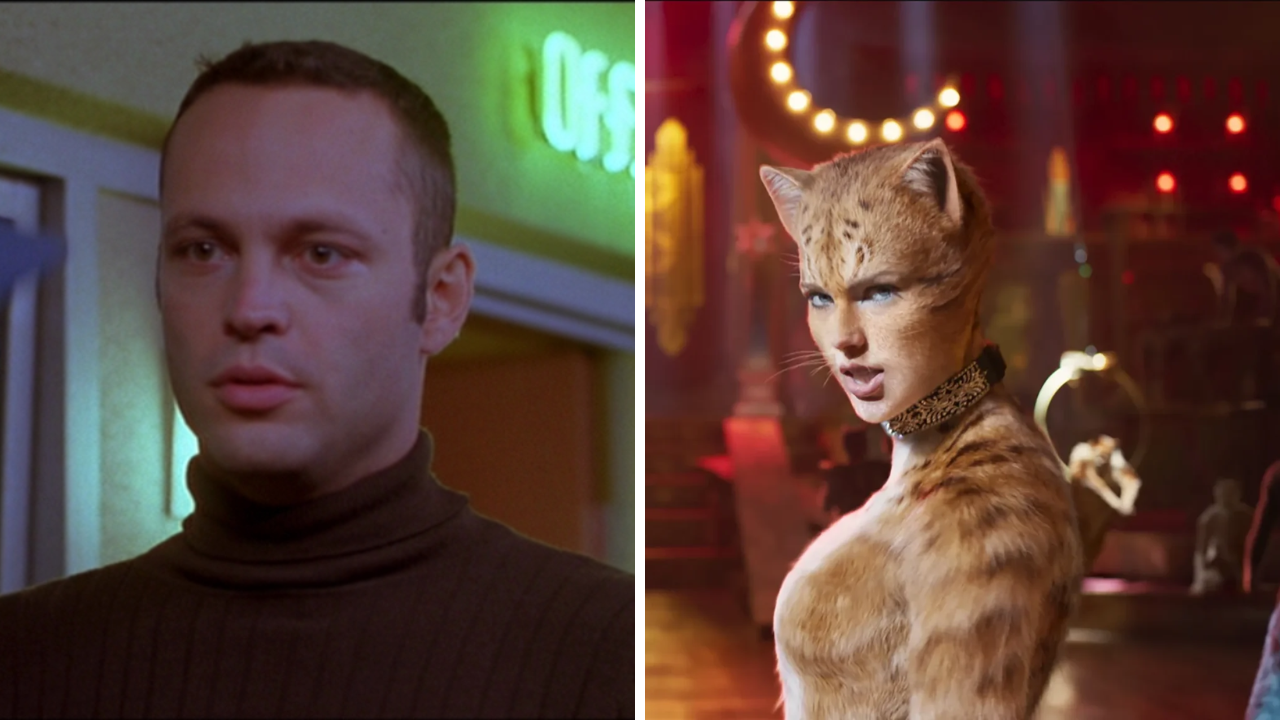
In the 1998 shot-for-shot remake of the Hitchcock classic, the actor took on the iconic role of Norman Bates. His portrayal struggled to balance the vulnerability and menace that Anthony Perkins had mastered. Without a compelling lead, the entire experiment of the remake failed to justify its existence to audiences.
Topher Grace – “Spider-Man 3”
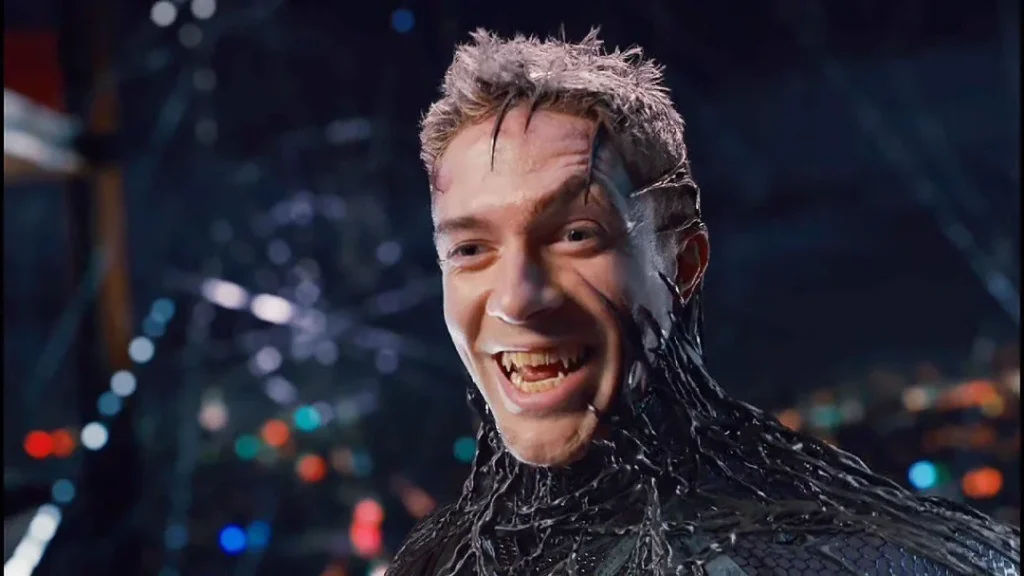
Fans of the source material were disappointed with the casting of this actor as Eddie Brock, a character traditionally known for being physically imposing. The performance lacked the intimidating presence required for a villain like Venom. His inclusion added to the feeling that the sequel was overcrowded with underdeveloped characters.
Jared Leto – “Suicide Squad”
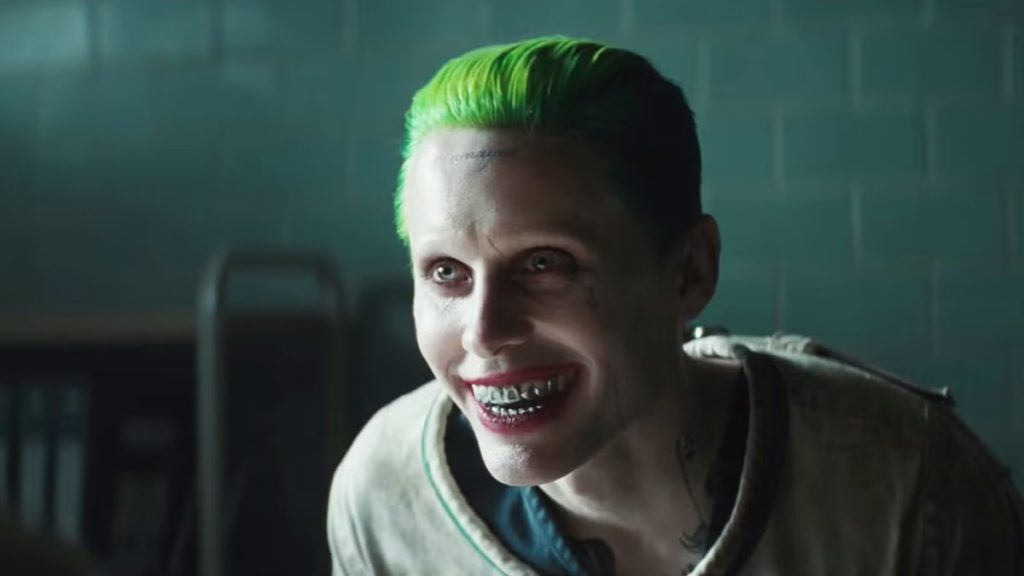
The actor’s highly publicized method acting on set did not translate into a well-received on-screen Joker. His stylized, gangster-inspired version of the character was often seen as grating and excessive rather than genuinely frightening. This version of the villain failed to resonate with audiences, leading to a diminished role in future projects.
Russell Crowe – “Les Misérables”
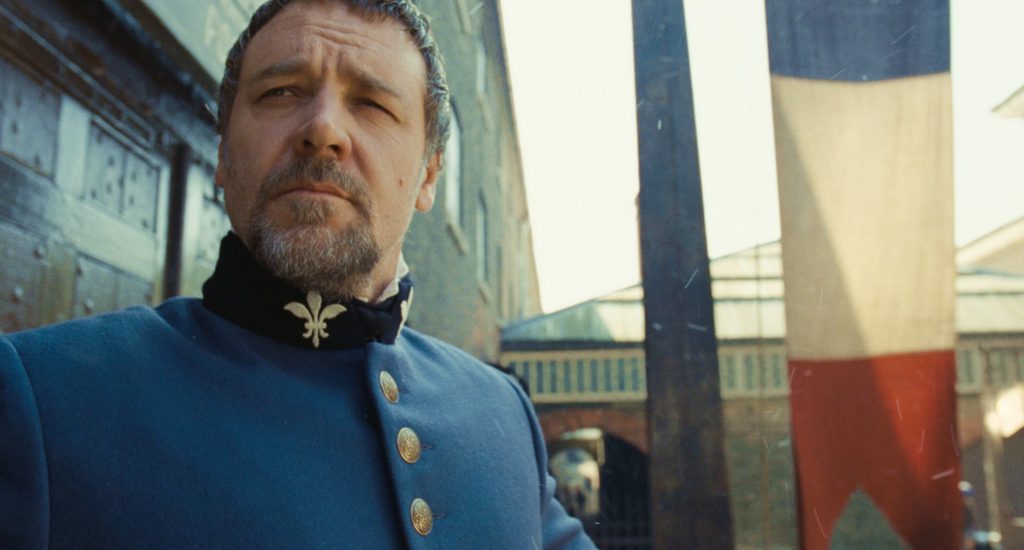
The decision to have the actors sing live on set proved to be a significant challenge for this leading man. While his acting was generally respected, his vocal limitations were starkly apparent in a cast full of trained musical performers. This mismatch in singing ability became a major distraction during the film’s most dramatic sequences.
Mark Wahlberg – “The Happening”
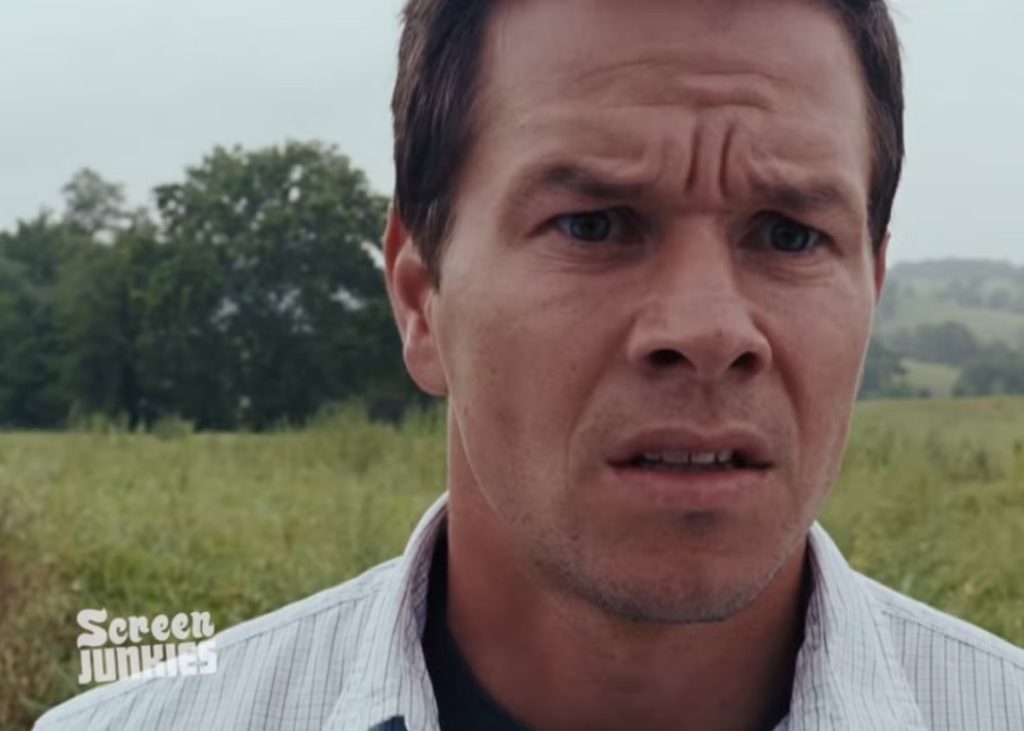
In M. Night Shyamalan’s eco-thriller, the actor’s performance as a science teacher was marked by a constant look of confused disbelief. His delivery of dialogue meant to be terrifying often landed as flat or unintentionally funny. The lack of a grounded emotional center prevented the film’s premise from ever becoming truly scary.
Taylor Swift – “Cats”
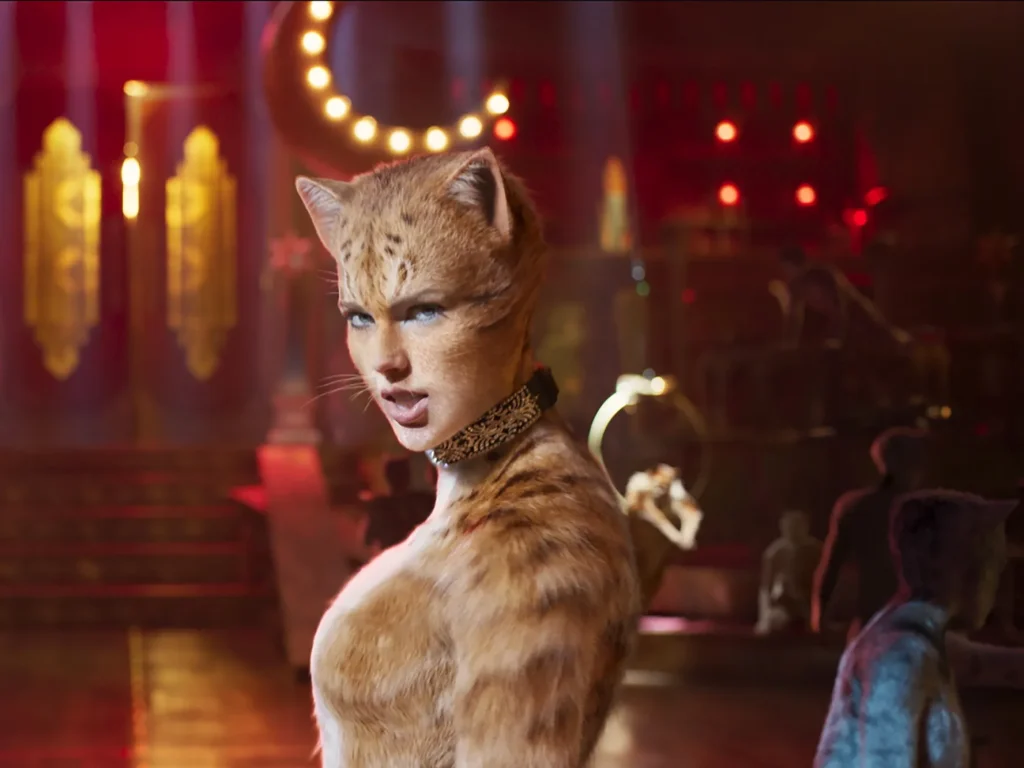
The pop star’s appearance was heavily marketed, yet her involvement could not overcome the visual uncanny valley of the production. Her performance was noted as being out of place even within the chaotic world of the film. Critics argued that adding star power to the project did little to help a narrative that audiences found deeply disturbing.
Will Smith – “After Earth”
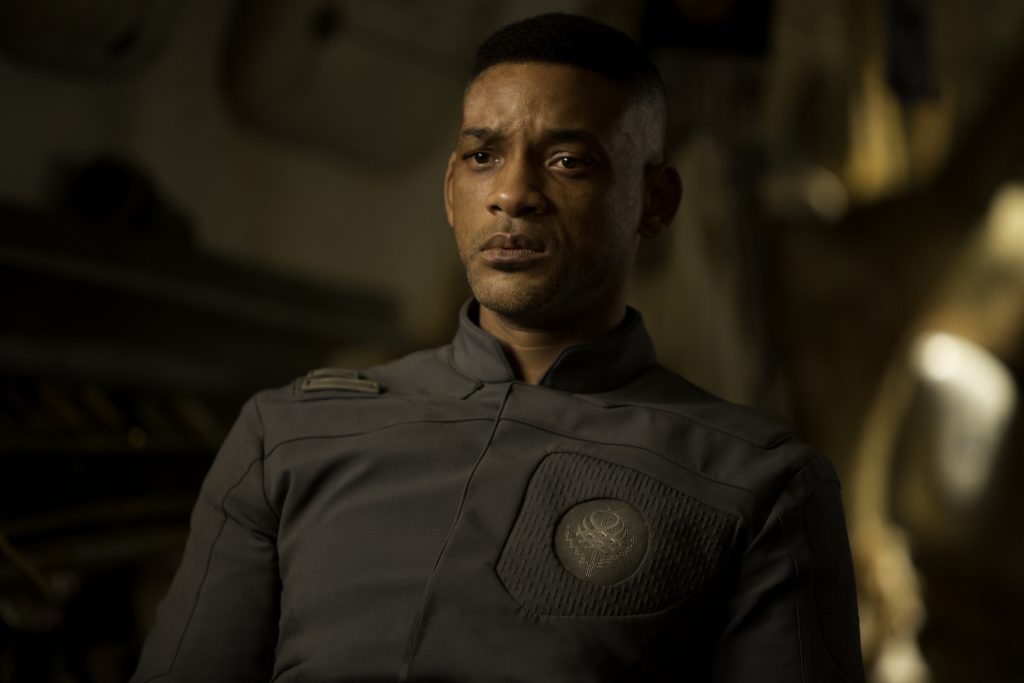
By suppressing his naturally charismatic persona to play a stoic commander, the actor removed the very quality that made him a movie star. This decision left the film with an emotionally hollow lead, making it difficult for the audience to invest in the survival story. The result was a high-budget sci-fi venture that felt remarkably dull to both fans and critics.
Emma Stone – “Aloha”

Casting the actress as a character of quarter-Hawaiian and quarter-Chinese descent led to widespread accusations of whitewashing. Despite her individual talent, the sheer impossibility of the casting was a major distraction for viewers. The controversy effectively overshadowed the romantic comedy’s story and damaged its commercial potential.
Ryan Reynolds – “Green Lantern”
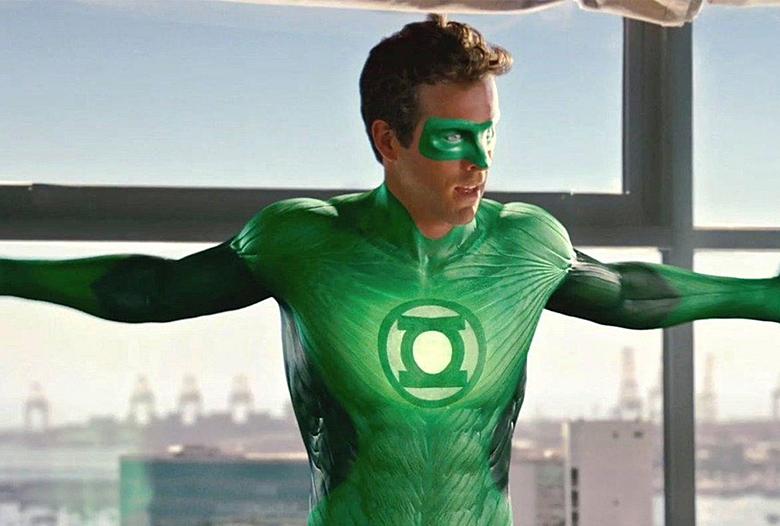
The actor’s comedic timing felt at odds with the serious world-building attempts of this 2011 superhero project. His performance was often criticized for relying too heavily on quips rather than establishing a compelling hero. The actor has since spent years making jokes about how poorly the film and his portrayal were received.
Eddie Redmayne – “Jupiter Ascending”
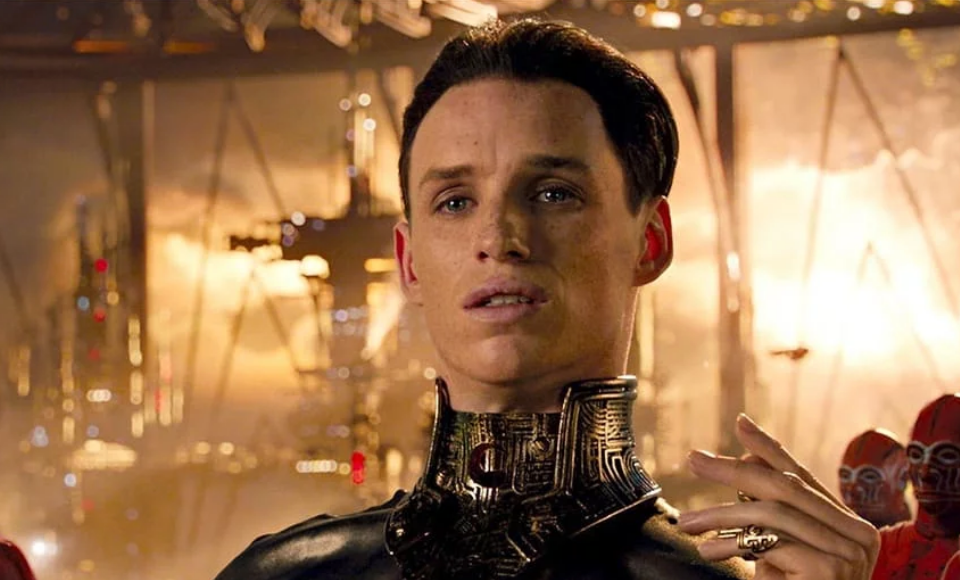
The Academy Award winner chose an extremely unconventional vocal delivery for his villainous role, alternating between a whisper and a scream. This eccentric choice was widely mocked and broke the immersion of the sci-fi spectacle. It remains a memorable example of a talented actor making a bold choice that simply did not work for the audience.
Mickey Rooney – “Breakfast At Tiffany’s”
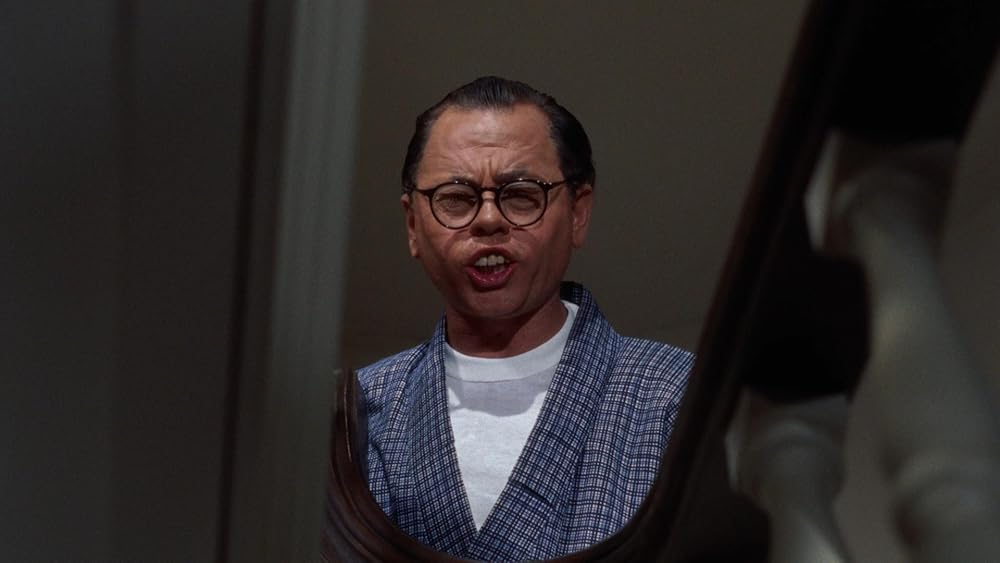
The casting of the actor as Mr. Yunioshi is regarded today as one of the most offensive caricatures in film history. Using yellowface and exaggerated stereotypes, the performance creates a jarring and painful contrast with the rest of the classic movie. It remains a deeply regrettable element that modern viewers find difficult to overlook.
Ben Affleck – “Daredevil”
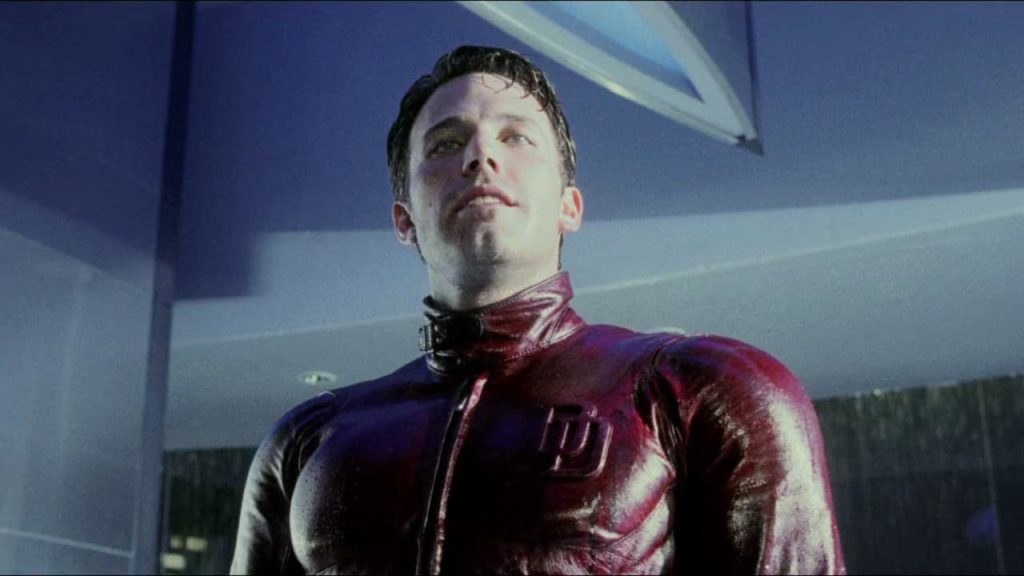
Long before his tenure as Batman, the actor struggled to bring depth to the role of Matt Murdock. Critics felt his performance was stiff and failed to capture the complexity of the blind vigilante. This lackluster lead was often cited as the reason the film failed to launch a successful long-term franchise.
Kristen Stewart – “Snow White And The Huntsman”
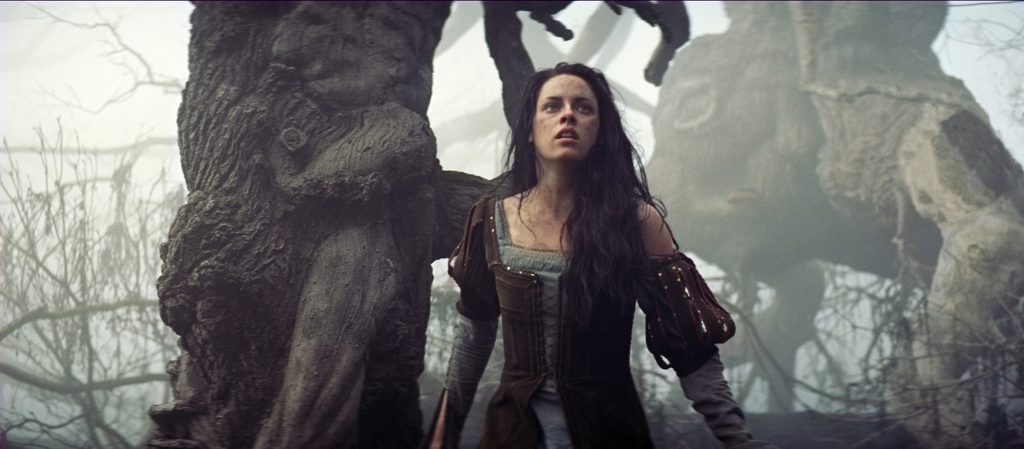
In this dark fantasy retelling, the lead actress was criticized for maintaining a passive and unexpressive demeanor throughout the film. Viewers found it difficult to believe the character could inspire a kingdom to revolution with such a low-energy performance. This lack of charisma made the film’s high-stakes conflict feel strangely muted.
Tom Hanks – “Elvis”
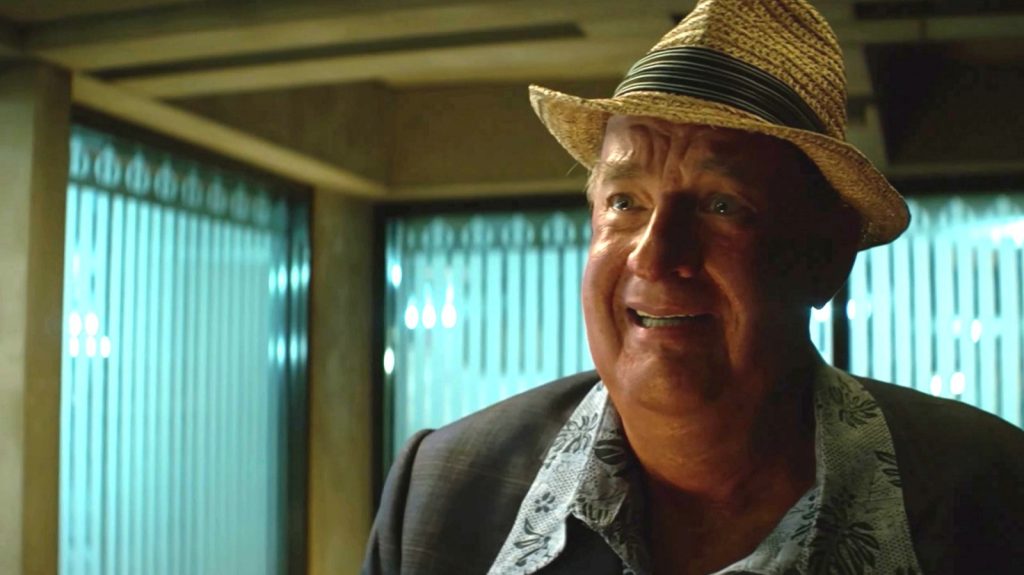
While the film received numerous accolades, the beloved actor’s portrayal of Colonel Tom Parker was a major point of contention. His heavy prosthetic makeup and bizarre, unidentifiable accent were described as distracting and cartoonish by many critics. For some, the performance felt like it belonged in a completely different movie than the rest of the cast.
Orlando Bloom – “Kingdom Of Heaven”
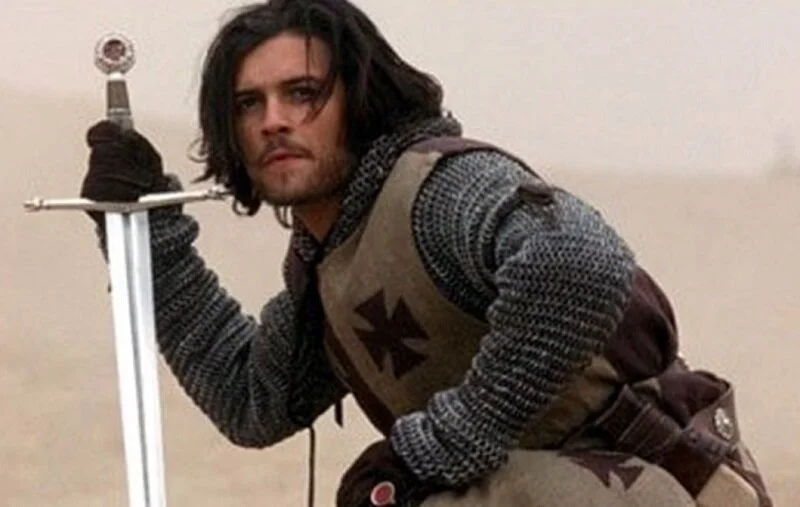
Ridley Scott’s historical epic was praised for its technical mastery, but many felt the lead actor lacked the weight required for such a significant role. Compared to the powerhouse performances of the supporting cast, his portrayal felt underdeveloped and overly simplistic. This imbalance made the protagonist’s journey feel less impactful than the events surrounding him.
Jesse Eisenberg – “Batman V Superman: Dawn Of Justice”
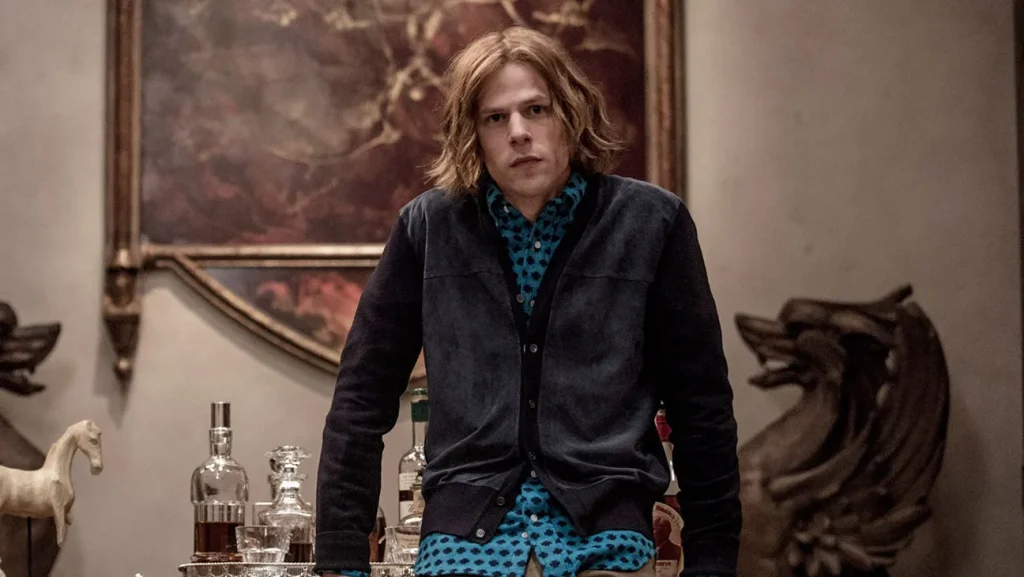
The actor’s interpretation of Lex Luthor as a twitchy, hyper-kinetic tech genius was a major departure from the cold, calculated villain of the comics. Many fans and critics found this performance irritating and inconsistent with the film’s dark and serious tone. The character’s eccentricities often distracted from the central conflict between the titular heroes.
John Travolta – “Battlefield Earth”
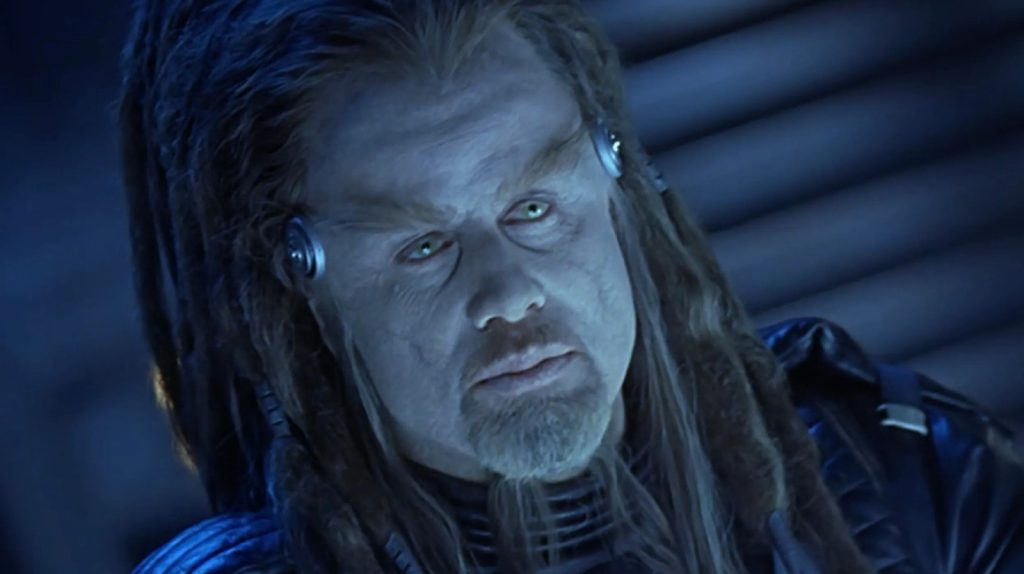
As the primary force behind this passion project, the actor’s performance was seen as the epitome of vanity and excess. His portrayal of an alien villain was noted for its lack of self-awareness and bizarre costume choices. The performance became the face of a movie that is now universally regarded as one of the worst in history.