While history is often written through the lens of royal dynasties and strategic alliances, many of the world’s most defining legacies were built in complete solitude. Choosing a life of independence allowed these thinkers and creators to dedicate every waking hour to their craft without the constraints of domestic expectations. This article features 30 individuals who never walked down the aisle, yet left an indelible mark on human civilization. From the quiet halls of scientific laboratories to the bloody fields of revolution, their stories reveal the unique power of a life lived on one’s own terms.
Queen Elizabeth I
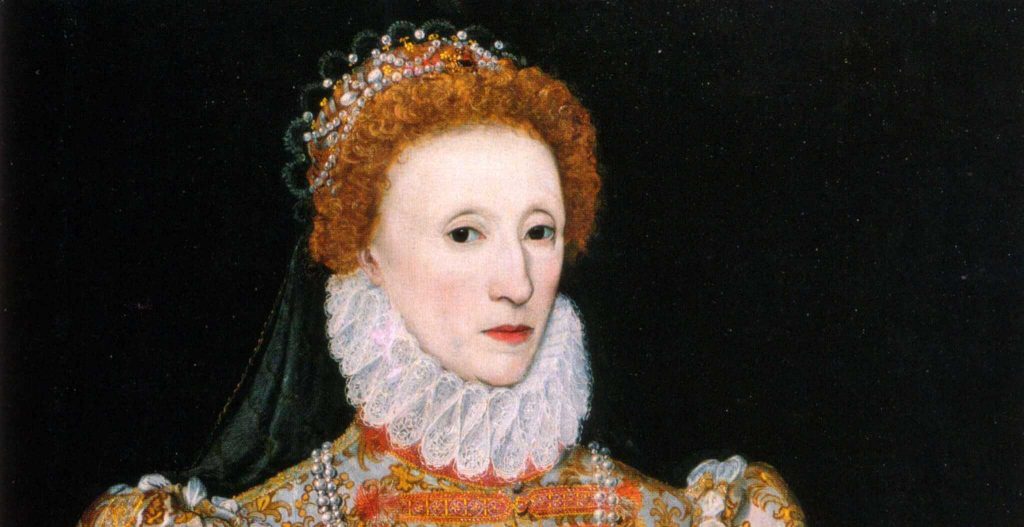
The Virgin Queen famously declared that she was married to the nation of England rather than a single man. Her refusal to wed prevented foreign powers from gaining control over the English throne during a volatile era of European politics. This strategic independence allowed her to rule for forty-five years with absolute authority. Parliament repeatedly urged her to provide an heir, yet she remained steadfast in her decision until her death.
Isaac Newton
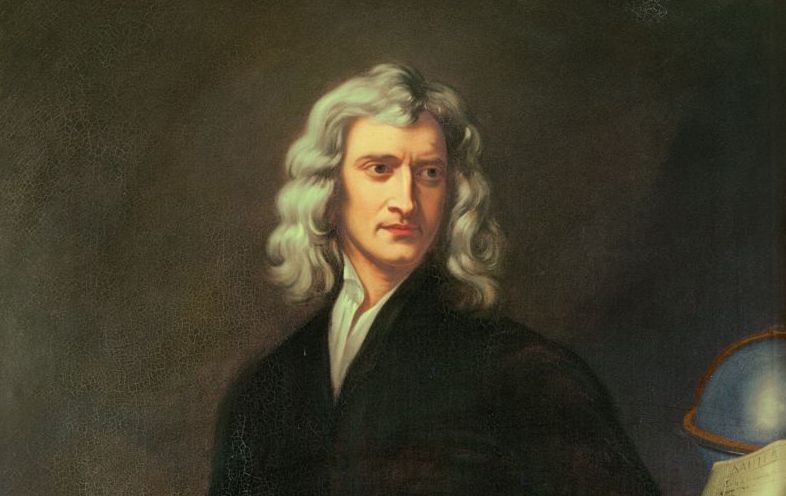
Regarded as one of the most influential scientists in history, Isaac Newton lived a deeply solitary life within the walls of Cambridge. He spent most of his time isolated while formulating the laws of motion and universal gravitation that define modern physics. Newton reportedly died without ever having entered a romantic relationship. His vast library of personal papers suggests a mind far more interested in alchemy and scripture than social connections.
Jane Austen
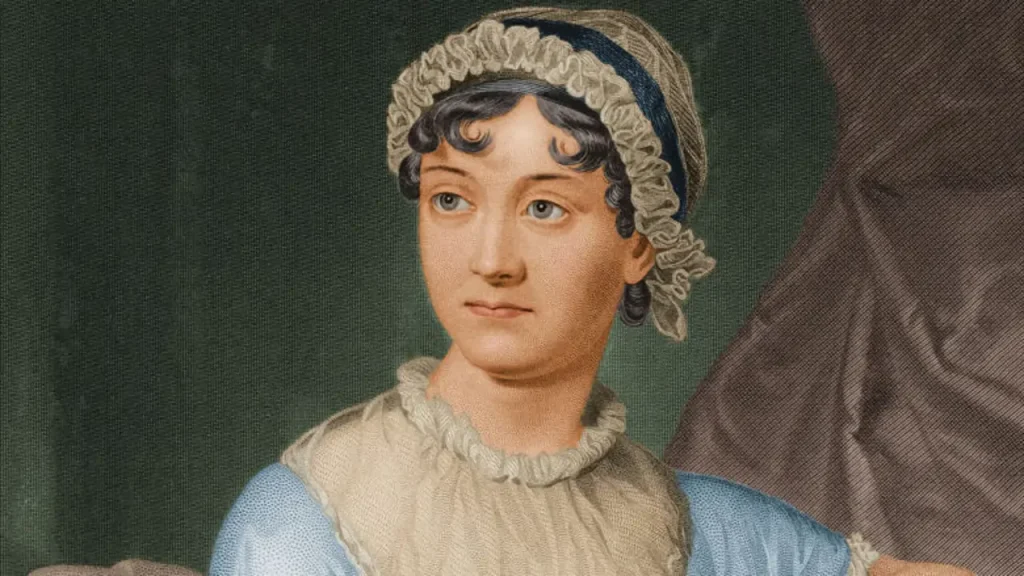
The author of “Pride and Prejudice” wrote extensively about romance and marriage despite never marrying herself. She once accepted a marriage proposal from Harris Bigg-Wither only to retract her acceptance the very next morning. Austen preferred the creative freedom allowed by her single status to the domestic duties typical of the nineteenth century. Most of her writing was done on small scraps of paper that she could easily hide if visitors arrived.
Ludwig van Beethoven
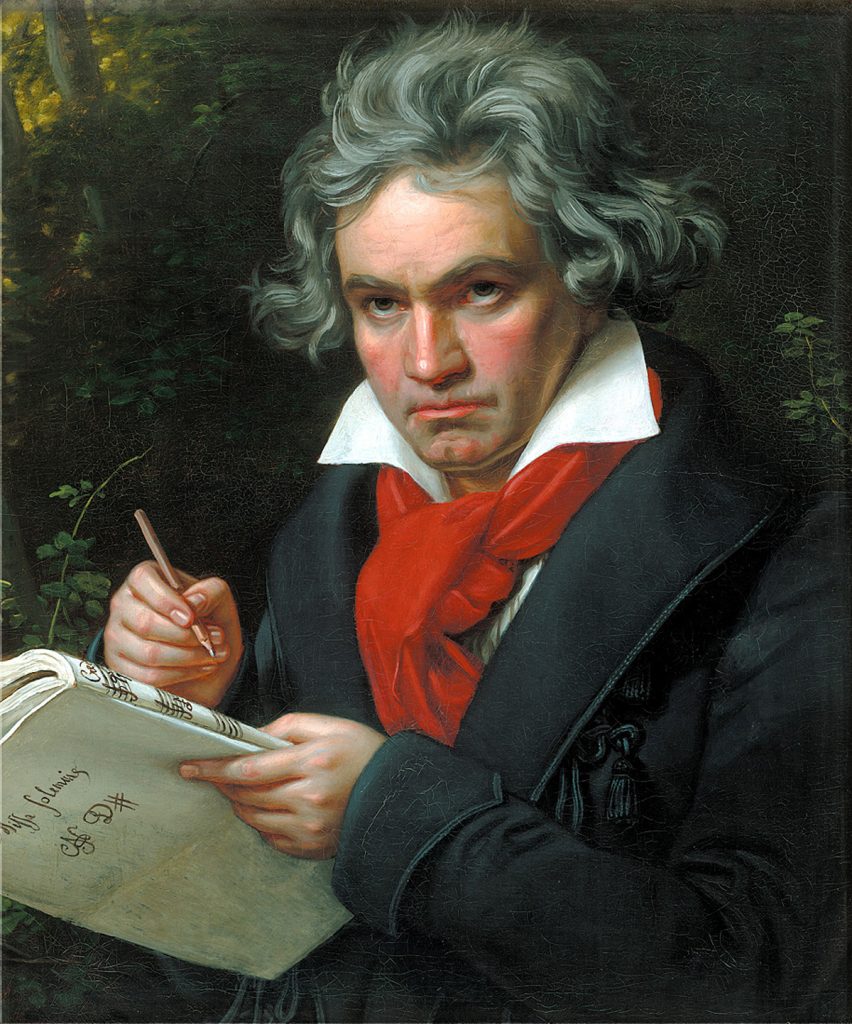
Beethoven experienced several unrequited loves, most famously documented in his letter to an unidentified “Immortal Beloved.” His social standing and difficult temperament often hindered his efforts to settle down with aristocratic women who were technically above his station. He eventually resigned himself to a life of solitude dedicated to his symphonies and deafening silence. The original manuscript for his “Immortal Beloved” letter was found in a hidden drawer after his passing.
Florence Nightingale
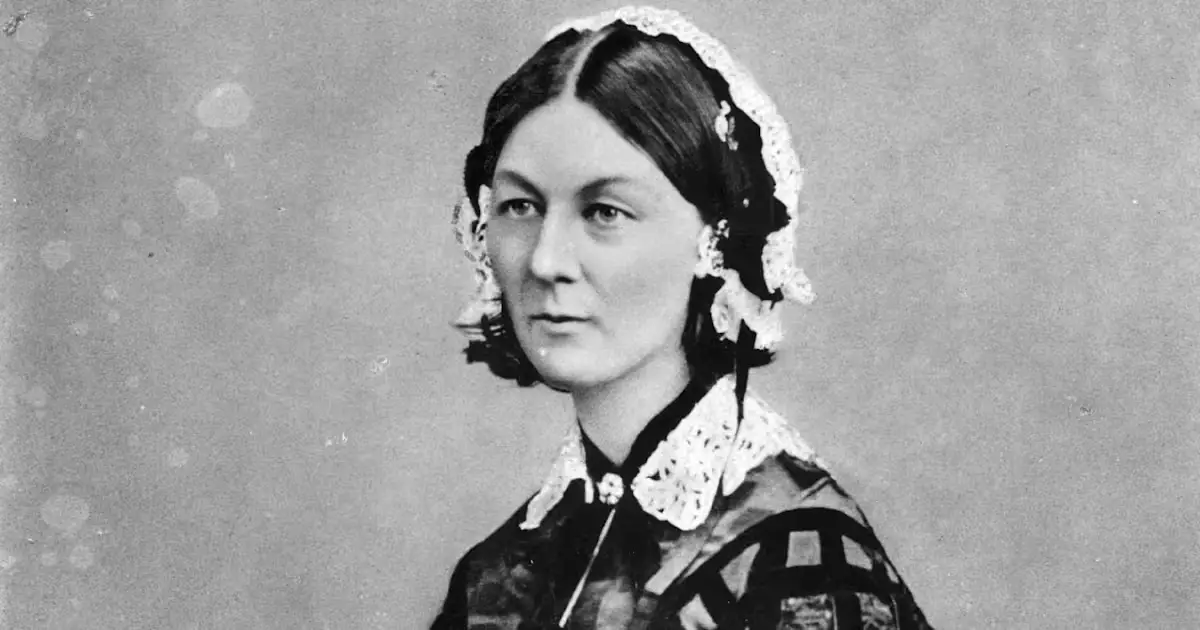
The founder of modern nursing believed that her life was a divine calling that left no room for a husband. She rejected multiple suitors, including a long-term pursuit by the poet Richard Monckton Milnes. Her commitment transformed medical care during the Crimean War and established the first secular nursing school in the world. Nightingale spent much of her later life as an invalid, yet she continued to influence global health policy from her bed.
Hans Christian Andersen
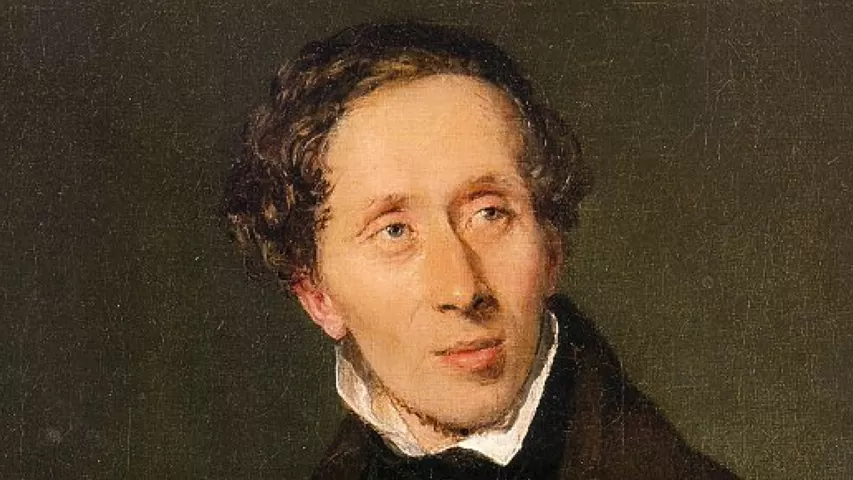
This legendary teller of fairy tales such as “The Little Mermaid” suffered from numerous unfulfilled romantic attachments throughout his life. He frequently fell in love with unattainable individuals and expressed his heartache through his melancholic writing. Many historians believe his stories served as a catharsis for his lifelong loneliness and social anxiety. He traveled with a coil of rope in his luggage because he was terrified of dying in a hotel fire.
Leonardo da Vinci
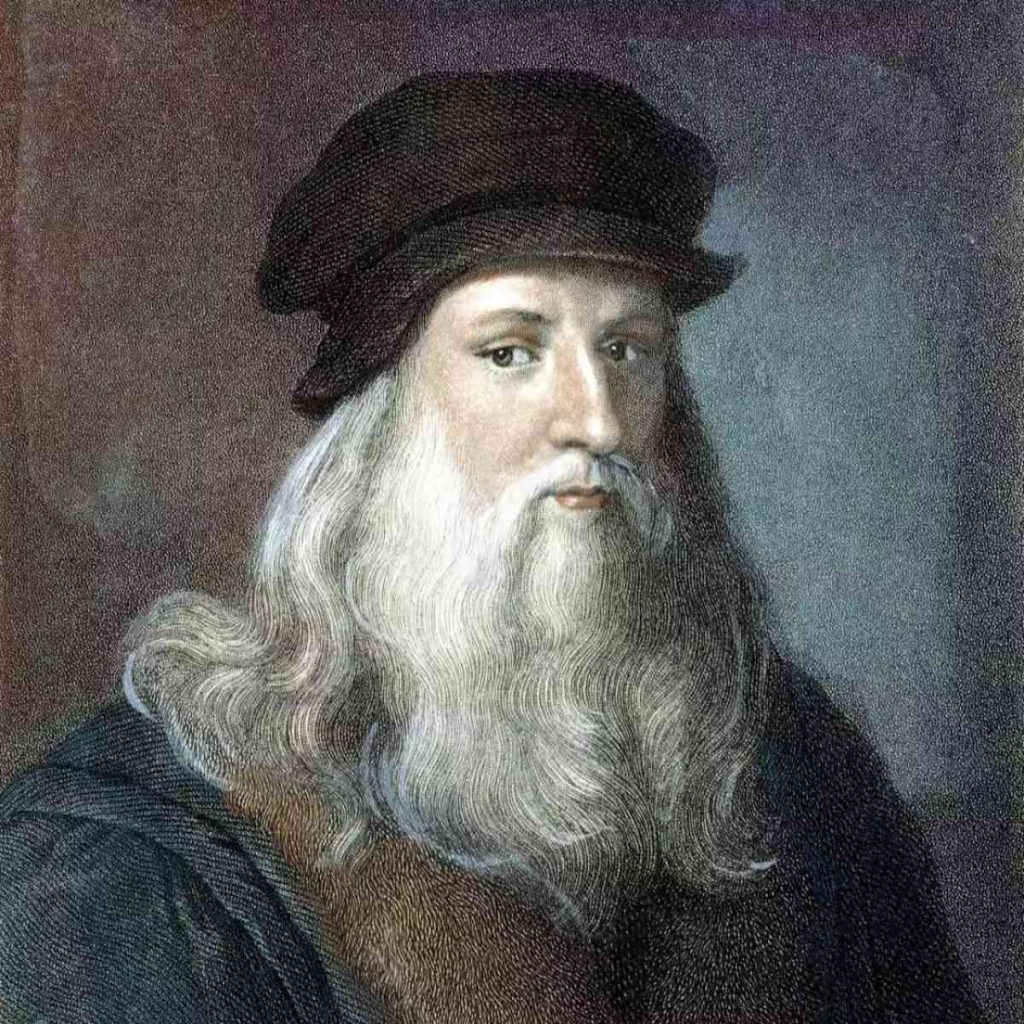
The quintessential Renaissance man never formed a traditional family unit or married. He focused his immense energy on art, science, and engineering while keeping his private life largely enigmatic and undocumented. Records indicate he preferred the company of his pupils and close male associates over the years. His habit of writing in mirror script has kept many of his personal thoughts hidden for centuries.
Joan of Arc
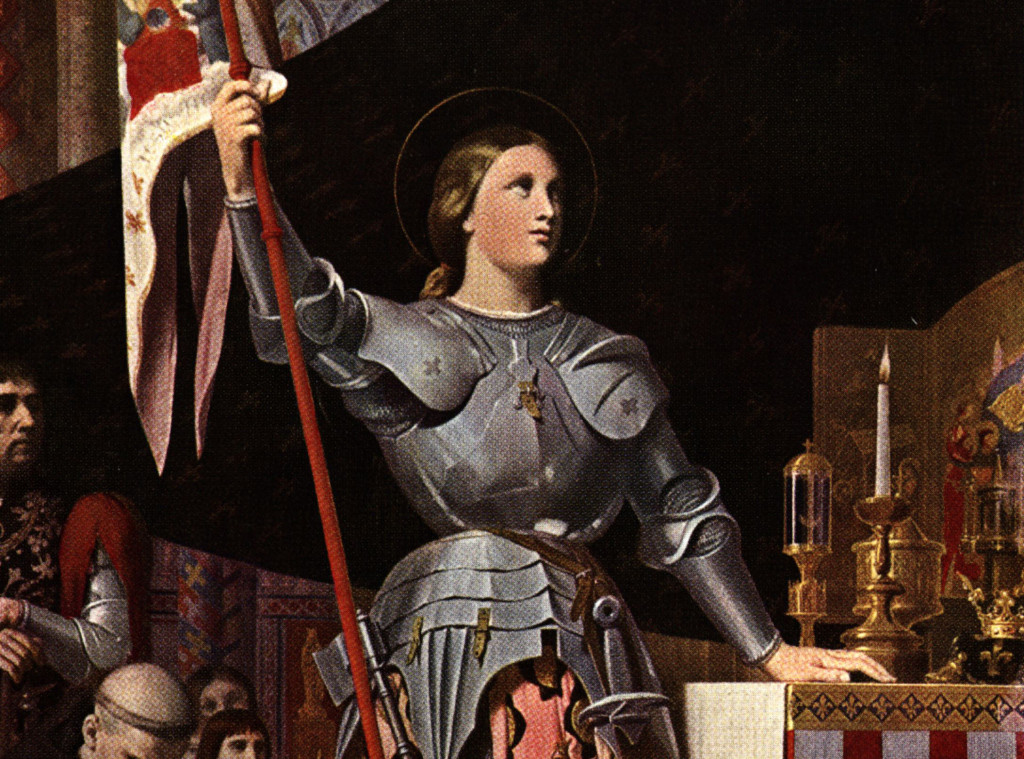
The Maid of Orleans made a vow of chastity as part of her religious and military mission to save France. She even successfully defended herself in a breach of promise court case initiated by a man who claimed she had agreed to marry him. Her short, intense life was dedicated entirely to the liberation of her country and her faith. She was only nineteen years old when she was executed by the English in Rouen.
Susan B. Anthony
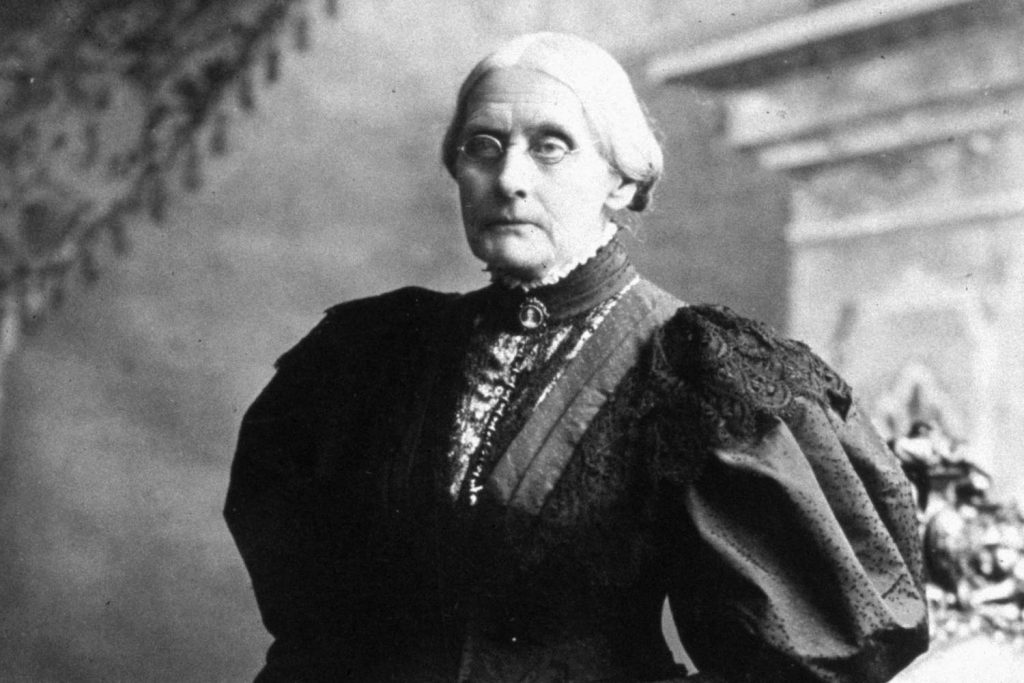
A pioneer for women’s suffrage, Anthony viewed marriage as a legal hindrance to her lifelong activism. She famously stated that she never found a man who was willing to let her be a free woman with her own opinions. Her partnership with Elizabeth Cady Stanton became the primary pillar of her life and work for decades. She was the first actual woman to be depicted on circulating United States coinage.
Lewis Carroll
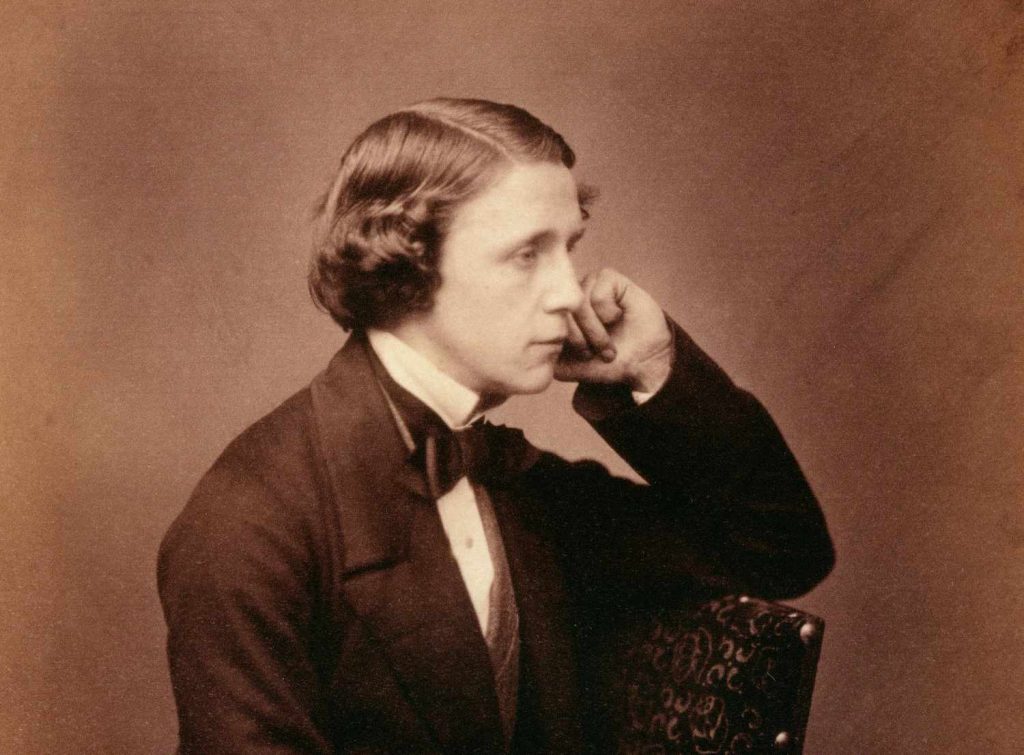
The author of “Alice’s Adventures in Wonderland” remained a bachelor throughout his life while serving as a mathematician at Oxford. He led a quiet, structured existence characterized by his photography, logical puzzles, and teaching duties. Carroll seemed content with his social circle of friends and academic colleagues. He suffered from a persistent stammer that only seemed to disappear when he spoke to children.
Louisa May Alcott
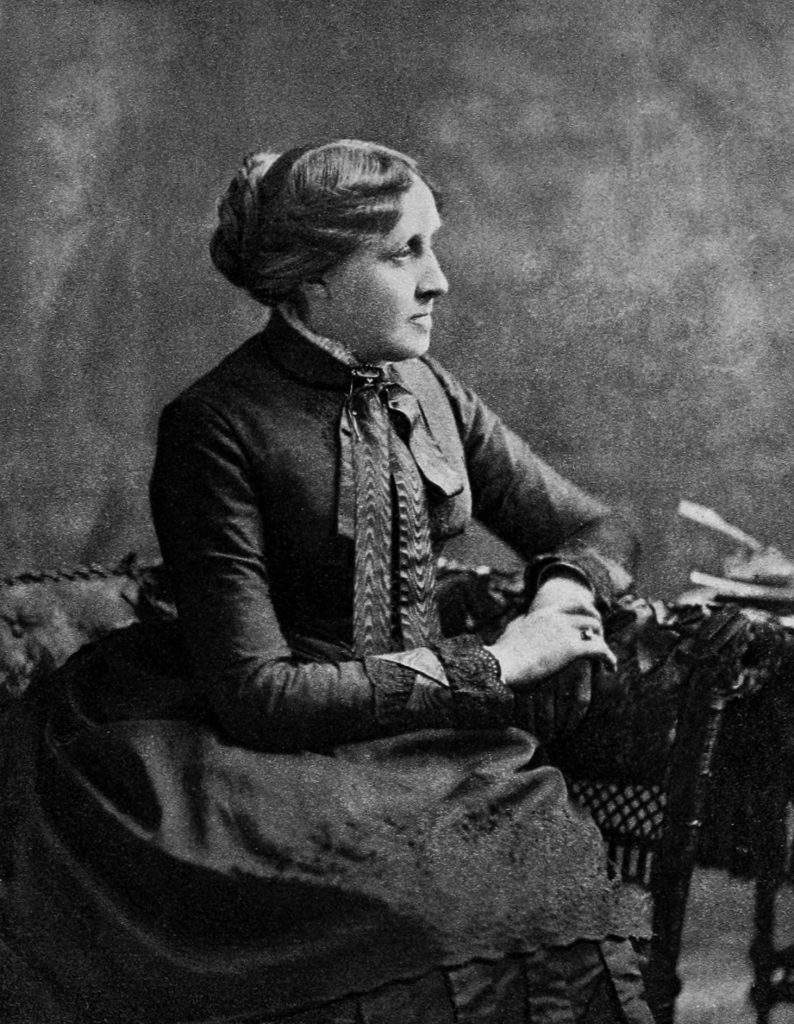
Alcott once wrote that she fell in love with many pretty girls but never a man. The “Little Women” author provided for her family through her writing and valued her financial independence above all else. She was a staunch supporter of women’s rights and individual liberty during the American Civil War era. She actually served as a nurse during the war before achieving literary fame.
Voltaire
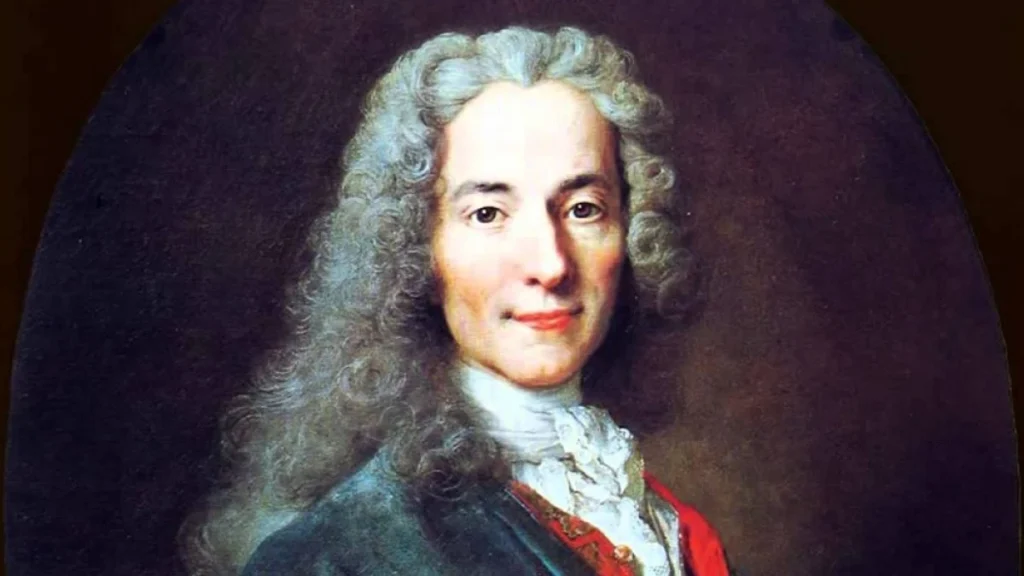
The Enlightenment philosopher had several long-term relationships, most notably with the intellectual Émilie du Châtelet, but they never married. He was a vocal critic of the Catholic Church and many traditional social institutions that he found illogical. His intellectual pursuits often led him into exile and away from conventional domestic life in Paris. He reportedly drank up to forty cups of coffee every single day to fuel his writing.
Emily Dickinson
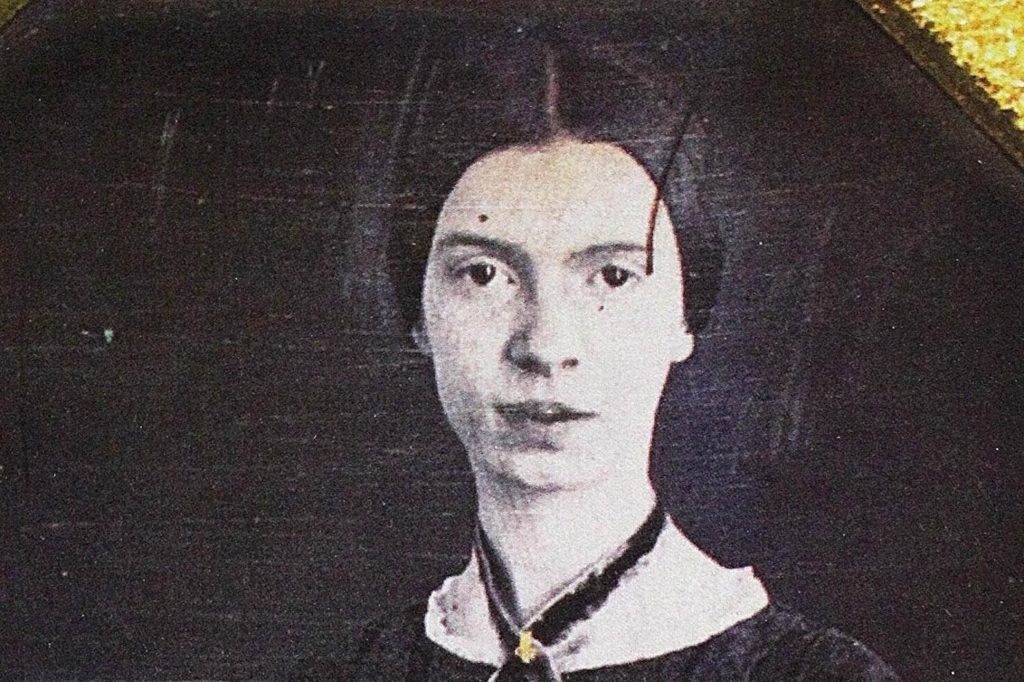
The reclusive poet spent most of her life within her family home in Amherst, Massachusetts. She maintained deep emotional connections through letters but rarely ventured outside her garden or met strangers. Her refusal to marry allowed her to focus entirely on her radical and unique poetic style that ignored standard grammar. Fewer than a dozen of her eighteen hundred poems were published during her lifetime.
James Buchanan
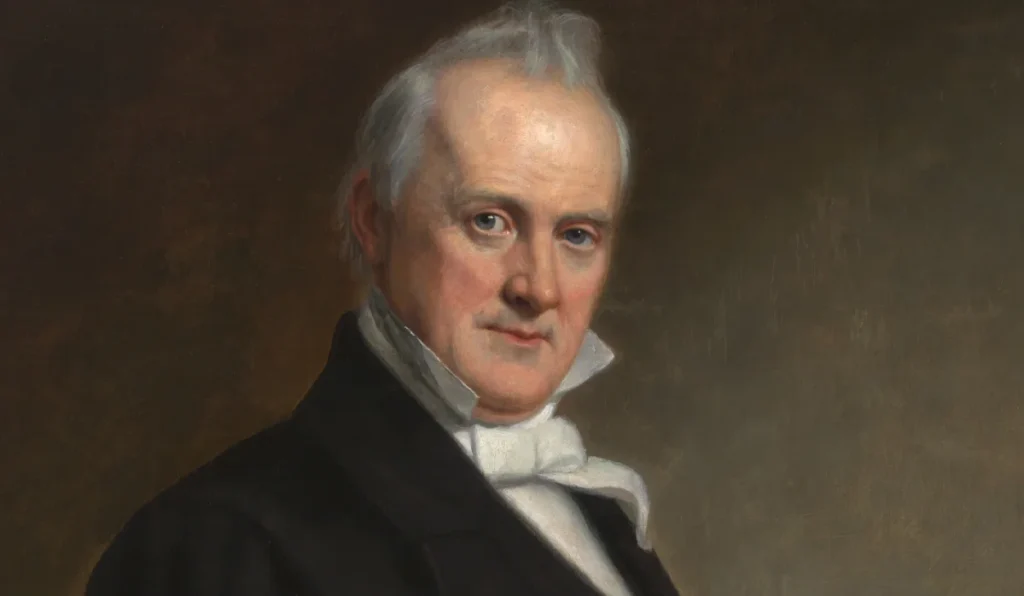
Buchanan remains the only United States President to have never married during his lifetime. He was briefly engaged to Anne Coleman, but the engagement ended tragically with her sudden death after a misunderstanding. Throughout his presidency, his niece Harriet Lane performed the social duties typically assigned to the First Lady. His administration is often cited as one of the most difficult periods in American history preceding the Civil War.
Frédéric Chopin
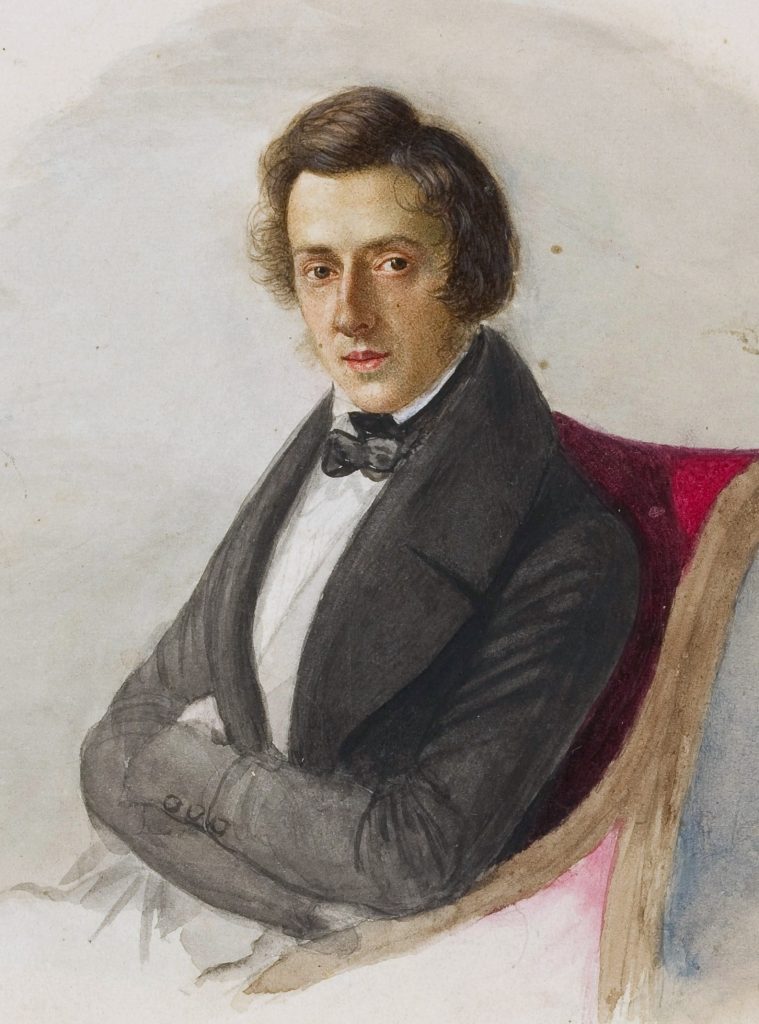
The Polish composer had a high-profile, decade-long affair with the writer George Sand, but they never legalized their union. Their relationship was often tumultuous and eventually ended in a bitter separation that left him heartbroken. Chopin’s fragile health and absolute devotion to the piano defined his final years in Paris. Per his final request, his heart was removed and returned to his native Poland after his death.
Johannes Brahms
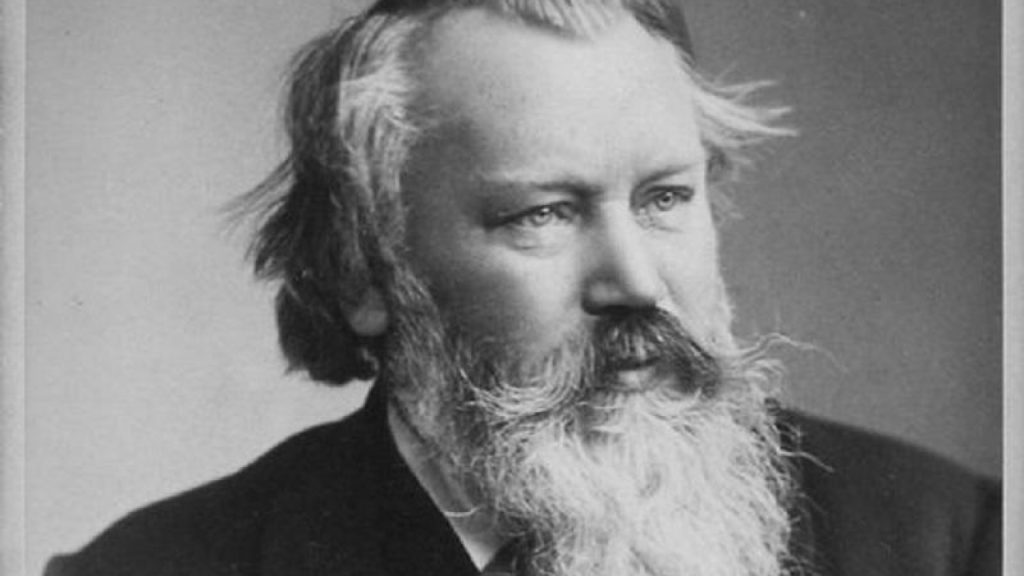
Brahms was deeply in love with Clara Schumann, the wife of his mentor, but he never married her or anyone else. Even after Robert Schumann’s death, Brahms and Clara maintained a complex, non-marital relationship that lasted for decades. He spent much of his later life living in simple bachelor quarters in Vienna while composing masterpieces. He was known for being brutally honest with other composers about their work.
Michelangelo
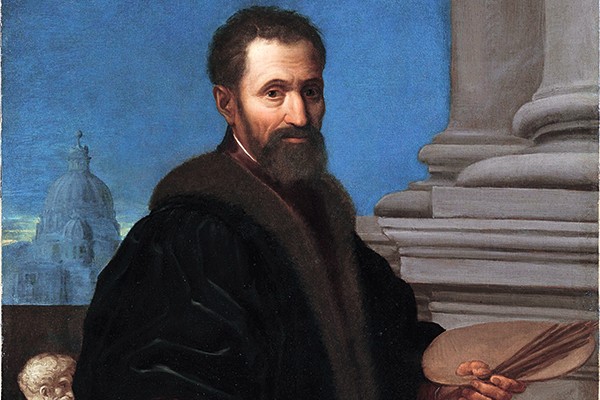
The creator of the “David” statue was known for his rough personality and intense, almost obsessive work ethic. He reportedly stated that his art was his wife and his finished works were his children. Michelangelo’s private life was marked by deep platonic friendships and a relative lack of domestic luxury despite his fame. He lived into his late eighties, which was an extraordinary age for the sixteenth century.
Henry David Thoreau
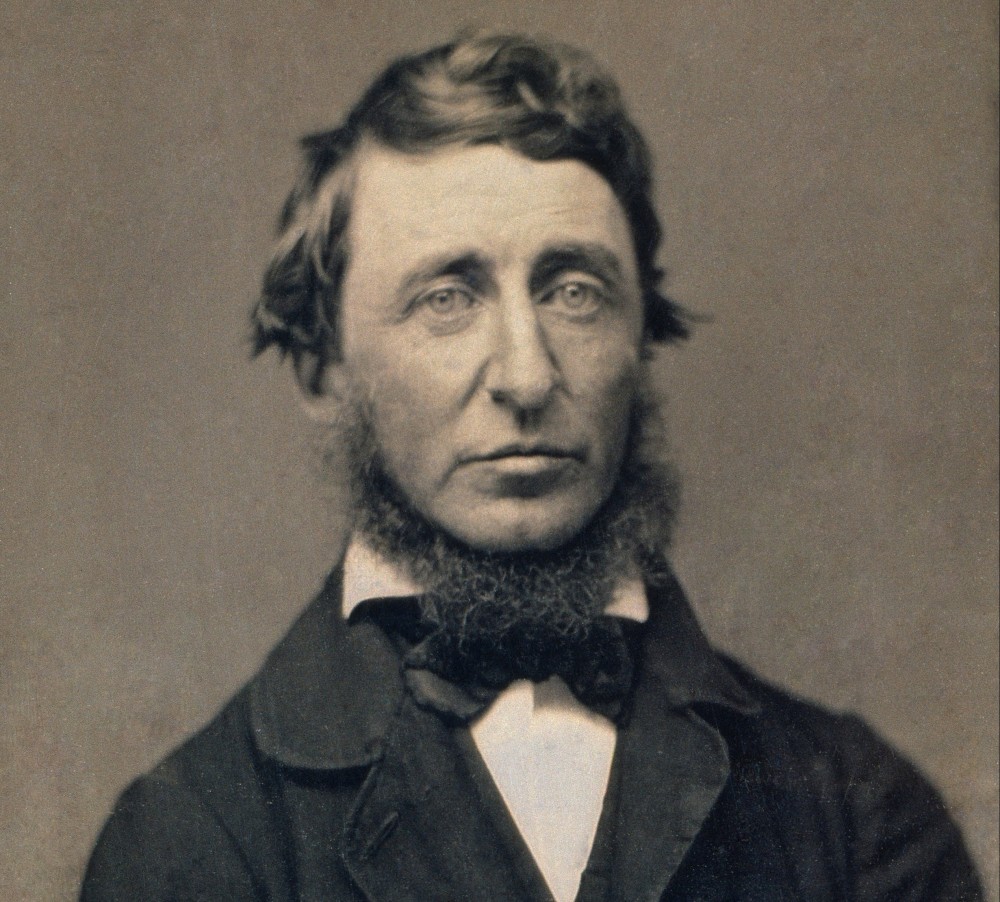
The author of “Walden” lived a life defined by simplicity and transcendentalist philosophy in the woods. He proposed to Ellen Sewall in 1840, but she rejected him under intense pressure from her conservative family. Thoreau spent the rest of his years focused on nature, solitude, and acts of civil disobedience. He once went to jail for refusing to pay a poll tax as a protest against slavery.
Walt Whitman
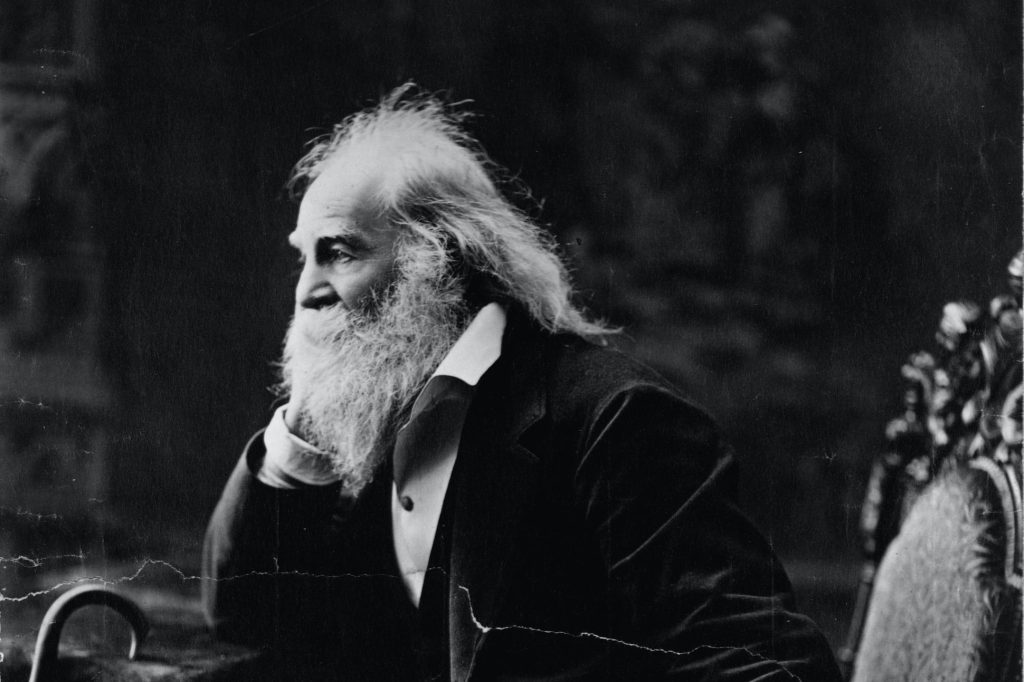
The poet of “Leaves of Grass” never married and left behind very few details regarding his intimate life. He celebrated the human form and companionship in his verses while maintaining a bachelor lifestyle in reality. Whitman dedicated much of his later life to caring for wounded soldiers during the American Civil War. He self-published the first edition of his most famous book with his own money.
Clara Barton
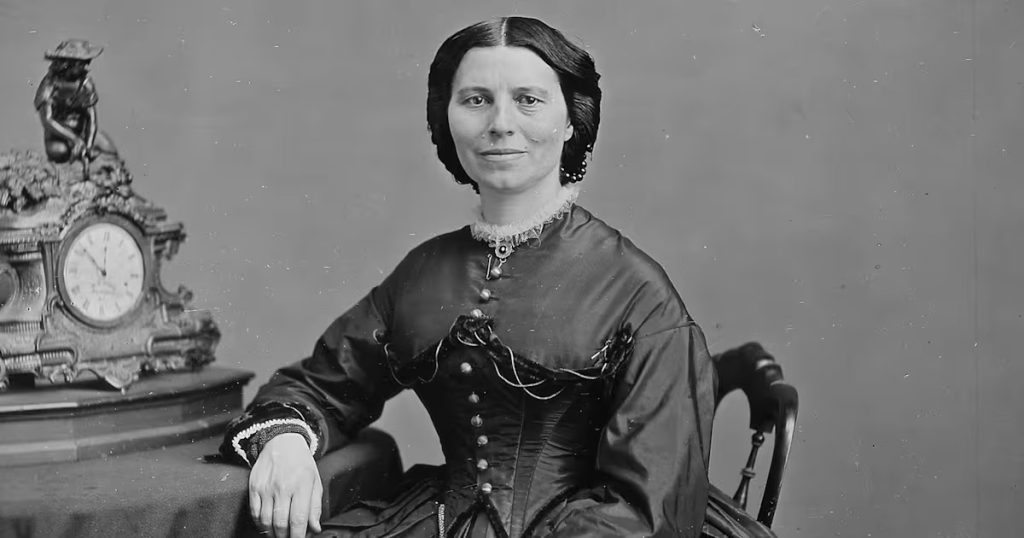
Barton founded the American Red Cross and spent her entire life organizing disaster relief efforts across the globe. She never felt the need for a husband and preferred the independence of her professional career in a male-dominated world. Her legacy is one of the most significant in the history of humanitarian work. She was known as the Angel of the Battlefield for her bravery during active combat.
Mary Cassatt
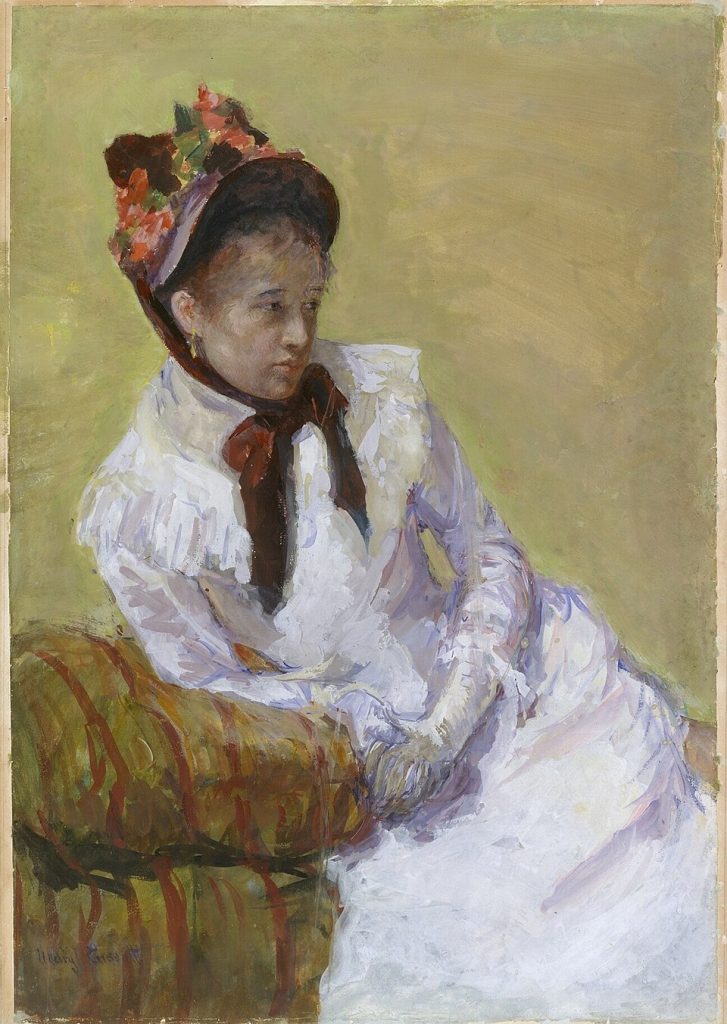
The Impressionist painter often depicted the intimate bond between mothers and children in her work despite having neither. She moved to Paris to pursue art at a time when women were expected to stay home and raise families. Cassatt remained committed to her artistic vision and her place in the European art world for her entire life. She was the only American artist to exhibit with the original Impressionists in Paris.
George Washington Carver
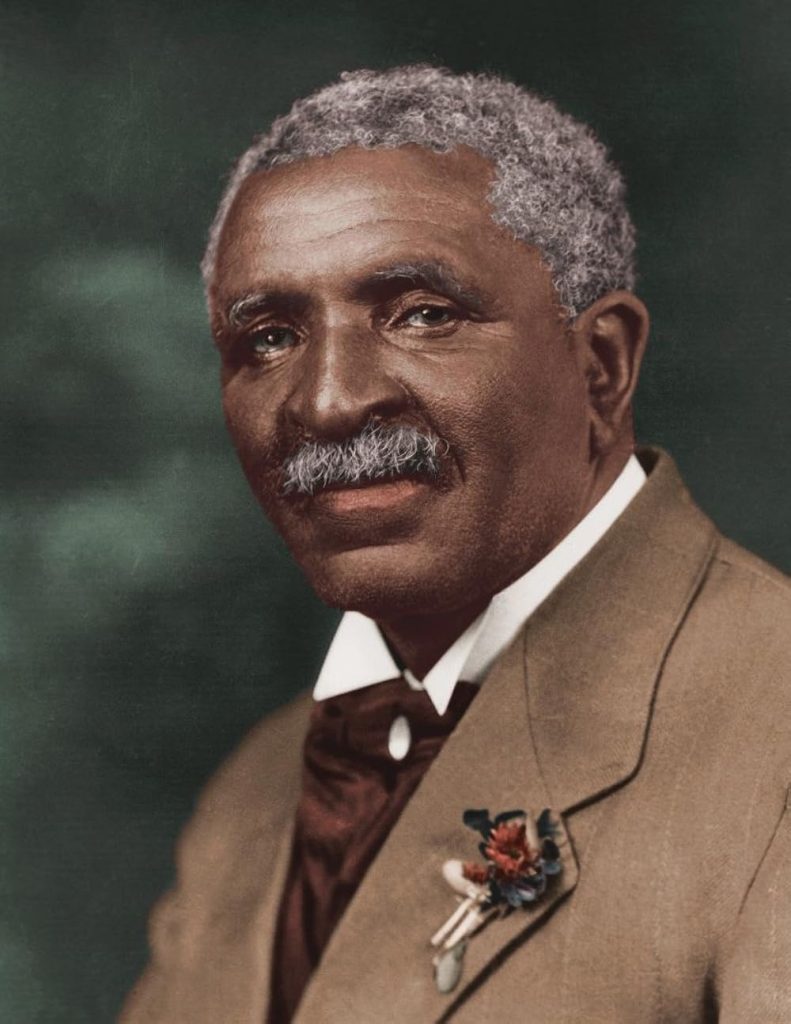
This agricultural scientist spent his life improving the lives of poor farmers through his research on peanuts and crop rotation. He lived in a simple dormitory at Tuskegee Institute and never expressed an interest in marriage. Carver was a man of deep faith and academic discipline who refused to patent many of his inventions. He even turned down a high-paying job offer from Thomas Edison to stay at Tuskegee.
Wilbur Wright
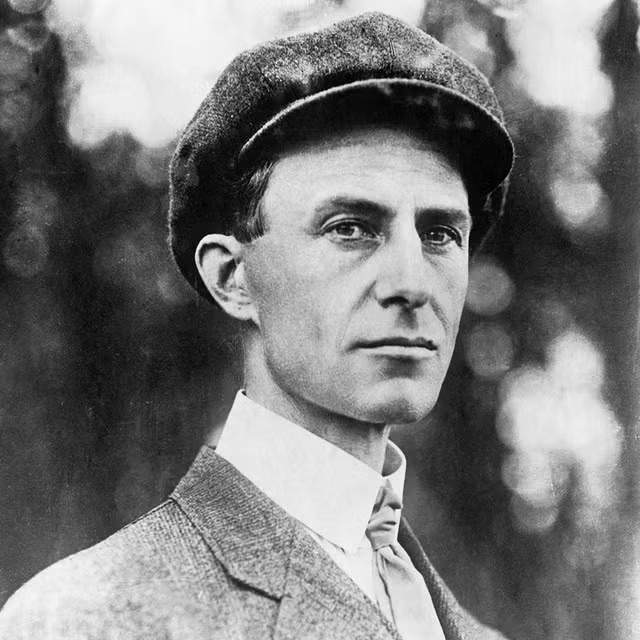
Wilbur Wright dedicated his life to the science of flight alongside his younger brother. He once famously joked that he did not have time for both a wife and an airplane during his experiments. His intense focus on aeronautics left little room for a traditional domestic life or romance. He died of typhoid fever just a few years after the first successful flight at Kitty Hawk.
Orville Wright
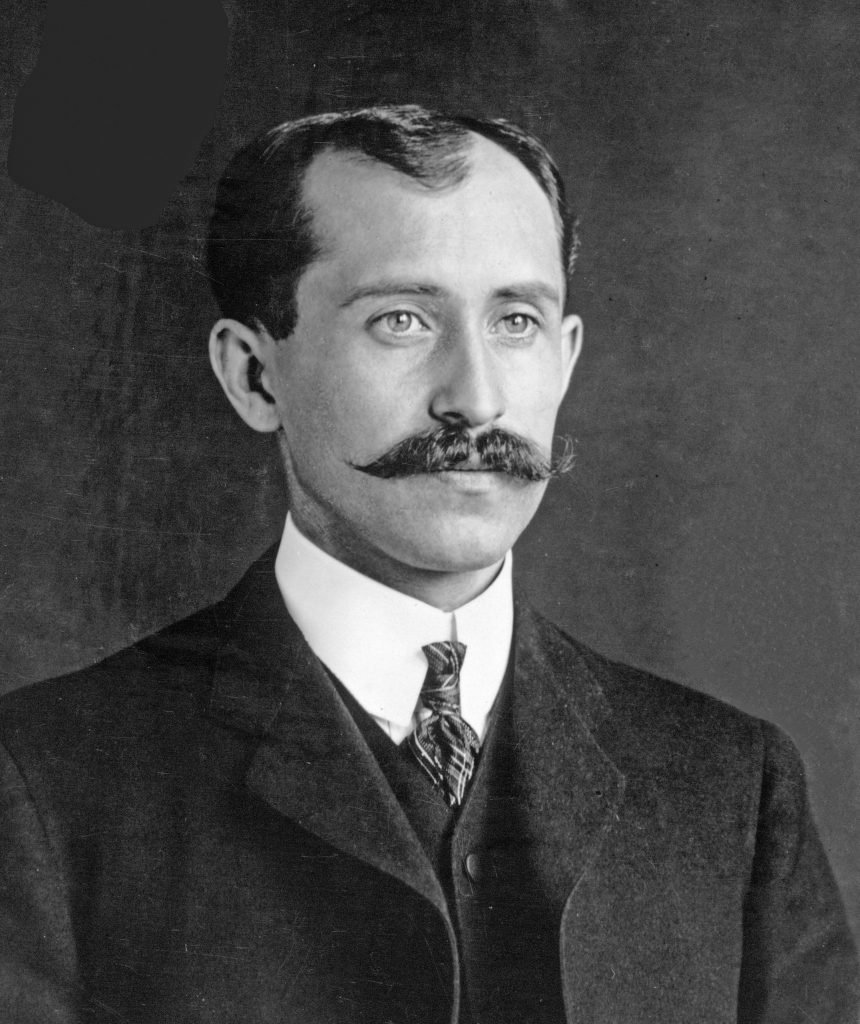
Following the example of his older brother, Orville Wright also remained unmarried for his entire life. The brothers maintained a shared household and business partnership that defined their existence for decades. He survived Wilbur by many years but never sought a spouse to fill the void. Orville lived long enough to see the dawn of the supersonic age of aviation.
Immanuel Kant
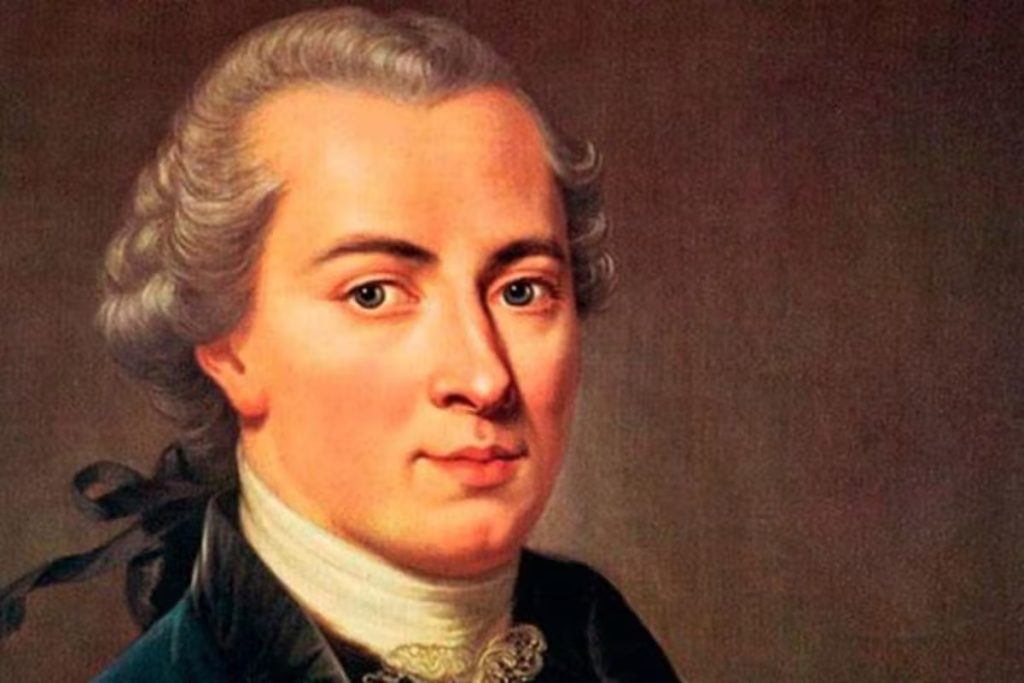
The German philosopher was famous for his strict and unchanging daily routine that locals used to set their watches. He lived his entire life in Königsberg and never sought a marriage partner or moved from his hometown. Kant believed that his intellectual duties required a level of focus that a family life might disrupt. He is still considered one of the most important figures in modern Western philosophy.
John Keats
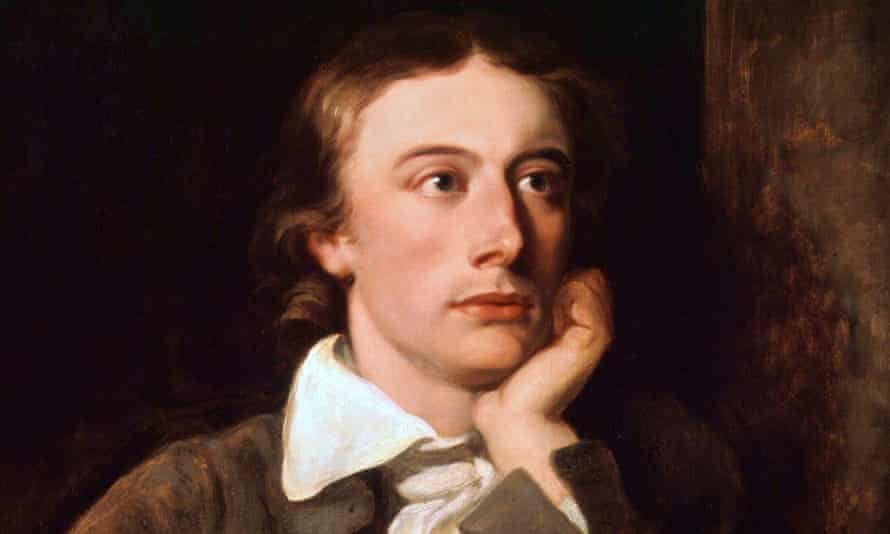
Keats was famously engaged to Fanny Brawne, but his rapidly failing health prevented them from ever marrying. He died of tuberculosis in Rome at the young age of twenty-five while seeking a warmer climate. His poems often reflect the tragedy of his unfulfilled desires and his impending mortality. His tombstone in Rome does not bear his name, only a reference to one whose name was written in water.
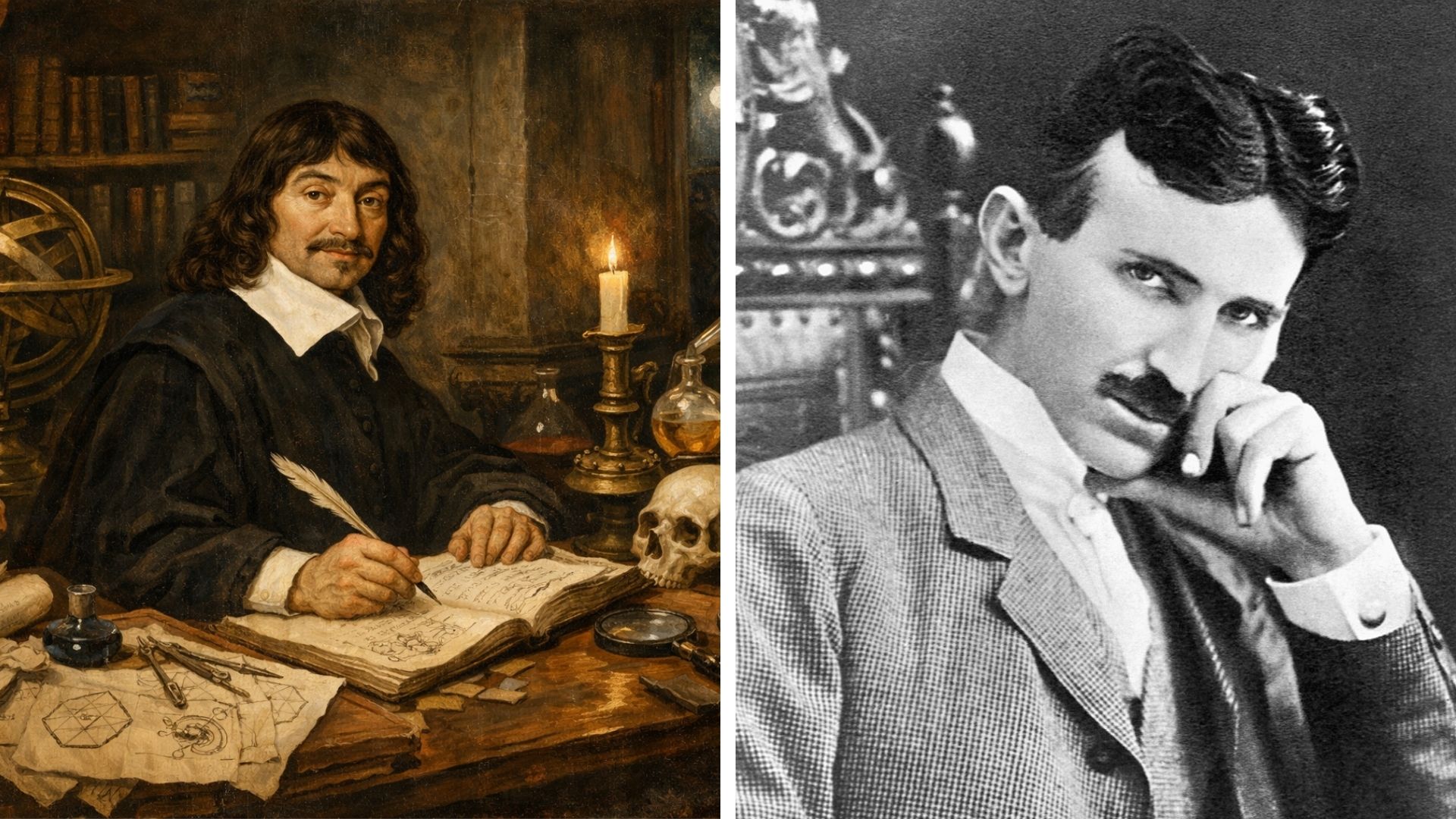
René Descartes
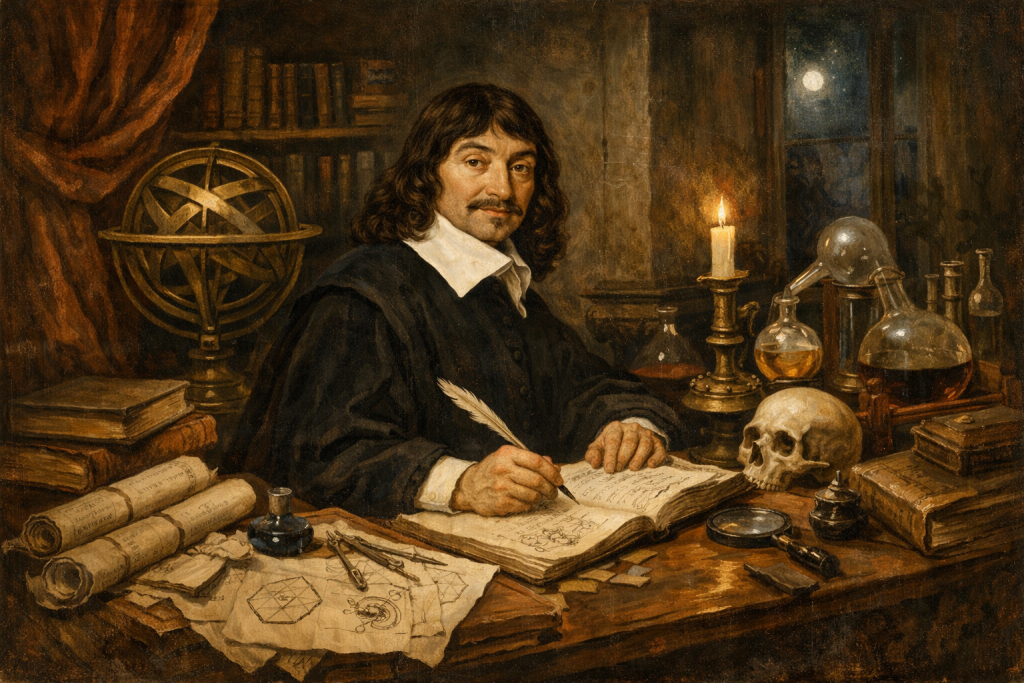
The father of modern philosophy never married, although he did have a daughter who unfortunately died young. He lived a somewhat nomadic life, moving frequently across Europe to pursue his mathematical and philosophical studies. Descartes valued the peace and solitude necessary for deep thought and scientific experimentation. He spent his final days in Sweden tutoring Queen Christina before dying of pneumonia.
Baruch Spinoza
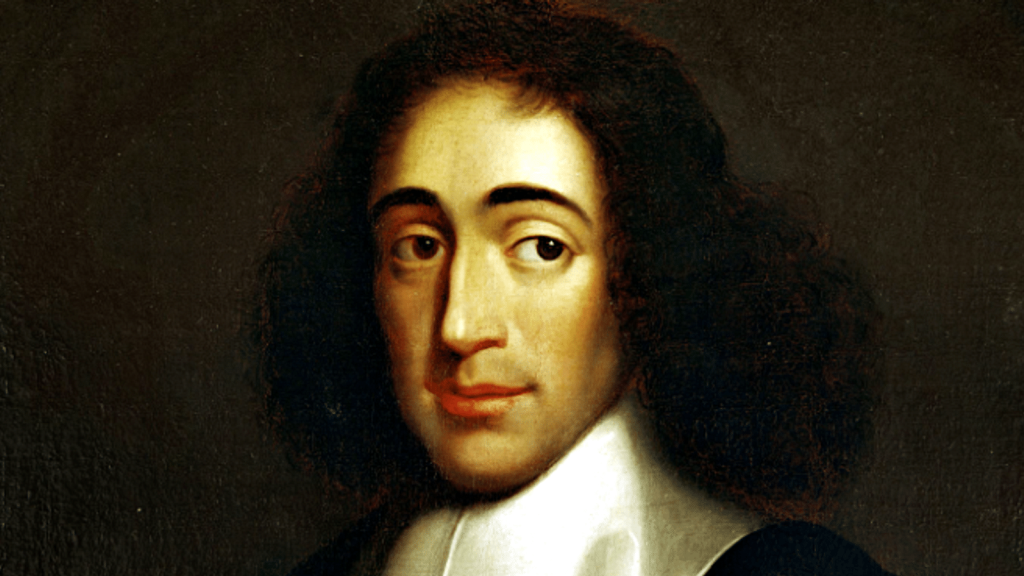
Spinoza lived a modest life as a lens grinder while writing some of the most radical philosophical works of the seventeenth century. He turned down prestigious teaching positions and marriage prospects to maintain his total intellectual independence. His focus remained entirely on ethics and the nature of reality until his early death. He was excommunicated from his community for his controversial views on the divine.
Nikola Tesla
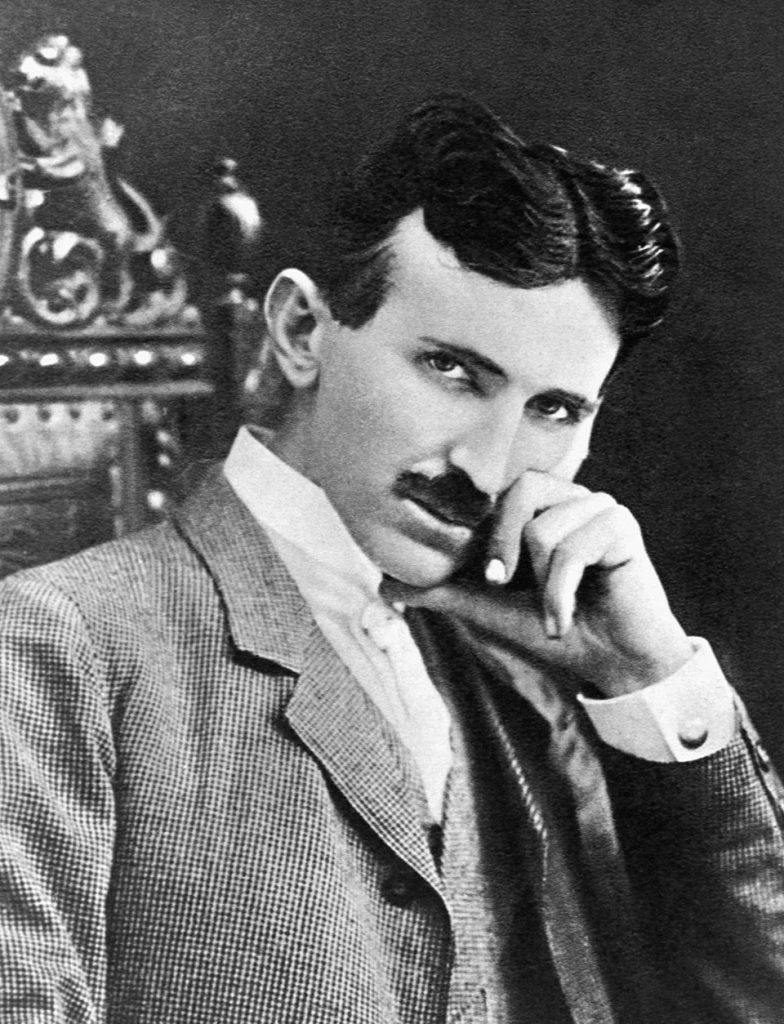
The brilliant inventor of the alternating current system believed that marriage would distract from his scientific pursuits. Tesla claimed to have fallen in love with a specific white pigeon that visited his hotel window, stating he loved her as a man loves a woman. He died alone in a New York hotel, leaving behind inventions that still power the modern world. His obsession with the numbers three, six, and nine followed him until his final breath.