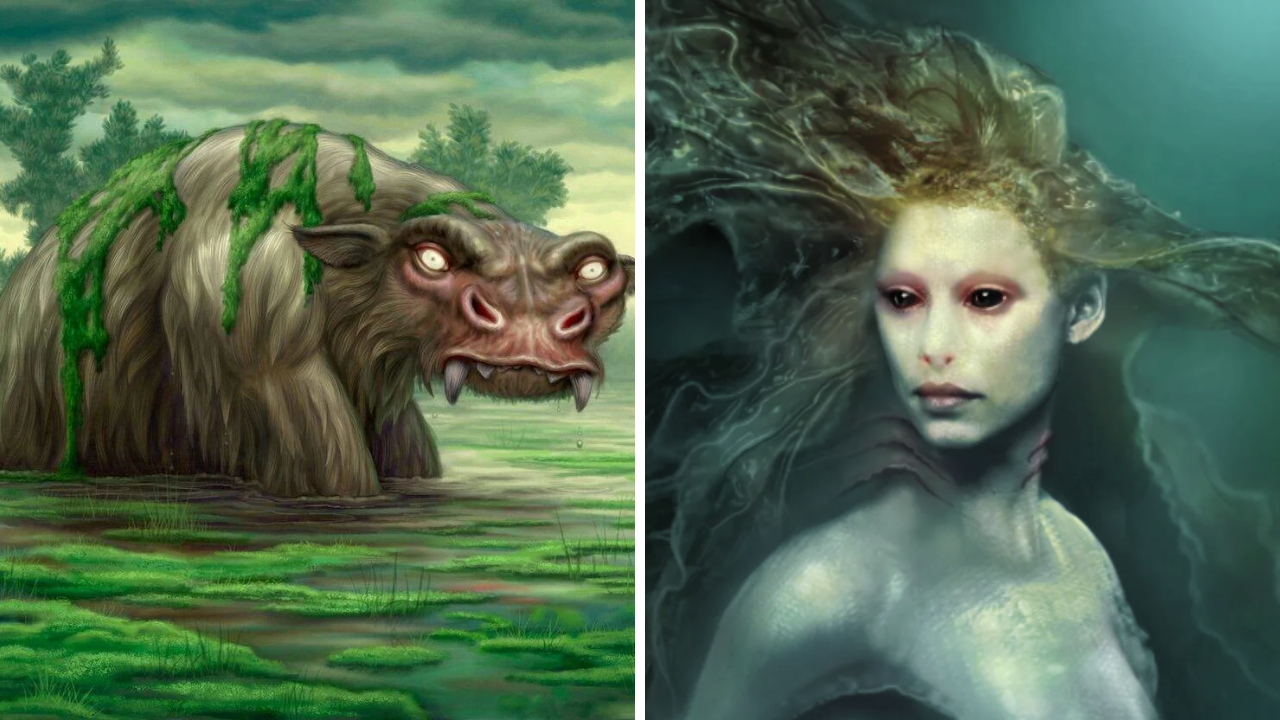
Since the dawn of maritime exploration, the world’s oceans have harbored secrets that defy human understanding and light. Ancient mariners stared into the ink-black abyss, mapping unknown waters while translating their deepest terrors into legends of colossal entities. These aquatic legends served as both warnings and explanations for violent storms, sudden shipwrecks, and vanished crews. Spanning across diverse cultural histories and coastal folklore, these are 30 magnificent and terrifying entities said to inhabit the world’s untamed deeps.
Leviathan
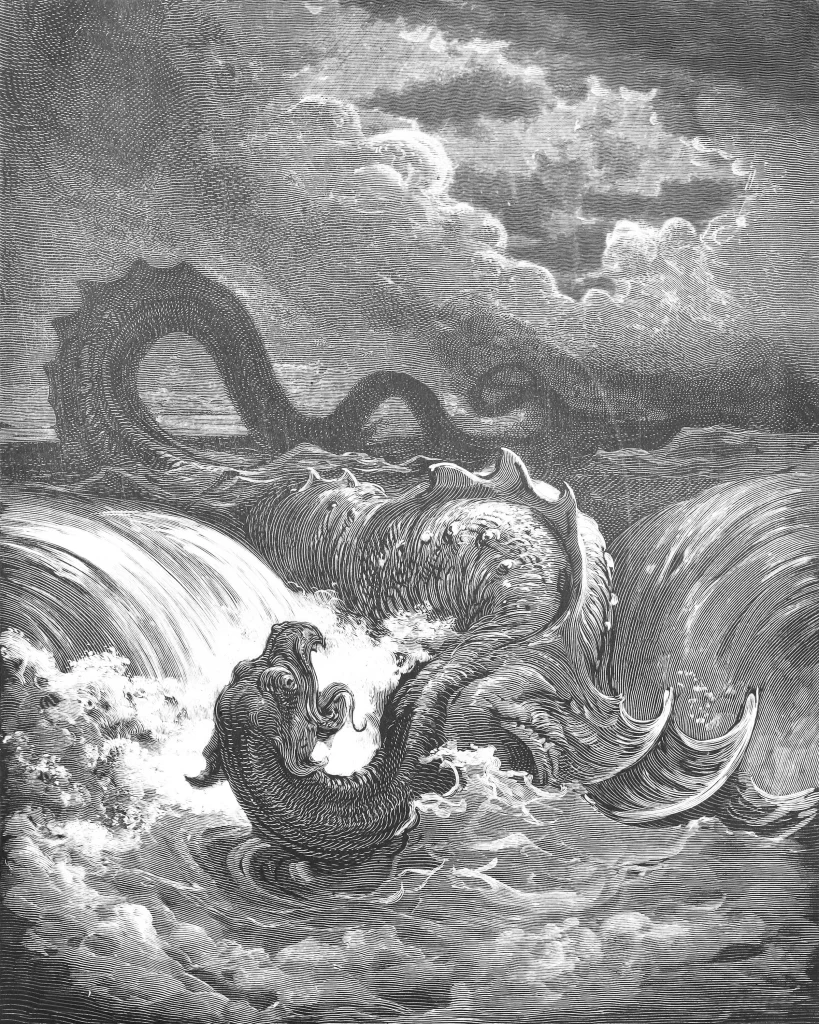
This colossal sea serpent originates from ancient Judeo-Christian mythology, representing primordial chaos and the unstoppable force of the deep ocean. Accounts depict the creature as possessing impenetrable scales and a breath capable of making the waters boil around terrified sailors. Sailors historically blamed this beast for sudden oceanic vacuums that dragged entire armadas down to the sea floor.
Jormungandr
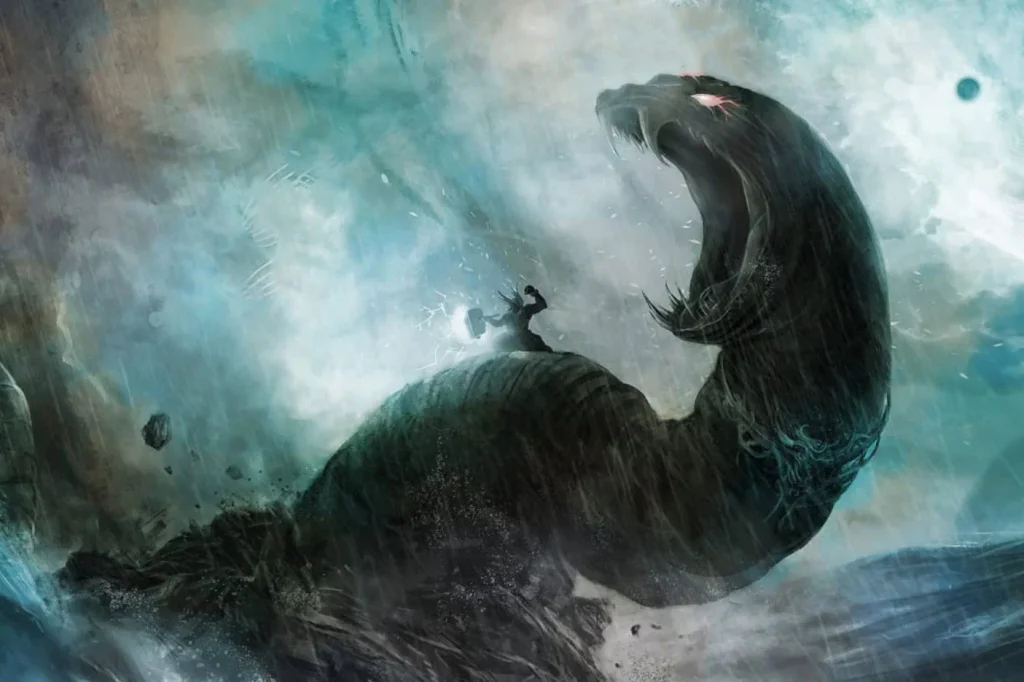
Norse sagas describe this massive serpent as the child of Loki, cast into the great ocean where it grew large enough to encircle the entire world. Its eventual awakening and release of its tail is prophesied to signal the catastrophic events of Ragnarok.
Scylla
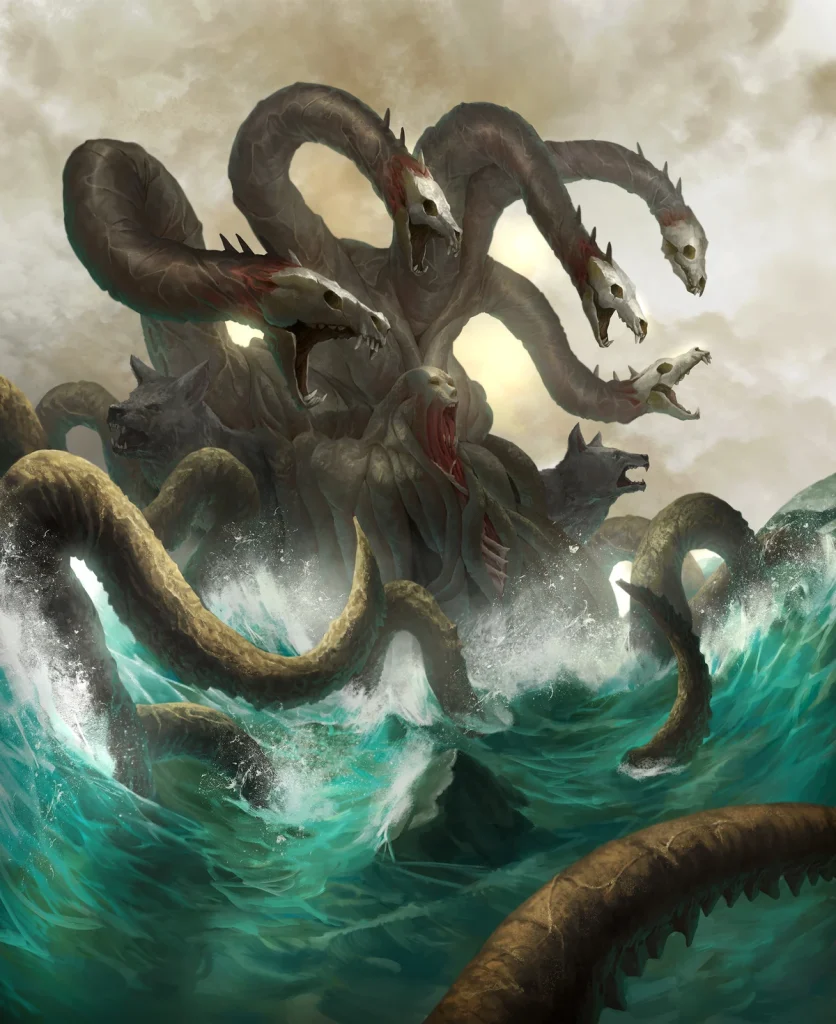
Guarding one side of a narrow maritime strait, this Greek mythological monster was once a beautiful nymph before being cursed by a jealous sorceress. She possessed twelve tentacle-like feet and six long necks ending in ravenous, dog-like heads. Passing ships were forced to sail dangerously close to her rocky cliffside lair to avoid a worse fate on the opposite shore. Homer famously documented this deadly navigational hazard in the epic poem “The Odyssey”.
Charybdis
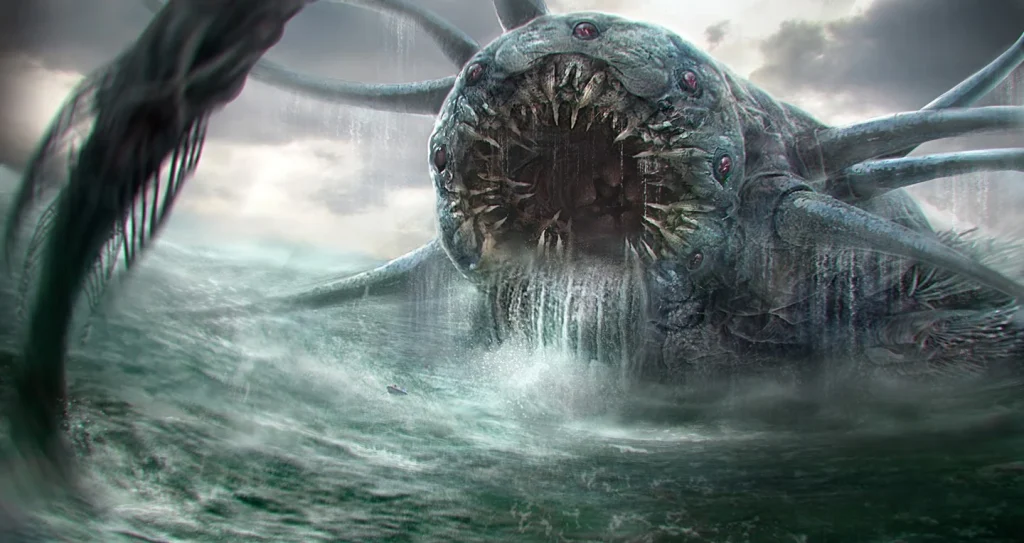
Positioned directly across from Scylla, this monstrous entity took the form of a massive, sub-surface mouth that swallowed enormous amounts of water three times a day. This routine created cataclysmic whirlpools capable of tearing apart the sturdiest wooden vessels of antiquity. The natural geography of the Strait of Messina is widely considered the real-world inspiration behind this terrifying legend.
Hydra

Swamps and underwater caverns served as the domain for this multi-headed serpentine beast from Peloponnesian lore. Cutting off one of its heads resulted in two growing back immediately, a biological trait that made conventional combat entirely useless.
Kelpie
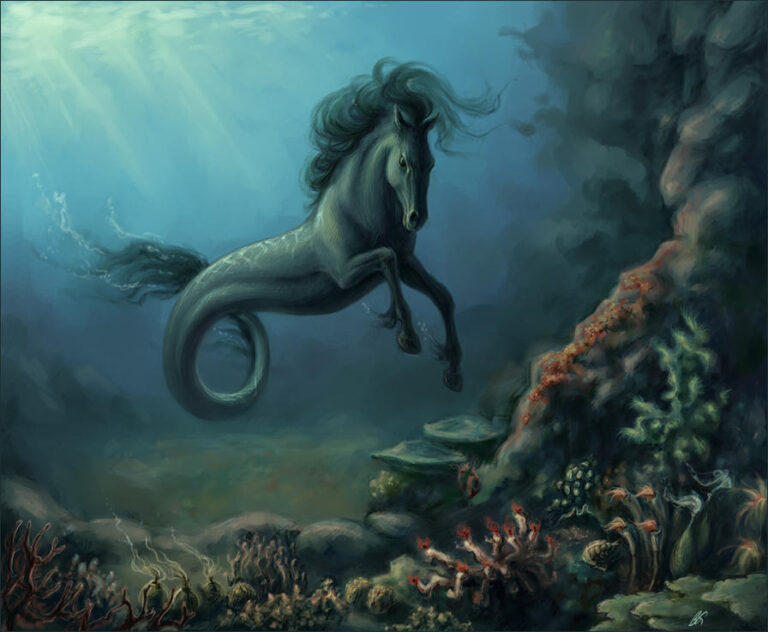
Scottish lochs and deep pools are the stomping grounds of this malevolent, shape-shifting water spirit. It typically manifests on the shoreline as a magnificent dark horse to entice weary travelers into mounting its back. Once a victim touches its skin, an adhesive secretion prevents escape as the creature plunges deep underwater to consume them.
Kappa
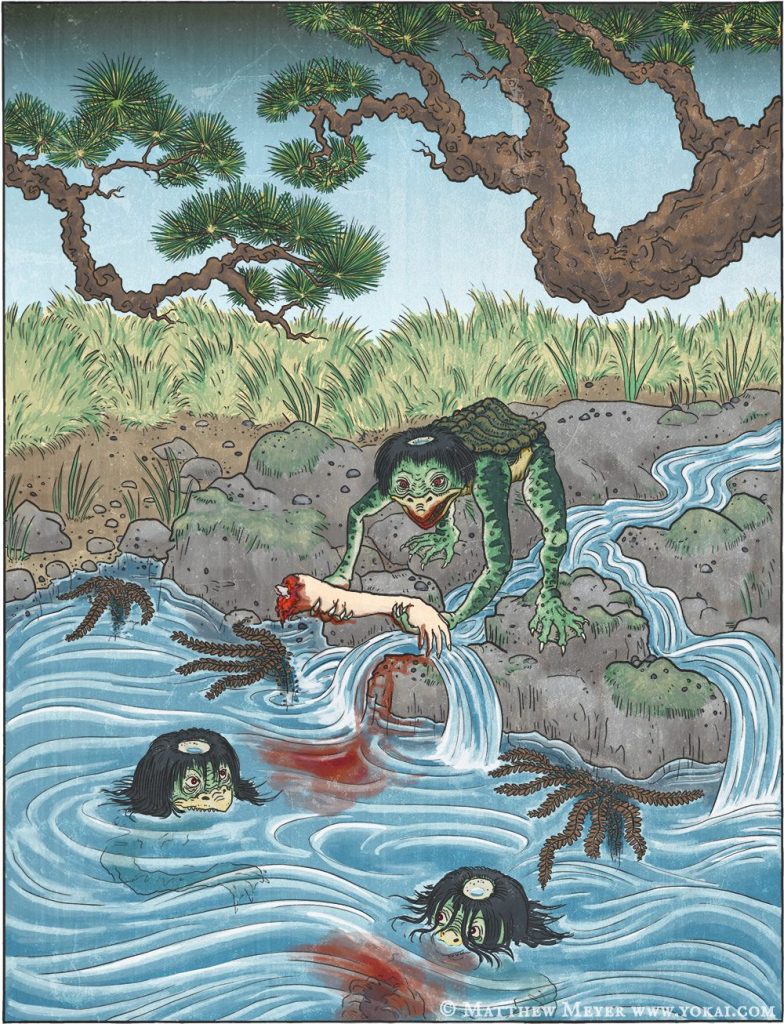
Japanese waterways are inhabited by these mischievous amphibious humanoids featuring a turtle-like shell and a fluid-filled cavity on top of their heads. This indentation serves as the source of their supernatural strength when operating on land. Tricksters by nature, they are easily neutralized if a traveler bows politely, forcing the creature to bow in return and spill its vital life source. Local traditions still involve throwing cucumbers inscribed with family names into rivers to appease them.
Umibozu
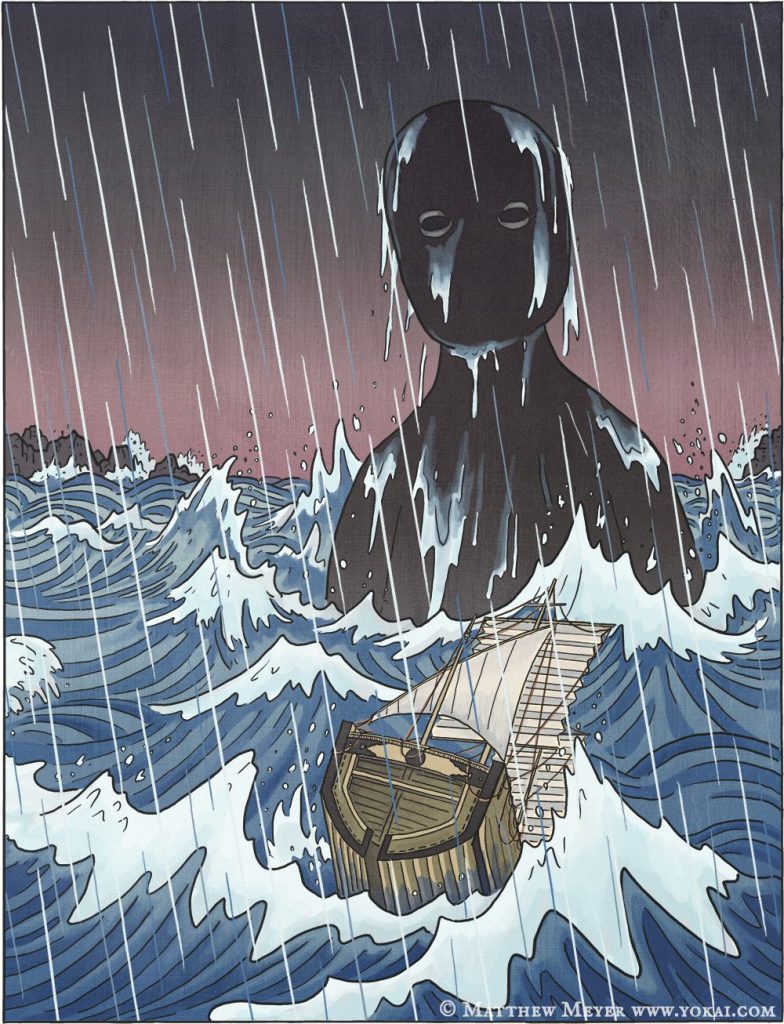
Manifesting as a gigantic, shadow-like entity with a smooth head, this spectral maritime phantom terrorizes sailors along the coast of Japan. It demands a barrel from crews before capsizing their ship, though sailors can survive by providing a bottomless barrel to confuse the spirit.
Lusca
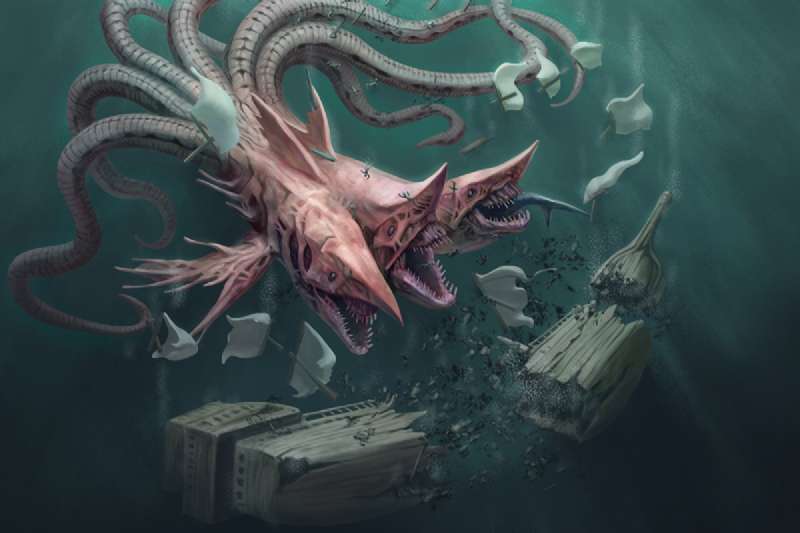
Caribbean folklore attributes the sudden disappearances of divers near underwater blue holes to this massive creature. Descriptions often paint it as a horrifying hybrid featuring the top half of a shark and the lower tentacles of an octopus. Modern oceanographers suggest that tidal shifts creating powerful downward suctions within these caves helped fuel the predatory legend.
Sea Bishop
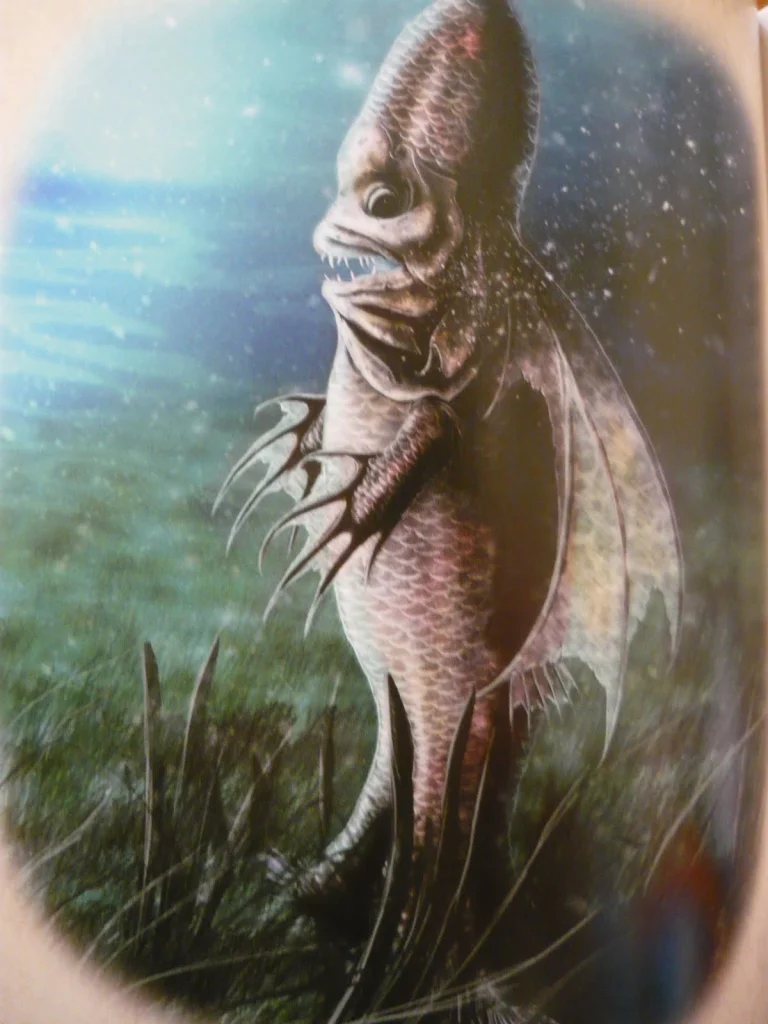
Sixteenth-century European accounts detail the bizarre capture of a marine specimen that possessed a striking resemblance to a Catholic bishop. The creature featured prominent, fin-like vestments and a head shape resembling a traditional mitre. According to historical records, the enigmatic beast refused to eat any food provided by its captors and died shortly after entering captivity. King Sigismund of Poland reportedly witnessed one of these strange specimens during his reign.
Aspidochelone
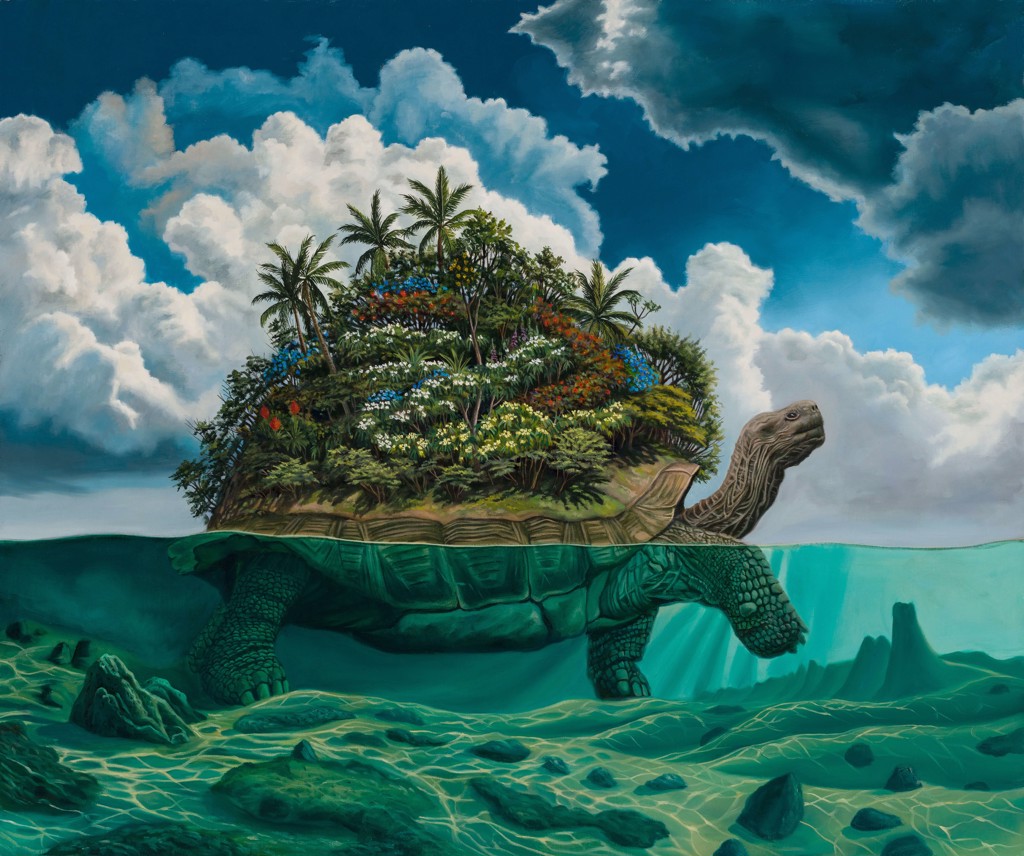
Medieval bestiaries describe this massive sea monster as an island-sized turtle or whale with a rocky, forest-covered back. Unwitting sailors would drop anchor on its shell and light campfires, mistaking the sleeping creature for solid ground. The sudden heat would prompt the beast to submerge instantly, dragging the entire crew down to an icy death.
Taniwha
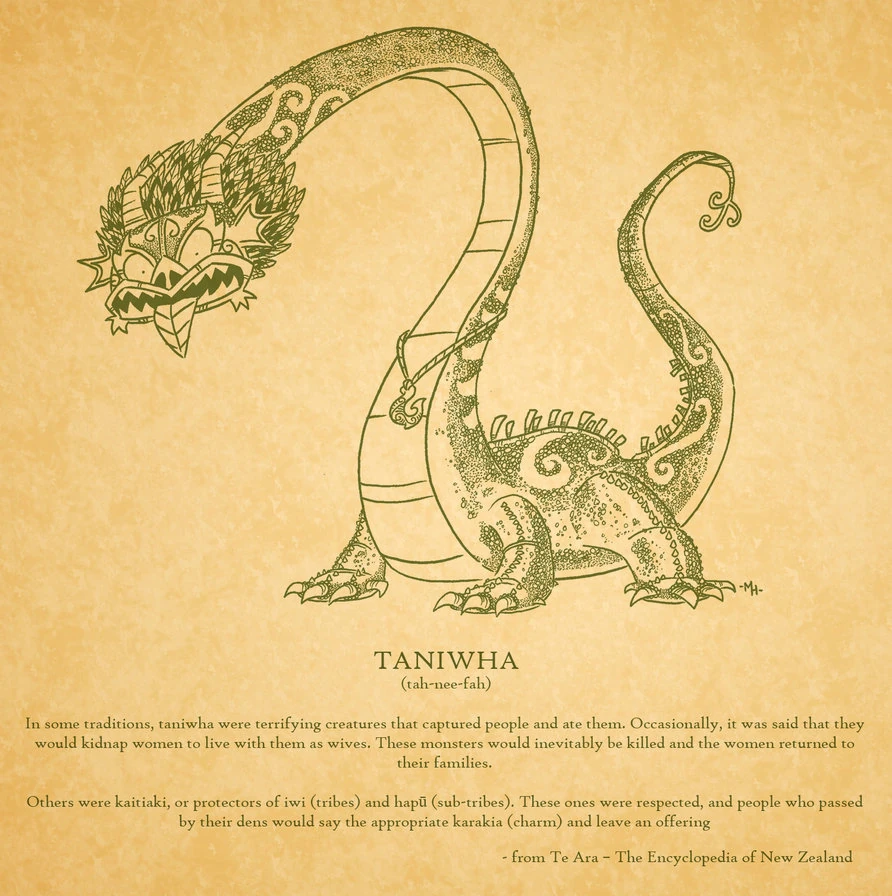
Māori tradition holds that these powerful water guardians reside in deep river bends, treacherous ocean straits, and dark caves. They alternate between protective spirits that guide lost canoes and dangerous predators that punish those who violate tribal tapu laws.
Bunyip

Australian Aboriginal mythology warns of a dangerous creature lurking within the murky depths of billabongs, swamps, and creeks. It is characterized by terrifying nightly cries that echo across the outback to warn locals of its hunting boundaries. Early European settlers took the legend seriously enough to launch formal scientific searches for fossil remains in remote marshlands.
Isonade
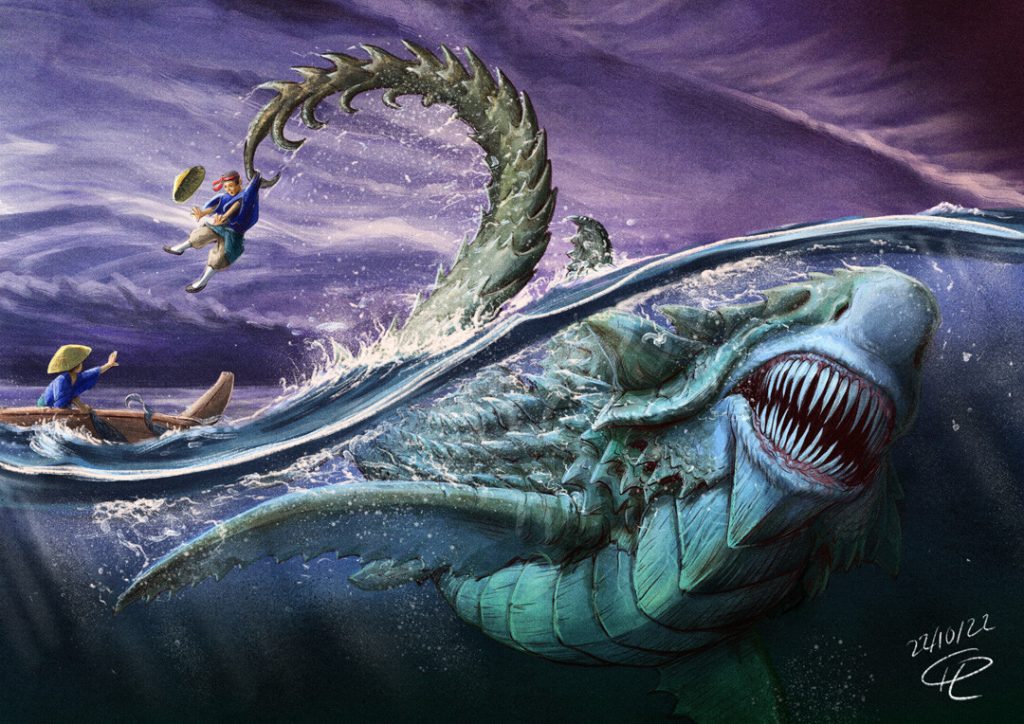
Coastal waters near Western Japan are the territory of this enormous, shark-like monster covered in metallic scales. Its most defining feature is a massive tail covered in tiny, inverted barbs used to snag unsuspecting fishermen from their boats. The creature strikes silently beneath breaking waves, dragging victims underwater without creating a noticeable disturbance on the surface. Historical texts suggest that sudden offshore winds were frequently blamed on its rapid underwater movements.
Bakunawa
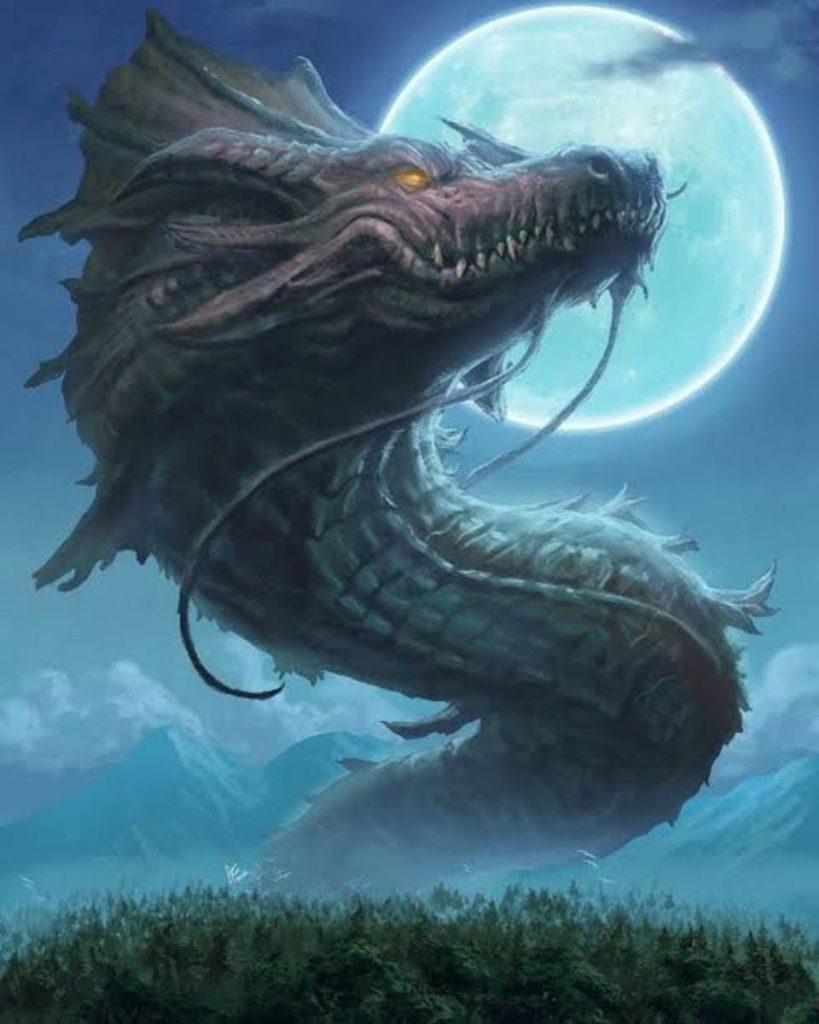
Philippine mythology attributes the sudden occurrence of lunar eclipses to this massive, dragon-like sea serpent. Ancient villagers would rush outside to bang pots and pans loudly, attempting to startle the beast into spitting the moon back into the night sky.
Ryujin
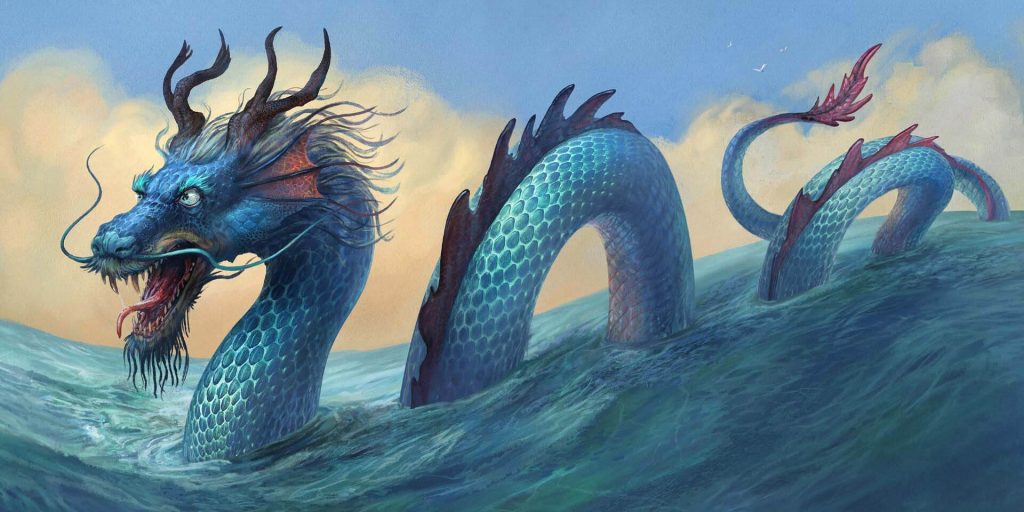
Controlling the ocean tides from a palace built out of solid coral, this powerful dragon god rules as the supreme deity of the sea. He utilizes supernatural tide jewels to manipulate sea levels, allowing him to protect his followers or obliterate approaching enemy fleets. Sea turtles and jellyfish are traditionally viewed as his royal messengers within traditional Shinto belief systems.
Makara
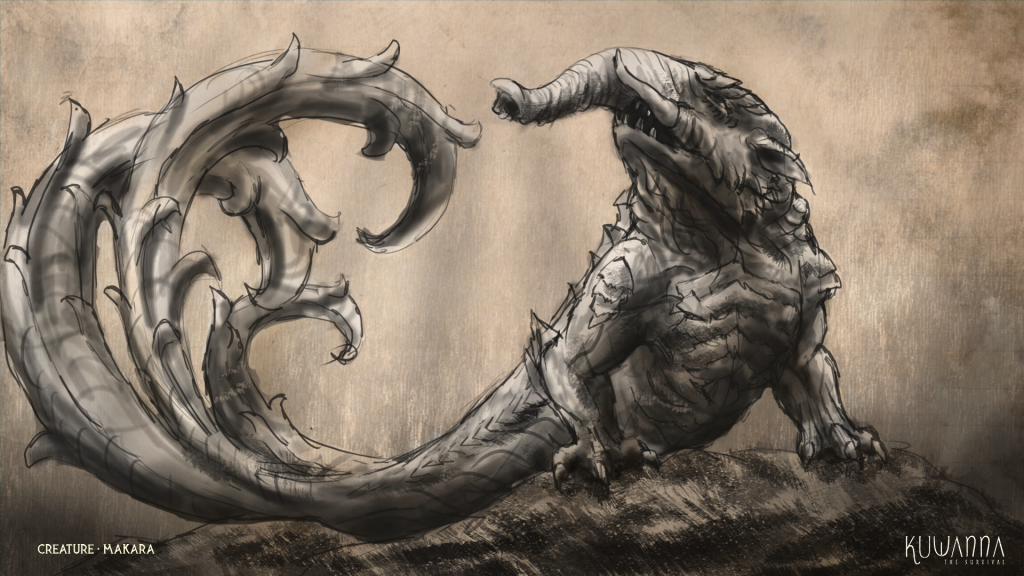
Hindu mythology introduces this unique aquatic vehicle, or vahana, utilized by the river goddess Ganga and the sea god Varuna. Visual depictions usually combine the jaws of a crocodile, the trunk of an elephant, and the tail of a peacock. It symbolizes the dual nature of water as both a life-giving force and a destructive, untamed element. Statues of this protective creature are frequently carved into temple entryways to ward off evil influences.
Melusine
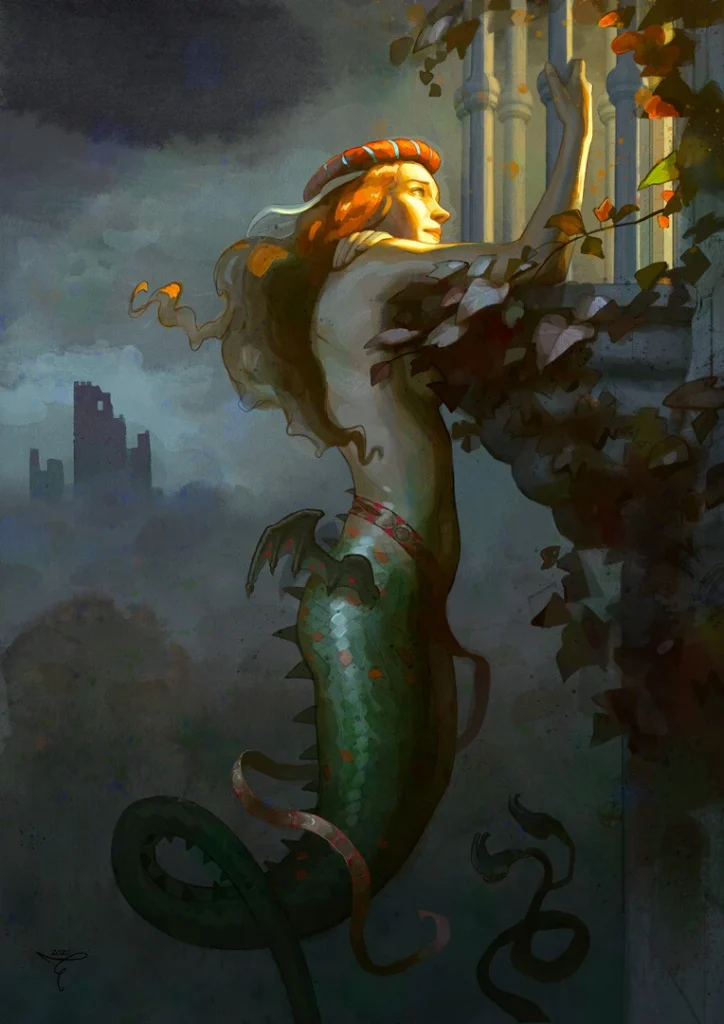
European folklore tells of this enigmatic feminine water spirit who takes the form of a double-tailed serpent from the waist down every Saturday. Discovering her secret form breaks her marital vows, causing her to transform into a winged dragon and fly away forever.
Finfolk
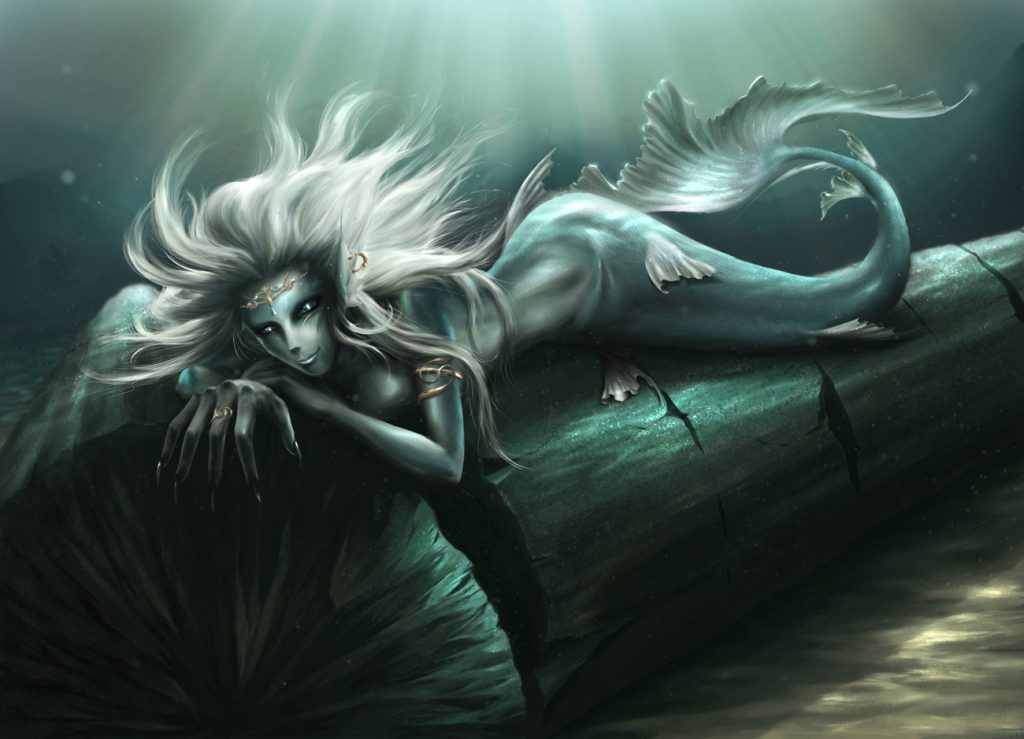
These dark, sorcerous shapeshifters from Orkney lore live in a magnificent underwater city called Finfolkaheem during the winter months. They regularly abduct humans to live as their spouses, using illusion spells to blend seamlessly into coastal towns. Rowers can protect themselves from these oceanic captors by throwing silver coins into the path of their approaching boats.
Ceffyl Dwr
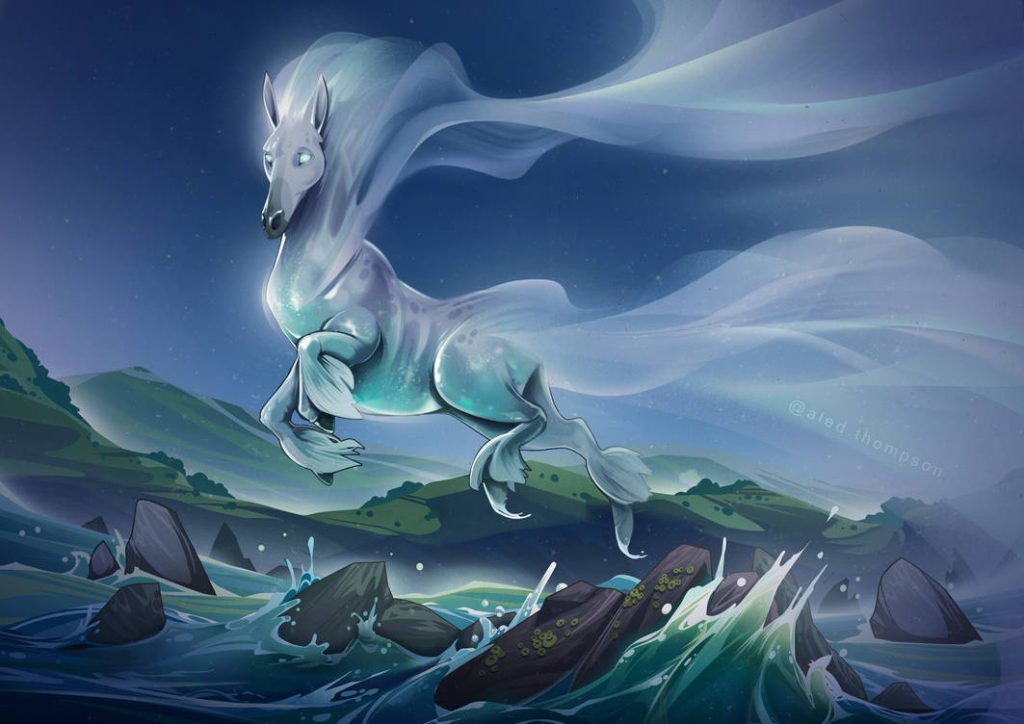
Welsh rivers and mountain streams house this phantom water horse capable of flying above the mist. It entices travelers onto its back before leaping off steep cliffs, vanishing into thin air and leaving the rider to plummet to the rocks below.
Abaia
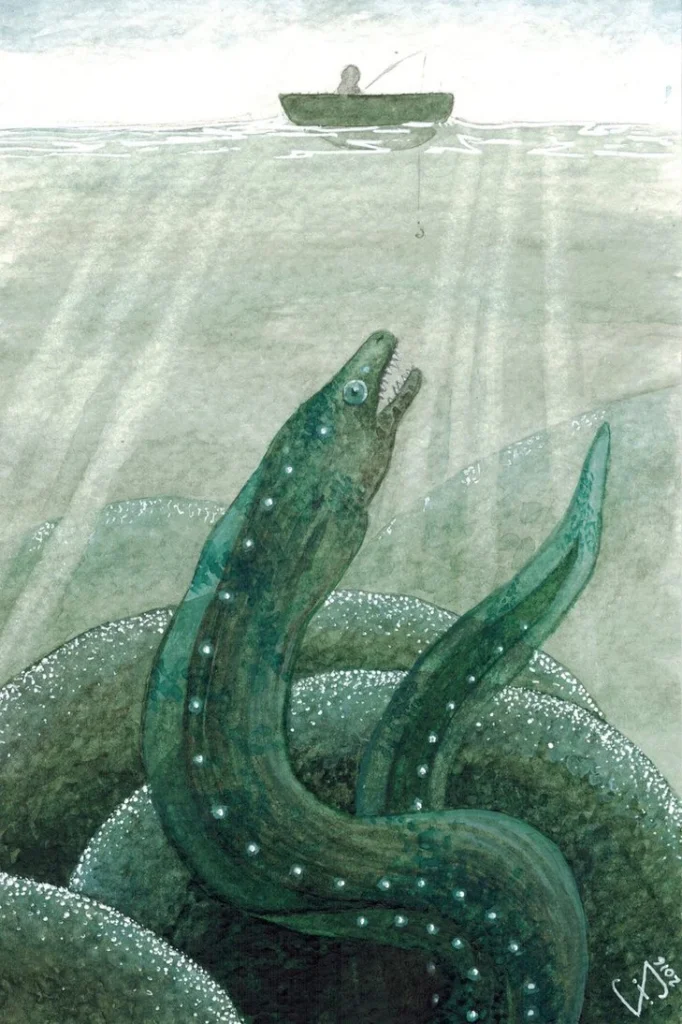
Melanesian mythology describes this giant eel-like creature as the absolute protector of freshwater lakes and rivers. Anyone attempting to overfish its home or disturb the resident wildlife faces swift supernatural retribution. The creature thrashes its massive tail to trigger torrential downpours, flooding nearby villages to drown the offenders.
Loch Ness Monster
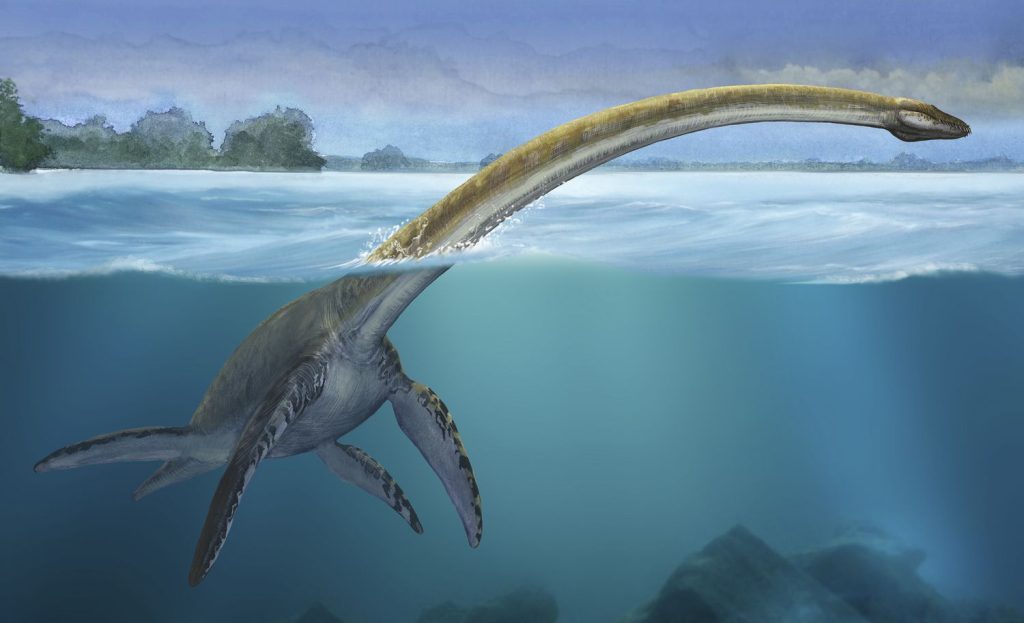
Nestled within the deep, peat-stained waters of the Scottish Highlands, this legendary cryptid has captivated global imagination for generations. Early accounts trace back to a sixth-century encounter involving Saint Columba, who reportedly commanded the beast to retreat. Modern sonar expeditions and photographic attempts continue to attract crowds of hopeful researchers to the shoreline. The local economy relies heavily on the enduring mystery of this elusive lake dweller.
Champ
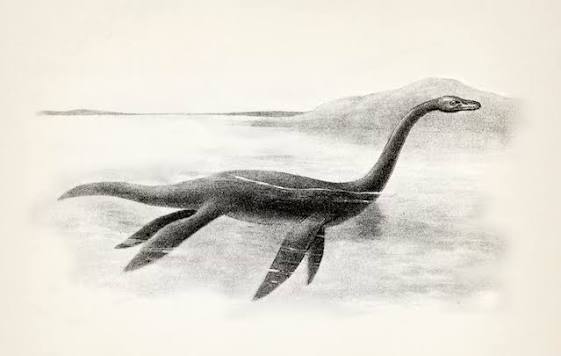
Lake Champlain on the border of New York and Vermont is said to host a North American relative of the Scottish loch monsters. Hundreds of eyewitness reports describe a long-necked creature undulating through the water, prompting local towns to pass formal regulations protecting the hypothetical beast from harm.
Ogopogo
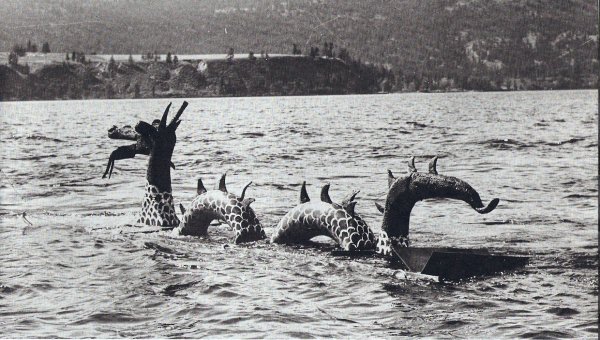
Canada’s Okanagan Lake is the traditional home of this serpentine water entity, originally known as Naitaka by the Indigenous Syilx nation. Historical accounts involved offering small animals to the lake spirit to ensure safe passage across the treacherous waters. Modern sightings often depict dark, multi-humped shapes moving rapidly against the natural current of the lake.
Mermaid
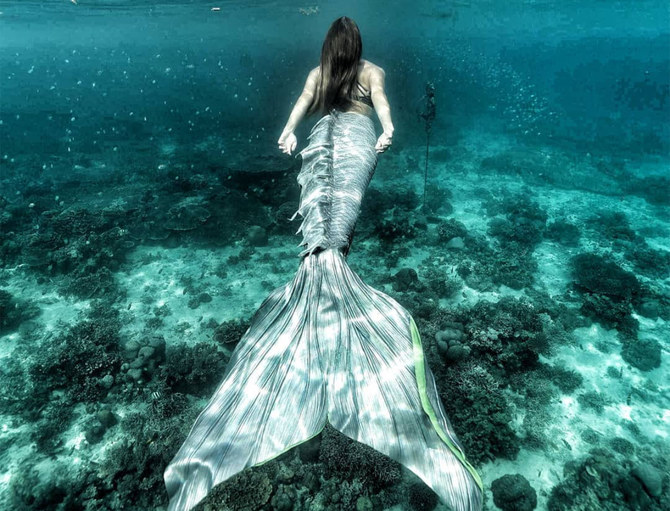
These iconic maritime beings combine a human torso with the gleaming tail of a fish, appearing across global folklore for thousands of years. The earliest fish-human figure traces to the Babylonian god Oannes, a half-man, half-fish being who rose from the sea to teach humanity the arts and sciences, while the Syrian goddess Atargatis is widely regarded as the first true mermaid.
Siren
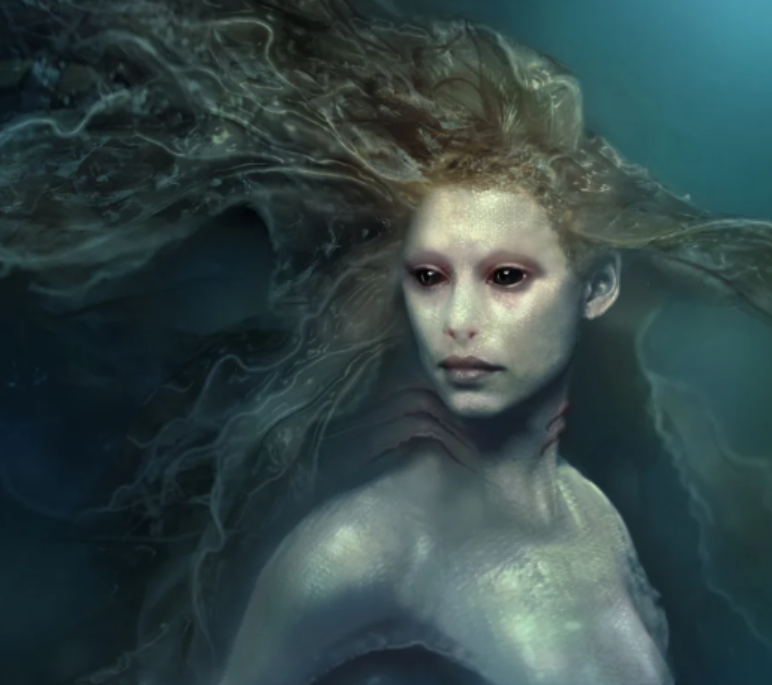
Often confused with mermaids, these classical Greek creatures perched on jagged Mediterranean rocks to lure sailors to their deaths with hypnotic vocal performances. Their irresistible melodies caused captains to crash their vessels directly into hidden shoals, ensuring a swift and watery demise for the entire crew.
Kraken
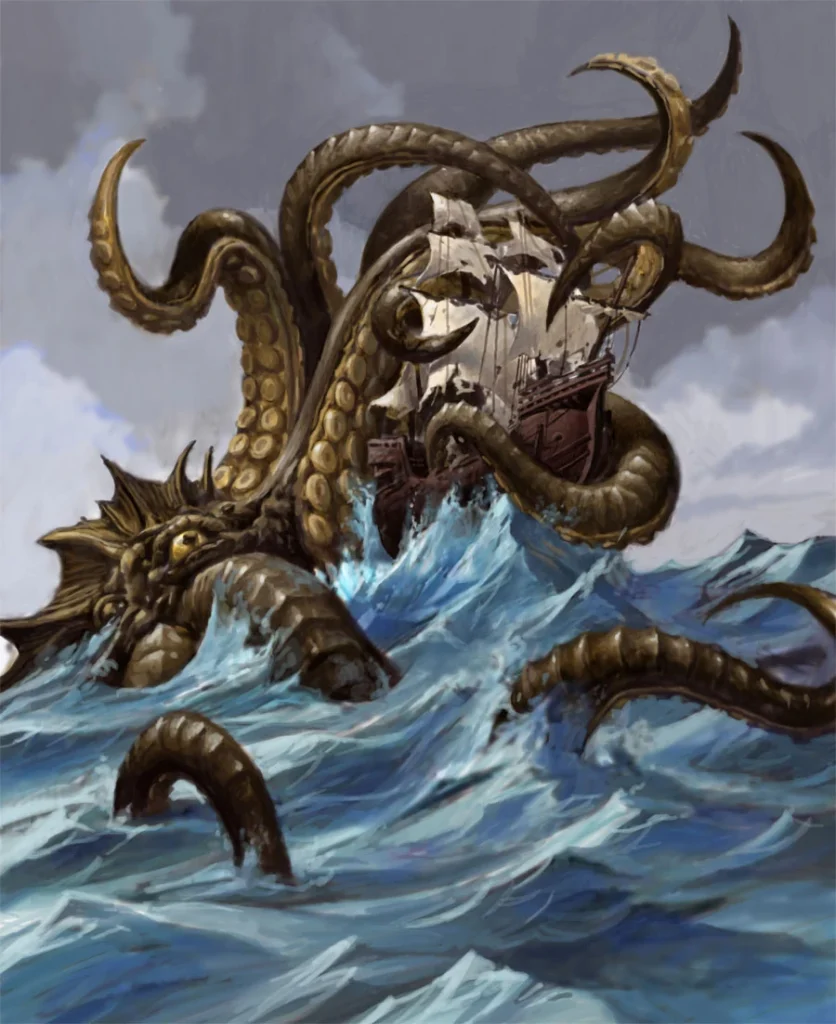
Terrified Nordic mariners documented this monstrous, island-sized cephalopod capable of pulling the largest warships down into the abyssal depths. It would encircle vessels with massive tentacles or create catastrophic whirlpools simply by submerging its enormous body. Real-world encounters with the mysterious giant squid are widely acknowledged as the biological foundation behind this ultimate seafaring nightmare.