A cold chill settles in the room the moment you realize the screen is merely a mirror to our own world. True terror does not breed in the safe minds of Hollywood screenwriters; it waits silently in dusty police archives, historical journals, and the unfiltered memories of survivors. When a film claims to be rooted in actual events, the safety barrier between the audience and the narrative completely dissolves. This list explores 28 cinematic nightmares that drew their narrative lifeblood directly from real-life horrors.
“The Hills Have Eyes” (1977)
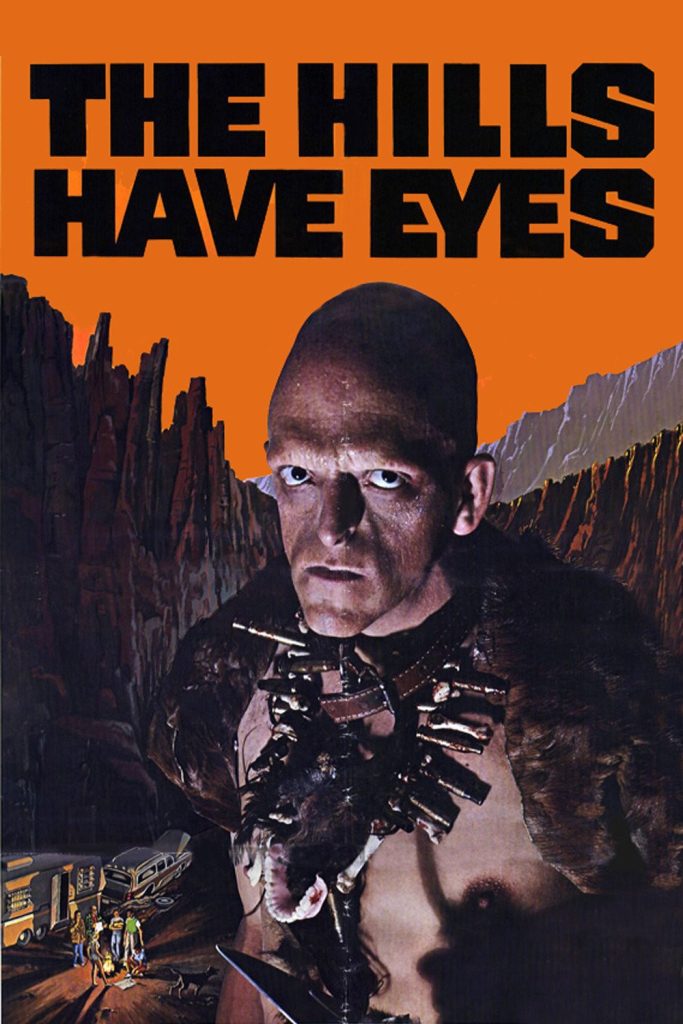
Myth dictates that a 45-member clan executed and consumed over a thousand travelers in 16th-century Scotland. Director Wes Craven found inspiration for his cannibalistic mutant family in this dark historical tale of Sawney Bean. He translated this ancient clan dynamic into the modern American desert landscape to explore the thin veneer of civilized society.
“The Exorcist” (1973)
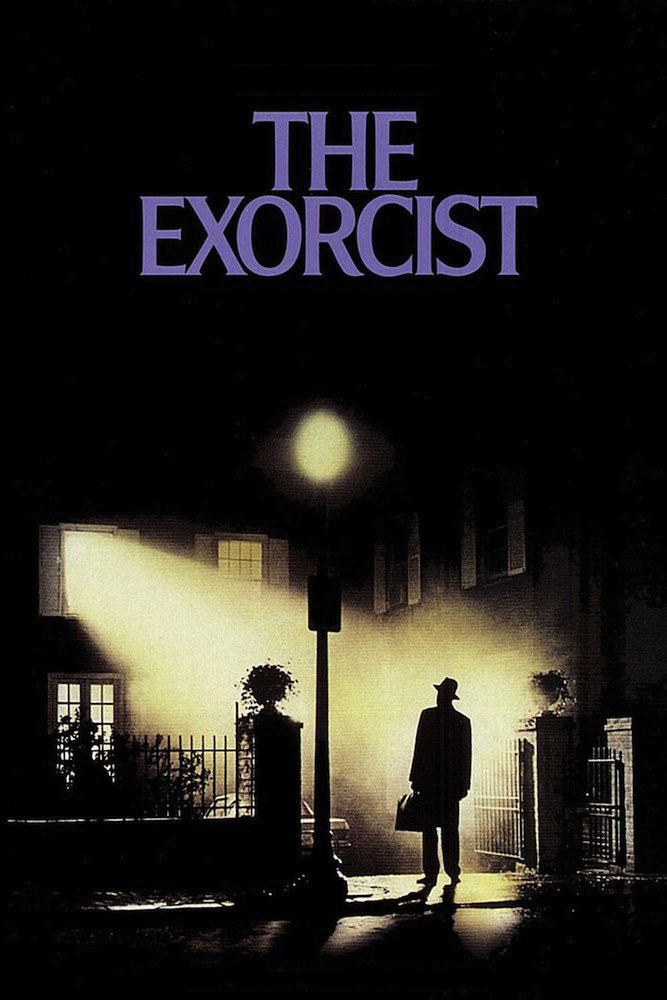
In 1949, priest Raymond J. Bishop documented strange guttural noises and unexplained physical markings during intense rituals performed on a young Maryland boy known as Roland Doe. William Peter Blatty heavily researched this case before drafting his iconic novel, utilizing his proximity to the events while attending Georgetown University. Hospital records later verified that several witnesses experienced severe, lasting psychological distress during the months of intense prayer.
“The Strangers” (2008)
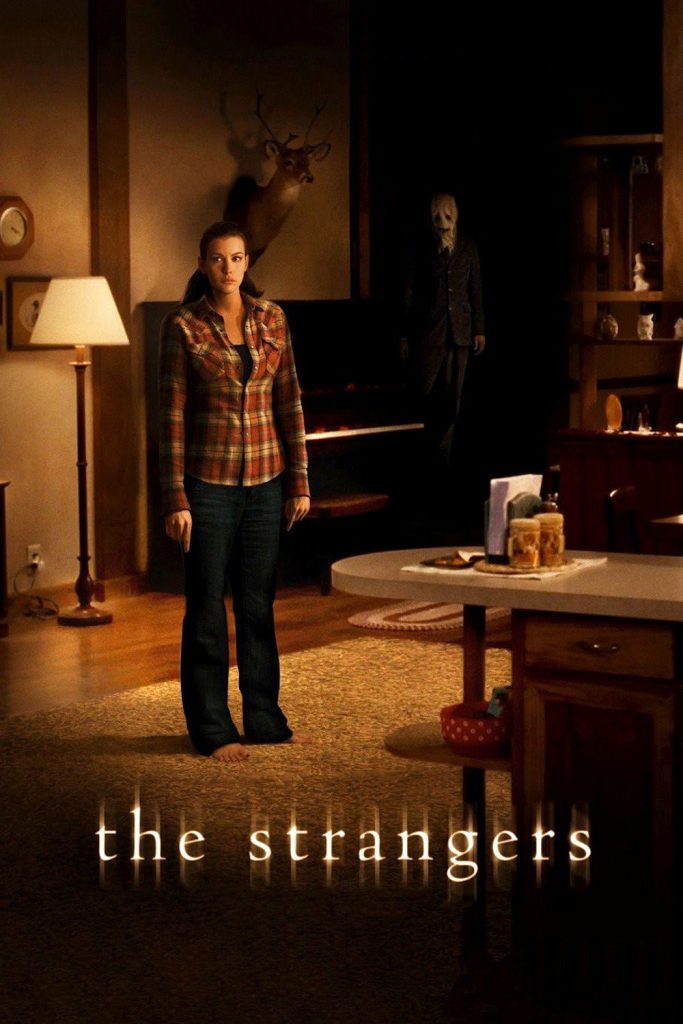
Random violence drives the plot of this home invasion thriller, stripping away any comforting sense of motive. Director Bryan Bertino drew from a series of break-ins that occurred in his own neighborhood during his childhood, combined with chilling details from the Manson Family murders. The simple, terrifying justification given by the masked killers is merely that the victims happened to be home.
“A Nightmare on Elm Street” (1984)
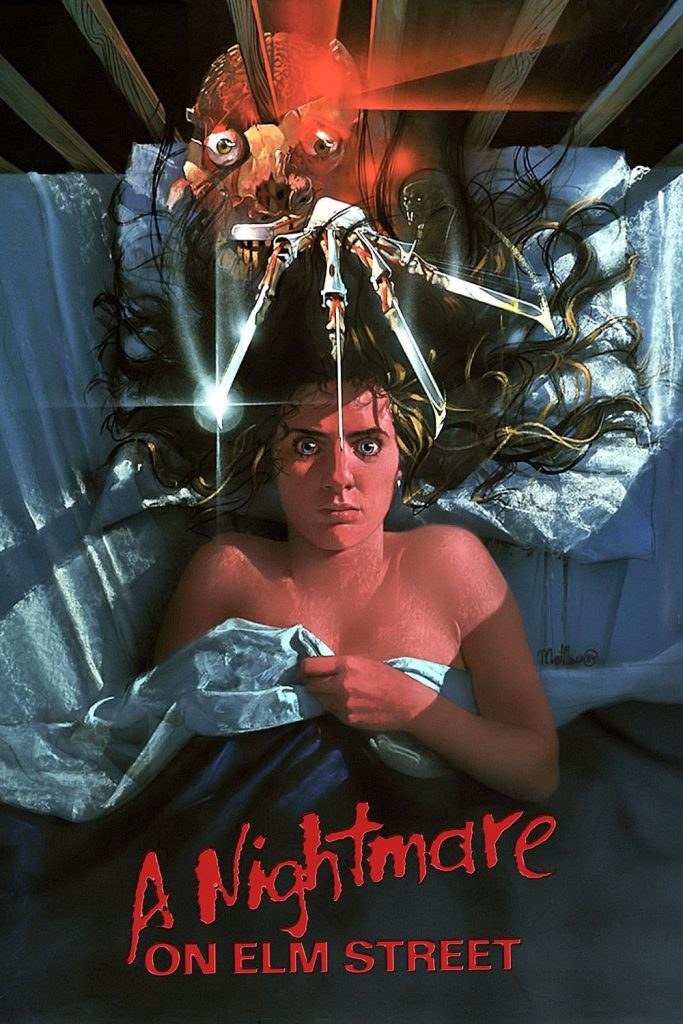
Fleeing the horrors of the Khmer Rouge, several young Southeast Asian refugees mysteriously died in their sleep during the early 1980s. This medical phenomenon was later classified as Sudden Unexplained Nocturnal Death Syndrome. Wes Craven was so struck by these Los Angeles Times reports that he structured his entire supernatural slasher around a dream-dwelling killer. This marked Craven’s second major film on this list to successfully transform real societal anxieties into high-concept horror.
“Psycho” (1960)
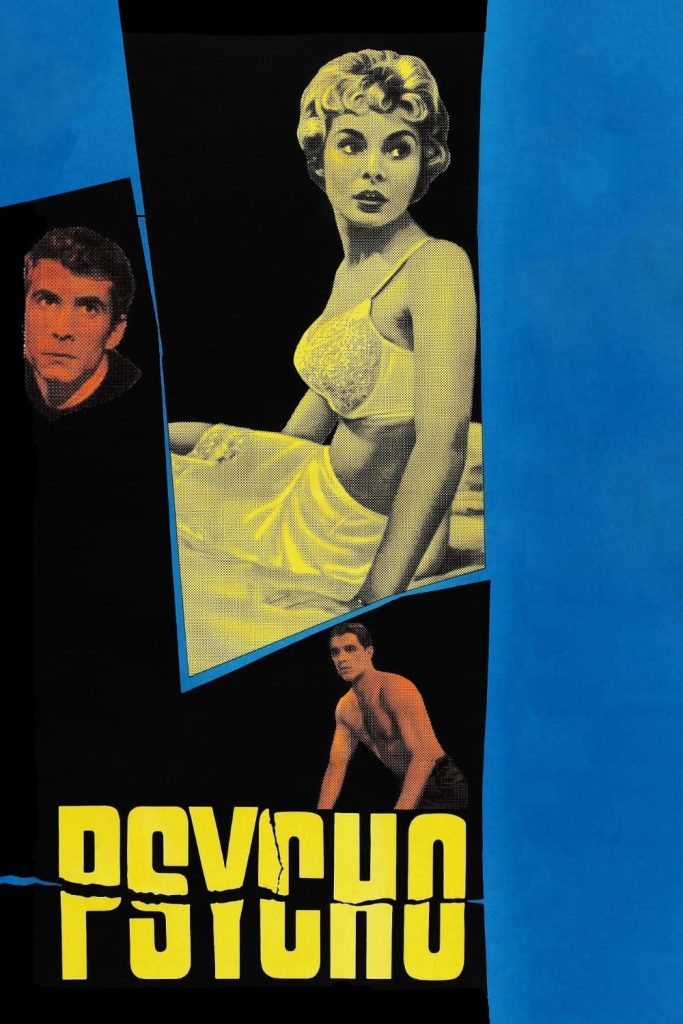
The quiet town of Plainfield, Wisconsin, became the epicenter of true crime history when the macabre deeds of Ed Gein were uncovered. Alfred Hitchcock utilized this case to construct the complex, fractured mind of Norman Bates. Gein maintained an unhealthy, obsessive relationship with his deceased mother while fashioning trophies from human remains. This cinematic milestone permanently shifted Hollywood’s focus from gothic monsters to the dangers lurking next door.
“The Conjuring” (2013)
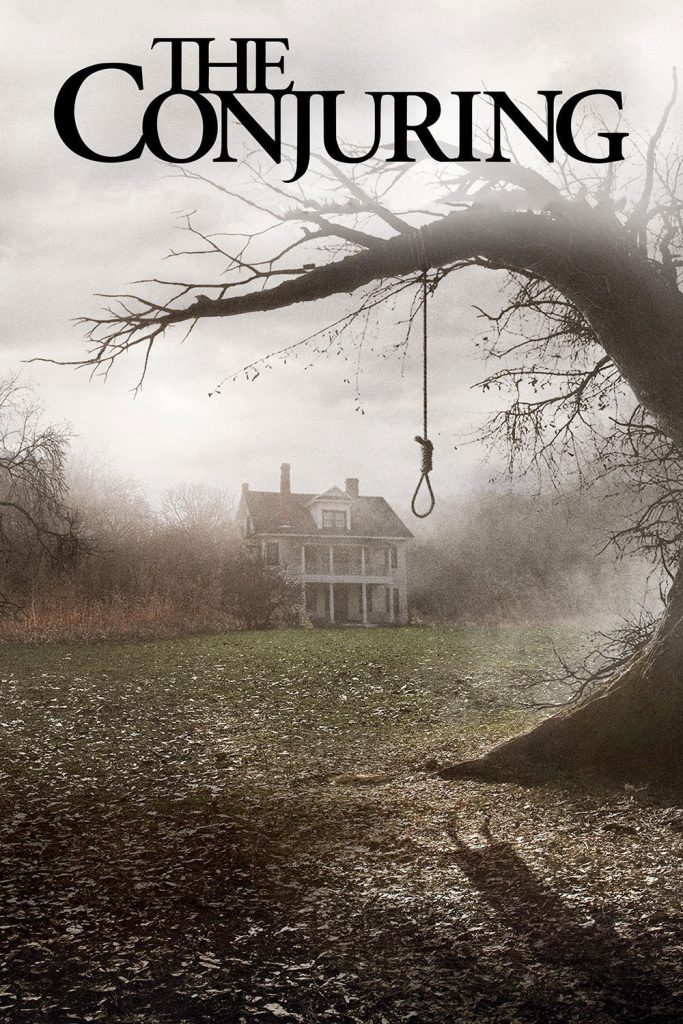
Paranormal investigators Ed and Lorraine Warren entered the global cultural mainstream through their investigation of a haunted Rhode Island farmhouse. The actual property carried a centuries-old history involving multiple suicides and accidental drownings. This production successfully kicked off a massive cinematic universe that remains exceptionally profitable across global box offices.
“The Amityville Horror” (1979)
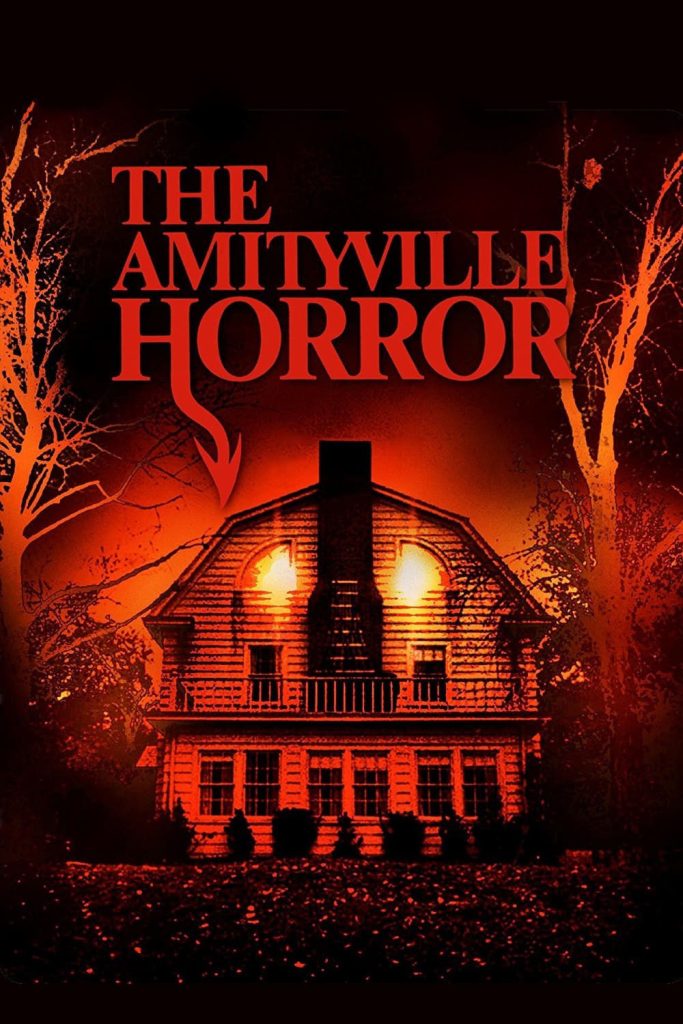
Just thirteen months prior to the Lutz family moving into 112 Ocean Avenue, Ronald DeFeo Jr. shot and killed six members of his family inside the residence. George and Kathleen Lutz fled the property after a mere 28 days, claiming severe paranormal torment. Subsequent owners of the Long Island home have reported absolutely no unusual activity, sparking decades of intense legal battles over the validity of the original claims.
“Jaws” (1975)
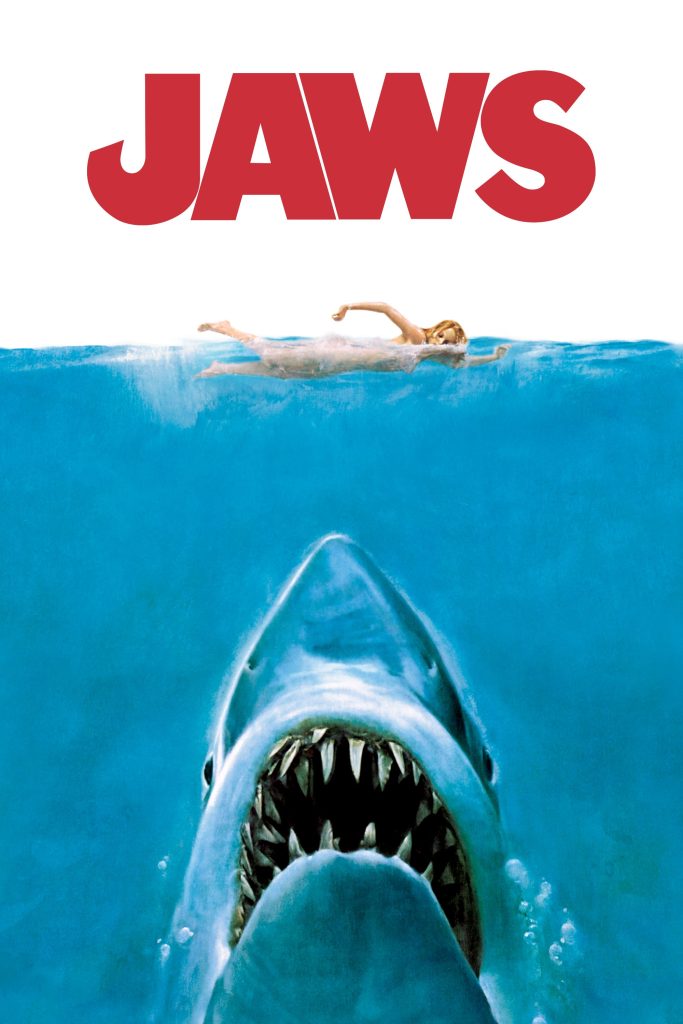
Five people were targeted in New Jersey over a frantic twelve-day period in 1916. Author Peter Benchley thoroughly researched these specific shark attacks before writing the source novel. Steven Spielberg used this premise to create the modern summer blockbuster, forever altering how global beachgoers view the open ocean.
“The Rite” (2011)
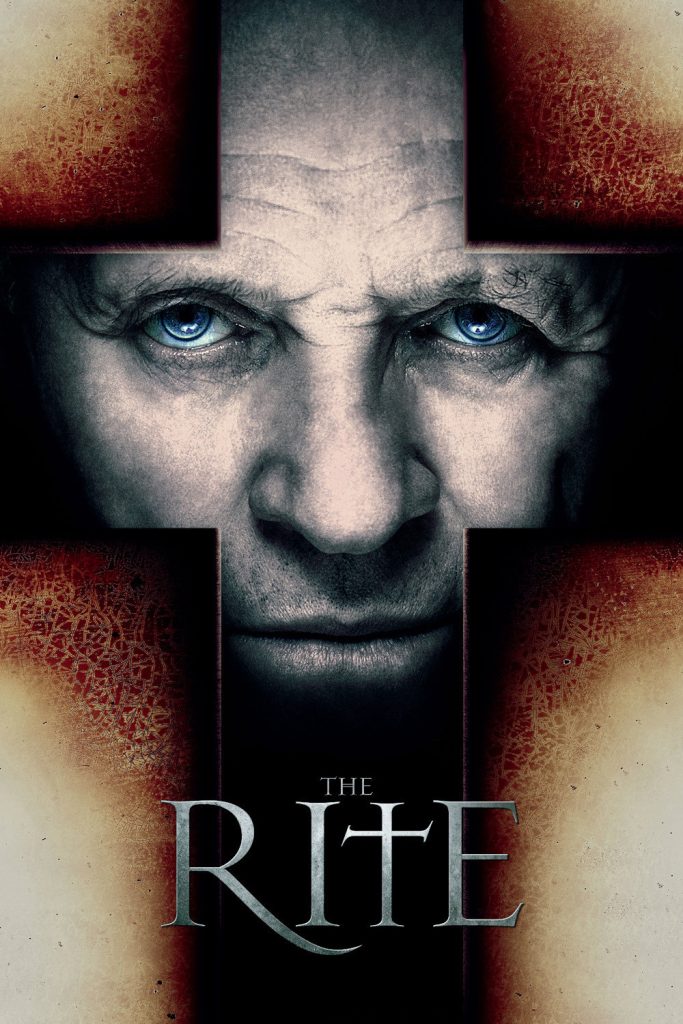
Journalist Matt Baglio followed an American priest training at the Vatican to document the modern reality of exorcisms. Anthony Hopkins stars in the film adaptation of these investigative journals. The real-life subject, Father Gary Thomas, served as a consultant on the set to ensure the liturgical procedures matched his actual experiences in Rome.
“Open Water” (2003)
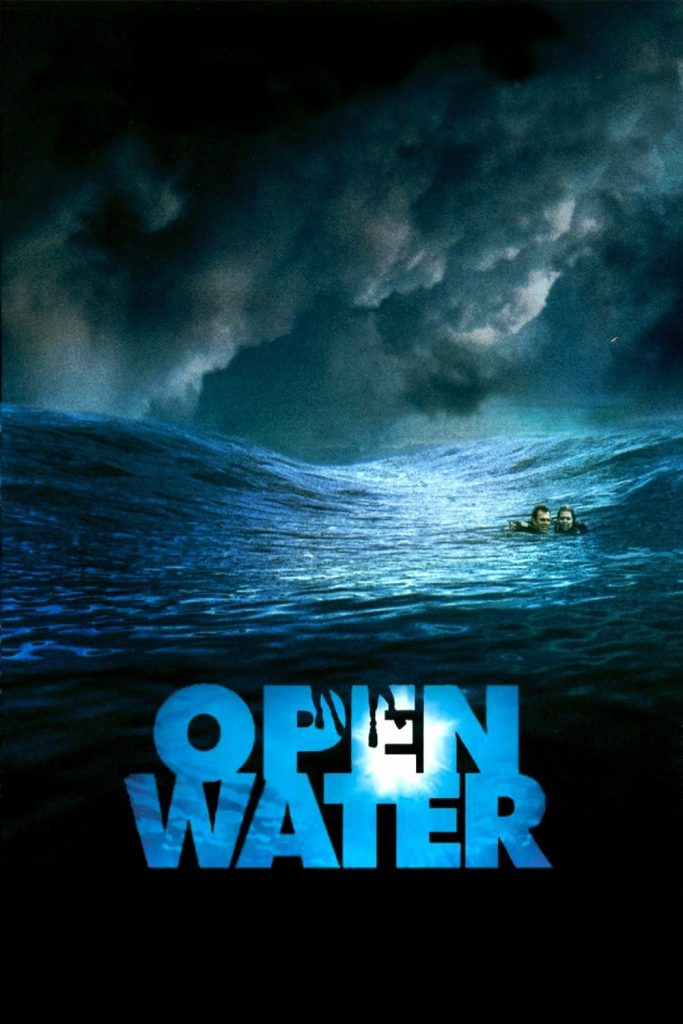
Imagine being accidentally left behind in the Coral Sea by a diving company during a routine excursion. This nightmare befell American tourists Tom and Eileen Lonergan off the coast of Australia. The crew failed to notice their absence until two days later when their personal belongings were discovered on the dive boat. A massive sea search recovered some of their diving gear, but their bodies were never found.
“Wolf Creek” (2005)
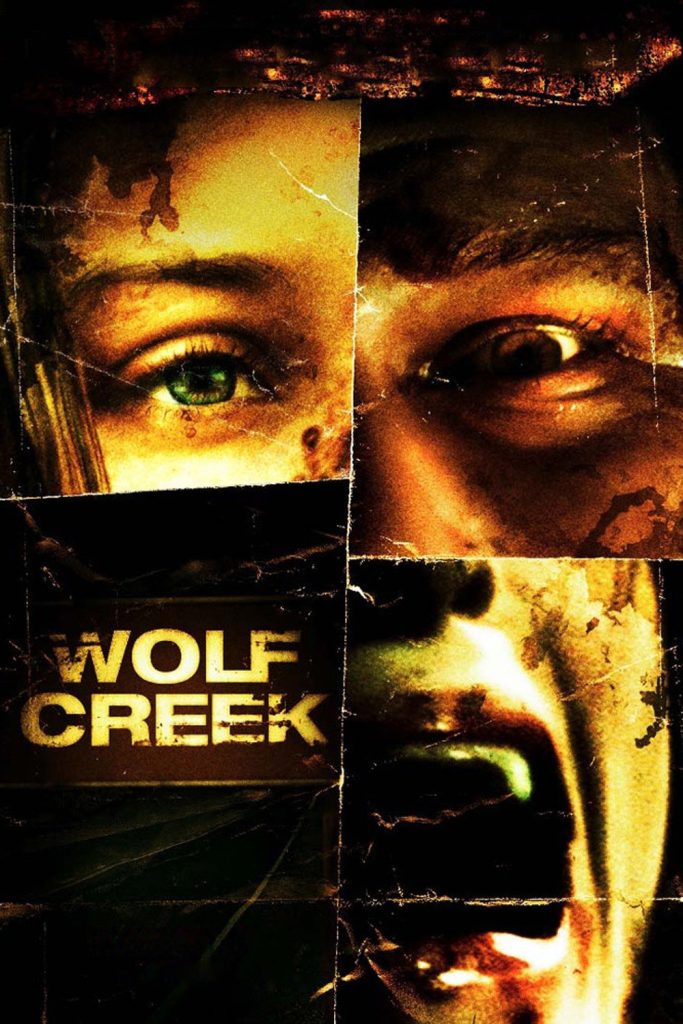
Backpackers traveling through the isolated Australian outback face a terrifying reality in this brutal survival horror. Australian filmmaker Greg McLean structured his narrative around the real-life crimes of murderers Ivan Milat and Bradley John Murdoch. The vast, empty landscape emphasizes the total lack of rescue for international tourists.
“The Changeling” (1980)
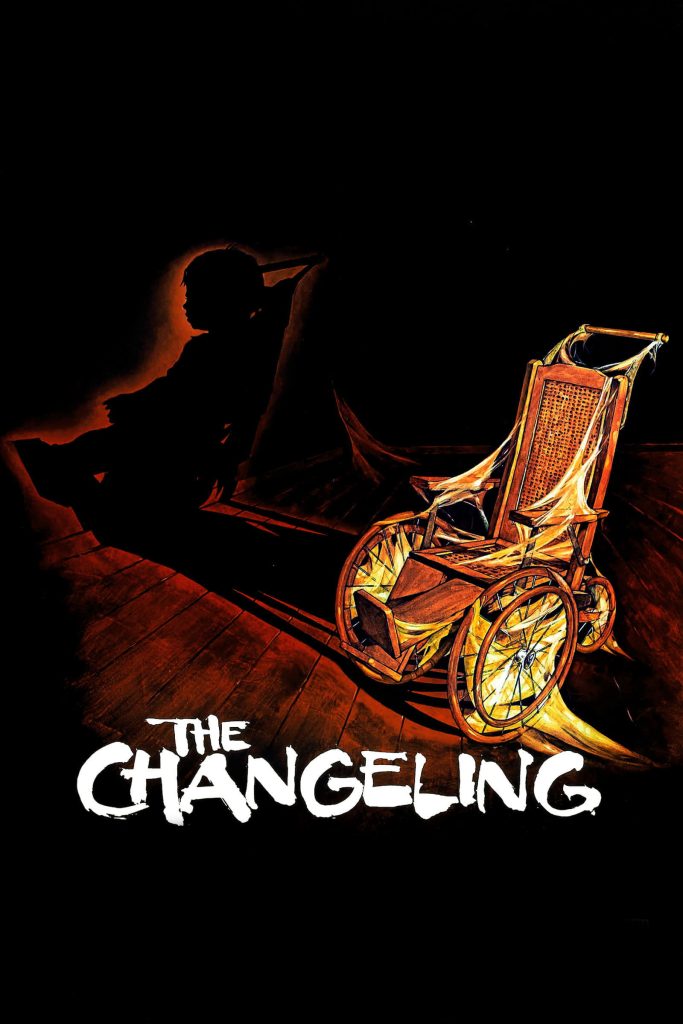
While renting the Henry Treat Rogers mansion in Denver during the late 1960s, writer Russell Hunter reported finding a hidden attic room. Inside the chamber lay the journal of a disabled child who had been hidden away by his wealthy family. Paranormal phenomena, including exploding glass and moving furniture, ceased only after a medium conducted a seance. The mansion itself was demolished shortly after Hunter moved out, preventing any independent architectural verification.
“The Mothman Prophecies” (2002)
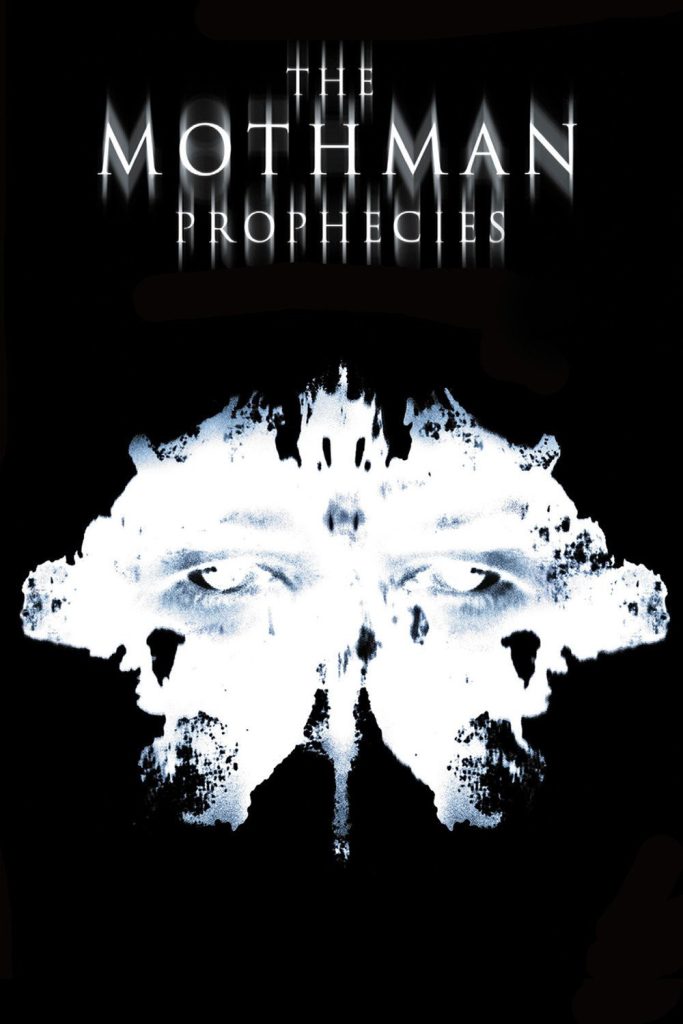
Point Pleasant, West Virginia, became the focus of intense anomalous sightings during the mid-1960s. Local residents reported numerous encounters with a large, winged creature featuring glowing red eyes. Richard Gere portrays a journalist investigating these bizarre events just months before the tragic collapse of the Silver Bridge, which resulted in 46 fatalities.
“Child’s Play” (1988)
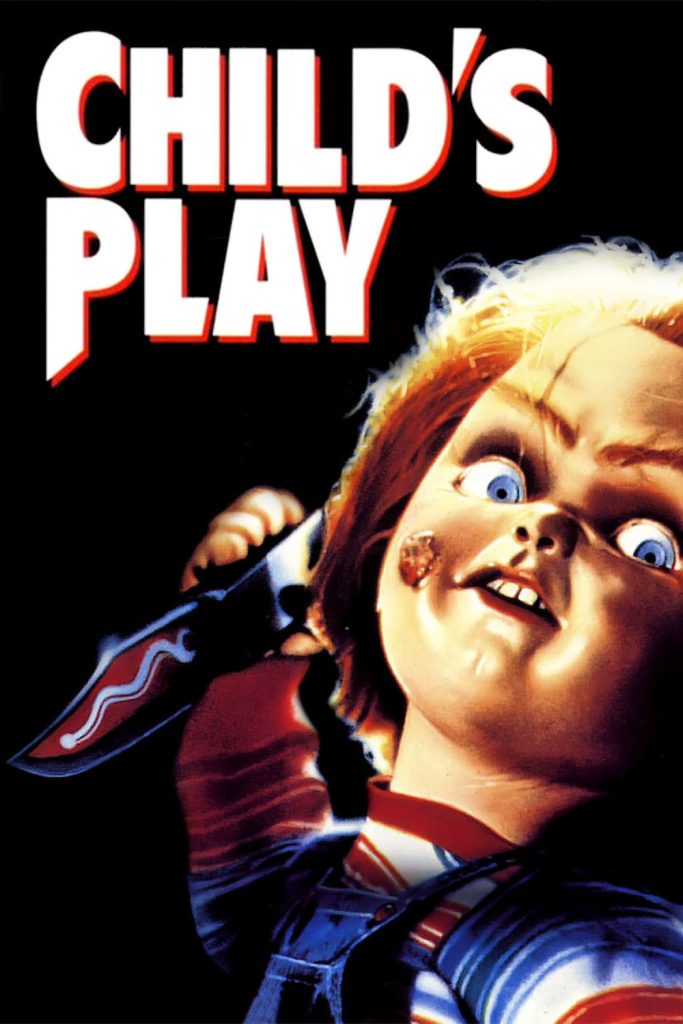
A toy allegedly cursed by a Bahamian servant skilled in voodoo serves as the real-world counterpart to the infamous Chucky. Named Robert, the doll currently resides under glass at the East Martello Museum in Key West. Visitors routinely ask for permission before taking photographs to avoid bad luck.
“The Silence of the Lambs” (1991)
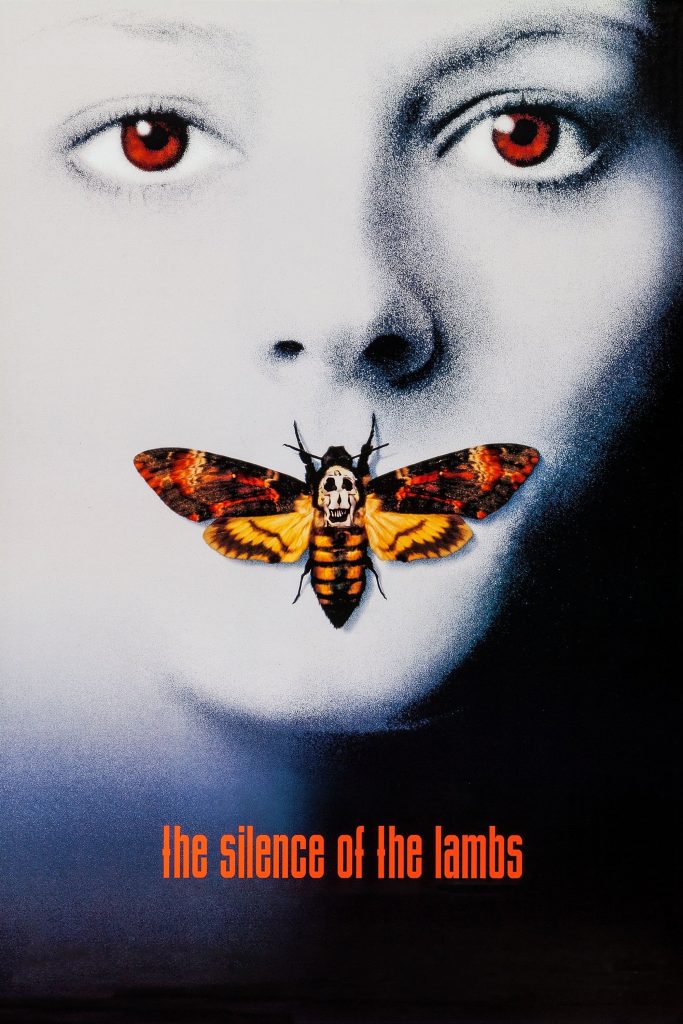
Novelist Thomas Harris constructed the brilliant, monstrous Buffalo Bill by stitching together the traits of several real serial killers. The killer’s methodology of trapping victims in a pit came directly from Gary Heidnik, while his practice of wearing skin was modeled after Ed Gein. Additionally, the tactic of pretending to be injured to lure unsuspecting women into a vehicle was lifted straight from the police files of Ted Bundy. This film went on to become one of the few horror titles to win the Big Five Academy Awards.
“The Entity” (1982)
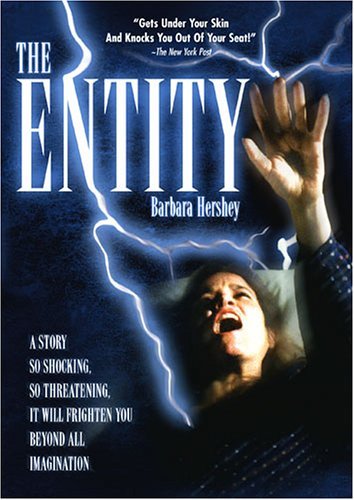
Severe physical agressions by an invisible supernatural force plague a single mother in this controversial feature. The plot adapts the 1974 case of Doris Bither, a California woman whose claims were investigated by paranormal researchers from the University of California, Los Angeles. These investigators photographed strange light anomalies and spectral shapes in the room. Skeptics heavily disputed the findings despite the photographic evidence.
“The Conjuring 2” (2016)
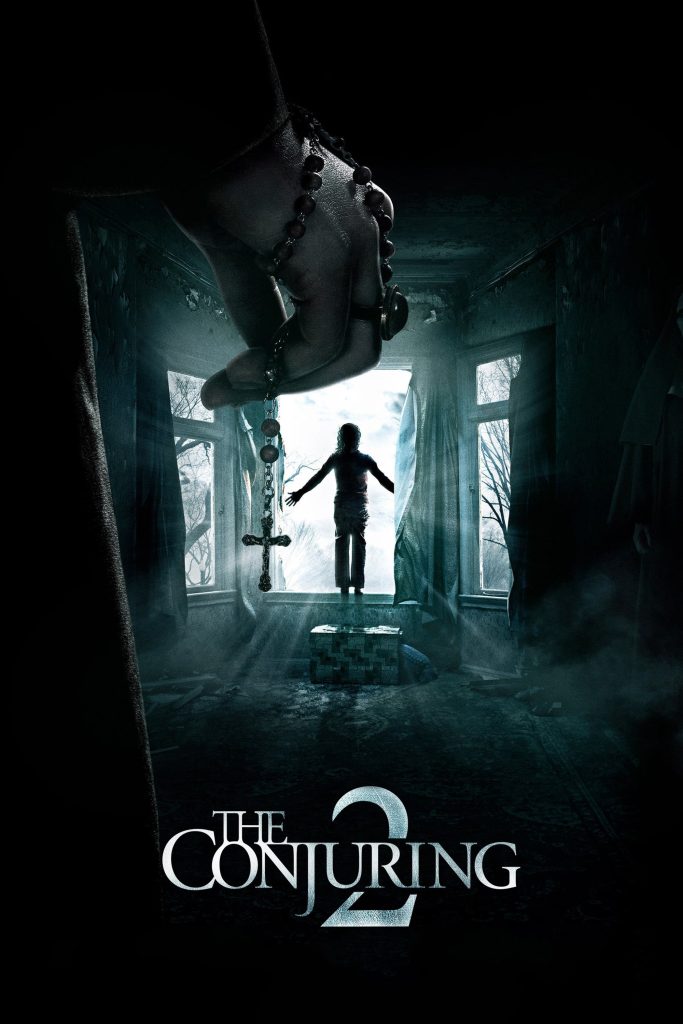
Levitations, disembodied voices, and moving furniture occurred in front of British police officers and journalists during the late 1970s. This incident, known as the Enfield Poltergeist, gripped the British press and became a focal point for investigators Ed and Lorraine Warren. Director James Wan returned to their case files to bring this overseas haunting to life.
“Winchester” (2018)
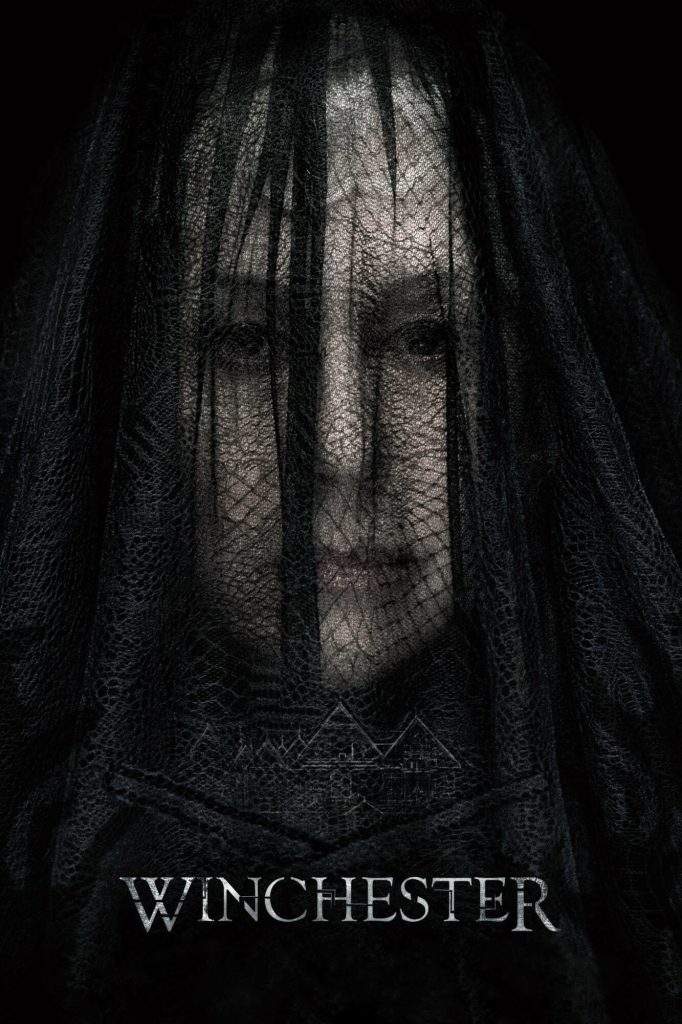
Sarah Winchester, the eccentric heiress to a massive repeating arms fortune, ordered continuous, round-the-clock construction on her California mansion for thirty-eight years. Convinced she was haunted by the spirits of those killed by the famous rifle, she built an architectural maze featuring doors that open into brick walls and staircases that lead directly to the ceiling. Today, the bizarre mansion remains a major historical landmark that attracts thousands of curious tourists annually.
“Ravenous” (1999)
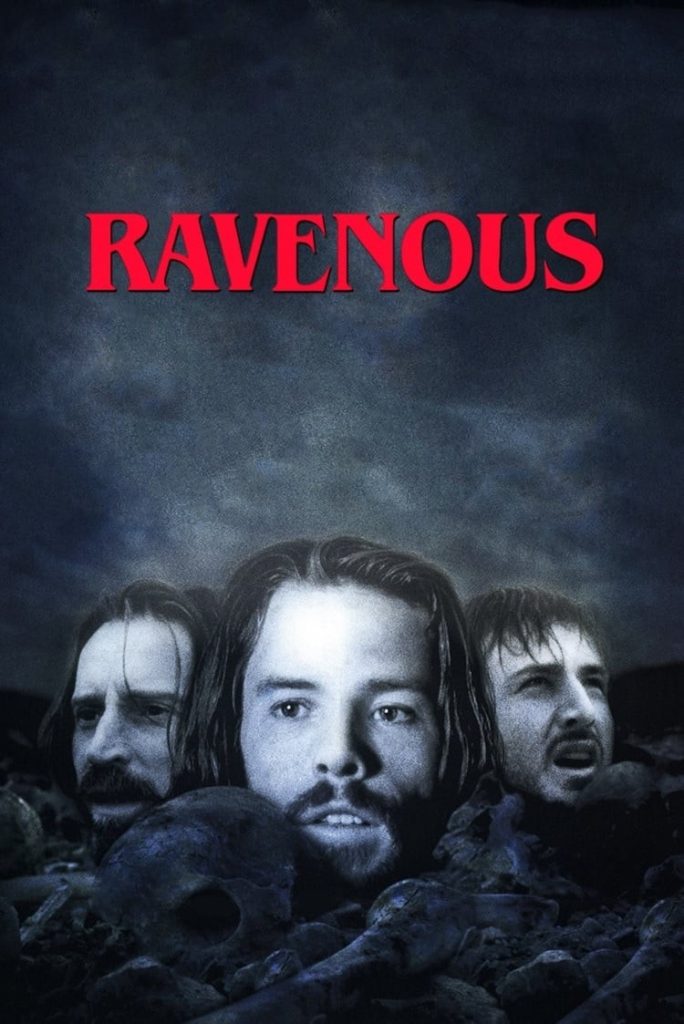
Alferd Packer, a nineteenth-century American prospector, confessed to consuming his companions to survive after becoming trapped by heavy snow in the Rocky Mountains. This dark, atmospheric thriller draws heavily from that historical tragedy. The film cleverly infuses Packer’s ordeal with the Native American myth of the Wendigo to explore themes of greed and consumption.
“The Sacrament” (2013)
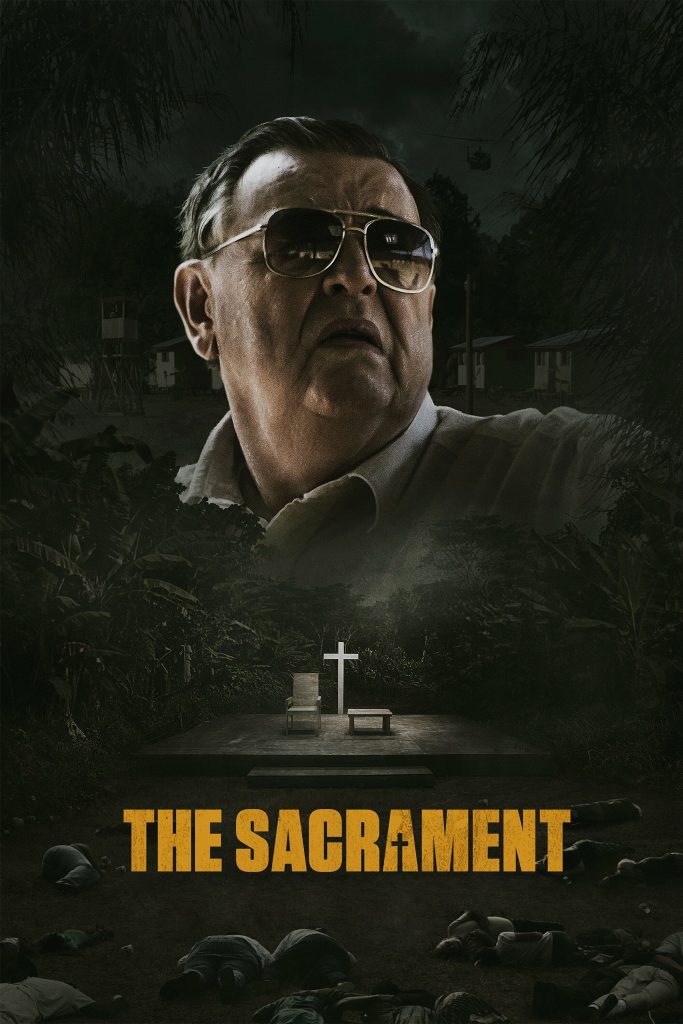
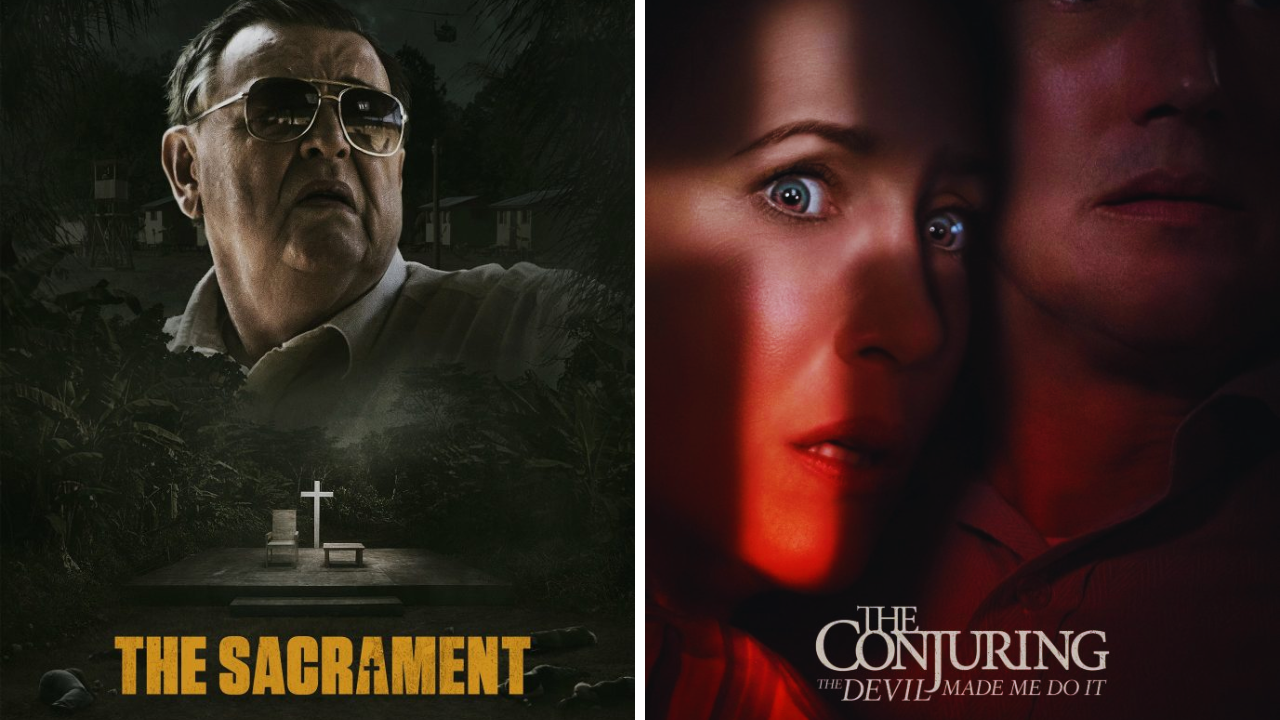
Over nine hundred people lost their lives under the instructions of religious leader Jim Jones in 1978. Ti West utilized the found-footage format to recreate the harrowing final days of the Peoples Temple cult in Guyana. The narrative closely shadows this real tragedy through a modern, fictionalized lens.
“Dead Ringers” (1988)
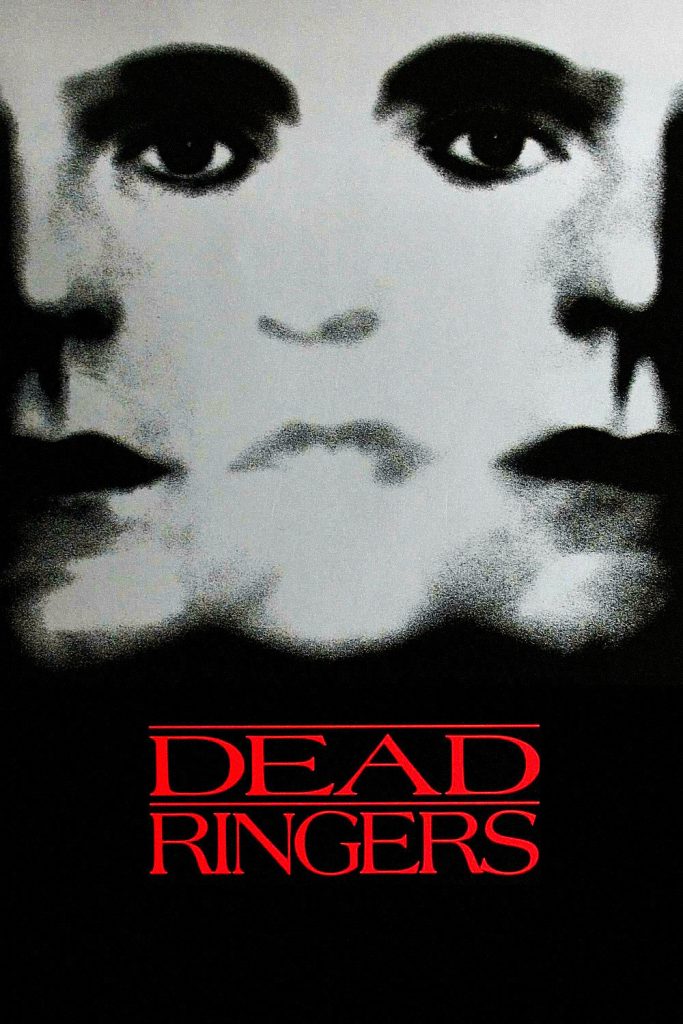
Stewart and Cyril Marcus were highly successful twin gynecologists practicing in New York City until they developed severe dependencies on barbiturates. Their erratic behavior eventually culminated in both being found dead together in their cluttered apartment under bizarre circumstances involving sudden withdrawal. David Cronenberg directed this psychological drama based on their tragic downfall, with Jeremy Irons earning critical acclaim for playing both brothers.
“Henry: Portrait of a Serial Killer” (1986)
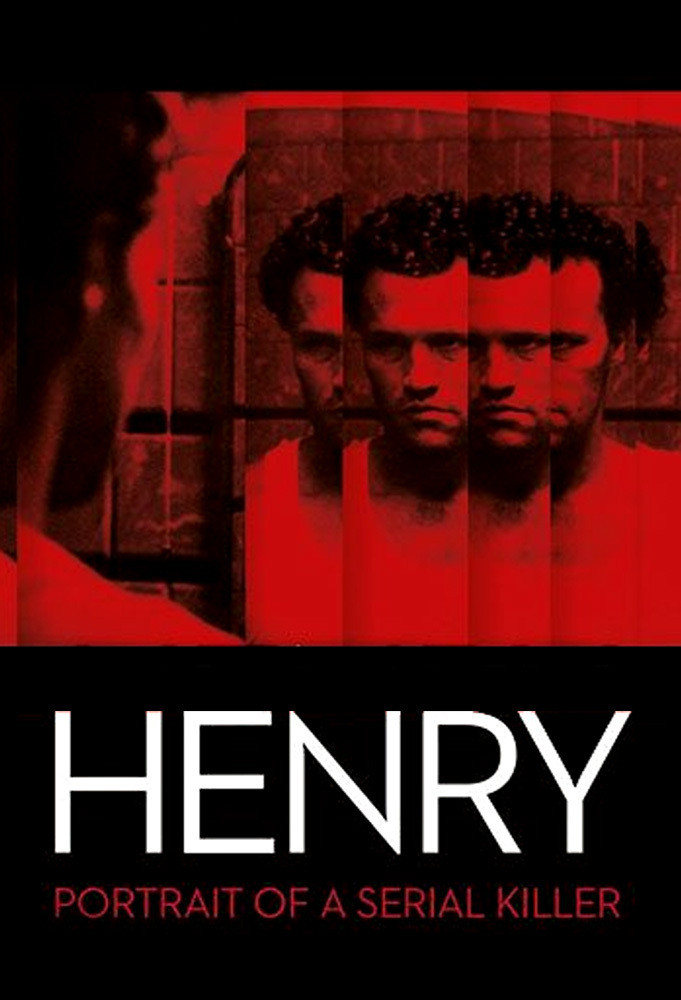
Cold, unblinking depictions of urban violence shocked audiences upon the release of this gritty character study. The script focuses on the life and confessions of Henry Lee Lucas, one of the most prolific murderers in American history. The film attracted intense controversy and censorship due to its refusal to offer moral resolution.
“Deliver Us from Evil” (2014)
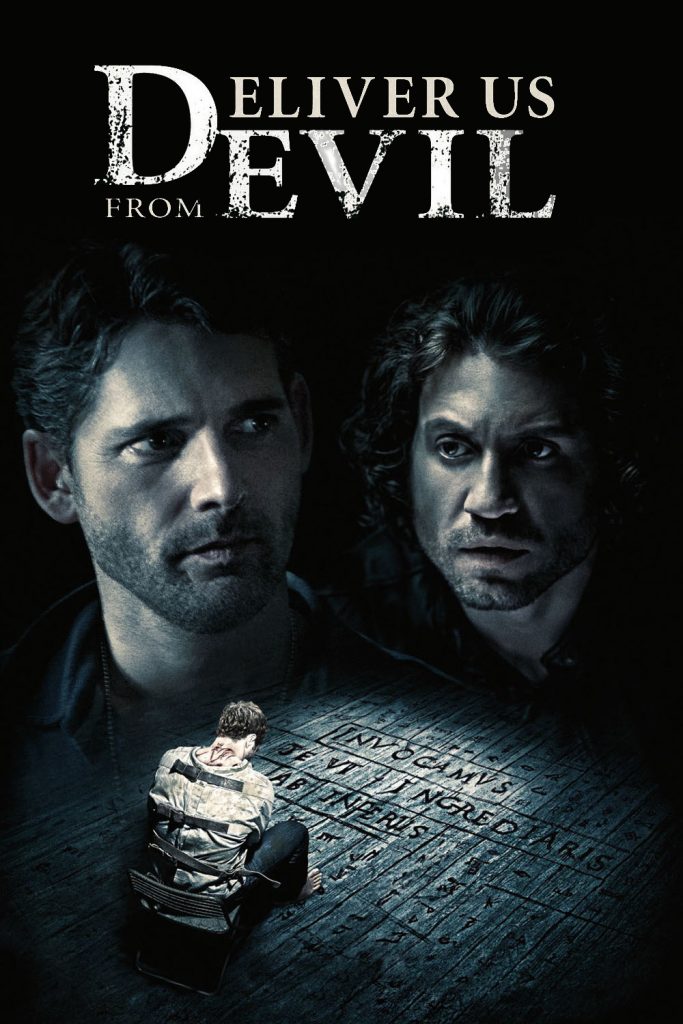
Ralph Sarchie, a real New York City police sergeant, published a memoir about his secondary career as a demonologist. Eric Bana portrays Sarchie in a script that blends standard police procedural elements with supernatural occurrences investigated in the South Bronx.
“The Conjuring: The Devil Made Me Do It” (2021)
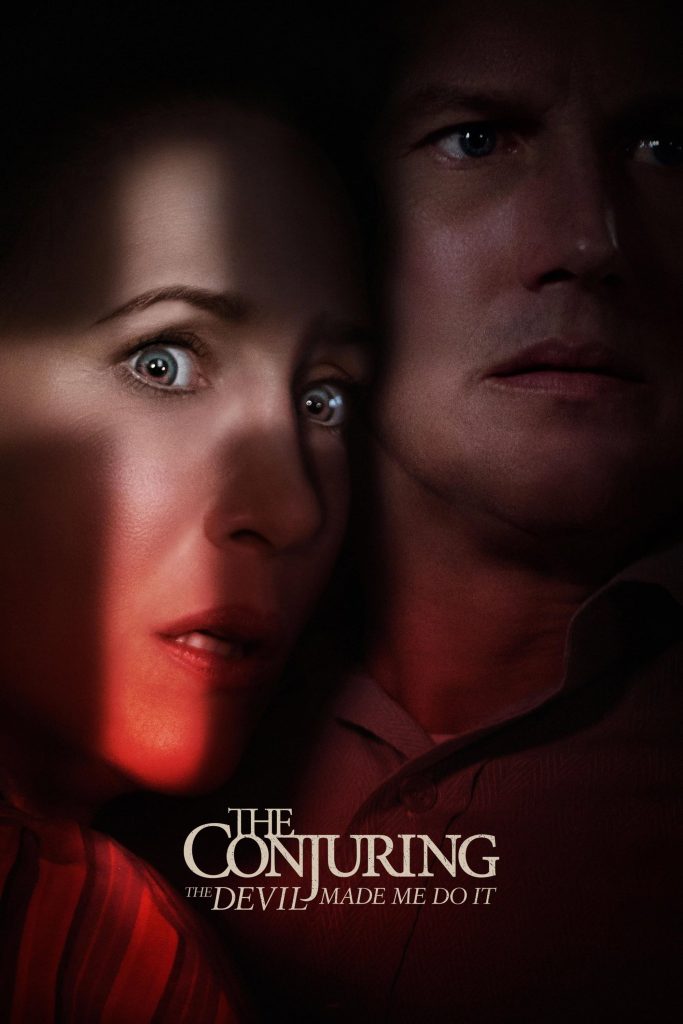
For the first time in United States history, a defense attorney attempted to prove innocence based on demonic possession. This third installment of the franchise covers the 1981 murder trial of Arne Cheyenne Johnson in Connecticut. Johnson stabbed his landlord during a heated argument, claiming he was under the influence of a demonic entity that investigators Ed and Lorraine Warren had previously encountered. The judge ultimately threw out the defense, and Johnson served several years in a correctional facility.
“The Girl Next Door” (2007)
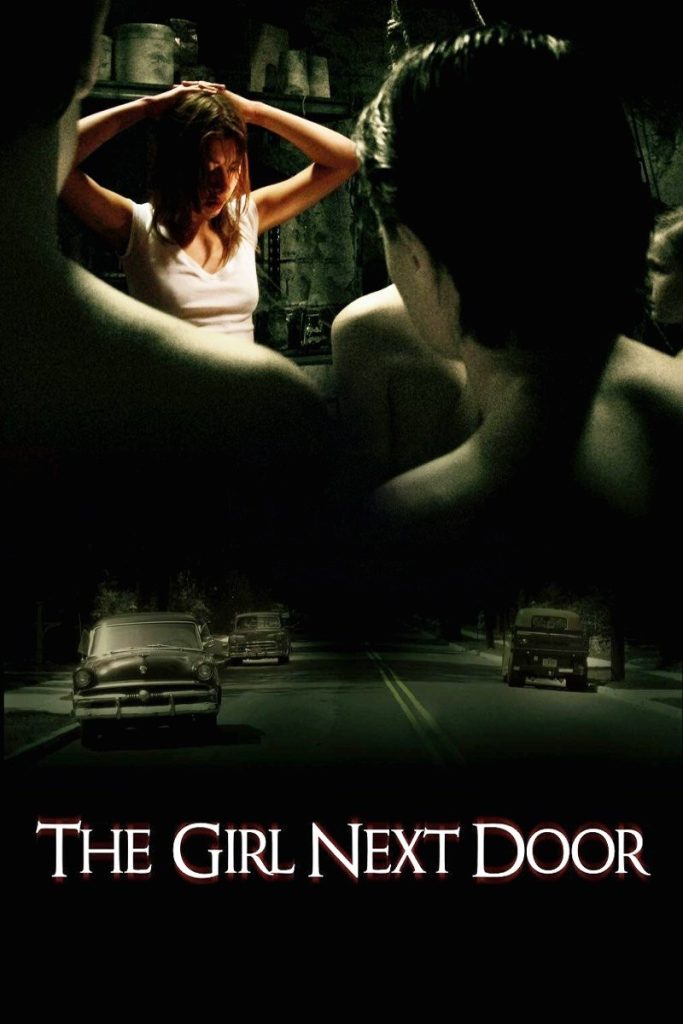
The 1965 torture and murder of Sylvia Likens in Indiana remains one of the most shocking instances of collective cruelty in American criminal history. Likens was left in the care of a neighbor who, along with several neighborhood children, subjected the teenager to prolonged physical violence. This harrowing film adapts a novel by Jack Ketchum based on the case.
“Fire in the Sky” (1993)
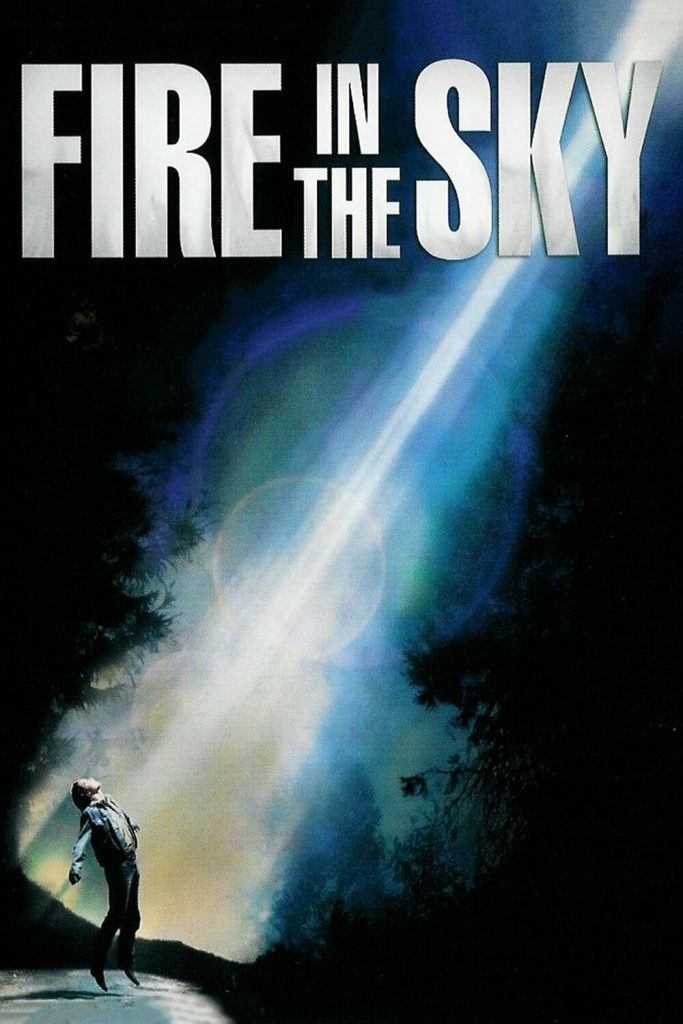
Logging crew member Travis Walton disappeared for five days in 1975 after he and his coworkers allegedly encountered a metallic saucer in the Arizona wilderness. His sudden reappearance fueled intense national debate, as Walton insisted he had been subjected to harrowing medical experiments by extraterrestrial beings while his friends were initially viewed as suspects in a potential murder. Skeptics continue to label the entire incident a coordinated hoax designed to secure fame, leaving the true nature of the event permanently shrouded in mystery.
“Deranged” (1974)
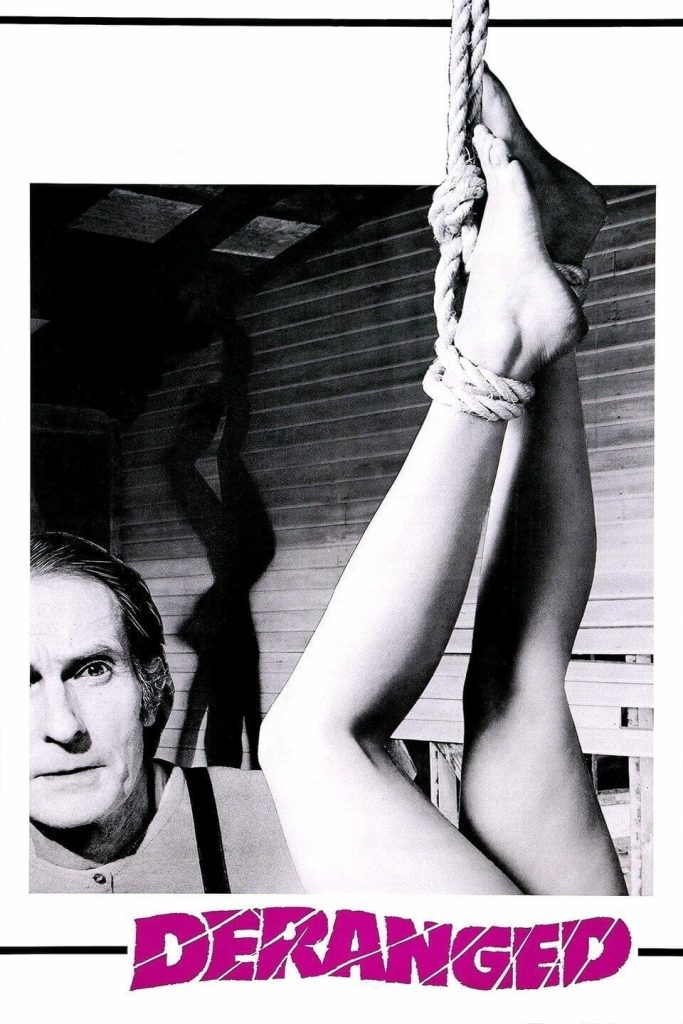
Released the exact same year as “The Texas Chain Saw Massacre”, this film offers an explicit, thinly veiled retelling of the Ed Gein crimes. Roberts Blossom stars as Ezra Cobb, a middle-aged rural resident who begins robbing graves and murdering local women following his mother’s death. This production remains a cult classic for its accurate adherence to the actual police reports.
“Veronica” (2017)
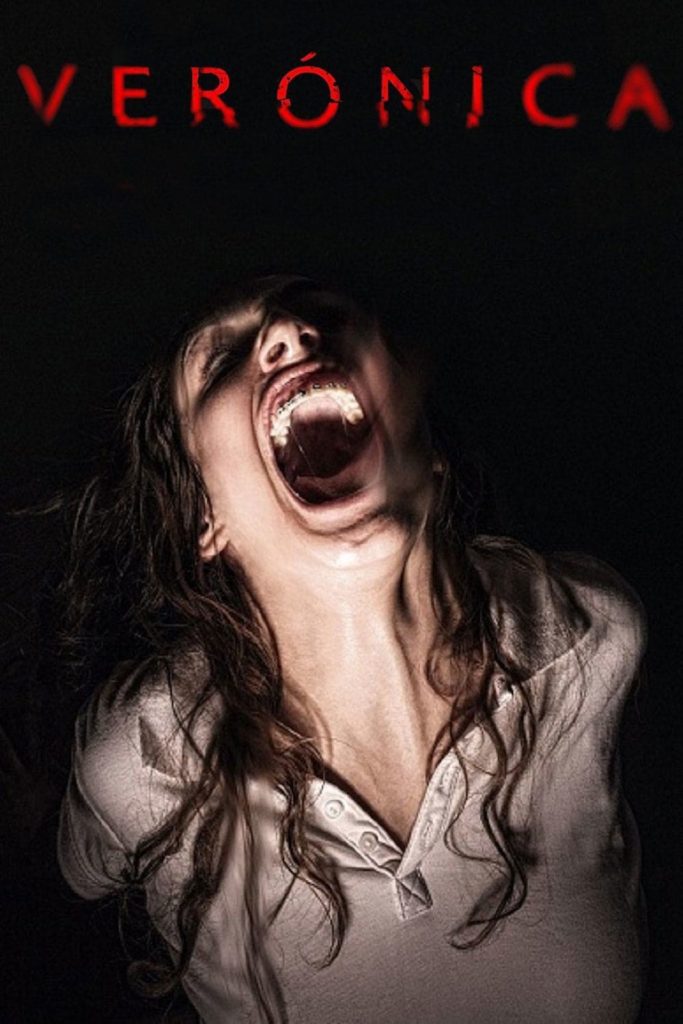
A standard Madrid police report took a terrifying turn in 1992 when a veteran officer formally signed a document confirming he witnessed supernatural activity inside a crime scene. Directed by Paco Plaza, this Spanish horror masterpiece chronicles a teenage girl who experiences malevolent paranormal activity after playing with an Ouija board. It stands as the only official police file in Spain to formally recognize paranormal intervention.