Life in the ’60s and ’70s was a lot different from today. From fashion trends to everyday habits, things we now find strange were completely normal back then. Here are 27 things people did, wore, or believed that defined everyday life in those iconic decades.
Leftovers for Breakfast Were Mandatory

Refusing dinner wasn’t just frowned upon; it had consequences. Whatever was left on your plate would often reappear the next morning for breakfast. The “waste not, want not” mindset was drilled into kids, and few parents hesitated to make you face cold peas before school.
Answer the Phone Like a Proper Adult
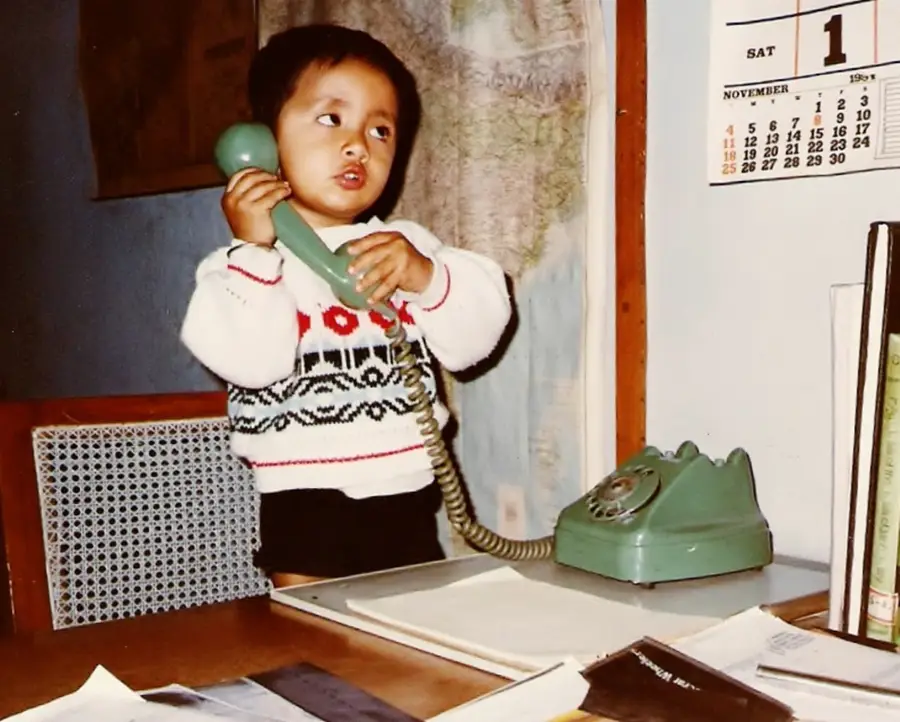
Before caller ID, answering the phone politely was serious business. You never knew who might be on the line, so kids were drilled to respond with “Hello, *insert last name* residence” rather than a lazy “Yeah?” Today, most calls go straight to voicemail, and manners are optional.
Dad’s Recliner Was Sacred
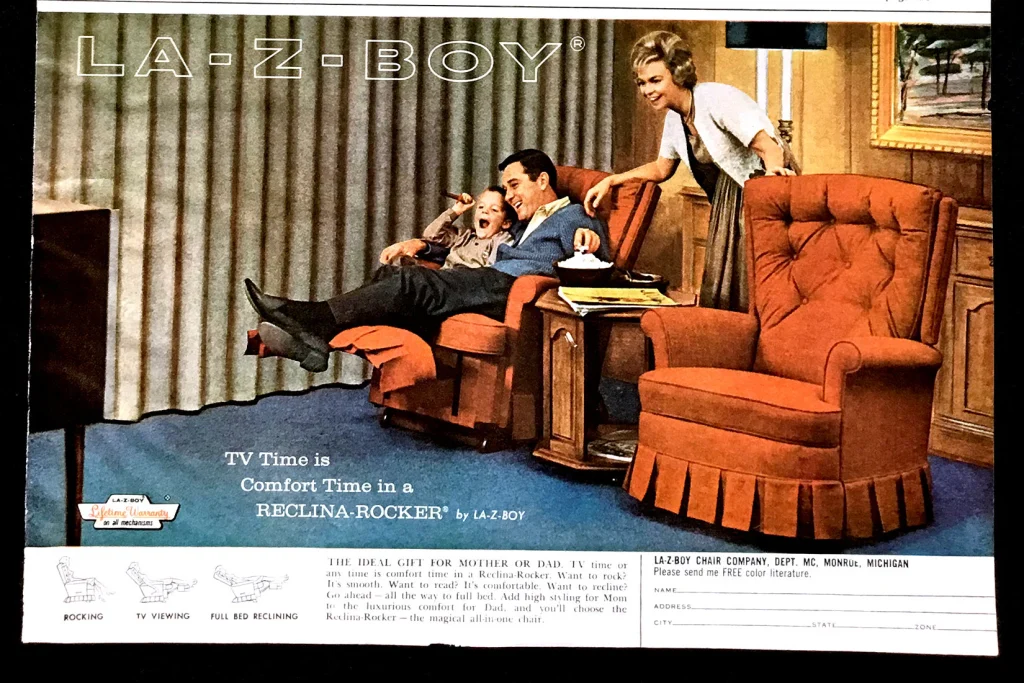
Every household had The Chair, usually a worn-out recliner reserved exclusively for Dad. No matter how crowded the room, everyone else avoided it. Furniture rules have relaxed since then, but back in the day, that chair was untouchable.
Silence for the Evening News
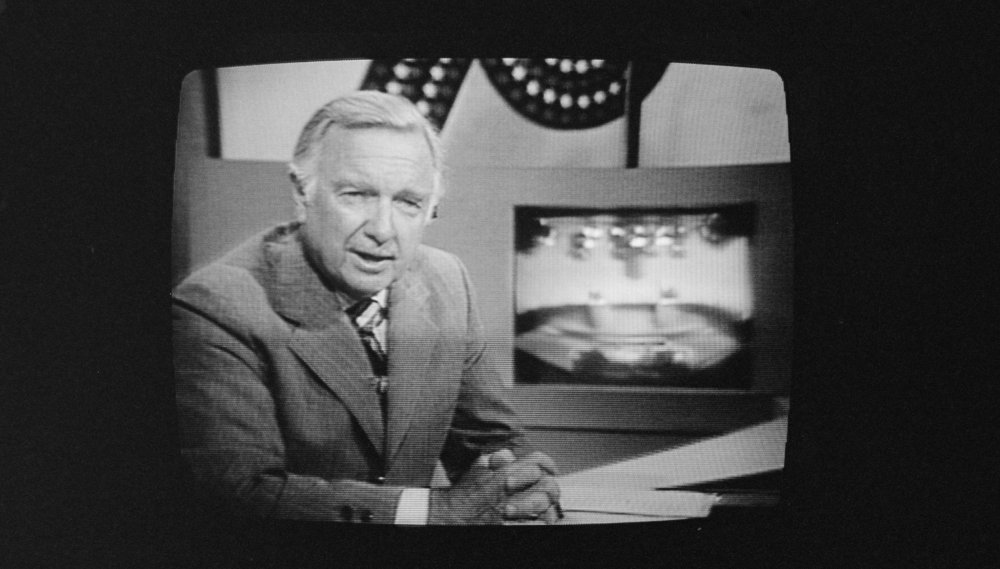
When Dad watched the news, the house went quiet. No running, no talking, no questions. Anchors like Walter Cronkite commanded absolute respect, and interrupting was a surefire way to get The Look.
Corded Phones Were Treacherous Toys
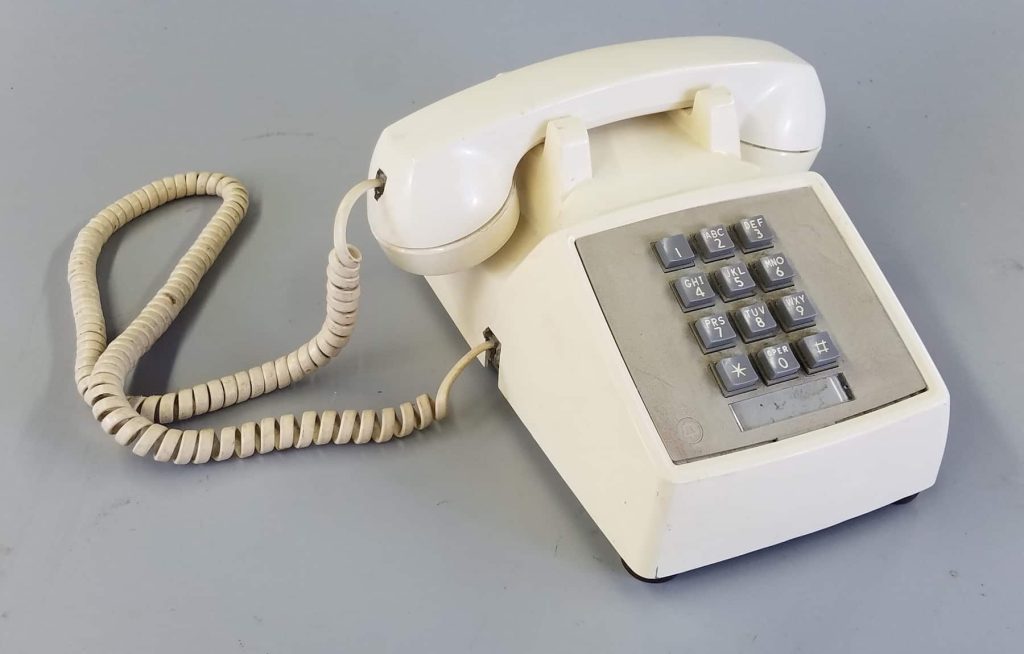
Twisting or stretching the corded phone was irresistible, but every parent warned against it. Kids quickly learned the frustration of untangling a knotted cord, a puzzle most of us survived with minor scars.
No Long-Distance Calls Unless It’s an Emergency
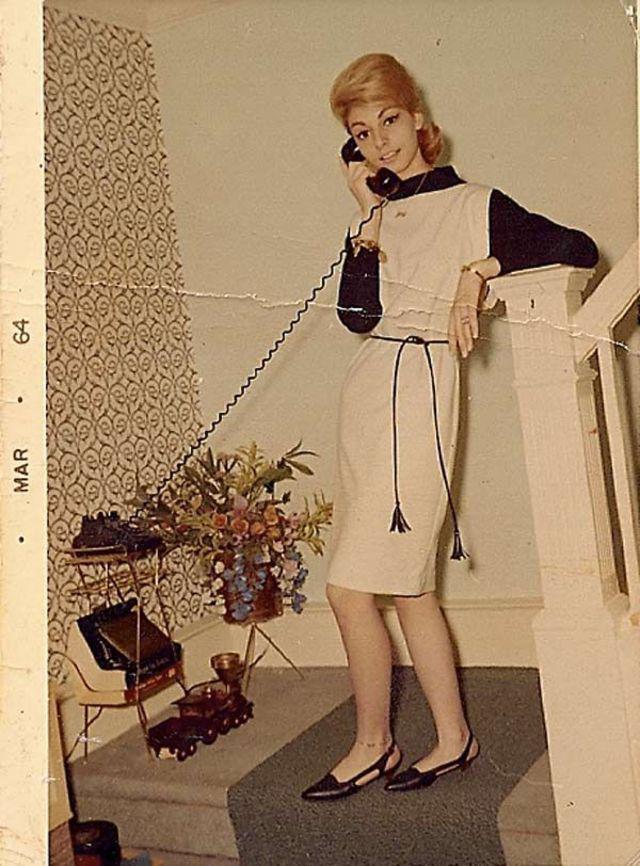
Long-distance calls were expensive. Families limited them to special occasions or a true emergency. The idea of unlimited talking across state lines was unimaginable.
Playing with Mercury and Lead Was Okay

Broken thermometers and chemistry sets meant tiny amounts of mercury or lead were fair game. Safety protocols were minimal, and kids experimented freely; thankfully, most survived.
Riding Bikes Without Helmets
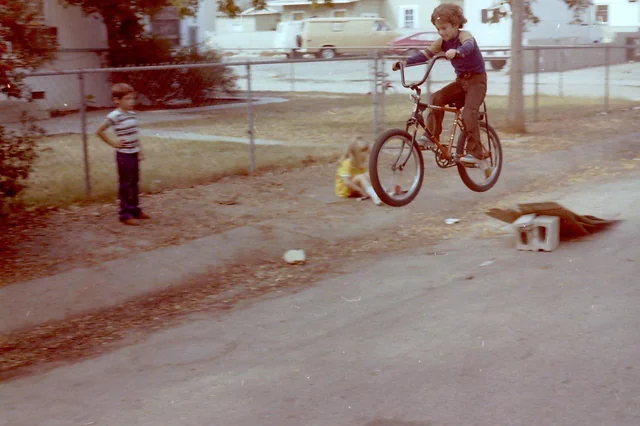
Gravel roads and speedy rides were part of childhood, and helmets were practically unheard of. Scrapes and bruises were badges of honor, not reasons for panic.
Smoking Indoors Was Normal
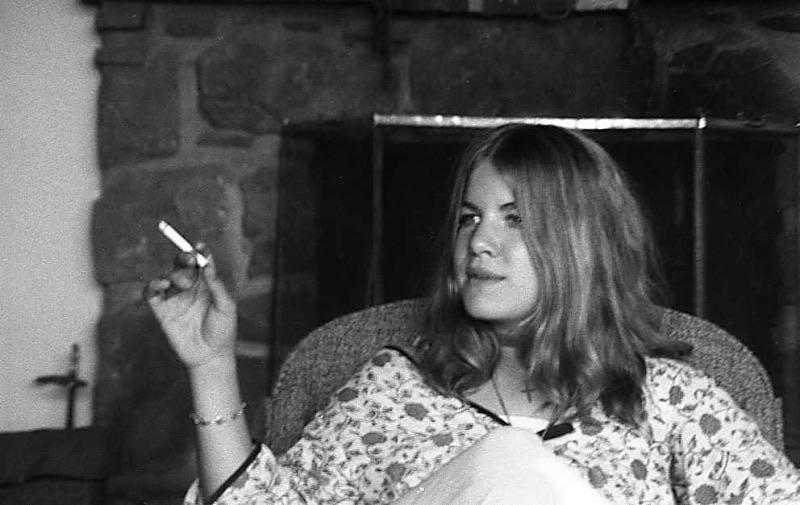
Cigarettes were lit everywhere, in homes, cars, and restaurants. Ashtrays were everywhere, and nobody questioned it. Living in a smoke haze was just life back then.
Record Stores Were Sacred Hangouts
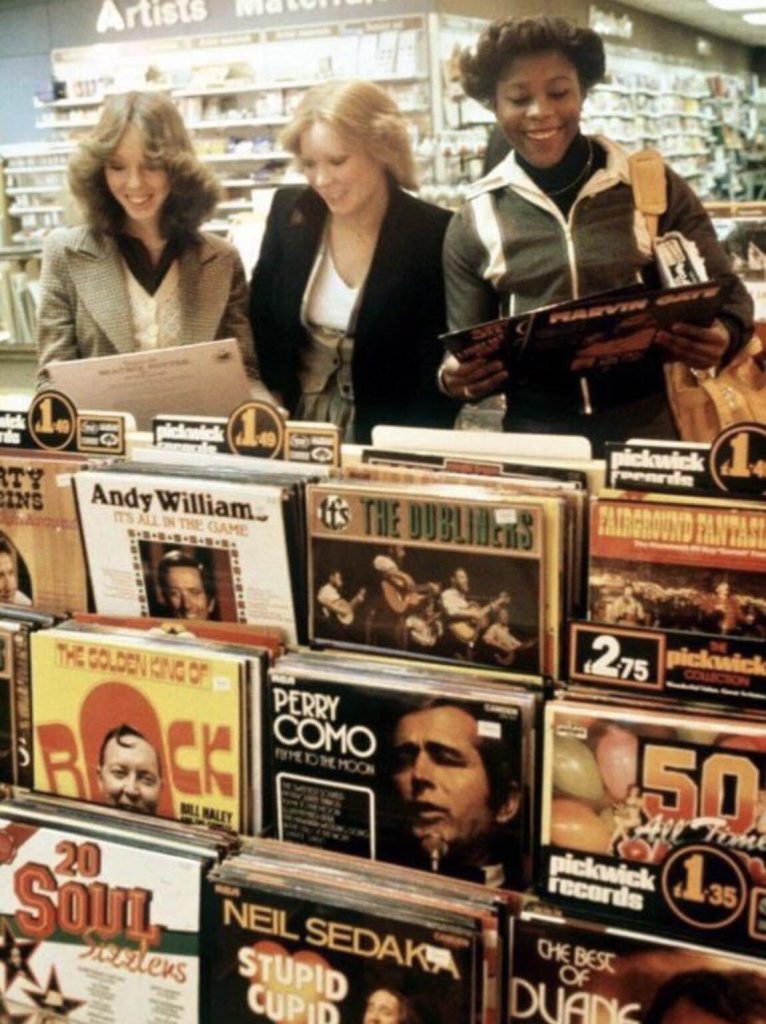
Kids spent hours flipping through albums, listening to music, and saving allowance for new records. Music wasn’t just background; it was an event, a cultural connection, and a serious commitment.
Neighborhood Phone Trees
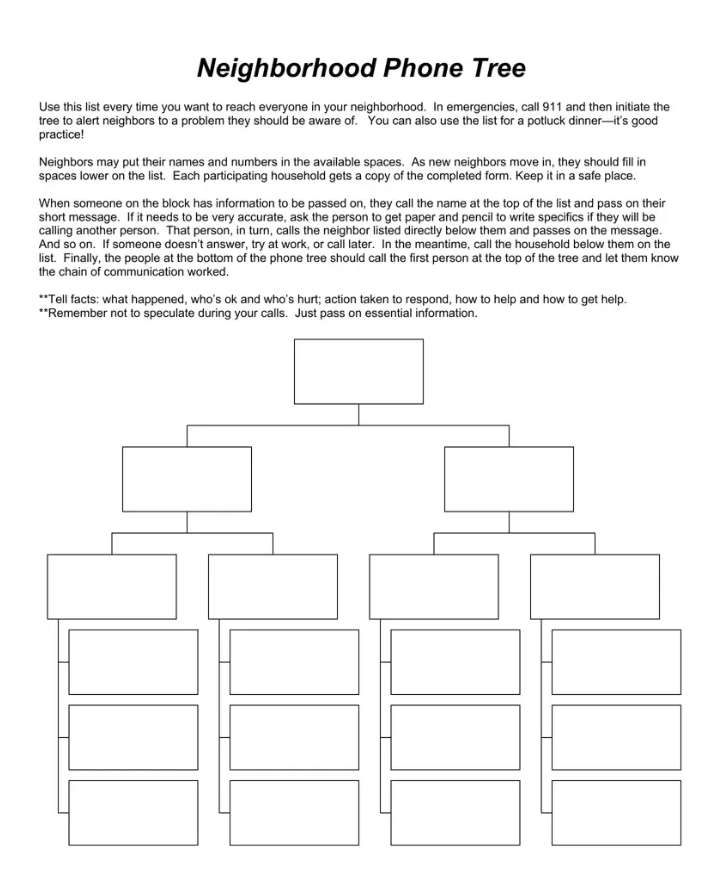
Before cell phones, neighbors relied on phone trees to share news or warnings. One person called two people, those two called two more, and the information spread. It was chaotic but effective community communication.
Kids Were Human Remote Controls
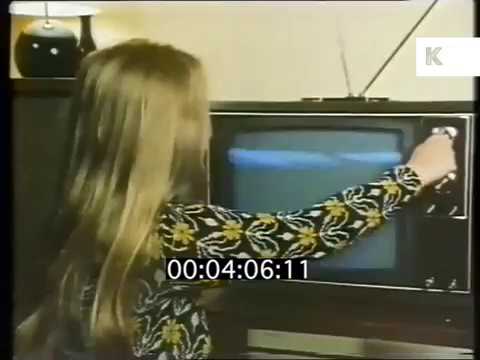
Before universal remotes, the youngest sibling was in charge of changing channels. Complaining was useless, they had no choice but to obey every command.
Hitchhiking Was Common
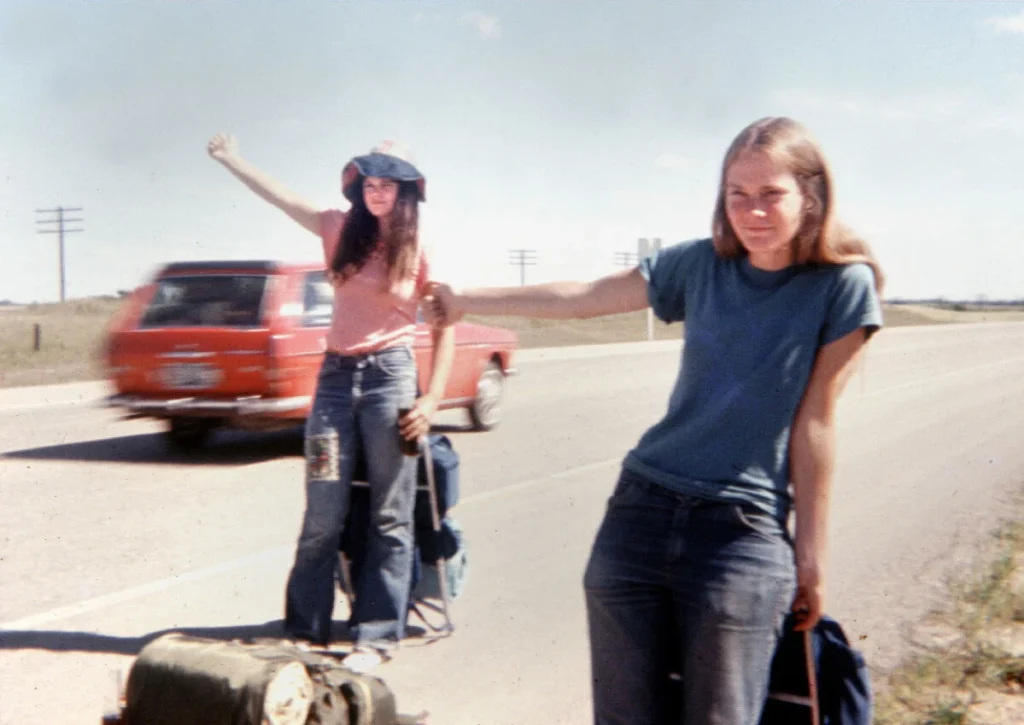
Need a ride? Stick out your thumb. Getting into a stranger’s car wasn’t terrifying, it was routine. Safety concerns were minimal, and it was just part of life.
Kids Answered the Door Without Hesitation
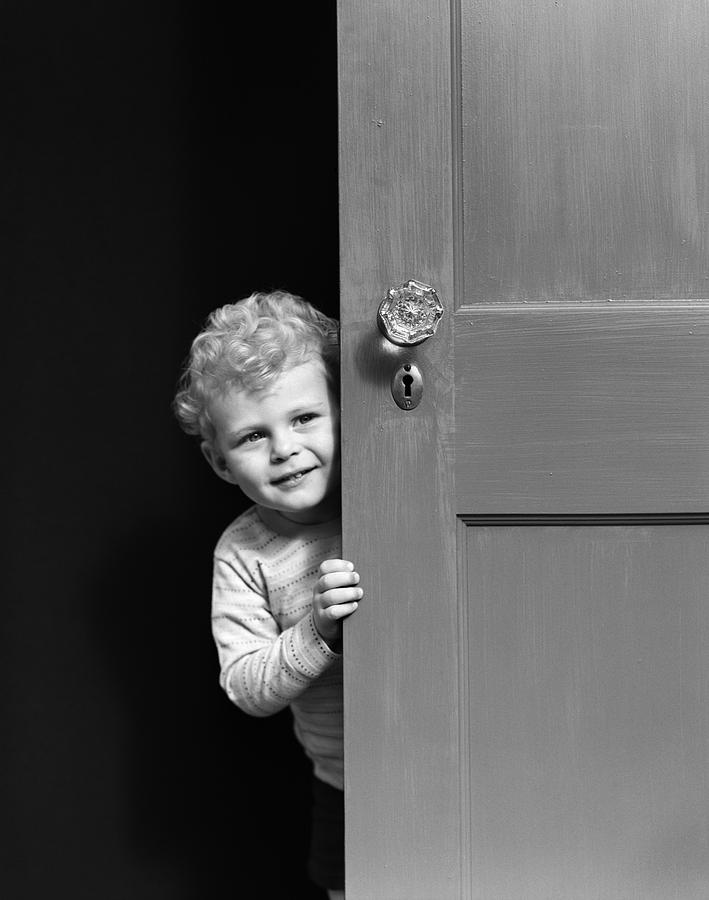
Doorbells rang, and kids opened the door without worry. Neighbors, salespeople, and even strangers were greeted politely. No panic, no checking apps, just neighborly trust.
Lawn-Mowing for Cash
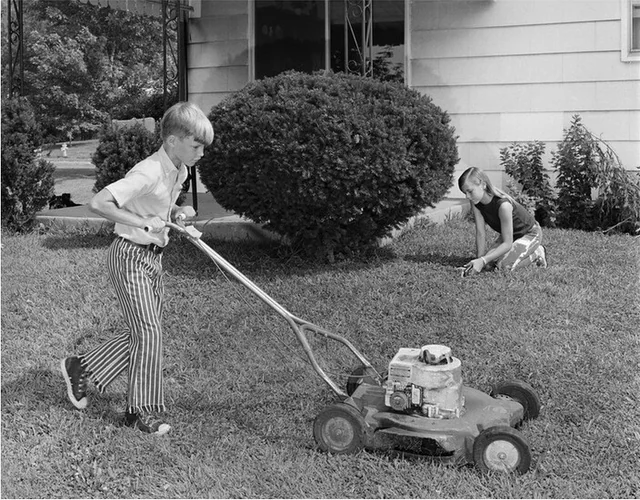
If you wanted extra money, you went door-to-door mowing lawns. It taught responsibility and work ethic and gave kids independence far beyond a simple allowance.
No Showering During Thunderstorms

Many parents forbade showers during storms, fearing lightning could travel through pipes. The likelihood was low, but the rule was taken seriously.
The “Good Towels” Were Off-Limits
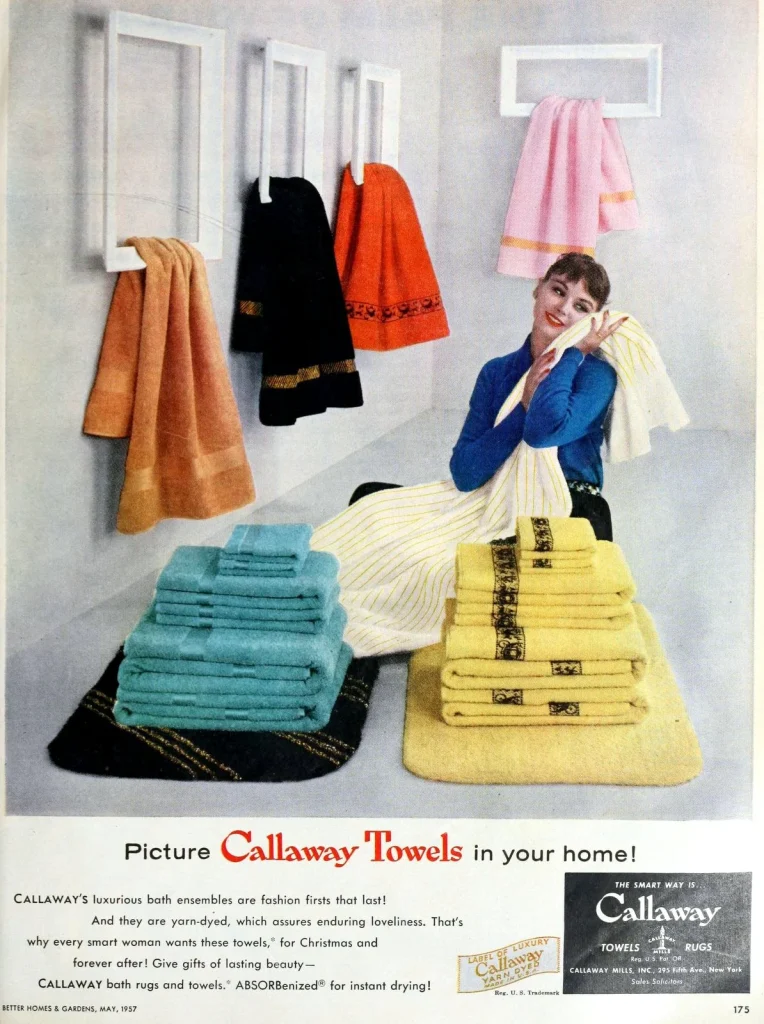
Guest towels were stiff, pristine, and untouchable. Meanwhile, the family used the threadbare versions. Luxury and etiquette intertwined in every household.
Calling After 9 PM Was Rude
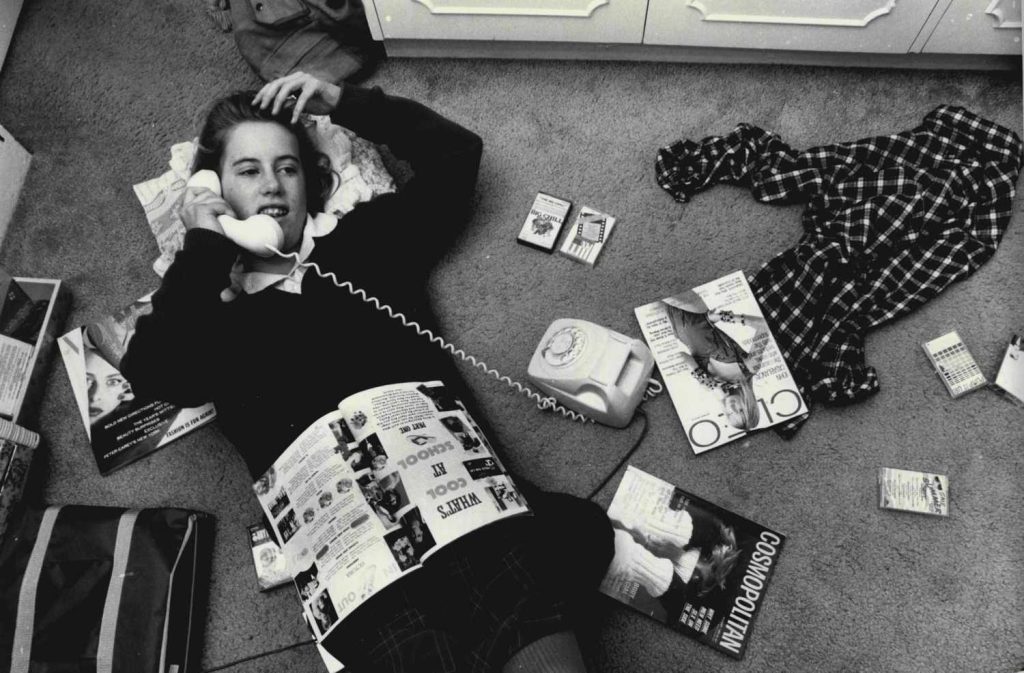
Phones were shared, and late-night calls were a serious faux pas. Home etiquette dictated a strict calling window, unlike today’s 24/7 texting culture.
Playing with Cassettes and Radios Was Serious Business
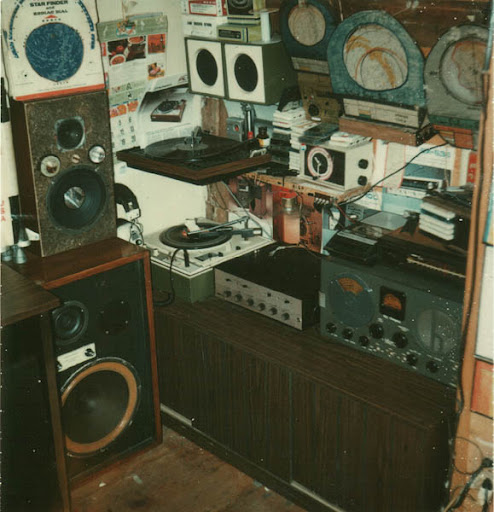
Talking over the radio DJ while recording your favorite song was a major offense. Music demanded respect, and missing a key moment was unforgivable.
Swimming in Random Ponds Was Fair Game
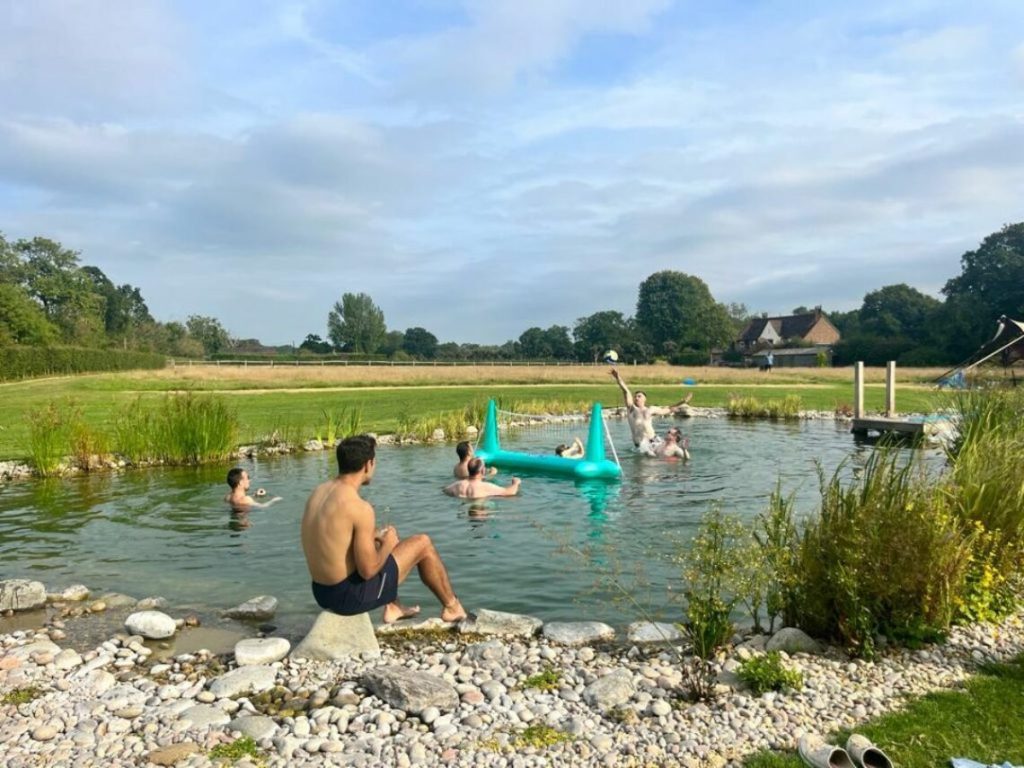
Any nearby water body could become your swimming hole. Hidden rocks or bacteria weren’t a concern, they were just summer fun and muddy clothes afterward.
You Could Open the Fridge Only with Purpose
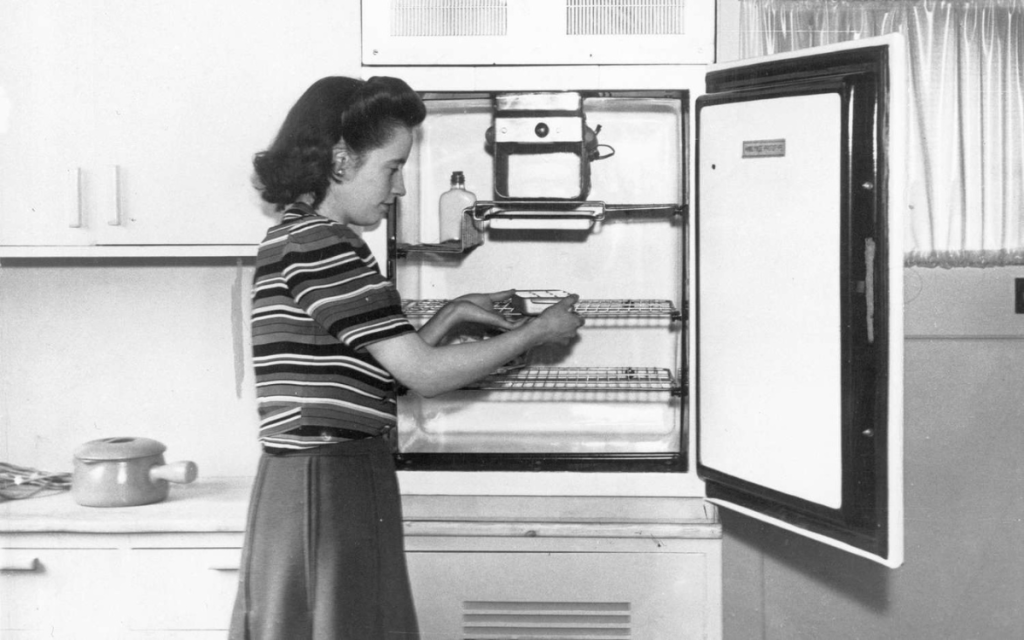
Standing in front of the fridge without a plan was unacceptable. Parents lectured against wasting electricity, emphasizing efficiency and respect for resources.
Calling Radio Stations to Request Songs
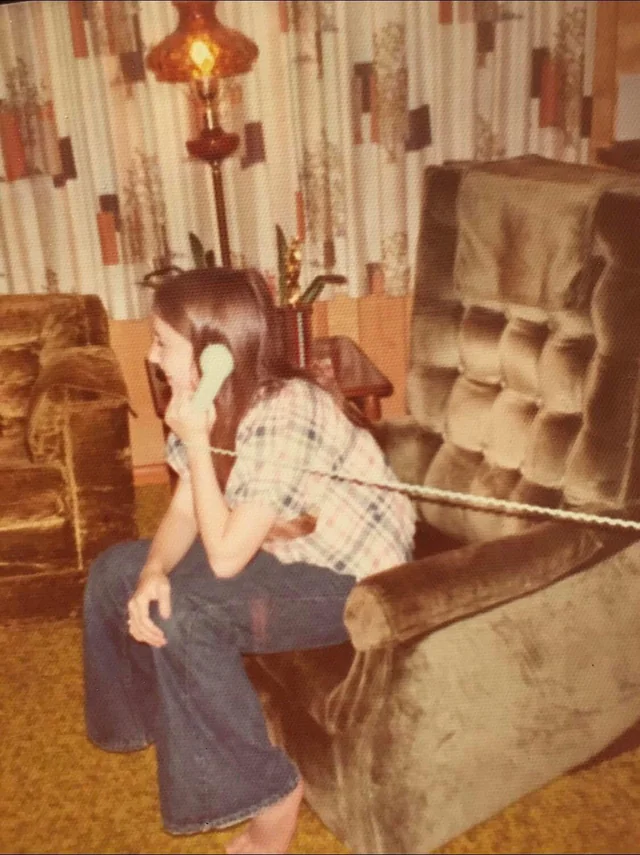
Before streaming, getting your favorite song on air required a phone call. You waited, hoped, and celebrated if the DJ actually played it, a slow but satisfying reward.
Went Door-to-Door Selling for School
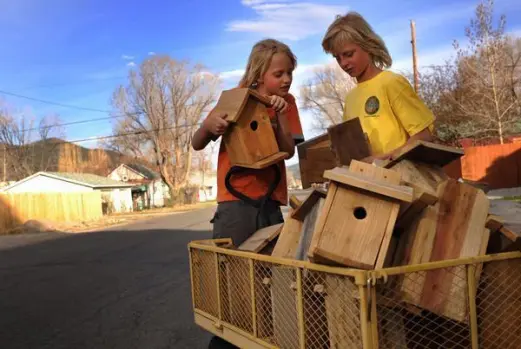
Kids learned salesmanship firsthand, dealing politely with rejection while raising funds. Independence and social skills were earned one neighborhood at a time.
Playing Outside All Day Without Supervision
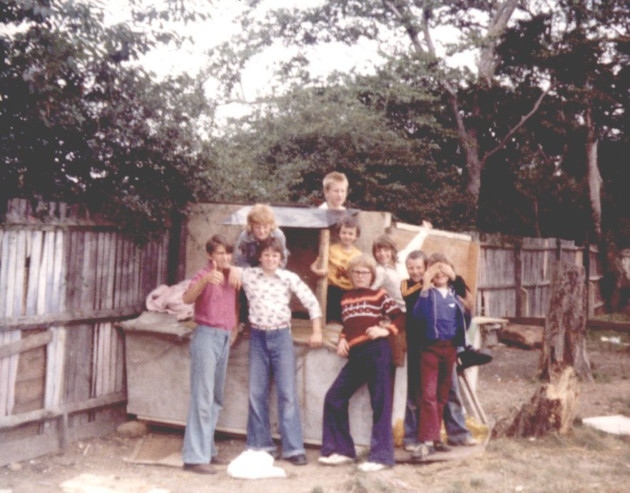
Kids explored streets, woods, and parks freely. Modern parenting norms have shifted dramatically, but then, independence was part of growing up.
Using Encyclopedias for Homework

Information wasn’t instant. Heavy volumes were leafed through, notes taken by hand, and outdated info often accepted; yet kids learned research skills in the process.
Never Record Over Dad’s VHS Tapes
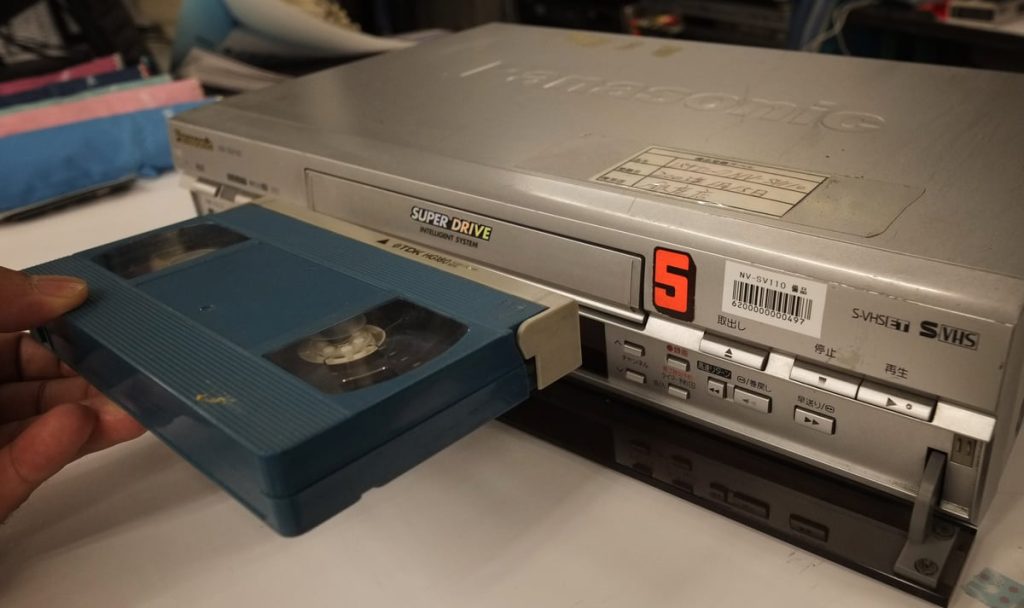
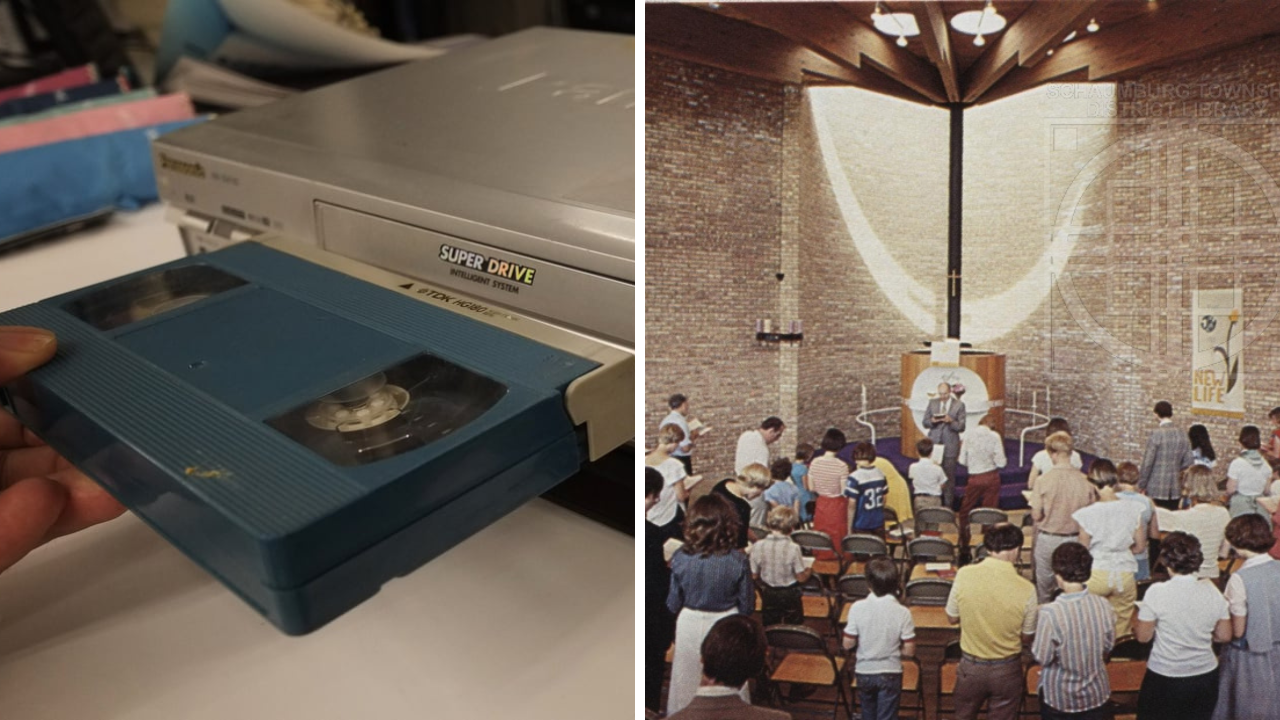
Sacred VHS tapes weren’t to be tampered with. Accidentally recording over a football game or family video was the ultimate mistake.
Sunday Mornings Meant Church
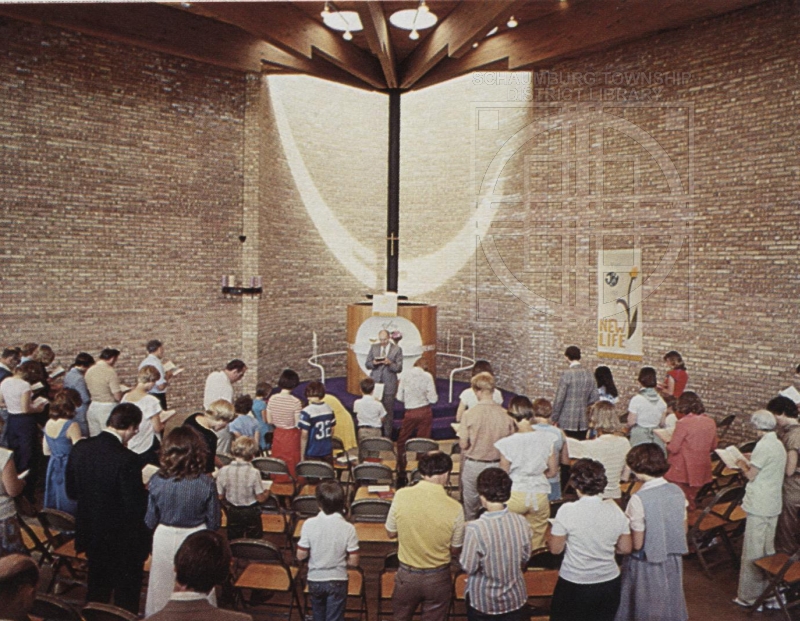
Religious attendance was non-negotiable. Kids were dressed and ready regardless of mood or health, and skipping church was practically unheard of.