Power and prestige often mask the deeply eccentric personalities of the individuals running global empires. Behind formal decrees and military strategies lay bizarre habits, strange obsessions, and highly unpredictable behaviors. Looking back at history reveals that the people holding ultimate authority were frequently more volatile than the nations they governed. Here are 27 fascinating cases where the private lives of world leaders proved far stranger than any fiction.
Abraham Lincoln
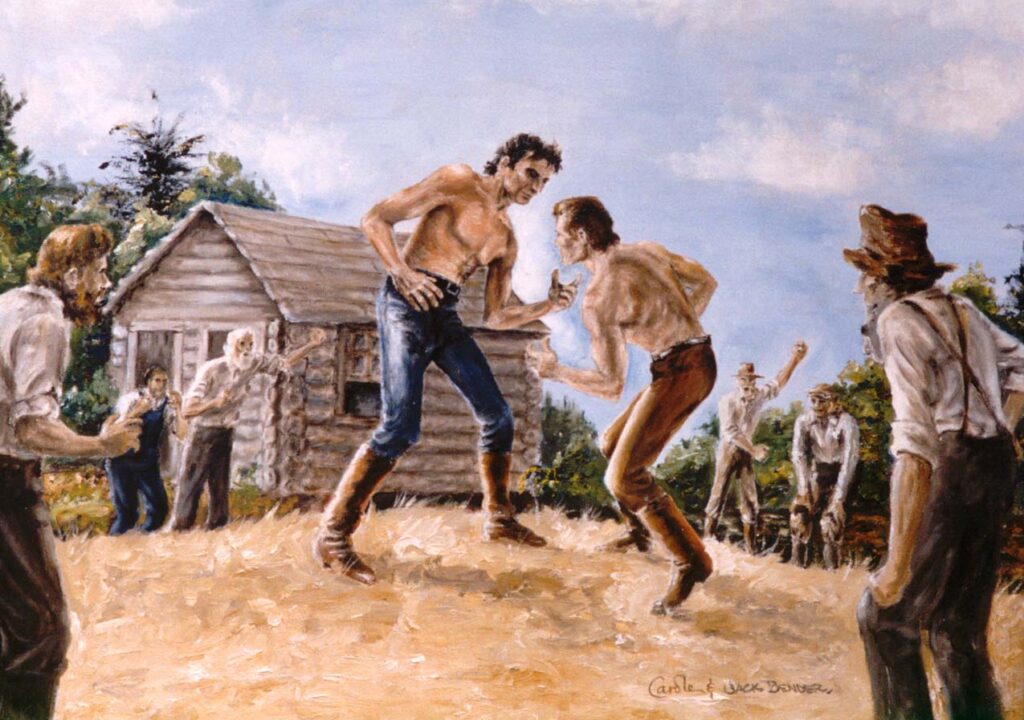
Long before entering politics, the tall statesman was an accomplished elite wrestler who lost only one match in approximately 300. He also co-owned a successful tavern in Illinois, making him the only licensed bartender to ever serve as president. This physical prowess later helped him command immense respect during intense civil crises.
Winston Churchill
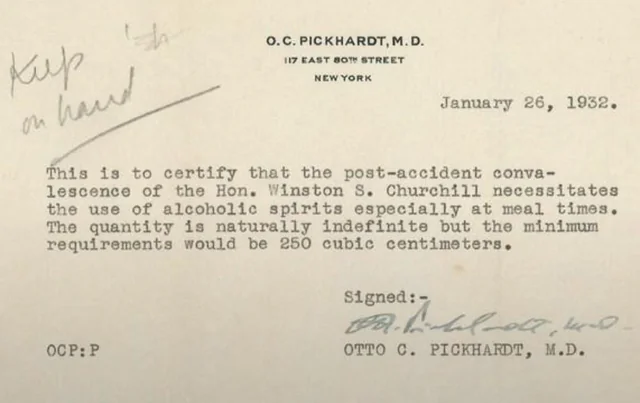
During his travels to the United States during the Prohibition era, the British leader secured a specialized medical note from a doctor. The official prescription stated that his recovery from a car accident necessitated the consumption of unlimited quantities of alcoholic beverages. Consequently, he bypassed domestic anti-drinking laws with absolute legality.
George Washington
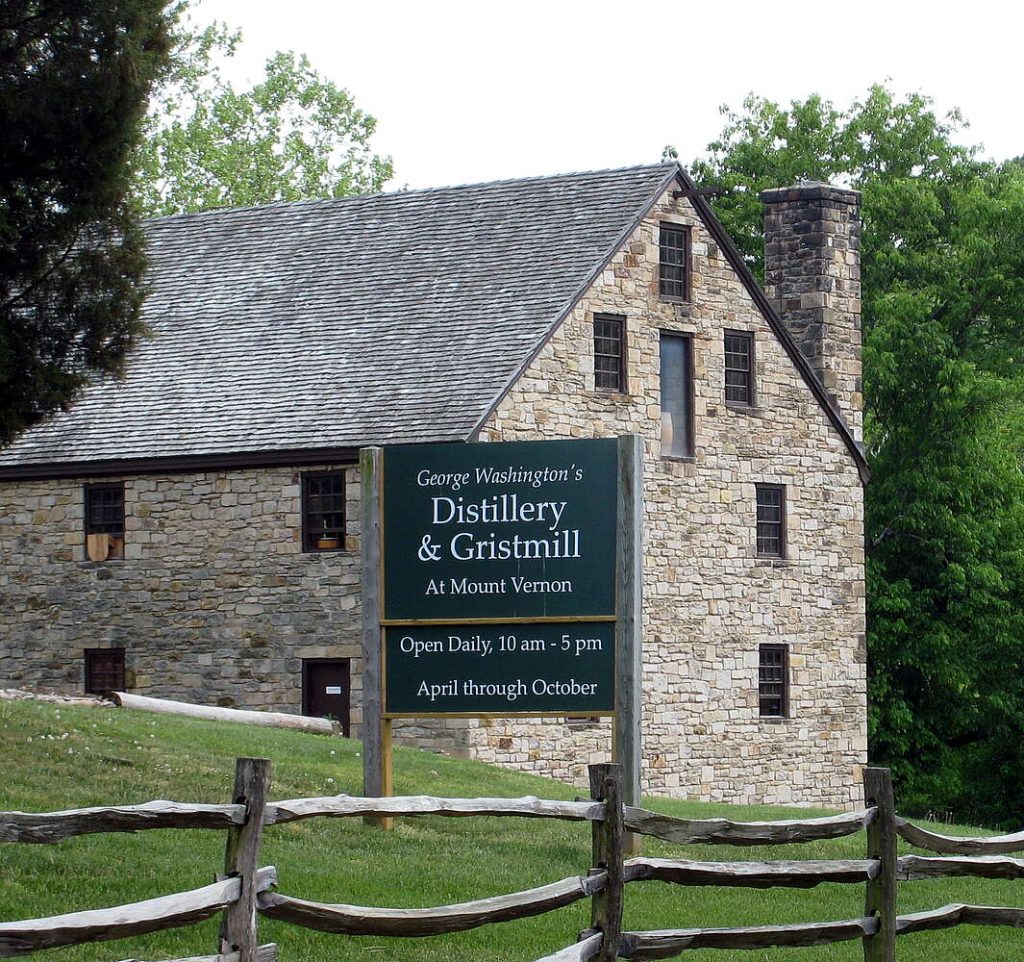
Upon retiring from public service, the first American president constructed a massive commercial whiskey distillery at his Mount Vernon estate. The facility quickly grew to become one of the largest operations of its kind in the entire nation, producing thousands of gallons of spirits annually. This business venture proved significantly more profitable than his traditional agricultural investments.
Andrew Jackson
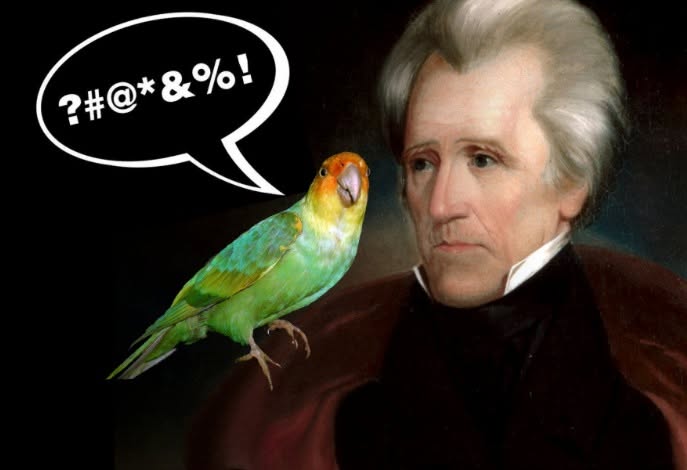
This notoriously volatile leader successfully trained his pet African grey parrot to mimic human speech. The bird absorbed a massive vocabulary of colorful profanities by listening to the president’s daily outbursts. Attendees at the leader’s formal funeral were reportedly shocked when the pet had to be physically removed for screaming non-stop curses during the service.
John Quincy Adams
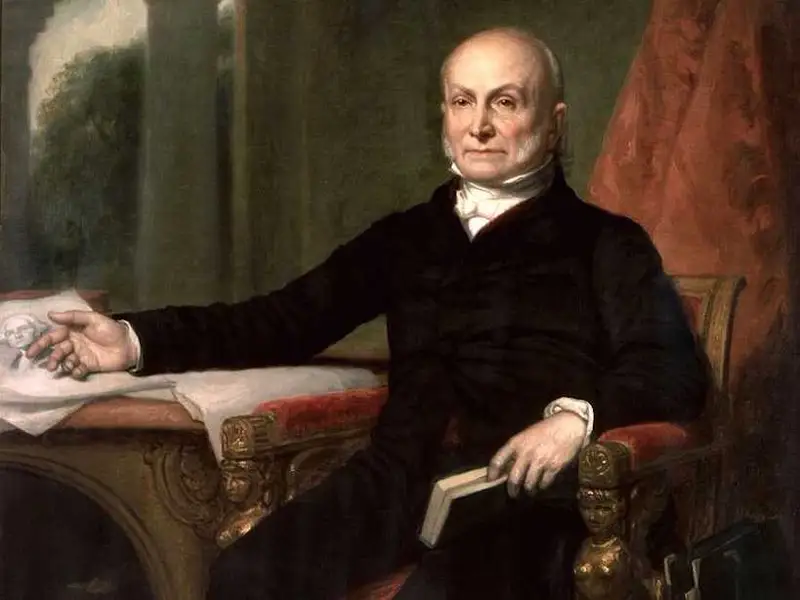
Maintaining a strict morning routine was essential for this early executive. He routinely walked down to the Potomac River at dawn to engage in nude swimming sessions. A persistent female journalist famously secured a rare interview by sitting on his discarded clothes until he agreed to answer her questions.
King George I
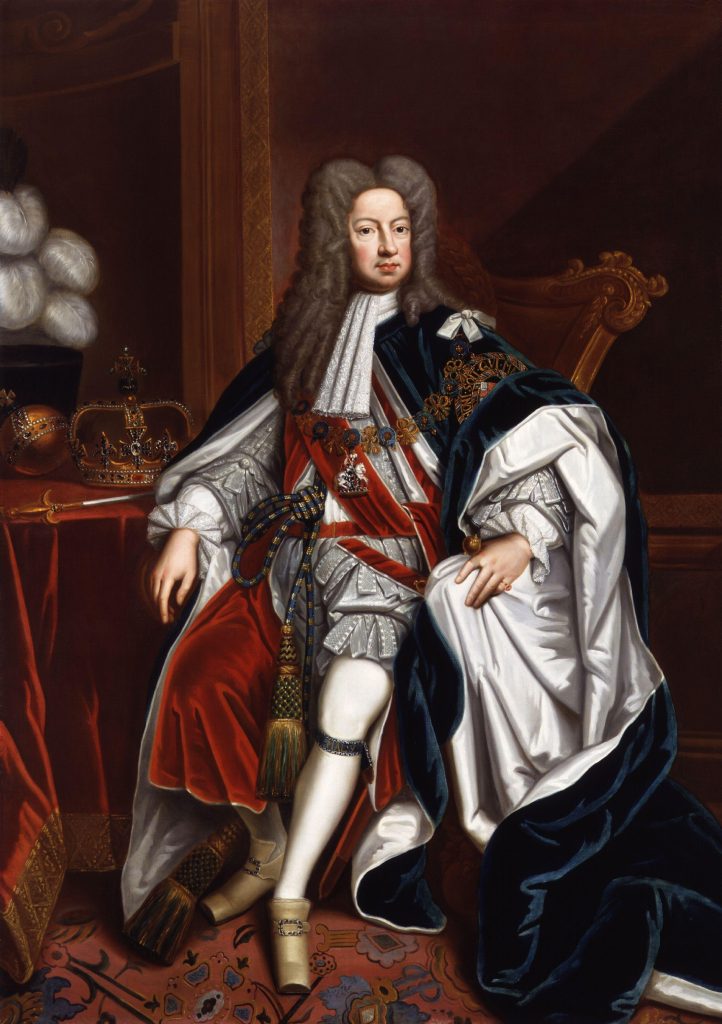
Inheriting the British throne required navigating a massive cultural and linguistic barrier. The German-born monarch spoke no fluent English and relied heavily on Latin or French to communicate with his primary ministers. His court frequently dissolved into confusion due to these linguistic misunderstandings.
Queen Victoria
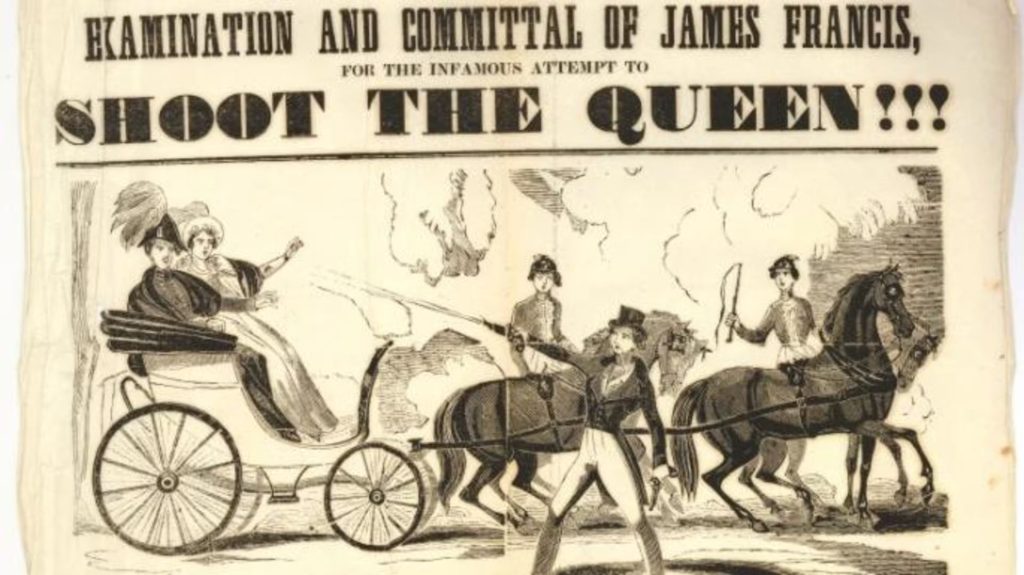
Navigating public life in the nineteenth century proved incredibly dangerous for this British monarch. She survived seven distinct assassination attempts throughout her long reign, with several attackers firing pistols directly at her royal carriage. These constant security threats prompted her security team to heavily reinforce her daily travel protocols.
Theodore Roosevelt
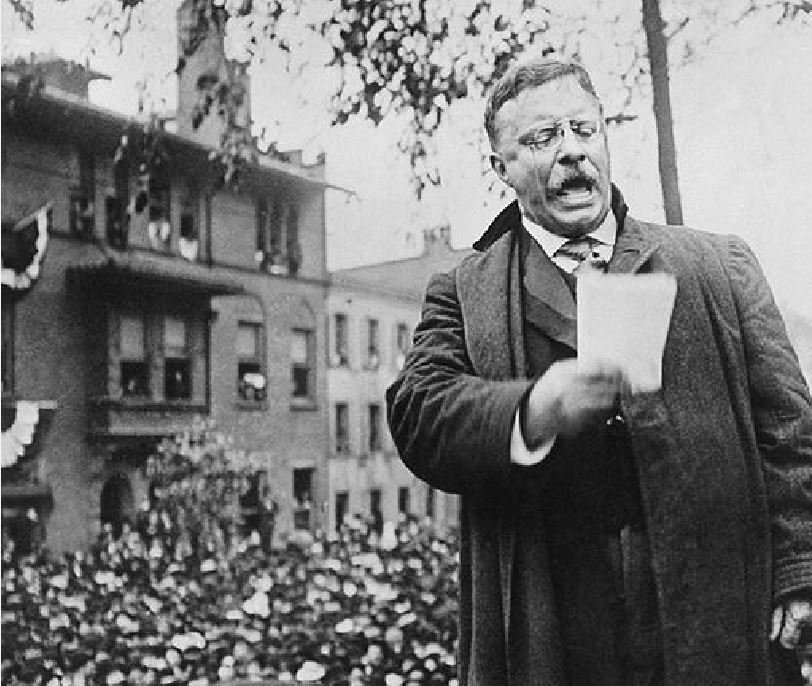
An assassin shot this boisterous leader directly in the chest right before a scheduled campaign event in Wisconsin. The bullet was slowed down by a dense metal eyeglass case and a folded copy of his speech tucked into his pocket. Refusing immediate medical attention, he proceeded to deliver a gripping ninety-minute address while bleeding into his shirt.
Franklin D. Roosevelt
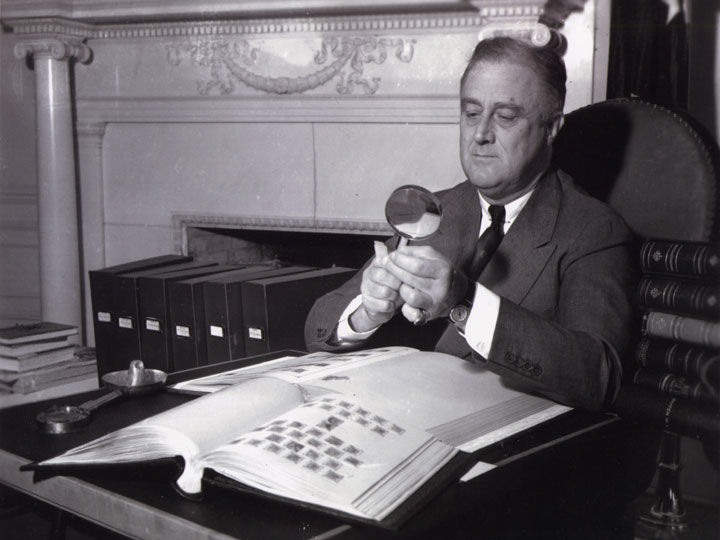
Managing global conflicts did not stop this executive from indulging in his lifelong passion for philately. He spent hours organizing his massive stamp collection every evening to relieve the intense stress of the presidency. The collection eventually grew to contain over twenty-five thousand individual stamps.
Thomas Jefferson
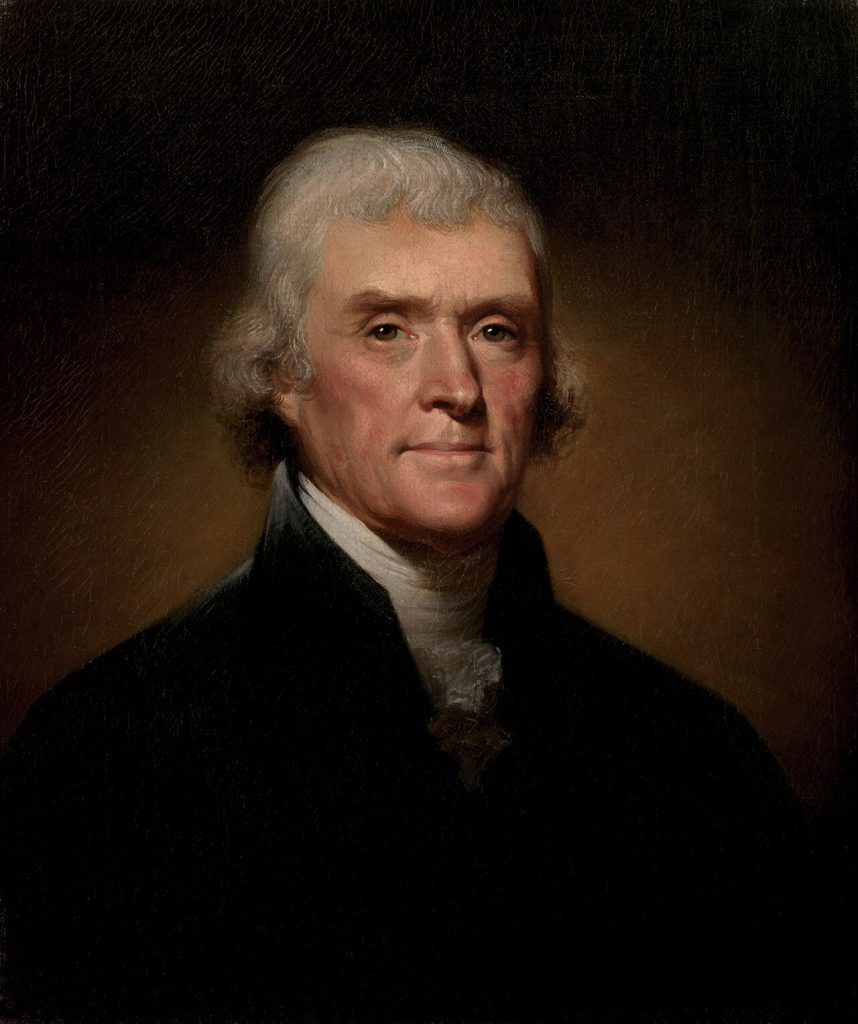
A deep obsession with natural history led this early statesman to transform the executive mansion into a makeshift museum. He filled the grand rooms with fossilized bones of prehistoric mammoths discovered during frontier expeditions. This scientific hobby frequently bewildered visiting foreign diplomats expecting traditional European decor.
King Louis XIV
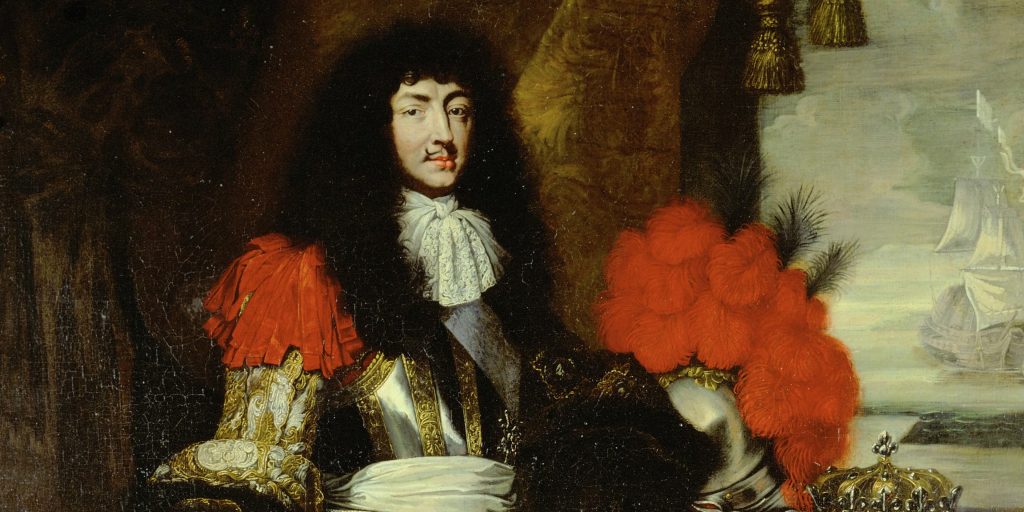
The legendary Sun King prioritized architectural opulence over basic personal hygiene. Historical records suggest he took only a handful of complete baths during his entire adult life, preferring to use dry cloths and heavy perfumes to mask bodily odors. This aversion to water was shared by many French aristocrats of the era.
Emperor Napoleon Bonaparte
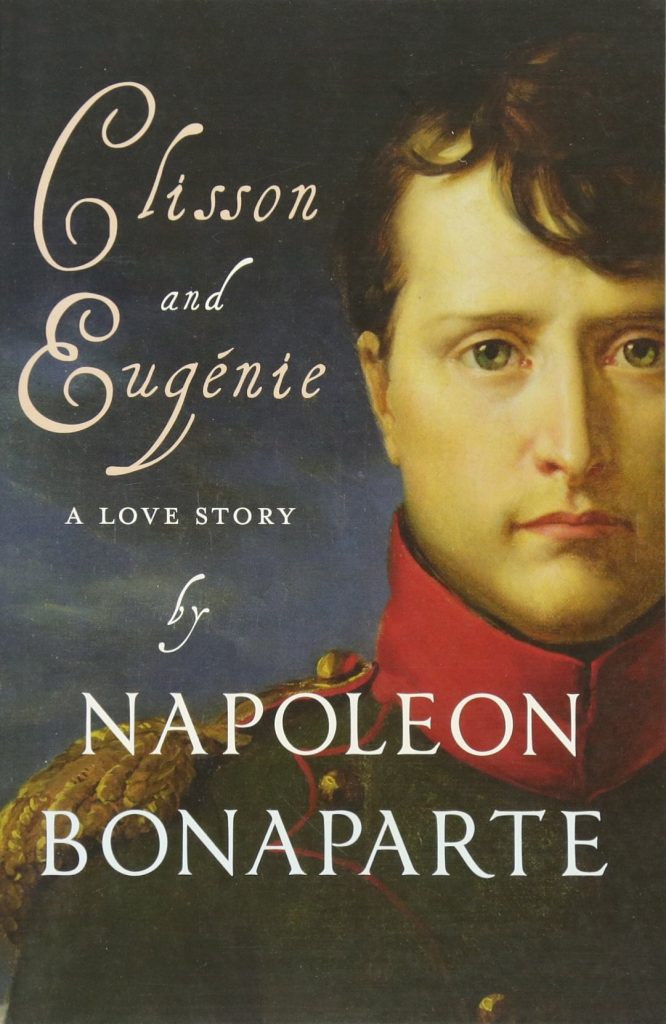
While best known for his military campaigns and political ambition, Napoleon also explored a much more personal form of expression through writing. During his younger years, he penned a romantic novella titled “Clisson et Eugénie,” which tells the story of a soldier and his doomed love affair.
King Henry VIII
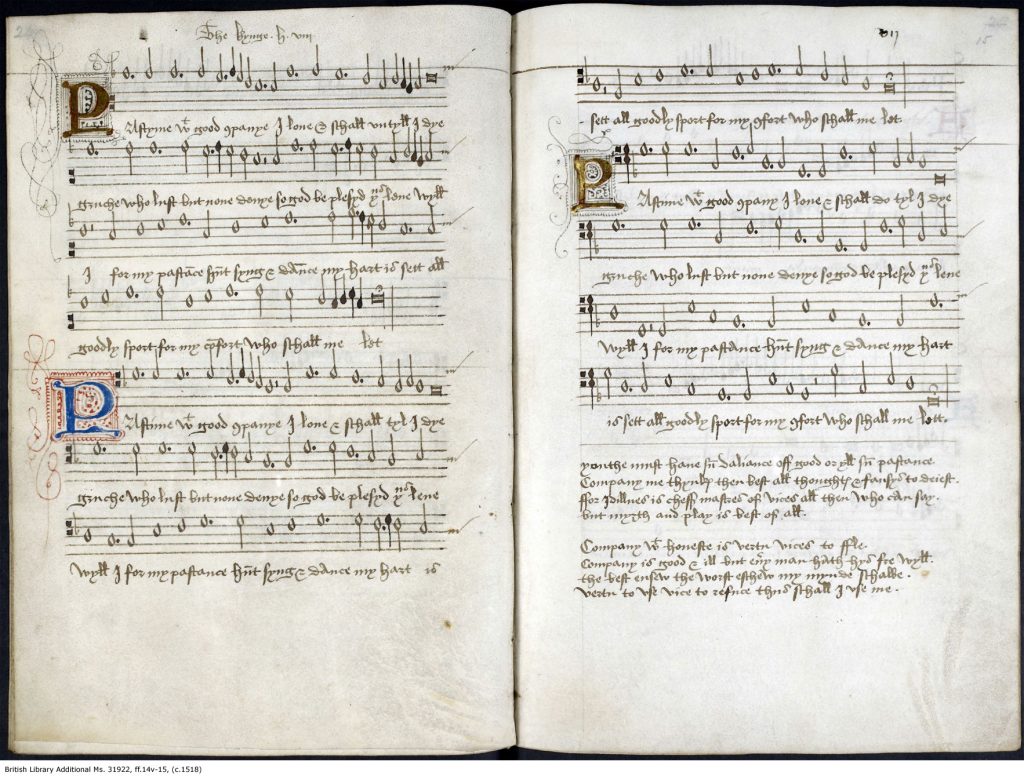
Beyond his notorious marriages, this Tudor monarch was a deeply passionate musician who composed numerous vocal and instrumental pieces. His most famous work, “Pastime with Good Company”, became a massive hit across European courts during the Renaissance. This artistic side stood in stark contrast to his brutal political executions.
Queen Elizabeth I
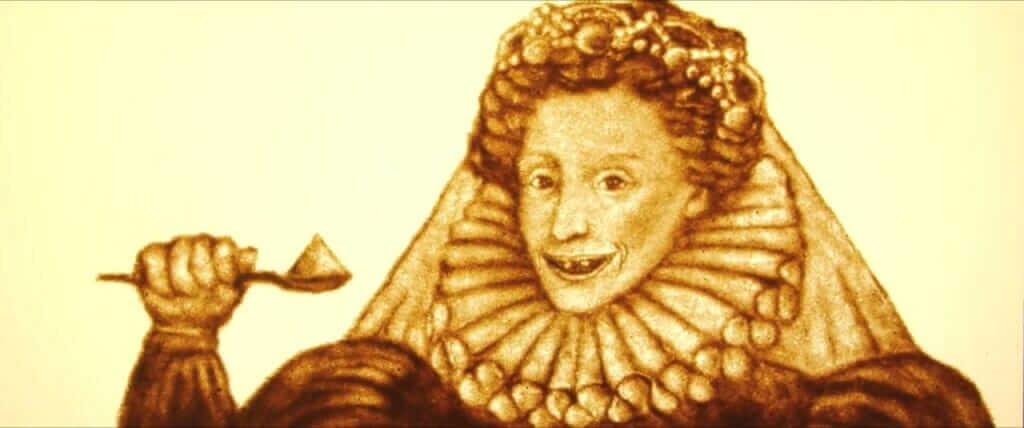
An intense craving for sweets severely impacted the physical appearance of this Tudor queen. She consumed massive quantities of imported sugar, which eventually caused her teeth to turn completely black. Foreign visitors frequently noted that her dental condition made her speeches difficult to comprehend.
Tsar Peter the Great
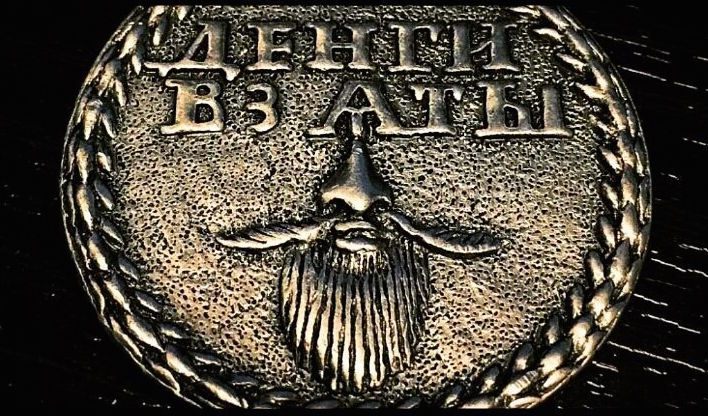
Modernizing the Russian Empire required implementing highly unconventional laws. The ruler established a specialized tax on traditional long beards, forcing citizens to pay a hefty annual fee to keep their facial hair. Anyone who paid the tax received a mandatory bronze token that had to be worn around the neck at all times.
Mustafa Kemal Atatürk
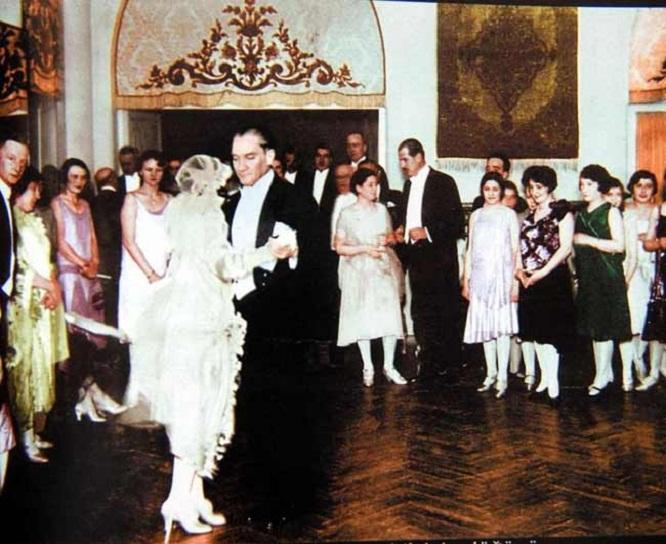
The foundational leader of modern Turkey was an avid enthusiast of Western culture and ballroom dancing. He frequently hosted elegant galas where he would personally demonstrate the latest European dance steps to his cabinet ministers. He also legally adopted thirteen children to promote his idealized vision of the modern family unit.
Emperor Nero
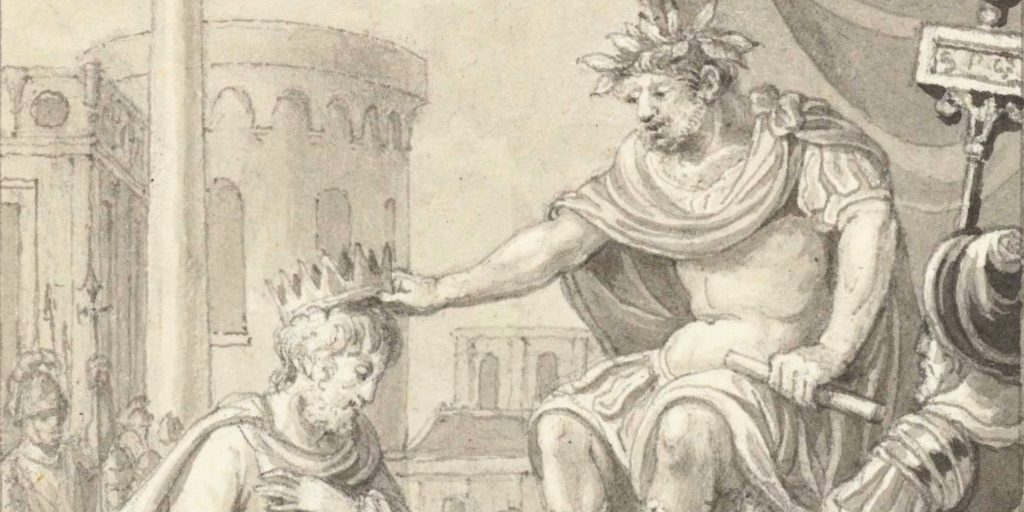
Craving public recognition beyond politics, Nero traveled to Greece to compete in several major athletic and artistic festivals. During one famous chariot race, he reportedly fell from his vehicle and failed to finish the event. Nevertheless, judges still awarded him victory, a decision many historians attribute to his immense power and influence as emperor.
King James I
A deep obsession with the supernatural prompted this British monarch to publish an extensive textbook titled “Daemonologie”. The manual provided detailed instructions on how to identify, capture, and prosecute individuals suspected of practicing witchcraft. This publication fueled a massive wave of witch trials across the kingdom.
Pope Gregory IX
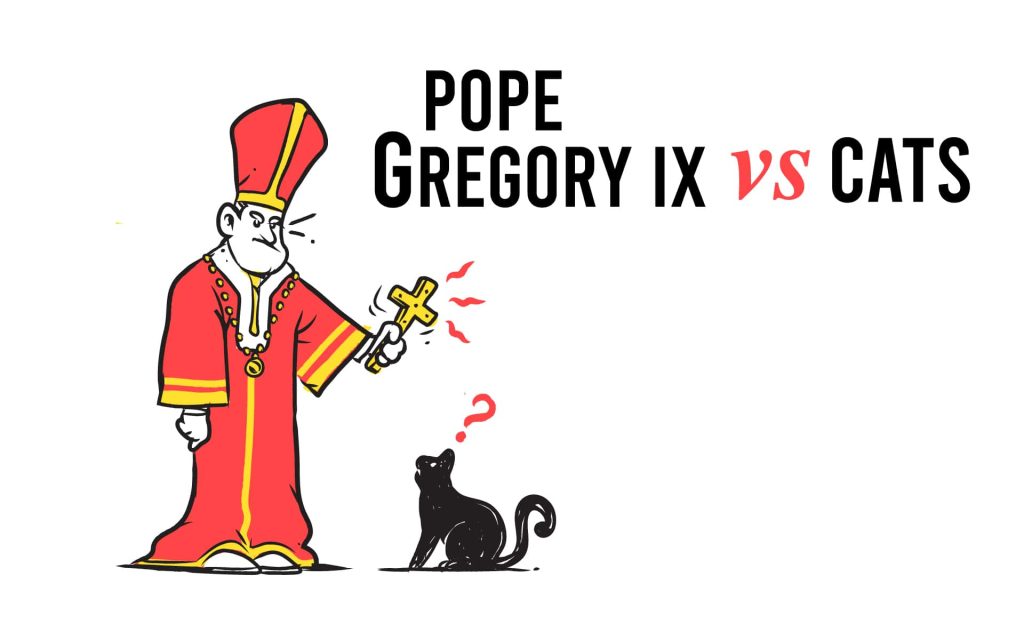
Issuing a papal bull in the thirteenth century, this religious leader declared that black cats were direct instruments of Satan. This religious decree triggered a massive, systematic culling of felines across continental Europe. The resulting drop in the cat population inadvertently allowed disease-carrying rats to multiply rapidly.
Empress Elisabeth of Austria
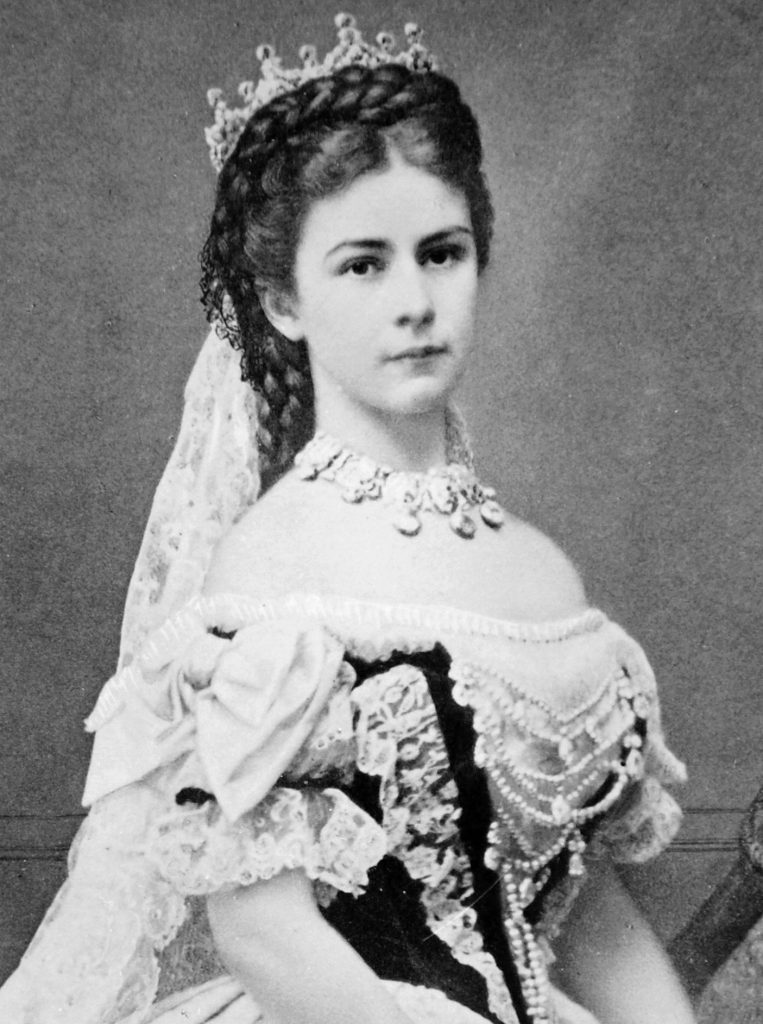
Maintaining an incredibly narrow waistline required extreme physical discipline from this royal. She ordered gymnastics rings and balancing beams to be installed in every royal palace to facilitate her intense daily workouts. She spent hours exercising every morning to preserve her celebrated public image.
Charles de Gaulle
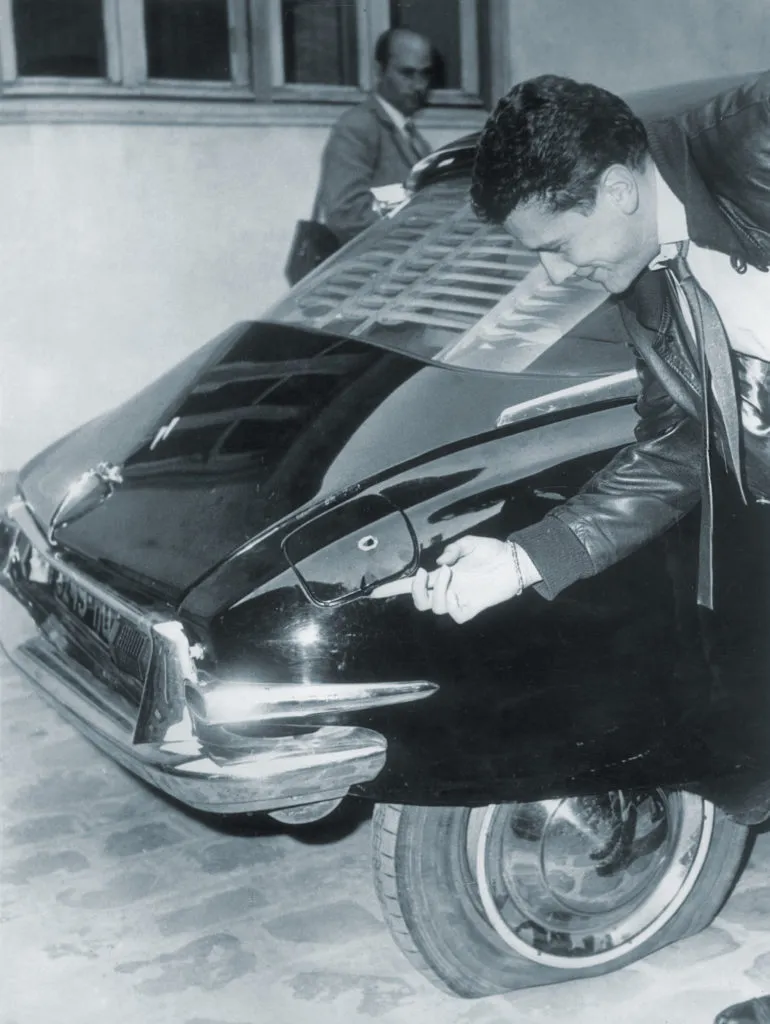
This French president survived a terrifying machine-gun ambush in his car due to a unique automotive feature. The attackers fired over one hundred bullets at his vehicle, puncturing all four tires simultaneously. The advanced hydropneumatic suspension of the Citroën DS allowed the driver to maintain control and speed away safely.
King Farouk
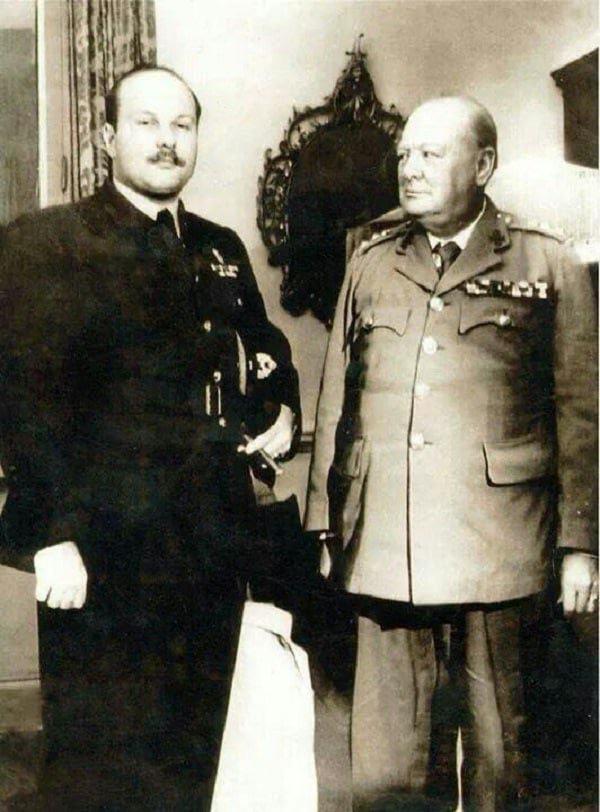
The final monarch of Egypt was an expert pickpocket who took lessons from a professional thief. He frequently used this stealthy skill on visiting foreign dignitaries during formal state dinners. According to a popular story, he once stole Winston Churchill’s pocket watch before later returning it.
Calvin Coolidge
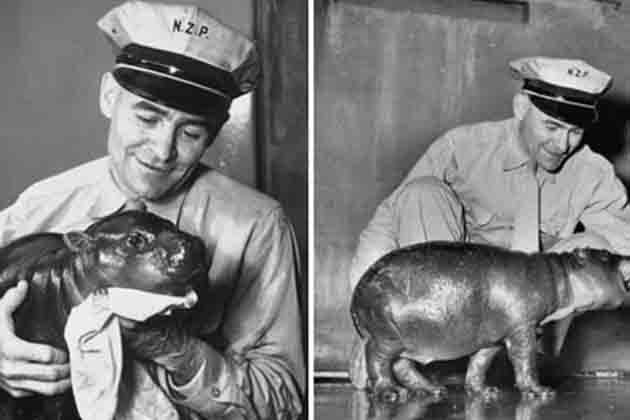
A steady stream of exotic animals arrived at the White House during Coolidge’s administration, including a pygmy hippopotamus named Billy. The unusual gift became one of the most memorable additions to the already eclectic collection of animals that lived on the White House grounds.
Harry S. Truman
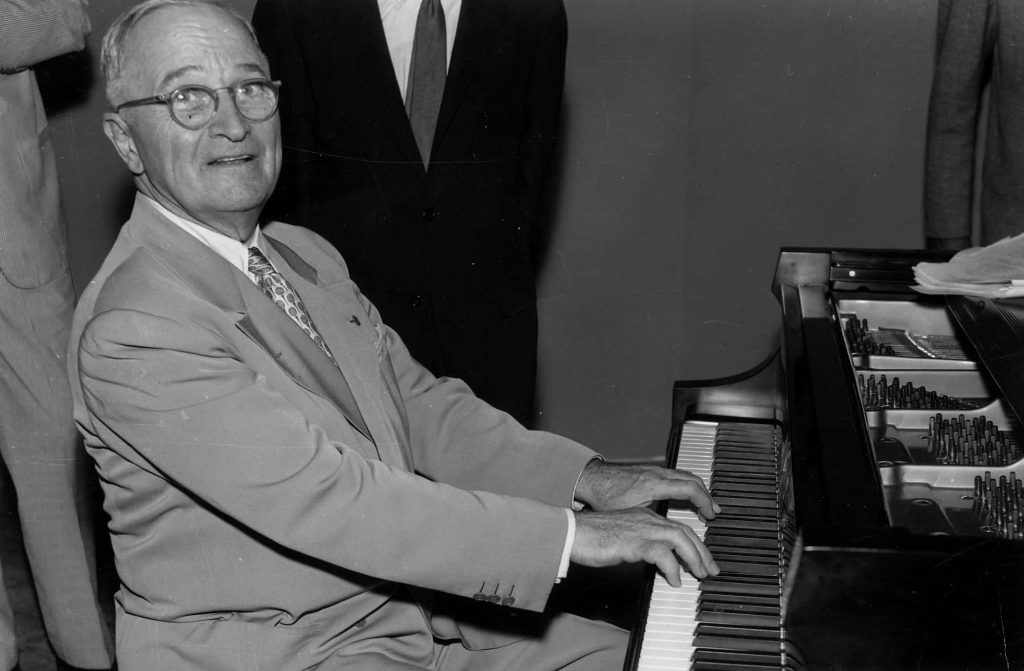
Long before making critical military decisions, this American leader was a highly accomplished pianist who seriously considered a career in classical music. He practiced scales every morning at dawn and frequently entertained staff by playing Chopin pieces in the Oval Office. This musical talent offered a rare glimpse into his disciplined private life.
Emperor Caligula
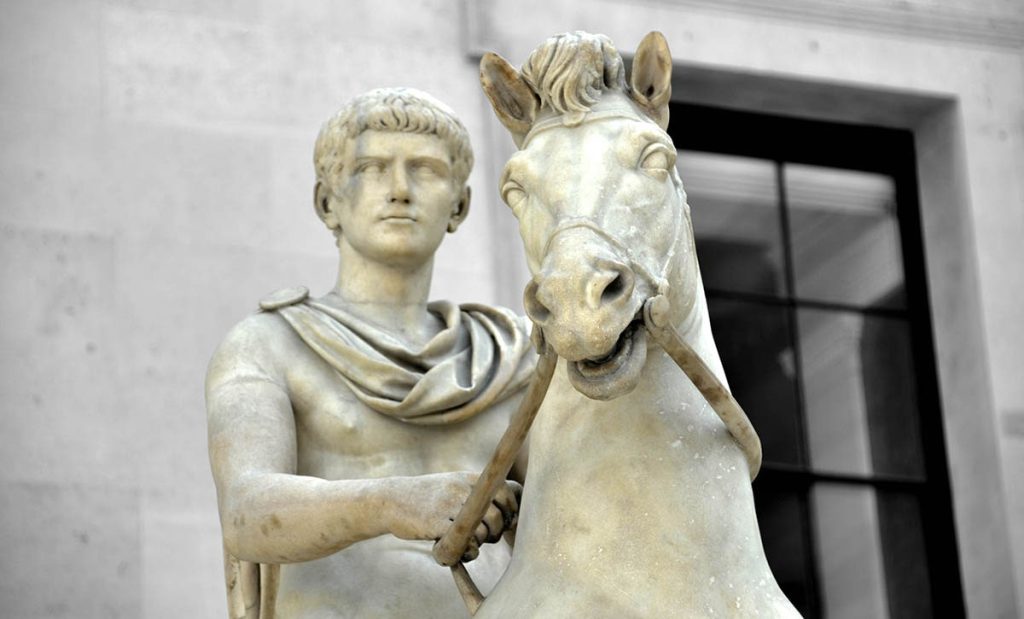
Ancient Roman writers claimed Caligula intended to grant his beloved horse Incitatus a prominent political position. Whether the story was meant literally or as a satire of Roman politics remains a subject of debate among historians.
Queen Christina of Sweden
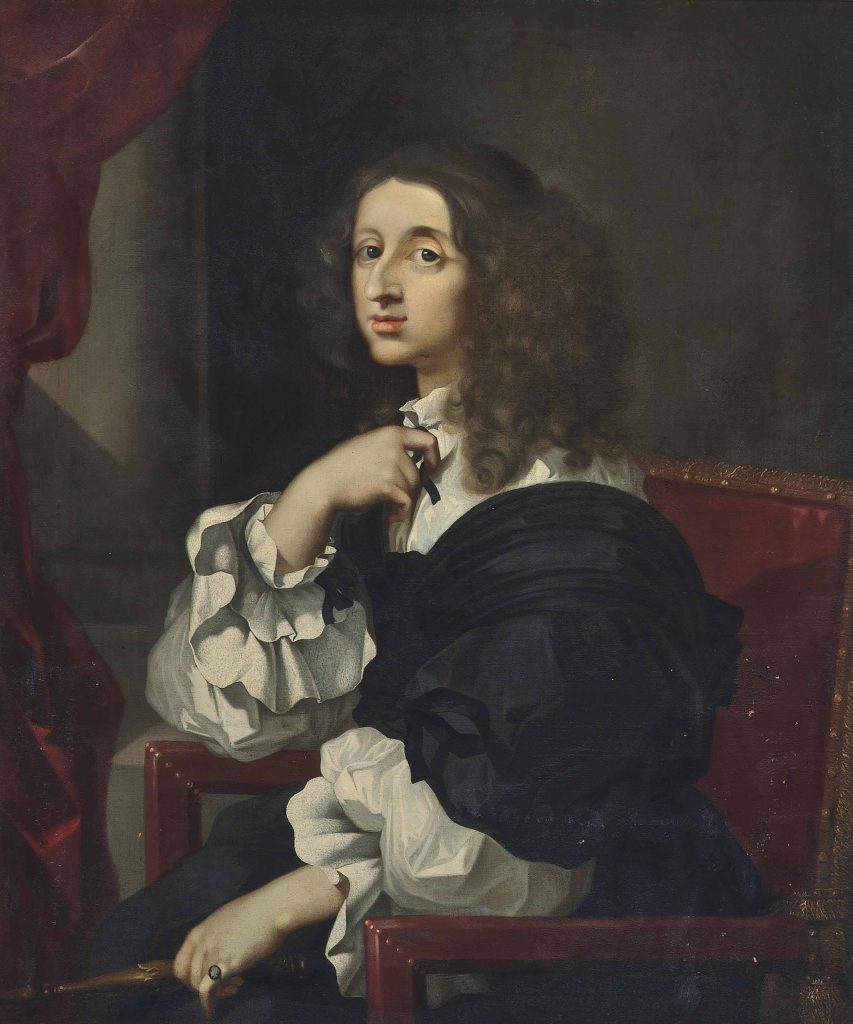
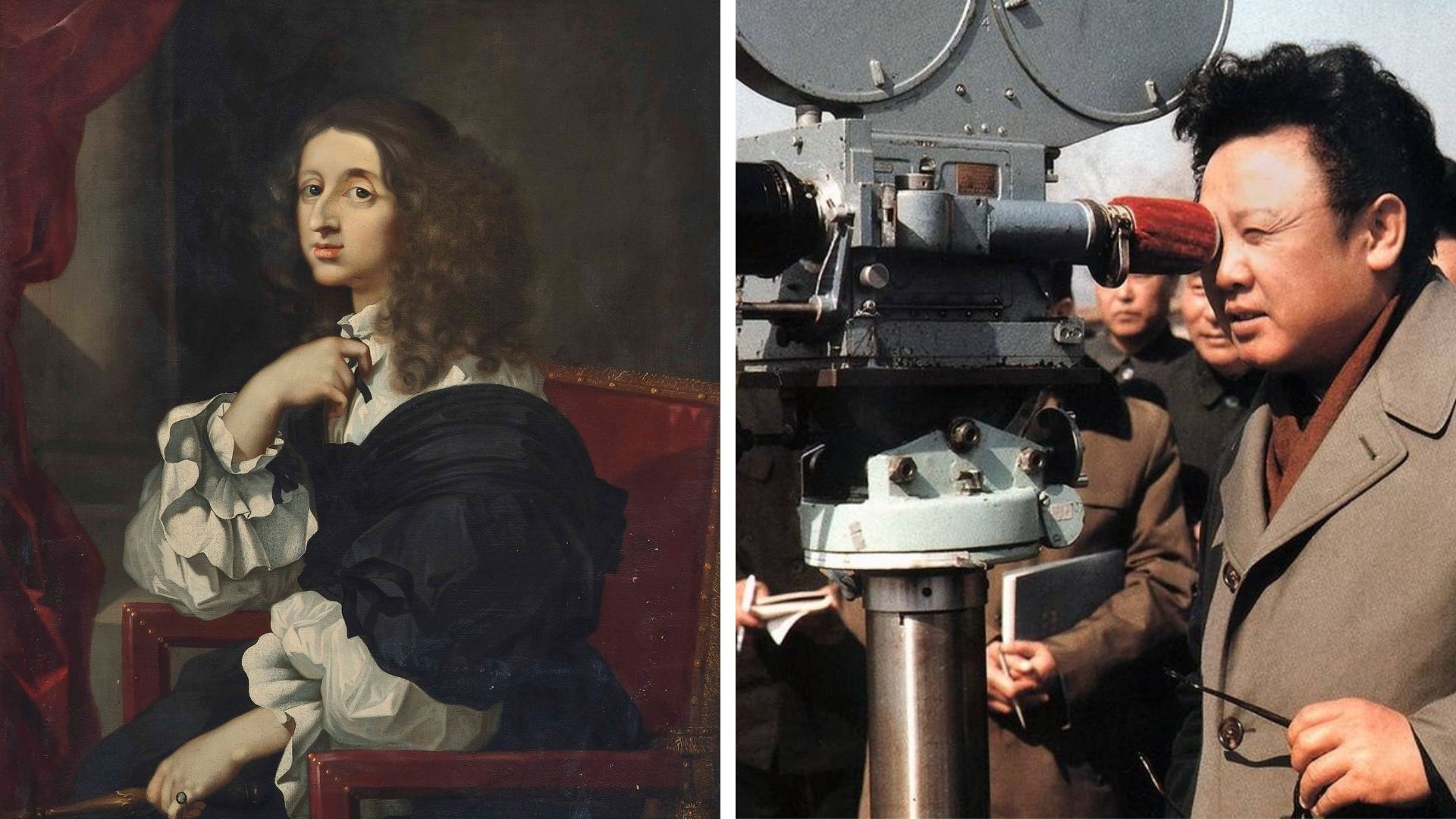
Renouncing her throne to pursue philosophy, this unconventional royal was known for her masculine attire and sharp wit. She once ordered a miniature cannon to be built so she could fire tiny silver balls at fleas in her bedroom. Her eccentric lifestyle made her a highly controversial figure across European courts.
Kim Jong Il
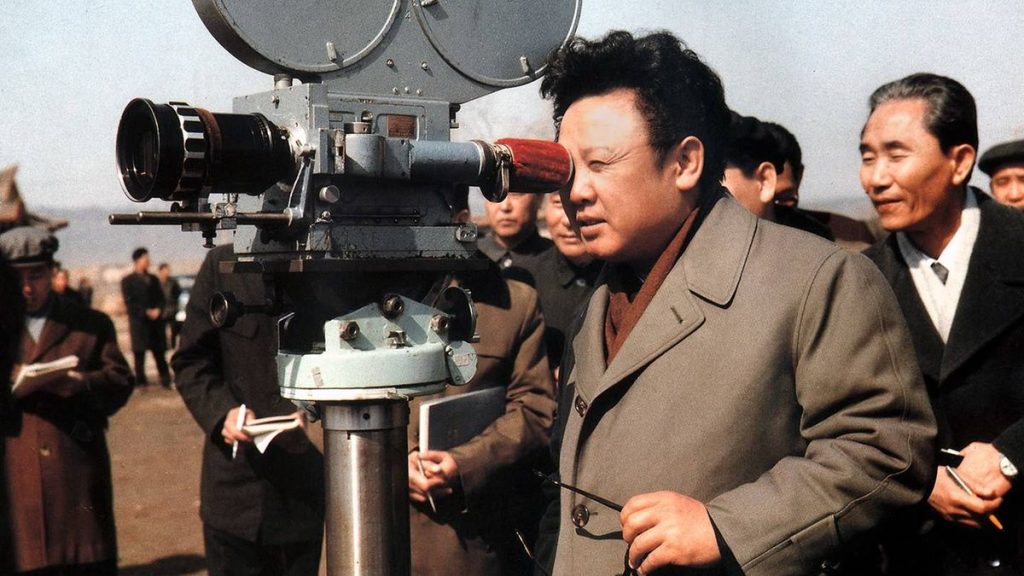
This North Korean leader possessed an overwhelming obsession with international cinema, maintaining a private library of over twenty thousand Hollywood movies. Desiring to upgrade his domestic film industry, he orchestrated the audacious kidnapping of a famous South Korean film director and his actress wife. The captive filmmakers were forced to produce a giant monster movie titled “Pulgasari” before successfully escaping years later.