In October 1962, the world teetered on the edge of nuclear war during the Cuban Missile Crisis. From tense diplomatic meetings to military maneuvers and life on the streets, these 26 photos capture the drama, fear, and pivotal moments that defined one of the most dangerous episodes in modern history.
Proof of Soviet Missiles in Cuba
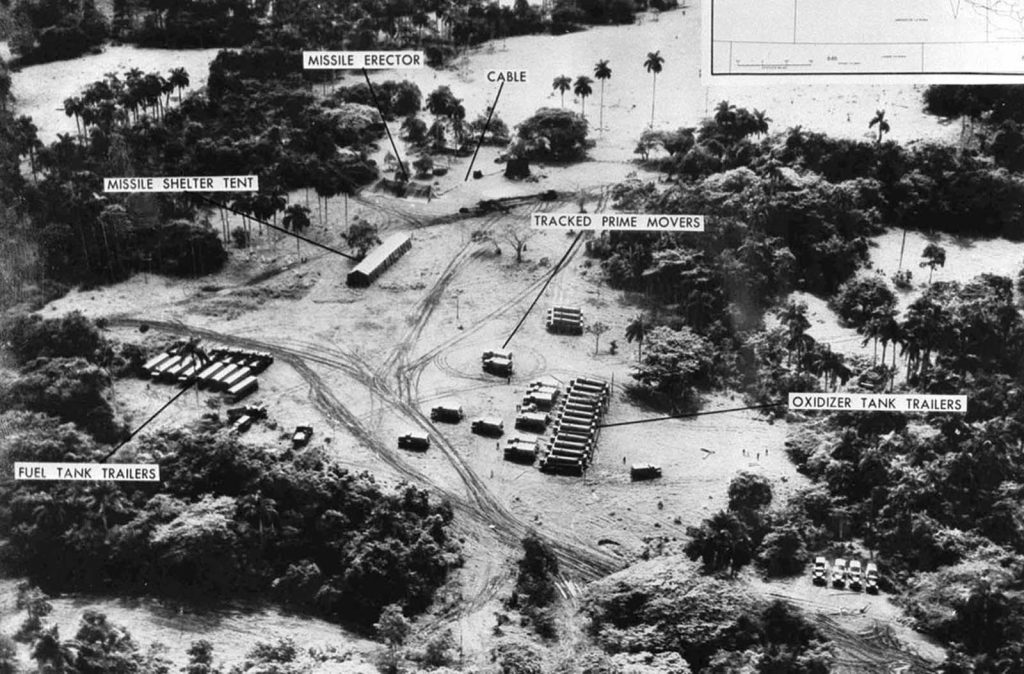
Taken on October 23, 1962, this U.S. Department of Defense photo shows a medium-range ballistic missile site under construction in San Cristobal, Cuba, complete with fuel trailers, a missile shelter, and equipment: key evidence of the Soviet buildup.
Kennedy Consults Military Leaders on U-2 Flights
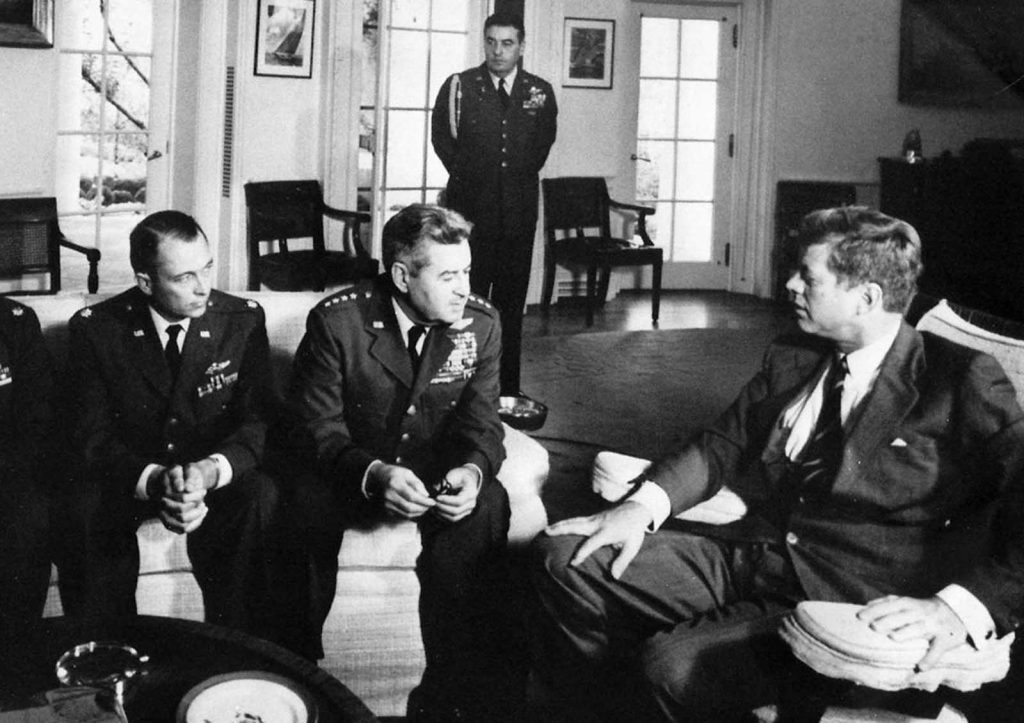
At the White House, President Kennedy meets with Maj. Richard Heyser and Gen. Curtis LeMay to review intelligence from U-2 spy plane missions over Cuba, shaping critical decisions during the missile crisis.
Missile Base Photo Spurs Naval Blockade
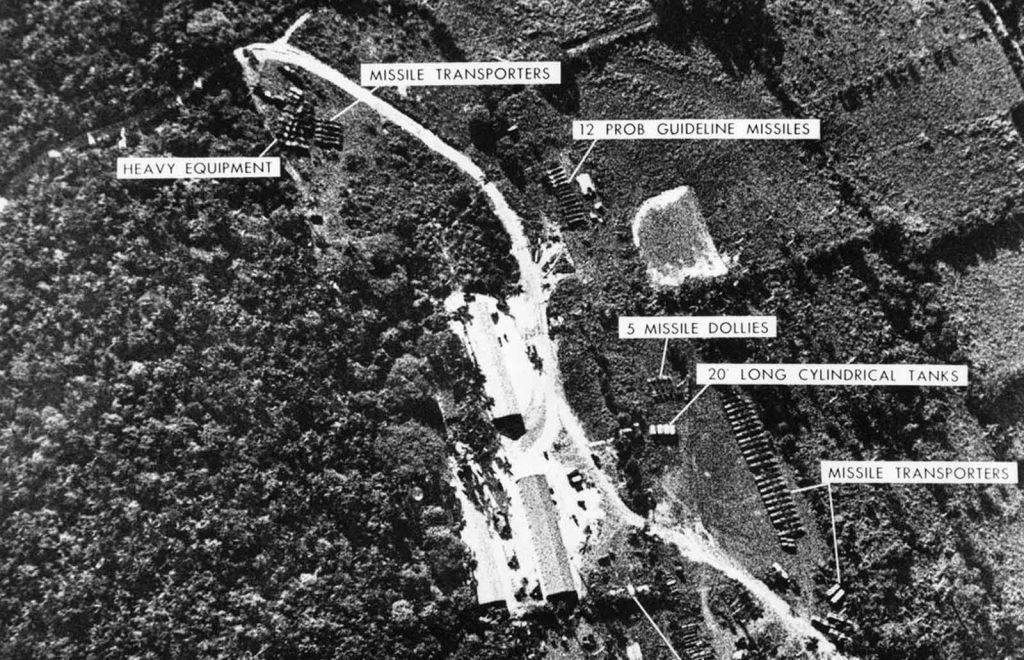
This October 24, 1962 photo of a Cuban ballistic missile site provided the evidence President Kennedy needed to authorize a naval blockade, escalating the standoff with the Soviet Union.
Kennedy Announces Naval Blockade on Cuba
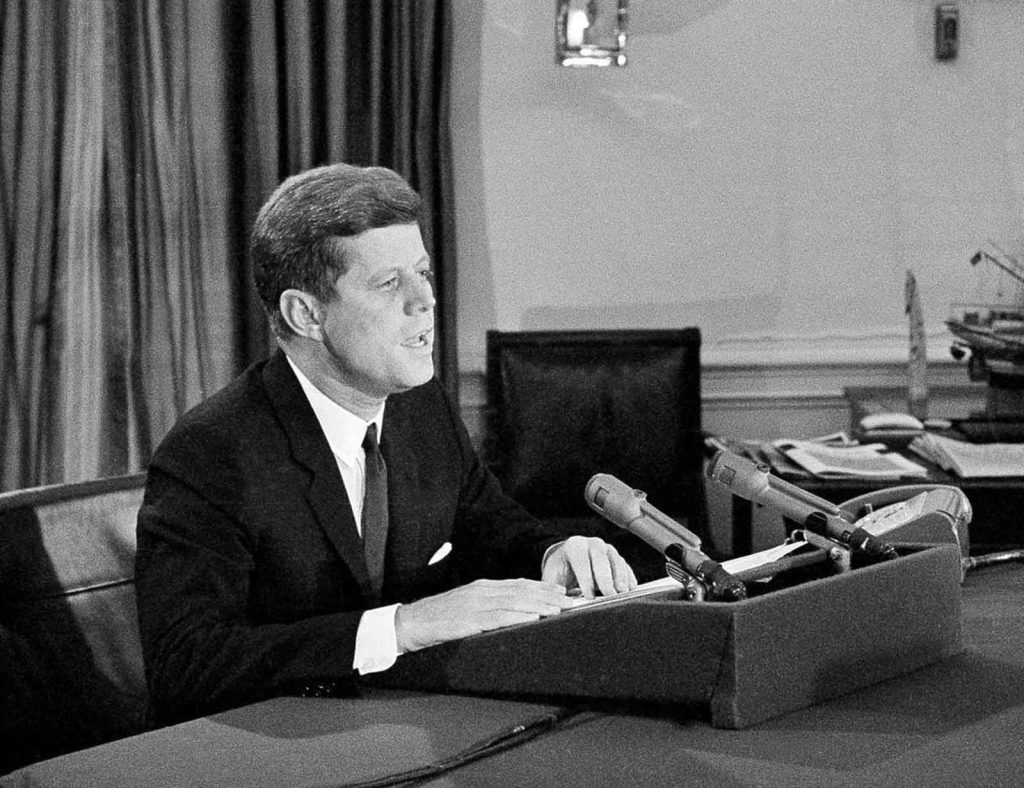
On October 22, 1962, President Kennedy addressed the nation, declaring a naval blockade of Cuba and warning the Soviet Union of a full retaliatory response if nuclear missiles were used against the Americas.
Stevenson Confronts Soviet Delegate at the UN
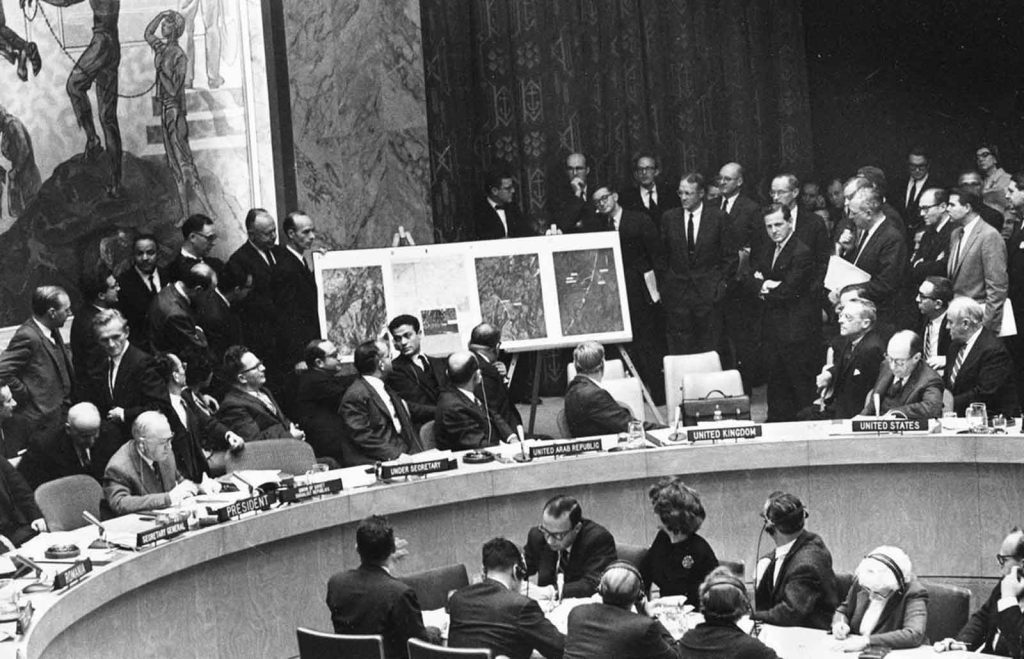
During an emergency U.N. session on October 25, 1962, U.S. Ambassador Adlai Stevenson presented reconnaissance photos to Soviet delegate Valerian Zorin, publicly exposing the presence of missiles in Cuba.
Women Protest Nuclear Threat at the UN
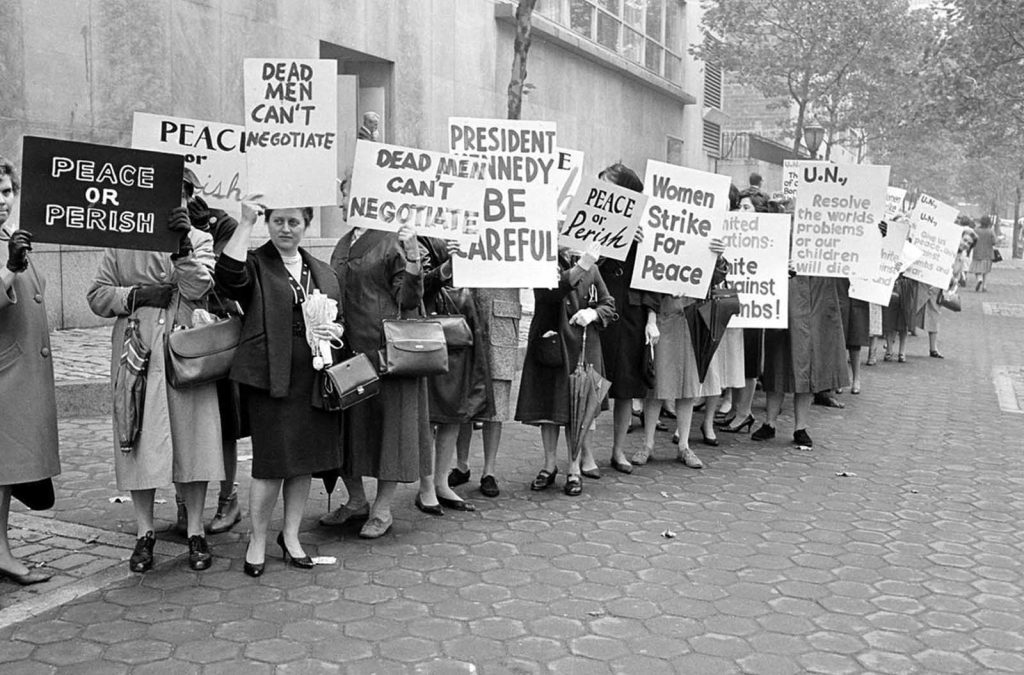
On October 23, 1962, members of Women Strike for Peace demonstrated outside the U.N. headquarters in New York, calling attention to the dangers of nuclear escalation during the Cuban Missile Crisis.
Soviet Submarine Surfaces Near Quarantine
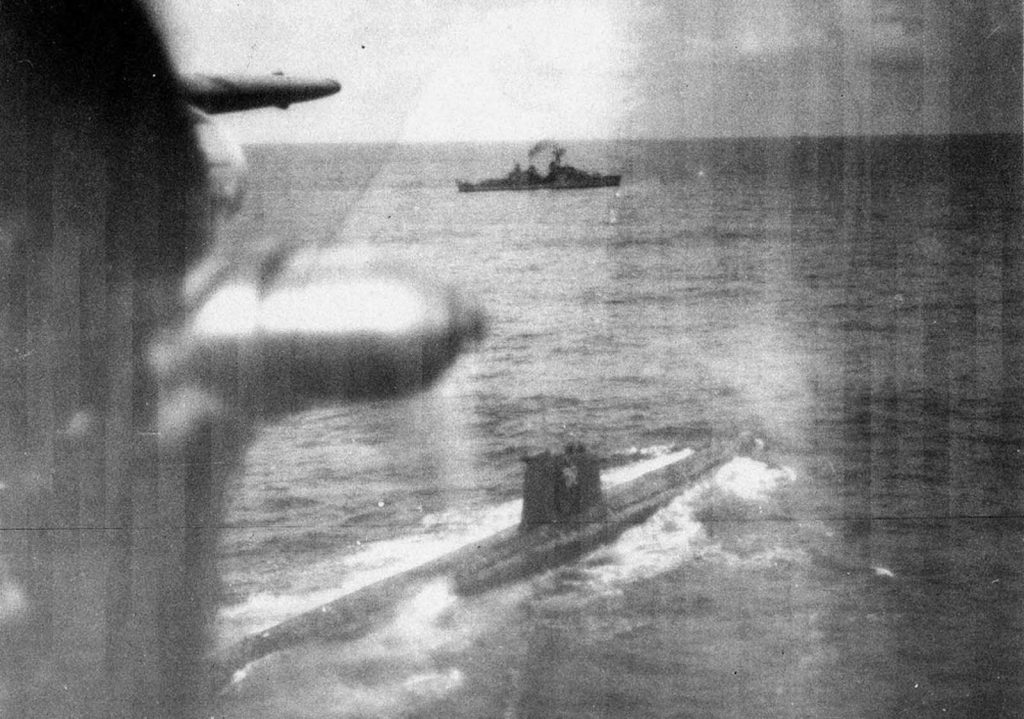
On October 25, 1962, U.S. Navy forces monitored the first Soviet F-class submarine to surface near the Cuban quarantine line, intensifying the naval standoff during the crisis.
London Protesters Rally Against U.S. Actions
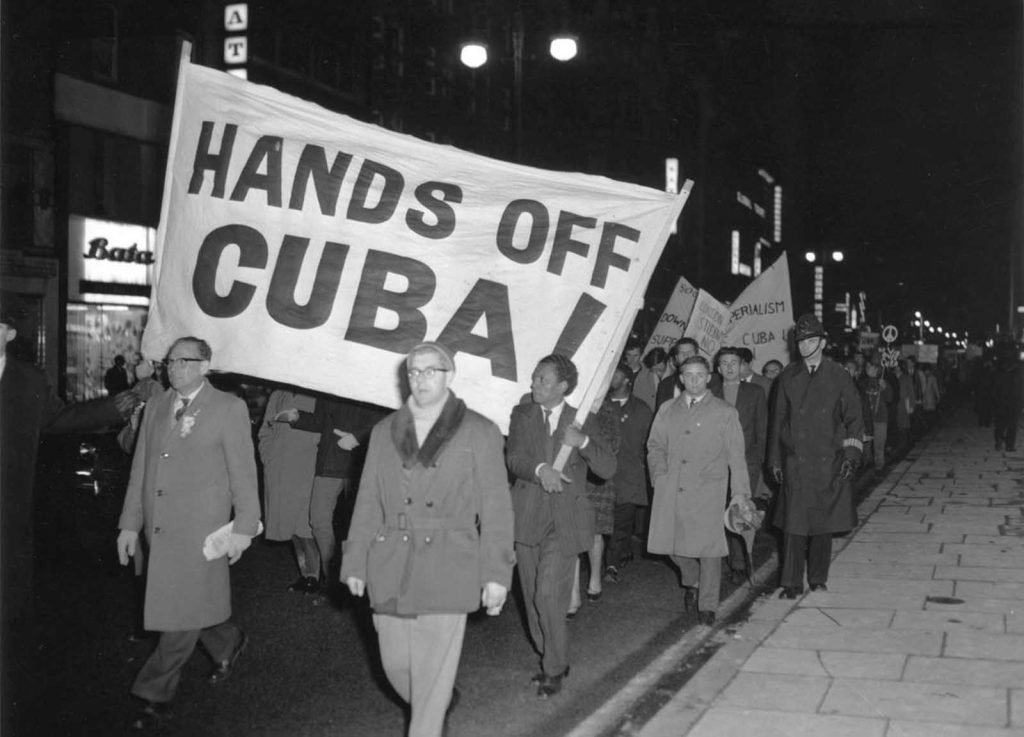
On October 28, 1962, members of the Campaign for Nuclear Disarmament marched in London, expressing opposition to U.S. measures during the Cuban Missile Crisis and calling for global nuclear restraint.
Soviet Missiles Depart from Casilda
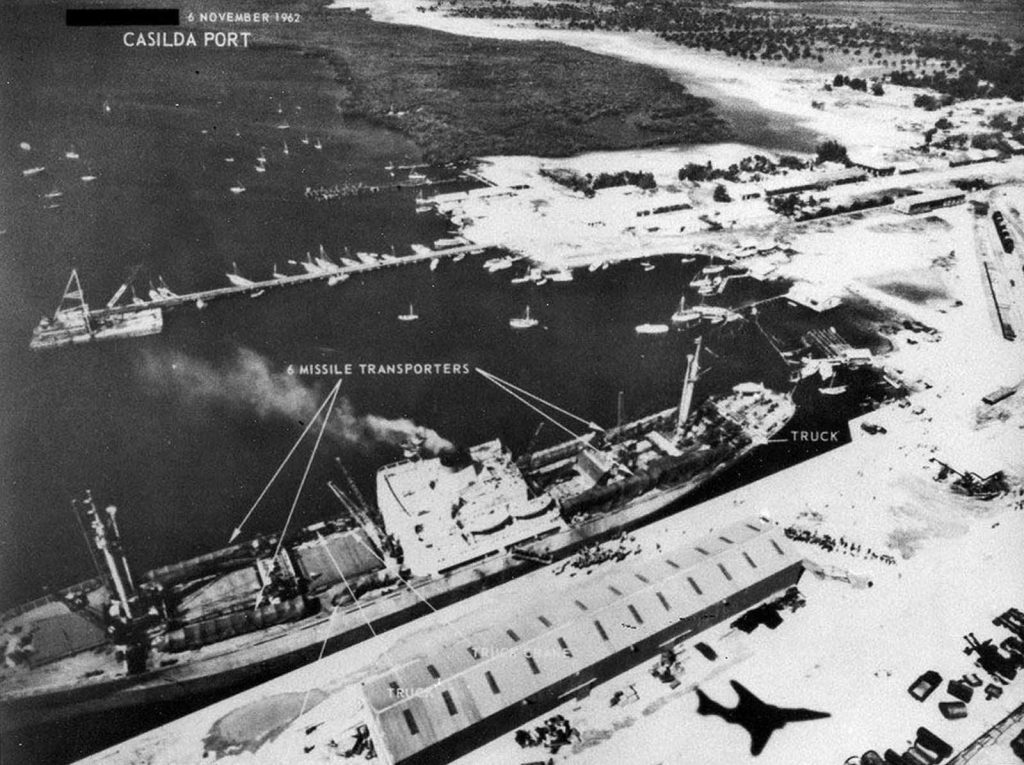
On November 6, 1962, Soviet personnel loaded six missile transporters onto a ship at Cuba’s Casilda port, captured from above by an RF-101 reconnaissance jet, signaling the beginning of the missile withdrawal.
U.S. Patrol Plane Shadows Soviet Freighter
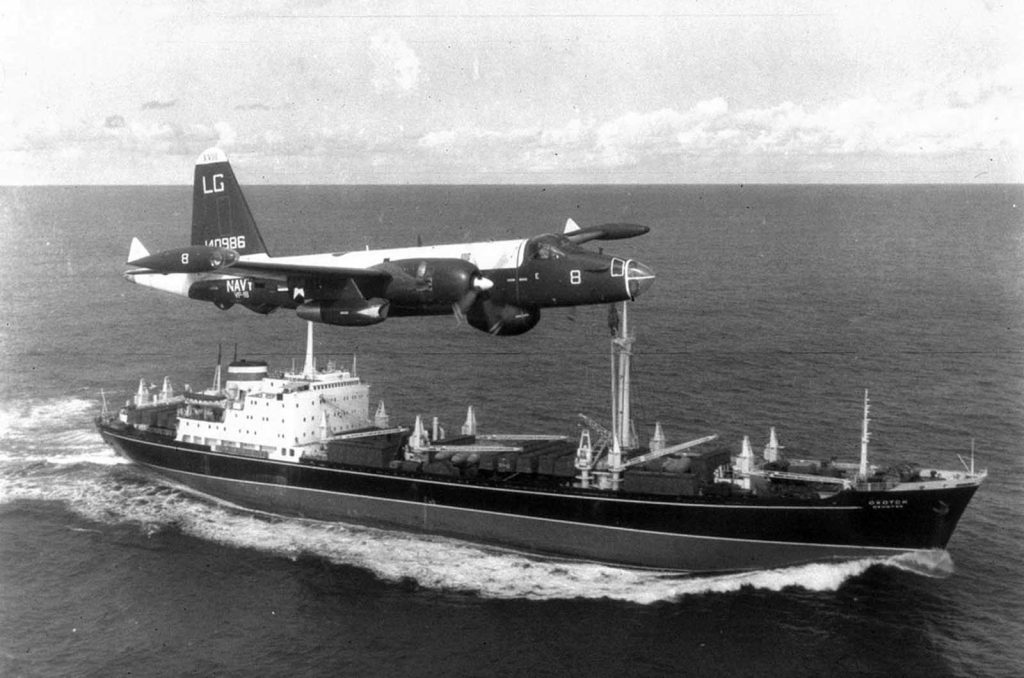
In 1962, a U.S. P2V Neptune patrol plane monitored a Soviet freighter, tracking ship movements as part of the naval quarantine during the Cuban Missile Crisis.
Soviet Submarine Oversees Missile Withdrawal
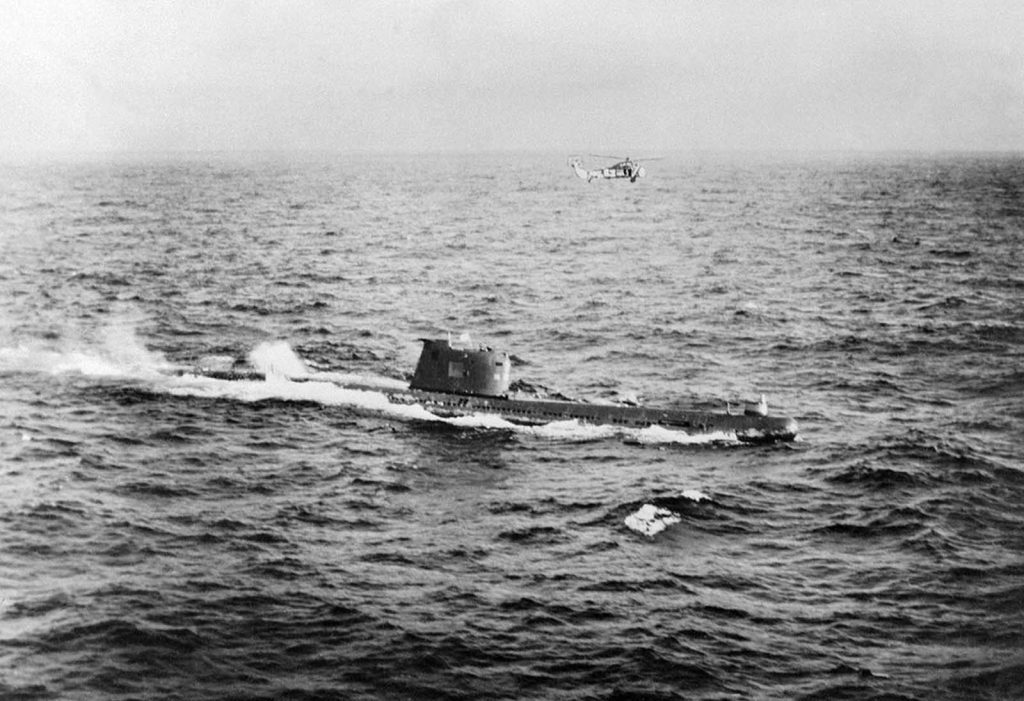
On November 10, 1962, a Soviet submarine patrolled near Cuba as missiles were dismantled and loaded for return to the USSR, monitored closely by U.S. aircraft and warships under the terms of the crisis agreement.
Medical Preparations in Florida
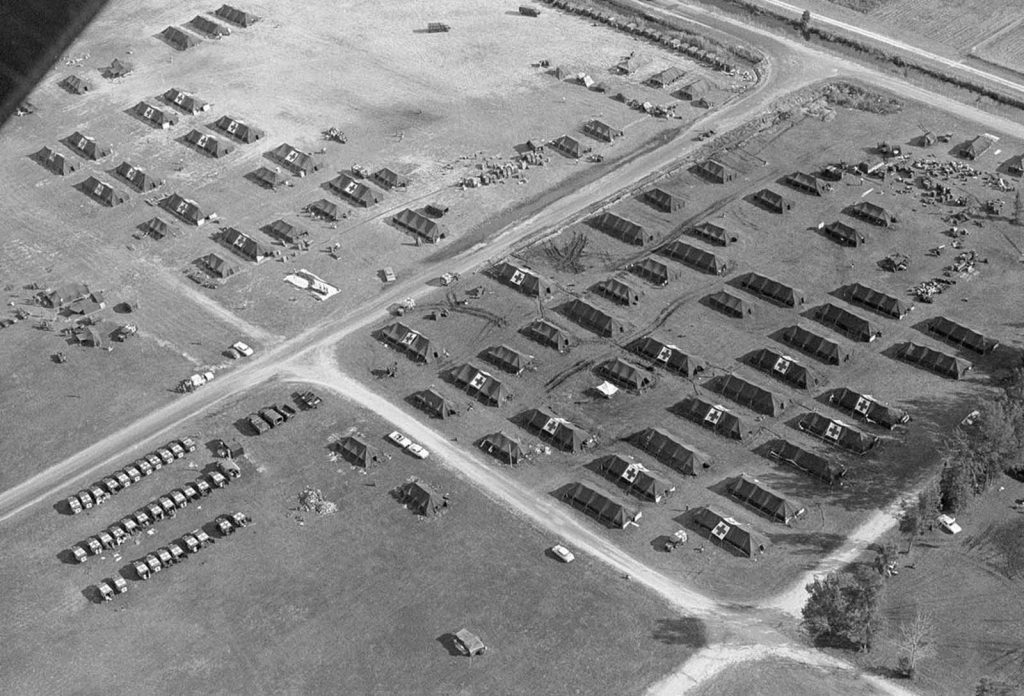
In November 1962, U.S. Army hospital tents and ambulances were established at Opa Locka airport in Miami, ready to respond to any casualties during the tense final days of the Cuban Missile Crisis.
Troops and Missiles Poised in Florida
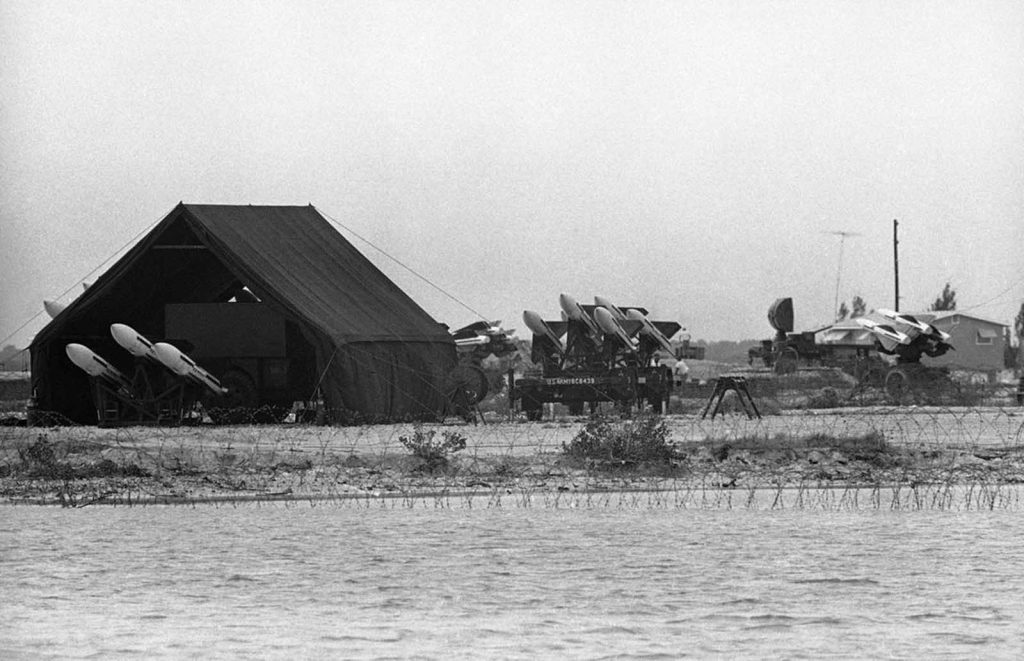
On November 21, 1962, U.S. forces and military equipment in Key West remained fully manned and ready, prepared to launch an invasion of Cuba if ordered, even as tensions began to ease.
U.S. Ship Escorts Soviet Vessel
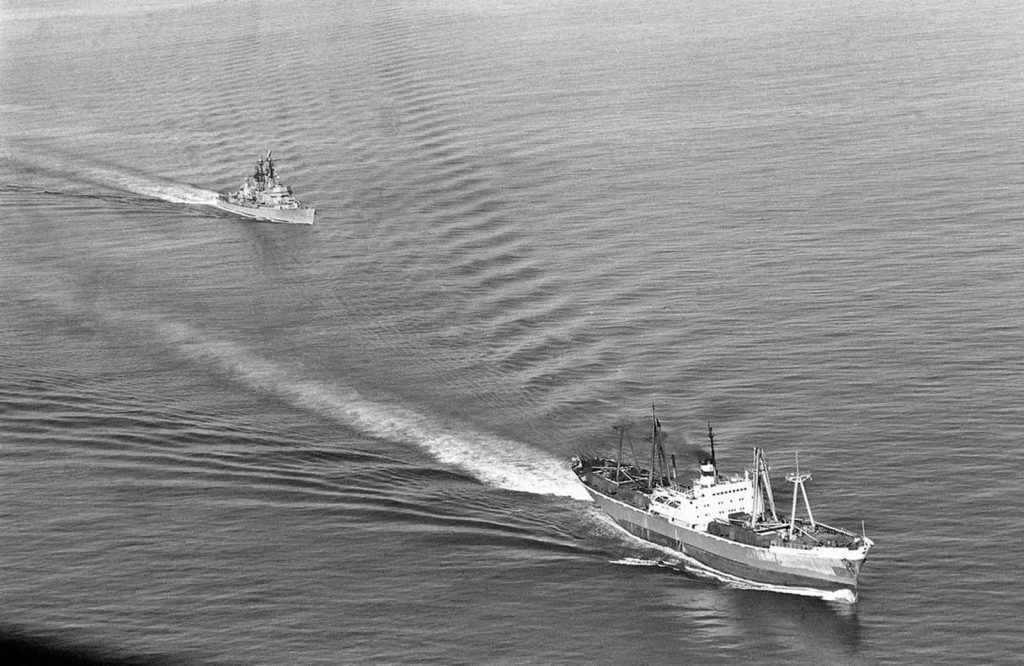
On November 10, 1962, the U.S. Navy guided-missile ship Dahlgren shadowed the Soviet ship Leninsky Komsomol as it departed Casilda, Cuba, ensuring compliance with the missile withdrawal agreement.
Soviet Aircraft Leave Cuba
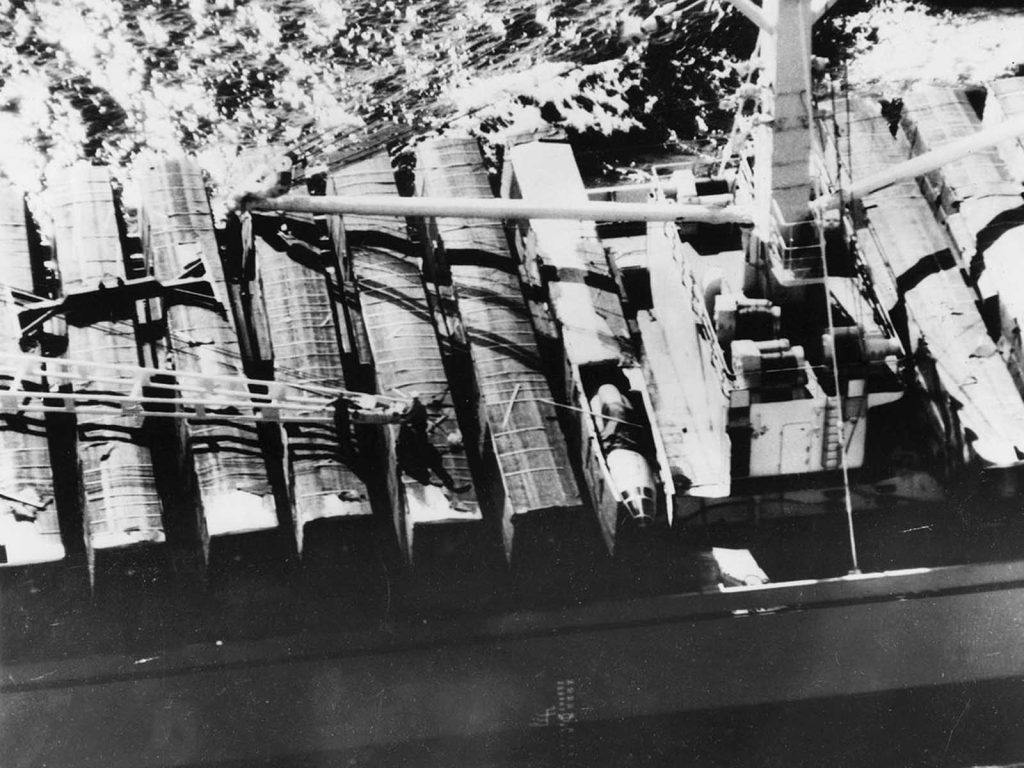
The Soviet ship Kasimov departed Cuba carrying 15 I1-28 aircraft, fulfilling U.S. demands and marking a key step in de-escalating the Cuban Missile Crisis.
Missile Site in Sagua La Grande
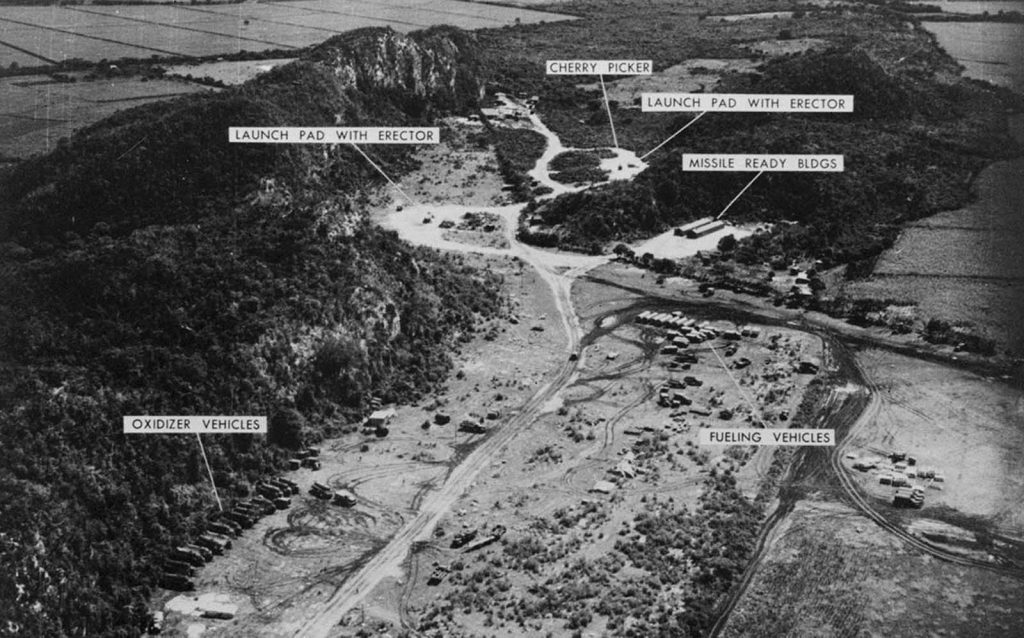
This low-level photo, taken on November 1, 1962, shows a medium-range ballistic missile site in Sagua La Grande, Cuba, highlighting the continued Soviet missile presence during the crisis.
Kennedy Announces Destruction of Missile Bases
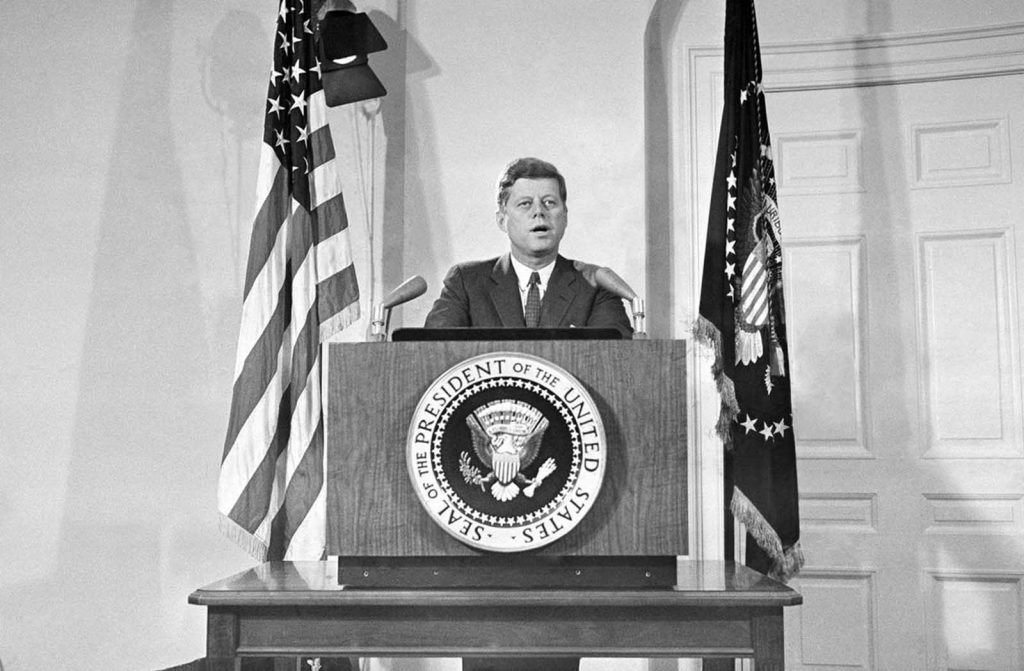
On November 2, 1962, President Kennedy addressed the nation, confirming that Soviet missile sites in Cuba were being dismantled and emphasizing continued U.S. air surveillance until inspections ensured compliance.
Anti-Aircraft Rockets Ready in Florida
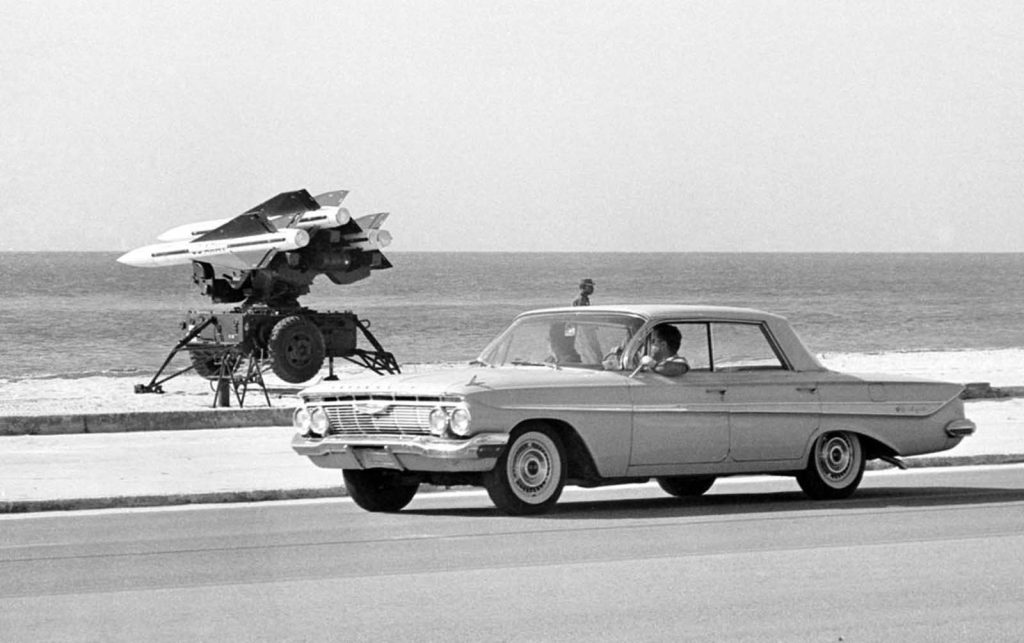
On October 27, 1962, U.S. Army anti-aircraft rockets were positioned over the Florida Straits in Key West, prepared to defend against any potential air attacks during the Cuban Missile Crisis.
New Yorkers Queue for Crisis Updates
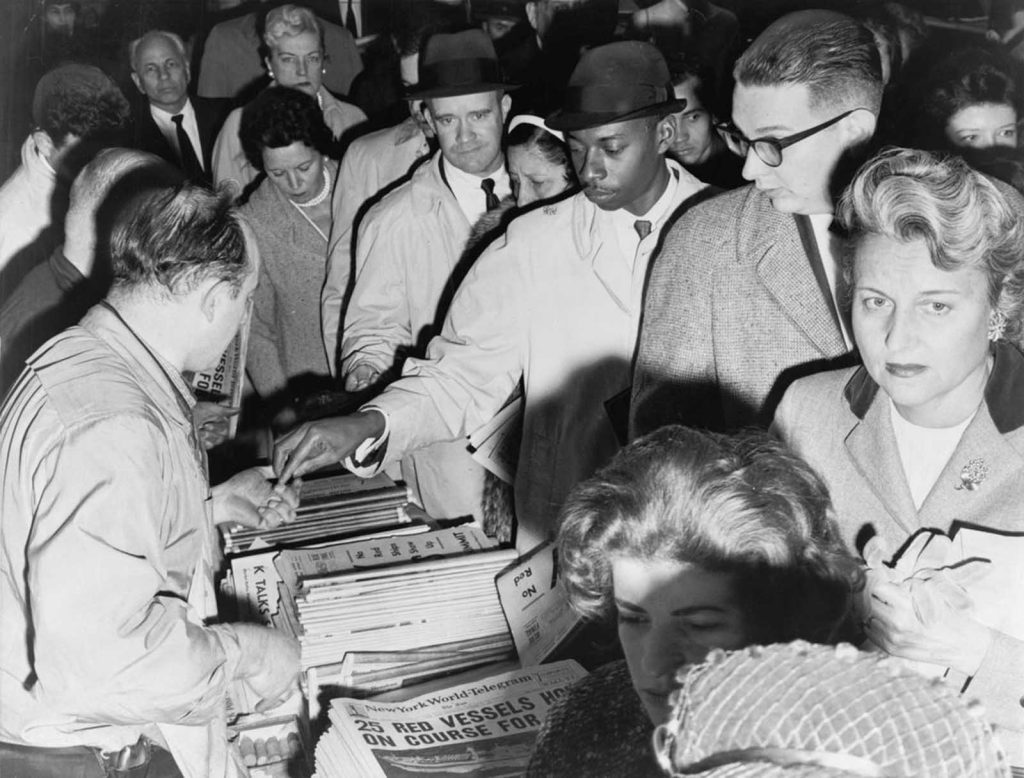
In October 1962, anxious New Yorkers lined up to buy newspapers, desperate for the latest information on the Cuban Missile Crisis as tensions with the Soviet Union reached a peak.
Soldiers Guard Key West
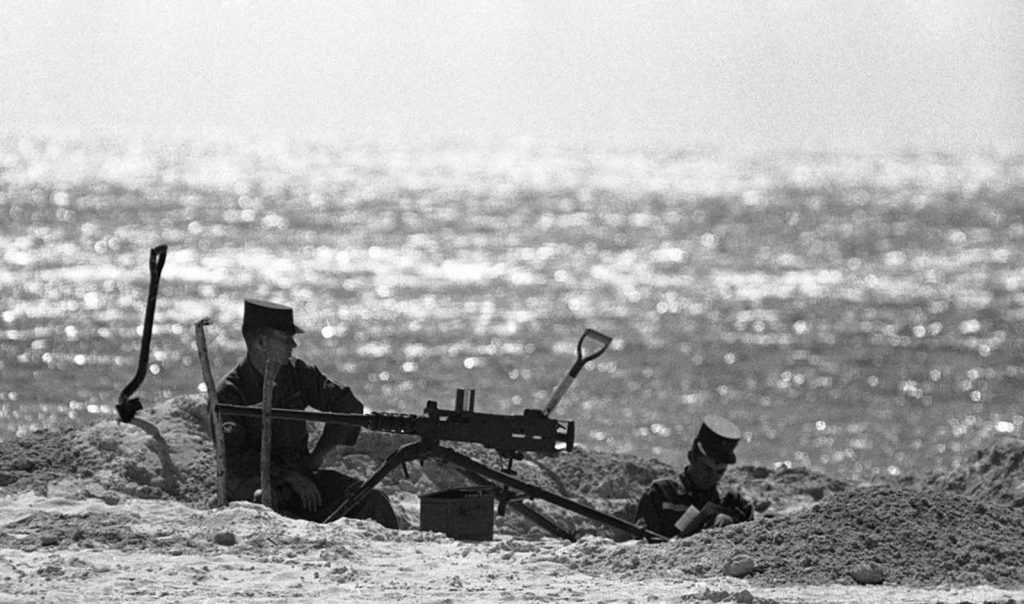
On October 27, 1962, two U.S. soldiers man a machine gun position in a sandy dugout on Key West, Florida, prepared for any potential conflict during the height of the Cuban Missile Crisis.
Kennedy Signs Cuban Arms Quarantine
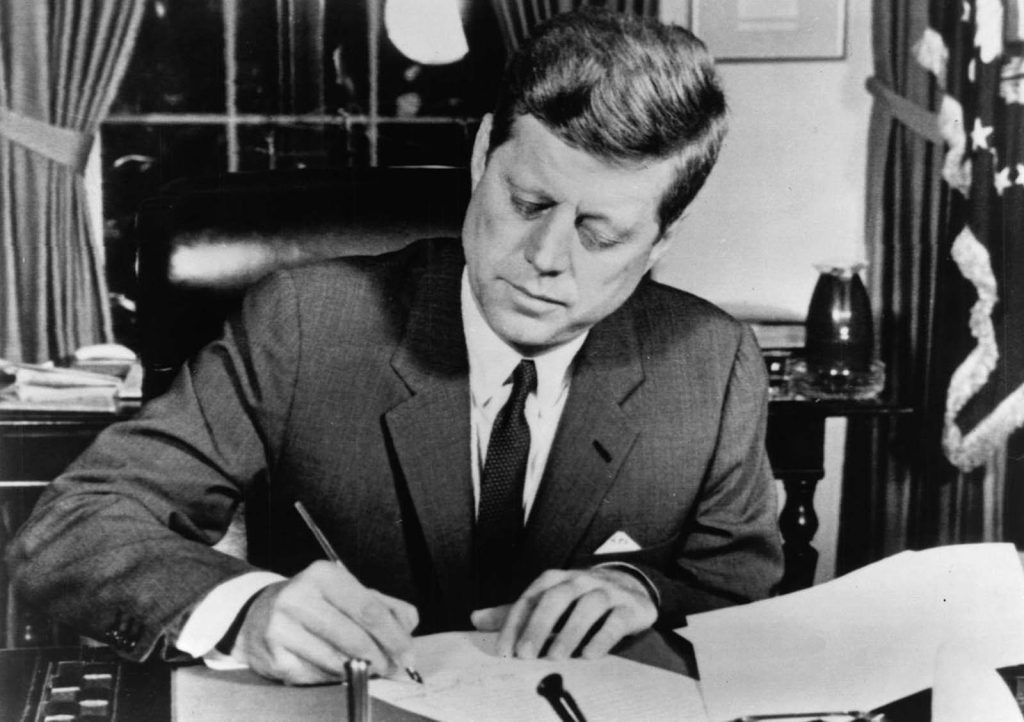
On October 23, 1962, President Kennedy officially enacted a U.S. arms quarantine against Cuba, a critical step in preventing further Soviet missile shipments and escalating tensions.
Castro Responds to Kennedy’s Blockade
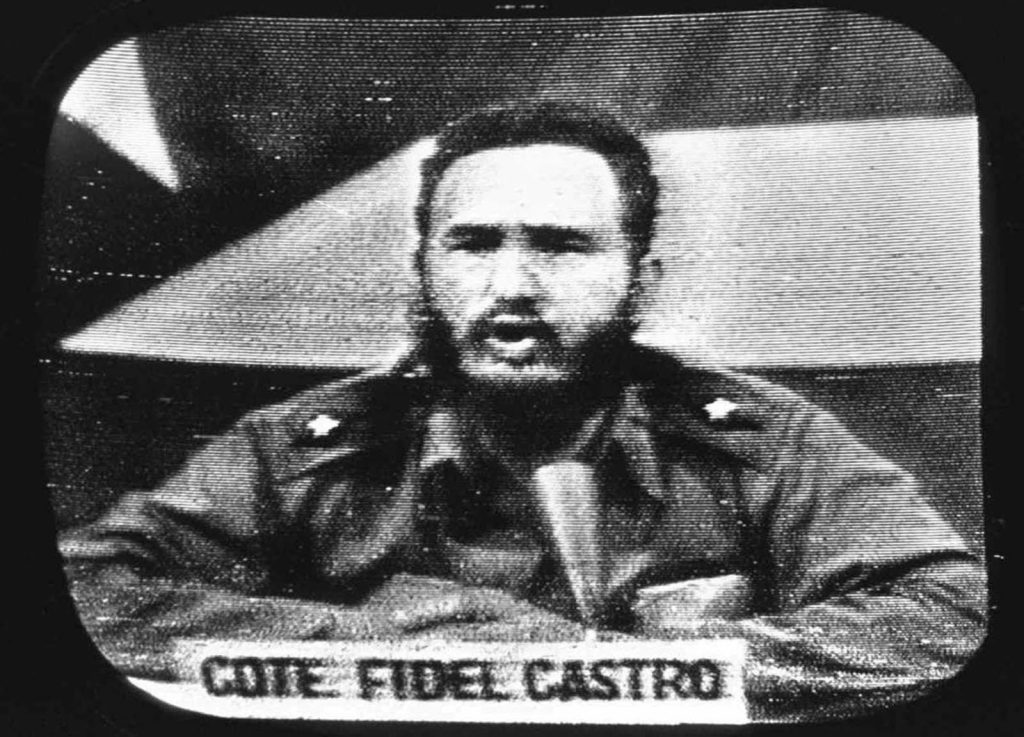
On October 23, 1962, Cuban President Fidel Castro addressed the nation via radio and television, responding to President Kennedy’s naval blockade and defending Cuba’s stance during the escalating crisis.
Key Figures at UN Security Council
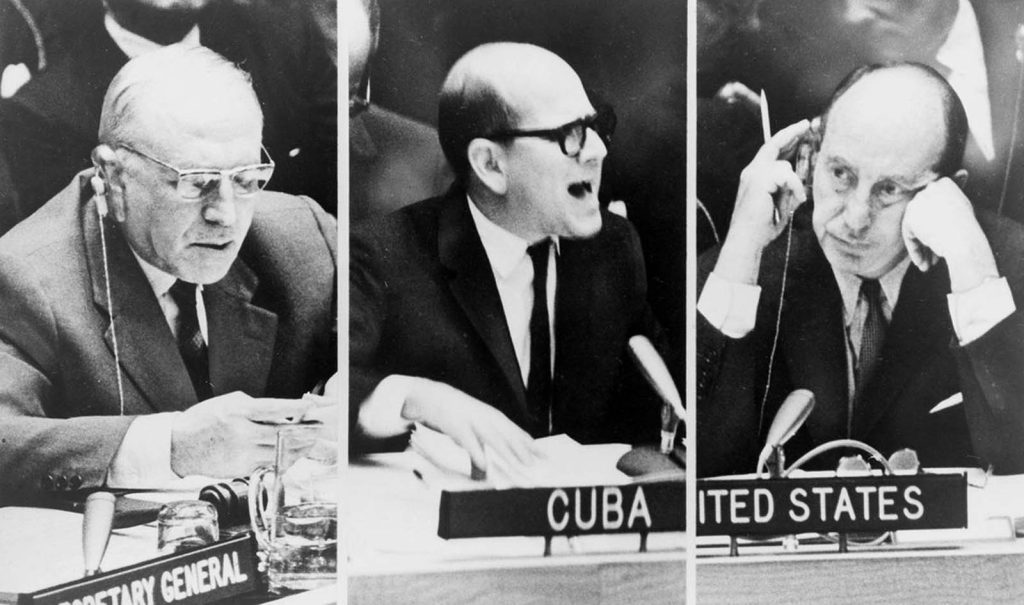
This composite from October 23, 1962, shows Soviet deputy minister Valerian Zorin, Cuba’s UN representative Mario Garcia-Inchaustegui, and U.S. Ambassador Adlai Stevenson during tense Security Council deliberations over the missile crisis.
Kennedy’s Annotated Map of Missile Sites
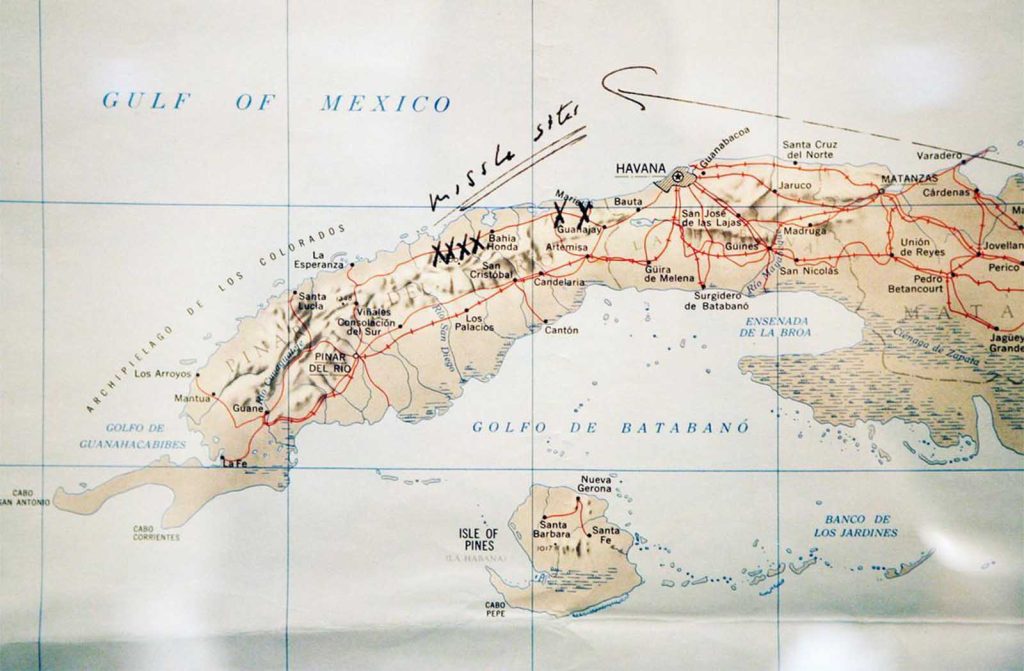
This map, first shown at the JFK Library in 2005, was marked by President Kennedy on October 16, 1962, highlighting Soviet missile sites in Cuba with Xs, a crucial visual aid during the initial CIA briefing.
Spy Photo Reveals Missile Base
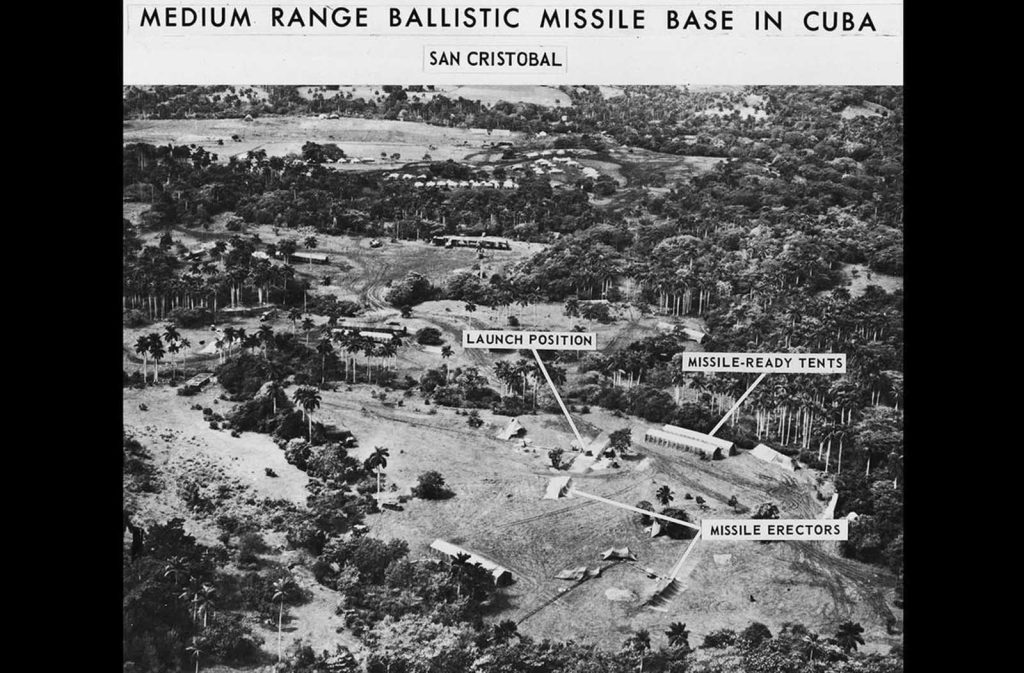
This October 1962 image shows a medium-range ballistic missile base in San Cristobal, Cuba, with detailed labels highlighting key parts of the facility, providing crucial intelligence during the crisis.
Kennedy Addresses the Nation on Cuba
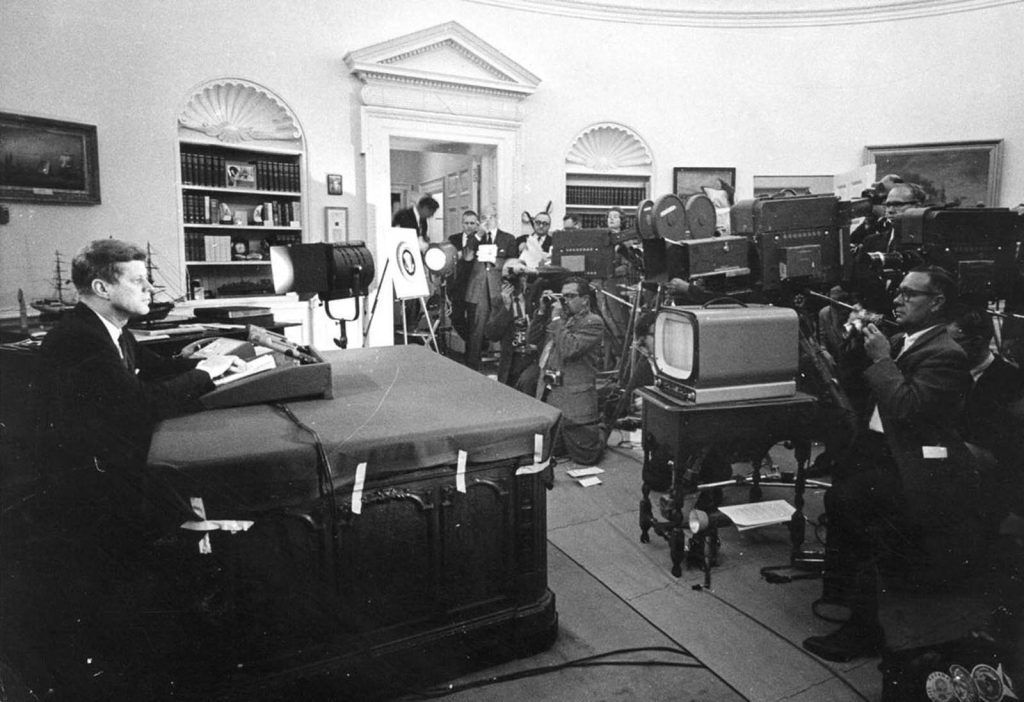
On October 24, 1962, President John F. Kennedy spoke directly to the American public, announcing the strategic naval blockade of Cuba and warning the Soviet Union against deploying missiles, marking a tense moment in the crisis.