
Language evolves constantly, and along the way countless words fall through the cracks. Some disappeared because culture changed, others because simpler terms replaced them, and a few vanished simply because they were too strange to survive. These forgotten expressions once had clear meanings and real dictionary entries, yet today they live only in old books and linguistic curiosity.
1. Aerodrome
An old British word for a place where aircraft operations take off and land. It disappeared once “airport” became the clearer, more universal term.
2. Alienism
The former name for the study and treatment of mental illness. It faded out because it carried an insensitive tone and didn’t reflect modern psychiatric understanding.
3. Apothegmatic
Once used to describe someone who communicated in short, sharp, proverbial sayings. It fell out of use as everyday speech moved away from formal rhetorical styles.
4. Bibesy
A playful eighteenth century term describing an enthusiastic desire for drinking. Modern slang took over, leaving this charming word behind.
5. Brabble
A verb meaning to argue stubbornly about petty things. It vanished as simpler, more familiar words filled that space.
6. Crinkum-crankum
A lively old term for overly elaborate decoration or fancy, excessive detail. It faded as English moved toward more straightforward descriptions.
7. Curglaff
A Scottish word referring to the shock felt when plunging into cold water. Over time, descriptive phrases replaced the need for this single expression.
8. Deliciate
An older verb meaning to delight oneself or indulge in revelry. It disappeared as more direct, modern vocabulary took its place.
9. Elflock
A late-sixteenth-century word for tangled hair supposedly caused by mischievous elves. It fell away as folklore stopped shaping everyday language.
10. Frigorific
Used to describe something that produces cold. It was replaced by the simpler adjective “frigid.”
11. Frutescent
A botanical term meaning “shrub-like” or having the qualities of a shrub. It became obsolete as scientific vocabulary standardized.
12. Hodad
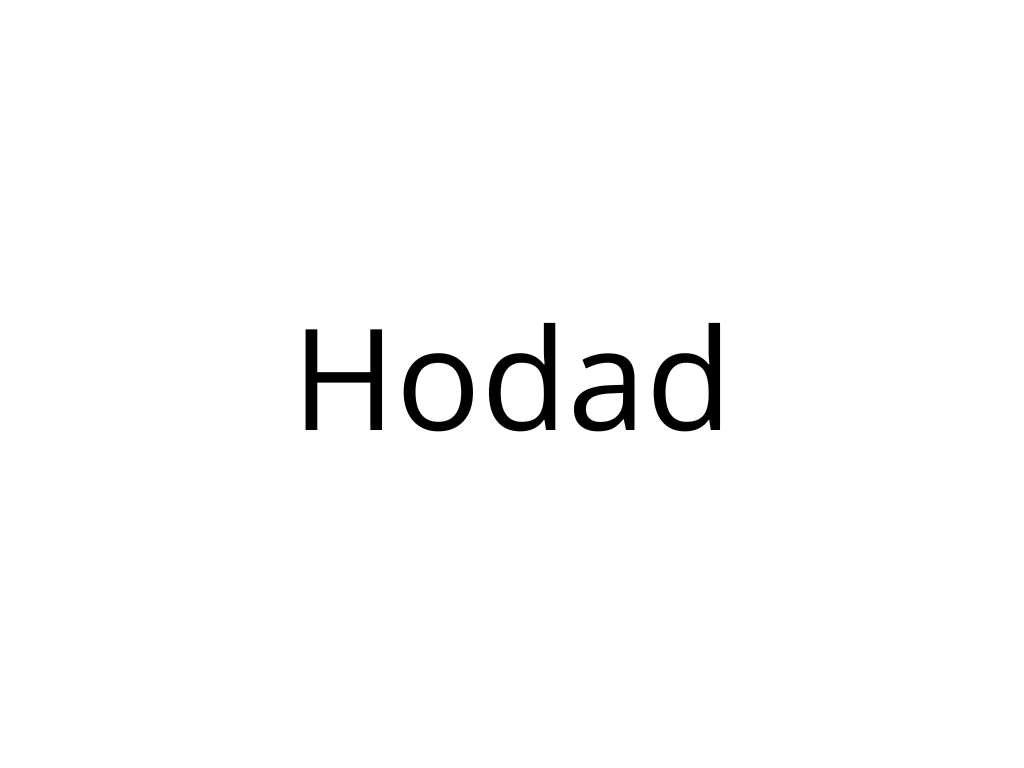
A 1960s term meaning a poser who pretends to be a surfer. Newer slang made it unnecessary.
13. Jargogle
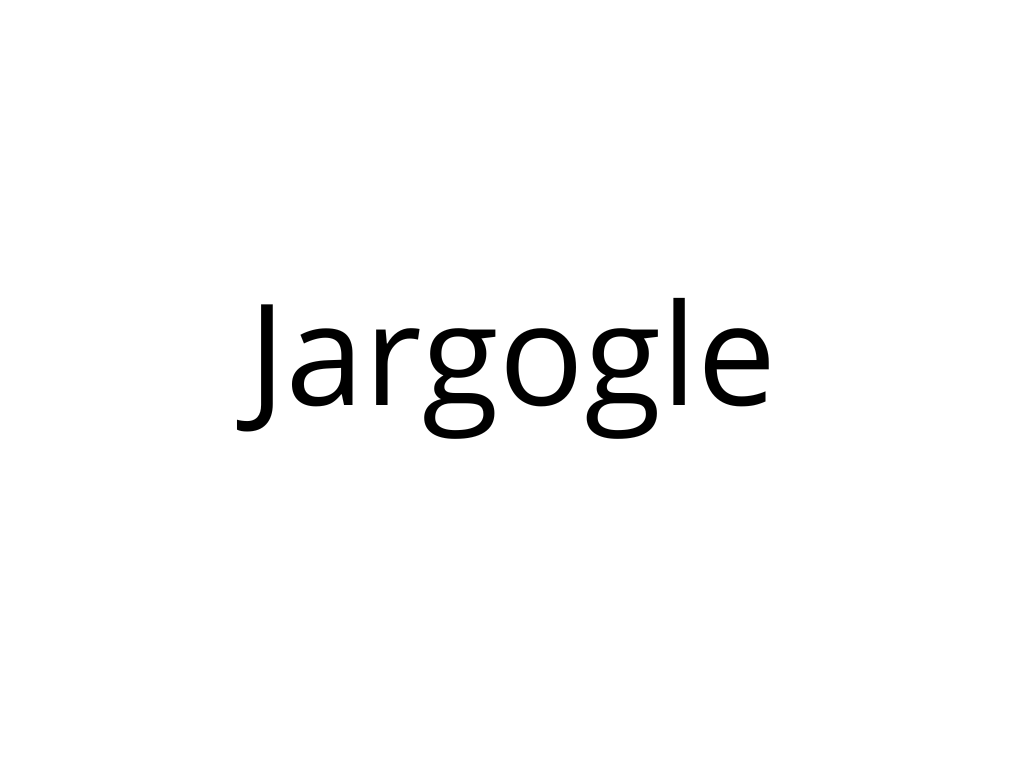
A wonderfully odd verb meaning to confuse or bewilder. Its own sound may be partly why it didn’t survive into modern usage.
14. Sanguinolency
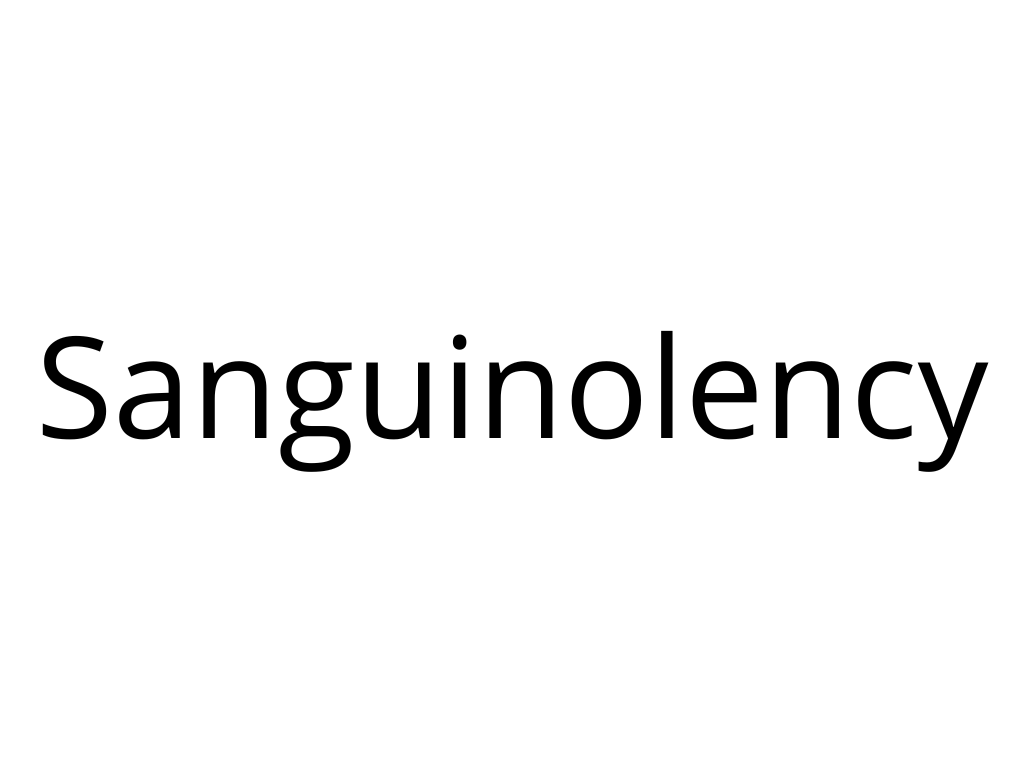
A rare term describing a tendency toward bloodshed. It disappeared due to its narrow use and grim tone.
15. Slubberdegullion
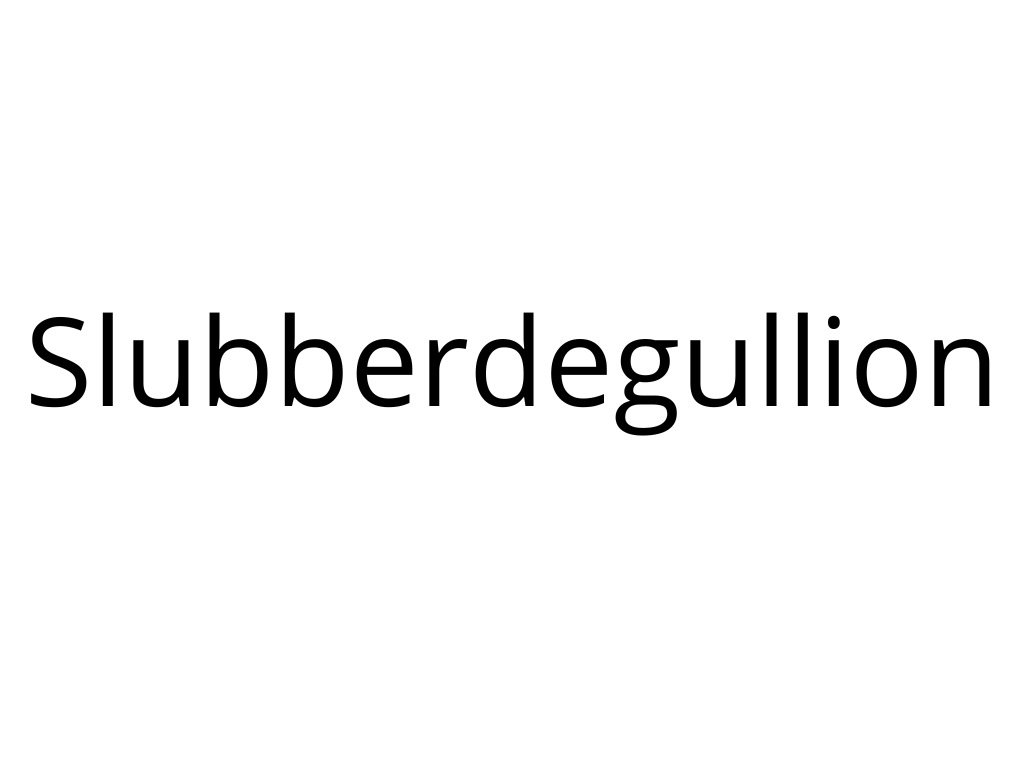
A fantastically dramatic insult for someone dirty, sloppy, or worthless. It faded simply because it was too long and theatrical for daily conversation.
16. Spermologer
A witty old word for a gossip or someone who hoards trivial bits of information. Modern terms pushed it aside.
A name once used for a dishonest, unscrupulous politician. The behavior persists, but the word did not.
18. Snoutfair
Surprisingly, it meant an attractive person rather than an insult. It fell away because its meaning was the opposite of what it sounded like.
19. Snowbrowth
An old term for melted snow. Plain descriptions eventually replaced it.
20. Sternforemost

A nautical term meaning a ship moving backward, with its stern leading. Modern maritime language simplified things enough to make it obsolete.
21. Supererogation
The act of performing more work than duty requires. Its overly formal tone pushed it out of general vocabulary.
22. Ultracrepidarian
A beautifully sharp word for someone who offers opinions beyond their knowledge. It became obsolete because of its length despite being perfectly accurate.
23. Vitamin G
The outdated name for riboflavin before vitamins received their standardized lettering system.
Yarely
It was an adverb meaning “quickly, promptly, or with agility.” It appeared in Early Modern English and was genuinely included in historical dictionaries of the period. Writers such as Shakespeare used it in plays like The Tempest.
Younker
An old term for a young man or boy. It fell out of everyday use as simpler words replaced it.












