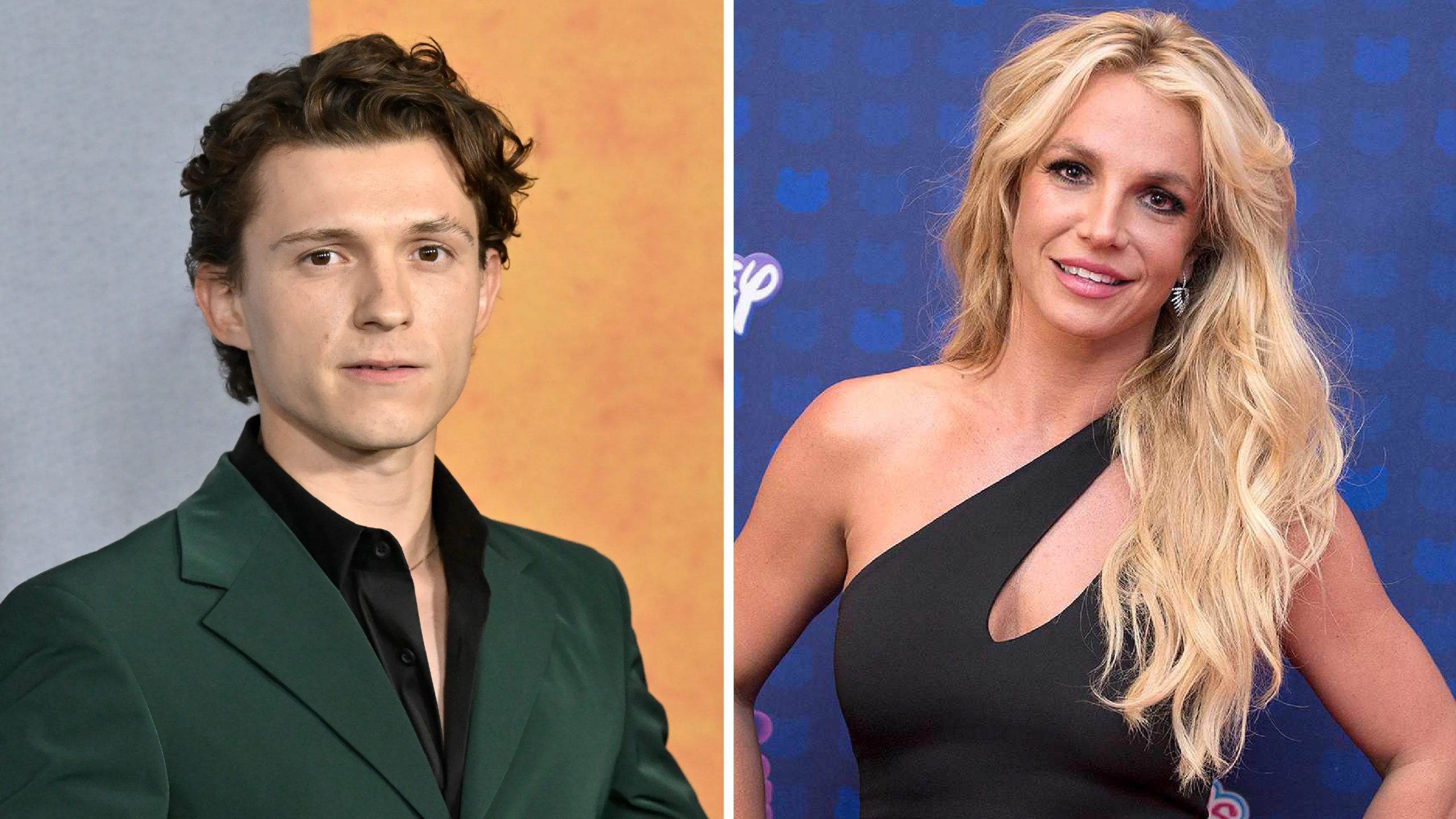
Fame promises glamour, but behind the spotlight it often demands too much. Many celebrities have spoken about how social media, relentless schedules, and public scrutiny erode their mental health. Success can look effortless from the outside, yet for many public figures it hides exhaustion and anxiety. Every move is magnified online, while constant touring, filming, and appearances drain even the strongest. This roundup highlights stars who chose to speak out or step back, showing the true cost of success when the pressure never stops.
Jonah Hill
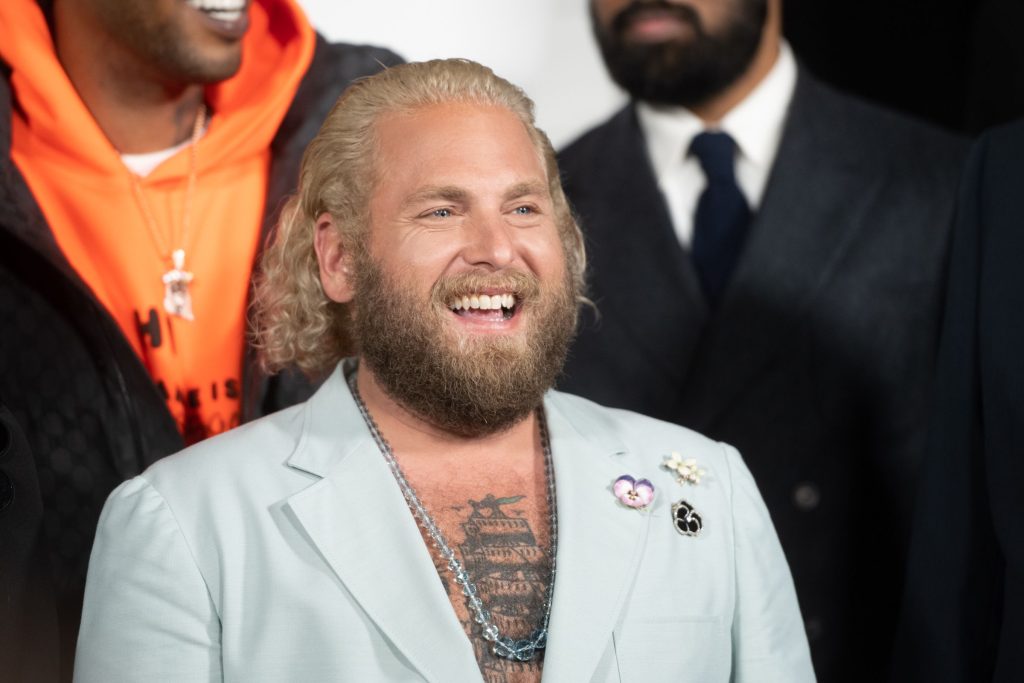
The actor stepped back from media and promotion, explaining public anxiety and panic attacks, and asked people to stop weaponizing his image online.
Amanda Bynes
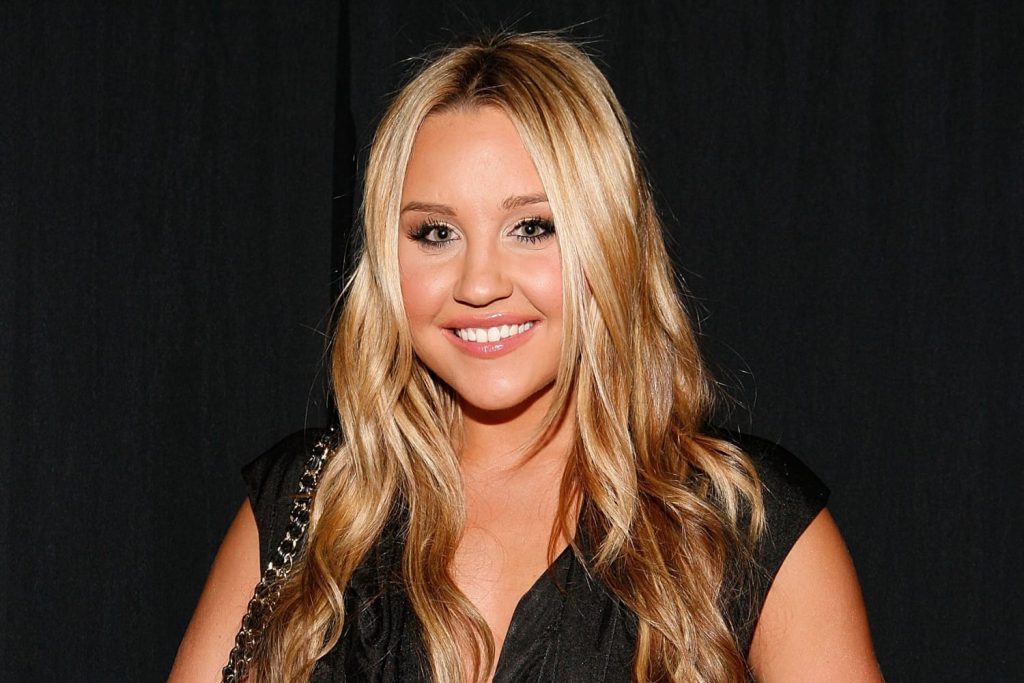
A onetime child star whose fame arrived early, she spent years in and out of treatment and legal supervision as the spotlight intensified. Coverage often framed her struggles as the darker edge of child stardom.
Simone Biles
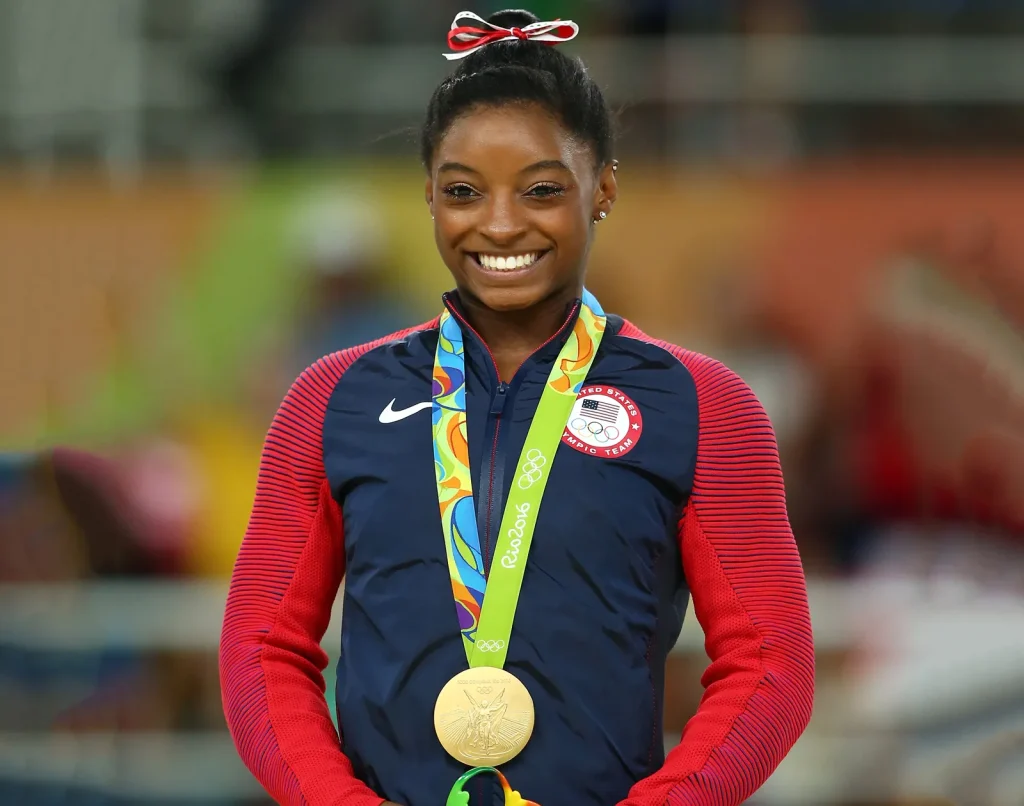
At the Tokyo Games, the most decorated gymnast alive withdrew from multiple events to protect her mental health and safety, putting athlete well-being at the center of the conversation. She later returned to competition on her own terms.
Zayn Malik
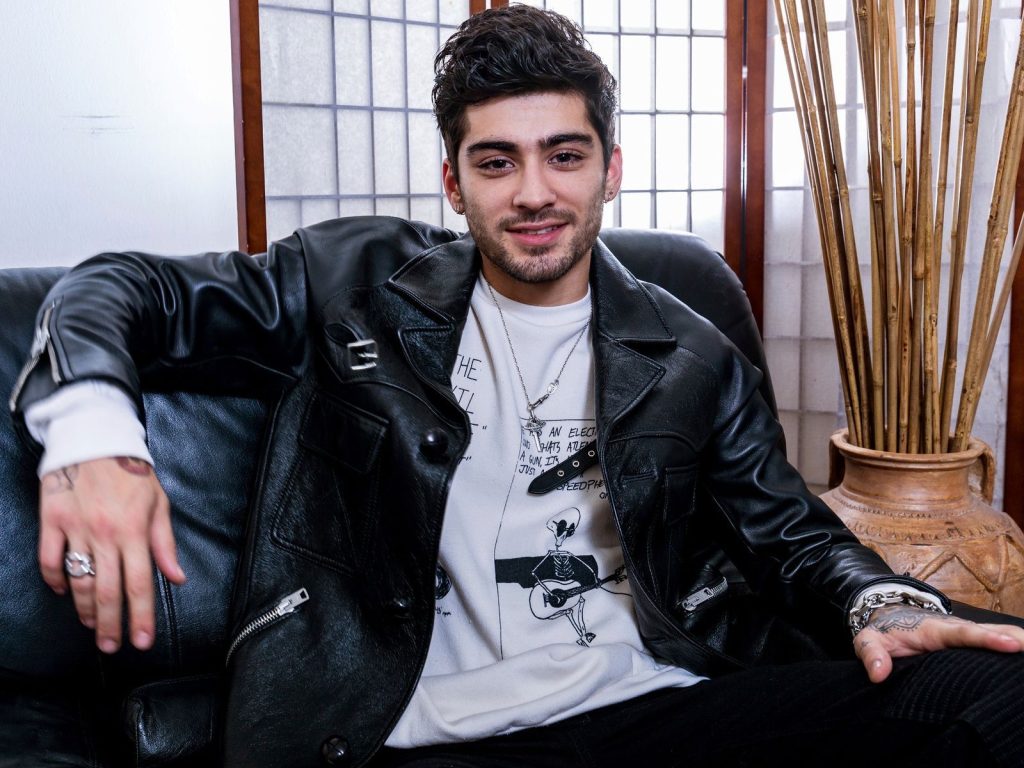
The singer has been candid about stage anxiety, including canceled performances tied to panic attacks. He has described intense pressure and scrutiny as triggers.
Michael Jackson
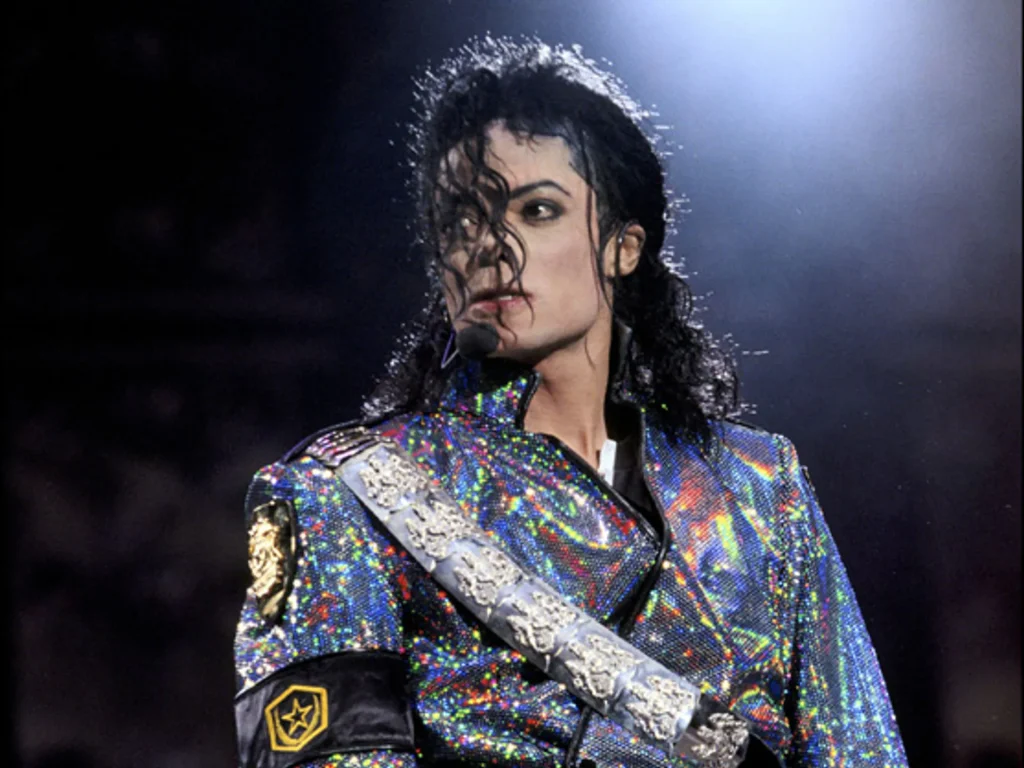
Reporting on his later years often described the crushing intensity of fame, isolation, and mounting pressures surrounding tours and health. The story is complex and contested, but the strain of superstardom is a recurring theme.
Ariana Grande
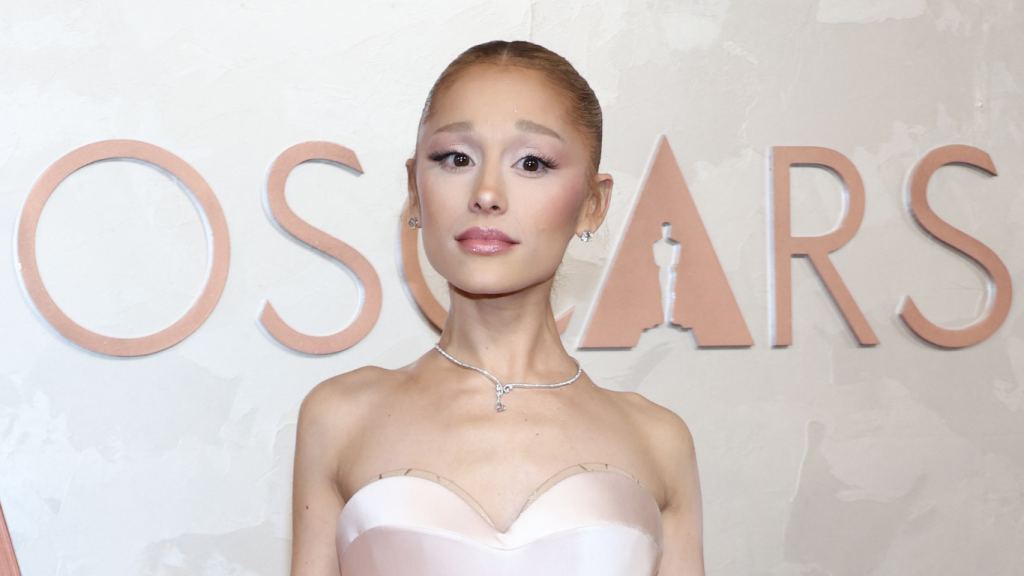
After a string of public crises, she took social media breaks and asked fans to be gentler, saying the online noise can be corrosive. She has openly urged compassion for anyone struggling.
Tom Holland
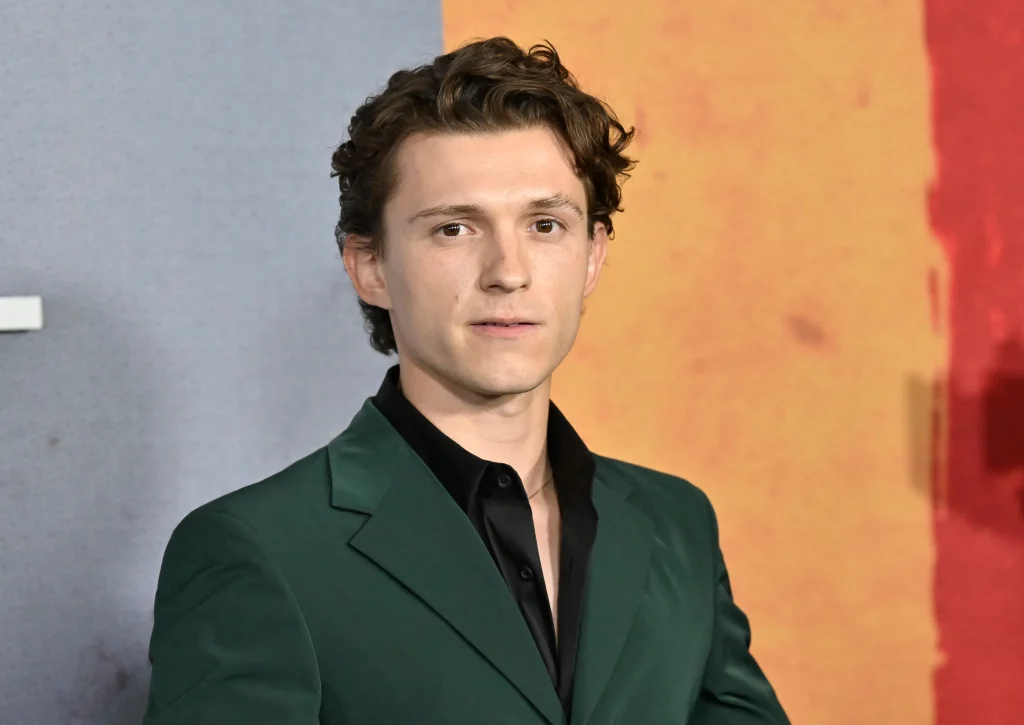
He announced a social media hiatus to protect his mental health, saying online chatter became “overwhelming.” He briefly returned to boost youth mental health resources, then logged off again.
Jim Carrey
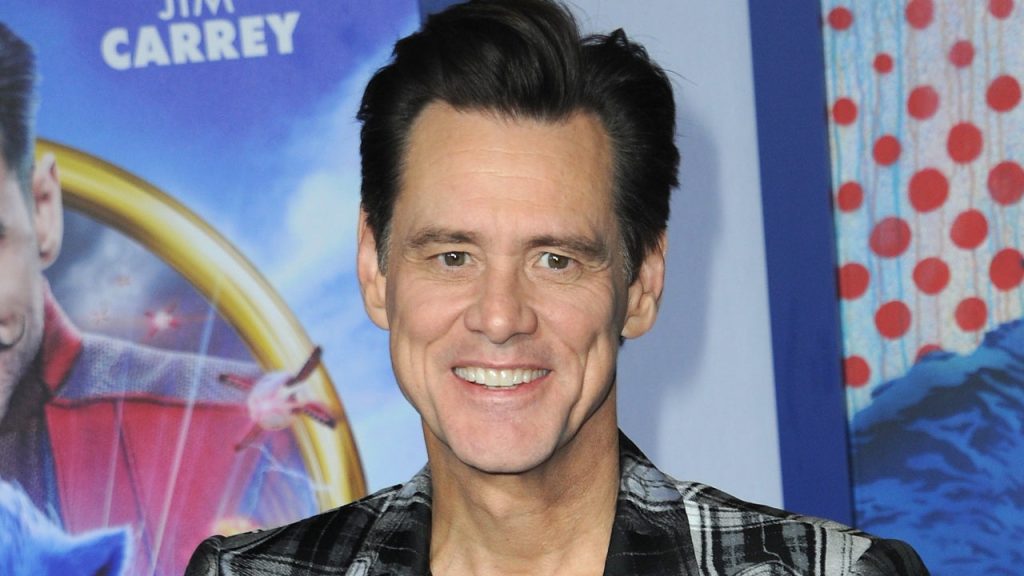
He has discussed depression and the shapeshifting identity that comes with extreme fame, stepping back from Hollywood for long stretches. His candor helped normalize therapy in showbiz circles.
Ed Sheeran
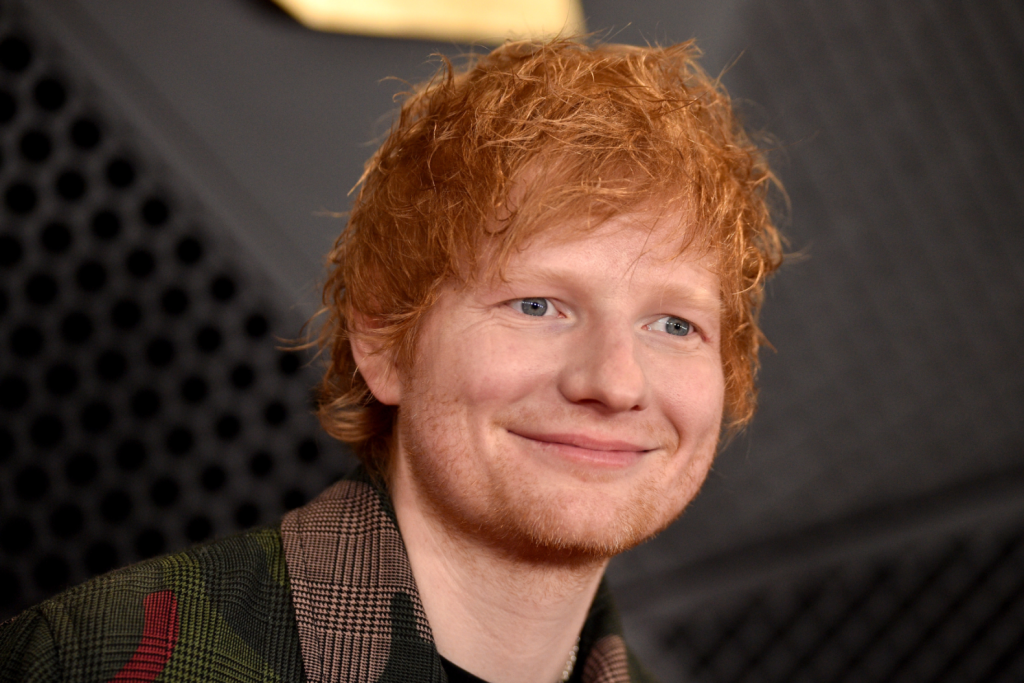
He repeatedly unplugged from phones and social feeds, saying he wanted to stop “seeing the world through a screen,” and later explained he still lives largely phone-free to reduce stress.
Demi Lovato
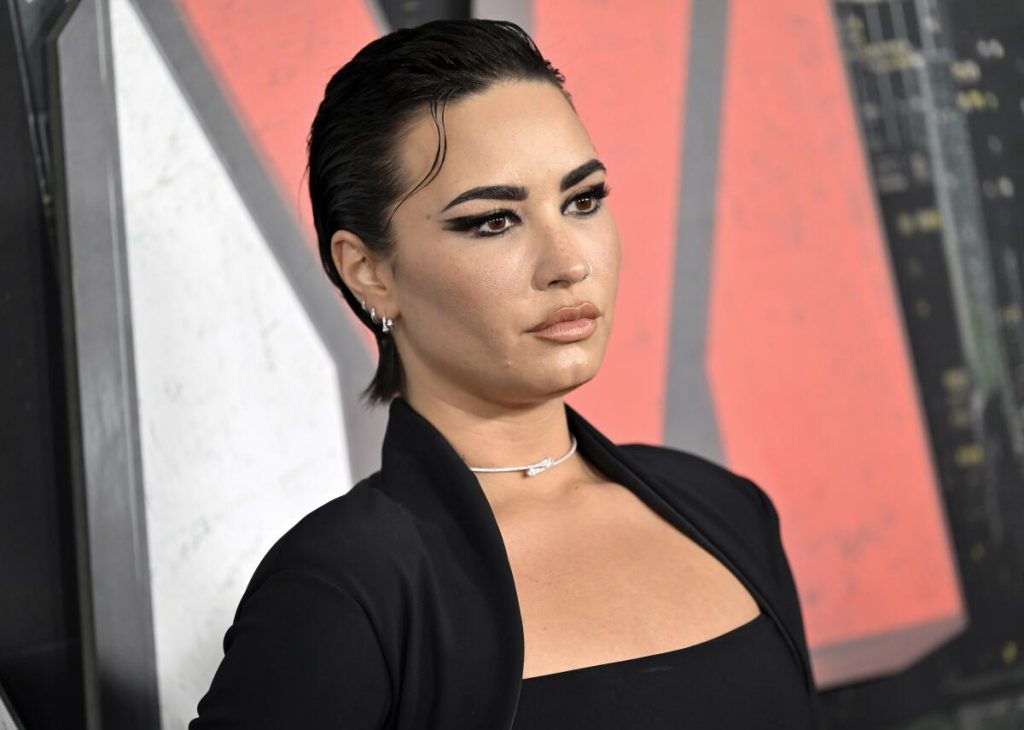
Lovato has spoken extensively about bipolar disorder, treatment, and setting digital boundaries. More recently, she said online negativity holds far less power than it used to.
Lewis Capaldi
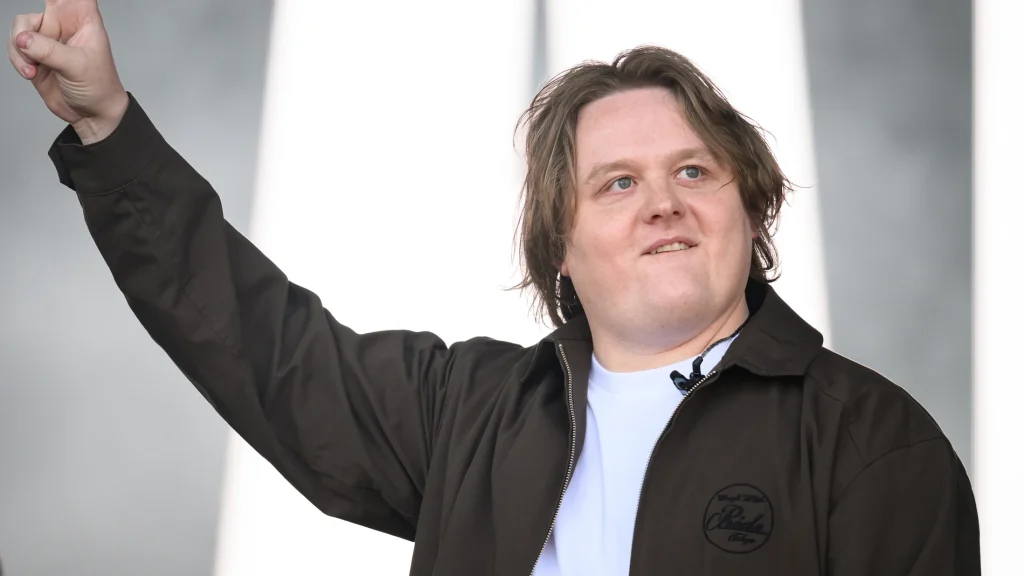
He paused touring after his Glastonbury set made clear how Tourette’s and anxiety were clashing with the scale of fame, later returning with stricter limits.
Lindsay Lohan
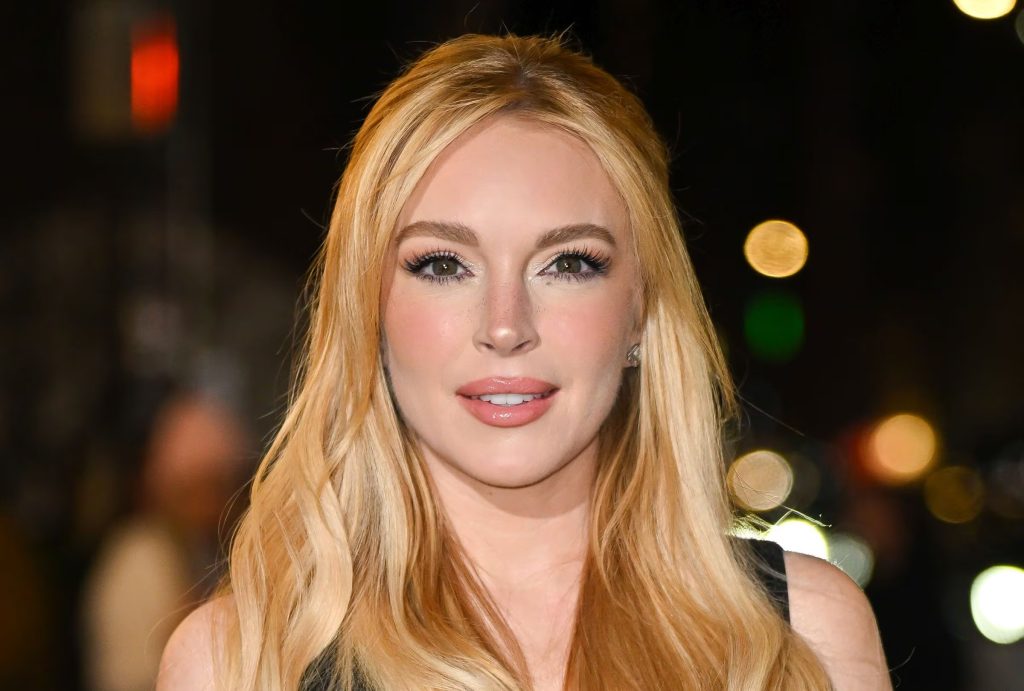
Years of tabloid surveillance blurred into health and legal issues, with outlets pointing to the suffocating intensity of early fame. Her story became a template for talking about young stars and boundaries.
Naomi Osaka
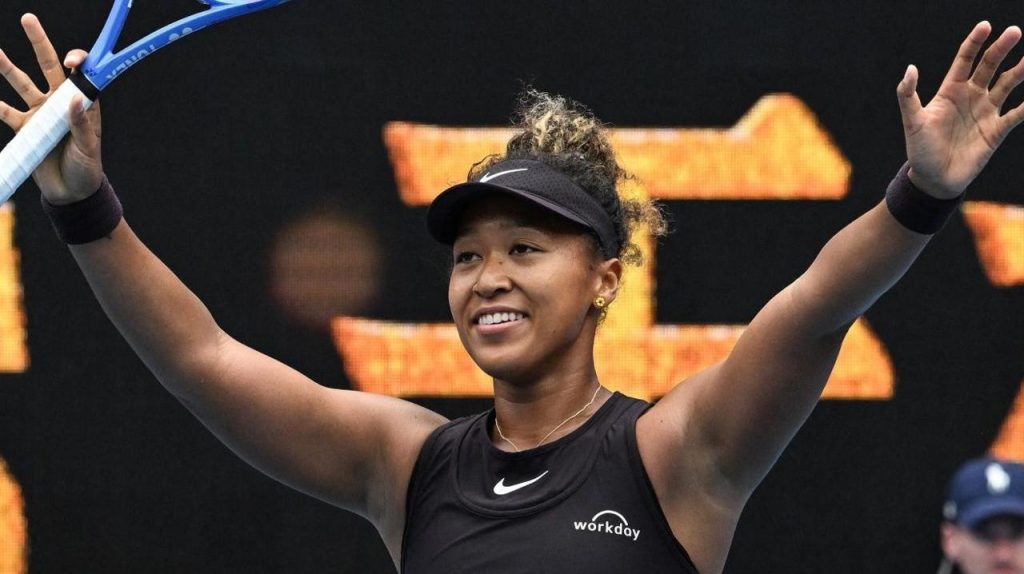
She withdrew from the French Open and then Wimbledon, explaining that mandatory press and public scrutiny worsened her anxiety and depression, which sparked a global rethink of athlete media demands.
Selena Gomez
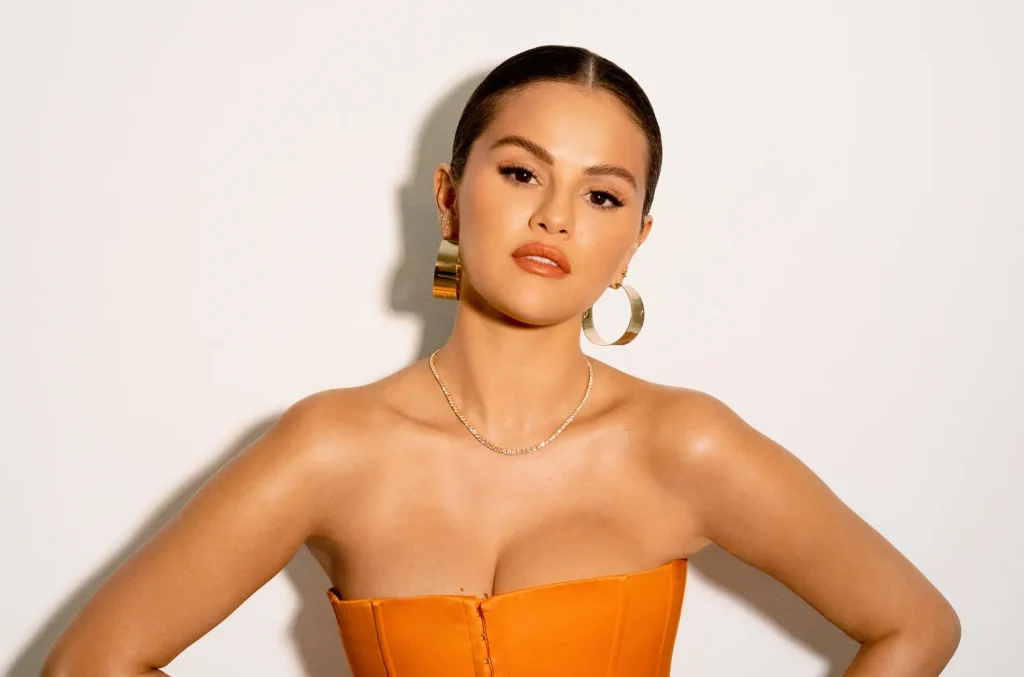
She has repeatedly stepped away from social media, calling timeouts when the feed turns toxic, and has said therapy helps her manage the fallout of early fame.
Lizzo
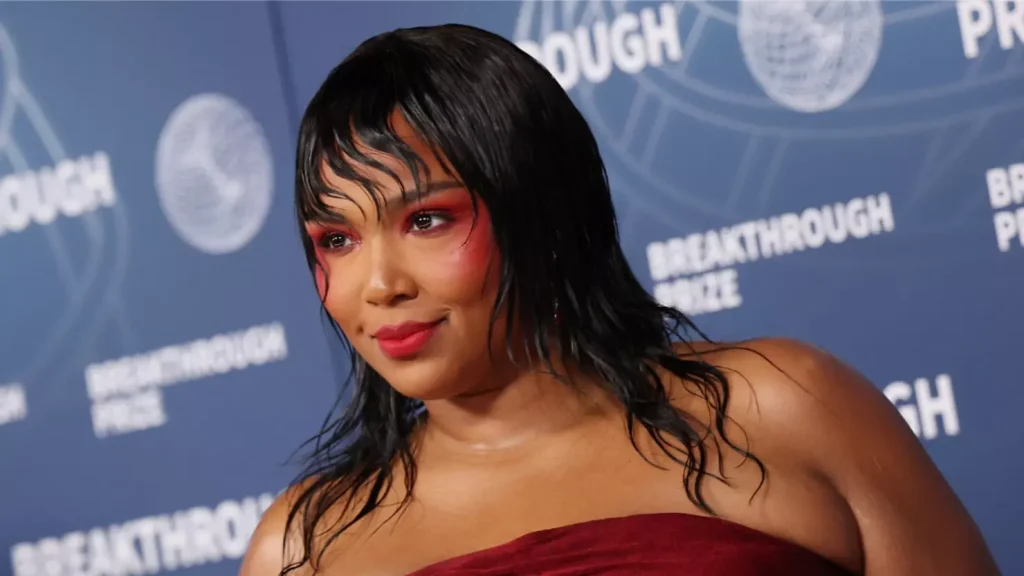
After waves of online abuse and legal scrutiny, she said she was “quitting” giving attention to negativity and spoke openly about depression, clarifying she was not quitting music.
Mariah Carey
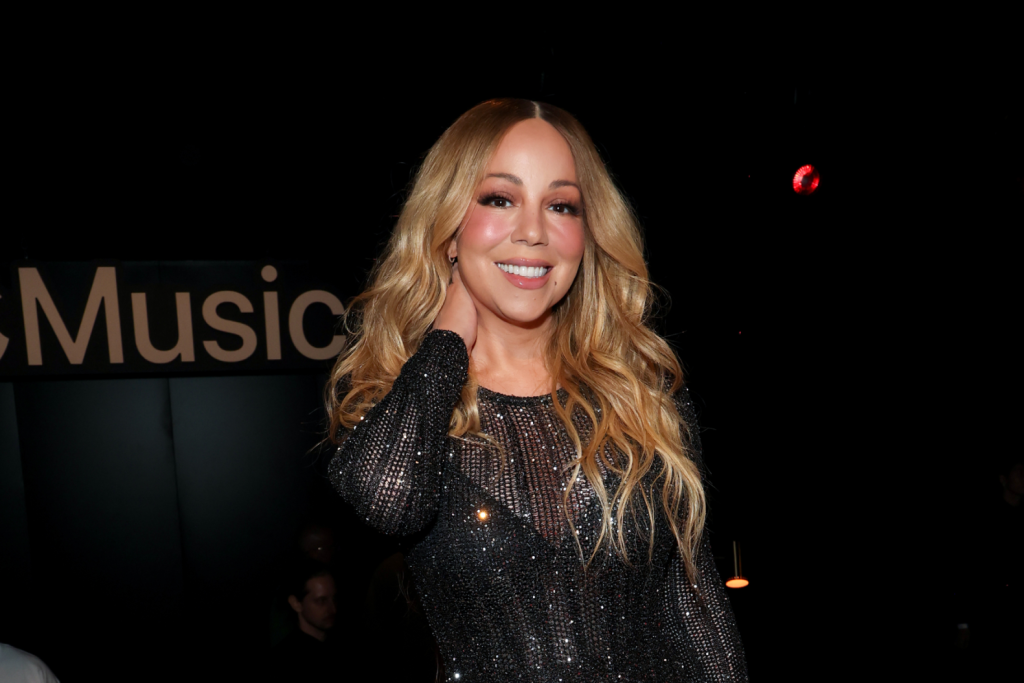
She later shared her bipolar II diagnosis and described years of working through it in secret while under enormous industry pressure. Going public reframed her narrative around advocacy and treatment.
Justin Bieber
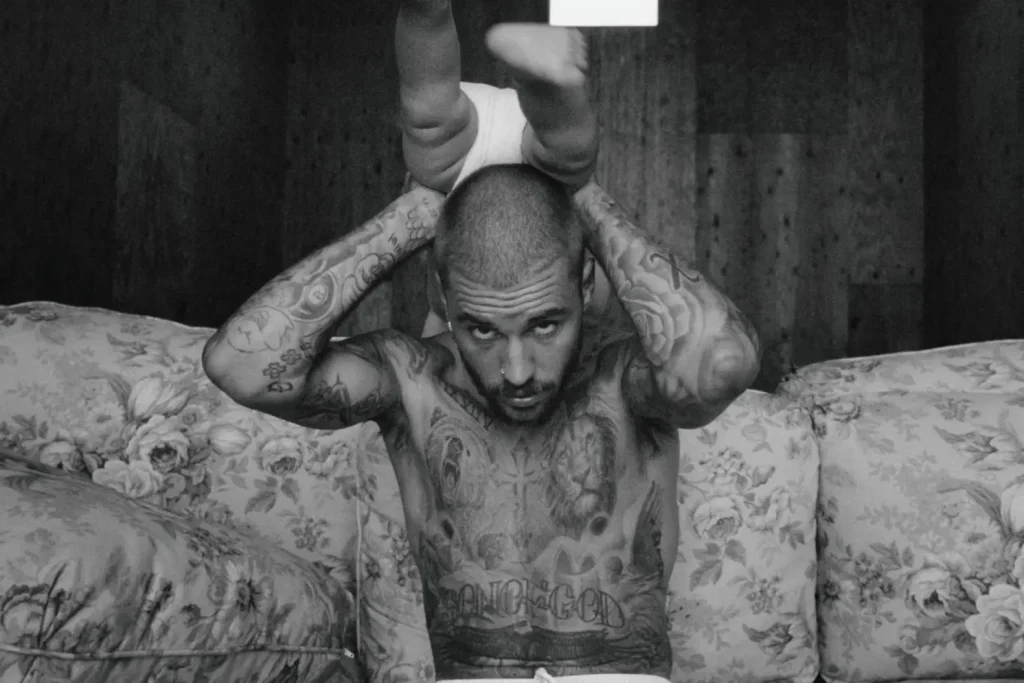
He has posted about depression, anxiety, and the whiplash of childhood fame, saying early success left long shadows he is still unpacking. His openness turned Instagram into a kind of real-time debrief.
Charlie Sheen
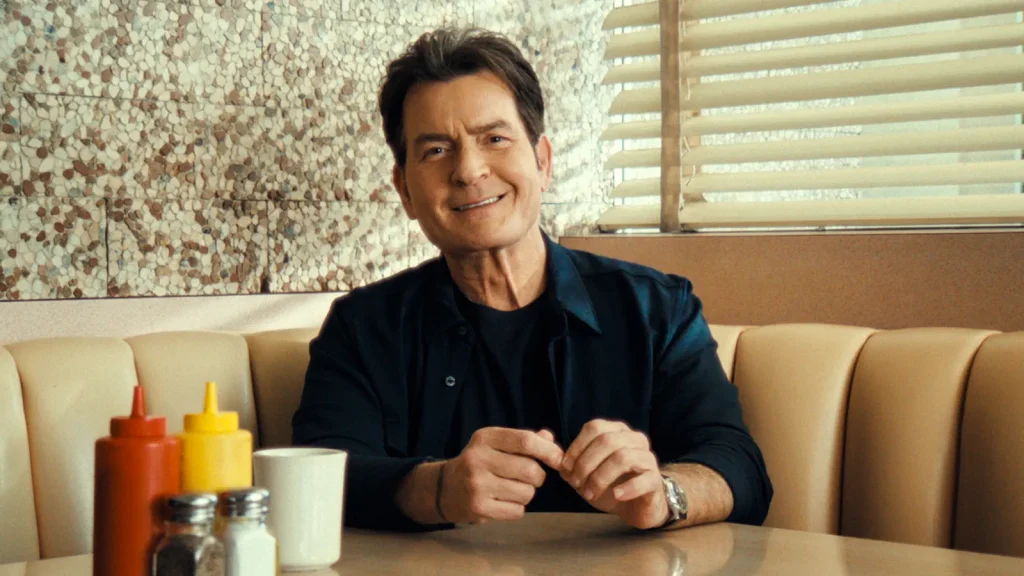
His public spiral became tabloid fodder, but beyond the memes was a portrait of untreated issues colliding with constant attention and money stakes. The case is often used as a what-not-to-do lesson.
Billie Eilish

She said she deleted social media from her phone and keeps distance from comments to protect her headspace, calling the internet “scary.”
Shawn Mendes
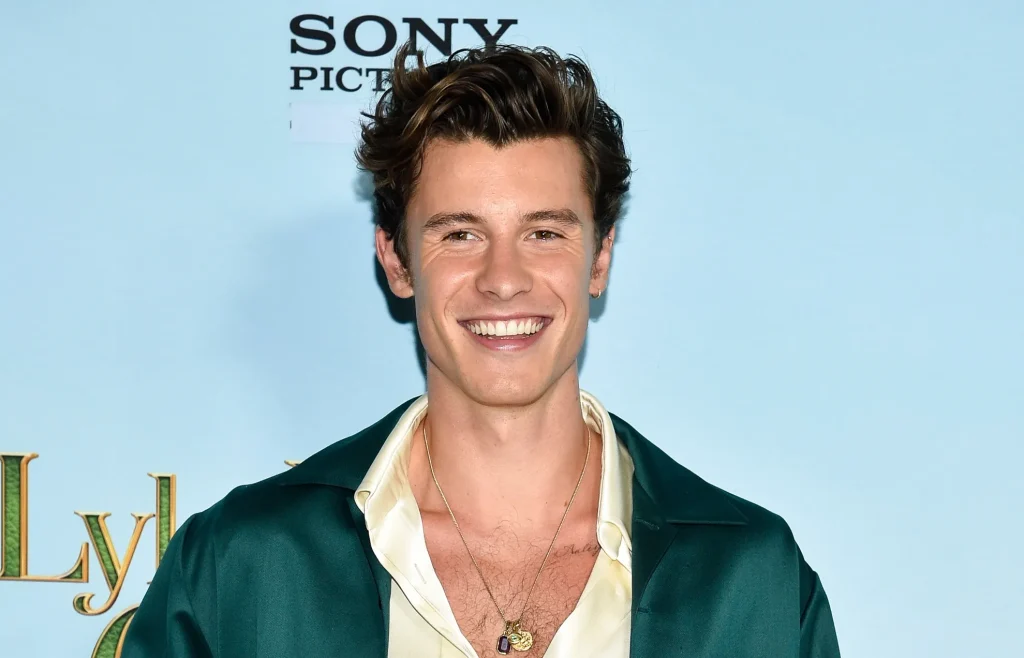
He canceled a world tour to focus on mental health, later saying it was both the hardest and best decision because he had reached a breaking point on the road.
Pete Davidson
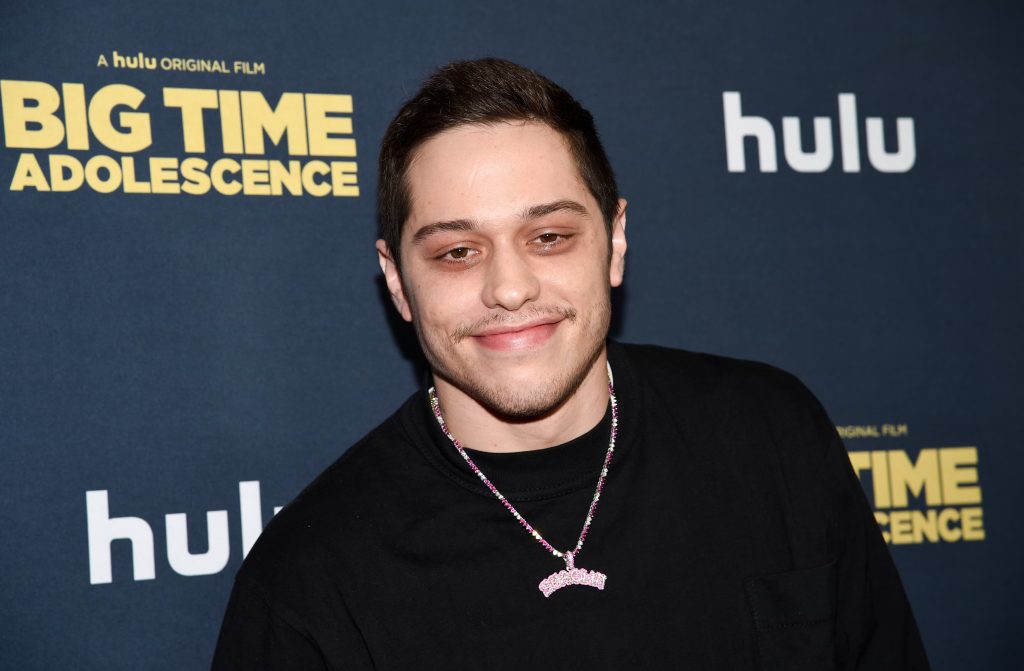
After saying he felt bullied online and posting an alarming message, he stepped back and sought treatment, later returning with tighter boundaries. The episode became a case study in parasocial pile-ons.
Kanye West (Ye)
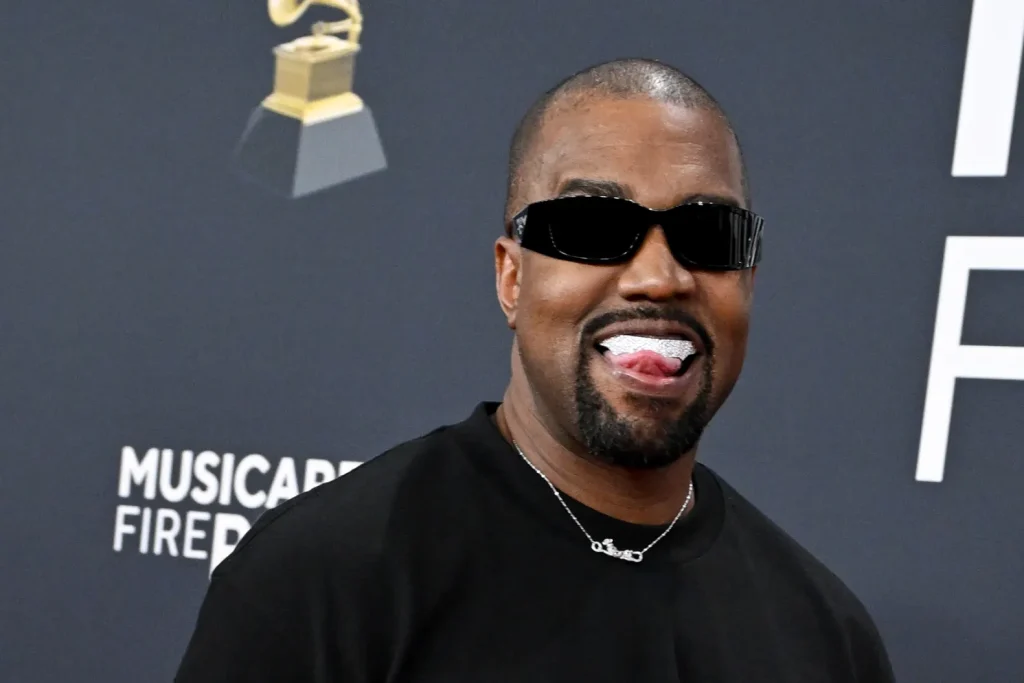
He has spoken about living with bipolar disorder while navigating mega-scale fame and nonstop controversy. The mix of creative output, platforms, and episodes keeps reigniting debate about care and accountability.
Camila Cabello
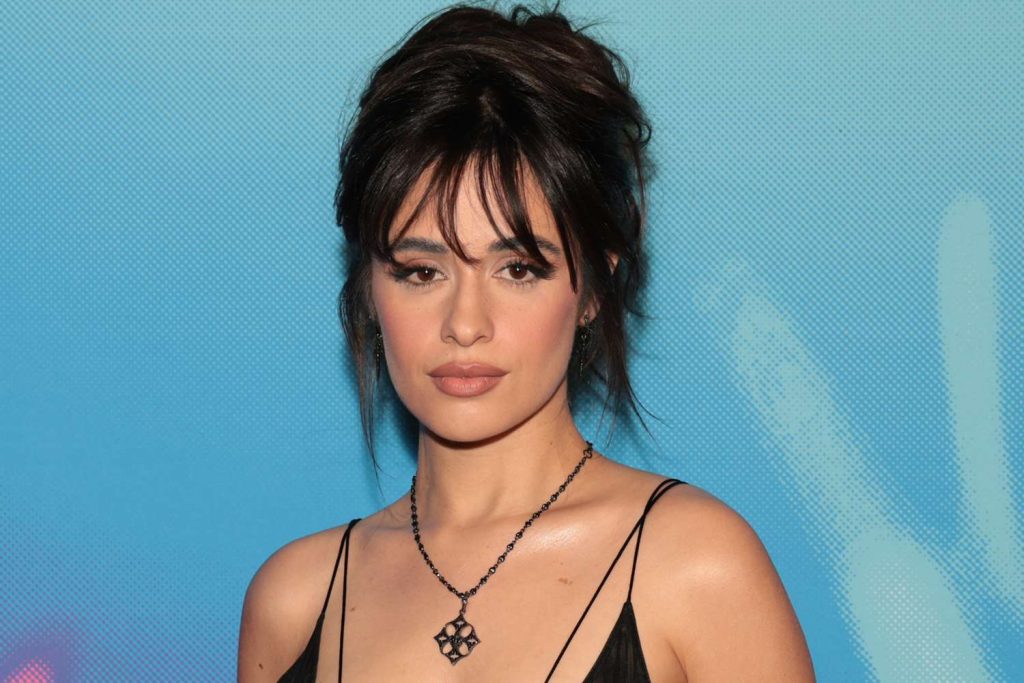
She has talked about “crippling” anxiety and takes periodic internet breaks, saying stepping away helps her reset when the noise spikes.
Britney Spears
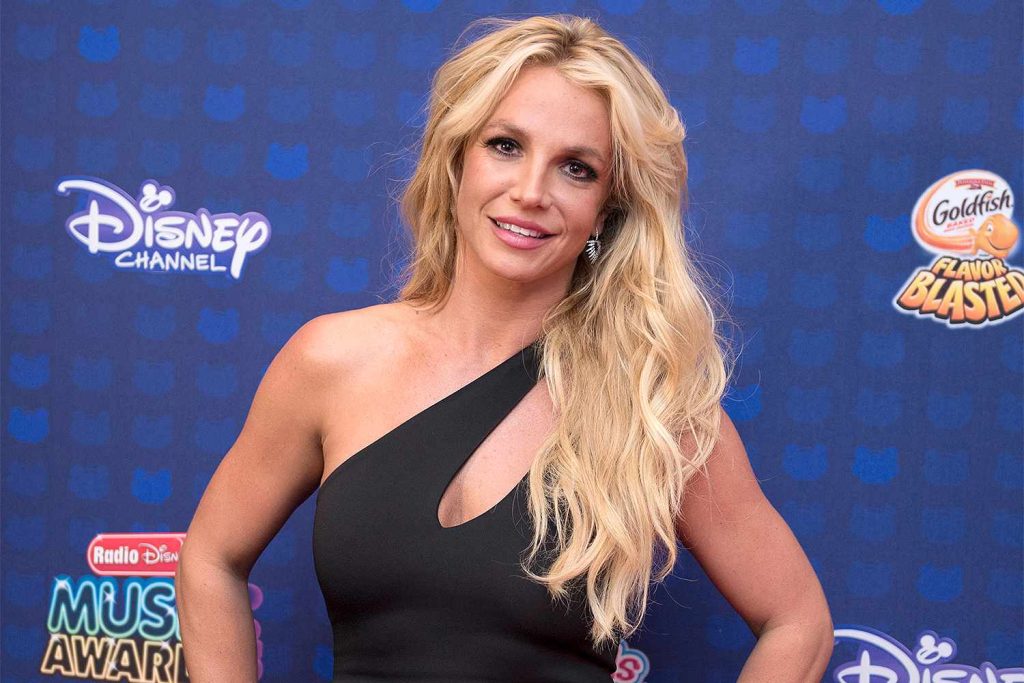
From a 13-year conservatorship to periodic retreats from social media and public life, Spears’s saga became the most famous modern example of how stardom, control, and mental health can disastrously entangle. Even after legal changes, she still steps back when the feed turns hostile.