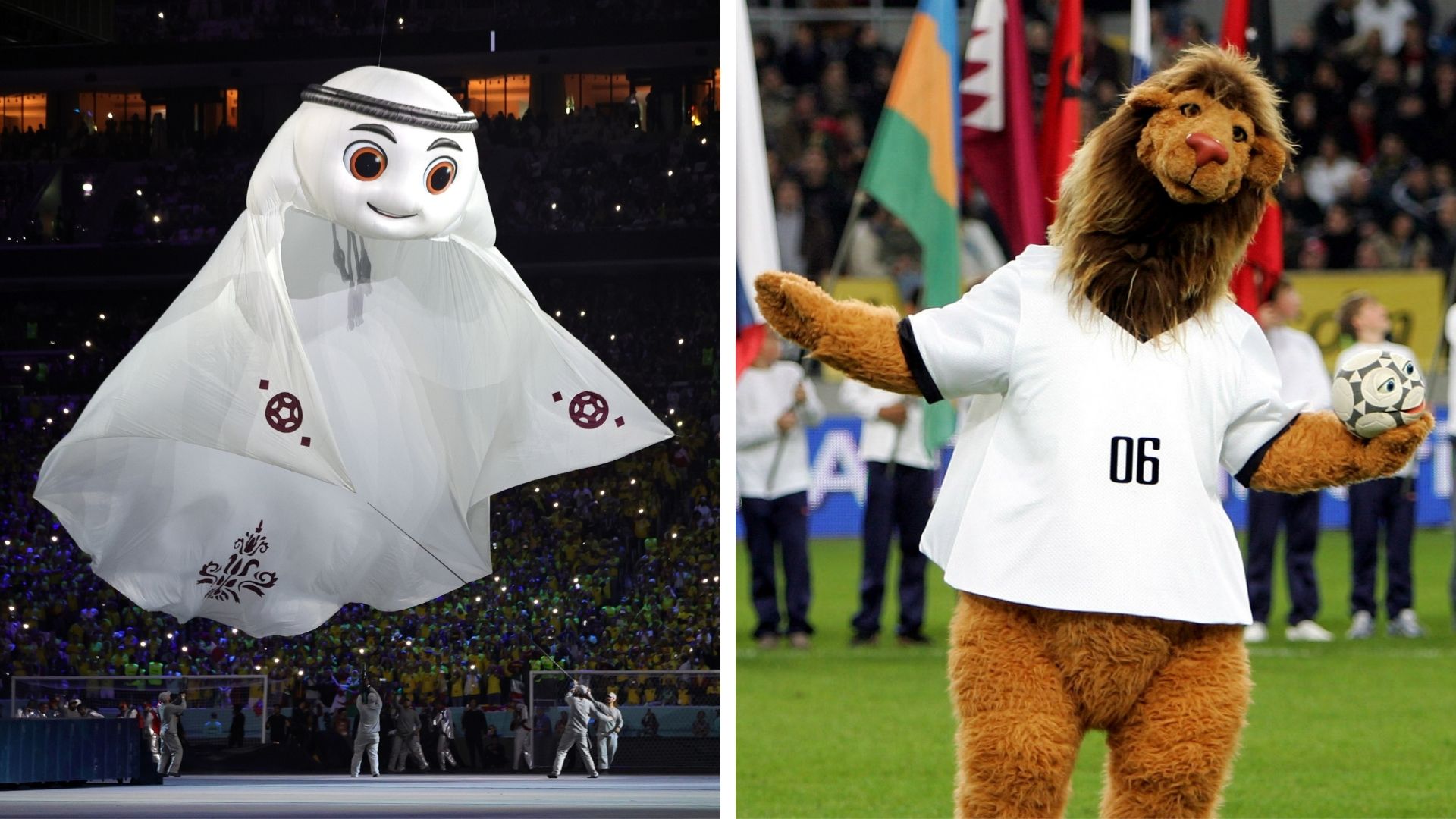
Every tournament brings a unique blend of national pride, global athletic excellence, and unforgettable cultural symbols that capture the imagination of millions of football fans worldwide. These animated ambassadors do far more than entertain crowds in the stadiums; they tell the evolving story of graphic design, commercial marketing, and shifting cultural priorities over generations. From pioneering animals to futuristic digital creations and historical legends, each character reflects the specific spirit of its era. This article looks back at the memorable creations that have left a permanent mark on the history of the world’s most beautiful game.
Footix – France 1998
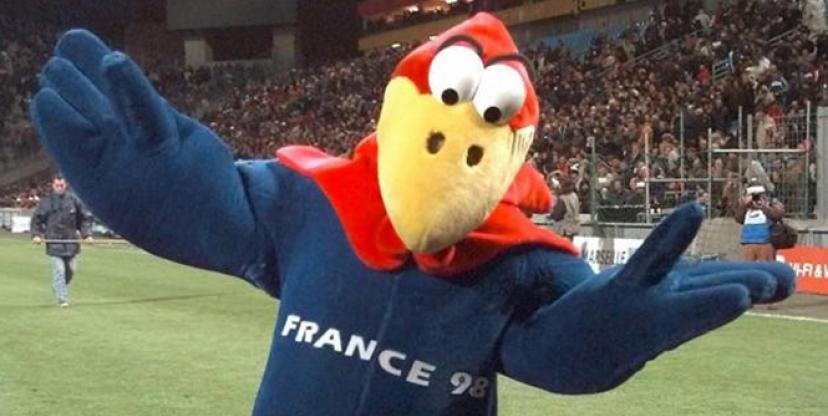
The host nation chose a bold rooster, a traditional national symbol, painted in vibrant shades of blue. Created by graphic designer Fabrice Pialot, this character quickly won over the public and became immensely profitable through merchandising. Its name combines the word football with the classic suffix from the beloved “Asterix” comic books. This pop culture reference cemented its place as one of the most successful commercial creations in tournament history.
Juanito – Mexico 1970
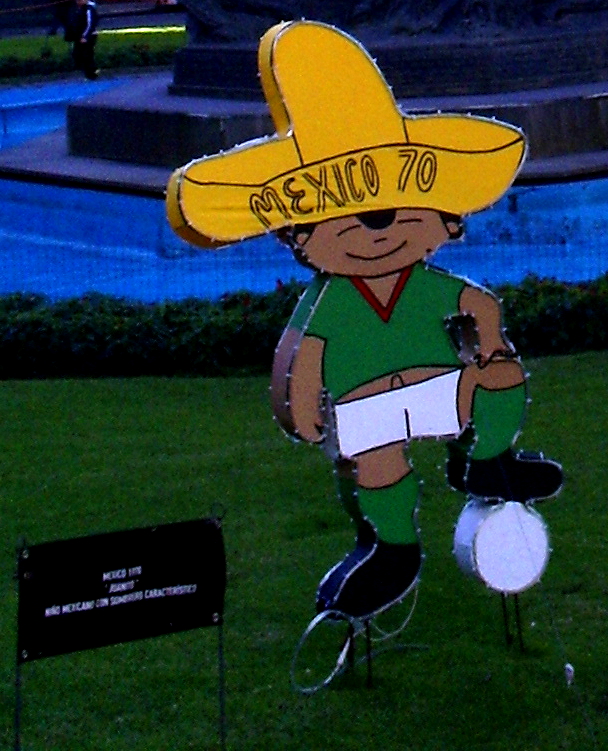
Dressed in a traditional sombrero and a green jersey, this young boy represented the welcoming spirit of the first tournament broadcast in color. Designers intentionally moved away from abstract shapes to create a human connection with global viewers. The widespread marketing established a new blueprint for commercializing soccer tournaments globally.
Tazuni – Australia and New Zealand 2023
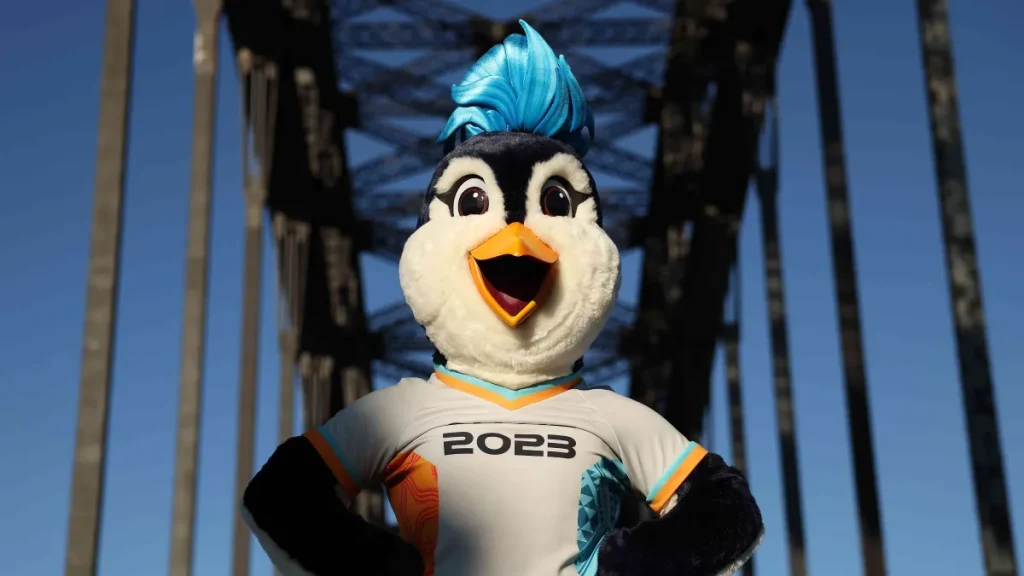
This confident penguin brought a modern flair to the women’s tournament with her signature tuft of blue hair. Her name merges the Tasman Sea with the word unity, reflecting the co-hosting partnership of two distinct nations. This narrative successfully engaged a younger demographic across digital media platforms.
Tip&Tap – West Germany 1974
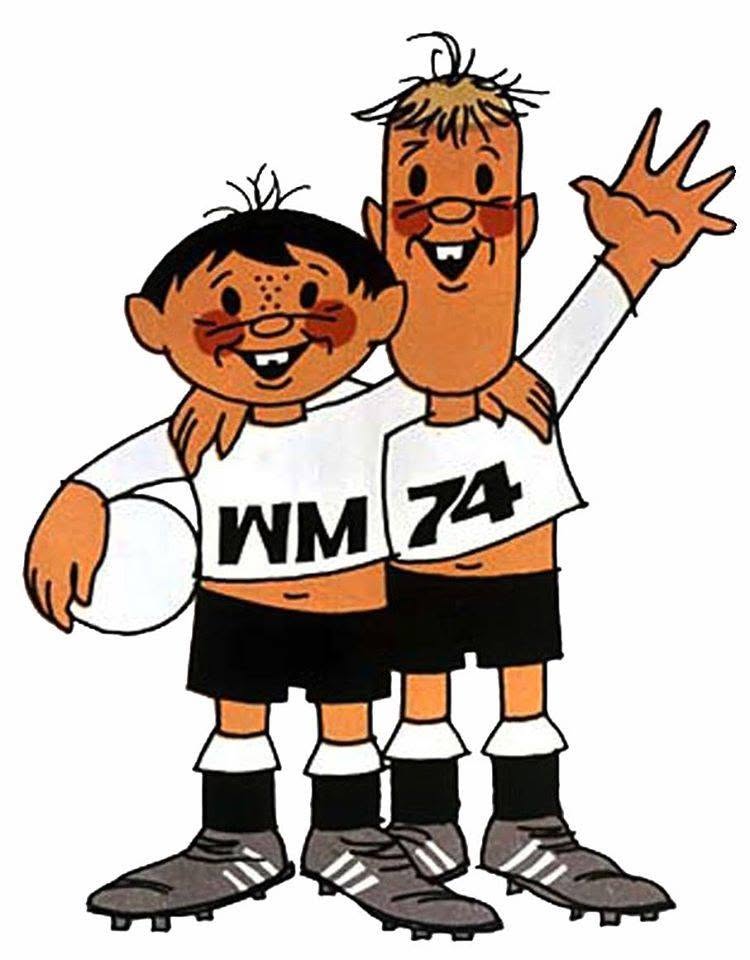
As a cheerful pair of boys, these siblings wore traditional white kits emblazoned with letters that formed the tournament acronym. This joint marketing campaign proved that character duos could effectively double merchandise sales while charming European football fans. Their simple aesthetic perfectly captured the minimalist graphic design trends that dominated throughout Western Europe in the mid-seventies.
Ciao – Italy 1990
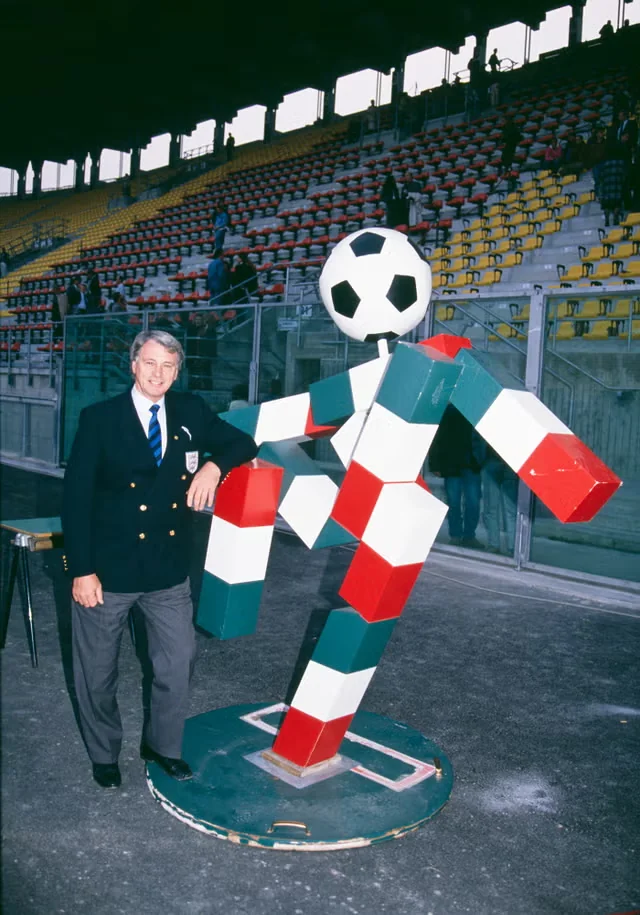
Breaking completely away from traditional character design, Italy introduced a geometric stick figure composed of Rubik’s cube-style blocks. Named after the common Italian greeting, this abstract figure featured a soccer ball for a head and wore the colors of the Italian flag.
Ettie – France 2019
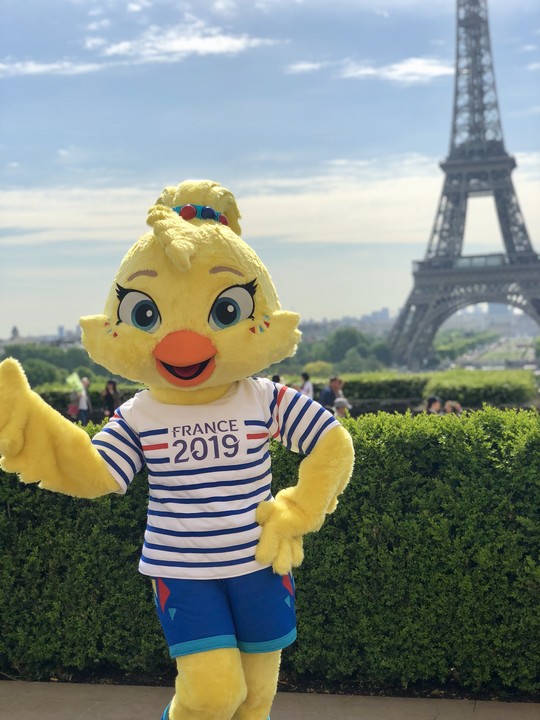
This bright yellow chick was introduced to the world with a direct family connection to tournament history. Official lore established her as the daughter of the famous 1998 French rooster, bringing a wave of nostalgia to older fans. This clever intergenerational marketing strategy helped bridge the gap between past and present tournaments.
Gauchito – Argentina 1978
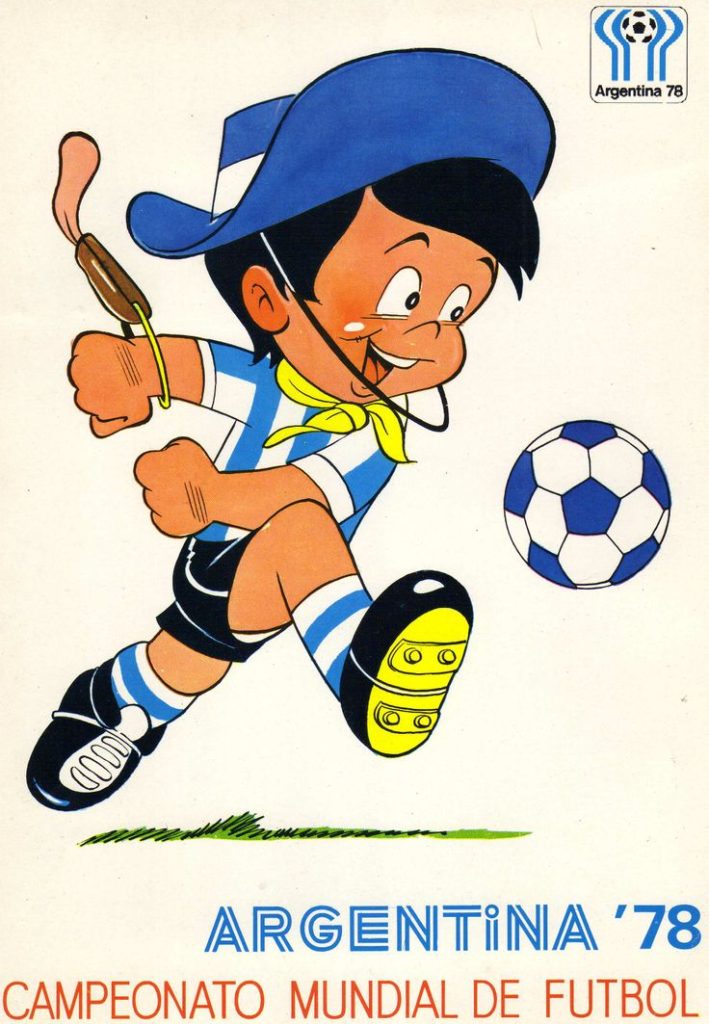
A young boy wearing a traditional cowboy hat, a neckerchief, and holding a whip became the face of this South American event. This look drew heavy inspiration from rural folk traditions, attempting to present a warm, unifying cultural image during a complex political era. This design marked the end of an era where young boys dominated mascot design.
Striker – USA 1994
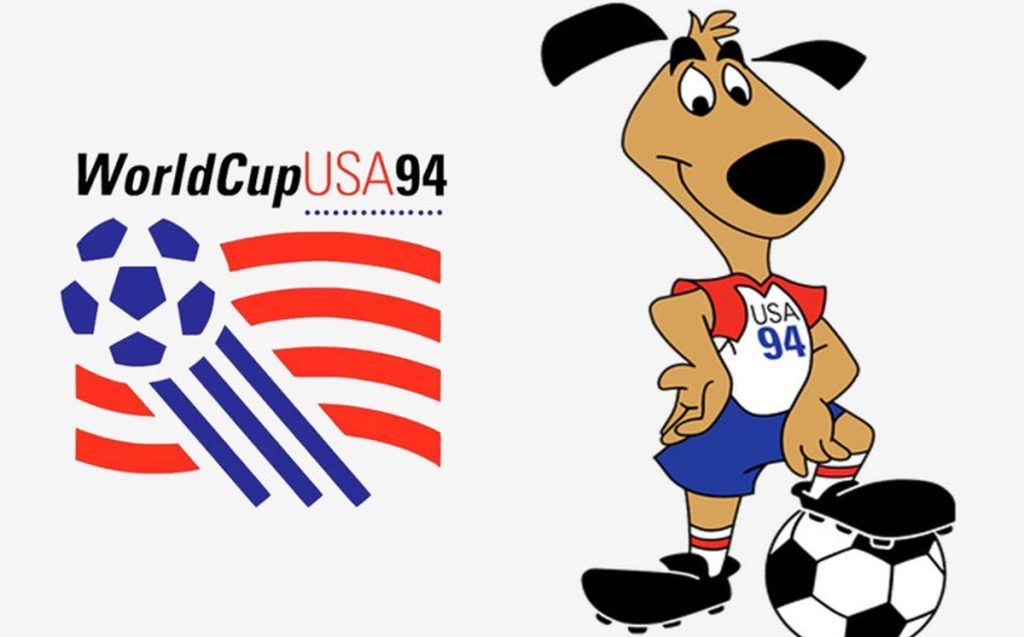
The famous Warner Bros. animation studios designed this cheerful pup clad in a classic red, white, and blue uniform. Opting for a dog resonated deeply with American households, where pets are central to family life. Consequently, this cute animal helped generate record-breaking ticket sales across the United States.
Ling Ling – China 1991
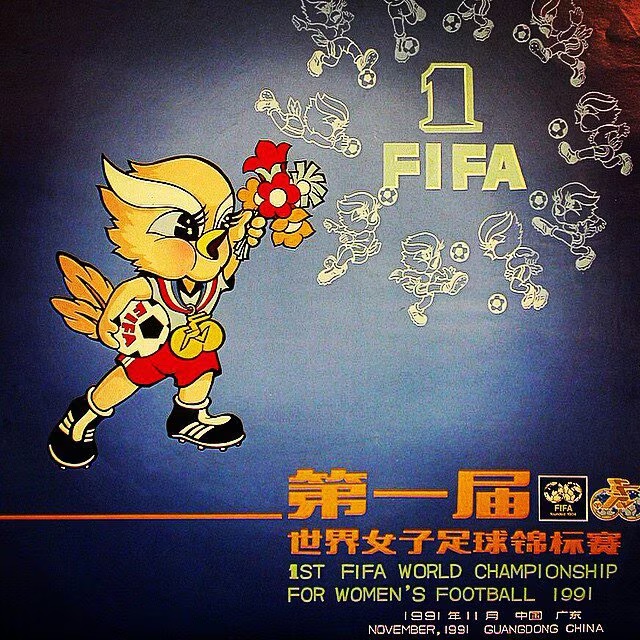
The inaugural women’s tournament featured an elegant bird inspired by local folklore. This choice highlighted the rich cultural heritage of the host province while maintaining an athletic appearance. Original memorabilia from this historic event remains exceptionally rare in Western markets.
Ato Kaz Nik- South Korea and Japan 2002
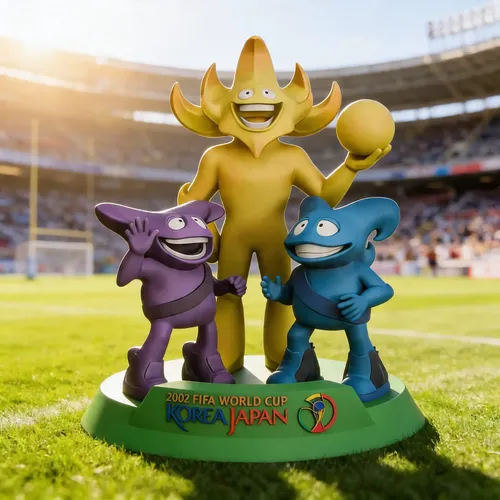
As the first entirely computer-generated mascots in tournament history, this trio of orange, purple, and blue creatures introduced the world to the atmospheric beings known as Spheriks. Each character served a specific role in a complex sci-fi backstory, ranging from a dedicated coach to an athlete obsessed with fair play. While this digital shift transformed how sports characters were integrated into video games, their abstract celestial designs ultimately proved confusing for casual fans who preferred traditional animal figures.
Fuleco – Brazil 2014
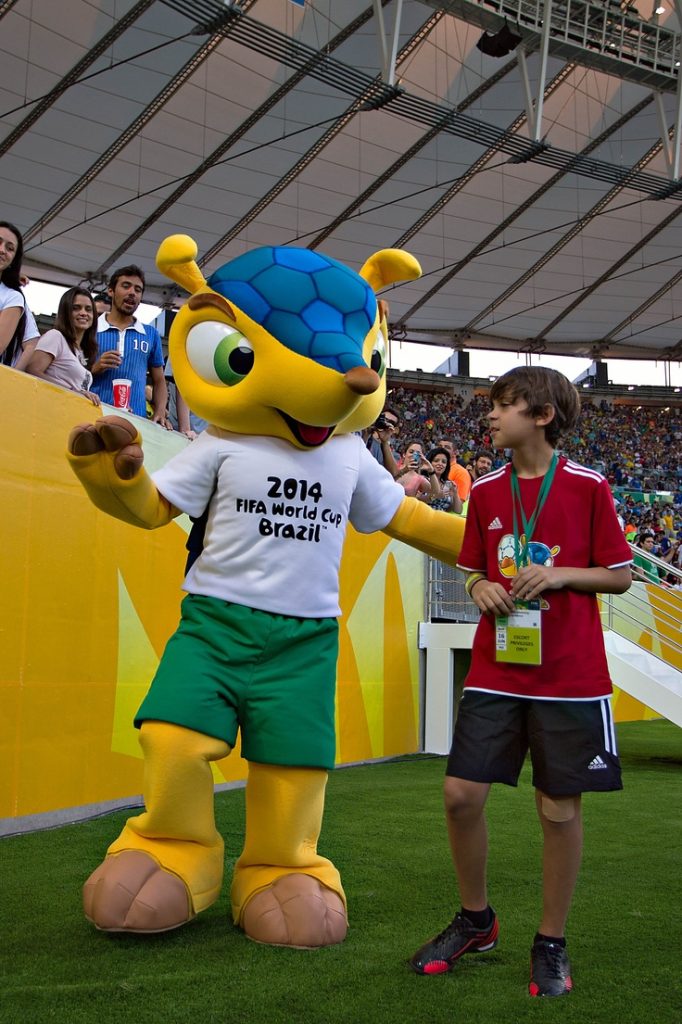
An endangered three-banded armadillo was chosen to raise immediate environmental awareness on a massive global stage. His name cleverly combined the Portuguese words for football and ecology, reflecting a growing corporate emphasis on sustainability. The bright blue shell represented the beautiful Brazilian skies and coastlines, creating a visually striking contrast on television screens. This design successfully raised substantial funds for local wildlife conservation initiatives.
Nutmeg – USA 1999
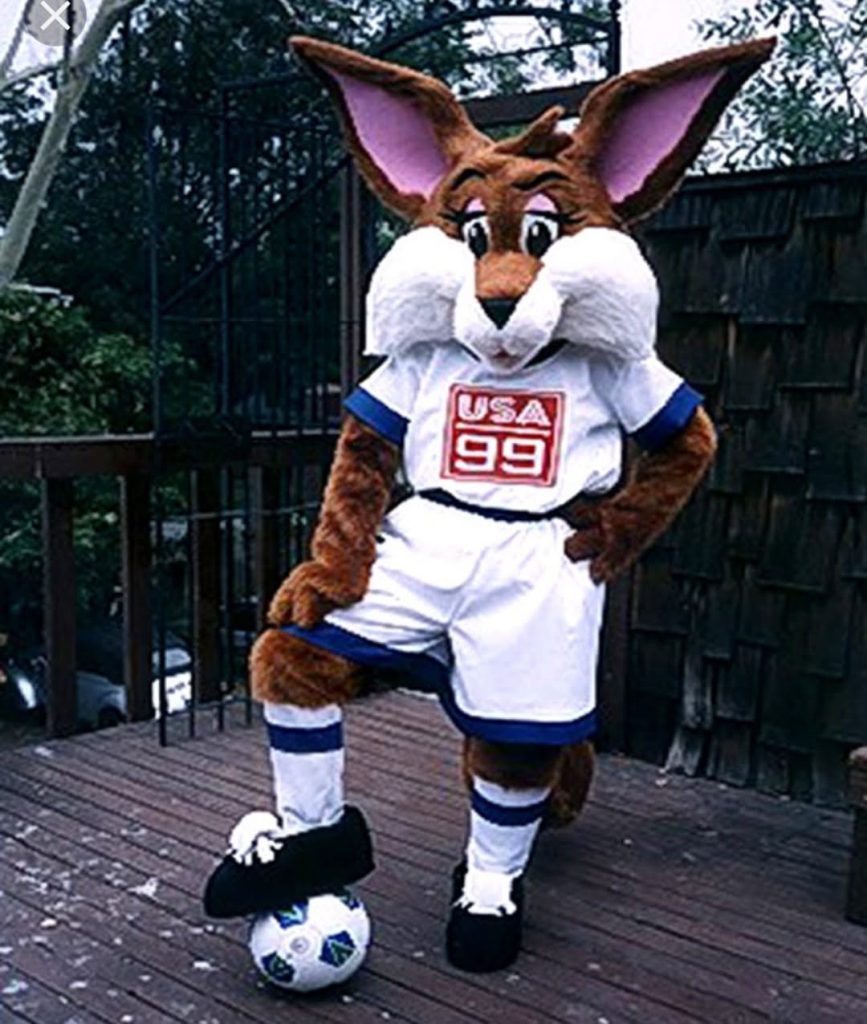
This energetic fox wore a sports jersey and captured the spirit of a tournament that changed women’s sports forever. Named after a classic soccer trick where the ball passes through a defender’s legs, the character embodied agility and fun. The commercial success of the merchandise proved the massive market potential of women’s soccer.
Zabivaka – Russia 2018
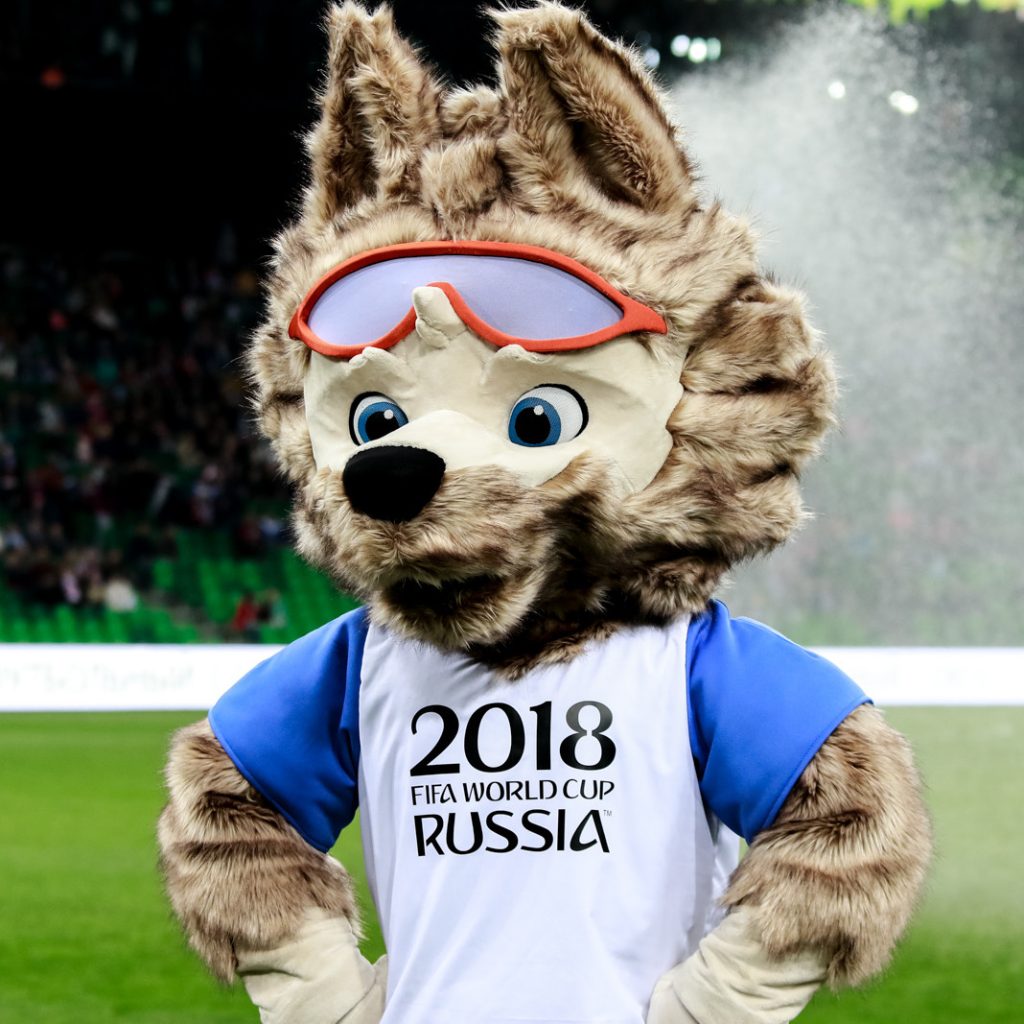
A charming wolf wearing sports goggles won a nationwide public vote to become the official face of the tournament. The name directly translates to the one who scores in Russian, which perfectly matched his athletic, fast-paced personality. Designers included the goggles not as a fashion statement, but as a functional tool to improve his accuracy on the pitch. This interactive voting process engaged millions of local citizens long before the opening match began.
Naranjito – Spain 1982
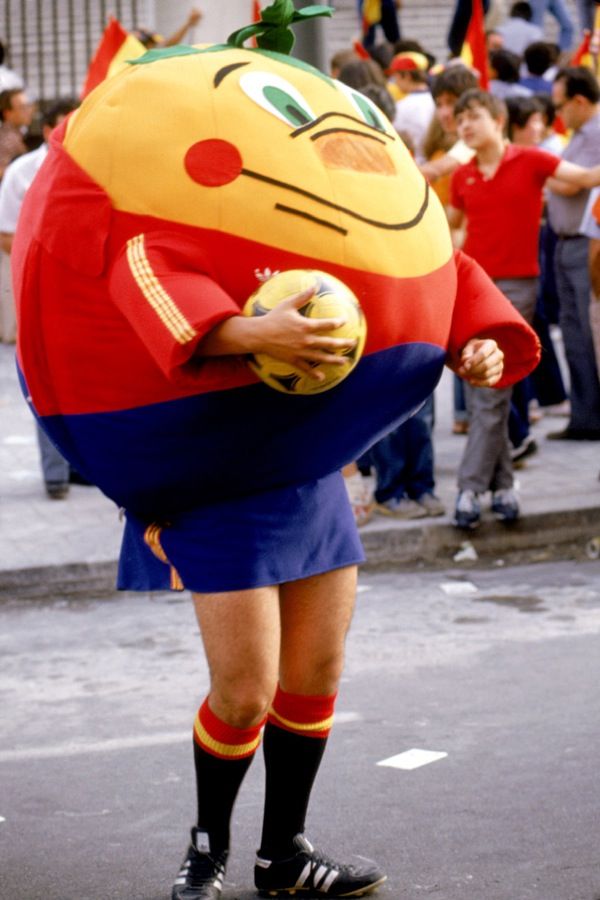
Spain made a highly unorthodox choice by selecting a smiling orange dressed in the national football kit. This departure from human or animal figures aimed to showcase the country’s famous agricultural exports to a global audience. The quirky fruit became so popular that it starred in its own animated television series called “Fútbol en Acción” across national networks. Decades later, this cheerful citrus remains a beloved retro pop-culture icon throughout the Iberian Peninsula.
Shuéme – Canada 2015
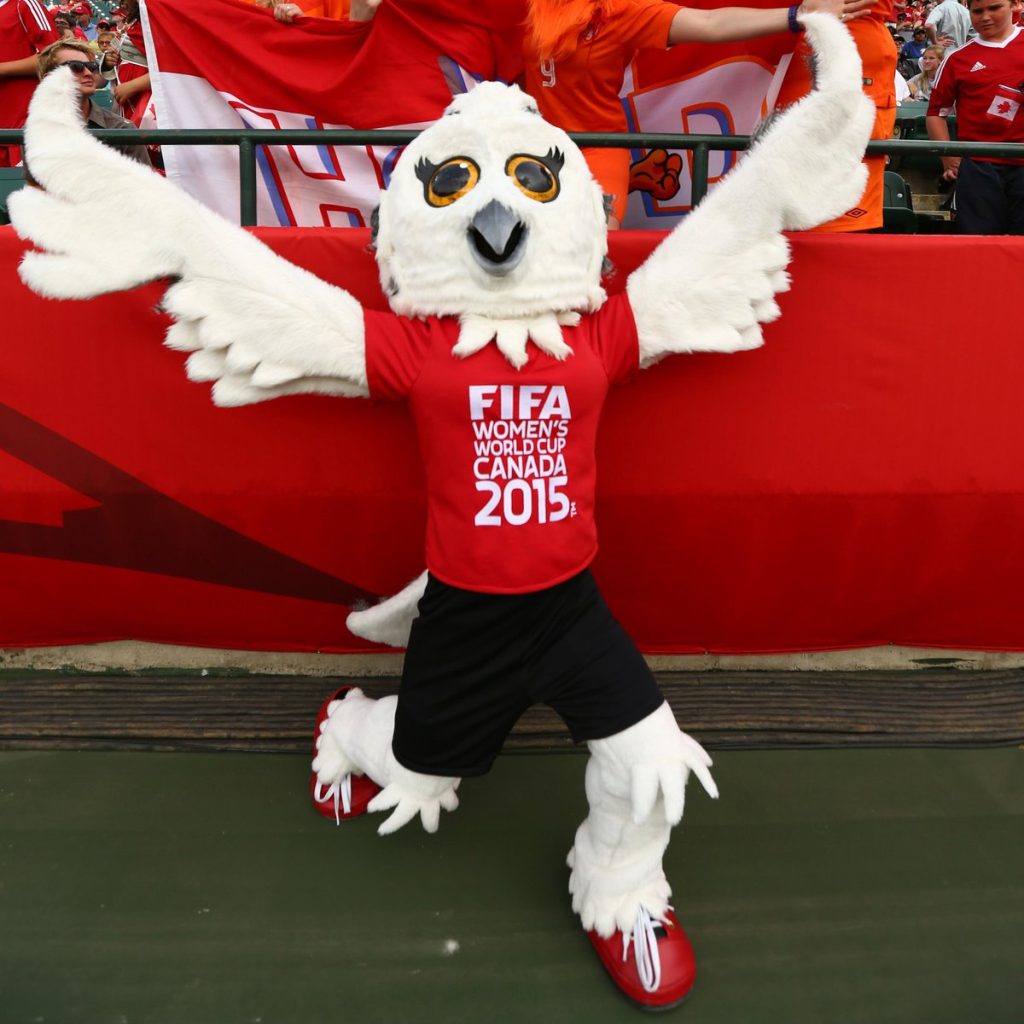
An elegant snowy owl was introduced to represent the vast northern wilderness and diverse culture of the host nation. Her stylish appearance and active lifestyle were designed to inspire young women to participate in competitive sports. This character appeared extensively in youth soccer clinics to promote healthy living habits nationwide.
Willie – England 1966
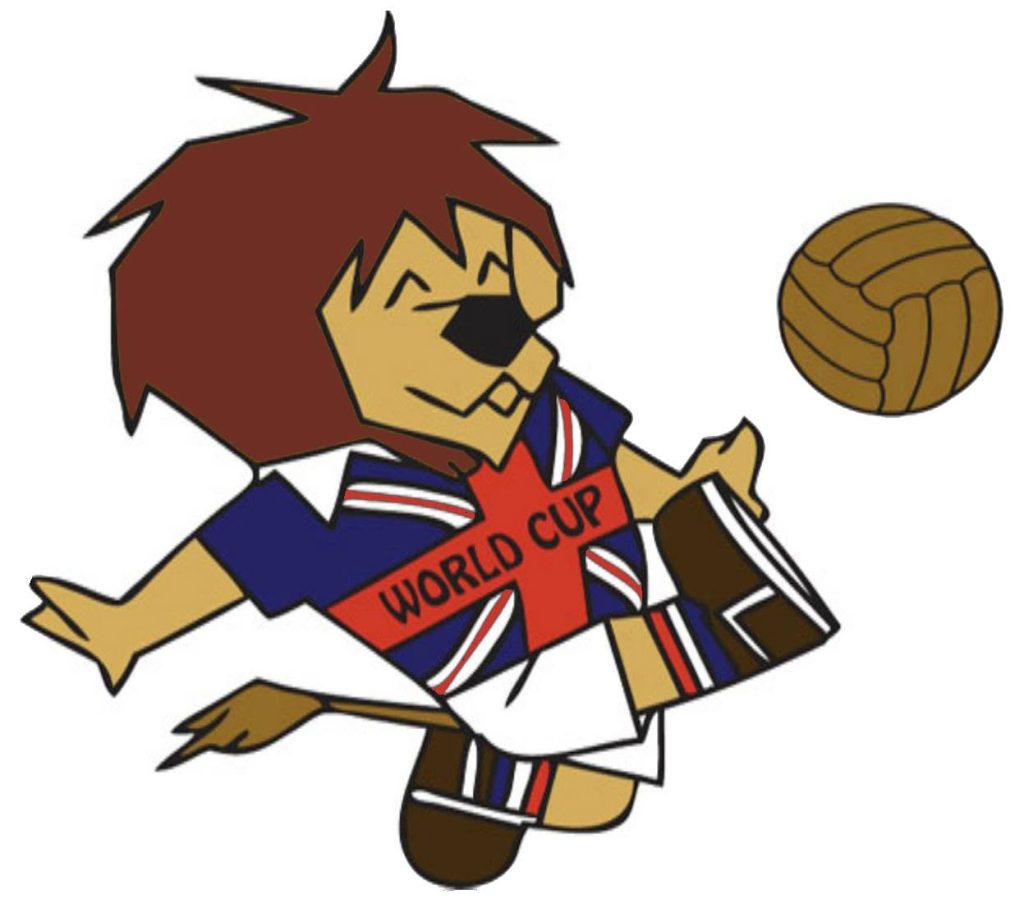
This pioneering lion wearing a Union Jack jersey holds the historic distinction of being the very first official sports mascot. Created by children’s book illustrator Reg Hoye, the character revolutionized sports marketing by demonstrating the immense profitability of character licensing. A catchy theme song accompanied his public appearances, filling stadiums with a distinct sense of British pride. This single lion set a permanent global trend that every major sporting event now follows.
Pique – Mexico 1986
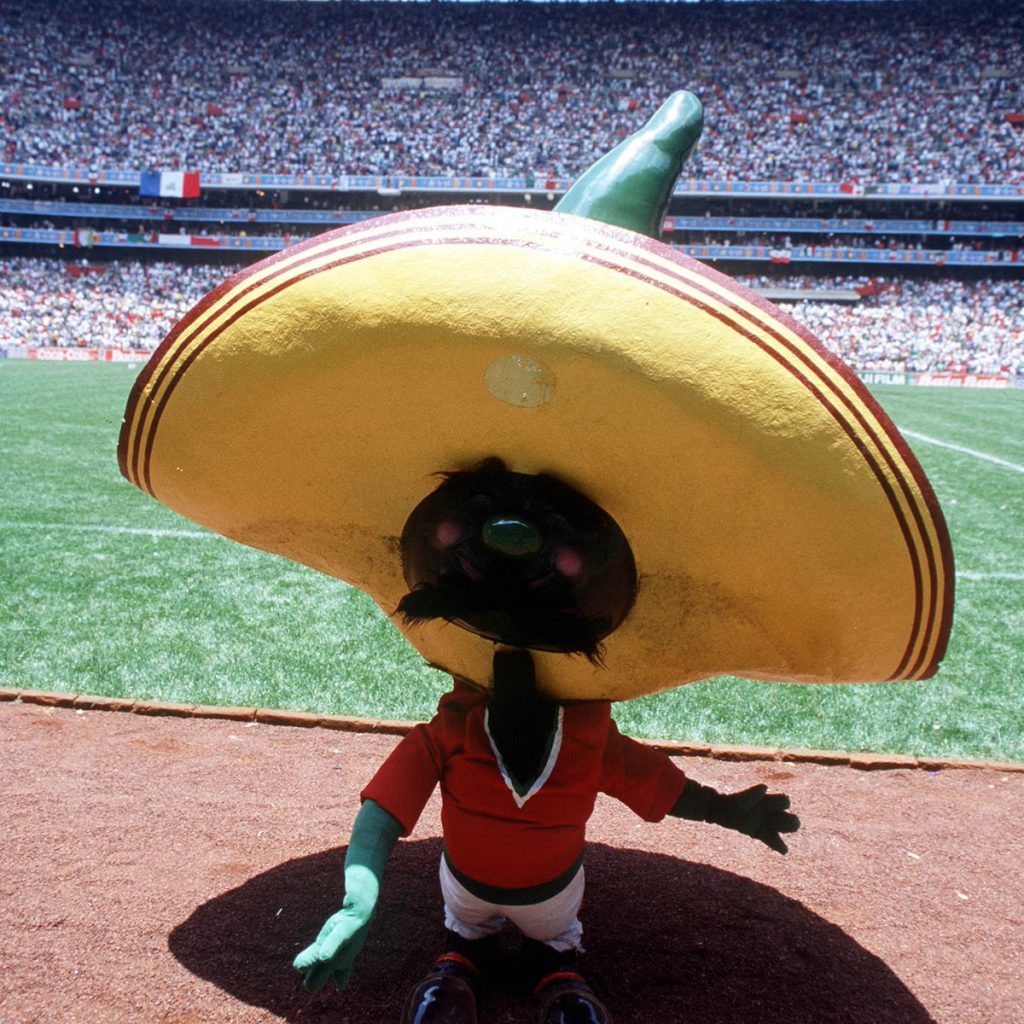
A giant green jalapeño pepper sporting a massive mustache and a traditional sombrero brought a heavy dose of local humor to the global stage. This culinary character followed the country’s tradition of using humanized regional elements to welcome international guests. The design caused minor debates regarding cultural stereotypes, but it achieved immense commercial success among fans worldwide. This spicy character highlighted how food could bridge cultural gaps during international events.
Fiffi – Sweden 1995
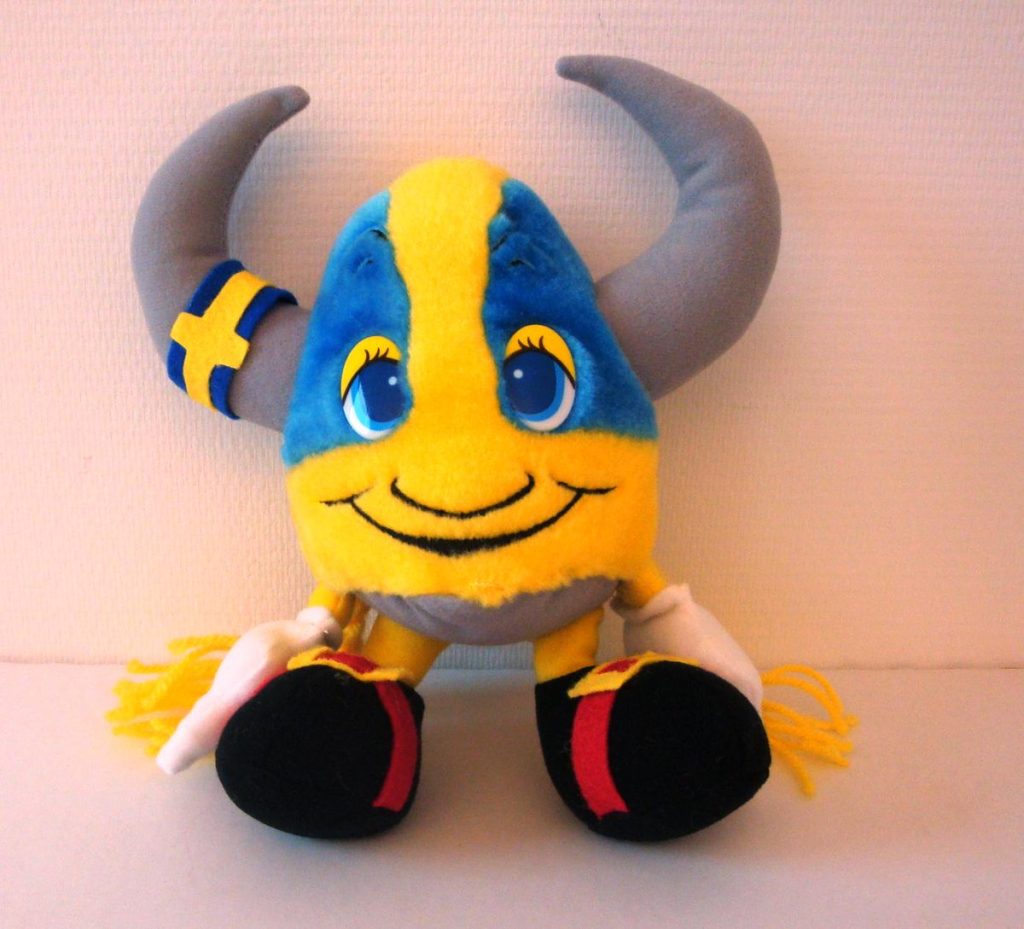
A classic Scandinavian Viking girl became the face of the second official women’s world tournament. Dressed in traditional Swedish colors, she broke away from fragile female stereotypes by embodying strength, history, and athletic determination. This straightforward historical approach resonated deeply with regional audiences.
Hua Mulan – China 2007
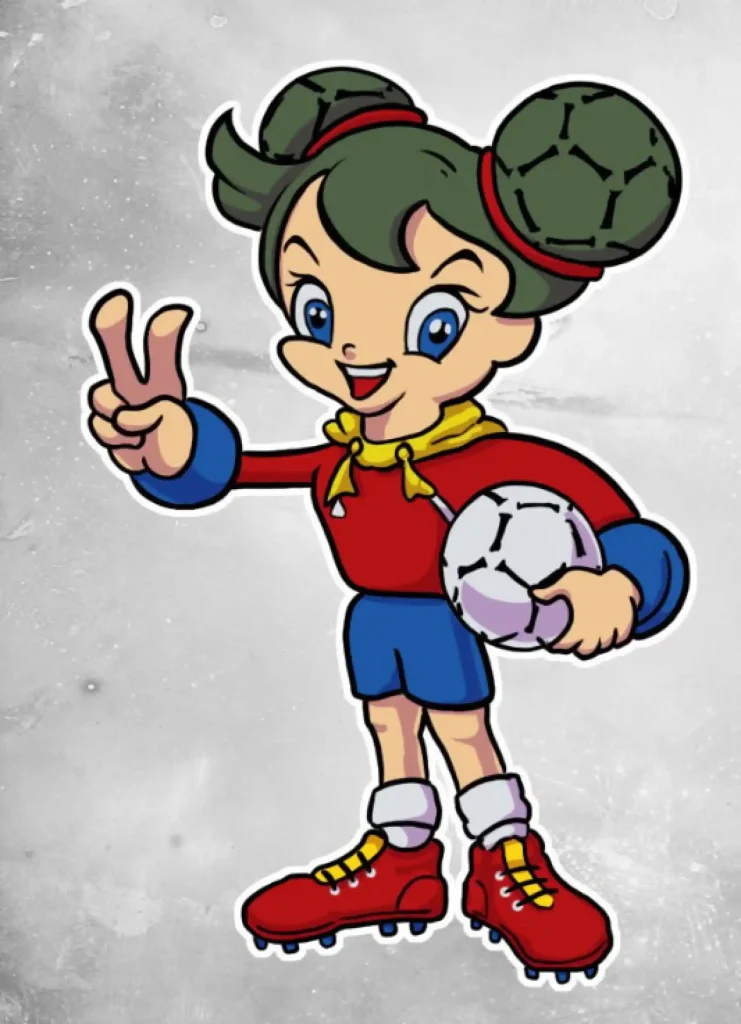
This legendary historical figure was adapted into a modern cartoon athlete to represent courage and female empowerment. By utilizing a revered cultural icon, the organizers connected ancient national history with the modern evolution of women’s sports. This strategic integration created a profound sense of national identity during the tournament.
Karla Kick – Germany 2011
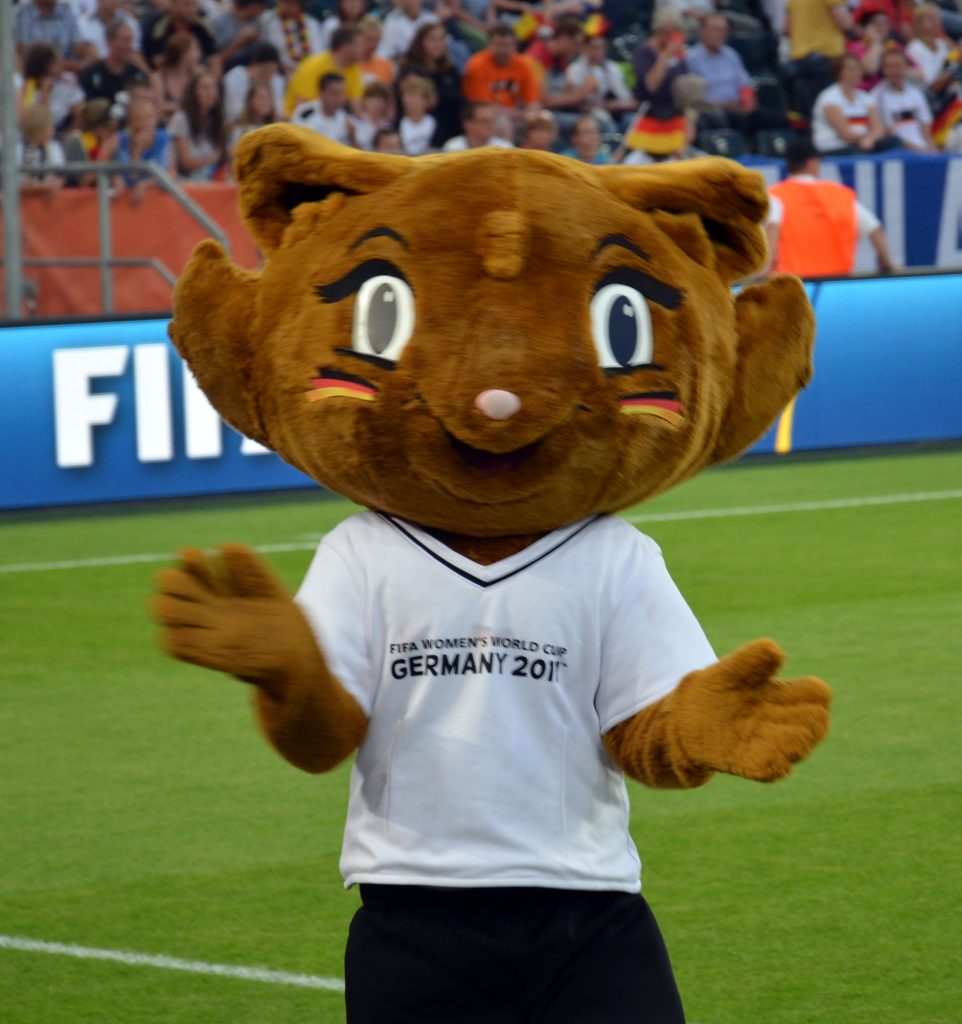
A sleek German shorthaired pointer cat dressed in a white and black kit showcased agility and precision. This feline character was specifically designed to look dynamic, fast, and highly skilled on the ball. The clean design reflected the precise graphic styles modernly associated with Central European branding.
La’eeb – Qatar 2022
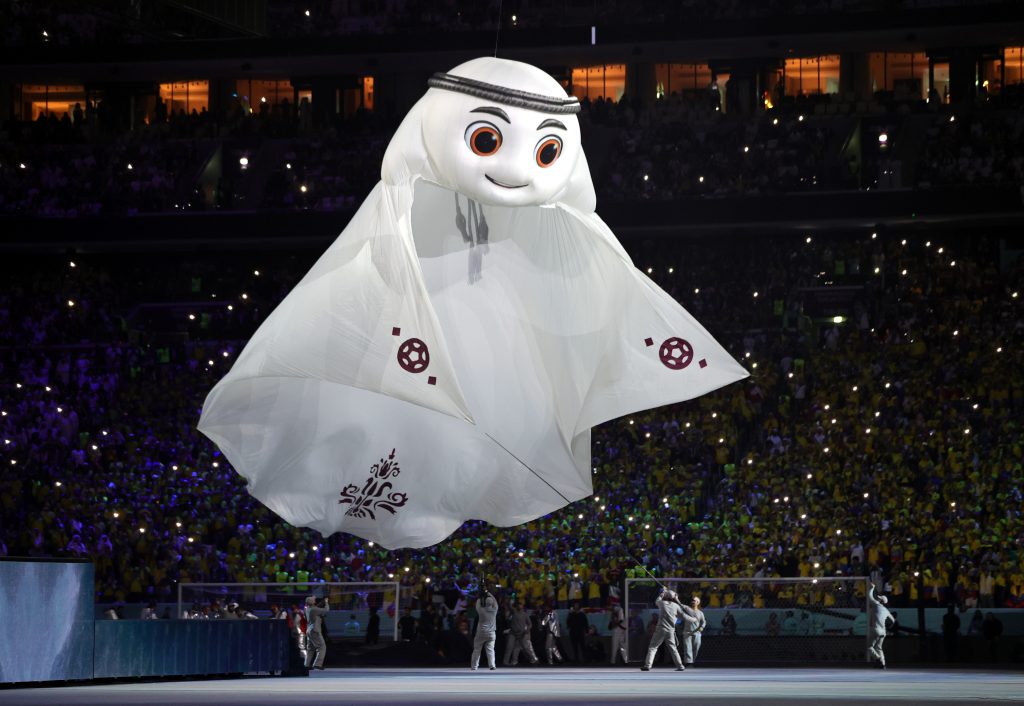
This floating, ghost-like figure was inspired by the traditional ghutra headdress worn across the Middle East. The name translates to a highly skilled player in Arabic, and the character was presented as coming from a parallel mascot metaverse. It successfully marked a bold return to abstract concepts in modern tournament branding.
Zakumi – South Africa 2010
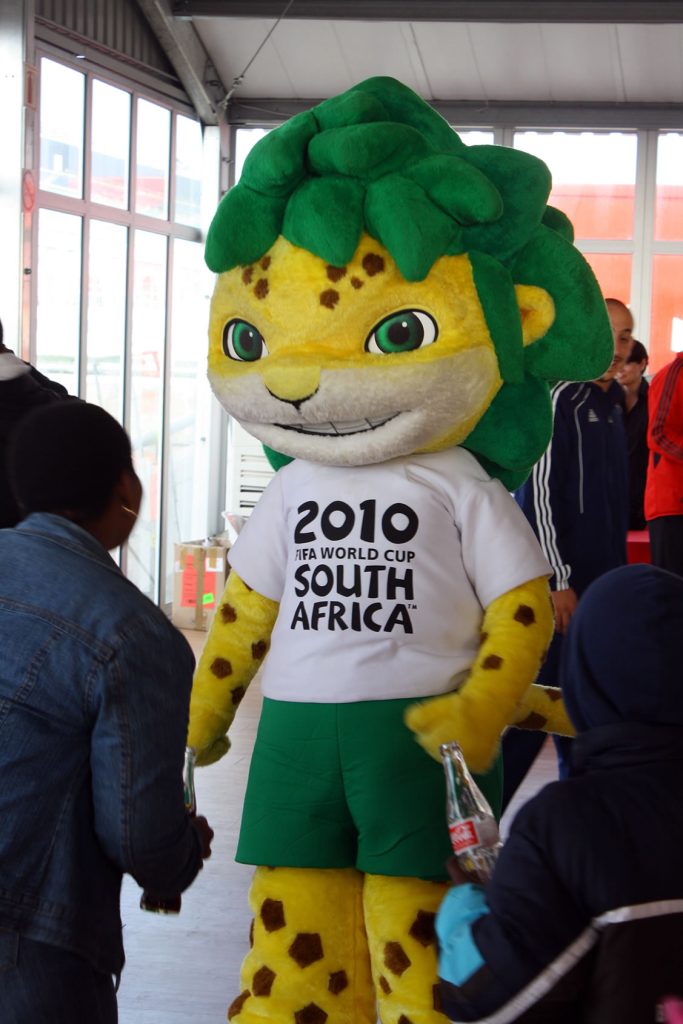
A vibrant green-haired leopard symbolized the energy, nature, and optimism of the first tournament hosted on the African continent. His name combined the country’s international country code with a word meaning ten in various local languages. This athletic predator was widely praised for its high energy during live stadium performances.
Maple, Zayu, and Clutch – Canada, Mexico, and USA 2026
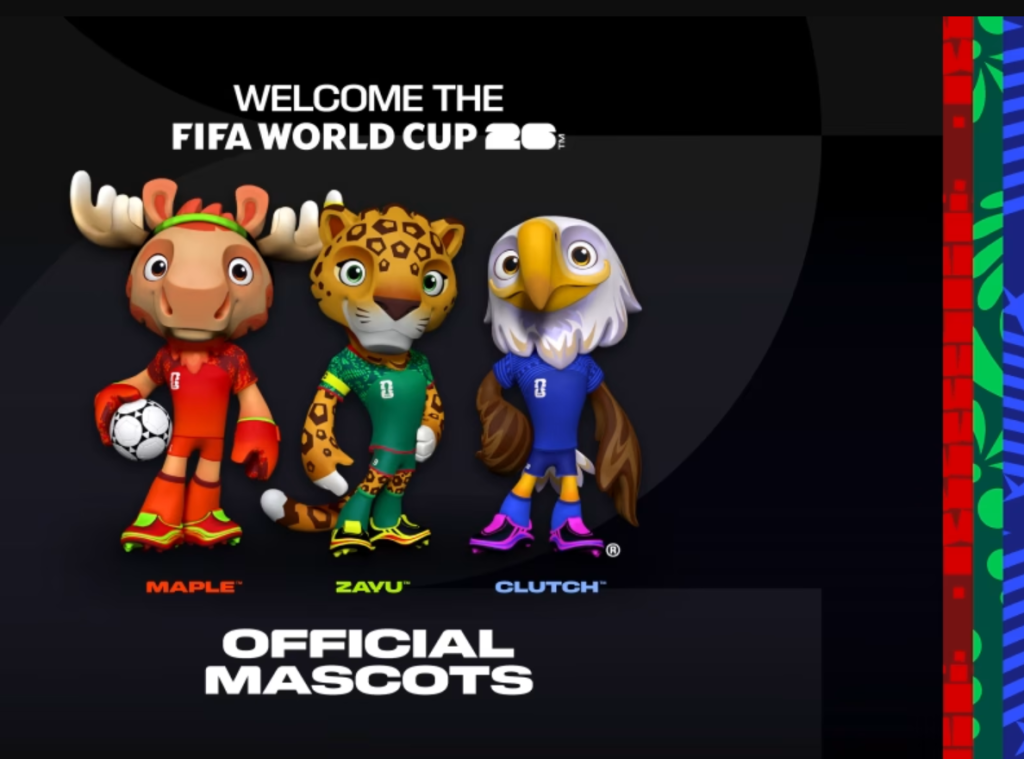
Representing the unity of three host nations, Zayu the jaguar, Clutch the bald eagle, and Maple the moose embody the unique wildlife and cultural spirit of Mexico, the United States, and Canada. This diverse trio was created to symbolize cooperation and the shared excitement of a tri-nation tournament. By blending iconic regional species with modern athletic energy, these characters aim to connect deeply with fans from every corner of the globe. Their introduction marks a fresh chapter in tournament branding, moving away from solitary mascots toward a unified and cooperative team narrative.
Goleo VI & Pille- Germany 2006
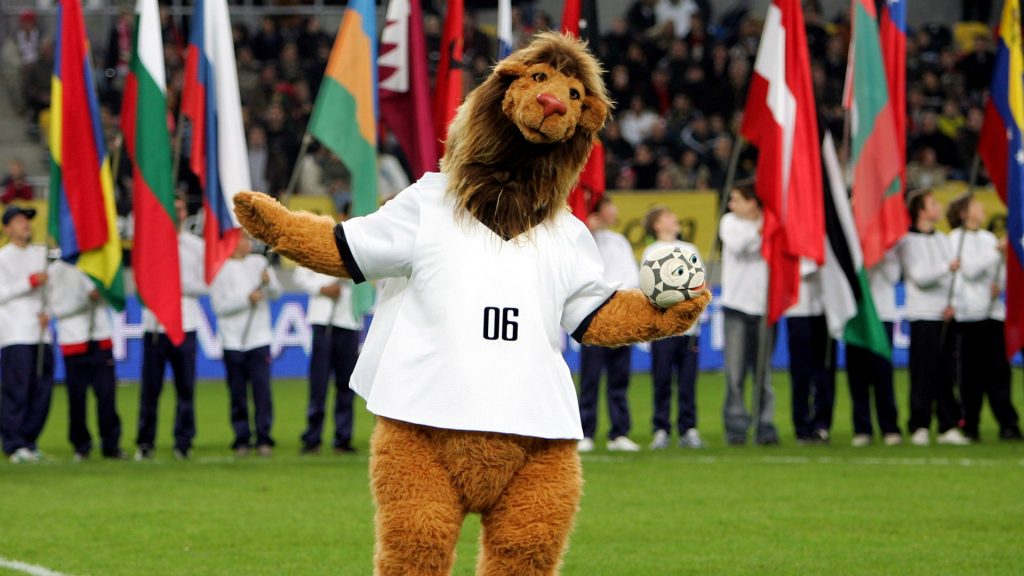
Germany’s 2006 mascot duo became one of the most ridiculed pairings in tournament history. Goleo, a pantless lion built by the Jim Henson Company, drew immediate criticism for having no connection to German culture, and his missing trousers became a joke that never stopped running. His sidekick, Pille, a fast-talking football, was the rare case of a sports ball receiving its own distinct identity