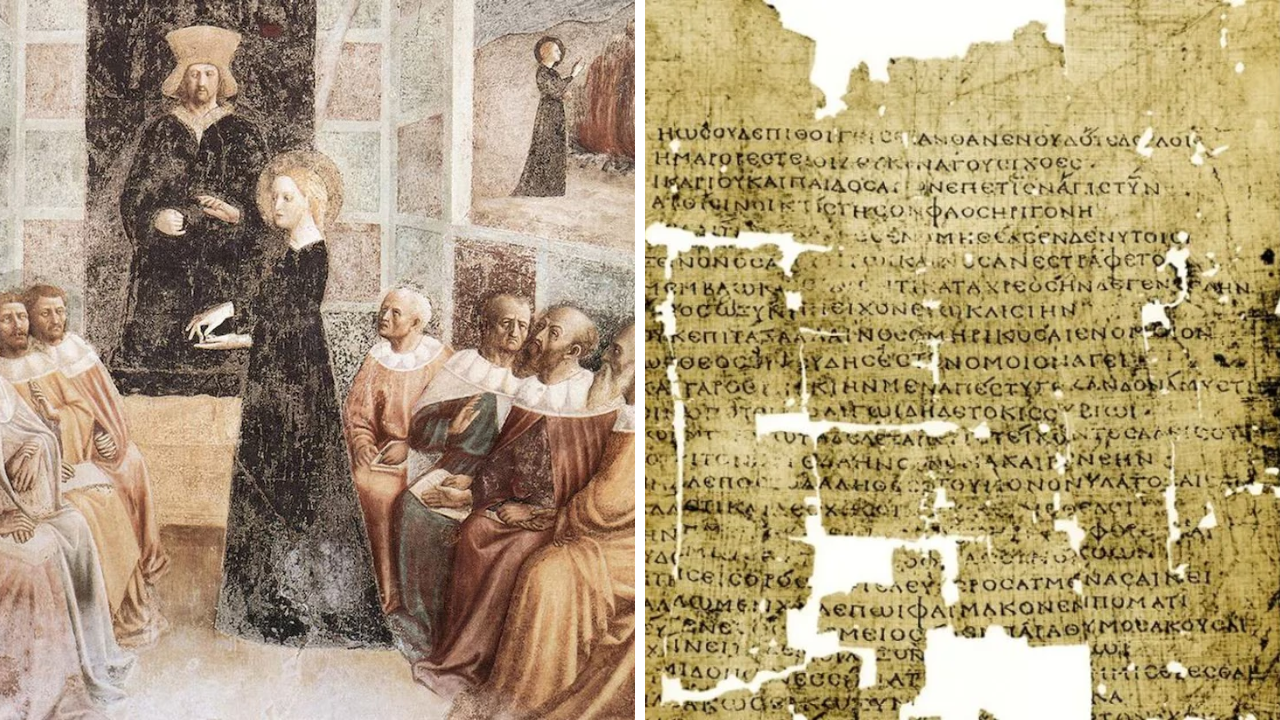
Imagine a place where the entire collective knowledge of the ancient world was gathered under a single, grand roof. The Great Library of Alexandria was not just a repository for dusty scrolls; it was the ultimate intellectual playground of antiquity, fueled by royal scandals, international book smuggling, and revolutionary scientific discoveries. While popular culture often reduces its history to a single tragic fire, the true story of this legendary institution is far more complex, bizarre, and dramatic than any Hollywood script. This deep dive uncovers 28 remarkable legends and facts behind the rise, secrets, and ultimate unraveling of history’s most famous academic wonderland.
The Royal Foundation of Ptolemy I Soter
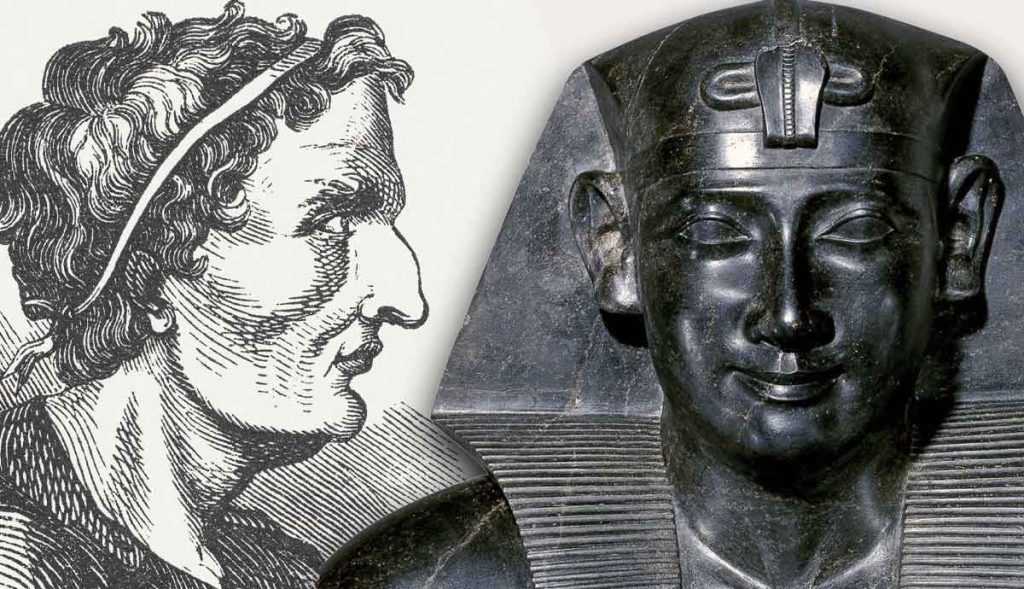
Ptolemy I Soter established this massive research repository to cement the cultural supremacy of his newly formed Egyptian dynasty. He envisioned a centralized capital where Greek intellectual traditions could blend seamlessly with ancient Egyptian wisdom. This ambitious initiative successfully transformed a simple port city into the intellectual center of the Mediterranean world.
The Vision of Demetrius of Phalerum
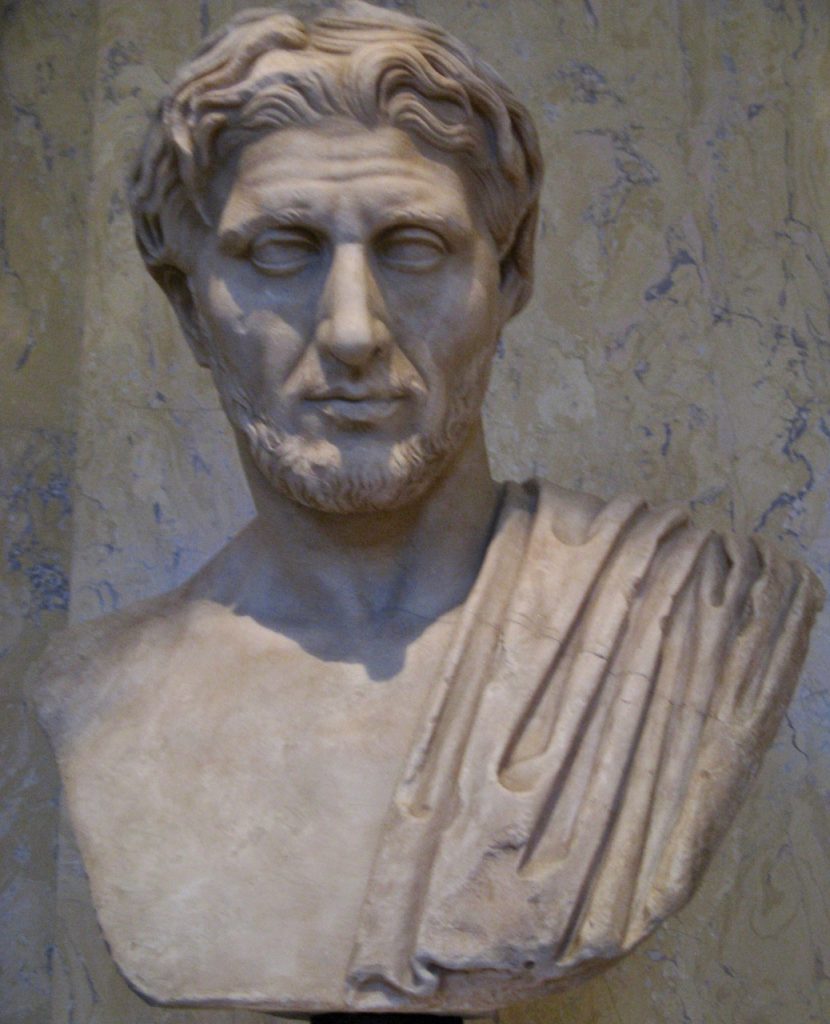
Under the advice of an exiled Athenian politician, the initial structure of the collection took shape rapidly. Demetrius of Phalerum utilized his deep connections with Greek academies to source rare, authoritative manuscripts from across the Aegean Sea. His organizational efforts laid the groundwork for an institution that outlasted its original curators.
The True Nature of the Mouseion
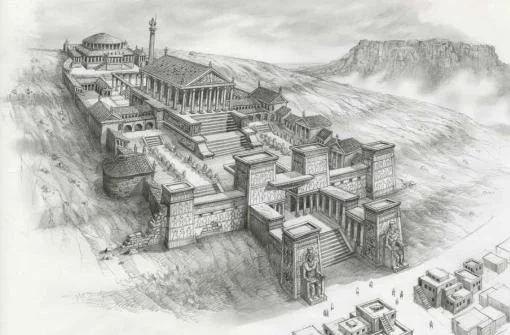
Historical records clarify that the facility functioned primarily as an expansive research institute rather than a quiet modern reading room. Scholars referred to it as the Mouseion, a sacred institution dedicated entirely to the nine mythological Muses of the arts. This vast complex included communal dining halls, lecture rooms, and shaded walkways designed to stimulate philosophical debates.
The Aggressive Law of the Ships
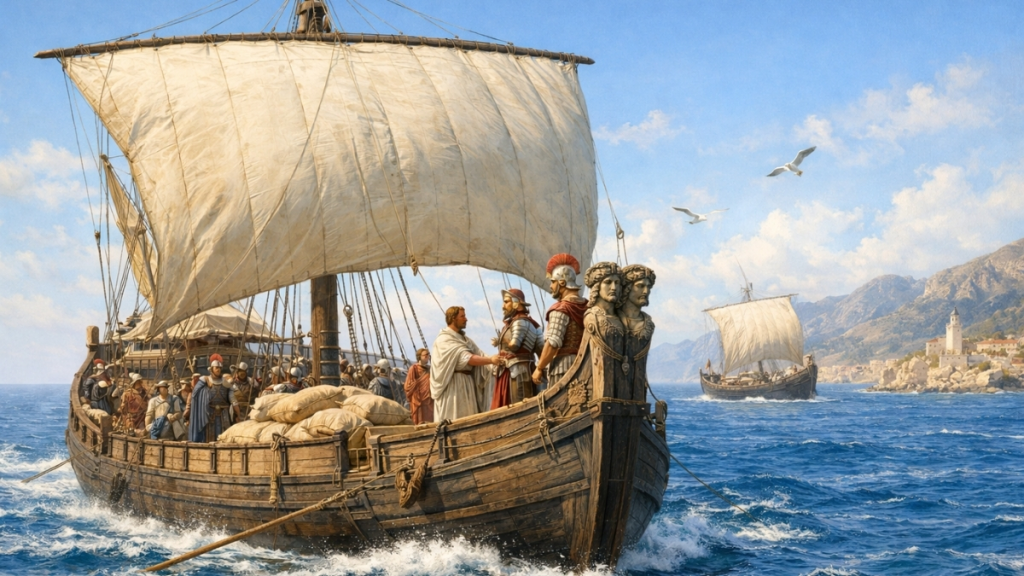
Port authorities in ancient Egypt enforced an uncompromising decree that required every incoming vessel to surrender its written documents immediately. Royal guards searched cabins thoroughly to confiscate any foreign scrolls that arrived in the harbor. These seized manuscripts were rushed directly to the copying department for emergency duplication.
The Strategy of Returning Copies
A highly controversial administrative practice involved returning freshly scribed copies to travelers while keeping the authentic originals in the royal vaults. The pharaohs prioritized accuracy and antiquity over fair trade laws. This ruthless collection method allowed the facility to amass unique variants of classical literature that existed nowhere else on Earth.
The Mechanical Reality of the Scrolls
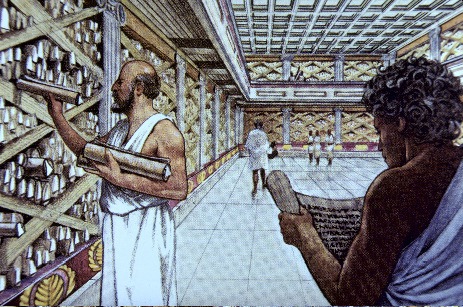
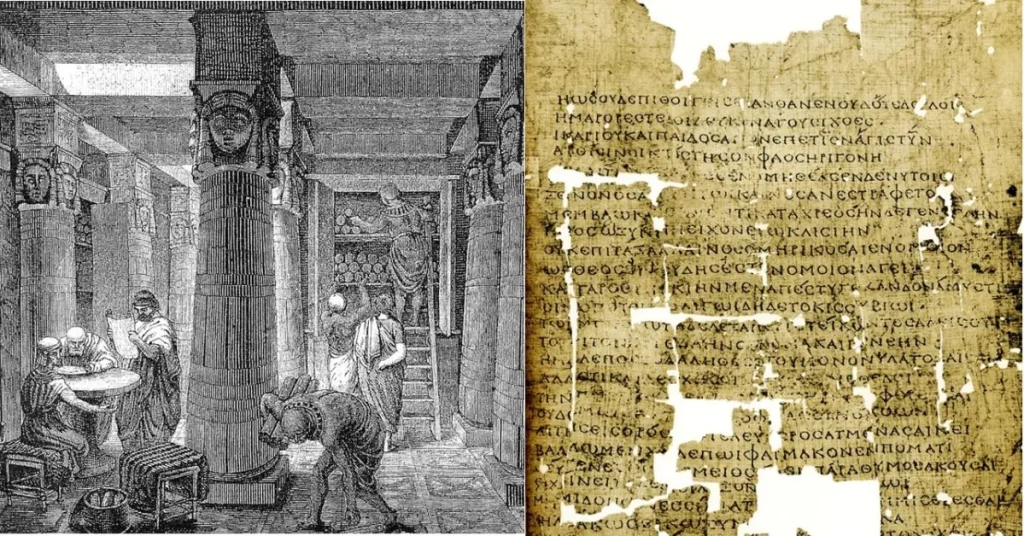
Physical holdings consisted entirely of tightly rolled papyrus sheets rather than bound books. These long, delicate rolls required careful handling and specific storage conditions to prevent catastrophic tearing during research sessions.
The Romantic Gesture of Mark Antony
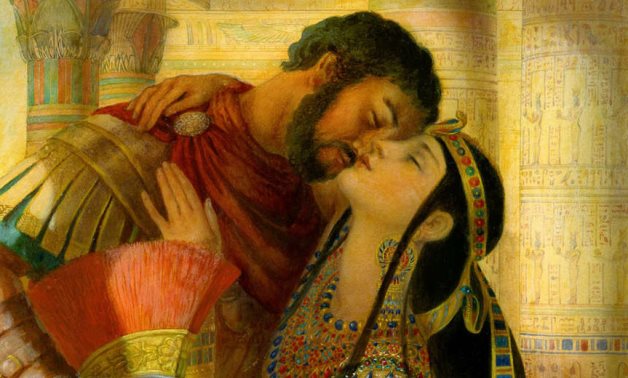
Mark Antony famously attempted to win the affection of Cleopatra by donating two hundred thousand scrolls plundered from a rival facility in Pergamum. This massive influx of literature helped replace precious volumes lost during previous military conflicts in the region. The grand gesture proved that books held immense geopolitical value in the ancient world.
The Luxury of Royal Fellowships
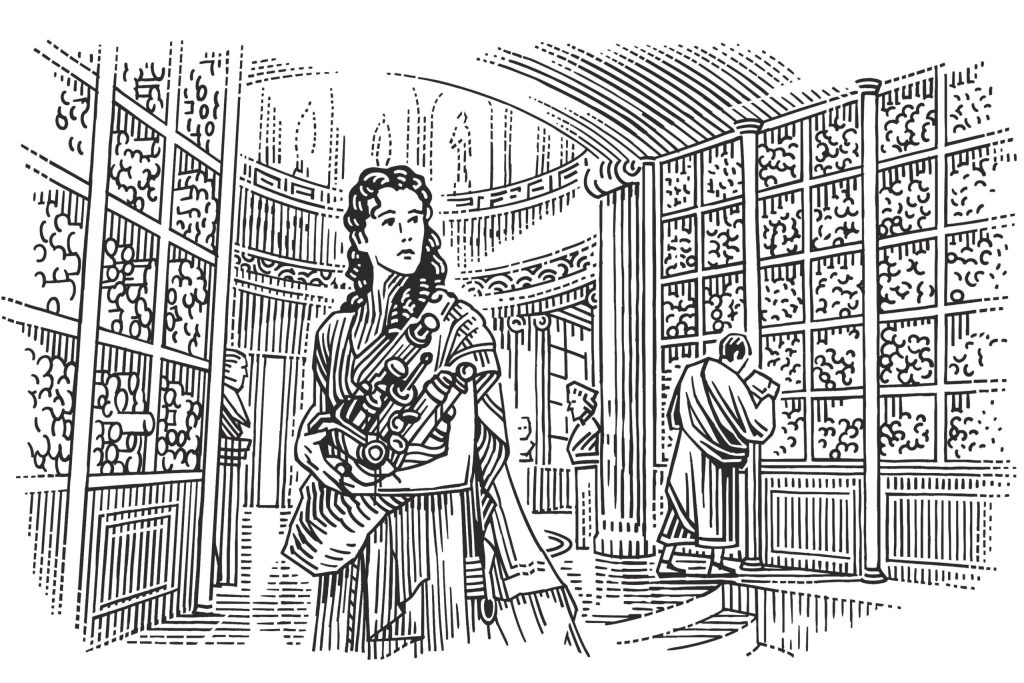
Intellectuals chosen to work within the facility enjoyed a completely tax-free existence with all living expenses covered by the Ptolemaic crown. The pharaohs provided free housing, premium food, and permanent stipends so the resident thinkers could focus exclusively on their research. This generous funding model successfully attracted the most brilliant minds from distant empires.
The Measurement of the Globe
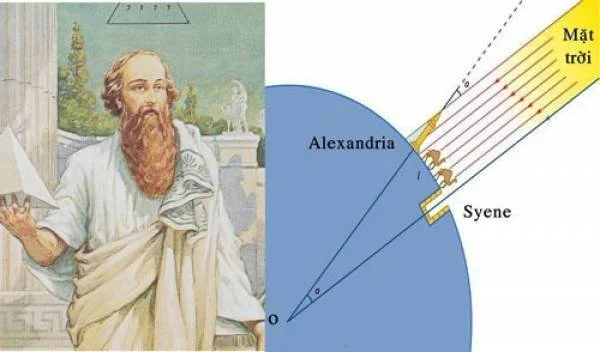
Eratosthenes managed to accurately calculate the circumference of the Earth using the geographical data available in the library archives. By comparing solar angles in two different Egyptian cities, he deduced the size of the planet with incredible precision. His revolutionary astronomical discovery occurred centuries before the invention of modern sailing technology.
The Invention of the Pinakes
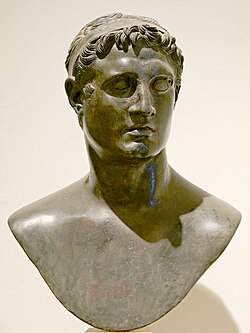
Callimachus revolutionized organization by creating a massive, hundred-and-twenty-volume catalog system called the Pinakes. This innovative guide classified authors by their specific genres and provided brief biographical details for each writer. His structured methodology effectively birthed the entire concept of modern library science.
The Forgotten Heliocentric Concept
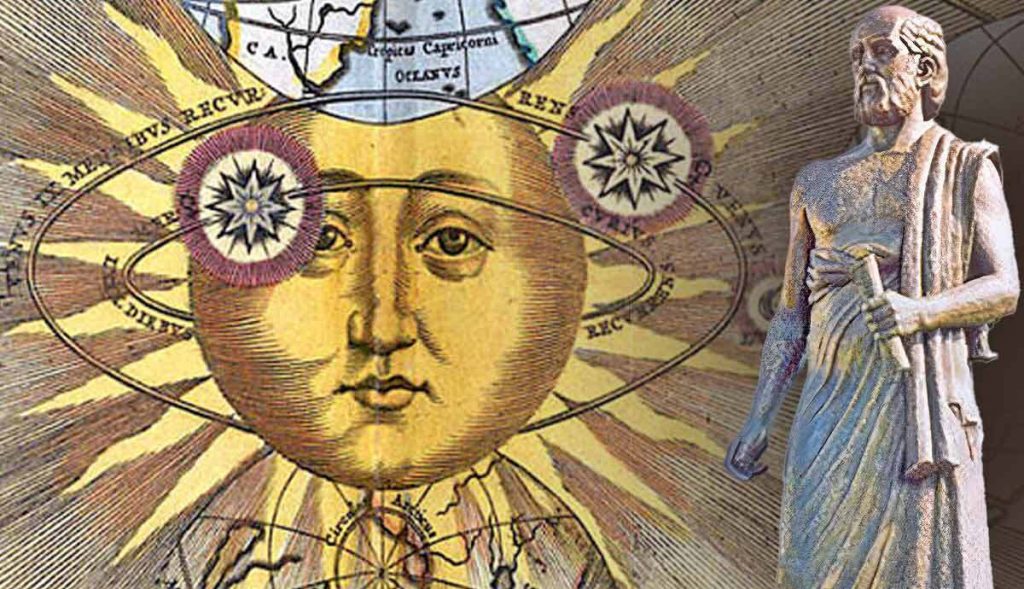
Aristarchus of Samos utilized the vast archives to formulate the very first recorded hypothesis of a heliocentric universe. He argued that the Earth and other planets revolved around a stationary sun, challenging centuries of established geocentric dogma.
The Creation of the Septuagint
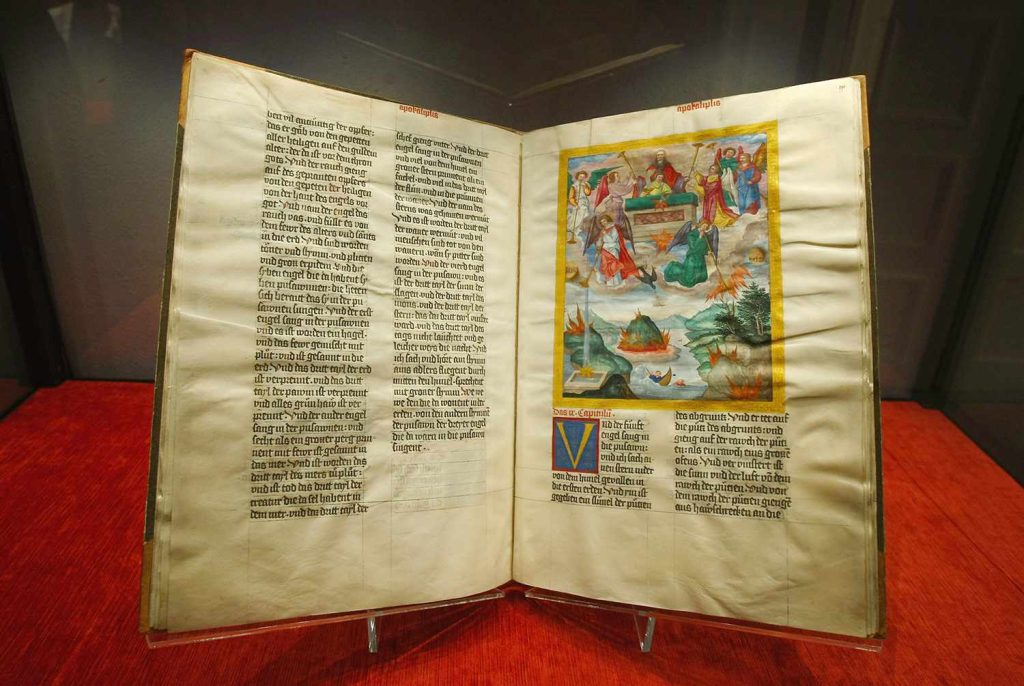
King Ptolemy II Philadelphus commissioned seventy Jewish scholars to translate the Hebrew Torah into the Greek language inside the research complex. This monumental literary project resulted in the Septuagint, which made sacred texts accessible to the wider Mediterranean world for the first time. The translation fundamentally altered the theological evolution of western civilization.
The Expansion of the Serapeum
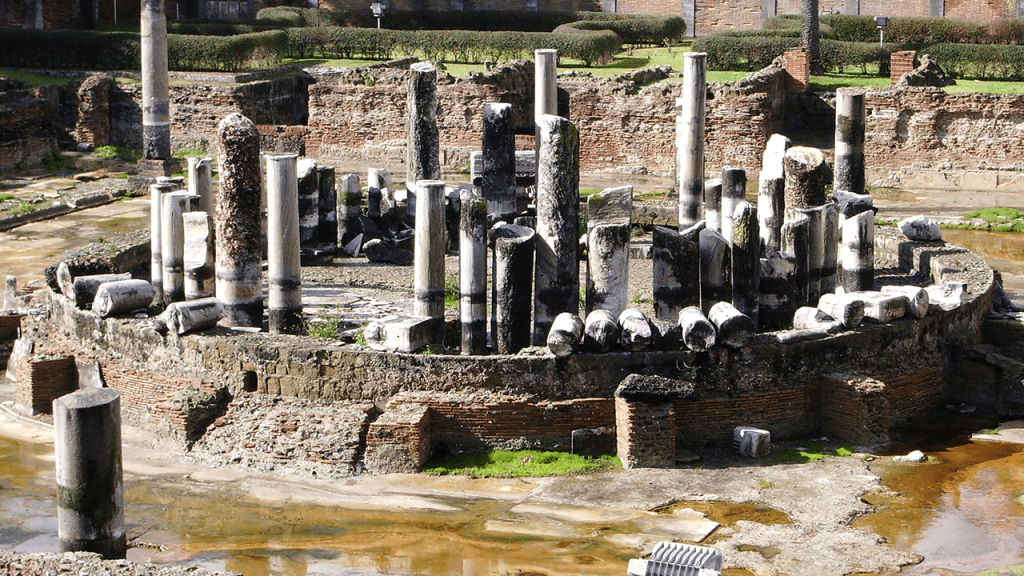
As the primary collection outgrew its physical boundaries, the royal family established a sister branch inside the Temple of Serapis. This secondary repository allowed ordinary citizens and lesser-known students to access duplicate copies of essential reference materials. It continued to function as a crucial academic center long after the main palace branch suffered heavy damage.
The Legacy of Hypatia
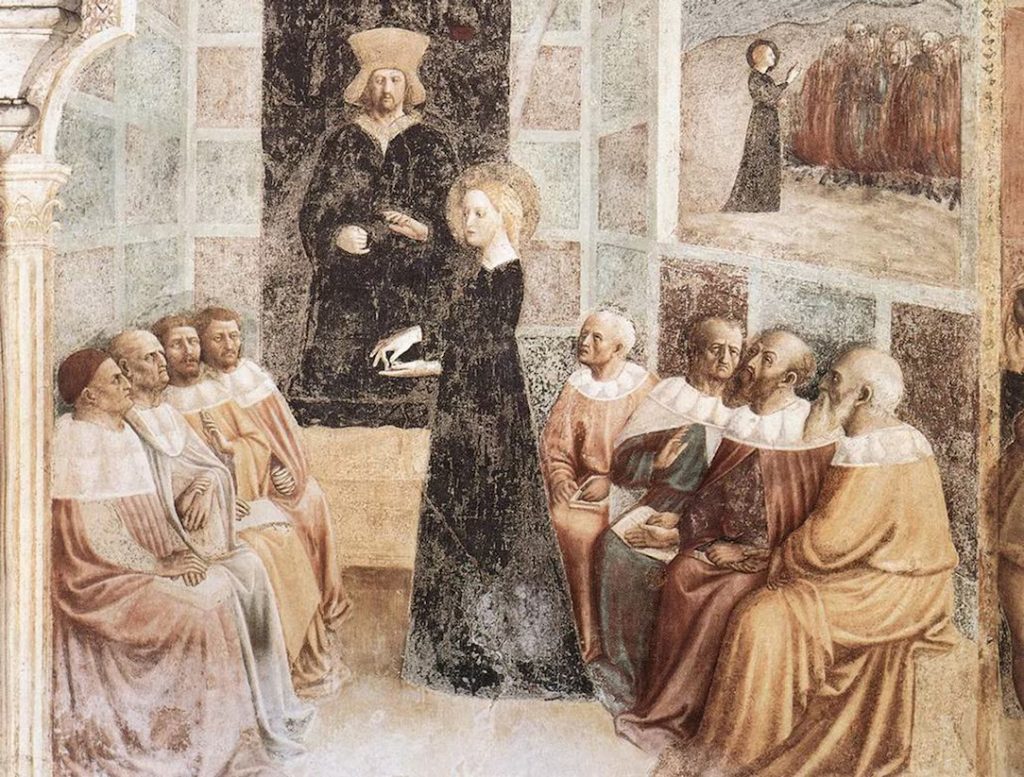
Hypatia, a brilliant female mathematician and philosopher, spent her life teaching and conducting advanced research near the historic remnants of the academic quarter. Her brutal murder by a political mob symbolized the definitive end of classical pagan scholarship in the region. Her tragic demise underscored the growing ideological tensions between old academic traditions and rising religious movements.
The Preservation of Homeric Epic
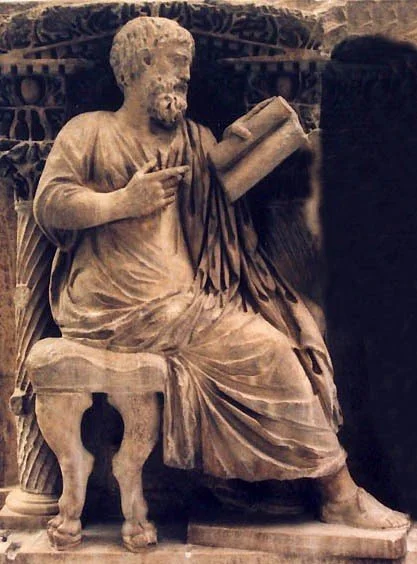
Zenodotus served as the first chief librarian and dedicated his career to eliminating errors from the circulating editions of “The Iliad”. By comparing multiple corrupted manuscripts, he successfully established the standardized poetic line structures that readers recognize today.
The Fire of Julius Caesar
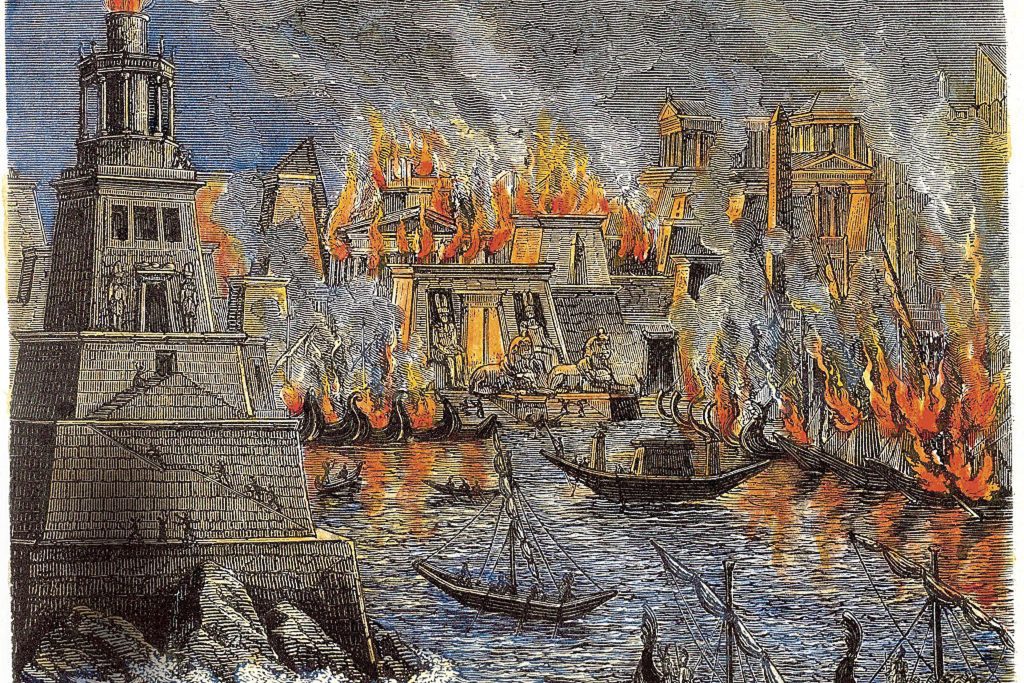
Julius Caesar accidentally ignited the first major blaze during his chaotic military intervention in 48 BC. To escape a naval blockade, the Roman general ordered his troops to set fire to his own fleet docked in the harbor. The flames spread unpredictably to the nearby dockside warehouses containing thousands of stored texts.
The Edict of Pope Theophilus
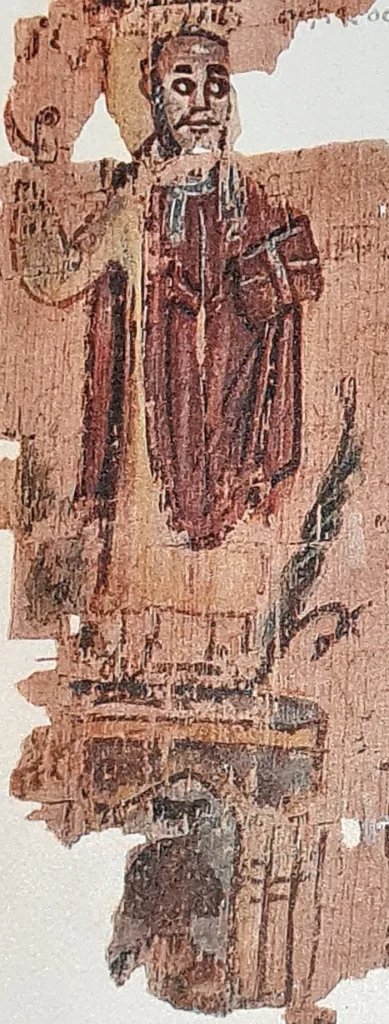
Christian Pope Theophilus targeted the sister library inside the Serapeum in 391 AD as part of a campaign to eradicate pagan monuments. A zealous crowd demolished the sacred temple complex and destroyed the remaining manuscripts housed within its walls. This systemic destruction erased the final public branch of the ancient network.
The Disputed Legend of Caliph Omar
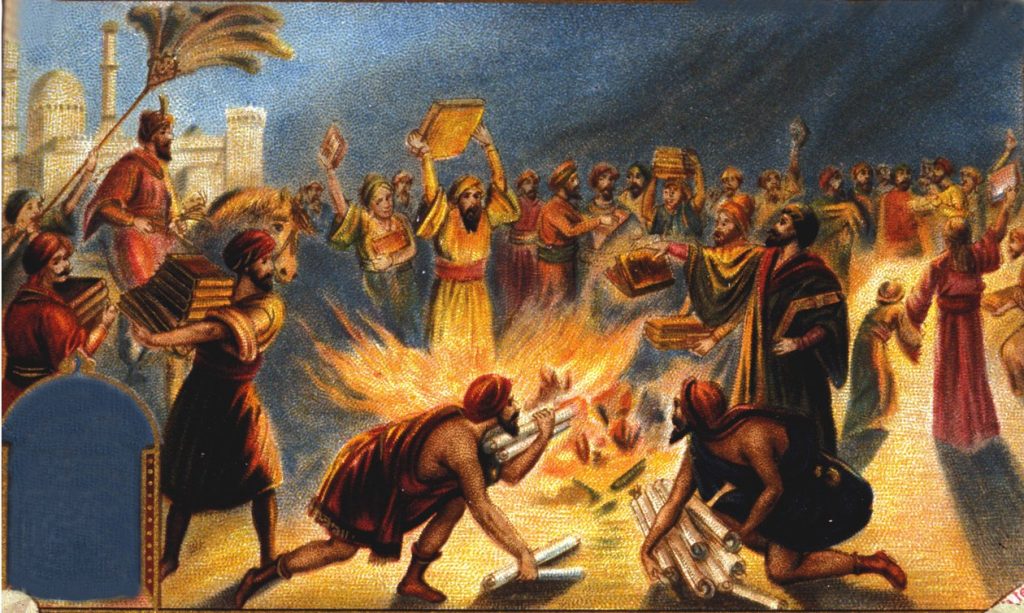
Medieval Arabic texts popularized a highly controversial story claiming that Caliph Omar ordered the burning of the remaining texts to heat local bathhouses. Most modern historians reject this narrative as a political myth designed to discredit early Islamic rulers.
The Environmental Battle Against Papyrus
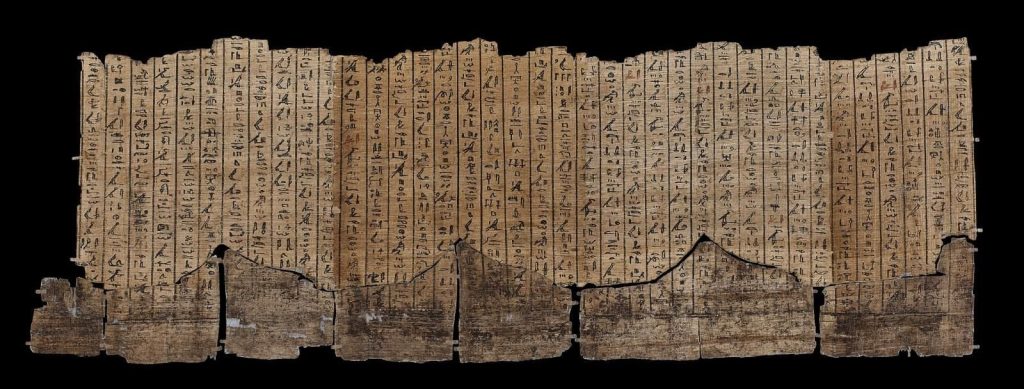
The natural climate of the Egyptian coastline presented a constant, silent threat to the longevity of the collection. Papyrus sheets decay rapidly when exposed to high humidity and salty Mediterranean breezes, requiring continuous scribal copying to maintain readability. The simple lack of preservation funding ultimately doomed more books than foreign invasions.
The Impact of the Communal Dinners
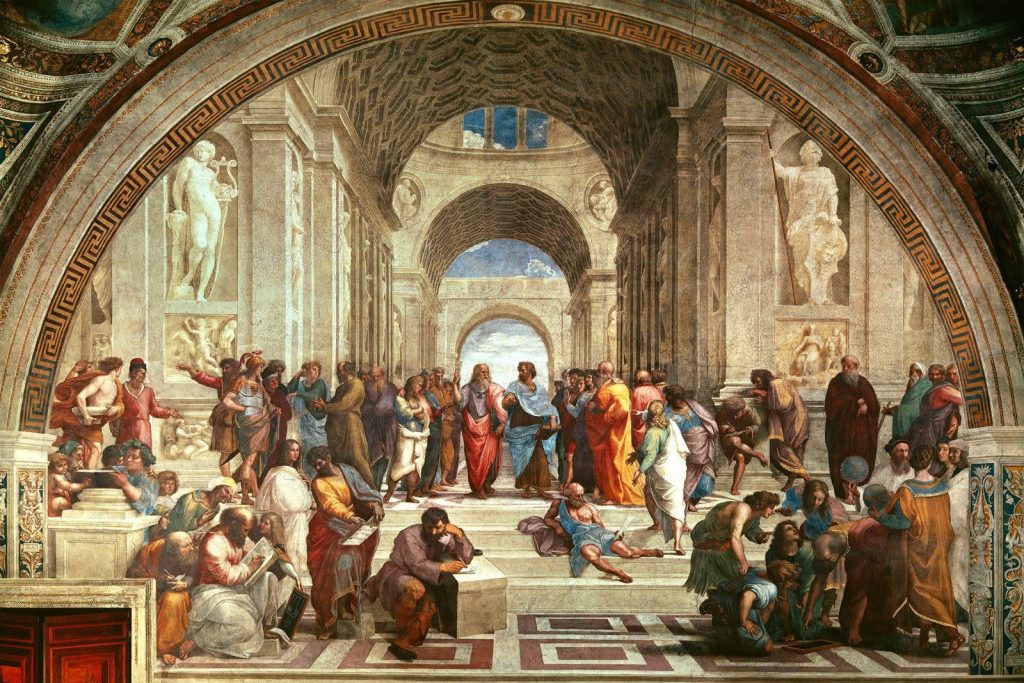
Curators forced scholars to dine together in a grand hall to foster unexpected collaborations across completely different scientific fields. A mathematician might debate an epic poet over wine, leading to highly creative breakthroughs in linguistic analysis. This forced interaction transformed the institution into a dynamic intellectual incubator.
The Education of Archimedes
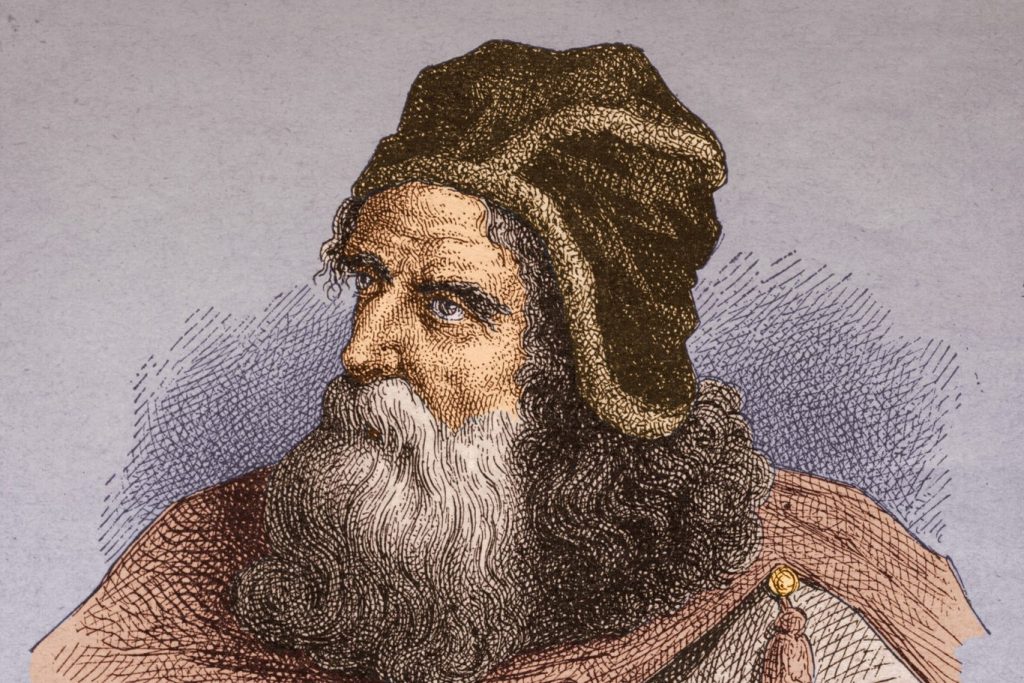
Archimedes spent his formative years studying geometry and mechanics inside the advanced workshops of the Alexandrian complex. He engineered his famous water-raising screw mechanism after observing the complex irrigation challenges faced by local Egyptian farmers. His time spent working with the archives shaped all his subsequent engineering triumphs.
The Vast Subsidies for Global Translation
The Ptolemaic pharaohs allocated staggering sums of gold to hire linguists capable of translating Persian, Babylonian, and Indian texts into Greek. This deliberate policy aimed to accumulate the entire collective wisdom of the known world under a single royal roof.
The Medical Research of Galen
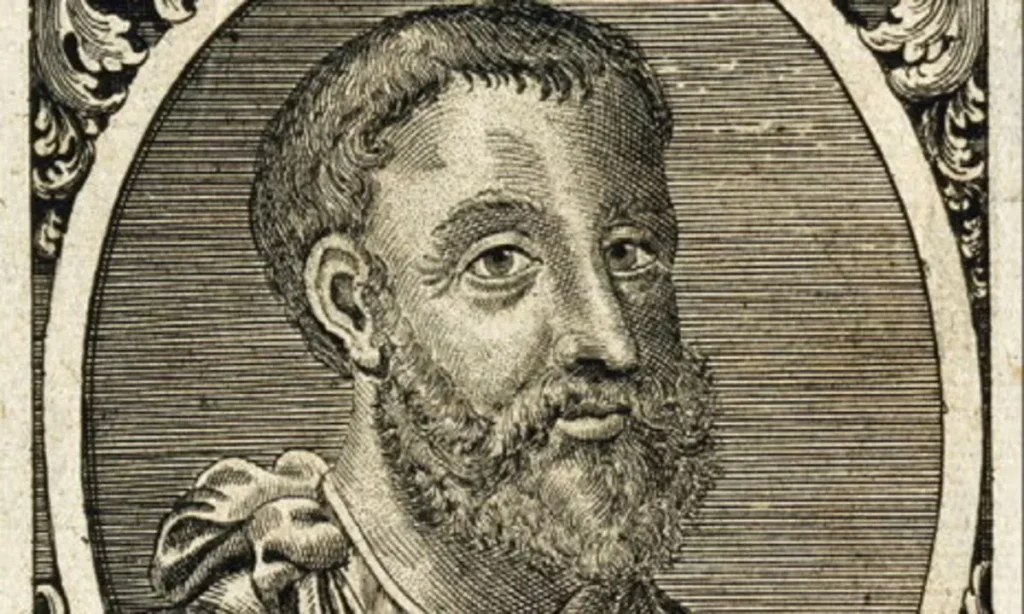
Galen traveled extensively to access the unmatched medical treatise collection preserved in the Alexandrian vaults. The centuries of anatomical records allowed him to compile comprehensive medical encyclopedias that governed European medicine for over a millennium.
The Wearing Out of Ancient Texts
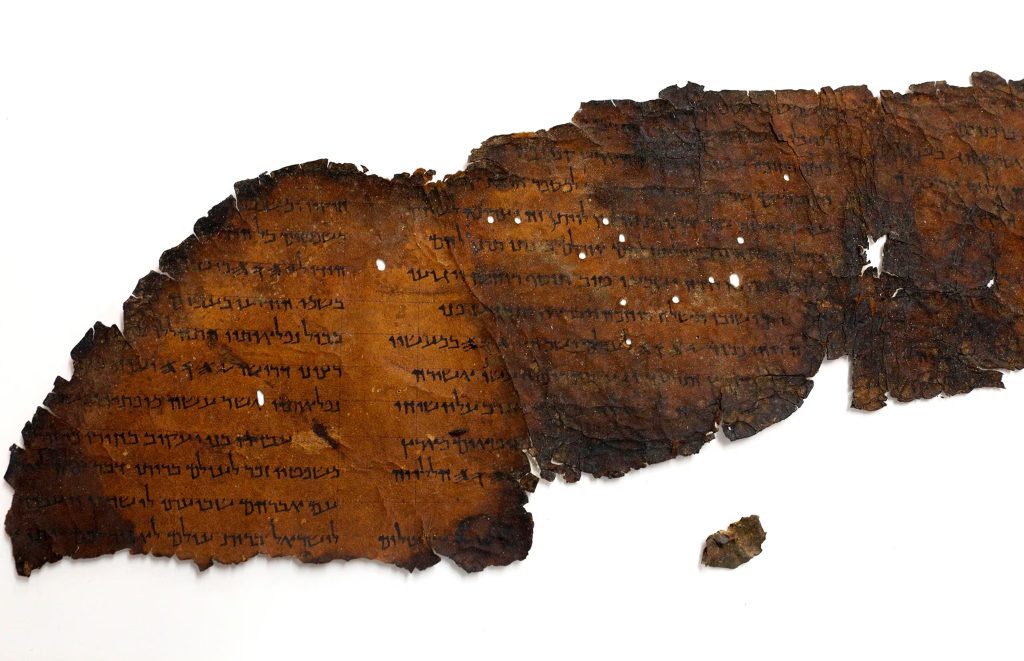
Heavy physical handling by thousands of international students caused original scrolls to degrade far faster than expected. Scribes worked around the clock in dedicated scriptoriums to replace worn-out copies before the text faded into illegibility.