
The world is filled with strange laws, and there are examples of even crazier ones throughout history. Cultures form in different ways, and what’s appropriate in one part of the world might not be that normal in another. That’s the reason why some laws seem so crazy to us. Let’s take a look at some of the weirdest examples!
Canada – Radio must play 35% Canadian artists

Canada’s broadcast law still requires stations to play a minimum percentage of Canadian music to support homegrown artists.
Quitman, Georgia – Chickens can’t cross the road

One U.S. local law bans chickens from crossing the road, a real ordinance meant to prevent traffic issues.
Venice – No feeding the pigeons
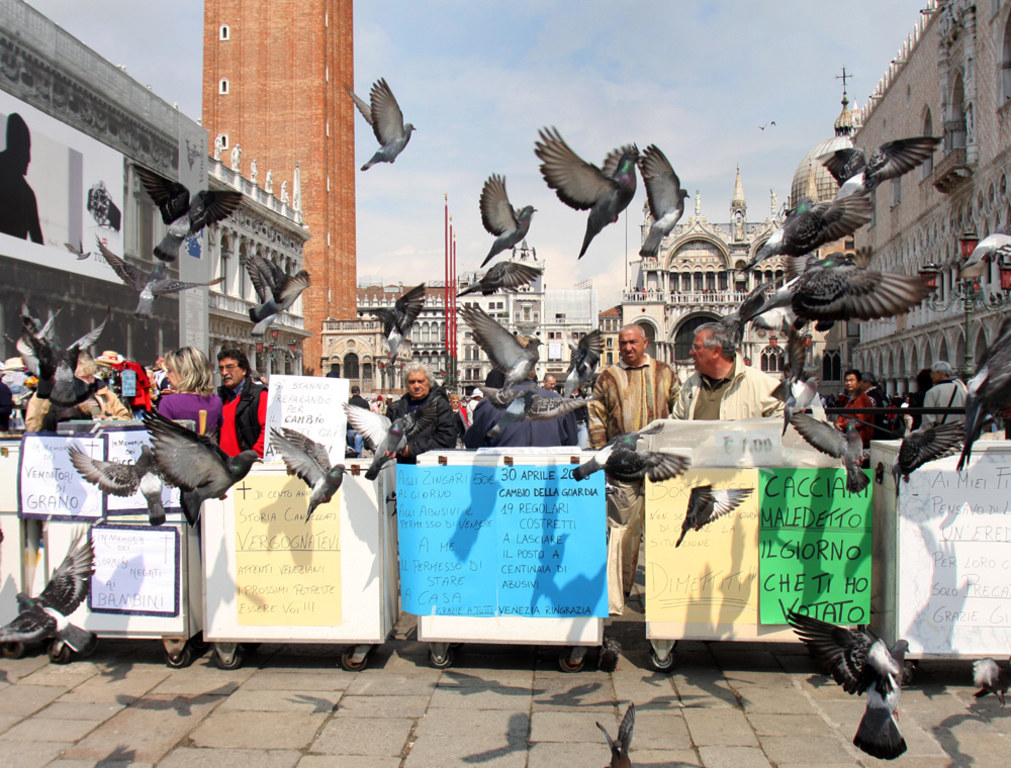
To protect priceless architecture from bird droppings, Venice made feeding pigeons illegal with hefty fines.
Greece – No high heels at historic sites

High heels that can damage ancient marble are banned at places like the Acropolis to help preserve the stones.
Singapore – Chewing gum was banned

Singapore outlawed most chewing gum to keep public spaces spotless, gum sales are still tightly controlled.
UK – Handling salmon “suspiciously” is illegal

The UK’s Salmon Act makes it illegal to handle salmon “in suspicious circumstances” to clamp down on poaching.
Bans on football in England, Scotland & France
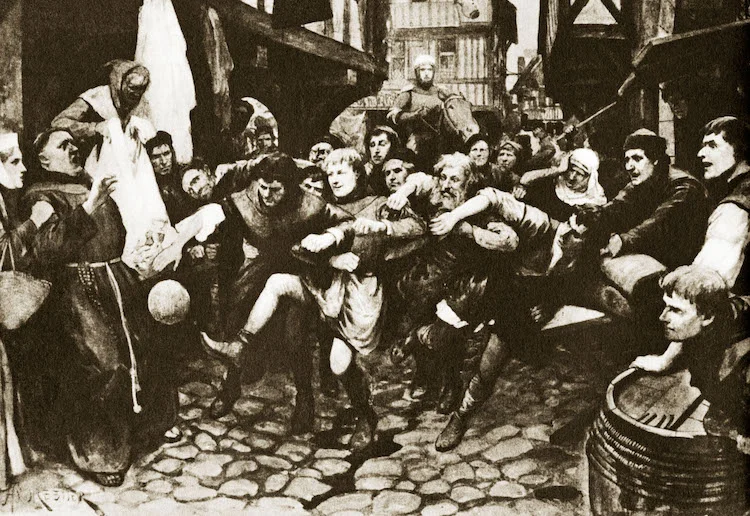
Medieval authorities banned football (a violent mob sport back then) repeatedly because it disrupted town life and interfered with archery practice.
Medieval England – Refusing a knighthood could cost you
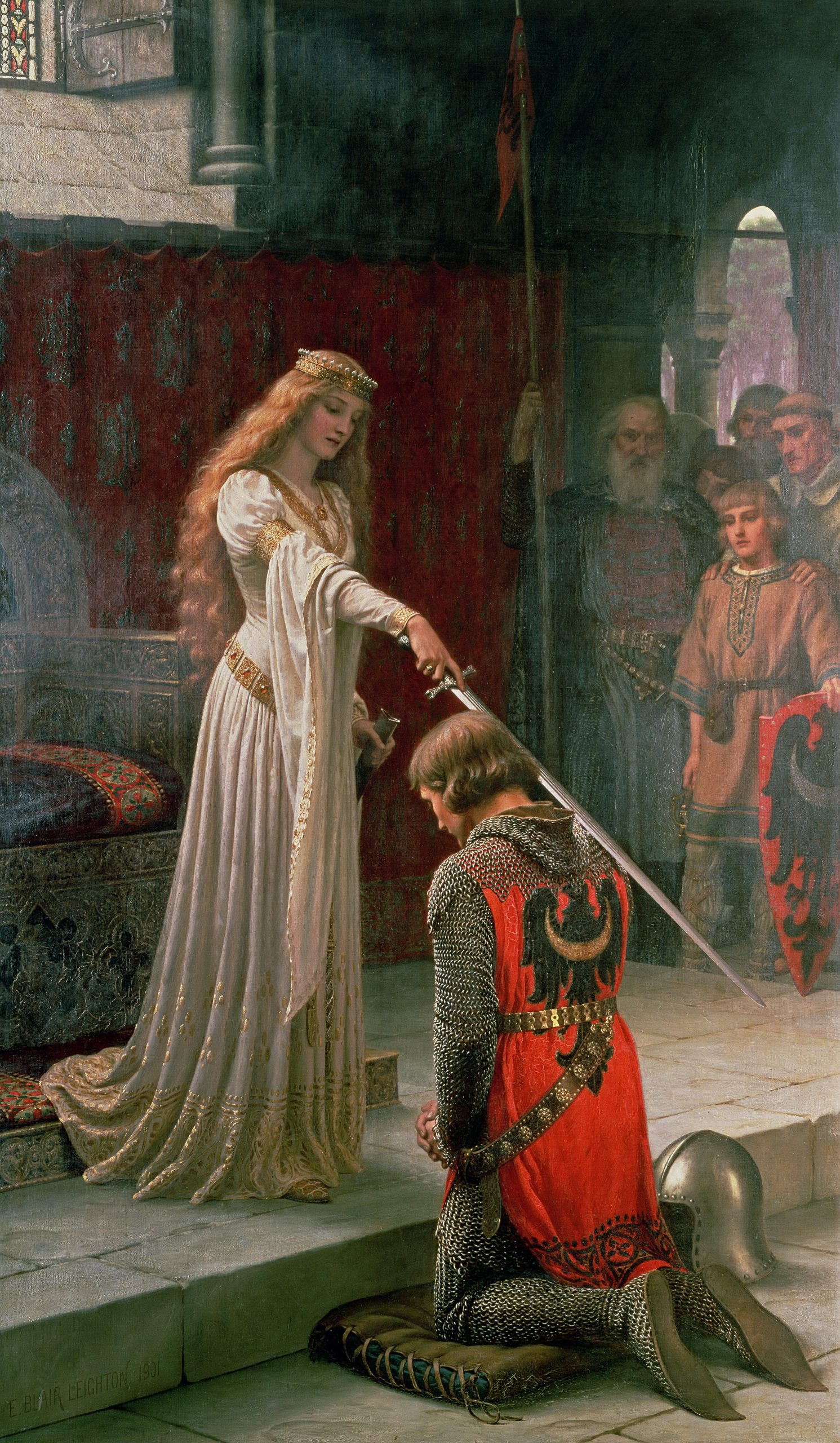
In the 1200s, English law made it illegal to refuse a knighthood, turning honor into an obligation.
England (1405) – Villages needed stocks to be a village
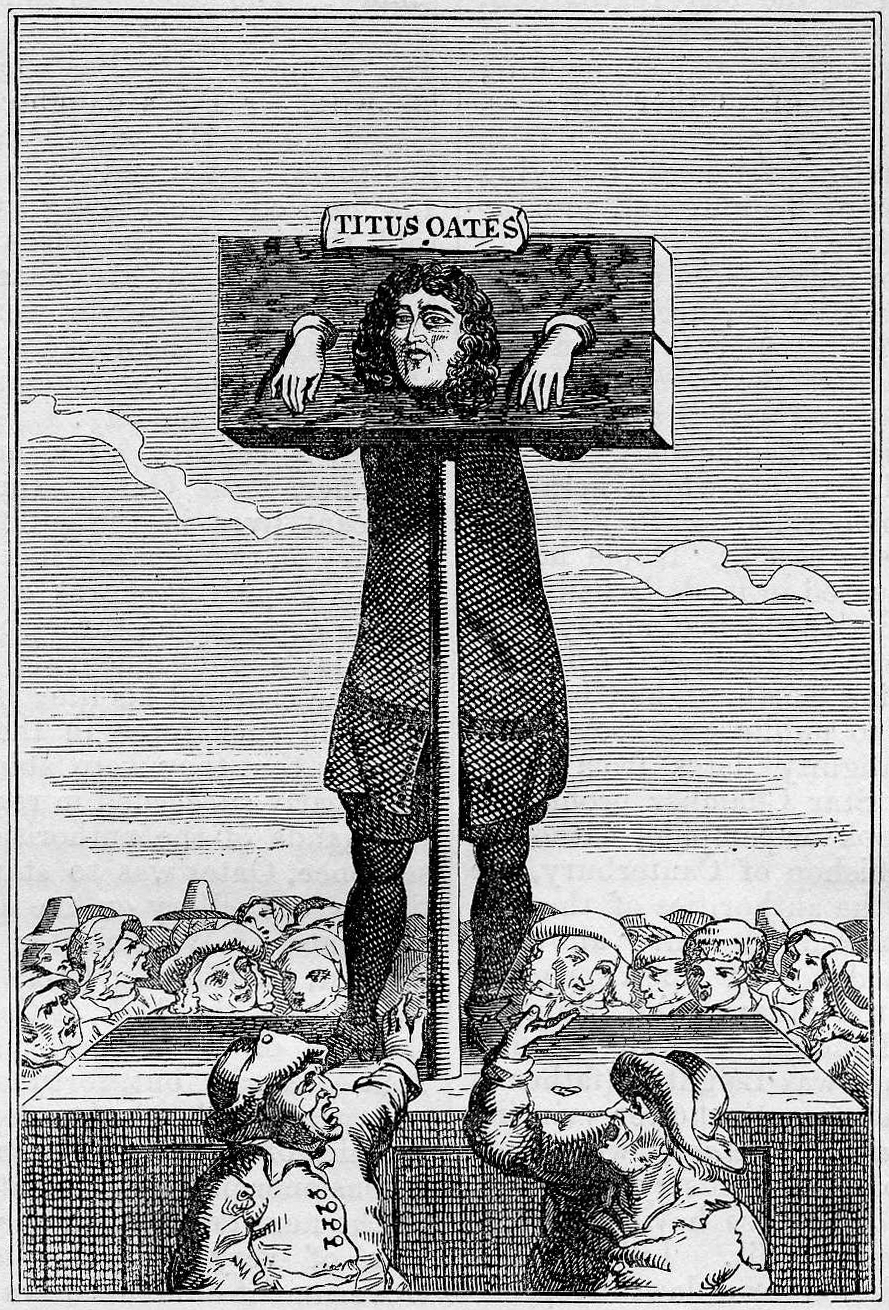
An old English act said every parish needed stocks; if it didn’t have them, it was technically just a hamlet.
Scotland – Corpses could be tried for treason
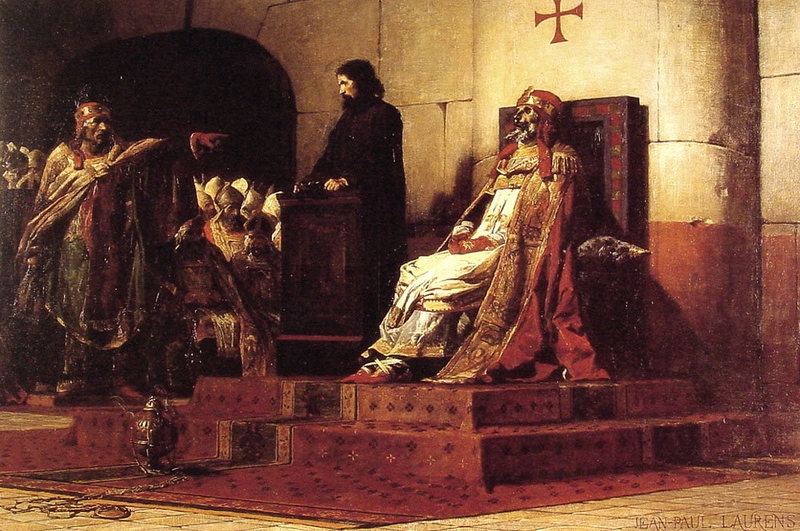
In 16th-century Scotland, traitors’ bodies were sometimes exhumed and “tried” in court, dead or alive.
France (until 2013) – Women couldn’t wear trousers without permission
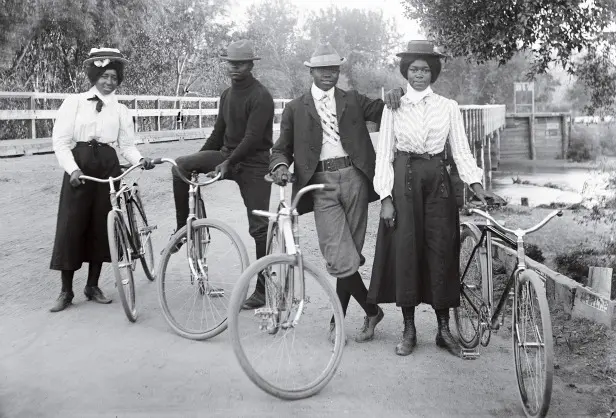
A French law once forbade women from wearing trousers unless they were riding a bike or a horse, finally repealed only in 2013.
Babylon – Builders could be executed if houses collapsed

Under the Code of Hammurabi (in around 1750 BCE), a builder whose house collapsed and killed the owner could face death.
Medieval Europe – Trial by ordeal
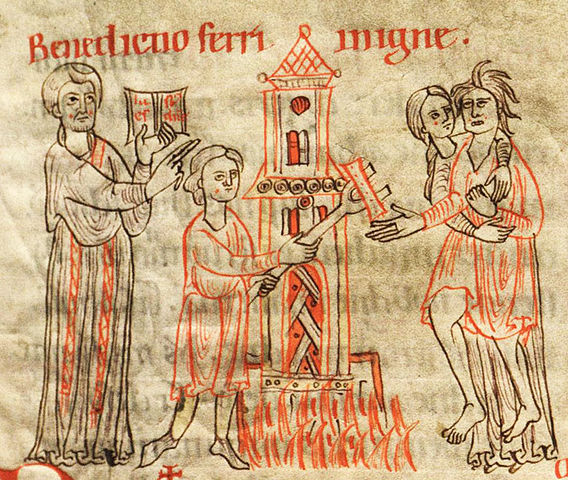
Instead of evidence or witnesses, medieval courts often legally decided guilt via brutal tests like hot iron or water “ordeals.”
Sparta – Exposing weak babies
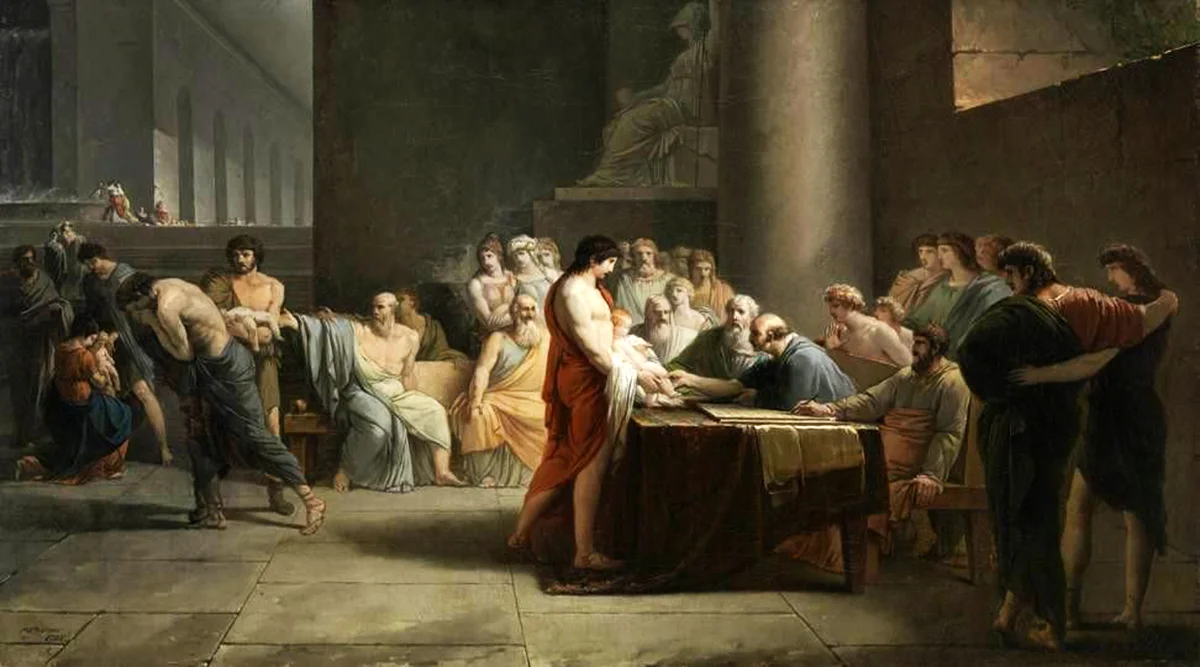
Spartan elders examined newborns and left weak or deformed babies to die as official policy in the pursuit of a stronger warrior class.
Ancient China – Foot binding laws
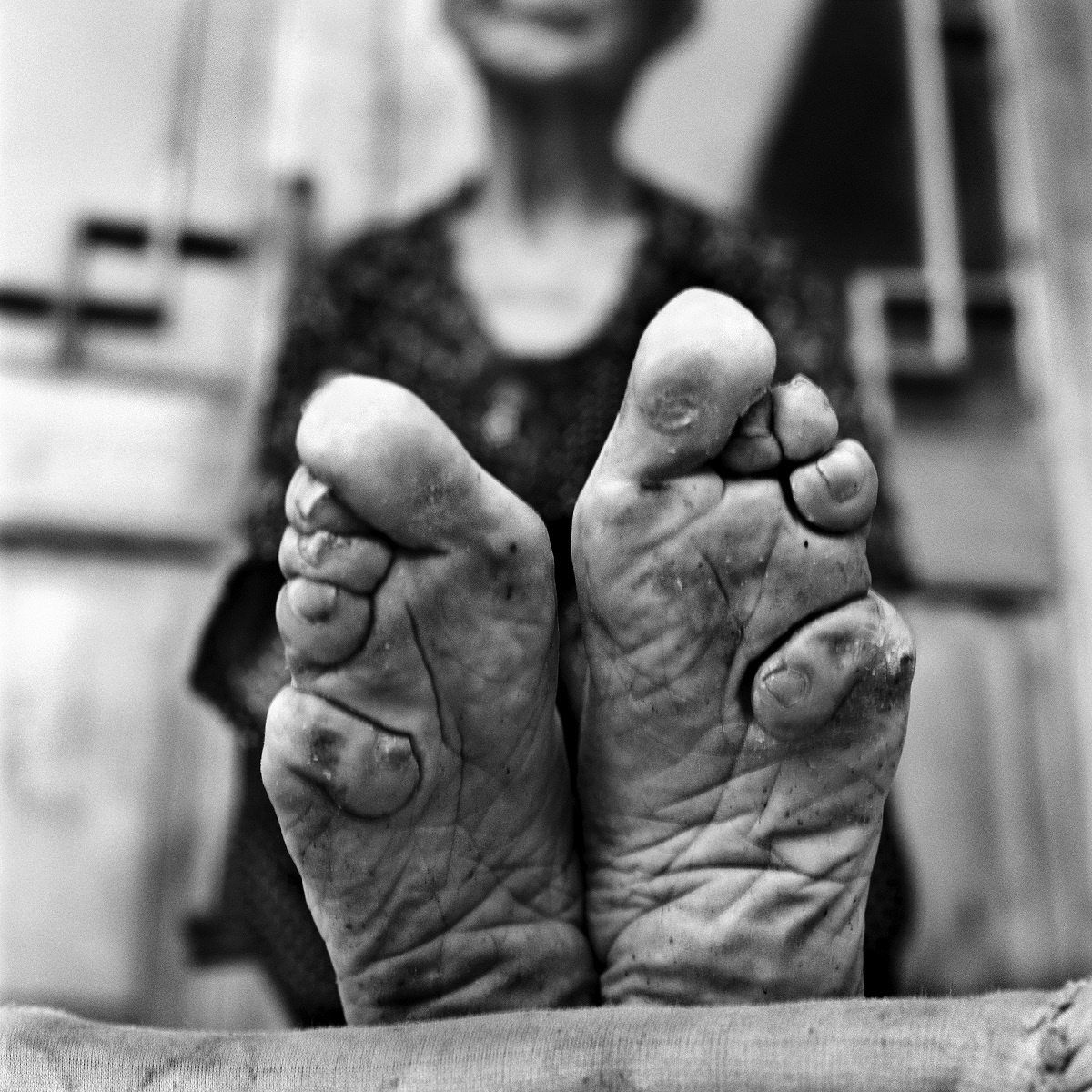
Foot binding was socially enforced for a millennium and in some periods was legally expected of upper-class women, making it effectively mandatory.
Colonial Massachusetts – Christmas was illegal
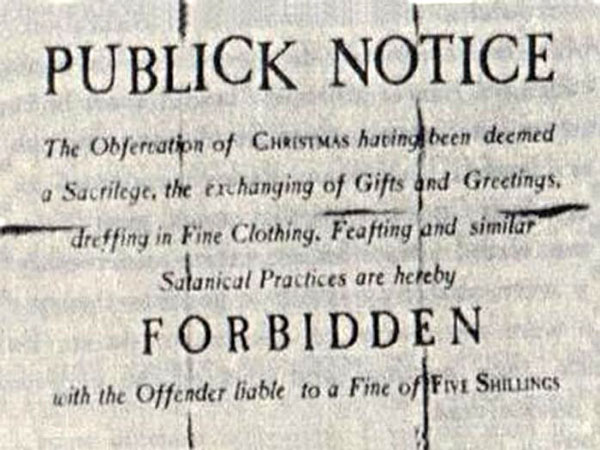
Puritans banned Christmas celebrations and fined anyone who celebrated because they saw them as pagan or Catholic rituals.
Ancient Athens – Ostracism

Athenians could vote to exile a politician for 10 years simply for becoming too popular, using shards called ostraka.
India & Sri Lanka – Execution by elephant
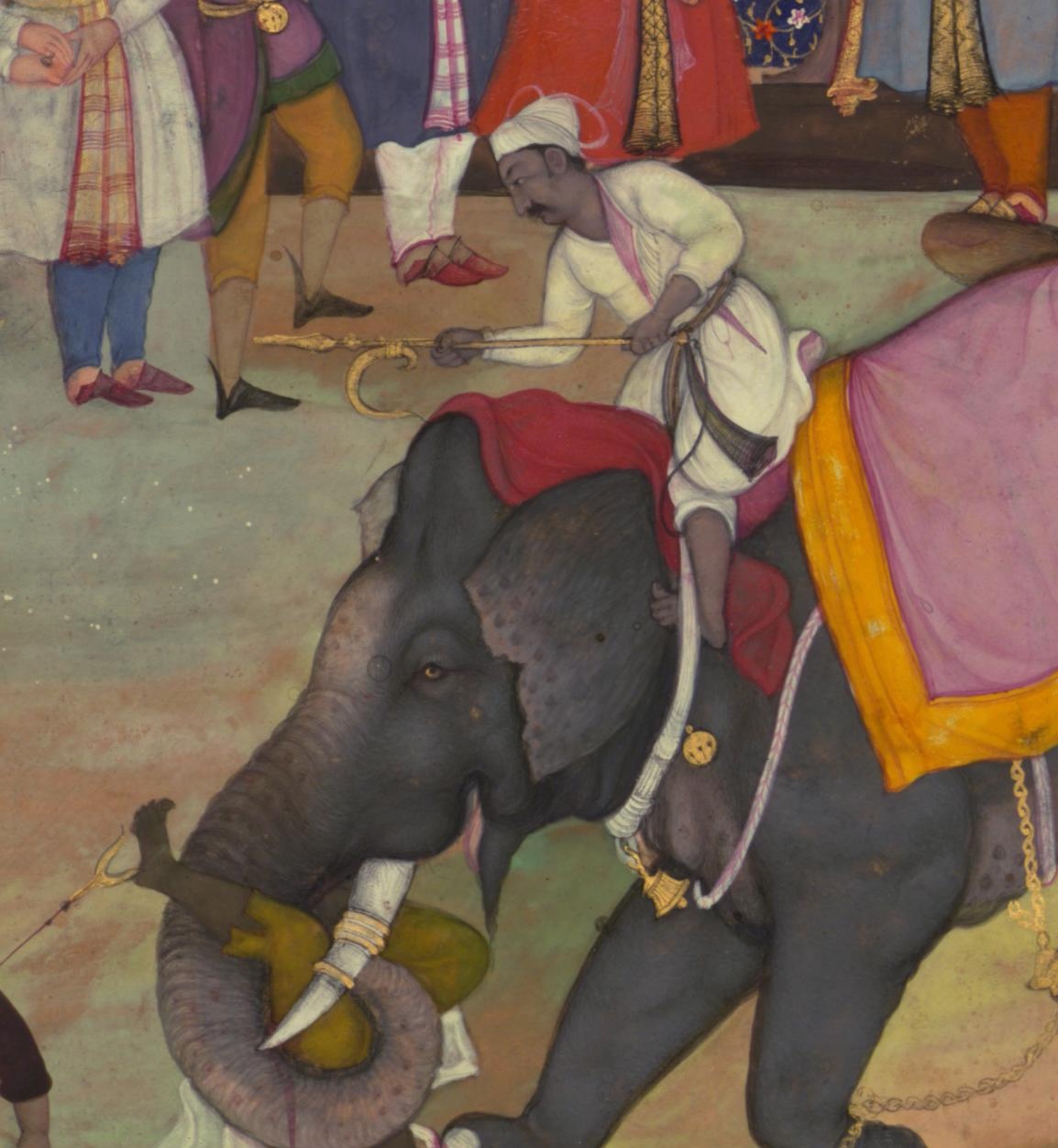
Rulers in South Asia used trained elephants to execute criminals by crushing, mutilating, or impaling them, a legal punishment in many regions until the 19th century.
Louisiana – The Tignon Law forced Black women to cover their hair
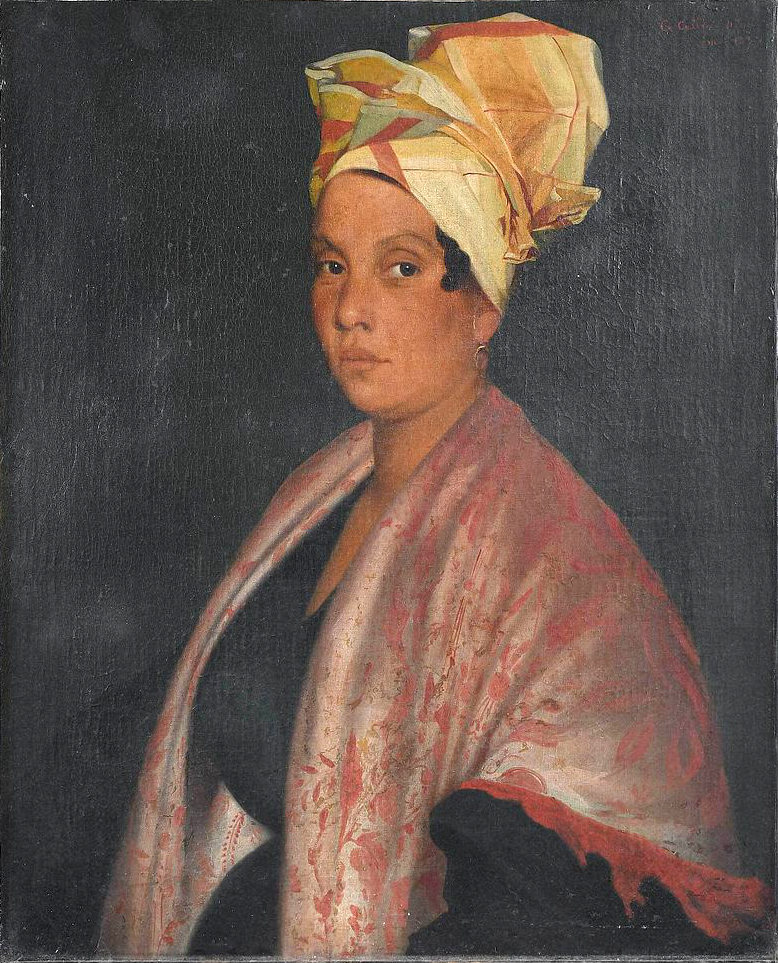
Spanish colonial law required Black women to wear headscarves to mark their status, and even though it was intended to shame, many turned it into a style statement.
Ancient Egypt – Killing a cat was illegal
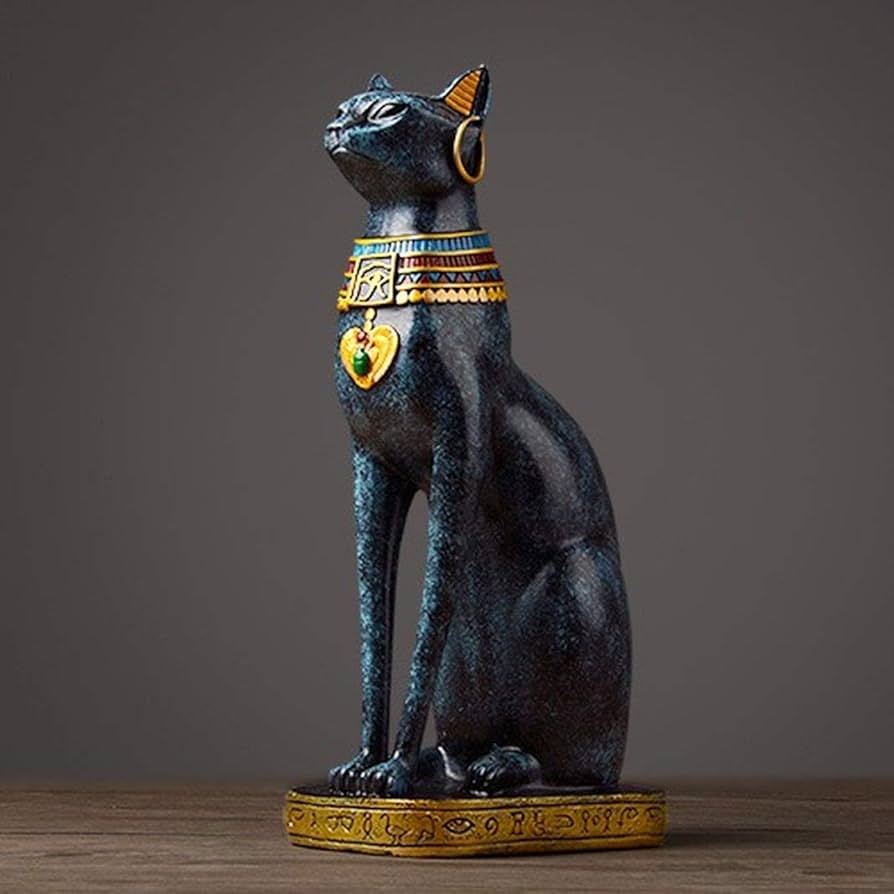
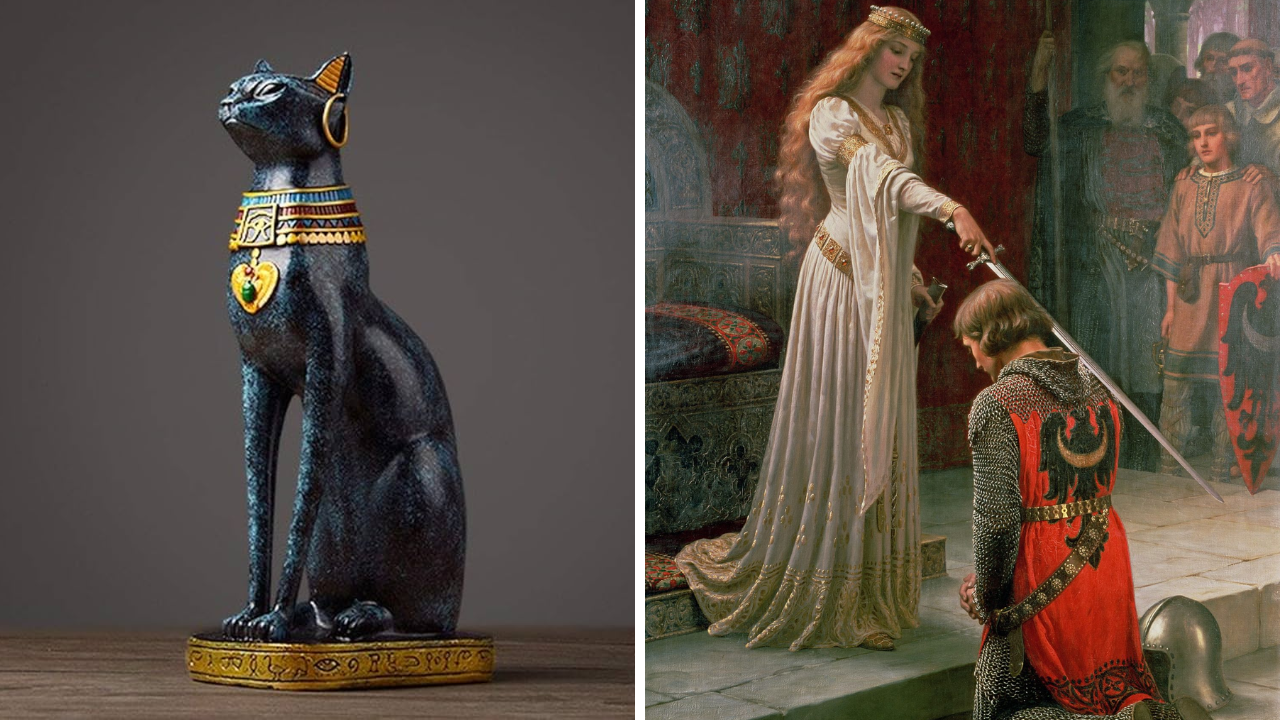
Cats were sacred in Egypt, and harming one was against the law, even by accident, thanks to their link with the goddess Bastet.
Ancient Rome – Urine was taxed

The emperor Vespasian taxed the collection of urine because tanners and launderers needed it for their work, leading to the phrase “money doesn’t stink.”
Ancient Rome – Only elites could wear purple
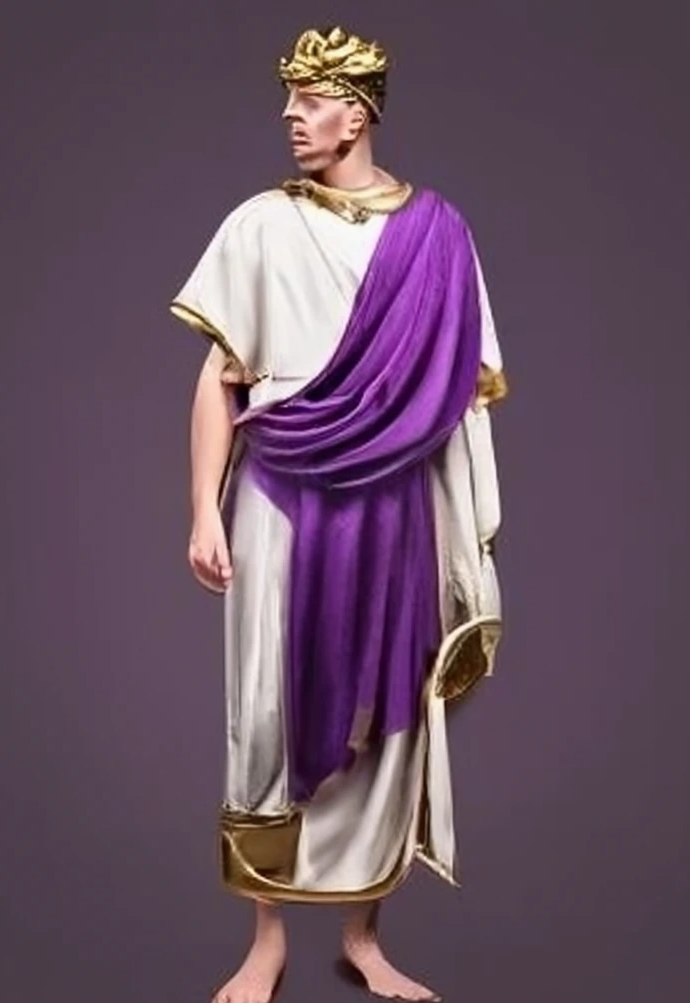
In Rome, wearing purple cloth was legally restricted to emperors and high officials.












