Sometimes, the most useful inventions don’t come from careful planning; they emerge from accidents, mistakes, or entirely different goals. From household staples to iconic snacks, many of the products we use every day were never meant to exist in the way we know them now. Here are 21 fascinating items that were created for something completely different.
1. Kotex: From Battlefield Bandages to Sanitary Pads
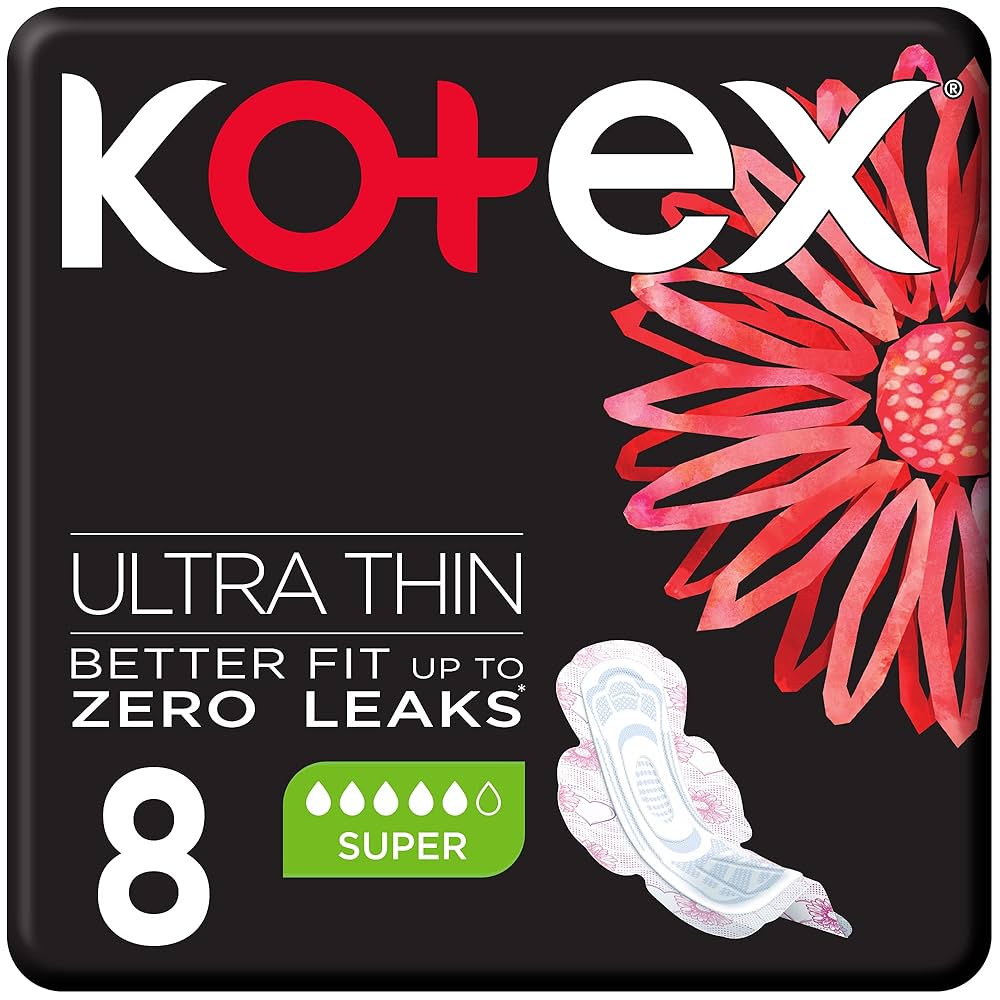
During World War I, Kimberly-Clark made highly absorbent wadding called Cellucotton for surgical dressings. Nurses noticed it worked well for menstrual care, and after the war, the company repurposed it into Kotex sanitary napkins, creating a new market.
2. Kleenex: Cold Cream Remover Turned Tissue
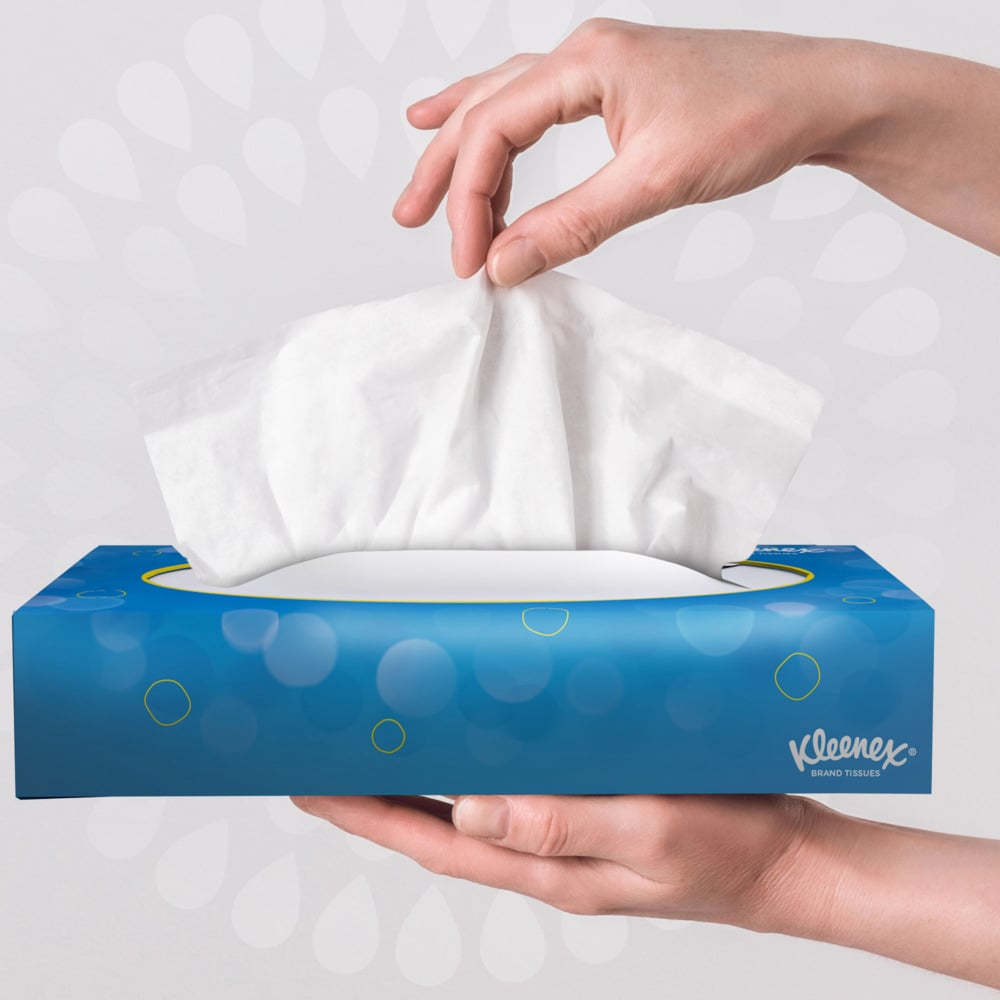
Initially marketed in 1924 to women for removing cold cream, Kleenex tissues only became popular for runny noses and sneezes years later. This simple shift transformed a cosmetic product into a household essential.
3. Bubble Wrap: Wallpaper That Could Protect Electronics
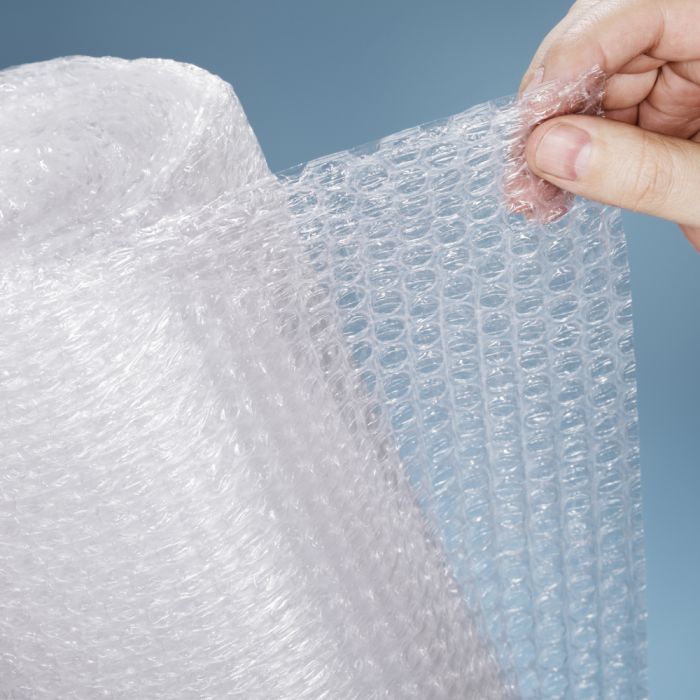
Invented in 1957 as textured plastic wallpaper, Bubble Wrap failed in décor and as greenhouse insulation. Its breakthrough came when IBM used it to safely ship computers, making it the iconic packaging material we know today.
4. Nalgene: Lab Containers That Hit the Trail
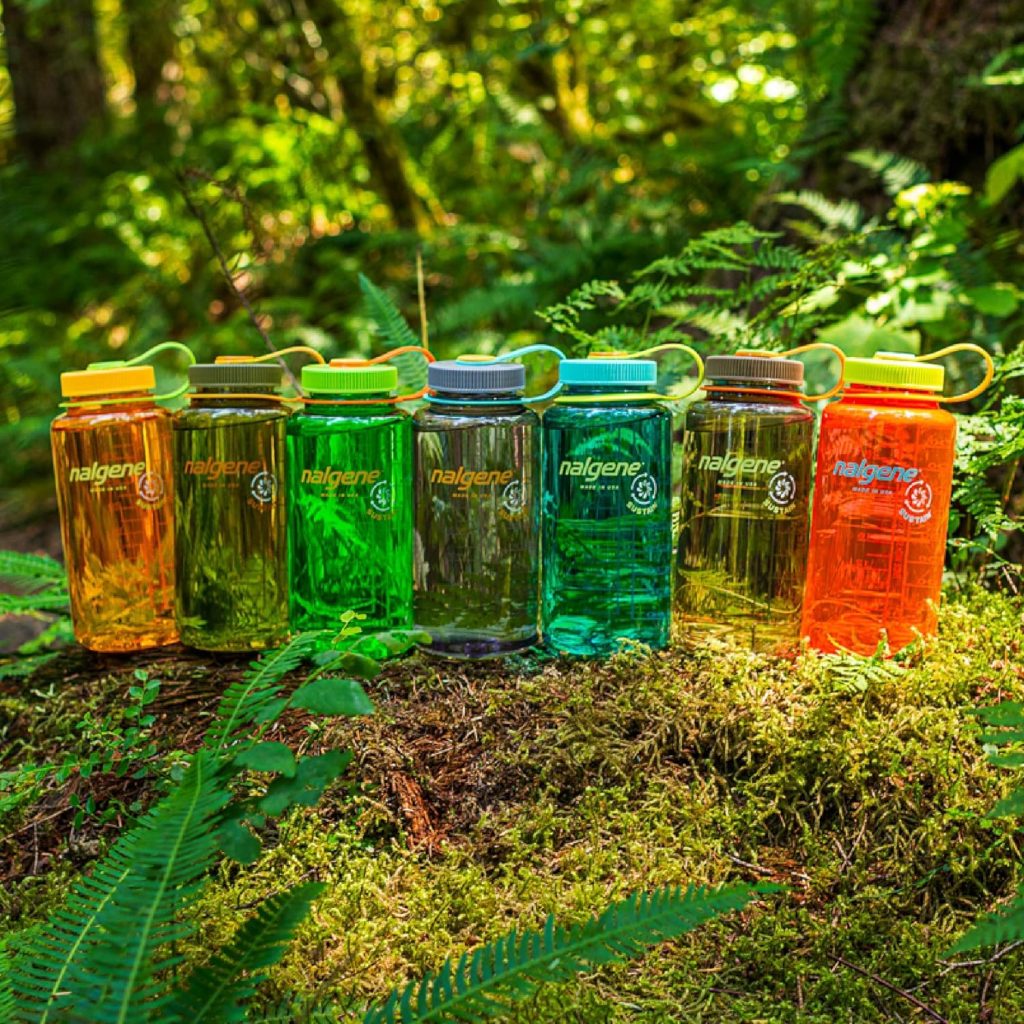
Polyethylene lab bottles designed to resist heat and chemicals found a new audience in the 1970s when scientists used them for camping. Outdoor enthusiasts loved the unbreakable bottles, and Nalgene became a go-to water bottle brand.
5. Lysol: From V*ginal Douche to Household Cleaner
Originally advertised as a feminine hygiene product and even hinted as a contraceptive, Lysol was dangerous for internal use. Over time, it found a safe and successful purpose as a disinfectant for homes.
6. Listerine: Surgical Antiseptic to Mouthwash
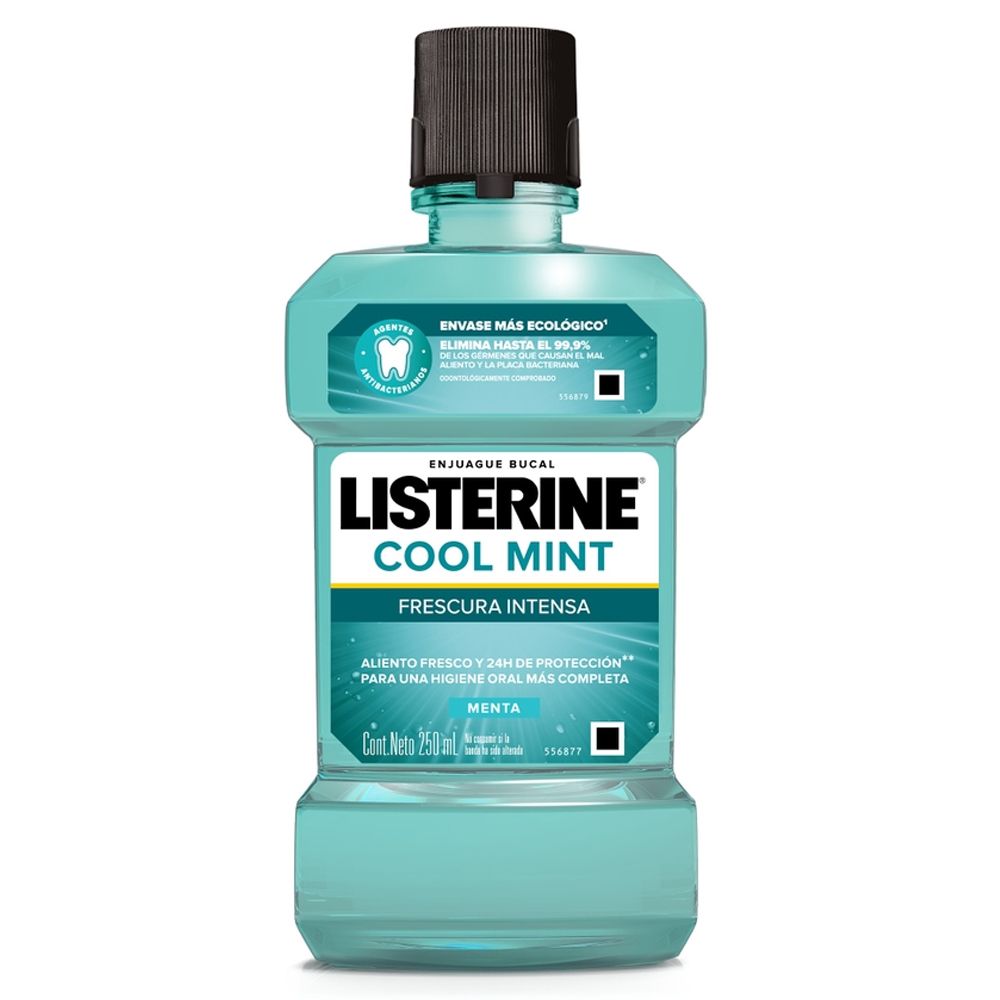
Developed in 1879 as a surgical antiseptic and general germicide, Listerine’s original uses included wound cleaning and even gonorrhea treatment. It finally became the famous mouthwash in the 1920s after marketing bad breath as a societal problem.
7. Propecia: Prostate Drug That Grew Hair
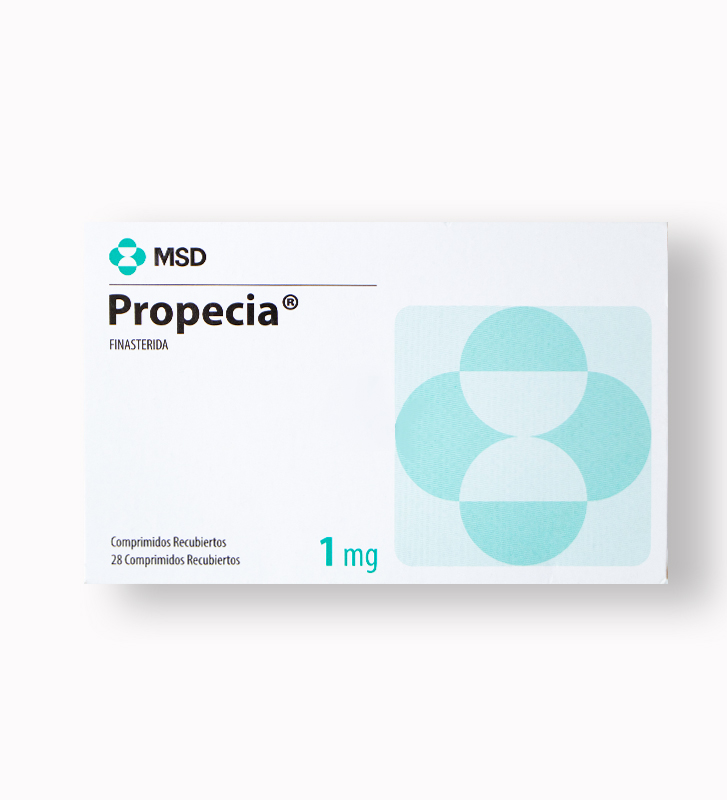
Initially marketed as Proscar for an enlarged prostate, doctors noticed a side effect: hair growth. It was repurposed as Propecia in the 1990s, now a leading treatment for male-pattern baldness.
8. Viagra: Heart Medication With “Lucky” Side Effects
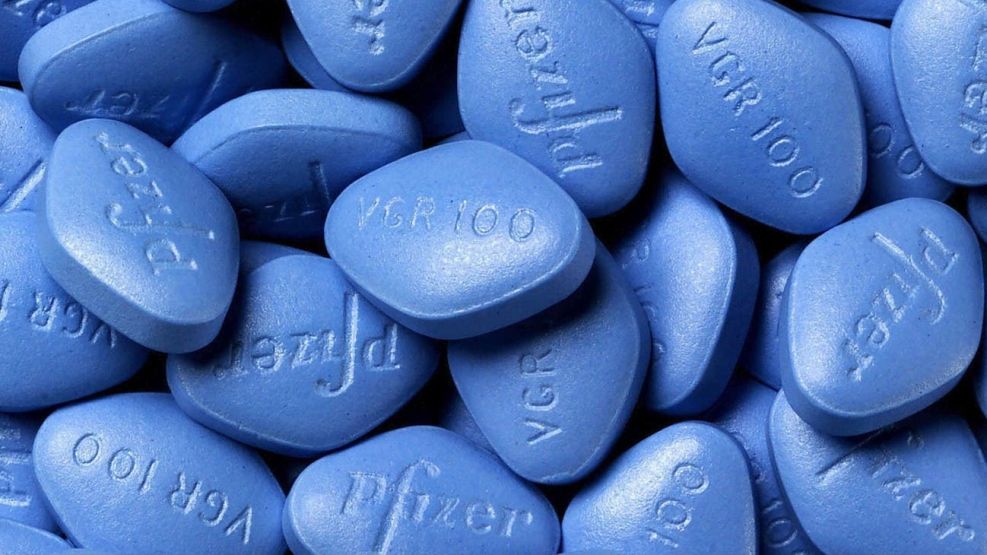
Sildenafil was developed to treat hypertension and angina. Male trial participants reported unexpected erections, leading to its rebranding as Viagra in 1998 and a blockbuster success in erectile dysfunction treatment.
9. Brandy: Byproduct of Wine Transport
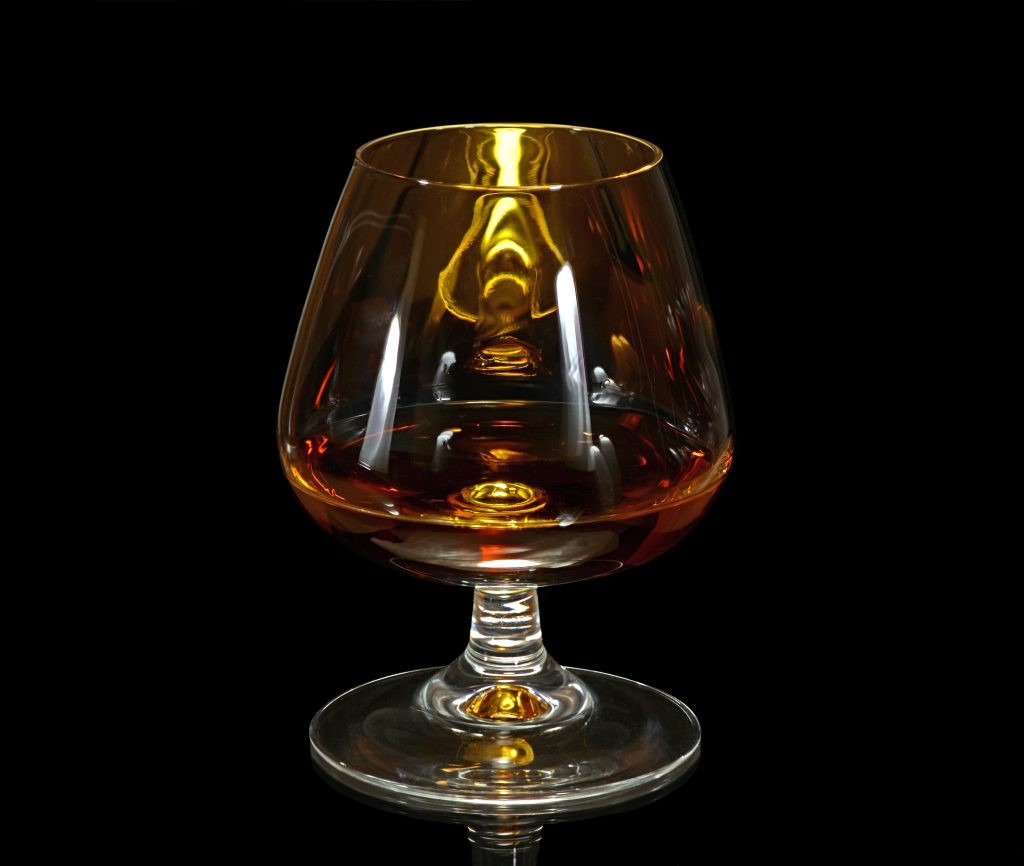
Medieval merchants boiled wine to reduce volume for transport and taxes. The concentrated wine surprisingly tasted good, creating brandy—a happy accident turned popular beverage.
10. Coca-Cola: From Patent Medicine to Soda
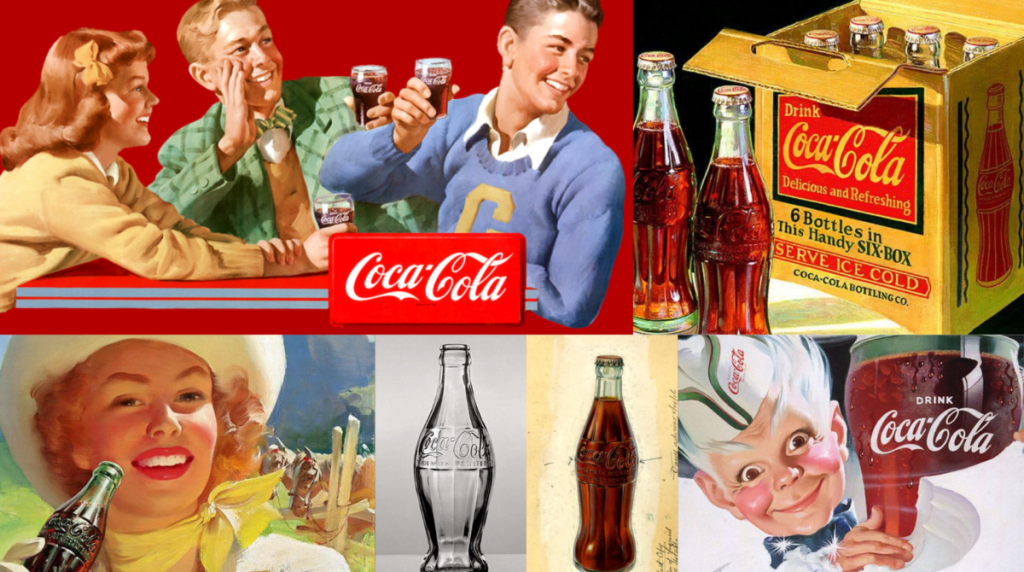
John Pemberton invented Coca-Cola in 1886 as a tonic to treat morphine addiction, headaches, and anxiety. Over time, it transformed into the world’s most famous soft drink, shedding its medicinal origins.
11. Play-Doh: Wallpaper Cleaner Turned Toy
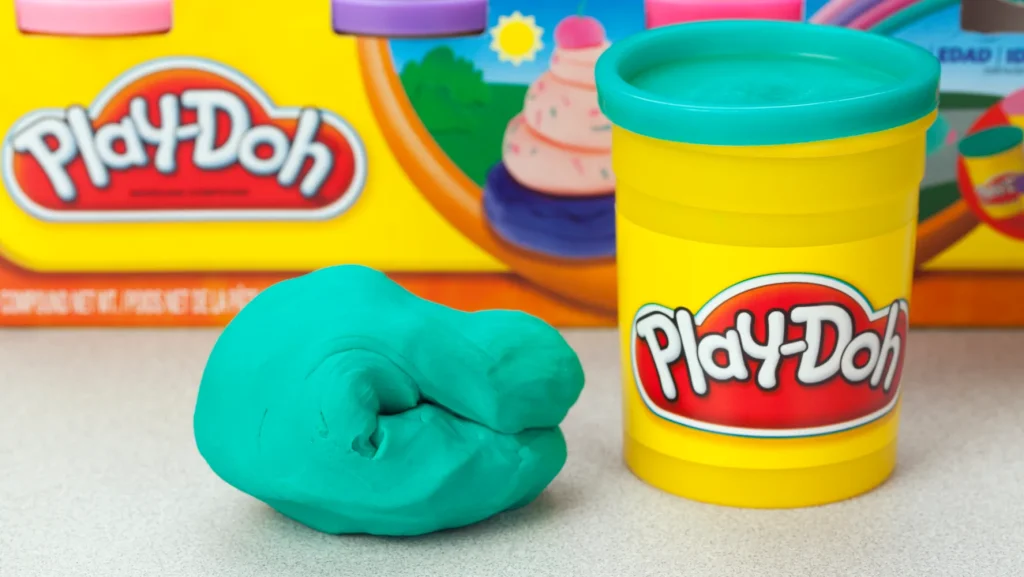
Kutol soap company created a compound to clean soot-stained wallpaper. After WWII, Joseph McVicker repurposed it as a modeling toy for children, leading to the beloved Play-Doh we know today.
12. Chainsaws: Childbirth Tools Before Lumberjack Gear
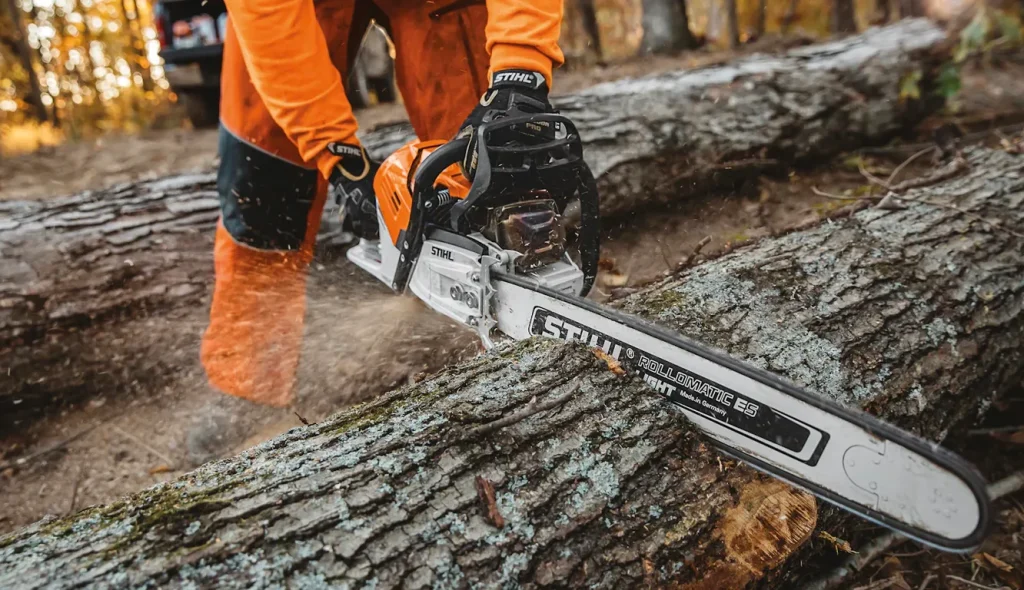
Originally designed for symphysiotomies, surgeries to split the pelvis during difficult childbirth, early chainsaws weren’t for cutting wood. Only in the 20th century were they adapted for logging.
13. The Slinky: Stabilizing Equipment That Walked
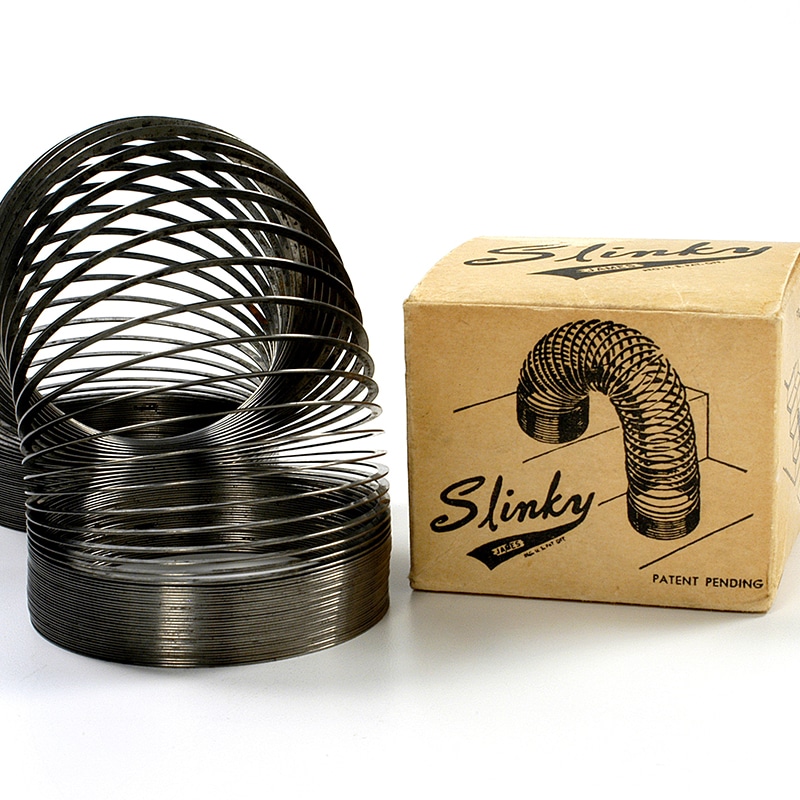
Naval engineer Richard James tried to keep ship equipment steady using coiled springs. When one fell, it “walked” across the floor. His wife saw the toy potential, and the Slinky became a classic children’s toy.
14. Graham Crackers: Created to Suppress Desire
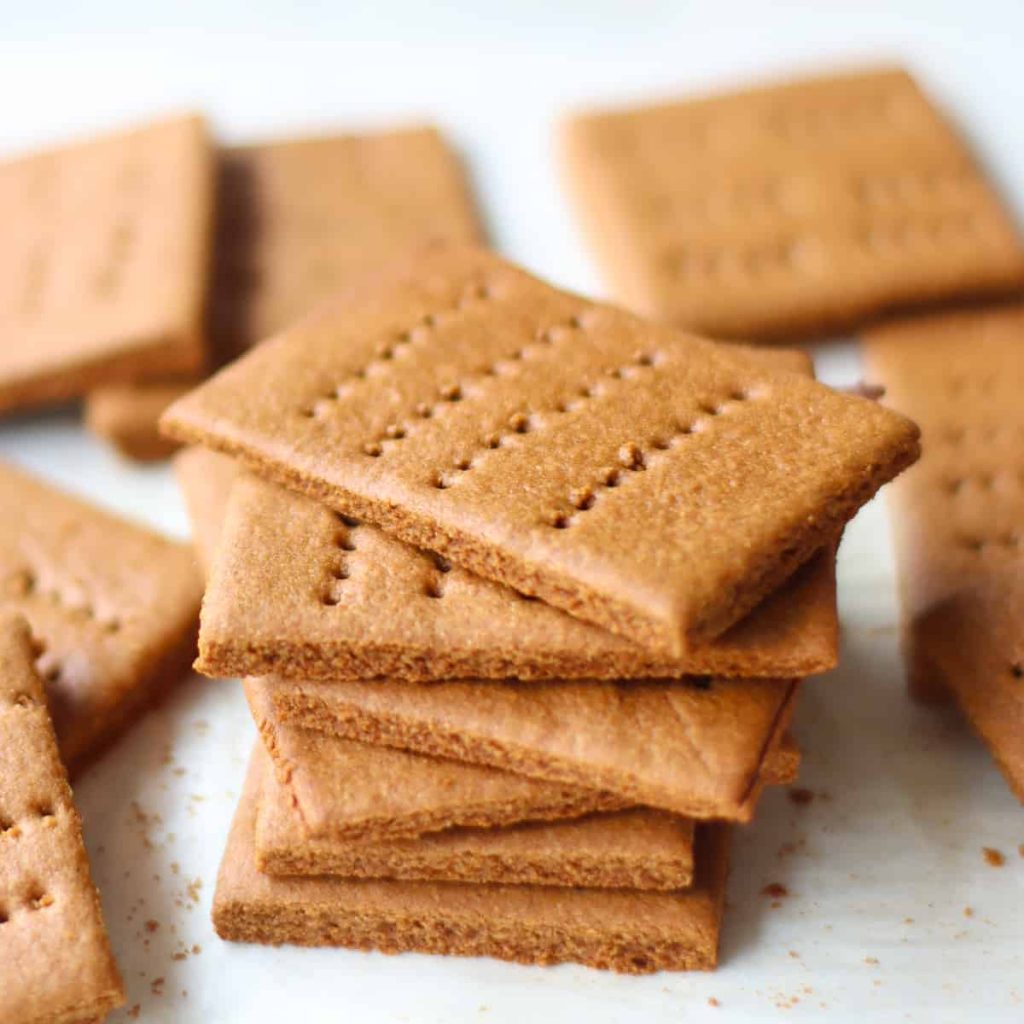
Presbyterian minister Sylvester Graham made bland crackers in the 1830s to curb sexual urges. Though intended as a moral food, they became a staple snack and baking ingredient.
15. Cornflakes: Anti Pleasure Cereal
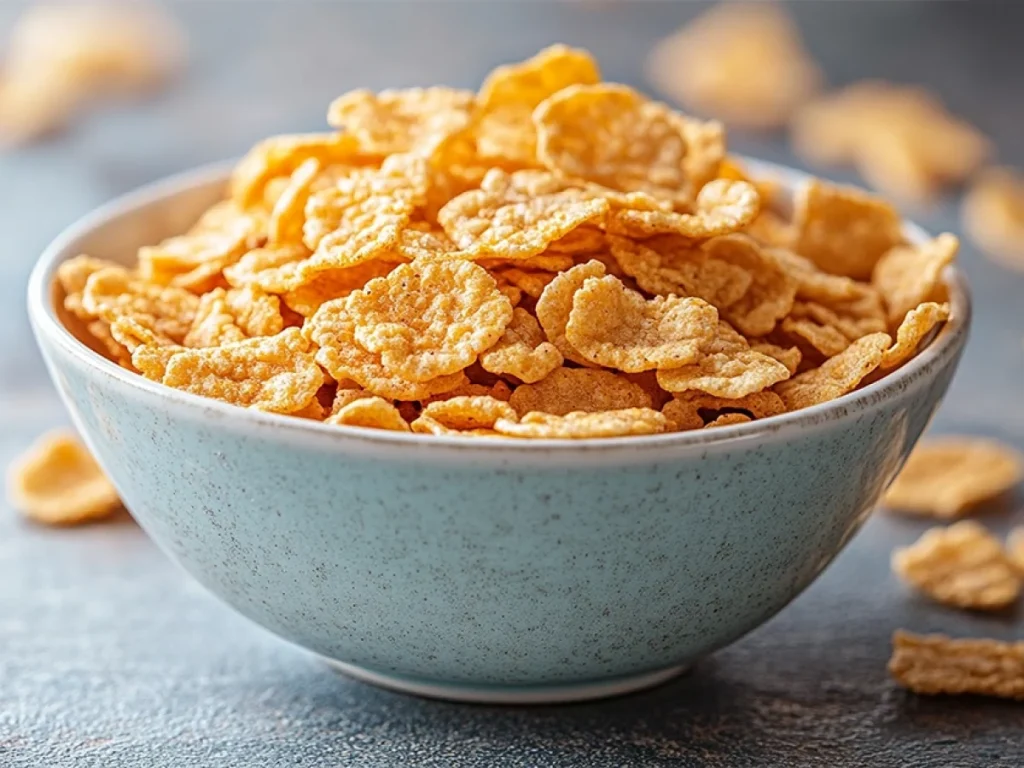
William and John Kellogg developed cornflakes at their sanitarium to reduce desire among patients. The plain cereal became a hugely popular breakfast item far beyond its original purpose.
16. Frisbees: Flying Pie Pans
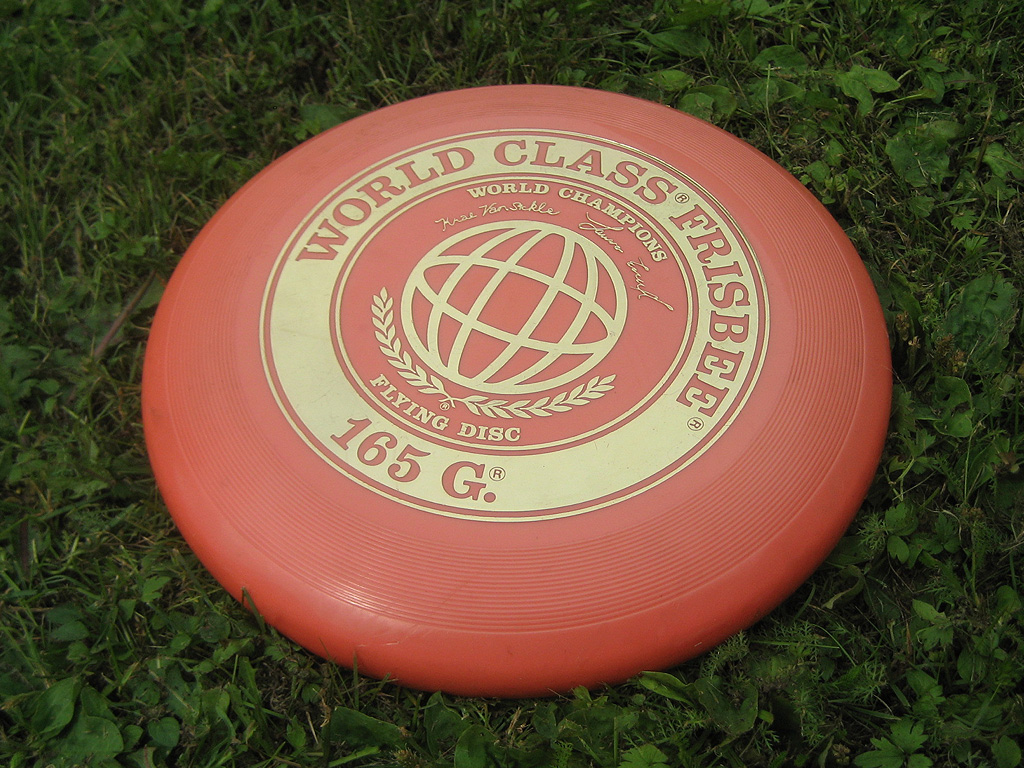
Students at Yale tossed empty pie tins from the Frisbie Pie Company in the late 1800s. Wham-O later commercialized them in the 1950s as flying discs, eventually renaming them Frisbees.
17. Chewing Gum: Failed Rubber Substitute
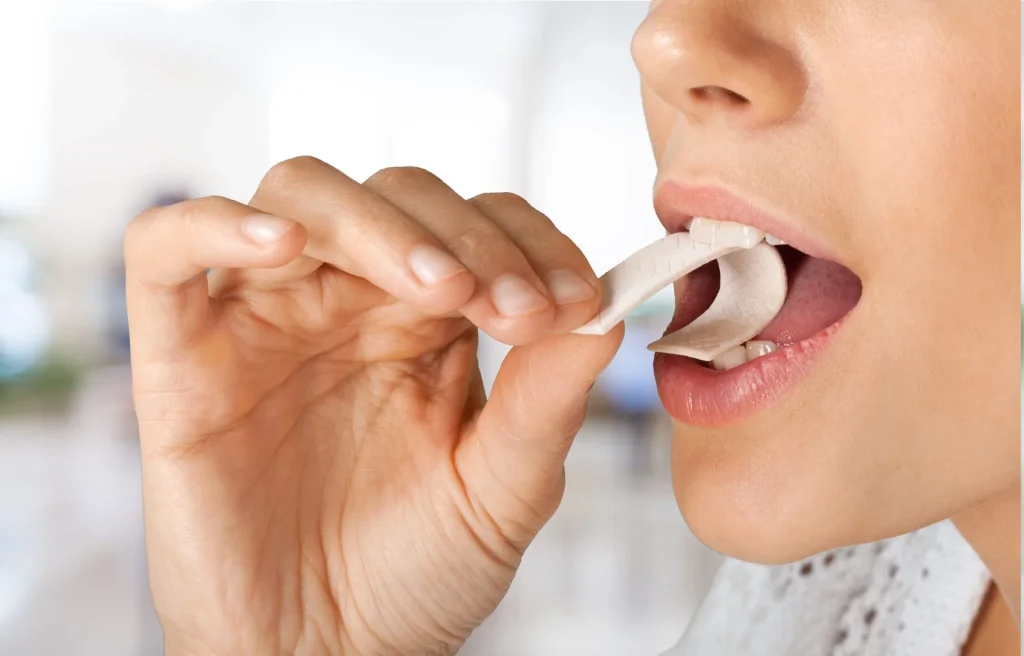
Thomas Adams brought chicle from Mexico intending to make rubber. When that didn’t work, he repurposed it into a chewable treat, creating the chewing gum we know today.
18. Braille: Military Code Turned Literacy Tool
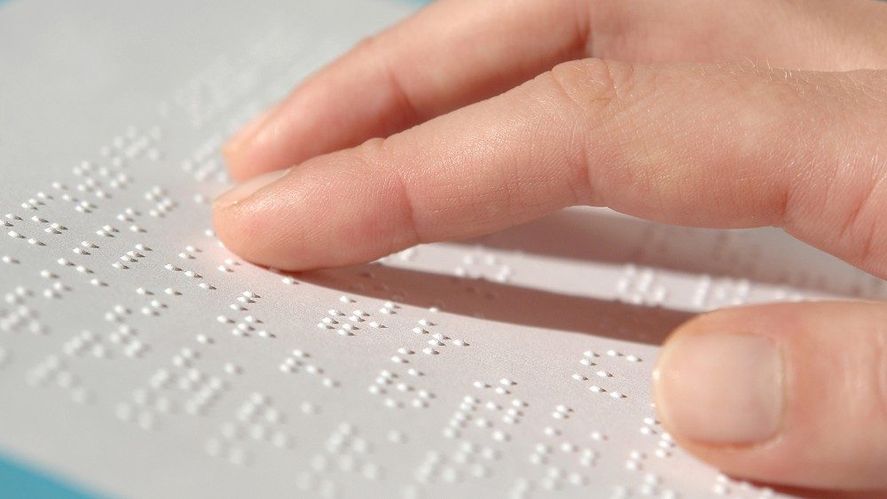
Charles Barbier invented “night writing” for soldiers to communicate silently. The system was too complex for the military but inspired Louis Braille to create the tactile writing system for the visually impaired.
19. Rubik’s Cube: Teaching Tool Turned Puzzle
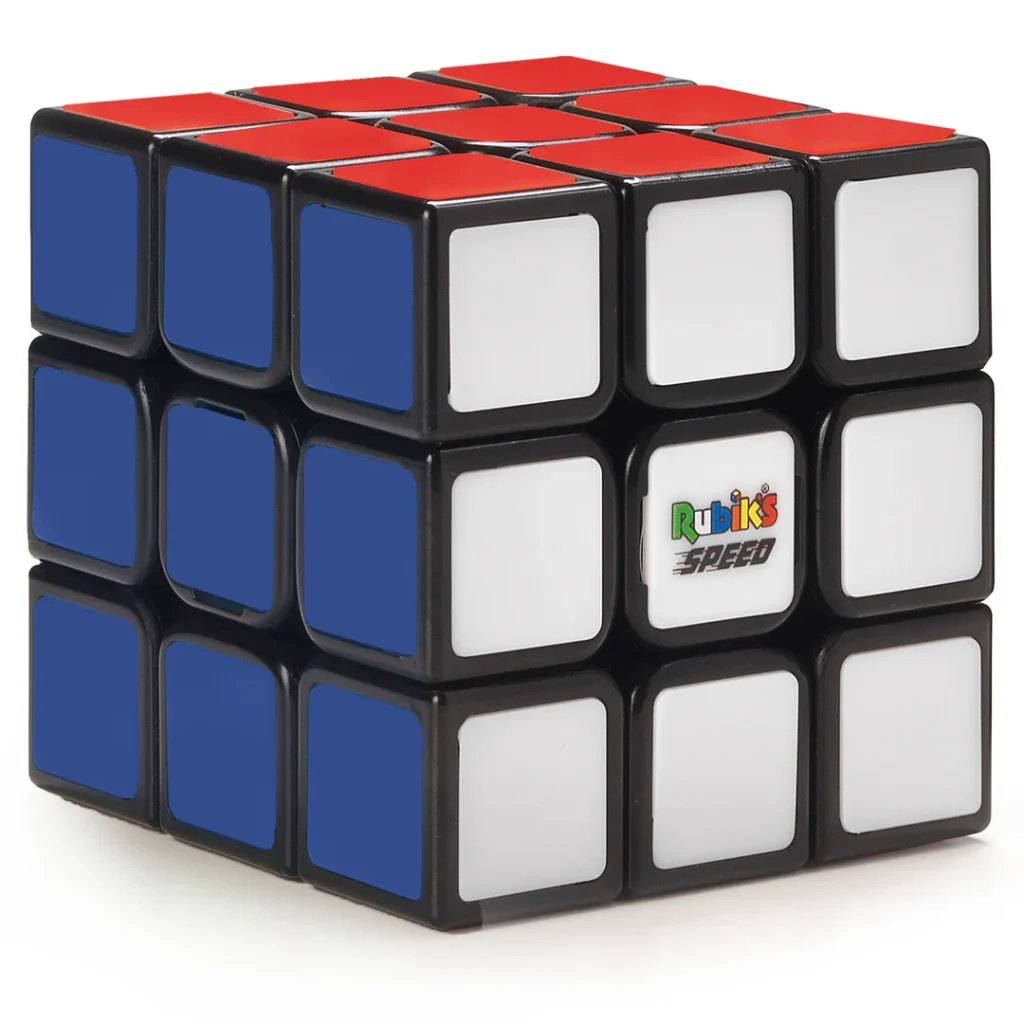
Ernő Rubik designed the cube in 1974 to help architecture students understand 3D geometry. It became a global puzzle phenomenon after being marketed as a toy in 1980.
20. Implantable Pacemaker: Accidental Heart Regulator
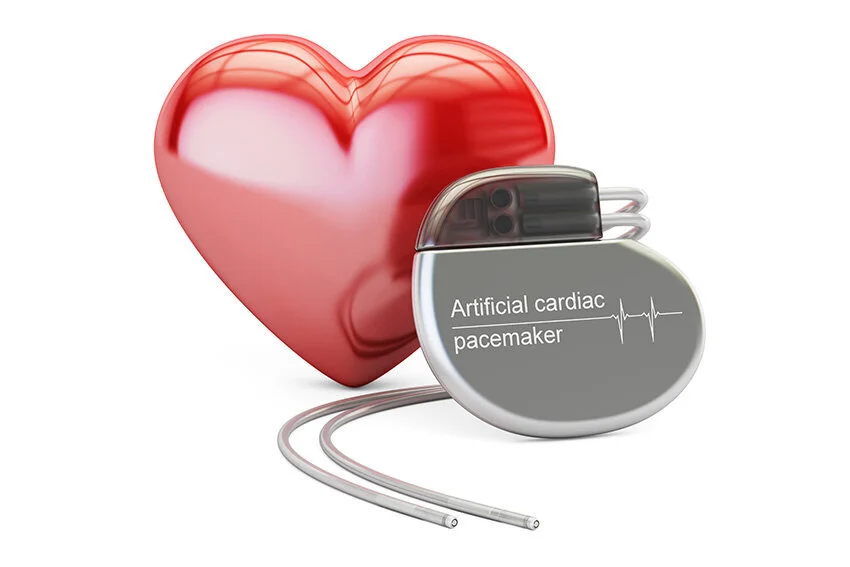
Wilson Greatbatch intended to record heart sounds in 1956 but miswired a circuit. The device produced pulses that could regulate heart rhythms, leading to the first implantable pacemaker.
21. Corkscrew: From Battlefield Bullet Extractor to Wine Tool
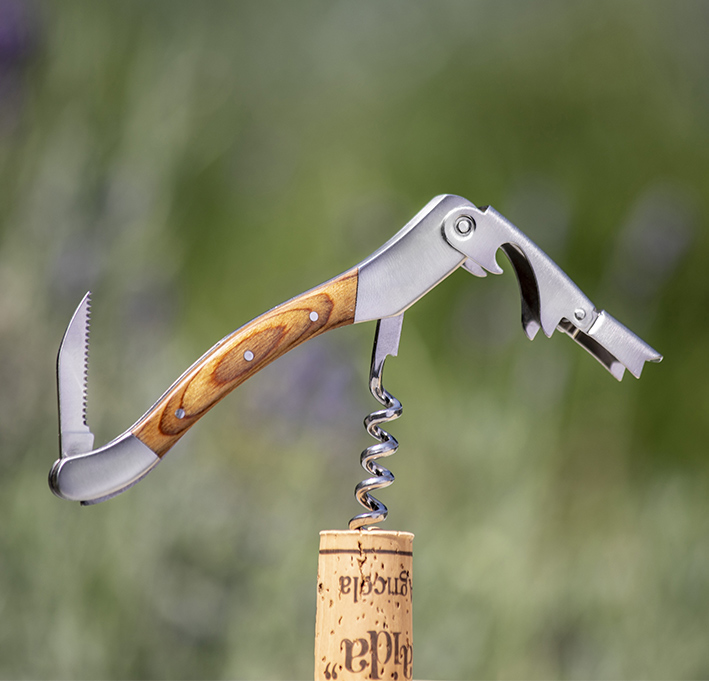
Early corkscrews descended from the “gun worm,” used to remove stuck bullets from muskets. By the late 18th century, inventors adapted the design to open cork-sealed bottles, creating the modern corkscrew.