For nearly three decades, the Berlin Wall divided not just a city, but families, friends, and entire ways of life. Built in 1961 and torn down in 1989, it became one of the most powerful symbols of the Cold War. Yet beyond the politics and propaganda, ordinary people still went about their days.
Tensions at Checkpoint Charlie
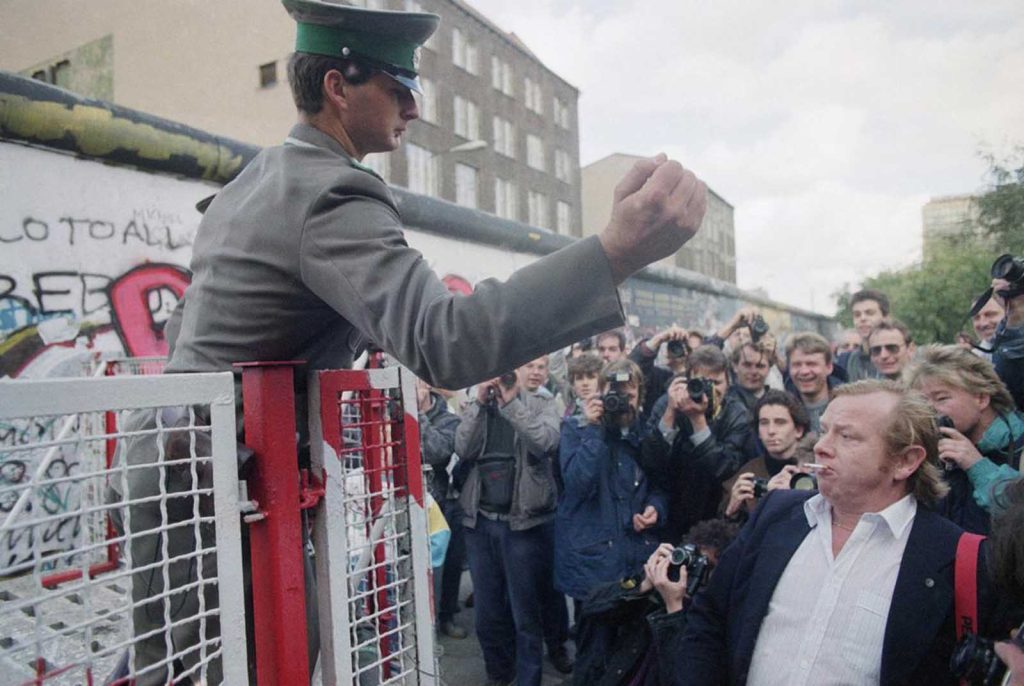
On October 7, 1989, an East German border guard gestured at demonstrators who had thrown bottles at newly erected barriers at Checkpoint Charlie.
Crossing into Freedom
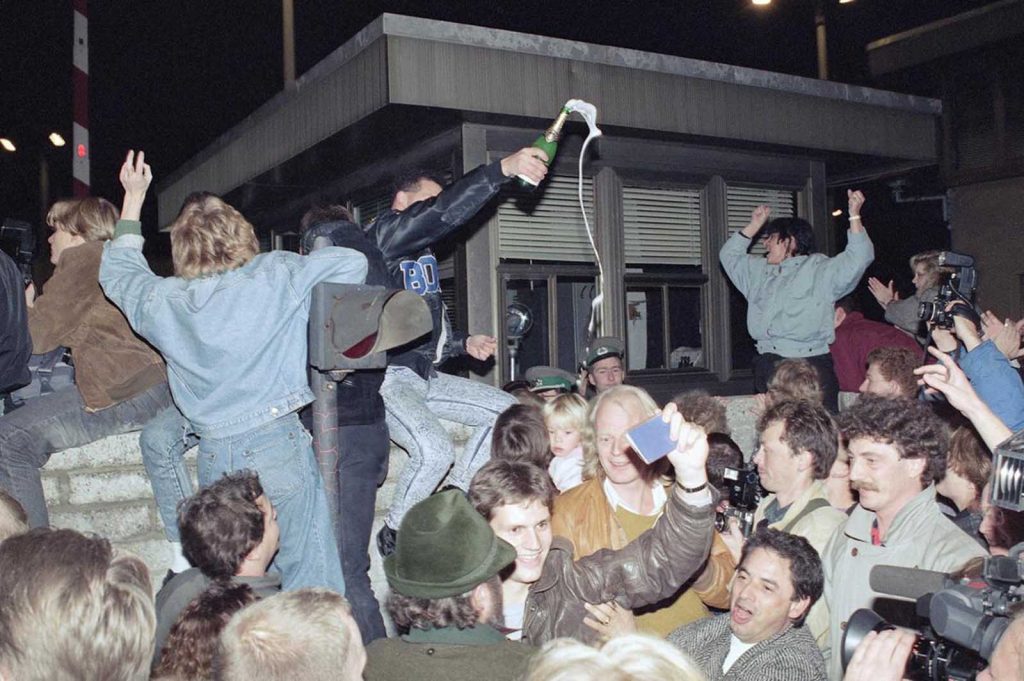
On November 10, 1989, East and West Berliners celebrated together in front of a control station as the East German government opened the borders. The moment marked the joyous beginning of a reunited city after decades of division.
Scaling the Wall Together
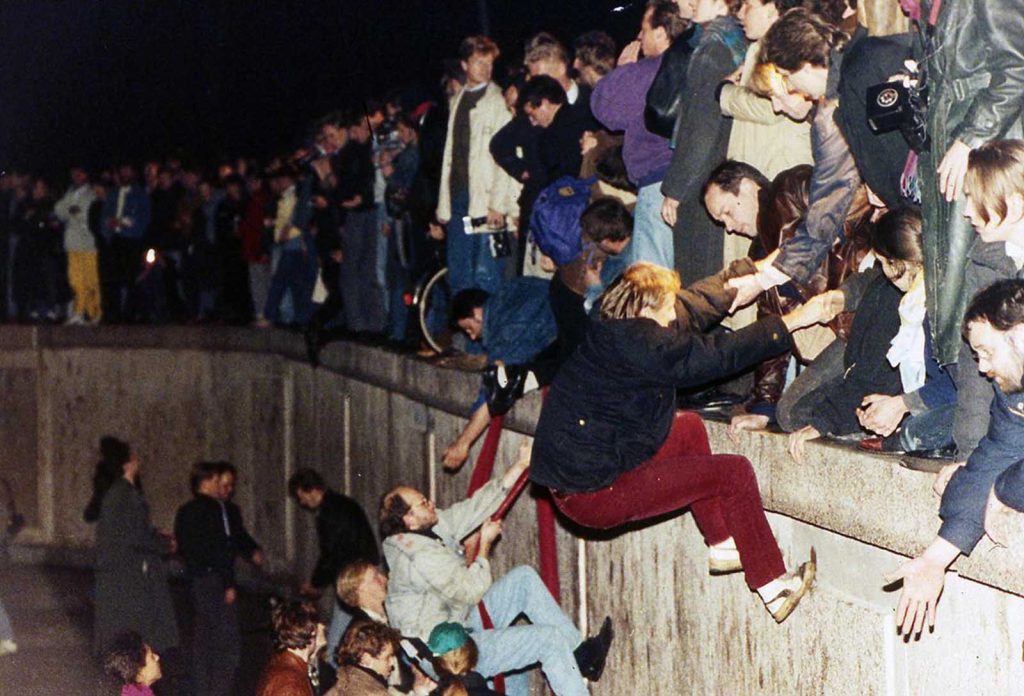
On November 10, 1989, East Berliners received helping hands from West Berliners as they climbed the Wall near the Brandenburg Gate.
Watching the Wall Fall
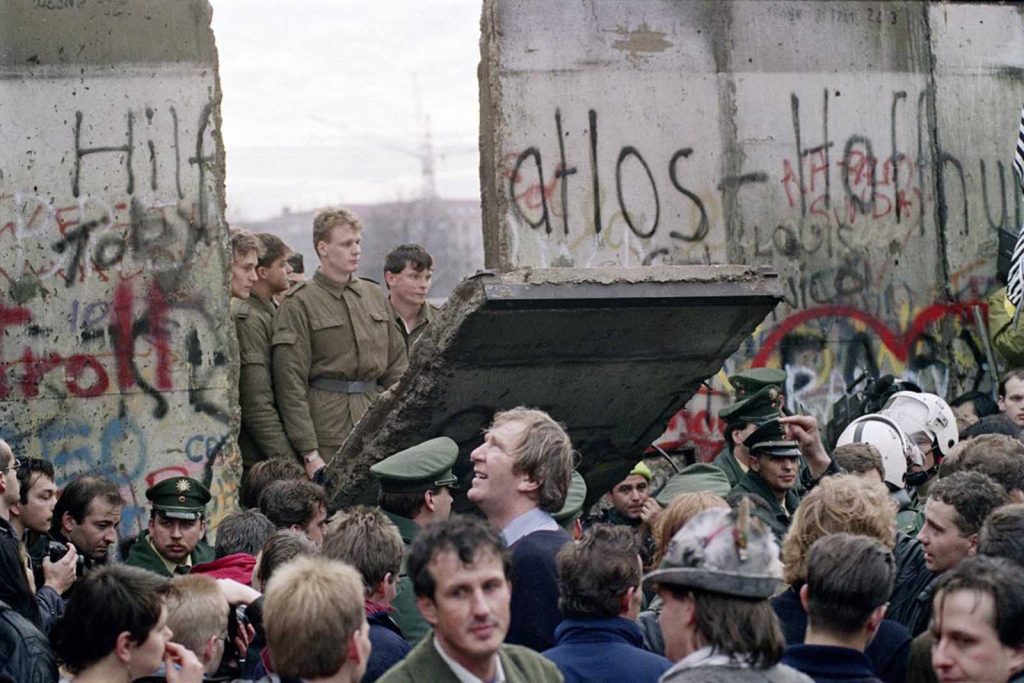
On November 11, 1989, West Berliners gathered near Potsdamer Platz to watch East German border guards demolish a section of the Wall.
Caught at the Crossing
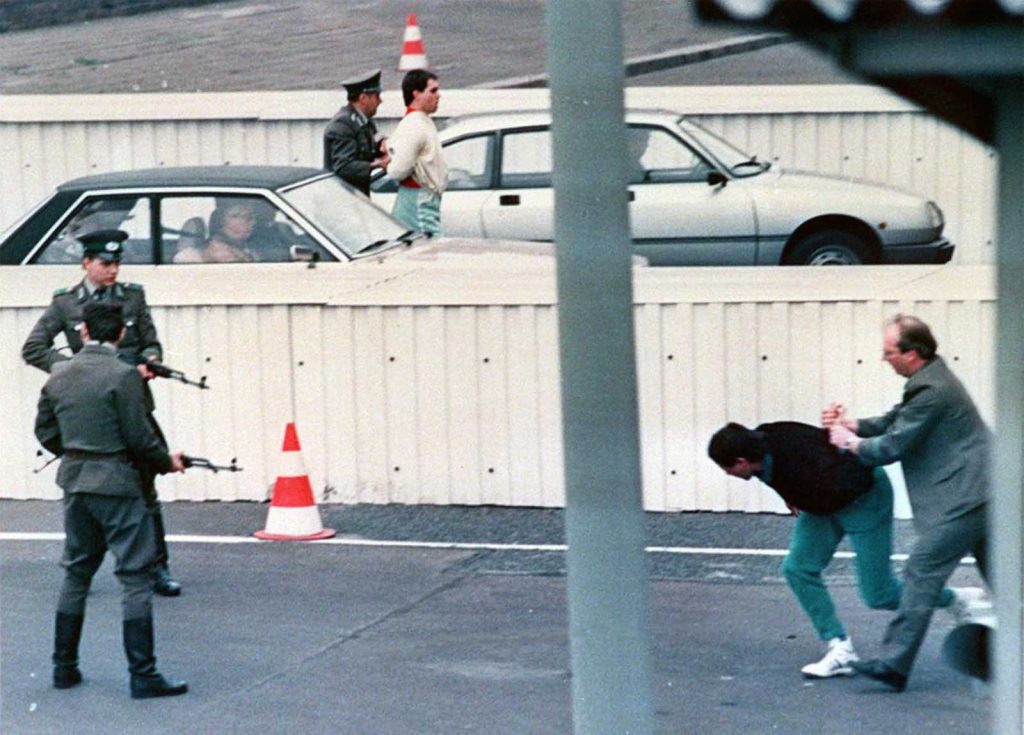
In April 1989, two East Berliners were apprehended by border guards after a failed escape at the Chausseestreet checkpoint. Even in the final months of the Wall, attempts to flee were met with strict enforcement and danger.
A Church of Protest
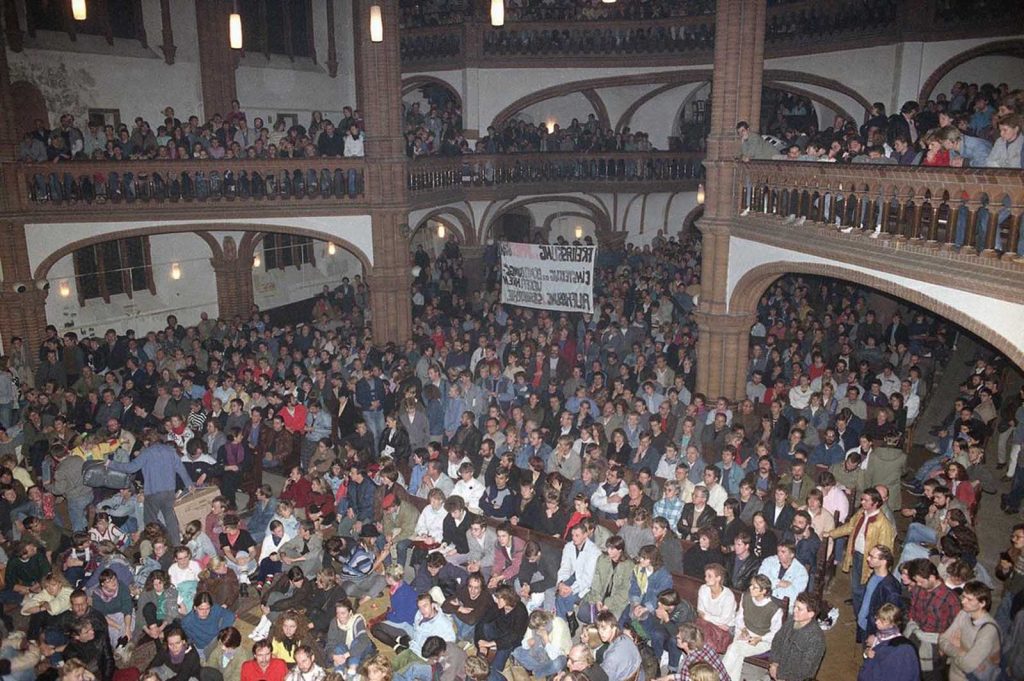
On October 12, 1989, around 1,000 East Germans gathered at Gethsemane Church in East Berlin for a prayer service supporting imprisoned pro-democracy protesters.
A Desperate Attempt at Escape
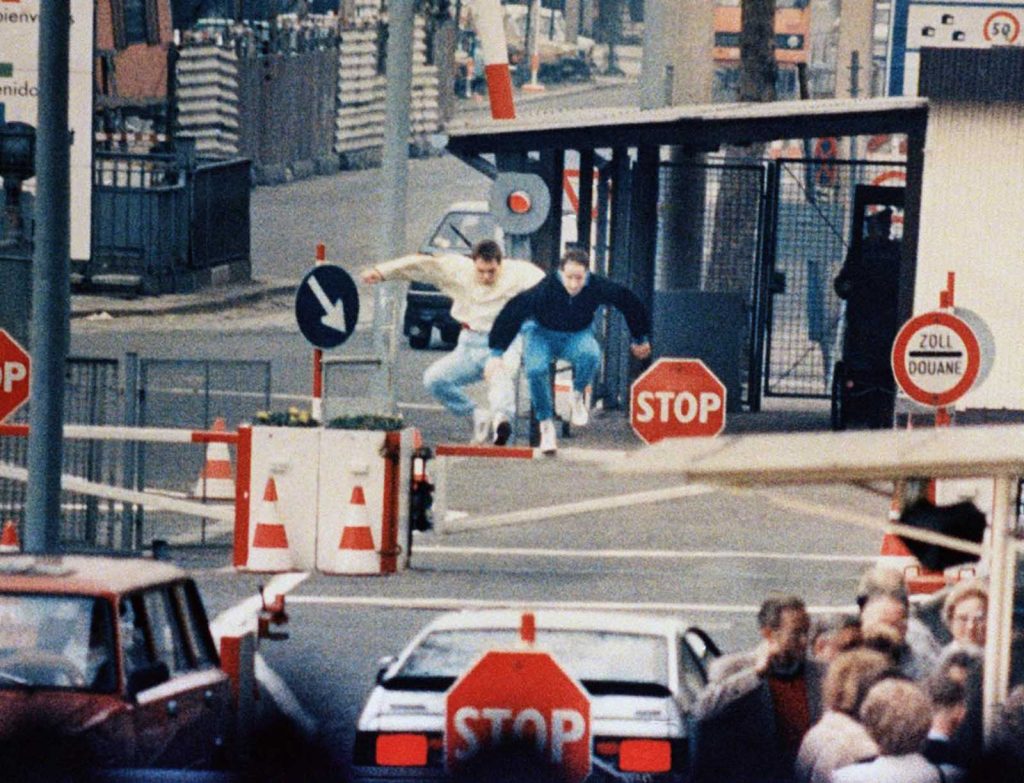
In April 1989, two East Berliners tried to leap over border barriers at the Chaussee Street checkpoint. Armed East German guards stopped them, while others in the foreground waited for permits to enter West Berlin.
Chipping Away at History
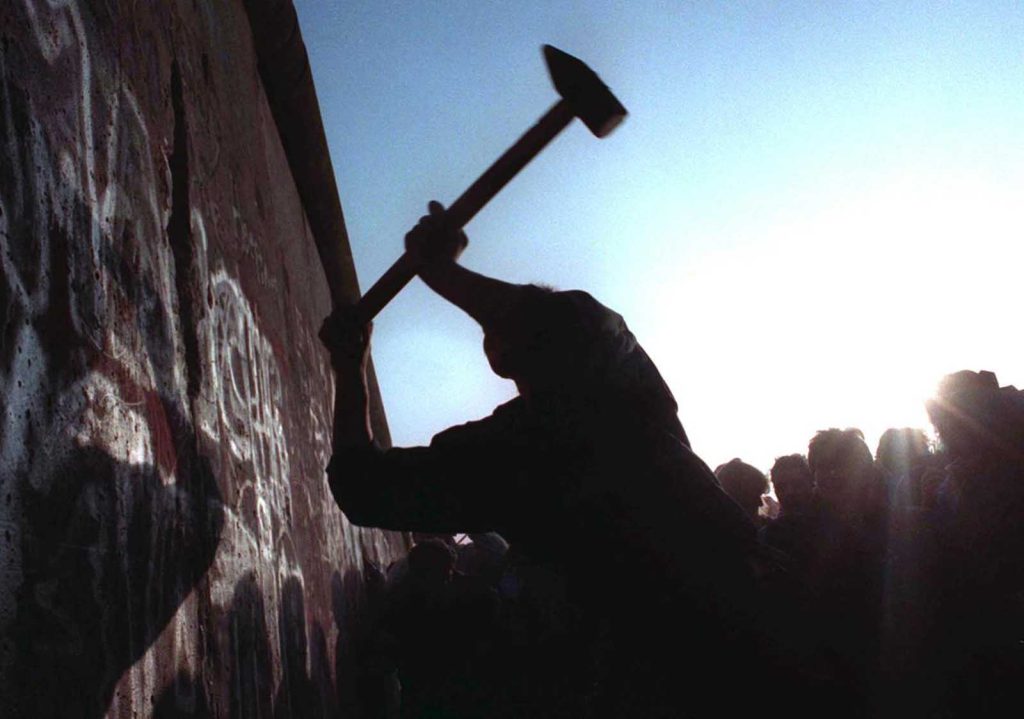
On November 12, 1989, a man hammered at the Berlin Wall, joining countless others in dismantling the barrier that had divided the city for decades.
Messages on the Wall
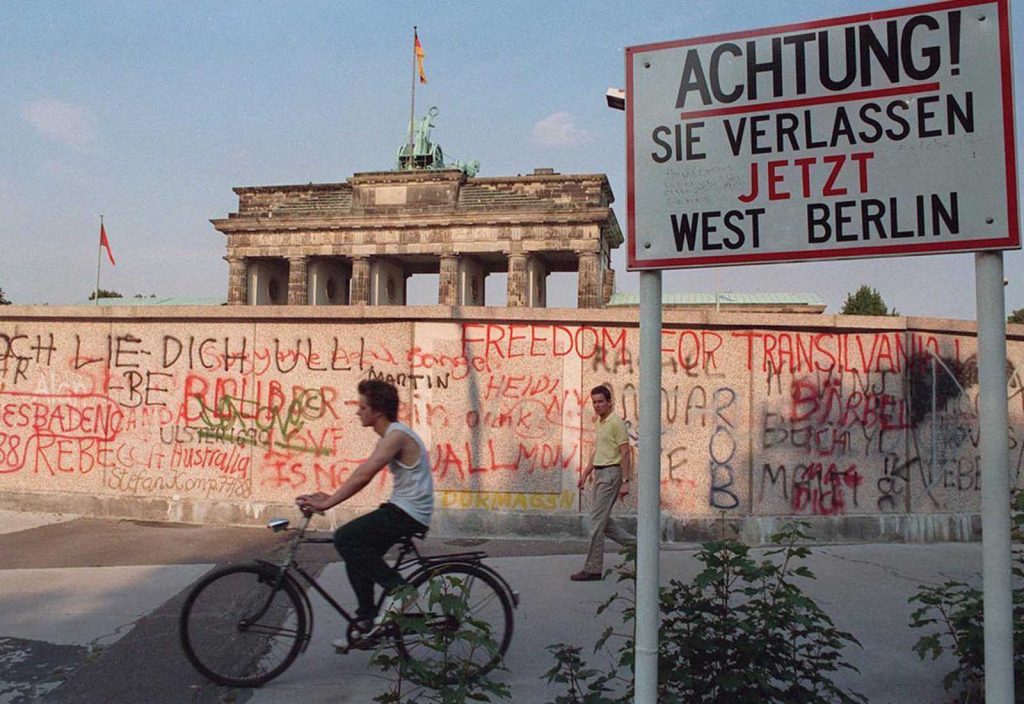
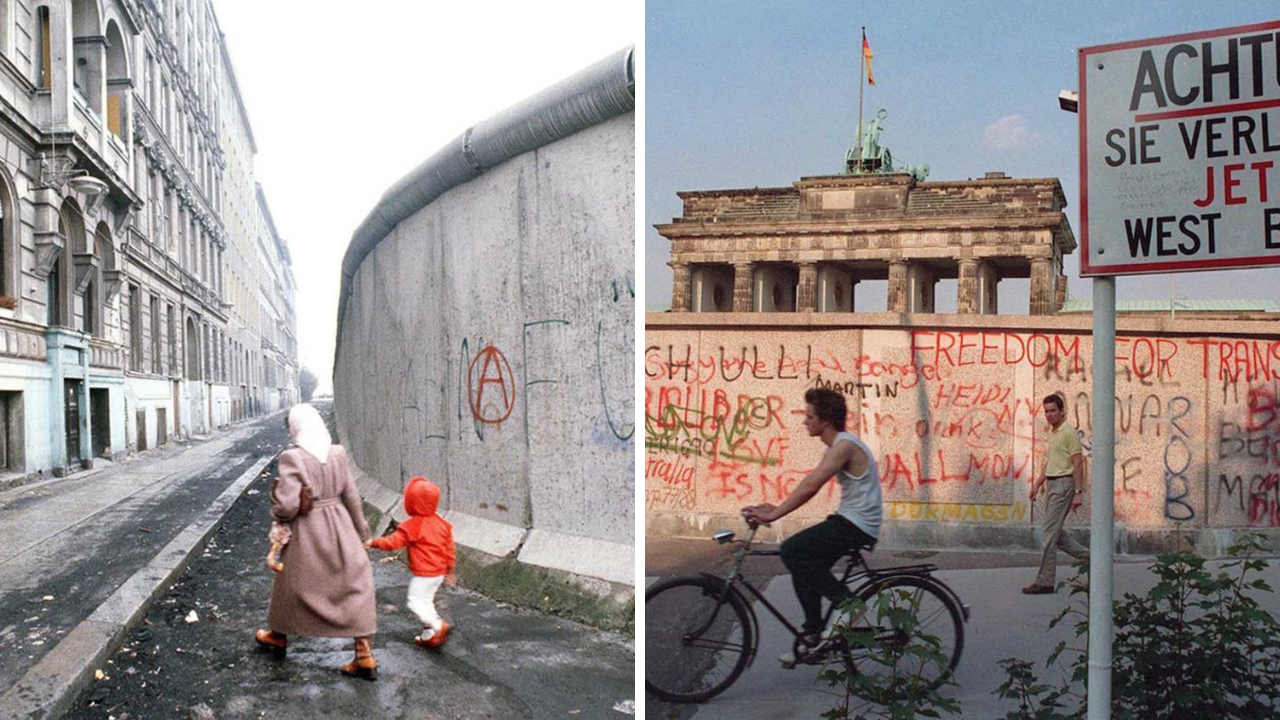
In 1988, a section of the Berlin Wall near the Brandenburg Gate was covered in graffiti. A sign warns, “Attention! You are now leaving West Berlin,” highlighting both the division and the human urge to leave a mark on history.
Daily Life by the Wall
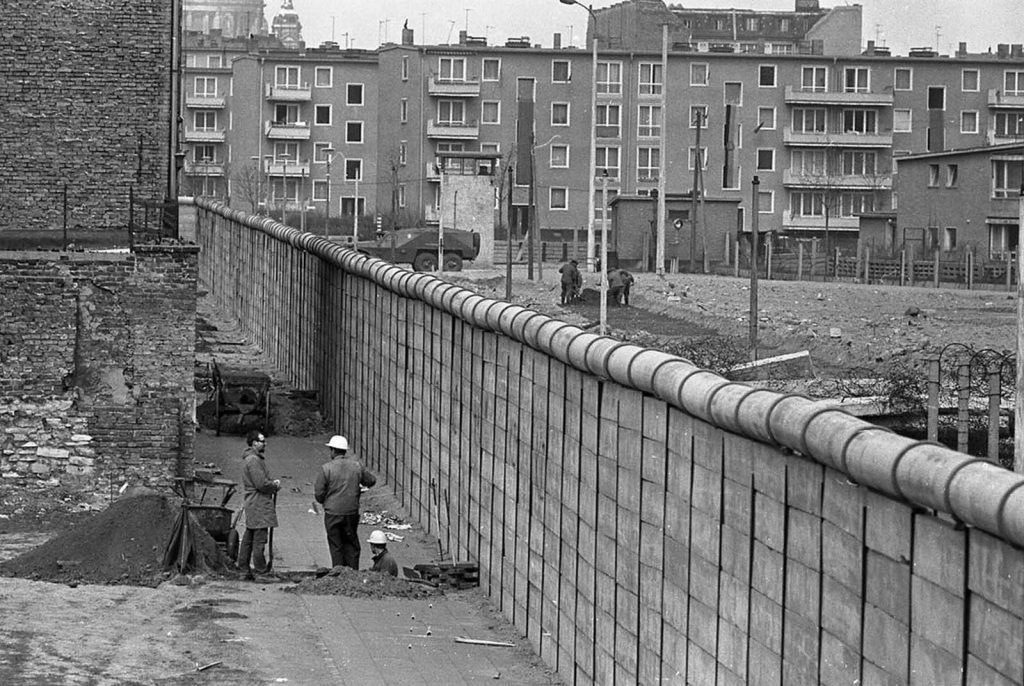
On April 18, 1967, West German construction workers paused for a chat beside the Berlin Wall. Even amid the city’s division, ordinary life continued in the shadow of the concrete barrier.
Walking Along the Divide
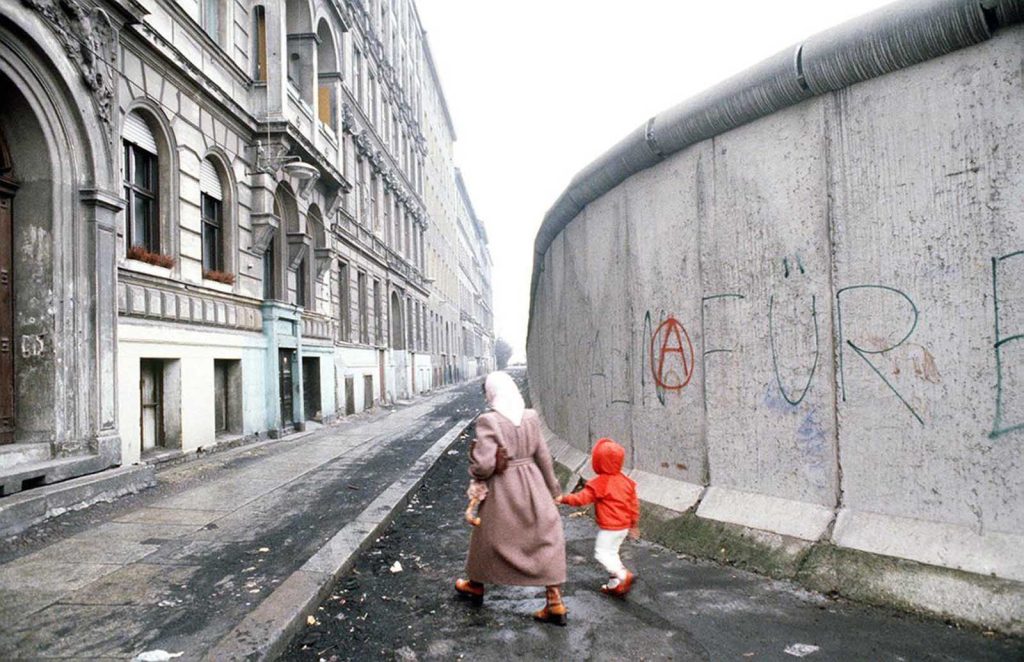
A woman and child stroll beside the Berlin Wall, a daily reminder of the city’s division. Ordinary moments like this continued despite the looming presence of concrete and barbed wire.
MLK at the Wall
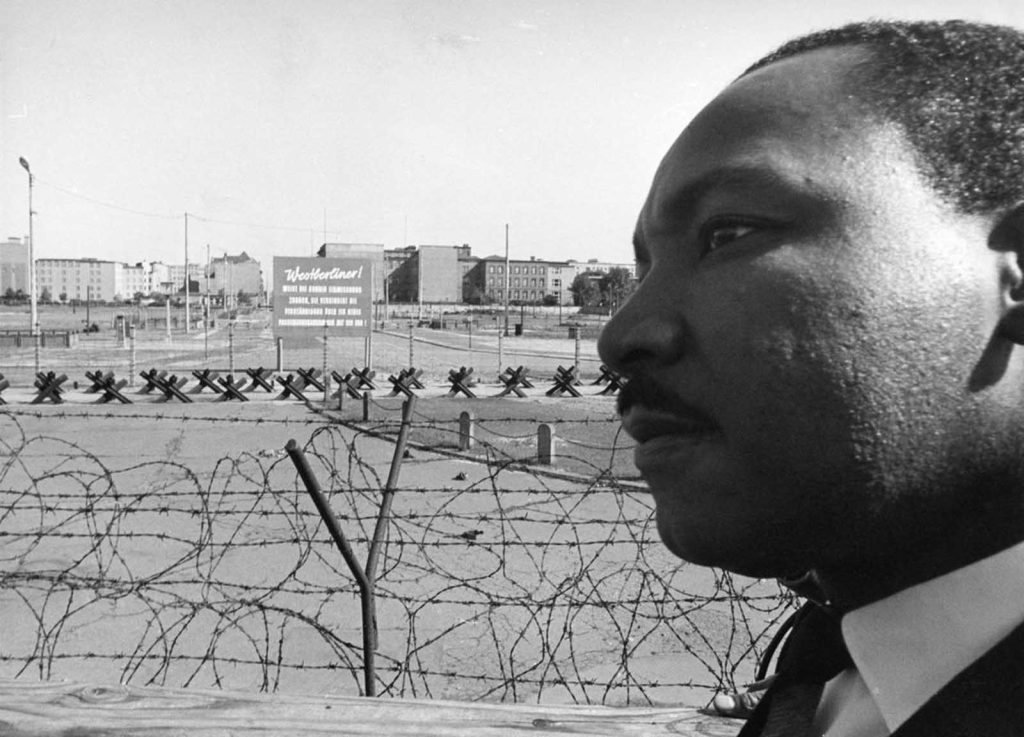
On September 13, 1964, Reverend Martin Luther King Jr. visited the Berlin Wall, invited by West Berlin Mayor Willy Brandt. His presence highlighted global attention on the city’s division and the universal struggle for freedom and human rights.
Tunnel to Freedom
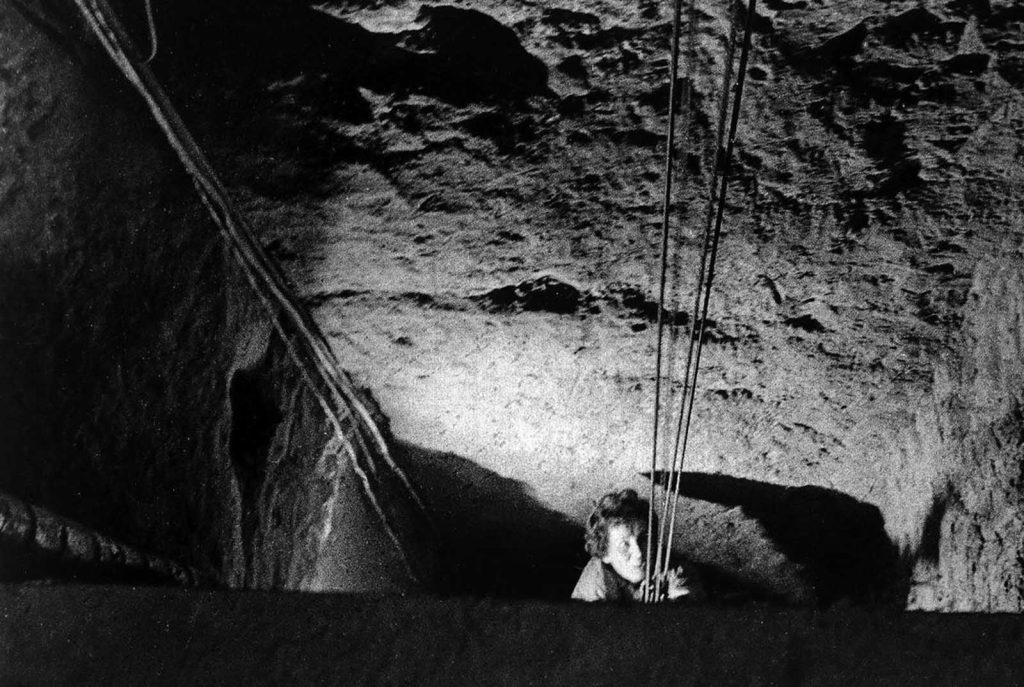
In October 1964, 57 East Berliners escaped through a secret tunnel beneath Bernauer Street to reach West Berlin.
The Famous Leap to Freedom
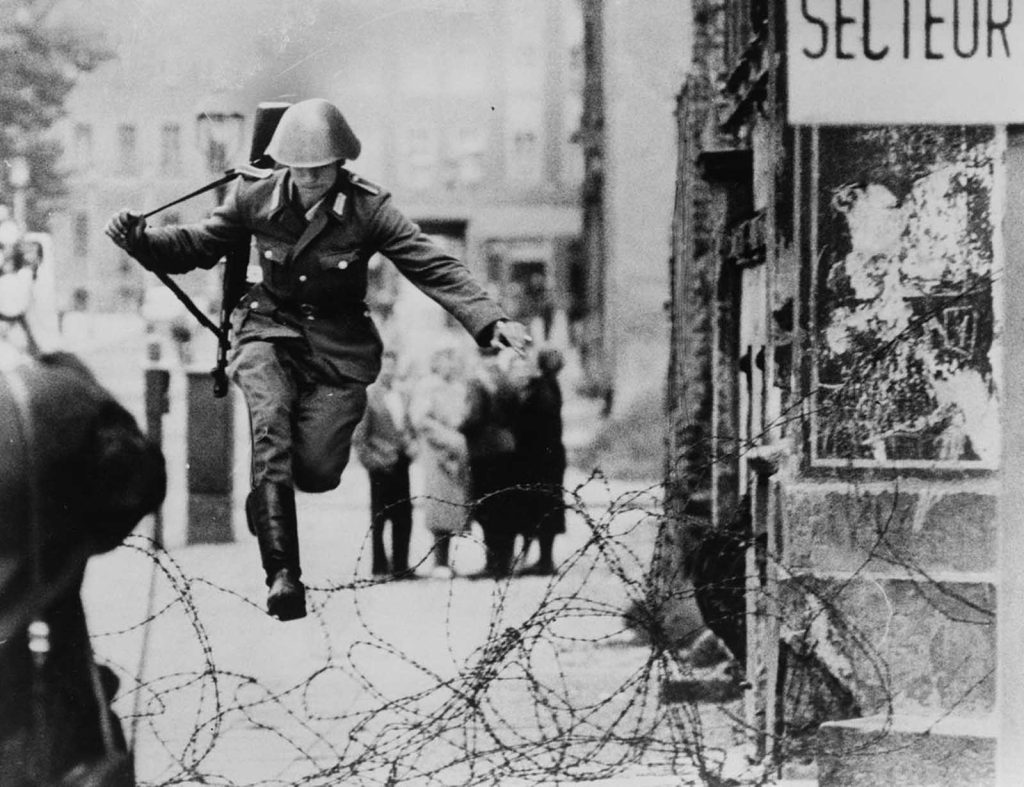
On August 15, 1961, East German border guard Conrad Schumann made a daring escape, jumping over barbed wire into the French Sector of West Berlin.
Watching Over the Divide
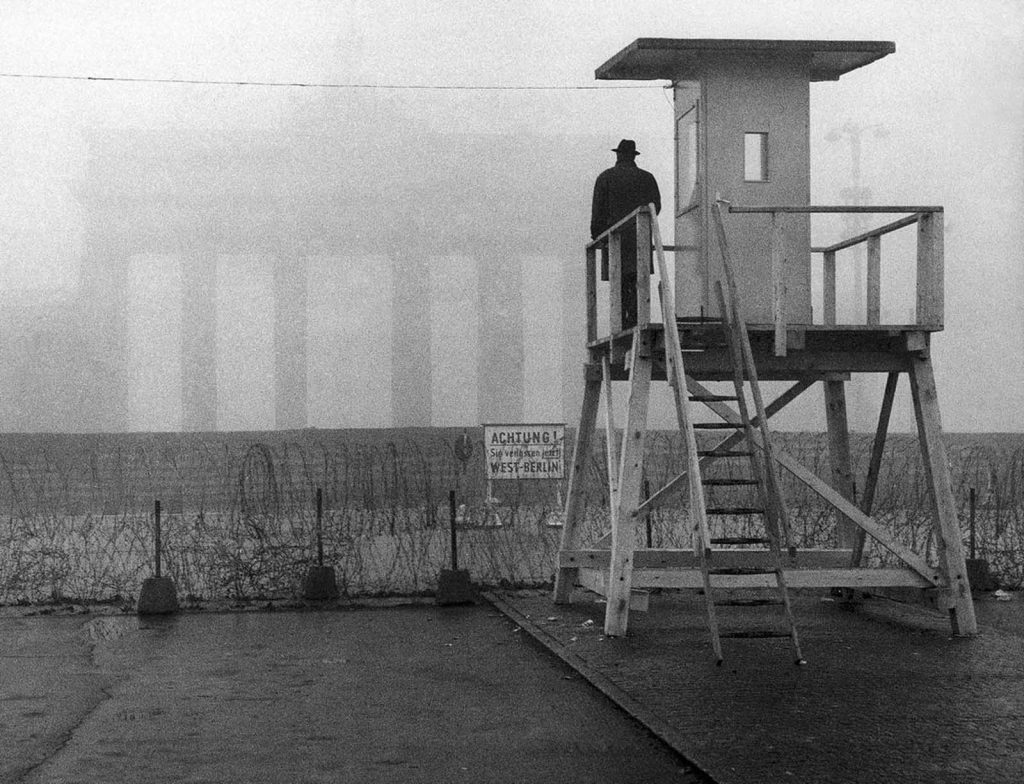
On November 25, 1961, a lone man gazes through the fog from a West Berlin watchtower toward the Eastern sector. The tower was built to monitor the Inner-German border, a quiet sentinel over a city split by politics and concrete.